2 Gauge Vs 4 Gauge Battery Cable: Ultimate Guide 2026

Choosing the right battery cable can make a big difference in how well your vehicle or equipment runs. If you’ve ever wondered whether to go with a 2 gauge or 4 gauge battery cable, you’re not alone.
The decision might seem simple, but picking the wrong size could lead to poor performance or even damage. You’ll discover the key differences between 2 gauge and 4 gauge cables and learn which one fits your needs best. Keep reading to make sure your setup gets the power it deserves.
Cable Thickness Comparison
Choosing between 2 gauge and 4 gauge battery cables requires understanding their cable thickness differences. The thickness affects how well the cables carry power and resist electrical losses. In automotive battery cables, thickness relates directly to the gauge number. A smaller gauge means a thicker cable, which impacts current carrying capacity, cable resistance, and overall power transmission efficiency. Comparing these two gauges helps in selecting the right cable for specific electrical needs and battery cable installation scenarios.
Physical Differences
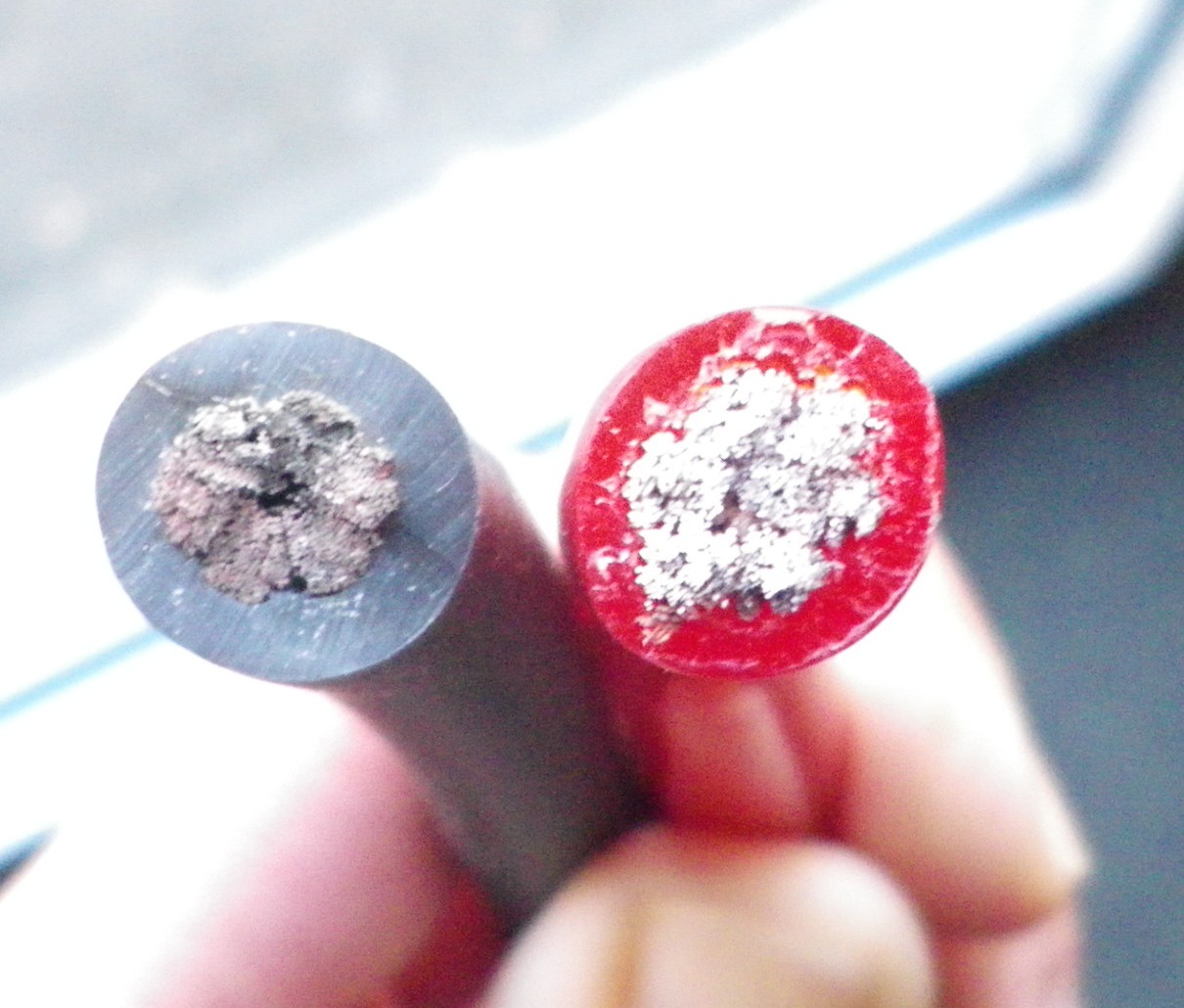
The main physical difference between 2 gauge and 4 gauge battery cables lies in their diameter and weight. The 2 gauge cable is thicker and heavier than the 4 gauge cable. This thickness affects the amount of copper or aluminum conductor inside, which changes the cable’s ampacity rating and electrical conductivity.
- 2 Gauge Cable: Larger diameter, lower cable resistance, higher current carrying capacity.
- 4 Gauge Cable: Smaller diameter, higher cable resistance, lower current carrying capacity.
| Specification | 2 Gauge Battery Cable | 4 Gauge Battery Cable |
|---|---|---|
| Diameter (inches) | 0.257 | 0.204 |
| Cross-Sectional Area (mm²) | 33.6 | 21.1 |
| Approximate Weight (per 100 feet) | 29.1 lbs | 18.3 lbs |
The physical size difference influences how easy the cables are to handle during battery cable installation. Thicker cables like 2 gauge are less flexible and harder to route in tight spaces. The 4 gauge cable is more flexible but offers less current carrying capacity. These traits must be balanced depending on the vehicle’s electrical system requirements.
Impact On Performance
In terms of performance, cable thickness plays a key role in electrical conductivity and power transmission efficiency. A thicker cable like 2 gauge has a lower cable resistance, allowing it to carry more current with less voltage drop. This reduces energy loss and ensures the battery delivers power efficiently.
- Voltage Drop: Thinner cables like 4 gauge experience higher voltage drops under heavy loads.
- Current Carrying Capacity: 2 gauge cables handle higher currents safely without overheating.
- Power Transmission Efficiency: Improved in thicker cables due to reduced resistance.
The ampacity rating difference is crucial for automotive battery cables powering high-demand components. Using a 4 gauge cable on a system requiring 2 gauge may cause overheating and poor performance. Conversely, using a 2 gauge cable in a low-current system can be unnecessarily bulky and expensive.
Here’s a quick comparison of performance factors:
| Performance Factor | 2 Gauge Cable | 4 Gauge Cable |
|---|---|---|
| Cable Resistance (Ohms per 100 ft) | 0.078 | 0.124 |
| Max Current (Amps) | 95-130 | 65-85 |
| Voltage Drop (under load) | Lower | Higher |
Choosing the correct gauge improves battery cable performance and safety. It also ensures the battery system runs at peak efficiency without unnecessary power loss.
Credit: carstereochick.com
Current Capacity
Choosing between 2 gauge and 4 gauge battery cables depends largely on the current capacity needed for your electrical system. Current capacity refers to the amount of electrical current a cable can safely carry without overheating or causing voltage drops. The thickness of the cable, also known as the wire gauge, directly affects this capacity. Thicker cables, like 2 gauge, carry more current than thinner ones like 4 gauge. This difference impacts not only the safety but also the overall performance of your battery and connected devices.
Ampacity Ratings
Ampacity ratings define the maximum current a cable can carry safely. These ratings depend on the cable’s thickness, material, and insulation. The Automotive Wiring Gauge system helps in selecting the right cable size based on the electrical load.
Here is a simple Ampacity Ratings Chart for 2 gauge and 4 gauge cables:
| Wire Gauge | Typical Ampacity (Amps) | Common Uses |
|---|---|---|
| 2 Gauge | 95 – 115 | High power automotive systems, large battery banks |
| 4 Gauge | 70 – 85 | Medium power circuits, smaller battery setups |
Key points to consider:
- 2 gauge cables have lower battery cable resistance due to greater wire thickness differences.
- 4 gauge cables are easier to handle but have a lower electrical current capacity.
- Electrical wiring standards recommend matching cable size with system load to prevent overheating.
Choosing the right gauge ensures safe operation and reduces the voltage drop impact across the cable.
Effect On Battery Efficiency
The size of the battery cable affects battery efficiency factors such as voltage stability and power delivery. Thicker cables like 2 gauge reduce voltage drop impact, ensuring more power reaches your devices.
Here are some effects of cable size on battery efficiency:
- Lower Resistance: 2 gauge cables have less resistance, so they waste less energy as heat.
- Stable Voltage: Less voltage drop improves device performance and battery life.
- Heat Reduction: Thicker cables stay cooler, reducing wear and tear on the system.
Using a 4 gauge cable may cause:
- Higher voltage drops, especially on long runs.
- Reduced overall efficiency of the battery system.
- Possible overheating if current demands are too high.
In battery cable gauge comparison, 2 gauge cables offer better performance for high-demand applications. Proper cable size selection helps maintain efficient energy flow and extends the life of your battery system.
Voltage Drop Factors
Voltage drop factors play a key role in choosing between 2 gauge and 4 gauge battery cables. These factors affect how well power travels through automotive battery cables. Voltage drop happens when electrical resistance causes a loss of voltage over the cable’s length. This loss can reduce the electrical system performance in vehicles. Understanding voltage drop helps select the right battery cable gauge to keep power transmission efficient. Cable thickness and gauge comparison both influence voltage drop levels. The ampacity rating and cable length impact also affect how much voltage is lost during power transmission. Properly balancing these factors ensures stable voltage and reliable electrical systems.
Influence Of Cable Length
Cable length directly impacts voltage drop in automotive battery cables. The longer the cable, the higher the electrical resistance. This causes more voltage to drop before reaching the device. In comparing 2 gauge vs 4 gauge battery cable, length becomes a deciding factor.
- Long cables increase voltage drop due to higher resistance.
- Shorter cables reduce voltage drop and improve electrical system performance.
- Cable thickness affects how much resistance builds up over length.
- 4 gauge cables have higher resistance than 2 gauge cables of the same length.
The table below shows typical resistance values for 2 and 4 gauge cables over different lengths:
| Cable Gauge | Length (feet) | Approx. Resistance (milliohms) |
|---|---|---|
| 2 Gauge | 10 | 0.16 |
| 2 Gauge | 20 | 0.32 |
| 4 Gauge | 10 | 0.25 |
| 4 Gauge | 20 | 0.50 |
Notice that doubling the cable length doubles the resistance. This means voltage drop increases proportionally with cable length. Using a thicker cable (lower gauge number) helps reduce resistance and voltage drop. This improves power transmission efficiency and supports better electrical system performance.
Consequences For Electrical Systems
Voltage drop affects electrical system performance in several ways. Low voltage can cause devices to underperform or fail. Automotive battery cables must minimize voltage drop to maintain stable power supply.
Here are key consequences of voltage drop on electrical systems:
- Reduced device efficiency: Electrical components may not work at full power.
- Starting problems: Starters can struggle if voltage is too low.
- Heat buildup: Higher resistance causes cables to heat, risking damage.
- Battery strain: Battery works harder to compensate, reducing lifespan.
Choosing the right battery cable gauge helps avoid these problems. A 2 gauge cable has a higher ampacity rating and lower electrical resistance than a 4 gauge cable. This reduces voltage drop and improves power transmission efficiency. Proper cable thickness ensures the electrical system runs smoothly and reliably.
Consider this comparison for voltage drop effects on a 12-volt system:
| Cable Gauge | Voltage Drop (Volts) | Device Performance Impact |
|---|---|---|
| 2 Gauge | 0.2 | Minimal |
| 4 Gauge | 0.5 | Noticeable |
Lower voltage drop with 2 gauge cable means better device performance and less stress on the electrical system. This highlights the importance of cable gauge and length in maintaining optimal electrical system performance.
Cost Considerations
Choosing between 2 gauge and 4 gauge battery cables involves careful cost considerations. These costs go beyond just the initial price of the cable. Factors like material quality, manufacturing process, and long-term performance affect the overall value. Understanding these points helps in making a wise decision for automotive battery cables. The cable thickness difference plays a big role in both cost and performance. Copper vs aluminum cables also influence pricing and efficiency. Let’s explore the cost aspects in detail.
Material And Manufacturing Costs
The material type and manufacturing process largely determine the price of battery cables. Copper cables typically cost more than aluminum cables due to their higher electrical conductivity and better durability. The cable thickness difference between 2 gauge and 4 gauge affects the amount of material used. Thicker cables like 2 gauge require more copper or aluminum, raising material costs.
- 2 Gauge cables use more raw material, increasing cost but offering higher ampacity ratings.
- 4 Gauge cables are less expensive but have lower current-carrying capacity.
| Factor | 2 Gauge Cable | 4 Gauge Cable |
|---|---|---|
| Material Cost (Copper) | High | Moderate |
| Manufacturing Complexity | Moderate | Low |
| Installation Cost Factors | Higher (due to thickness and weight) | Lower |
Manufacturing processes for thicker cables require more precise handling and insulation. This can add to the cost slightly. Choosing between copper and aluminum impacts pricing and power transmission efficiency. Copper offers less voltage drop and better conductivity, which can justify its higher price for demanding applications.
Long-term Investment
The initial cost is just one part of the total expense. Long-term value depends on durability and lifespan, performance, and maintenance needs. Thicker 2 gauge cables have lower voltage drop and better power transmission efficiency, reducing energy loss over time. This makes them a good investment for high-performance or heavy-duty vehicles.
- 2 Gauge cables last longer and handle higher currents with less heat buildup.
- 4 Gauge cables may wear out faster under heavy loads, increasing replacement costs.
Consider the battery cable gauge comparison in terms of ampacity ratings and heat resistance. Using a cable with insufficient thickness can cause overheating and faster degradation. This leads to unexpected repairs and downtime.
Here are key points about long-term investment:
- Reduced voltage drop improves electrical efficiency and battery performance.
- Better durability lowers the frequency of cable replacement.
- Higher ampacity ratings support future upgrades or higher power needs.
- Lower maintenance saves money and time over the cable’s life.
Choosing the right gauge balances upfront costs with reliable, efficient power delivery. In the long run, 2 gauge cables often save money despite their higher initial price. The decision should weigh installation cost factors and expected electrical load to get the best value.
Installation And Flexibility
Choosing between 2 gauge and 4 gauge battery cables affects installation and flexibility significantly. Automotive battery cables vary in thickness, influencing how easy they are to handle and where they fit best. The cable thickness differences impact flexibility, which changes the installation process and the cable’s compatibility with different battery setups. Understanding these factors helps ensure better power transmission efficiency and reduces voltage drop. This section explores how installation ease and cable flexibility compare between 2 gauge and 4 gauge cables.
Ease Of Handling
Handling thicker cables can be challenging during installation. 2 gauge cables are thicker and less flexible than 4 gauge cables. This stiffness can make routing the cable through tight spaces difficult.
- 2 Gauge Cables: Heavier and firmer, require more effort to bend.
- 4 Gauge Cables: Thinner and more flexible, easier to maneuver in complex setups.
Here is a quick comparison:
| Feature | 2 Gauge Battery Cable | 4 Gauge Battery Cable |
|---|---|---|
| Thickness | Thicker | Thinner |
| Flexibility | Low | High |
| Weight | Heavier | Lighter |
| Installation Ease | Moderate to Difficult | Easy |
For those installing cables themselves, 4 gauge cables offer better handling. They reduce fatigue and save time. Installation ease improves with better cable flexibility, especially in tight engine bays or custom wiring jobs.
Suitability For Different Setups
The choice between 2 gauge and 4 gauge cables depends on the compatible battery setups and ampacity ratings required. Each gauge suits different power needs and distances.
2 gauge cables have higher ampacity ratings, making them ideal for setups with high current demands. They reduce voltage drop over longer distances, improving electrical conductivity and overall system performance.
4 gauge cables fit smaller battery setups with lower current demands. Their flexibility and smaller size suit tight spaces and simple installations.
Comparison of suitability based on setup:
- High-Power Setups: Use 2 gauge for efficient power transmission and low voltage drop.
- Standard Automotive Setups: 4 gauge cables work well for most everyday vehicles.
- Compact or Custom Builds: 4 gauge cables allow easier routing in limited spaces.
Choosing the right gauge depends on balancing power transmission efficiency with ease of installation and flexibility. Proper selection ensures reliable performance and safer electrical systems.
Safety And Durability
Choosing between 2 gauge and 4 gauge battery cables greatly impacts the safety and durability of automotive battery cables. The cable thickness difference affects how well the cable handles heat, current, and physical stress. These factors influence the cable’s heat dissipation and overall cable durability. Understanding these differences helps ensure the right cable maintains strong electrical conductivity without risks of damage or failure. Both cables have specific uses depending on the vehicle’s current carrying capacity and ampacity rating, which also relate to how the cable resists heat and physical wear.
Heat Resistance
Heat resistance plays a key role in the battery cable gauge comparison between 2 gauge and 4 gauge cables. Thicker cables, like 2 gauge, generally have better heat dissipation due to their larger cross-sectional area. This means the cable stays cooler during high current flow, reducing risks of overheating and damage.
Key points about heat resistance:
- 2 gauge cables handle more current with less heat buildup.
- 4 gauge cables may heat up faster under heavy loads.
- Heat affects the insulation quality, which can degrade if the cable runs too hot.
- Poor heat resistance causes voltage drop and reduces cable life.
Here’s a quick comparison of heat resistance features:
| Feature | 2 Gauge Battery Cable | 4 Gauge Battery Cable |
|---|---|---|
| Heat Dissipation | High | Moderate |
| Suitable Current Load | Up to 95 amps | Up to 70 amps |
| Risk of Overheating | Low | Higher |
| Insulation Impact | Less damage | More damage |
Using a cable with proper heat resistance improves safety and avoids issues like voltage drop. It ensures the cable performs well under heavy current loads without compromising cable durability.
Wear And Tear
Wear and tear affect how long automotive battery cables last, especially in tough environments. The cable thickness difference impacts the cable’s ability to resist physical damage and maintain reliable electrical flow.
Thicker cables usually have stronger cores and thicker insulation. This helps them survive bending, vibrations, and exposure to oils or chemicals better than thinner cables.
Main factors affecting wear and tear:
- 2 gauge cables offer better mechanical strength.
- 4 gauge cables are more flexible but less durable under stress.
- Insulation quality protects against cracking and moisture.
- Durable cables reduce risks of shorts and electrical failures.
Here is a side-by-side look at wear resistance:
| Wear Factor | 2 Gauge Battery Cable | 4 Gauge Battery Cable |
|---|---|---|
| Core Strength | High | Moderate |
| Insulation Thickness | Thicker | Thinner |
| Resistance to Bending | Good | Better |
| Resistance to Environmental Damage | High | Moderate |
Choosing cables with proper wear resistance ensures long-term reliability. It keeps the electrical system safe from faults caused by damaged cables. The balance between flexibility and durability depends on the vehicle’s needs and the expected stress on the cables.
Choosing The Right Gauge
Choosing the right gauge for battery cables is vital for safe and efficient electrical performance. The decision between 2 gauge and 4 gauge battery cable affects how well your system handles current flow and voltage drop in cables. Understanding the relationship between cable thickness and current capacity helps prevent power loss and overheating. This guide explores the best ways to select battery cables based on application and cost, providing clear insight into electrical wire size and ampacity of battery cables.
Application-based Selection
Different applications demand specific battery cable gauges to ensure optimal performance and safety. Selecting battery cable size depends heavily on the current requirements and the length of the cable run. For example, automotive battery wiring often requires cables that balance flexibility and ampacity of battery cables. Heavy-duty battery cables are necessary for high-power systems to reduce cable resistance and performance issues.
Consider these factors when choosing between 2 gauge and 4 gauge cables:
- Current Load: Higher currents need thicker cables (lower gauge number) to reduce voltage drop in cables.
- Cable Length: Longer cables increase resistance, requiring thicker cables to maintain performance.
- Environment: Heat and vibration may affect cable choice, especially in automotive battery wiring.
- System Voltage: Lower voltages are more sensitive to voltage drop, needing appropriate cable thickness.
| Application | Recommended Gauge | Key Reason |
|---|---|---|
| Small automotive projects | 4 Gauge | Lower current, shorter runs |
| Heavy-duty automotive & marine | 2 Gauge | High current, long cable runs |
| Battery banks in solar systems | Depends on current & distance | Minimize voltage drop in cables |
Understanding the ampacity of battery cables and matching it to your specific electrical wire size needs reduces risks and improves system life.
Balancing Performance And Cost
Cost efficiency of battery cables plays a major role in selecting the right gauge. Thicker cables like 2 gauge cost more but offer lower resistance and better performance. Thinner cables such as 4 gauge are cheaper but may cause higher voltage drop in cables and heat buildup under heavy loads.
Consider these points for balancing performance and cost:
- Long-Term Savings: Higher-quality cables reduce energy loss and prevent damage.
- Initial Investment: 4 gauge cables are budget-friendly for low-power needs.
- System Efficiency: Proper cable thickness lowers power waste and improves reliability.
- Replacement Costs: Using undersized cables may lead to frequent replacements and failures.
| Gauge | Approximate Cost | Resistance (Ohms per 1000 ft) | Best Use |
|---|---|---|---|
| 2 Gauge | Higher | 0.1563 | Heavy-duty, long runs |
| 4 Gauge | Lower | 0.2485 | Light to moderate loads |
Choosing cables with the right balance of cable resistance and performance saves money and prevents electrical problems. Always factor in the ampacity of battery cables and voltage drop in cables for the best results.

Credit: www.jeepcables.com

Credit: dazebaonews.it
Frequently Asked Questions
What Are The Main Differences Between 2 Gauge And 4 Gauge Cables?
2 gauge cables are thicker and carry more current than 4 gauge cables. They reduce voltage drop and handle higher power loads efficiently, making them suitable for larger battery setups.
Which Cable Gauge Is Better For Car Battery Connections?
2 gauge cables are better for car batteries needing high current flow. For smaller or standard vehicles, 4 gauge cables are sufficient and easier to handle.
How Does Cable Gauge Affect Battery Performance?
A thicker cable (like 2 gauge) reduces resistance, improving power delivery. Thinner cables (like 4 gauge) may cause voltage drop, affecting battery and system performance.
Can I Replace 4 Gauge Cable With 2 Gauge Cable?
Yes, replacing 4 gauge with 2 gauge cable improves current capacity and reduces voltage drop. It’s a good upgrade for high-demand electrical systems.
Conclusion
Choosing between 2 gauge and 4 gauge battery cable depends on your needs. Thicker cables carry more current and reduce power loss. Use 2 gauge for high-power devices and longer runs. 4 gauge suits smaller systems with less power demand.
Safety and performance both matter. Pick the cable that fits your setup well. This helps your battery work better and last longer. Simple choices lead to stronger, safer connections. Think about your power needs before buying. That way, your battery cable does its job right.