Best Lithium Motorcycle Battery: An Honest, Real-World Buyer’s Guide 2026

Best Lithium Motorcycle Battery, remember the first time I considered switching to a lithium motorcycle battery.
I was standing in my garage, holding a perfectly fine AGM battery, staring at a lithium replacement that cost almost three times as much. Everyone online said lithium was “better,” but no one explained why—or when it wasn’t.
If that sounds familiar, you’re in the right place.
This guide isn’t written to sell you a battery. It’s written to help you decide whether lithium actually makes sense for your bike, your riding habits, and your climate—and which lithium motorcycle battery is truly the best fit if you do make the switch.
Understanding Lithium Motorcycle Battery Technology
(Why It Matters Beyond Weight Savings)
Most riders think lithium batteries are about weight. And yes, dropping 6–10 pounds off your bike feels great.
But weight is only part of the story.
The real difference is how lithium batteries deliver power and how they age over time.
How Lithium Iron Phosphate (LiFePO₄) Works on Motorcycles
Almost every quality lithium motorcycle battery today uses Lithium Iron Phosphate (LiFePO₄) chemistry.
That matters because LiFePO₄ is:
- More stable than other lithium types
- Far more resistant to overheating
- Better at handling vibration
In simple terms, it’s safer and tougher.
Unlike lead-acid batteries, lithium holds voltage almost flat until it’s nearly empty. That means:
- Faster starter motor spin
- More stable power to EFI and ECUs
- More consistent starts


Why LiFePO₄ Is Used Instead of Other Lithium Chemistries
Some lithium chemistries prioritize energy density. That’s great for laptops. It’s bad for vehicles.
LiFePO₄ is chosen because it:
- Handles high current bursts
- Tolerates heat better
- Fails predictably instead of catastrophically
That last point is critical. When lithium batteries fail, you want them to shut down—not melt down.
The Real-World Performance Metrics That Actually Matter
Spec sheets can be misleading. Here’s what actually matters.
Cold Cranking Amps (CCA): Why Bigger Isn’t Always Better
CCA was designed for lead-acid batteries. Lithium behaves differently.
Many lithium brands inflate CCA numbers using test methods that don’t reflect real motorcycle starts. That’s why two batteries with very different CCAs can feel identical on the bike.
Pulse Cranking Amps (PCA): The Metric That Matters More
Motorcycles don’t crank for 30 seconds. They crank for 1–3 seconds.
Pulse Cranking Amps (PCA) measures short, high-current bursts—the exact thing motorcycle starters need.
Brands that publish PCA usually understand real-world motorcycle use.
Internal Resistance: The Hidden Longevity Indicator
Low internal resistance means:
- Less heat
- Less stress on cells
- Slower degradation
Cheap lithium batteries often feel strong at first. Then they fade quickly. Rising internal resistance is usually why.
Battery Management System (BMS): Where Good Batteries Are Made
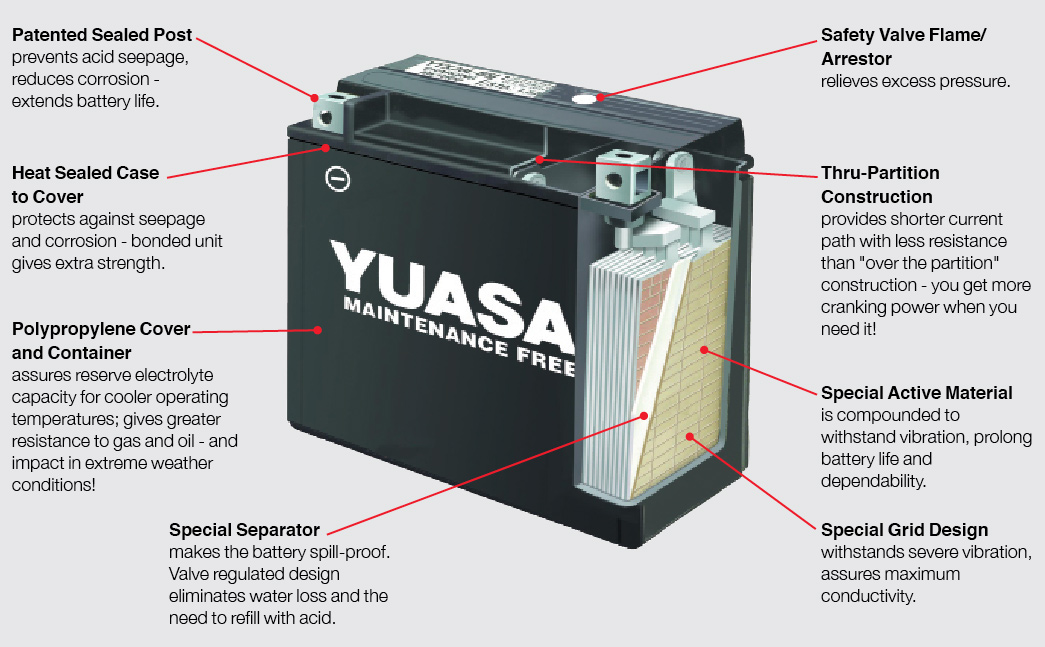
Lithium motorcycle battery with BMS .A lithium battery is only as good as its BMS.
Cell Balancing
Without proper balancing:
- Cells drift
- Capacity drops
- Failure comes suddenly
You don’t notice this early. You notice it a year later.
Over-Discharge Protection
Lithium batteries cannot tolerate deep discharge.
A good BMS prevents:
- Parasitic drain damage
- Storage-related failure
- Permanent capacity loss
Temperature Monitoring
Temperature protection matters most for:
- Cold-weather riding
- High-compression engines
- Batteries mounted near heat
Top Lithium Motorcycle Batteries by Real Use Case
There is no single best lithium motorcycle battery for everyone. Context matters.
Best Overall Performance
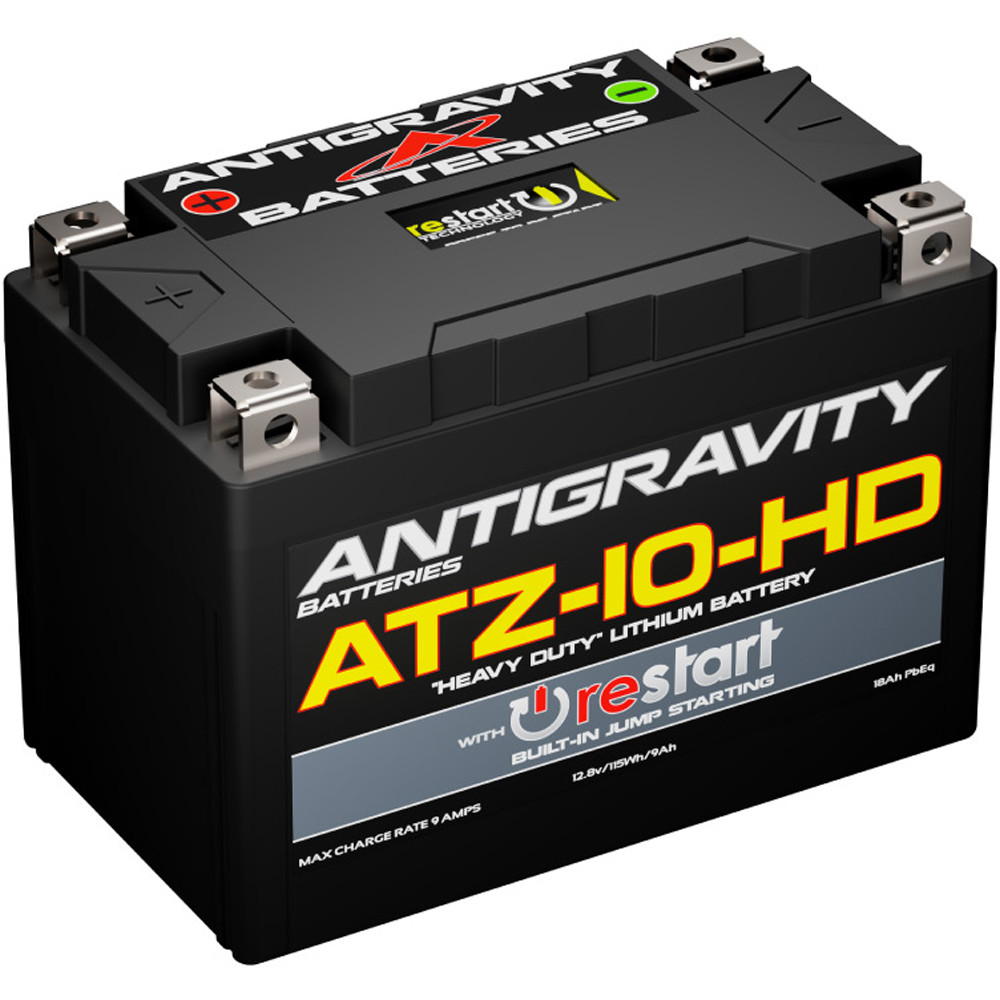
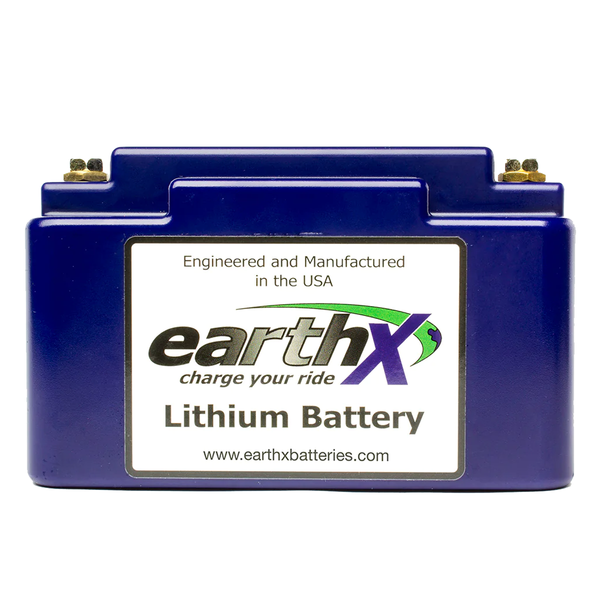
Brands like Antigravity Batteries and EarthX consistently perform well because they balance:
- Strong pulse cranking
- Robust BMS protection
- Good vibration resistance
They cost more—but usually last longer when matched correctly.

Best Budget Lithium Options
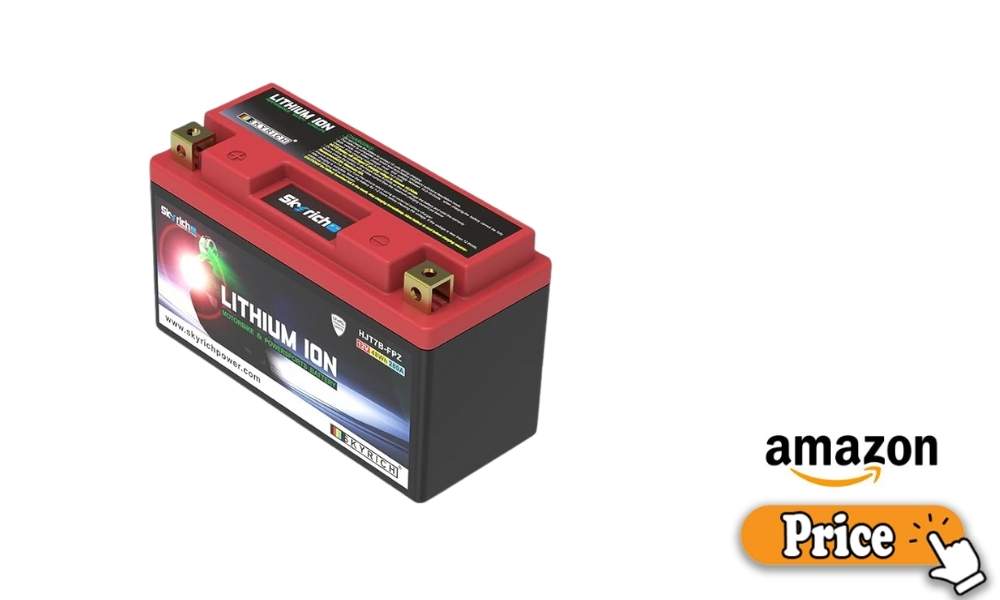
Brands like Skyrich offer good value if:
- You ride often
- You live in a warm climate
- Your bike has minimal parasitic drain
Tradeoffs usually show up in cold weather or long storage.
When AGM Is Still the Better Choice
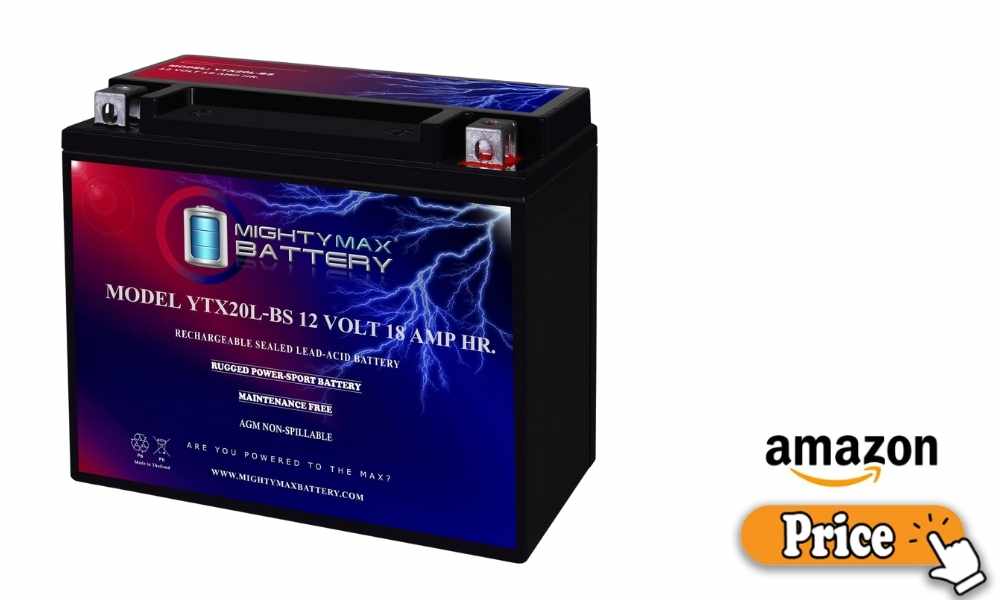
AGM batteries often win for:
- Infrequent riders
- Long winter storage
- Older charging systems
Lithium isn’t an upgrade for every bike. It’s a tool.
Critical Compatibility Issues Most Guides Ignore
Most lithium battery failures aren’t battery failures. They’re charging system failures.
Charging System Health Is Non-Negotiable
Lithium batteries require:
- 13.6–14.4V charging
- No voltage spikes
- Stable regulation
If your bike ever boiled a lead-acid battery, lithium will fail faster.
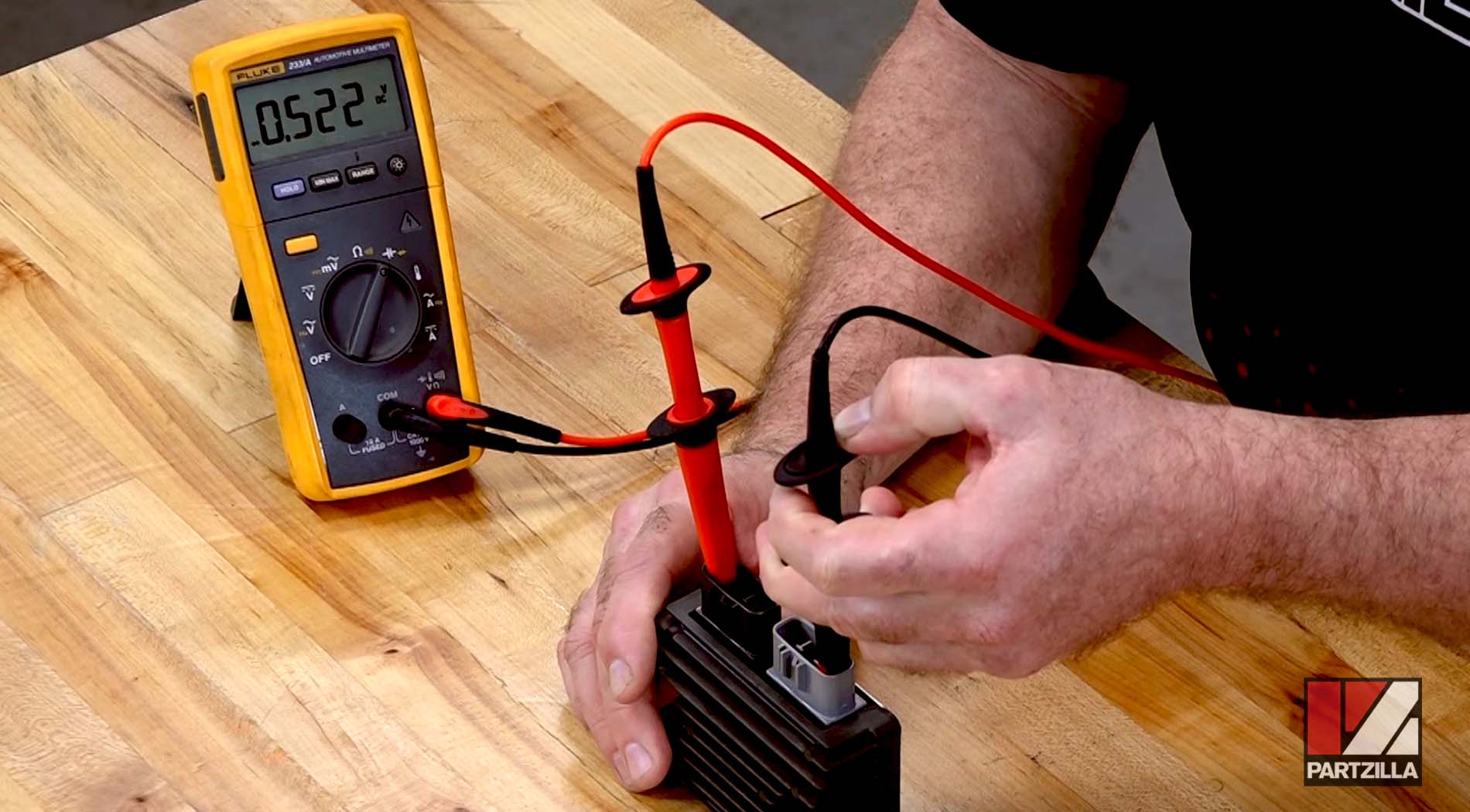

Upgrading to a MOSFET regulator often saves more lithium batteries than any charger.
Physical Fitment and Vibration
Lithium batteries are smaller. That means:
- Use spacers
- Secure mounting
- Proper cable routing
A loose lithium battery won’t last.
Lithium vs AGM: Real-World Comparison
| Category | Lithium (LiFePO₄) | AGM |
|---|---|---|
| Cost | High upfront | Low |
| Weight | Very light | Heavy |
| Lifespan | 4–6 years | 2–3 years |
| Cold Tolerance | Moderate | Strong |
| Storage | Needs care | Forgiving |
| Failure Mode | Sudden | Gradual |
Best Lithium Motorcycle Battery by Bike Type
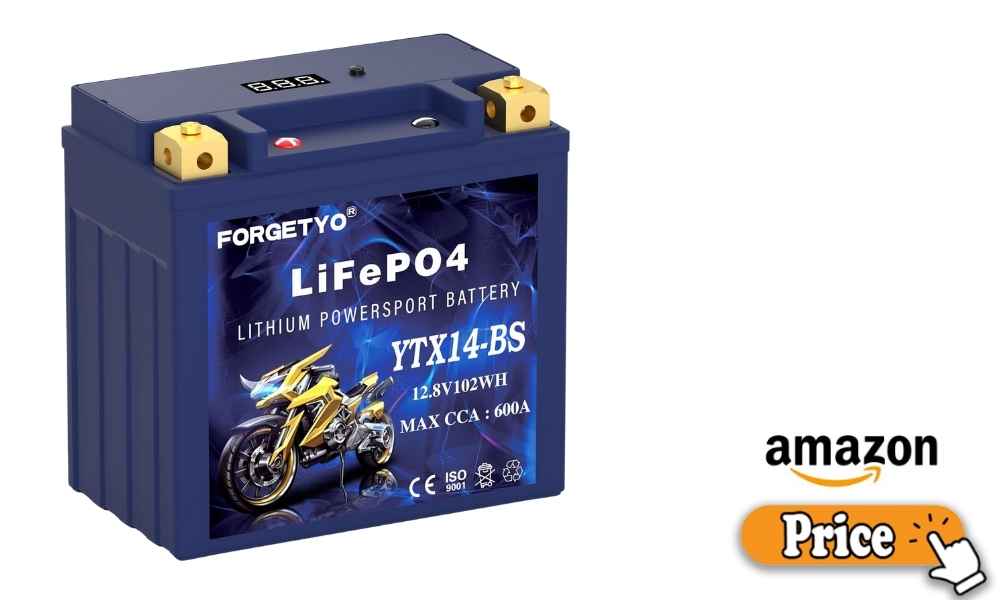
Sport & Naked Bikes
Verdict: ✅ Excellent
Frequent starts, strong charging systems, and noticeable weight benefits make these ideal lithium candidates.
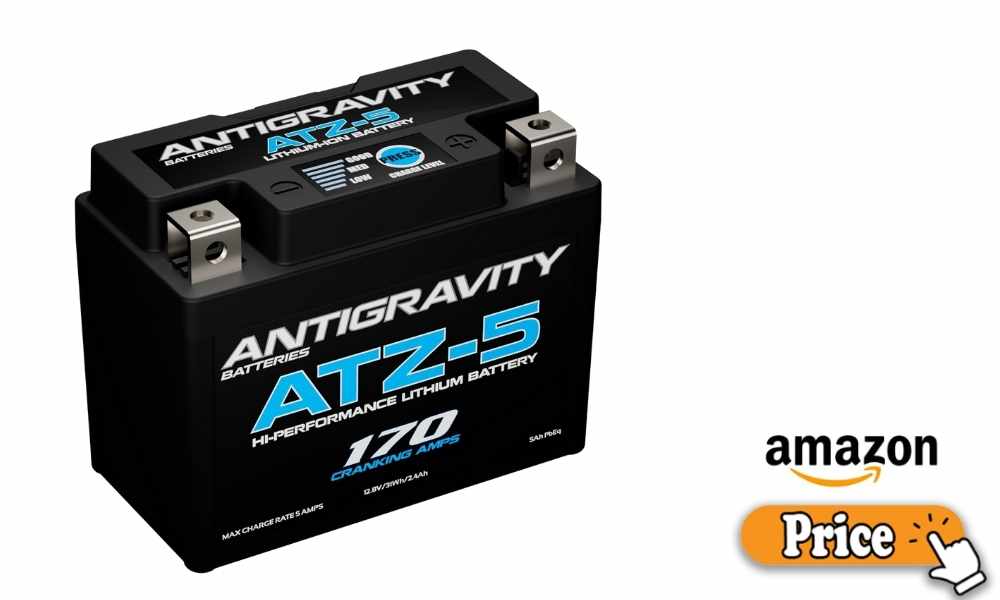
Adventure Bikes
Verdict: ✅ Very Good
Weight savings and altitude performance matter. Secure mounting is critical.
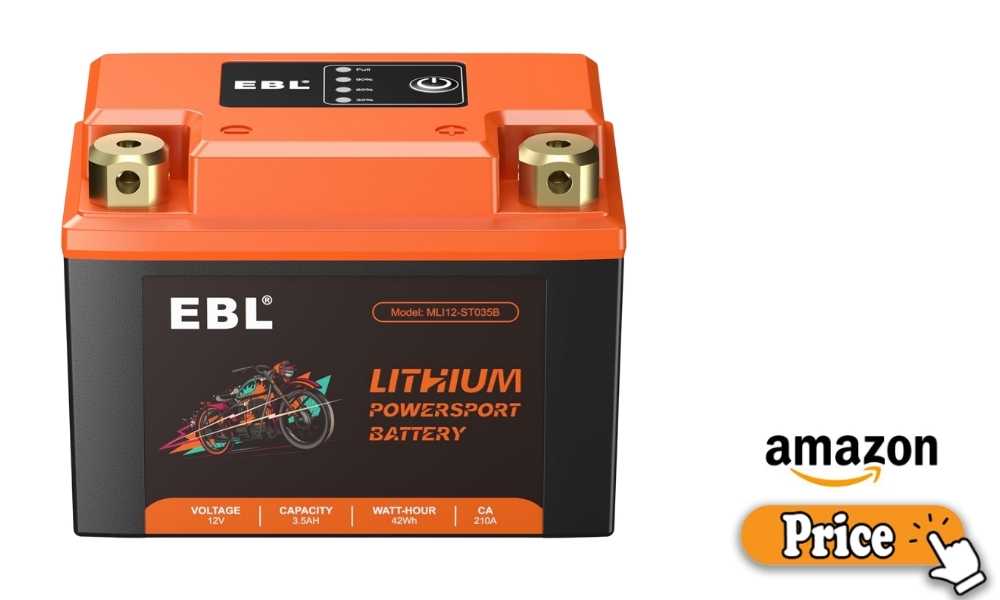
Cruisers & Touring Bikes
Verdict: ⚠️ Depends
Lithium works if ridden often and parasitic drain is controlled. AGM often makes more sense for bikes that sit.
Installation and Charging: What Manuals Don’t Tell You
- Always verify charging voltage first
- Measure parasitic draw
- Fully charge lithium before install
- Avoid indefinite float charging
Lithium batteries prefer 50–70% charge during storage, not full.
Avoiding Common Lithium Battery Failures
- Avoid deep discharge
- Pre-warm in cold weather
- Keep batteries away from heat
- Fix charging issues early
Lithium batteries don’t fade slowly. They fail suddenly when abused.
Frequently Asked Questions
Can I jump-start another vehicle?
No.
Will lithium work with alarms?
Only if parasitic draw is very low or a cutoff switch is used.
Is lithium safe?
Yes—LiFePO₄ with a proper BMS is extremely safe.
Can I oversize a lithium battery?
Often yes, if voltage and fitment are correct.
Lithium motorcycle battery pros and cons
✅ Pros
- Much lighter than AGM batteries, improving handling and balance
- Strong, instant starting power with stable voltage
- Longer lifespan when properly matched to the bike
- Very low self-discharge during short-term storage
- Excellent performance for modern, fuel-injected motorcycles
❌ Cons
- Higher upfront cost compared to AGM batteries
- Less forgiving of charging system problems
- Can fail suddenly if over-discharged or over-charged
- Poor tolerance for long periods of sitting without use
- Cold-weather starting requires proper technique
Final Verdict: Is a Lithium Motorcycle Battery Worth It?
If you ride often, maintain your charging system, and want lighter weight with strong starts, lithium is absolutely worth it.
If your bike sits for months or has electrical quirks you don’t want to fix, AGM is still the smarter choice.
The best lithium motorcycle battery isn’t about hype.
It’s about fit, habits, and expectations.
Get those right—and lithium delivers exactly what it promises.