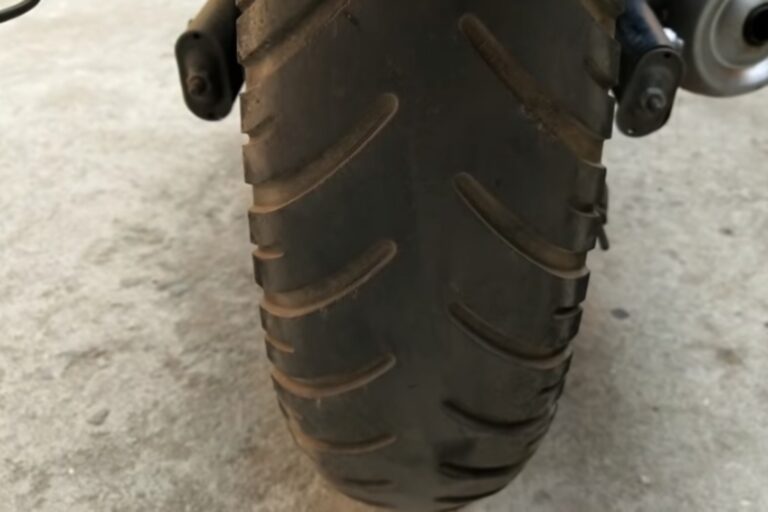
Motorcycle Brake Problems Causes And Solutions: Expert Guide 2026

Few things feel more dangerous on a motorcycle than brake problems. Your brakes are the most important safety system. If they stop working—even for a moment—you lose control, risk an accident, and put your life in danger. Motorcycle brake problems are more common than many riders think, and most issues can be prevented or fixed with some knowledge and care.
Understanding the causes and solutions is not just for mechanics; every rider should know how to spot trouble before it becomes serious. This guide explains all major brake problems, their causes, and practical ways to solve them, using clear examples and advice you can use today.
Common Motorcycle Brake Problems
Motorcycle brakes can fail or weaken in many ways. Some problems are obvious, others are subtle and easy to miss. Let’s look at the most frequent brake issues riders face.
- Soft or Spongy Brake Lever
- Brake Fade
- Pulling to One Side
- Grinding or Squealing Noise
- Sticking Brakes
- Vibrations When Braking
- Reduced Braking Power
- Brake Lever Feels Hard
- Brake Fluid Leaks
- ABS Warning Light
- Rapid Pad Wear
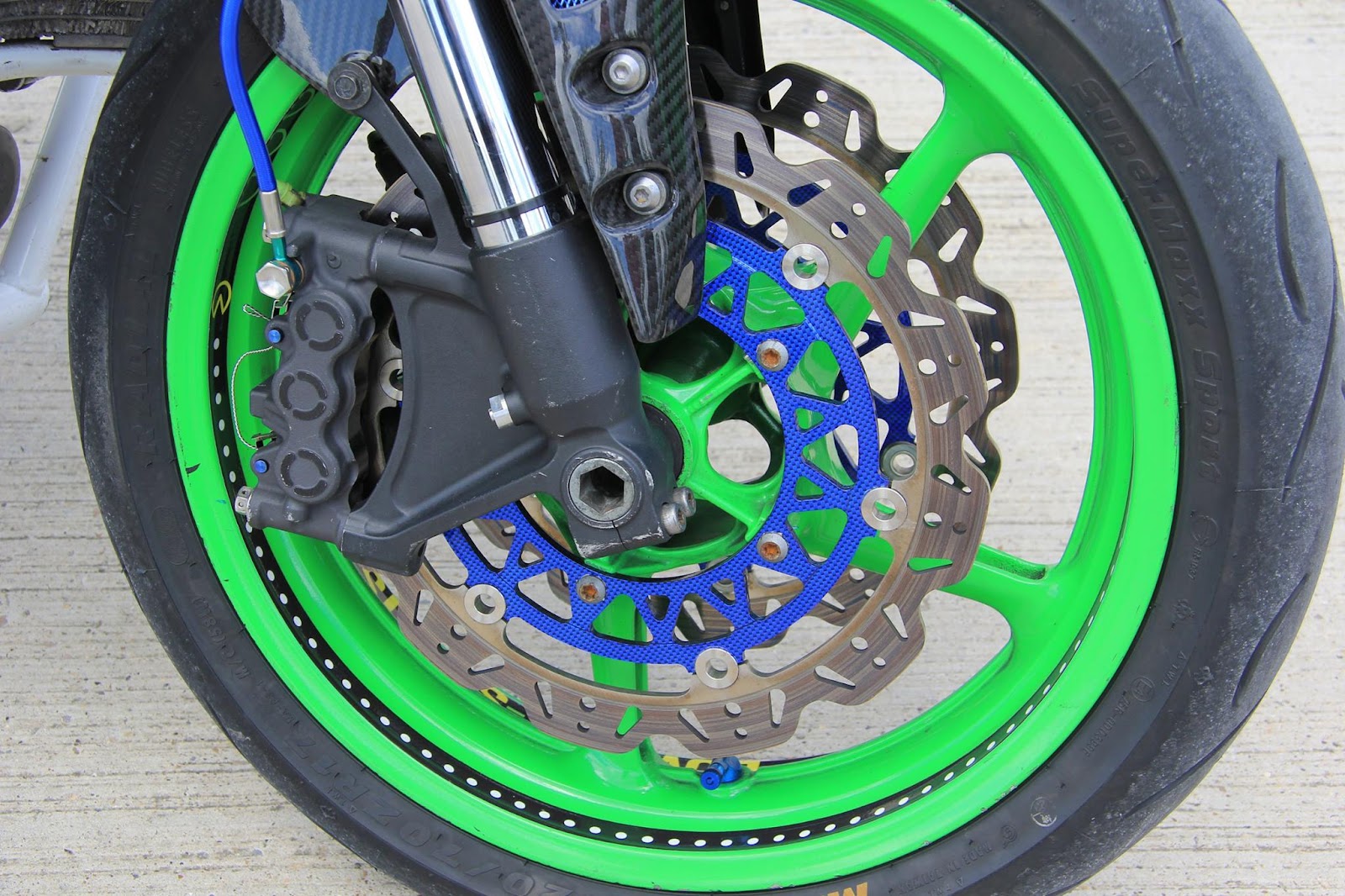
- Rotor Warping
- Caliper Sticking
- Brake Pedal Drops to Floor
- Delayed Braking Response
Each problem signals a different cause. Let’s break down the causes and solutions for every brake issue.
Soft Or Spongy Brake Lever
A soft or spongy brake lever means you squeeze the lever, but it moves too far before the brakes start working. Sometimes, the brakes feel weak or slow to react.
Causes
- Air in brake lines is the most common cause. Air compresses, so the lever feels soft.
- Old brake fluid absorbs moisture and loses effectiveness.
- Leaking brake lines let air in and fluid out.
- Worn seals in master cylinder or calipers allow fluid and air leaks.
Solutions
- Bleed the brakes to remove air. Use a clear tube and catch bottle, squeeze the lever, and refill fluid as needed.
- Replace old brake fluid with new DOT-approved fluid. Most bikes need fluid change every 1-2 years.
- Check and fix leaks in lines, fittings, and seals.
- Replace worn seals if you see fluid around the master cylinder or calipers.
Non-obvious insight: Many beginners forget to pump the brake lever after bleeding. Always pump until the lever feels firm.
Brake Fade
Brake fade means your brakes lose power after repeated use, especially on long rides or downhill.
Causes
- Overheated brake pads or fluid. Heat reduces friction and makes fluid less effective.
- Cheap pads made from poor materials fade faster.
- Riding style—heavy braking or dragging brakes causes fade.
Solutions
- Let brakes cool down. Stop riding or coast for a few minutes.
- Upgrade to quality pads—ceramic or sintered pads resist fade.
- Change brake fluid to high-temperature DOT 4 or DOT 5.1.
- Avoid aggressive braking—use engine braking or alternate brakes.
Non-obvious insight: After severe fade, inspect pads and rotors for glazing; glazed parts reduce braking power even after cooling.
Pulling To One Side
If your motorcycle pulls to one side when braking, it’s not just annoying—it’s unsafe.
Causes
- Uneven pad wear—one side grips better.
- Stuck caliper—a piston doesn’t move, causing uneven braking.
- Bent rotor or misaligned wheel.
Solutions
- Inspect pad thickness on both sides; replace if uneven.
- Clean and lubricate caliper pistons; free stuck parts.
- Check rotor alignment; replace or straighten if bent.
- Check tire pressure—uneven tires can exaggerate pulling.
Grinding Or Squealing Noise
A grinding or squealing noise when braking is a warning. It means something is wrong inside.
Causes
- Worn brake pads—metal backing touches rotor.
- Debris—sand, dirt, or small rocks stuck in caliper.
- Glazed pads or rotors—surface is too smooth.
Solutions
- Replace pads before they wear completely.
- Clean calipers and rotors with brake cleaner.
- Replace or resurface glazed parts.
Non-obvious insight: Sometimes new pads squeal for a few miles. If noise continues, check pad alignment.
Sticking Brakes
Sticking brakes feel like your wheels drag, even when you’re not braking.
Causes
- Corroded caliper pistons stick and don’t retract.
- Old or dirty brake fluid causes internal sticking.
- Brake lever or pedal stuck from damage or rust.
Solutions
- Remove and clean calipers; polish pistons.
- Change brake fluid regularly.
- Lubricate lever and pedal pivots.
Vibrations When Braking
If you feel vibrations through the handlebars or seat when braking, something is not right.
Causes
- Warped rotors are the main cause.
- Loose mounting bolts allow movement.
- Uneven pad wear can cause pulsing.
Solutions
- Check rotor runout with a dial gauge. Replace or resurface if warped.
- Tighten mounting bolts to manufacturer spec.
- Replace pads if uneven.
Reduced Braking Power
Sometimes your brakes work, but not as well as they should. Reduced braking power is dangerous.
Causes
- Old brake pads lose friction.
- Contaminated pads or rotors—oil, grease, or brake fluid.
- Low brake fluid reduces pressure.
Solutions
- Replace pads with quality ones.
- Clean rotors and pads thoroughly.
- Check and refill brake fluid.
Brake Lever Feels Hard
A hard brake lever is difficult to squeeze, and braking feels sharp or unpredictable.
Causes
- Blocked brake lines—dirt or corrosion inside.
- Wrong brake pads—too hard for your bike.
- Stuck caliper pistons.
Solutions
- Flush brake lines with new fluid.
- Use pads recommended by your bike manufacturer.
- Clean or replace caliper pistons.
Brake Fluid Leaks
Brake fluid leaks are serious. Fluid on wheels, calipers, or ground means your brakes may fail.
Causes
- Cracked or damaged lines.
- Loose fittings.
- Worn seals in master cylinder or calipers.
Solutions
- Inspect lines and fittings; tighten or replace as needed.
- Replace seals if you see wetness around cylinders.
- Never ride with a leak—fix before riding.
Credit: blog.demon-tweeks.com
Abs Warning Light
Modern motorcycles often have ABS (Anti-lock Braking System). If the warning light comes on, ABS may not work.
Causes
- Faulty wheel speed sensors.
- Low brake fluid.
- Wiring issues.
Solutions
- Check sensor alignment and cleanliness.
- Refill brake fluid.
- Inspect wiring for damage; repair or replace.
Rapid Pad Wear
If your pads wear out quickly, you spend more money and risk brake failure.
Causes
- Cheap pads made from soft materials.
- Riding style—heavy or frequent braking.
- Misaligned calipers.
Solutions
- Use quality pads—they last longer.
- Adjust calipers so pads touch evenly.
- Change riding habits—use engine braking.
Rotor Warping
Rotor warping is common after hard braking or sudden temperature changes.
Causes
- Overheating from repeated hard stops.
- Rapid cooling—riding through water after hard braking.
- Bad installation—bolts not torqued properly.
Solutions
- Replace or resurface warped rotors.
- Avoid riding through water after hard stops.
- Torque bolts to manufacturer specs.
Caliper Sticking
Caliper sticking makes braking uneven and can damage pads and rotors.
Causes
- Corrosion or dirt inside caliper.
- Dry or damaged seals.
- Lack of lubrication.
Solutions
- Disassemble and clean caliper.
- Replace seals.
- Lubricate moving parts with recommended grease.
Brake Pedal Drops To Floor
If your brake pedal drops to the floor, it’s a sign of major trouble.
Causes
- Massive fluid leak.
- Air in system.
- Failed master cylinder.
Solutions
- Check for leaks and fix immediately.
- Bleed brakes to remove air.
- Replace master cylinder if needed.
Delayed Braking Response
Sometimes brakes work, but there’s a delay between squeezing and braking.
Causes
- Old brake fluid.
- Sticky pistons.
- Worn pads.
Solutions
- Replace brake fluid.
- Clean calipers.
- Replace pads.
Understanding Brake System Parts
To fix brake problems, you must know the main parts:
- Brake lever/pedal: You squeeze or step to activate brakes.
- Master cylinder: Converts movement to hydraulic pressure.
- Brake lines: Carry fluid to calipers.
- Calipers: Squeeze pads against rotors.
- Brake pads: Create friction to slow wheels.
- Rotors: Discs attached to wheels.
- ABS sensors (if present): Monitor wheel speed.
Each part must work together. If one fails, the whole system is affected.
How To Diagnose Brake Problems
Diagnosis means finding out what’s wrong. Here’s a simple checklist:
- Look for leaks: Fluid on ground or parts.
- Test lever/pedal feel: Soft, hard, or dropping.
- Listen for noises: Squeal, grind, or click.
- Check braking power: Is it weaker?
- Watch for warning lights: Especially ABS.
- Inspect pads and rotors: Thickness and shape.
If you find a problem, fix it before riding. Ignoring issues can lead to accidents.
How Often To Maintain Motorcycle Brakes
Proper maintenance prevents most brake problems. Here’s a recommended schedule:
| Task | Frequency | Notes |
|---|---|---|
| Check brake fluid | Monthly | Look for low or dirty fluid |
| Inspect pads | Every 3,000 km | Replace if less than 3mm thick |
| Clean calipers | Every 6 months | Remove dirt and debris |
| Change brake fluid | Every 1-2 years | Moisture buildup reduces efficiency |
| Check rotors | Every 6,000 km | Look for warping or damage |
Tip: Always use the brake fluid type recommended by your manufacturer.
How Different Brake Types Affect Problems
Motorcycles use different brake designs. Each has unique issues.
| Brake Type | Common Problems | Typical Solutions |
|---|---|---|
| Disc Brakes | Warping, pad wear, sticking caliper | Resurface rotor, replace pads, clean caliper |
| Drum Brakes | Weak power, grabbing, noise | Adjust shoes, clean drum, replace springs |
| ABS Brakes | Sensor faults, warning light, delayed braking | Clean sensor, check wiring, refill fluid |
Real-world Examples
Let’s see how these problems appear in real life.
- Example 1: Ahmed rides a commuter bike. His brake lever feels soft, and he sees fluid on the caliper. Bleeding the brakes and replacing a cracked line fixes the issue.
- Example 2: Maria rides a sport bike. After a track day, her brakes fade and vibrate. She upgrades pads to sintered type, changes to DOT 4 fluid, and checks rotor alignment.
- Example 3: Lee’s ABS warning light comes on. He finds a dirty sensor and low fluid. Cleaning the sensor and refilling fluid solves it.
Common Mistakes Riders Make
Beginners often make mistakes that cause brake problems:
- Using wrong brake fluid—never mix DOT types.
- Ignoring minor noises—small issues grow bigger.
- Delaying pad replacement—worn pads damage rotors.
- Not bleeding brakes properly—air stays in lines.
- Over-tightening bolts—can warp rotors.
Non-obvious insight: Many riders forget to check both front and rear brakes; problems often start in one, then spread.
Tips For Preventing Brake Problems
You can avoid most brake issues with good habits:
- Check brakes before every ride.
- Use quality parts—pads, fluid, seals.
- Clean calipers and rotors regularly.
- Change riding style—avoid heavy braking.
- Store bike in dry place—moisture causes corrosion.
Bonus tip: If your bike sits for months, brake fluid absorbs water. Change it before riding again.
When To Visit A Mechanic
Some brake repairs are simple. Others need expert help. Visit a mechanic if:
- You see fluid leaks.
- Brake lever/pedal feels wrong after bleeding.
- ABS warning light stays on.
- Rotors are badly warped.
- You’re unsure about any repair.
Safety is always more important than saving a little money.
Cost Of Fixing Brake Problems
Brake repairs vary in cost. Here’s a rough guide:
| Repair | Estimated Cost (USD) | Notes |
|---|---|---|
| Pad replacement | 20–80 | Front pads usually cost more |
| Brake fluid change | 15–40 | Includes labor and fluid |
| Caliper rebuild | 50–150 | Parts and labor |
| Rotor replacement | 60–200 | Per rotor |
| ABS sensor repair | 30–100 | Sensor and installation |
Tip: Prices vary by bike type and location. Always ask your mechanic for an estimate.
Upgrading Your Brakes
If your brakes give you trouble often, consider upgrading:
- Use sintered or ceramic pads—better grip and longer life.
- Install braided steel brake lines—less flex, firmer lever.
- Upgrade brake fluid—DOT 4 or 5.1 for heat resistance.
- Add larger rotors for more stopping power.
Upgrades can reduce problems and improve safety, especially for fast or heavy motorcycles.
Credit: thaihuaweibattery.com
Safety Statistics
Motorcycle brake failure is a factor in many accidents. According to the National Highway Traffic Safety Administration, brake issues cause about 5% of single-vehicle motorcycle crashes in the US. Poor maintenance is the biggest risk. Most accidents involve worn pads, old fluid, or ignored warning signs.
Useful Resources
For official brake maintenance and repair guides, visit NHTSA (National Highway Traffic Safety Administration). They offer safety tips, recalls, and technical information.

Credit: bikeboxmt.com
Frequently Asked Questions
What Are The Most Common Causes Of Motorcycle Brake Failure?
The most frequent causes are worn brake pads, old brake fluid, air in brake lines, and leaks. Ignoring regular maintenance is the biggest risk.
How Often Should I Change Brake Pads And Fluid?
Change pads when they are less than 3mm thick. Change fluid every 1-2 years or sooner if it looks dirty or you notice reduced braking power.
Is It Safe To Ride With A Soft Or Spongy Brake Lever?
No. A spongy lever means air or fluid issues. Brakes may fail. Fix the problem before riding.
Why Does My Motorcycle Pull To One Side When Braking?
Usually, this is caused by uneven pad wear, a stuck caliper, or a bent rotor. Check both sides for thickness and alignment.
What Should I Do If My Abs Warning Light Comes On?
Check brake fluid level, sensor cleanliness, and wiring. If the light stays on after basic checks, consult a mechanic for deeper diagnostics.
Motorcycle brake problems are serious—but most can be solved or prevented with some care and understanding. Whether you’re fixing your own bike or just want to ride safely, knowing the causes and solutions gives you confidence on every journey. Always respect your brakes, keep them in top condition, and never ignore warning signs.
Your safety depends on it.