5 Best Additive to Remove Water from Gas Tank 2025: My Hands On Experience and What Actually Works

If your engine’s running rough, sputtering, or suddenly stalling, there’s a good chance water found its way into your fuel tank. It’s a sneaky problem one you won’t always catch right away. I’ve dealt with this myself on cars, lawnmowers, even my fishing boat. It can mess up a good day fast.
I still remember one morning trying to start my boat. It cranked… coughed… and then nothing. After hauling it back and pulling the carb, I poured out a puddle of water. That was my wake-up call. Since then, I’ve tested different fuel additives to handle water in gas. Some work well. Others? Not so much.
If you’re here wondering what the best additive to remove water from a gas tank really is you’re in the right place. I’ve done the testing, taken notes, and learned the hard way so you don’t have to.
How Water Gets Into Your Gas Tank?
Let’s break this down. Water gets into fuel tanks in three main ways:
- Condensation – When warm, moist air cools inside your tank, tiny water droplets form and sink into the gas.
- Leaks – A cracked cap or loose seal can let rainwater sneak in.
- Contaminated Fuel – Sometimes the water’s already in the fuel when you buy it.
Now here’s the problem: water doesn’t float in fuel. It sinks to the bottom of the tank, right where the fuel pickup is. When it reaches your engine? That’s when things go south.
You’ll notice:
- Hard starts
- Engine hesitation
- Rough idling
- Stalling mid-drive
Water doesn’t burn like fuel. It chokes combustion, corrodes parts, and can even freeze in cold weather. That’s why removing it — or at least neutralizing it — is key.
You can also read: Why the Best Fuel Stabilizer for Harley Davidson Will Save Your Bike?
What Fuel Additives Actually Do
Here’s something important: fuel additives don’t make water vanish. They handle it in two different ways:
1. Emulsifiers (a.k.a. Dispersants)
These mix the water with the fuel in tiny droplets, small enough to be burned off in the engine. They’re helpful when water is minimal.
2. Demulsifiers
These separate water from fuel so it sinks and can be drained out. They’re better for diesel engines or larger amounts of water.
You need to pick the right type depending on your fuel (gas or diesel) and how bad the water problem is. Using the wrong one can actually make things worse — like turning water into steam inside a diesel injector. Trust me, that’s a repair bill you don’t want.
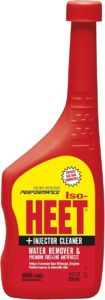
My Go-To for Gasoline? Iso-HEET (Red Bottle)
iso heet reviews
If you drive a gas-powered vehicle or use small engines, Iso-HEET is hands-down one of the best products I’ve used. It’s an alcohol-based emulsifier — which means it grabs the water, mixes it with your fuel, and lets the engine burn it safely.
Here’s why I stick with it:
- Fast results – I’ve had a sputtering mower run smooth again by the next start.
- Winter-ready – It also keeps fuel lines from freezing, which is a huge plus.
- Budget-friendly – A bottle costs about $3 and treats up to 20 gallons.
Just make sure you’re using the red Iso-HEET, not the yellow HEET, especially if you’re dealing with fuel that has oil mixed in (like two-stroke engines).
How It Works for Me
I was struggling with my car hesitating every time I started it on cold mornings. At first, I thought it was the spark plugs, but after checking everything, I found water in the fuel line. That’s when I gave Iso-HEET a shot. I wasn’t expecting much, but honestly, I was pleasantly surprised by how quickly it smoothed things out.
It’s not a miracle cure, but as far as iso heet reviews go, my experience was a solid thumbs-up. The hesitation was gone after a single treatment, and my starts were cleaner—even in freezing weather.
What I Like
- Instant fix on a budget
Within a few hours of adding Iso-HEET, the engine ran smoother. No stalling, no hiccups. - Perfect for winter mornings
It acts as a fuel line antifreeze, and trust me, it makes a real difference when your car sits outside overnight in the cold. - No-hassle use
Just pop it into a near-empty gas tank and refill. It mixes with the fuel without any special prep. - Extra boost for small engines
I use it in my snowblower and lawnmower too. They both start with a single pull now. It’s a quiet win. - Keeps things clean
I also noticed fewer stutters when accelerating, which makes sense since it doubles as an injector cleaner.
What Could Be Better
- One bottle for one tank
It works well, but you’ll need one for each fill-up if your issue persists or for ongoing prevention. - Not ideal for major water contamination
If you’ve got more water than gas, Iso-HEET won’t help. But honestly, no additive will—that’s a tank drain situation. - Might not suit all fuel types
It’s best for gasoline engines. For diesel, you’ll want something made for those systems.
My Personal Experience
I use Iso-HEET in my Honda Civic and my lawn tools. Every winter, I toss a bottle into my gas tank before a deep freeze. My car always starts up like it just left the showroom.
A few months back, my cousin’s generator refused to start after being stored with old fuel. I poured in some Iso-HEET fuel additive, topped up the tank, and within minutes, it ran without a cough. That little red bottle really does the trick.
Another time, my friend’s bike kept stalling on hills. I suggested trying Iso-HEET gas treatment—just one bottle. Two days later, she texted: “You fixed my bike!” (I didn’t—Iso-HEET did.)
Recommendation
If you’re dealing with cold starts, engine hesitation, or think there’s water in your gas, Iso-HEET water remover is worth trying. It’s especially helpful for:
- People driving in cold, wet climates
- Anyone storing gas-powered tools or vehicles
- Folks with older cars or small engines that hate damp fuel
But if your car’s still stalling after use, or you suspect serious contamination, it’s worth seeing a mechanic or checking out more robust options. Additives help, but they’re not magic wands.
For regular drivers and DIYers like me, though? It’s a smart, simple fix that keeps your engine happy.
You can also read: 5 Best Fuel System Cleaner for Carbureted Motorcycles in 2025: Which is best for my bike ?
When Additives Aren’t Enough: Know When to Drain
Here’s the honest truth: no additive can fix everything. If you’ve got more water than gas in your tank, even the best additive won’t save you. Once phase separation happens that’s when water and ethanol separate from gasoline and settle at the bottom you’re beyond what any chemical can fix.
I had to learn this the hard way with my boat. After it died mid-lake, I hauled it home, pulled the carb, and found water just sitting in the bowl. I ended up draining about 35 gallons of fuel into buckets. It was painful. But after letting it settle, I saved some clean fuel from the top and tossed the rest. Then I flushed the tank and added a good water-fighting additive plus installed a fuel water separator.
The takeaway? Additives are for small problems or prevention. If the water’s already pooled in your tank, you need to drain it. No shortcuts.
What About Rubbing Alcohol or Home Fixes?
You might’ve heard about using rubbing alcohol or ethanol. I’ve tried isopropyl alcohol too — 91% or higher — and yes, it can work in small doses. It’s cheap, easy to find, and helps absorb water into the fuel. But here’s the issue:
- Most people don’t know how much to use
- Lower concentrations (like 70%) won’t do much
- It’s easy to mess up and cause more problems
Think of rubbing alcohol as a last-ditch effort when you’ve got nothing else. It’s not made for fuel systems, so use with caution. Add too much and you can change the combustion balance or damage rubber components over time.
For me, I’d rather spend a few bucks on something made for the job — like Iso-HEET or STA-BIL.
STA-BIL: Solid for Storage and Ethanol Blends
STA-BIL Review
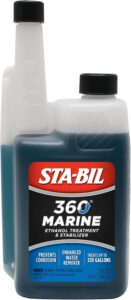
If you’re storing gas or running ethanol-blended fuel, STA-BIL 360 Marine is a great choice. It doesn’t use alcohol, so it avoids the problems some emulsifiers cause with phase separation. Instead, it stabilizes fuel, keeps water from clumping, and prevents corrosion.
I use this in my boat and lawn equipment before winter. A little bit goes a long way, and I’ve noticed better starts even after months in storage.
What makes it shine:
- Stops phase separation
- Protects against rust and corrosion
- Ideal for ethanol blends (like E10)
It’s pricier than Iso-HEET, but if you’re storing gas or live in a humid area, it’s worth it. Think of it more as insurance than a fix-it product.
How It Works for Me
I was struggling to get my lawnmower running after storing it all winter. I’d topped it off with fuel months ago and thought I was doing everything right. But when spring came, the engine coughed and stalled like it was gasping for air. That’s when I tried STA-BIL Fuel Stabilizer.
To be honest, I wasn’t expecting much. But after using it consistently, I’ve seen a real change in how my machines behave after storage. This isn’t a quick-fix miracle — it’s more like insurance that pays off quietly.
What I Like
- Keeps stored fuel fresh for months
I now use STA-BIL Storage in all my small engine gear — mower, trimmer, generator. No more gummed-up carbs after sitting idle. - Works well in different fuel types
I’ve used it in both regular gasoline and ethanol-blended fuel without issues. That’s a big deal where I live — most pumps are E10. - Easy to use
The bottle has a built-in measuring chamber, so I just squeeze, pour, and go. Simple even when I’m rushing. - Peace of mind for seasonal use
STA-BIL 360 Marine helped my buddy’s boat last through a whole season without any stale fuel problems. He’s now a convert too. - Cleans while it protects
I also tried STA-BIL Fast Fix once for a sputtering snowblower. It kicked in fast, and by the second tank, the rough idle was gone.
What Could Be Better
- You need to plan ahead
It’s not for “oops, my fuel went bad” moments. STA-BIL works best when added before storage, not after the damage is done. - A little pricier than some alternatives
You might find cheaper fuel stabilizers, but they don’t always offer the same reliability or protection over 12 months. - Different versions can be confusing
With options like STA-BIL 360, STA-BIL Diesel, and STA-BIL Marine, it takes a moment to pick the right one for your setup.
My Personal Experience
Each fall, I make it a habit to add STA-BIL 360 to every machine that’s going into hibernation. I use it in my mower, pressure washer, and even a backup generator that I hope never to use — but want ready if I need it.
A friend of mine runs a small landscaping business. He once skipped using a stabilizer and lost a week of work fixing up his fleet. I recommended fuel stabilizer STA-BIL, and now he never parks equipment without it.
Even my uncle, who runs an old diesel tractor, found the STA-BIL Diesel version helpful in keeping fuel flow smooth during colder months. It’s those quiet wins that build trust in a product like this.
Recommendation
If you store anything with a gas or diesel engine — from a lawnmower to a fishing boat — STA-BIL Fuel Stabilizer is worth having on hand. It’s perfect for:
- Homeowners storing yard tools or snowblowers
- Boaters prepping for off-season layups
- Anyone using ethanol-blended fuels that tend to go bad fast
- DIYers who want gear to start right up, no drama
That said, if your engine’s already struggling with bad gas, start with STA-BIL Fast Fix first. And if you’re unsure which product fits your engine — take a moment to check the label or explore more options.
It’s not flashy, but in the world of small engines and seasonal storage, STA-BIL is that friend who keeps things running smooth behind the scenes.
Sea Foam: More Cleaner Than Water Remover
Sea Foam reviews
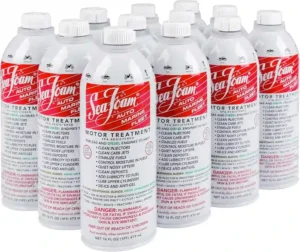
Let’s talk about Sea Foam. A lot of people swear by it — and I do use it, but not as my go-to for water removal. Sea Foam is more of a fuel system cleaner than a dedicated water dispersant.
It helps with:
- Cleaning carburetors and injectors
- Breaking down carbon buildup
- Stabilizing fuel over time
It can absorb a small amount of moisture, but it’s not as effective for water in the tank as Iso-HEET or STA-BIL. I usually save Sea Foam for occasional deep cleaning — especially for small engines or older cars that feel sluggish.
Bottom line: it’s a great maintenance tool, but not your first line of defense against water.
How It Works for Me
I was struggling with a sputtering engine on my lawnmower last season. It kept stalling, and I couldn’t figure out what was going wrong. I tried a couple of things, but it wasn’t until I tried Sea Foam that things really turned around. After adding it to the gas tank, I noticed smoother starts and better engine performance. It wasn’t a miracle fix, but it was close enough to make a noticeable difference without spending too much.
What I Like
- Fast Results – I didn’t expect it to work that quickly, but within a couple of hours, my engine was running smoother than before.
- Cleans & Protects – Not only did it fix the immediate issue, but it also cleaned the fuel system. I’ve noticed fewer engine stutters, especially when I’m accelerating.
- Versatile – I’ve used Sea Foam on my car, lawnmower, and even my boat. It works across the board, whether it’s just for regular maintenance or tackling water in the fuel.
- Affordable & Easy to Use – At around $9 for a 16 oz bottle, it’s a steal for how well it works. Just pour it into your fuel tank and you’re good to go.
What Could Be Better
- Not a Fix for Major Water Contamination – If you’re dealing with serious water contamination or phase separation, this won’t be the solution. You’ll need to drain the tank and start fresh.
- Occasional Maintenance – While it’s great for regular use, you’ll need to add it every so often. It’s not a “one-time fix” for long-term problems.
My Personal Experience
I use Sea Foam primarily in my small engines. My lawnmower had been hesitating to start every spring, and after a couple of treatments, it ran like new. I also used it in my boat before storing it for the winter. By spring, the engine started up without a hitch, and I didn’t have to deal with the usual issues of stale fuel. I’ve also recommended Sea Foam to my cousin who was struggling with his old car’s engine. After trying it, his car ran smoother, and he was surprised at the difference, especially in the colder months.
Recommendation
Sea Foam is perfect for anyone dealing with smaller engine issues or for those who want to keep their fuel systems in top shape. It’s especially useful if you’re storing equipment for the off-season or live in an area with fluctuating temperatures. However, if you’re dealing with major fuel problems or ethanol-induced phase separation, you might need to consider other options or seek professional help. For those who are looking for something to keep their engines running smoothly and cleanly, Sea Foam is a solid choice.
Lucas Oil fuel treatment review
If you’ve ever dealt with engine hesitation, rough starts, or poor fuel efficiency, you’ve probably wondered if a fuel treatment could actually help. Well, in this Lucas Oil fuel treatment review, I’ll share my personal experience with the product and how it has made a difference for my truck and small engines. I’ve used it for months now, and I can confidently say it’s one of the most effective treatments I’ve tried. Let’s dive into how it works, what I like about it, and how it could help you too.
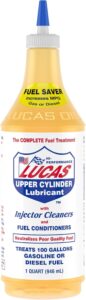
How It Works for Me
I was struggling with engine hesitation and rough idling in my truck. It had been acting up for a while, especially after long road trips. After a friend recommended Lucas Oil fuel treatment, I decided to give it a shot. I wasn’t expecting a miracle, but after a few uses, I noticed smoother starts and more consistent acceleration. It wasn’t just a quick fix; it seemed to improve the overall performance of my engine.
What I Like
- Improves Engine Performance – After adding it to my fuel tank, my truck’s hesitation issues were noticeably reduced. I could feel a smoother idle and better power delivery.
- Boosts Fuel Efficiency – Over time, I noticed I was getting better mileage, especially on longer drives. It’s nice to see fewer stops at the gas station.
- Cleans the Fuel System – I’ve seen cleaner injectors and smoother combustion since using it. It seems like a great preventative measure for maintaining engine health.
- Affordable & Easy to Use – At around $6 for a 5.25 oz bottle, it’s an affordable product. Just pour it into the fuel tank, and you’re good to go. No need for complicated setups or instructions.
What Could Be Better
- Not a Fix for Major Engine Problems – If your engine has more serious issues, Lucas Oil fuel treatment won’t magically resolve them. It’s a great preventive solution but not a cure-all.
- Must Use Regularly for Best Results – For consistent benefits, it needs to be added regularly to your fuel. If you’re looking for a one-time solution, this might not be the best choice.
My Personal Experience
I’ve been using Lucas Oil fuel treatment in my truck for the last few months. It really worked wonders after I started noticing rough idling during my morning commutes. After adding the treatment, I could tell the difference the very next day. The truck started smoother and idled more steadily.
A few weeks ago, I suggested it to a friend who had similar issues with his SUV. He’s a little skeptical about additives, but after using Lucas Oil fuel treatment, he noticed less engine stutter, better acceleration, and improved fuel efficiency. He was surprised by how well it worked and plans to keep using it regularly.
Even my older motorcycle, which had a rough start each spring, has been running much smoother since I started treating its fuel with Lucas Oil. It feels like it’s running cleaner and more efficiently, even after being stored all winter.
Recommendation
Lucas Oil fuel treatment is perfect for anyone looking to keep their engine in top shape. It’s ideal for people who want to improve fuel efficiency, clean the fuel system, or just prevent minor issues like hesitation or rough idling. If you’re dealing with more significant engine problems, you might want to explore other solutions or get a mechanic’s opinion. But for regular maintenance and improving engine performance, this product is definitely worth a try.
Hot shot’s secret diesel extreme reviews
If you’ve got a diesel engine that’s been struggling with water contamination or poor fuel quality, you might have already heard about Hot Shot’s Secret Diesel Extreme. I’ve been using it for a while now, and it’s made a noticeable difference in both performance and efficiency. In this review, I’ll walk you through how it works, what I love about it, and whether it’s really worth adding to your routine. Stick around to see if it’s the right solution for your diesel engine needs.
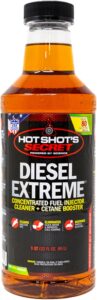
How It Works for Me
I was struggling with poor fuel efficiency and occasional rough idling in my diesel truck. After hearing a lot about Hot Shot’s Secret Diesel Extreme, I decided to give it a shot. After a few uses, I noticed a smoother ride and improved fuel performance. It didn’t just clean the fuel system; it also seemed to help with engine power. The product definitely lived up to the hype for me, especially considering how easy it was to use.
What I Like
- Improved Fuel Efficiency – My truck’s fuel economy noticeably improved after using it. I saw fewer stops at the pump and better overall mileage.
- Engine Power Boost – The engine seemed to run smoother, with a noticeable increase in performance, especially on long drives.
- Easy to Use – Just pour it into the tank and drive. No complicated setup, and I could see results after just a few drives.
- Works in All Seasons – It’s not just for one season or type of weather. Whether it’s summer or winter, this product consistently gives me the results I need.
What Could Be Better
- Regular Use Needed – To keep the engine running at its best, it requires regular use. It’s not a one-time miracle fix.
- Not Ideal for Severe Issues – If the diesel system is severely clogged, this won’t solve the problem. You’d still need to address those issues separately.
My Personal Experience
I’ve been using Hot Shot’s Secret Diesel Extreme in my truck for a few months now, and it’s made a world of difference. My engine feels more responsive, and I no longer deal with those little hiccups that used to happen during acceleration. A friend of mine who has a bigger diesel vehicle also gave it a try and noticed an improvement in overall engine performance and fuel economy. He’s been recommending it to everyone he knows. Even my dad, who runs a diesel-powered generator, said his unit started running more smoothly after using it for just a couple of weeks.
Recommendation
If you’re driving a diesel engine and want to boost its performance and fuel efficiency, Hot Shot’s Secret Diesel Extreme is definitely worth trying. It’s perfect for those looking to improve fuel economy, clean out their fuel system, or just give their diesel engine a bit of a performance boost. If you’re dealing with major engine issues, however, it’s best to consult a mechanic first. This product works best when used regularly for maintenance, and while it’s a solid choice, it’s not a catch-all solution for severe engine problems.
You can also read :Best Fuel Injector Cleaner for Motorcycle in 2025 – What Really Works?
What Diesel Engines Need: Demulsifiers Are the Key
If you’re running a diesel engine, listen up you shouldn’t be using alcohol-based additives like Iso-HEET. In fact, doing so might cause more harm than good. Diesel injectors run at extremely high pressure, and if emulsified water gets in there, it can turn into steam and literally blow the tips off your injectors. Not good.
That’s where demulsifiers come in. These don’t mix water into the fuel. Instead, they separate it forcing the water to settle at the bottom of the tank where it can be drained or filtered out. If your diesel system has a fuel water separator, this combo is what you want.
Two great options here are:
Hot Shot’s Secret Diesel Extreme
- Purpose-built for diesel
- Separates water for physical removal
- Includes corrosion inhibitors and cleaning agents
- Highly rated by diesel mechanics and truck owners
- Ideal for both treatment and prevention
Power Service Diesel Kleen +Cetane Boost
- Boosts power and fuel efficiency
- Helps reduce deposits
- Supports cleaner combustion
- Works alongside a fuel/water separator
- Often recommended by Cummins engine techs
Both of these are perfect for keeping your diesel engine running smoothly, especially in colder climates or if your fuel storage setup is less than ideal.
How to Tell If You’ve Got Too Much Water
Before dumping any additive into your tank, it helps to know how bad the water problem is. Additives work well when there’s just a little water — the kind that sneaks in from humidity or a bad gas cap. But if the engine is stalling hard, coughing, or quitting altogether, there may be more water than additive can handle.
Here are the red flags I watch for:
- Sudden stalling after refueling
- Jerky acceleration or misfires
- Water in the carb or fuel filter (visible)
- Rust or moisture in the fuel line
When you see those signs, especially if your engine cuts out completely, skip the additives and drain the tank. Save yourself the frustration of trying to fix a serious issue with a quick fix.
How I Handle a Water Incident – Step by Step
Just for a real-world perspective, here’s what I do when I run into a water-in-the-tank situation:
- Stop running the engine. Don’t try to “burn through it” — that just risks more damage.
- Pump or siphon out the fuel into clear containers or buckets.
- Let it sit for a few hours. Water settles at the bottom — you can often salvage clean gas from the top.
- Add fresh fuel and a trusted additive (Iso-HEET for gas, Diesel Extreme for diesel).
- Run the engine briefly, then shut it off and check filters or separators.
- Drain again if needed, especially if there’s still sputtering or water in the filter.
It sounds like a lot, but trust me — it’s way easier (and cheaper) than replacing injectors, fuel pumps, or the whole engine.
What About Ethanol? It Makes Things Trickier
Here’s where things get a little tricky — ethanol-blended fuels, like E10 (which is super common), love water. Ethanol is hygroscopic, meaning it pulls moisture from the air and holds onto it. That sounds helpful, right?
Not exactly.
Once the ethanol in your fuel absorbs too much water, it goes through something called phase separation. The ethanol and water sink to the bottom, leaving a layer of low-octane gasoline on top. This is a nightmare for engines — especially small ones like outboards or lawn equipment.
Here’s why:
- The watery ethanol layer won’t combust properly
- It’s highly corrosive
- It can clog fuel lines and damage injectors
- It ruins fuel stability and shortens shelf life
If you suspect phase separation, don’t bother with additives — the only fix is draining the tank and starting fresh.
You can also read: How the Best Motorcycle Cable Lubricant For 2025 Improved My Ride?
Additives That Help With Ethanol Problems
That doesn’t mean all hope is lost if you’re using ethanol gas. You just need a product that’s designed for it.
STA-BIL 360 Marine
- Prevents phase separation
- Protects against corrosion
- Designed for ethanol-blended fuel
- Great for boats, ATVs, and anything in long-term storage
I use STA-BIL in my boat before every winter. It keeps the gas fresh, and I’ve never had a gummed-up carb come spring. Plus, it helps hold back the damage ethanol can do over time.
Biobor EB
- Another top performer for ethanol blends
- Adds corrosion resistance
- Keeps fuel stable during storage
Additives like these don’t reverse damage — but they prevent it from happening in the first place. If you’re using E10 or ethanol-heavy blends, don’t skip this step.
Do These Additives Work in Small Engines Too?
Absolutely. In fact, small engines suffer the most from water issues and bad gas. Lawn mowers, snowblowers, chainsaws — these machines usually sit unused for weeks or months, which gives water and ethanol time to cause problems.
If I know my mower is going to sit for a while, I’ll:
- Top off the tank to reduce air space
- Add STA-BIL or Sea Foam
- Run it for 5 minutes so the treated gas gets through the system
It’s a cheap insurance policy. I used to deal with stuck float valves and rusted carbs every spring. Now? They fire right up.
So yes — these additives work just as well in small engines, and arguably matter even more.
Using Additives the Right Way
Whatever product you choose, follow the instructions on the bottle. It’s tempting to just dump in a bunch, but more isn’t always better.
Tips for best results:
- Add the additive before or during refueling for better mixing
- Use the proper ratio (e.g., 1 oz per 10 gallons)
- Run the engine for 5–10 minutes after adding to circulate the treated fuel
- Store fuel in sealed containers in dry places
- For long-term storage, consider stabilizing before the gas starts to degrade
One quick warning: if your fuel already smells sour or you see a cloudy layer at the bottom — don’t try to save it. Drain it safely and start with fresh fuel.
Top Additives at a Glance: Quick Comparisons
Here’s a quick reference to help you compare some of the best additives for removing water from gas tanks:
| Product | Type | Best For | Water Strategy | Price (approx.) |
| Iso-HEET (Red) | Alcohol-based (Emulsifier) | Gasoline engines | Absorbs and burns off small amounts of water | $2.98 (12 oz) |
| STA-BIL 360 Marine | Non-alcohol based | Ethanol-blended gas, marine use | Prevents phase separation and corrosion | $23.95 (32 oz) |
| Sea Foam | Petroleum-based cleaner | Gasoline, small engines | Mild water absorption, excellent cleaner | ~$9.00 (16 oz) |
| Hot Shot’s Secret Diesel Extreme | Demulsifier | Diesel engines | Separates water for draining | ~$14.00 (16 oz) |
| Power Service Diesel Kleen +Cetane Boost | Cetane & cleaning formula | Diesel trucks | Aids water removal, boosts power | $14.99 (26 oz) |
Each of these has a purpose — none are magic. It really comes down to knowing:
- Your fuel type
- Your engine type
- How much water you’re dealing with
How to Keep Water Out of Your Fuel Tank for Good
Additives are great tools — but your best defense is prevention. After years of dealing with this, here are my go-to habits:
- Keep your tank full – Less air = less condensation
- Use a tight gas cap – Replace cracked or leaky ones
- Install a fuel/water separator – Especially for boats or diesel
- Use ethanol-safe additives – Especially if you’re storing gas
- Check your fuel storage – Keep it dry, sealed, and off the ground
I’ve gone from dealing with water problems every season to almost never having to think about it. Just a few simple habits can save you hours of troubleshooting later on.
You can also read: Best Motorcycle Fuel Tank Maintenance Tips I’ll Never Ignore
FAQs: Best Additive to Remove Water from Gas Tank
1: What is the best additive to remove water from a gas tank?
Iso-HEET is often the best additive for gas tanks. It absorbs water and helps it burn safely in the engine. It works well for small water amounts.
2: Can fuel additives remove all the water from a gas tank?
No. Fuel additives only help with small water amounts. If there’s a lot of water, the tank should be drained to avoid engine damage.
3: Are alcohol-based additives like HEET safe for all engines?
HEET (yellow bottle) is only for gasoline engines. Iso-HEET (red bottle) works for both gas and diesel, but not for two-stroke fuel mixes.
4: What additive helps most with ethanol-blended gas?
STA-BIL 360 Marine is made for ethanol fuel. It stops phase separation and protects your fuel system from water and rust.
5: What’s the best additive for diesel engines with water issues?
Hot Shot’s Secret Diesel Extreme is great for diesel. It separates water for easy draining and helps prevent injector damage.
6: Can Sea Foam remove water from a fuel tank?
Sea Foam can absorb a little water but is better as a cleaner. It’s not the best pick for removing large water amounts.
7: Is it safe to use rubbing alcohol in a gas tank to remove water?
91% isopropyl alcohol can work in small doses, but using too much may harm your fuel system. Additives made for engines are safer.
8: What are signs of water in a gas tank?
Look for rough starts, sputtering, stalling, or engine hesitation. Water can also cause rust and poor fuel burn.
9: Can fuel additives fix phase separation?
No. If ethanol and water have separated from gasoline, no additive can fix it. You must drain and replace the fuel.
10: How often should I use water-removing additives?
Use them during each fill-up in winter or every few months for prevention. Follow the bottle’s instructions for best results.
Final Thoughts
If you’ve stuck with me this far, here’s the simple truth:
- If you have a gasoline engine with a small amount of water, Iso-HEET is your best friend.
- If you’re storing gas or using ethanol blends, go with STA-BIL 360 Marine or Biobor EB.
- For diesel engines, don’t risk it — get a demulsifier like Hot Shot’s Secret or Diesel Kleen.
- If your tank is already showing signs of serious water or phase separation? Drain it. Additives can’t save fuel that’s gone too far.
- There’s no one-size-fits-all solution, but knowing how these products work and when to use them makes all the difference.
In the end, fuel additives are tools. Used right, they help your engine start smoother, run longer, and avoid expensive repairs.
And that’s what we all want, right?