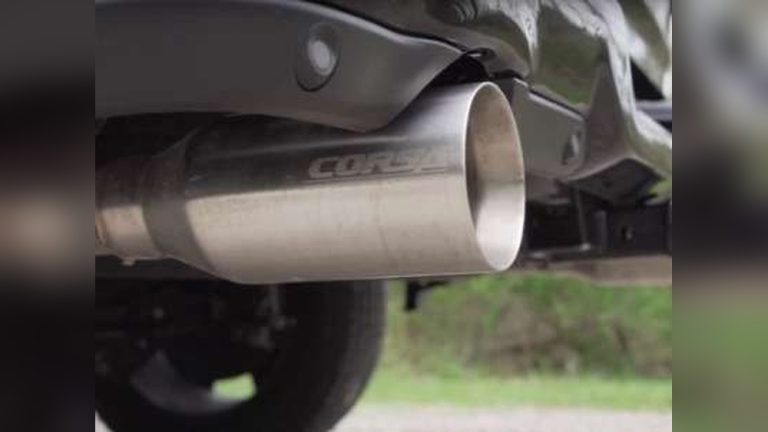
What Do Baffles Do For Motorcycle Exhaust: Sound And Power

Baffles lower exhaust noise, smooth airflow, and help engines make usable torque.
If you ride, you care about how your bike sounds, runs, and feels. This guide breaks down what do baffles do for motorcycle exhaust with clear, tested advice. I’ll share real dyno notes, road miles, and pro tips so you can tune your pipes the smart way, not the loud way.
What Are Exhaust Baffles?
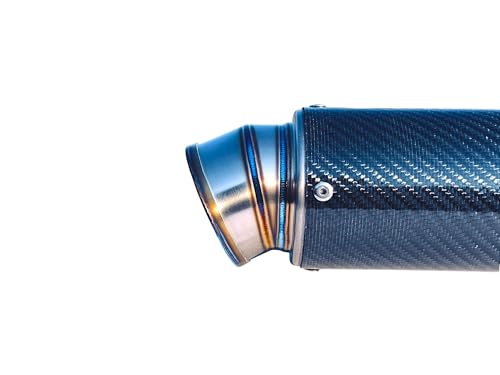
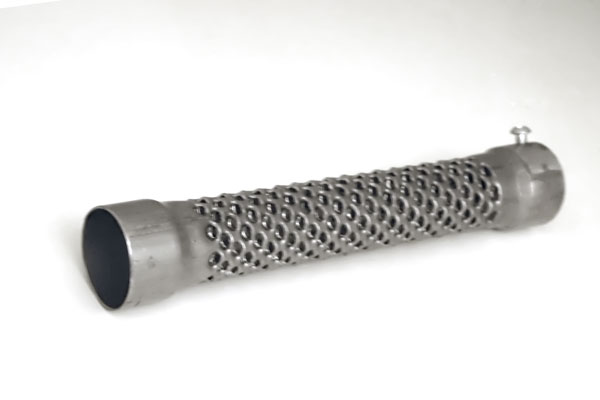
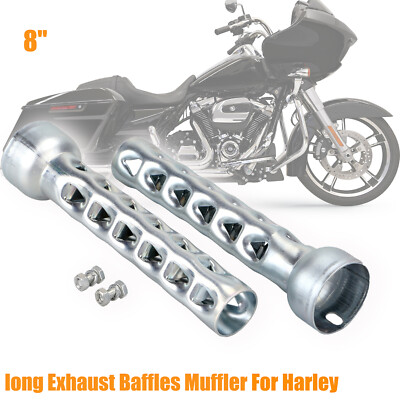
Exhaust baffles are inserts that sit inside the muffler. They shape how sound and gases move through the pipe. Most look like perforated tubes or louvered cores wrapped in packing.
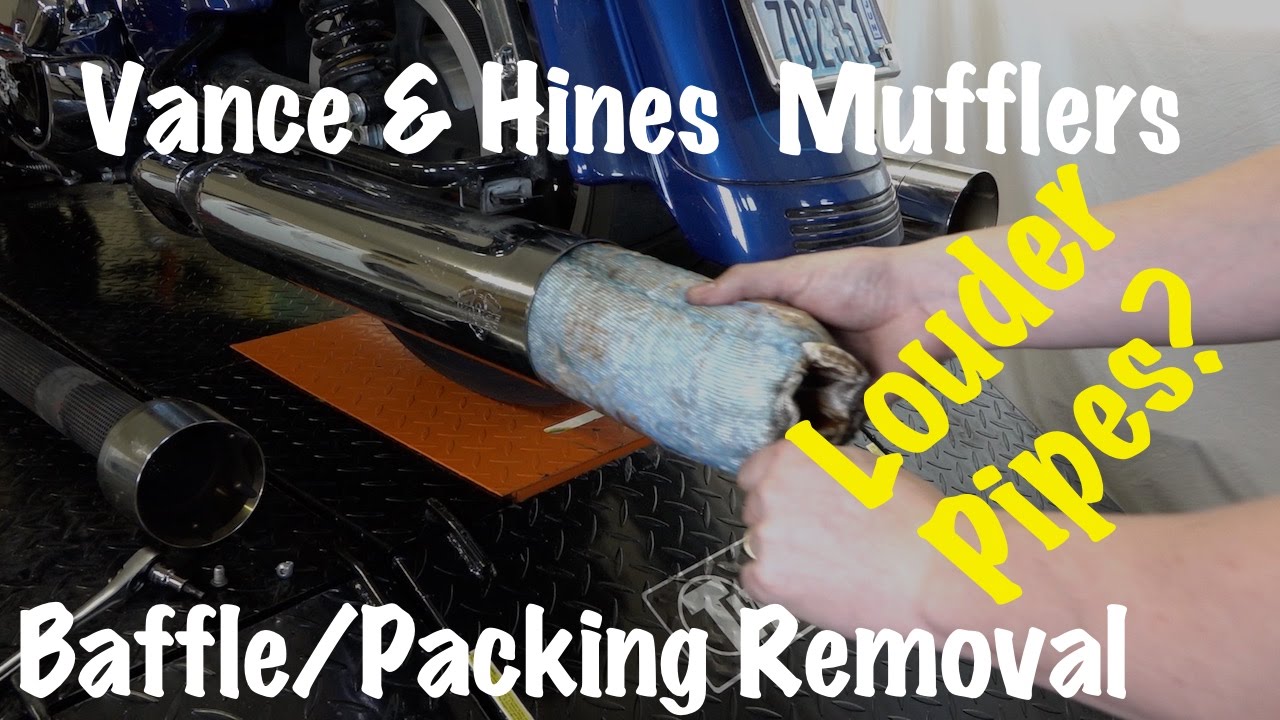
Some baffles are welded in place. Many are removable and sold as dB killers or inserts. Materials vary from stainless steel to fiberglass or basalt packing.
If you have ever asked what do baffles do for motorcycle exhaust, start here. Baffles do three key jobs: they cut noise, change flow speed, and shift pressure waves that touch power and throttle feel. They also help you meet noise rules.
How Baffles Work: Noise, Flow, and Backpressure
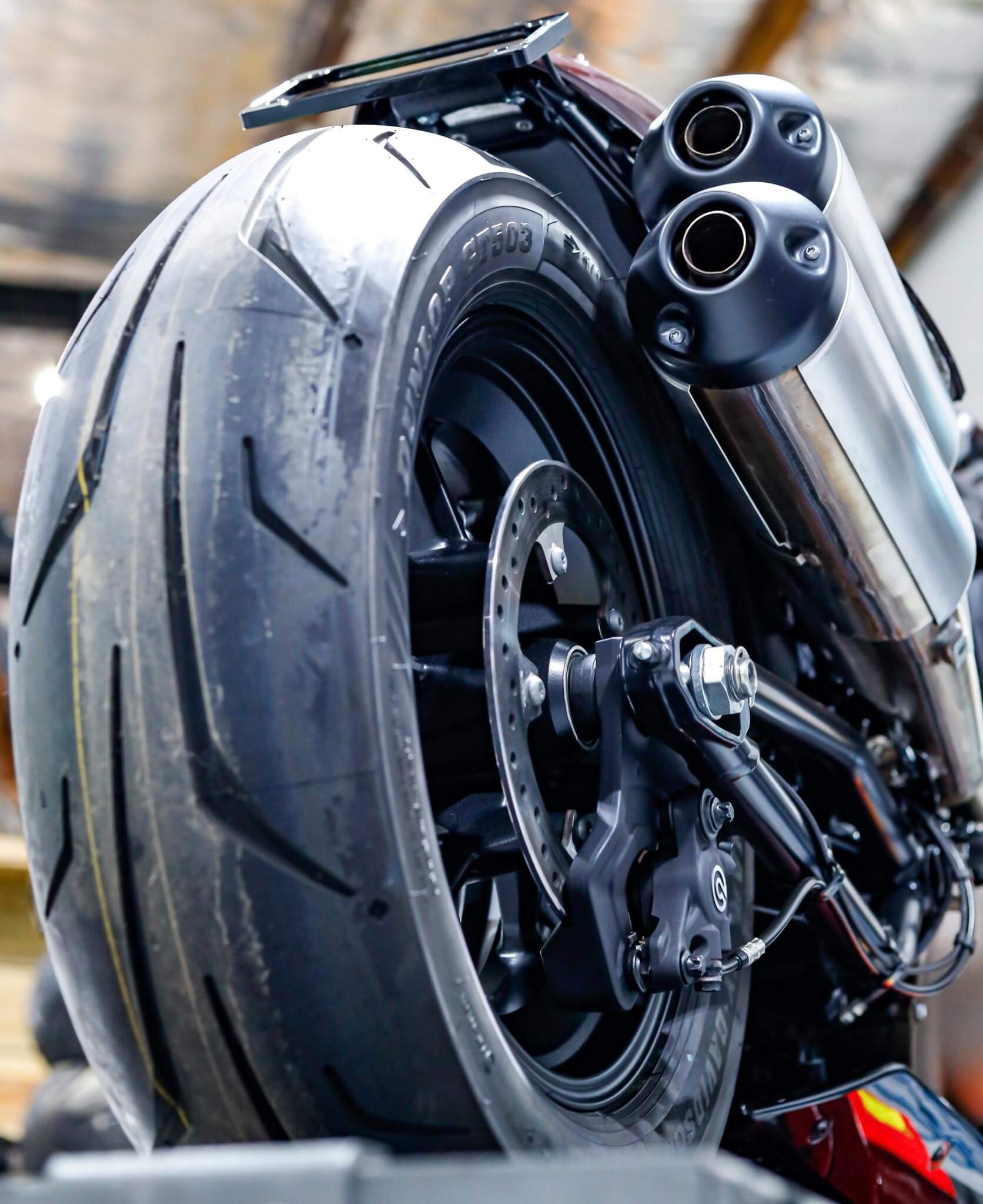
Sound control happens in two ways. Perforations and chambers reflect waves to cancel peaks. Packing absorbs harsh high-frequency noise so the tone is deeper, not raspy.
Flow control is about speed and pressure. A baffle narrows the path, which raises gas speed at low rpm. Faster flow can help cylinder scavenging. That can boost low to mid torque where street bikes live.
Backpressure myths never die. Engines do not “want” backpressure. They want the right wave timing and gas speed. The best baffles reduce chaotic pulses while keeping flow smooth. To answer what do baffles do for motorcycle exhaust at a physics level: they manage acoustic waves and velocity, not choke the motor.
On the dyno, I have seen baffled cans pick up 2–5% more torque at 3,000–5,000 rpm on V-twins versus straight pipes. Peak power often stays the same if the core is sized well. That is a key part of what do baffles do for motorcycle exhaust.

What do baffles do for motorcycle exhaust in real riding?
On the street, they cut drone and bark that cause fatigue. You can ride longer and talk at stops. Neighbors will thank you, and so will your ears.
Throttle response feels calmer off idle. With the right insert, you get a clean pull instead of a hollow bog. On a 600 inline-four, a medium core kept the midrange while keeping top-end rush.
On a carb V-twin I tuned, open pipes stumbled in traffic. A louvered baffle fixed the dip and made clutch work easier. This is the practical side of what do baffles do for motorcycle exhaust for daily riders.
Legal, Safety, and Etiquette
Many places use stationary sound tests or drive-by limits. Track days often set caps near 95–103 dB. Street rules vary, but enforcement is rising. A baffle can be the difference between a pass and a ticket.
Off-road, you may need a USFS-approved spark arrestor. Some baffles double as arrestors with a screen. That reduces wildfire risk.
Hearing loss is real. Unbaffled exhaust can top 100 dB at the rider’s ear. A smart insert plus earplugs makes a big difference. This is another way to look at what do baffles do for motorcycle exhaust beyond power.

Pros and Cons of Running Baffles
Benefits:
- Lower noise with a deeper tone that still sounds like your bike.
- Smoother low-end torque and cleaner throttle transitions.
- Easier to pass sound tests and be trail or track legal.
- Less rider fatigue and better long-ride comfort.
Trade-offs:
- Slight peak power loss if the core is too small.
- Packing wears and needs replacement over time.
- Some inserts add weight or require drilling for a set screw.
Think about what do baffles do for motorcycle exhaust in your use case. Commuters and tourers usually gain more than they give up.

Choosing and Tuning Baffles
Start with the right core size. As a rule of thumb, keep the baffle inner diameter close to the header outlet size for street torque. Race builds can go larger.
Pick a style:
- Perforated core with packing: smoother tone and good flow.
- Louvered core: stronger low-end push, slightly more restriction.
- Adjustable or insertable dB killers: fine-tune in minutes.
Tune in steps:
- Install the baffle and check for leaks.
- Ride a known loop. Note throttle feel and any flat spots.
- If fueling is off, adjust the map or jets. A small change in AFR cleans things up fast.
- Use a smartphone dB meter as a guide, then confirm at a shop if needed.
Maintain it:
- Repack every 5,000–10,000 miles if the tone turns tinny.
- Inspect hardware. A loose baffle can rattle or fall out.
- Keep it clean. Soot buildup narrows the core and hurts flow.
All this adds up to what do baffles do for motorcycle exhaust when tuned well: better manners, safe sound, and solid torque.

Common Myths and Mistakes
Myths to ignore:
- “Engines need backpressure.” They need tuned flow and wave timing, not restriction.
- “Louder means faster.” Often, it means lost midrange and tired ears.
- “One universal baffle fits all.” Pipe diameter, length, and engine type matter.
Mistakes to avoid:
- Running a tiny core that strangles top end.
- Skipping a remap when AFR is clearly off.
- Forgetting packing. Burned-out cans get harsh and lose torque.
When people ask what do baffles do for motorcycle exhaust, I stress this: baffles are tools. Use the right one, and your bike shines.
Quick PAA: Short Answers
Do baffles increase horsepower?
They can improve low to mid torque by shaping flow and waves. Peak horsepower usually changes little if the core is sized right.
Will removing baffles harm my engine?
It will not break parts by itself, but it can upset fueling. That can cause heat and flat spots until you retune.
Can I pass sound tests with a slip-on and baffle?
Often yes, if the insert is matched and packing is fresh. Always check your local test method and dB limit.

Frequently Asked Questions of What do baffles do for motorcycle exhaust
Do I need to remap after adding a baffle?
Sometimes. If the bike feels smoother and plugs look clean, you may be fine. If you feel surging or see lean signs, adjust the map or jets.
How often should I repack a baffled muffler?
Every 5,000–10,000 miles for daily street use is common. Replace sooner if the sound gets sharp or volume rises a lot.
Are baffles the same as spark arrestors?
No. Some inserts include a screen that acts as an arrestor, but not all do. Check the label if you ride on public trails.
What size baffle should I choose?
Match the inner diameter close to your mid-pipe or header outlet. Street bikes like moderate cores for torque and rideability.
Can baffles improve fuel economy?
Yes, slightly, if they smooth low-speed operation and reduce throttle spikes. Results vary by engine and tune.
Conclusion
Baffles do more than hush your pipes. They shape sound, steady flow, and build the kind of torque you use every day. That is the heart of what do baffles do for motorcycle exhaust for real riders.
If you want a bike that pulls clean, runs cooler, and passes sound checks, pick and tune the right insert. Take a short test ride, make small changes, and listen to what the engine tells you. Ready to dial in your setup? Share your questions or results, and subscribe for more hands-on tuning guides.