Motorcycle Rattling Noise At High RPM: Quick Fixes & Causes

A motorcycle rattling noise at high rpm often signals loose parts or detonation.
If you hear Motorcycle rattling noise at high rpm, you are right to dig deeper. I have chased these sounds in busy workshops and on quiet back roads. This guide blends hands-on steps, expert checks, and real fixes. Read on to find and fix Motorcycle rattling noise at high rpm without guesswork.
What a motorcycle rattling noise at high rpm really sounds like
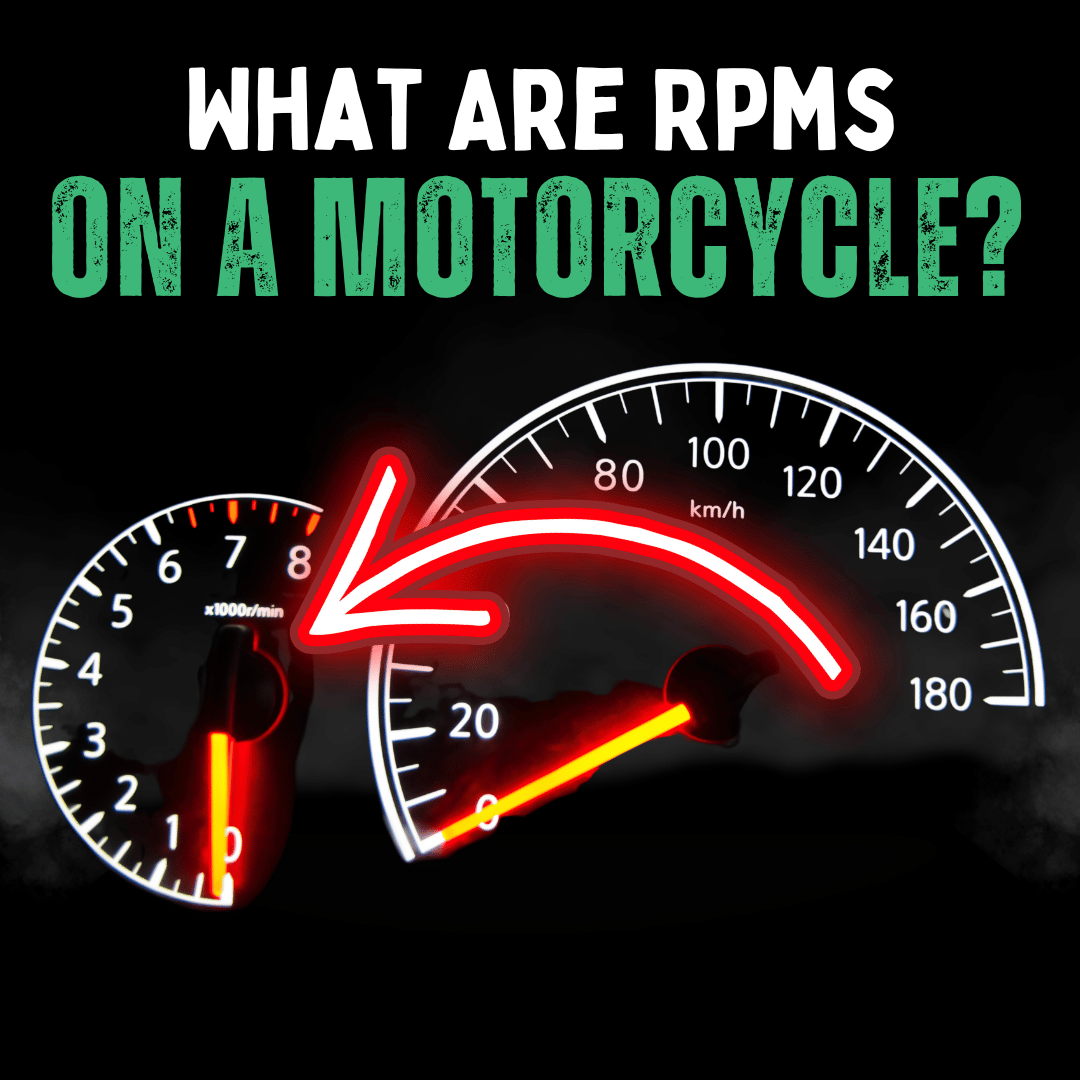
Rattle is a fast, light, metallic chatter that rises with engine speed. It can come from the engine, exhaust, or bodywork. It may fade at idle and peak near the redline. It often feels like a tin can full of bolts.
Rattling is not the same as knock or ping. Knock is a sharp ping under load from bad fuel or heat. A deep knock often means a bearing. A plastic buzz is likely a fairing or plate.
Use your ears and hands. Listen at the tank, the engine, and the exhaust. Lightly press suspect parts. If the sound stops, you found a clue. Motorcycle rattling noise at high rpm often hides in simple places.
Is it safe to ride with a rattle at high rpm?
If it is a light body buzz, short rides may be fine. If it is a hard metal rattle from the engine, stop and check. Heat and high rpm make small faults turn big.
How do I tell where it comes from?
Match the sound to engine speed or road speed. If it follows rpm in neutral, think engine or exhaust. If it follows road speed, think chain, sprockets, or wheels.
Motorcycle rattling noise at high rpm has a pattern. Note when it starts, how it changes with throttle, and if it stops with clutch in. These cues steer the diagnosis.

Common causes of Motorcycle rattling noise at high rpm
High rpm adds load, heat, and vibration. Loose parts amplify at speed. Here are the top causes I see in the field.
External hardware and bodywork
- Loose fairings, windshields, or dash clusters. Plastic tabs and grommets harden with age.
- Skid plates, crash bars, hand guards, and luggage racks. Missing spacers cause buzz.
- Heat shields and exhaust clamps. Thin shields sing at high rpm if a clip breaks.
Drivetrain and wheels
- Chain too loose or dry. It slaps the swingarm at high speed.
- Hooked sprockets. Teeth grab and let go, making a chatter.
- Worn cush drive rubbers. Rear hub play causes a rattle on throttle changes.
- Brake pad rattle. Pads knock in the caliper when springs wear.
Engine top end and internals
- Cam chain and tensioner. A weak or stuck tensioner makes a sharp rattle with revs.
- Valve lash out of spec. Loose lash ticks fast at high rpm.
- Worn clutch basket or plates. Notches make a tinny rattle at steady revs.
- Piston slap on cold start. This should fade warm; if not, check clearances.
Fuel, ignition, and combustion
- Detonation (pinging) under load. Low octane, high heat, or lean mix cause a harsh metallic rattle.
- Incorrect ignition timing or faulty knock control. The sound tracks throttle and load.
- Lean fueling from intake leaks, clogged jets, or bad sensors. High rpm makes it louder.
Exhaust and intake
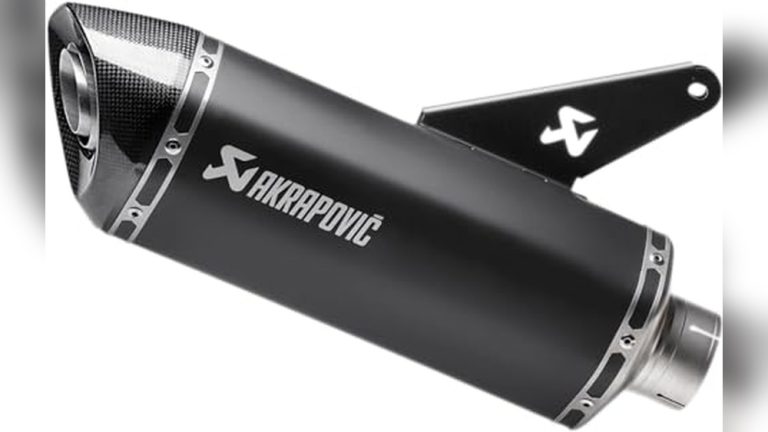
- Loose baffles or muffler cores. A broken rivet turns the can into a rattle box.
- Airbox lid or snorkel. If a clip pops, it buzzes as flow rises.
Mounts and fasteners
- Engine mounts, subframe bolts, and head stays. A small gap becomes a big buzz.
- Stator and clutch covers. Loose or thin gaskets let metal parts chatter.
Motorcycle rattling noise at high rpm often comes from more than one item. Check the whole bike, front to back.

Step-by-step diagnosis you can do at home
You do not need fancy tools to start. Work clean and go one step at a time. Keep notes.
- Reproduce the sound. Warm the bike. Hold 3,000 to 6,000 rpm in neutral. Blip the throttle. Note when the rattle starts.
- Isolate by touch. Press on fairings, shields, bars, and skid plates while holding rpm. If it stops, tighten or pad that part.
- Check chain and sprockets. Measure slack mid-span. Lube and set to spec. Look for hooked teeth and tight spots.
- Inspect exhaust. Shake the muffler and heat shields by hand. Look for missing springs, cracked welds, or loose rivets.
- Run fresh fuel. Use the octane the maker calls for or one step higher. If pinging stops, you had detonation.
- Listen with a mechanic’s stethoscope or a long screwdriver. Place on the clutch cover, stator cover, top end, and tensioner area. Loudest point guides the fix.
- Check valve train data. If your model needs valve checks, review the interval. If overdue, schedule lash and cam chain checks.
- Torque the bike. Use a torque wrench on engine mounts, subframe, exhaust flanges, and handlebar clamps. Follow service manual specs.
- Scan for codes on EFI bikes. A temp, knock, or O2 issue can cause lean run and ping.
- If still unsure, do a leak-down and compression test. Bad numbers point to internal wear.
Motorcycle rattling noise at high rpm is often solved by steps 2 to 4. Start simple. Save time and money.

When a rattling noise means stop riding
Some sounds warn of real harm. Do not push the bike if you hear these.
- A harsh metallic clatter that grows with throttle under load.
- A new rattle after you ran low on oil or overheated.
- Cam chain slap at startup that persists hot.
- Loud rattle with oil light, misfire, or loss of power.
- Metal flakes on the drain plug after the noise began.
If any of these fit, park it. Tow it if needed. Motorcycle rattling noise at high rpm can jump from minor to major fast.
Proven fixes and preventive maintenance
Match the fix to the cause. Do not throw parts at the bike.
- Bodywork and shields. Replace missing grommets. Add nylon washers. Use thread locker where the manual allows.
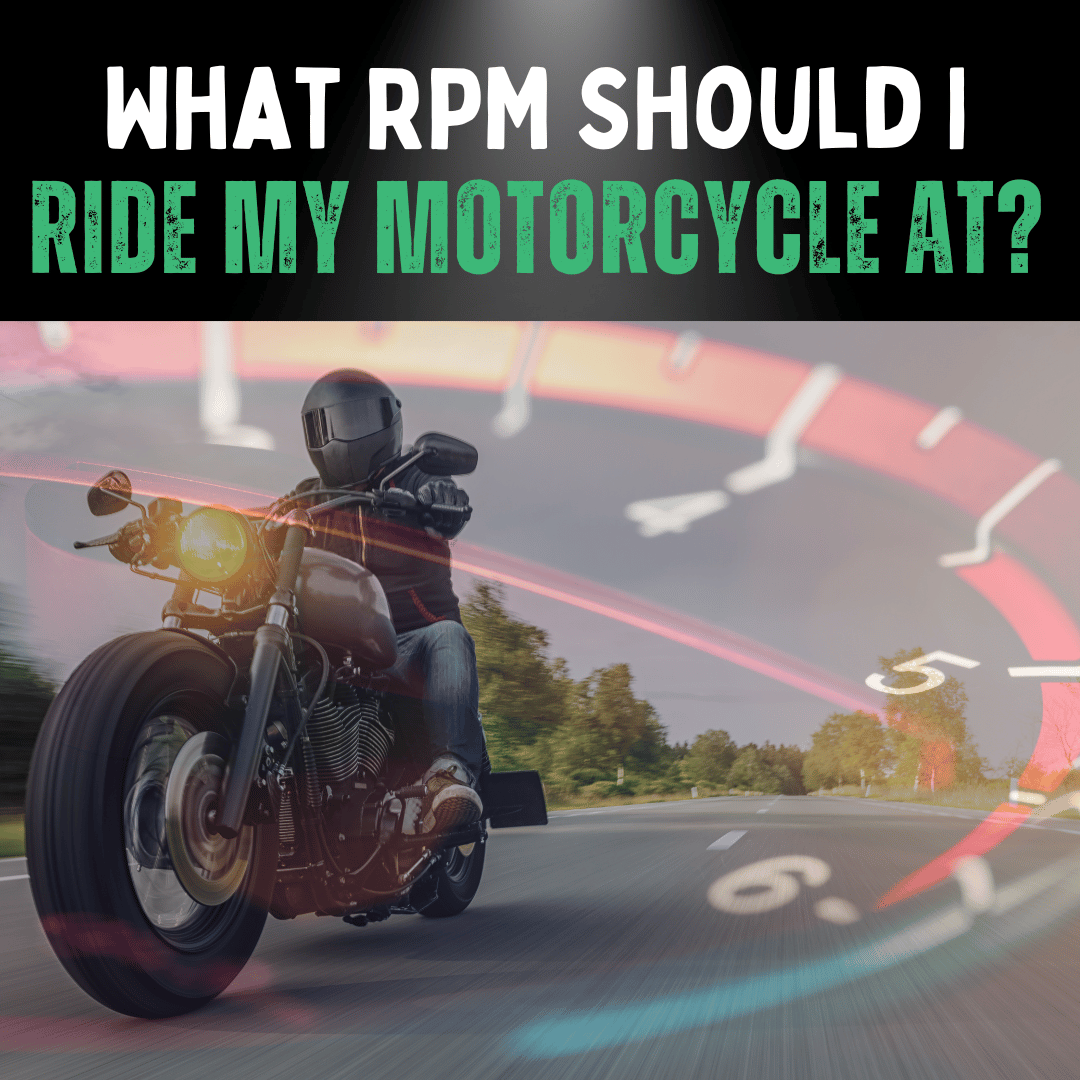
- Chain and sprockets. Set slack to spec with the rider weight if possible. Replace worn sets as a pair. Keep the chain clean and lubed.
- Cam chain tensioner. Replace a weak unit. Many models have updated parts. Manual tensioners need careful setup.
- Valve lash. Adjust to spec. Use new gaskets. Recheck after a few rides.
- Clutch basket and plates. File minor notches or replace the basket. Install fresh springs and plates if glazed.
- Detonation. Use correct octane. Clean intake leaks. Verify fueling and timing. Update the ECU map if a bulletin exists.
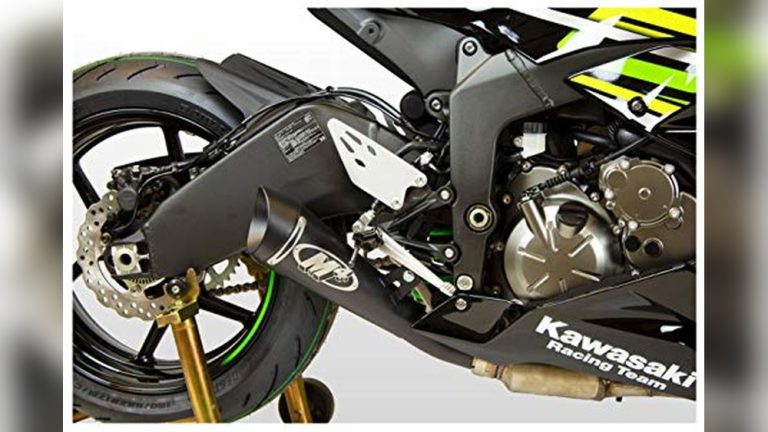
- Exhaust. Re-rivet loose baffles. Replace cracked mounts. Fit new springs and seals.
- Mounts and fasteners. Clean threads. Use correct torque. Add medium thread locker if the manual allows.
Keep a maintenance log. Motorcycle rattling noise at high rpm often fades when the bike is kept in spec.
Cost, time, and skill level guide
Here are fair shop ranges I see in North America. Your costs may vary by model and region.
- Tighten bodywork and shields. 0.5–1.0 hr. Low cost.
- Chain and sprockets. 1.0–1.5 hr plus parts. Mid cost.
- Cam chain tensioner. 1.0–3.0 hr. Part cost varies by model.
- Valve lash check and adjust. 2.0–6.0 hr. High skill on some bikes.
- Clutch service. 1.5–3.0 hr plus plates and springs.
- ECU update or map check. 0.5–1.0 hr. Often at the dealer.
DIY saves labor but needs tools. If you lack torque tools or clear space, use a pro. Motorcycle rattling noise at high rpm is cheaper to fix early.
Real shop stories: how I fixed rattles at high rpm
A sport bike came in with a sharp rattle near 7,000 rpm. The chain was dry and near the wear limit. New chain and sprockets stopped the noise.
An ADV twin buzzed at 5,500 rpm on the highway. The skid plate had a missing rubber pad. A new pad and blue thread locker made it silent.
A commuter bike pinged on hot days at high revs. The rider used low octane and a dirty air filter. Fresh filter and the right fuel killed the rattle.
Each case shows a point. Motorcycle rattling noise at high rpm can be simple or deep. Start with the basics and test after each change.
Tools, checks, and torque points checklist
Pack a small kit. It helps find and fix most rattles fast.
- Torque wrench, metric sockets, and Allen bits.
- Nylon washers, rubber grommets, medium thread locker.
- Chain lube, cleaner, and a ruler.
- Mechanic’s stethoscope or long screwdriver.
- Flashlight and inspection mirror.
- Service manual for torque specs and sequences.
Key torque points to review:
- Engine mounts, subframe bolts, handlebar clamps.
- Exhaust header nuts and muffler mounts.
- Skid plate, crash bars, luggage racks.
- Brake calipers and rotor bolts.
- Sprocket nuts and rear axle.
A 30-minute torque walk can save a weekend. Motorcycle rattling noise at high rpm often ends with a click of a wrench.

Frequently Asked Questions of Motorcycle rattling noise at high rpm
Why does my bike only rattle at high rpm and not at idle?
High rpm raises vibration and load, so loose parts resonate more. Idle may be smooth enough to hide the fault.
Can bad fuel cause Motorcycle rattling noise at high rpm?
Yes. Low octane or old fuel can cause pinging at high load and revs. Use the fuel grade your manual calls for or one step higher in heat.
How do I know if it is the cam chain tensioner?
A sharp, fast rattle from the top right or left case is a clue. It often changes with slight throttle blips and may last on hot restarts.
Will thicker oil stop the rattle?
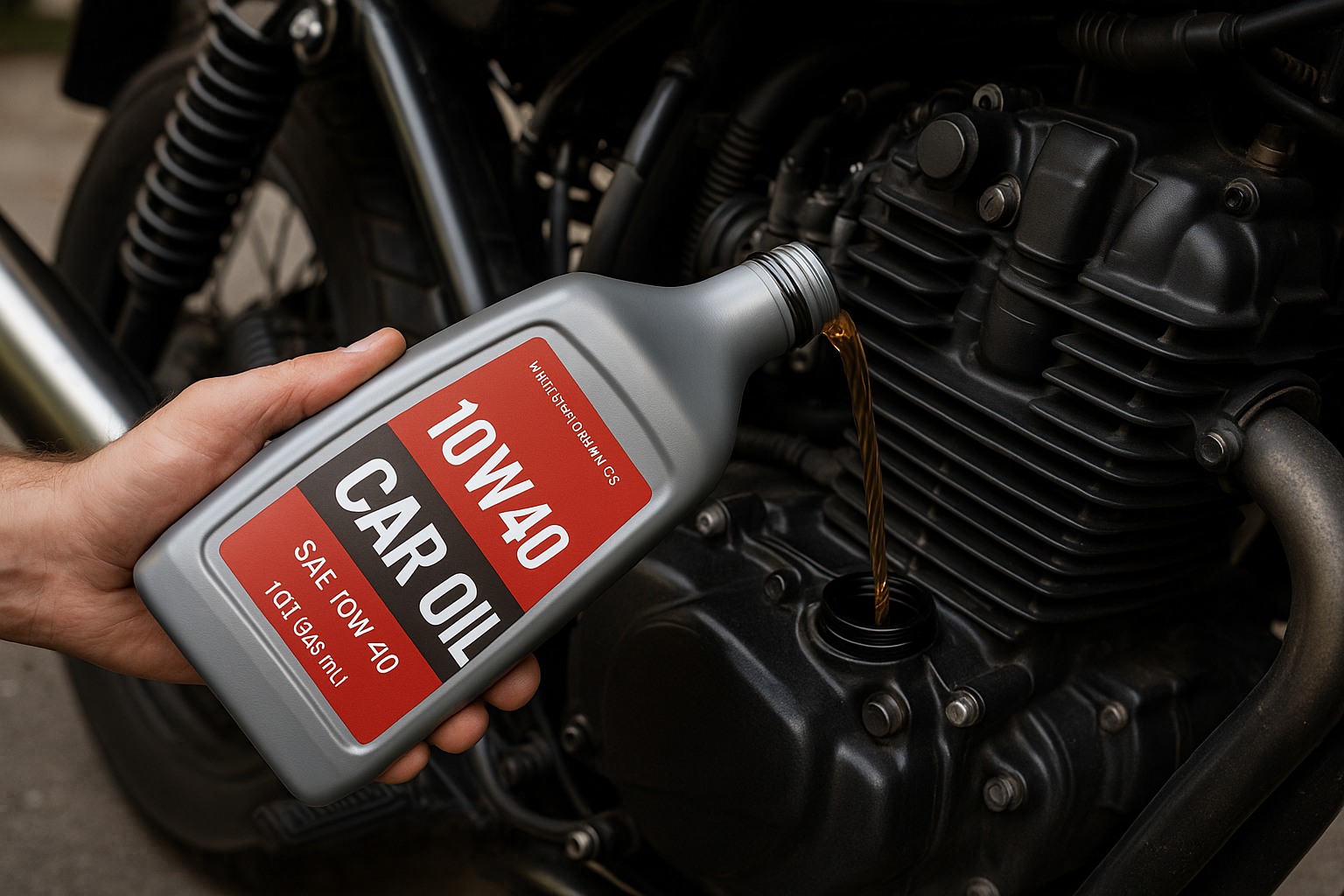
Thicker oil may mask a light noise but will not fix the cause. Follow the grade in your manual and fix the source.
Is it safe to keep riding if the rattle fades after warm-up?
If it fades fast and does not return, you may be fine for a short ride. If it comes back at high rpm, plan a check soon.
Could the clutch make Motorcycle rattling noise at high rpm?
Yes. Worn baskets or plates can rattle at steady revs, then go quiet when you pull the clutch. Inspect for notches and spring wear.
Do aftermarket exhausts cause rattles?
They can if a baffle loosens or a mount cracks. Re-riveting and proper springs usually solve it.
Conclusion
A clear plan beats guesswork. Start with simple checks, match the sound to rpm, and tighten what you can. Most Motorcycle rattling noise at high rpm comes from chains, shields, mounts, or known wear parts.
Act early. Log your steps. If the sound hints at engine harm, park it and call a pro. Ready to fix your bike? Save this guide, share your symptoms in the comments, and subscribe for more step-by-step tips.