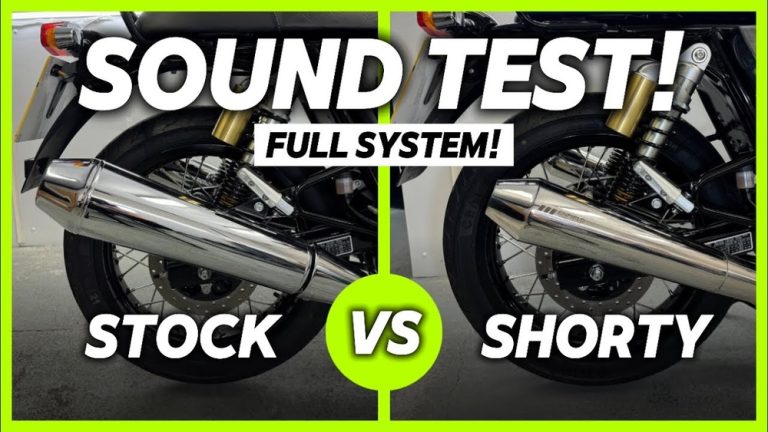
Decel Pop Vs Backfire: Tuning Guide For 2026

Decel pop is harmless exhaust noise; backfire signals misfire or timing issues.
If you’ve ever let off the throttle and heard a crackle or bang, you’ve asked about decel pop vs backfire. I’ve tuned bikes and cars for years, and I’ll break down the science, real fixes, and safety notes. Stick with me to learn how to tell them apart, why they happen, and what to do next.
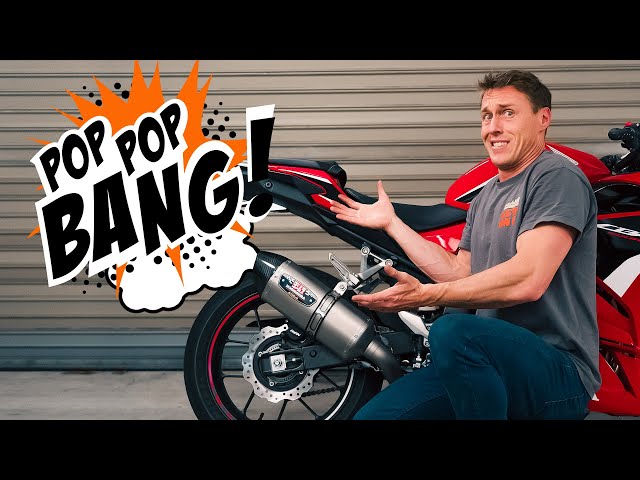
What are decel pop and backfire?
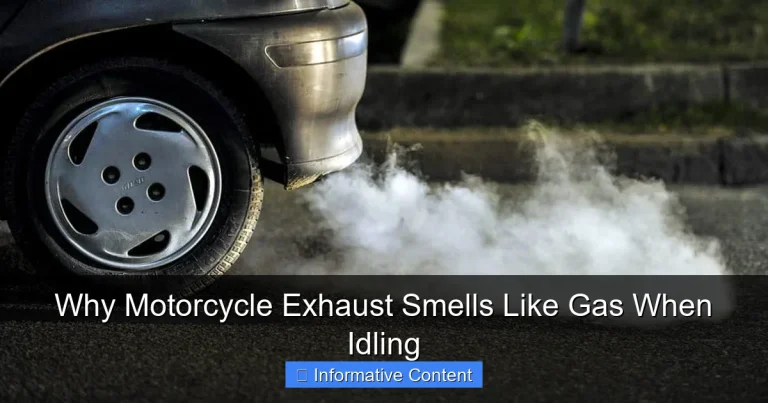
Decel pop is a series of light pops in the exhaust when you close the throttle. It often happens on bikes with free-flow pipes or cars with cat-back systems. It can be normal, and it is usually not harmful by itself.
Backfire is a loud bang from the intake or exhaust while the engine is under load or during start. It points to a misfire, spark timing issues, or fuel control faults. It can hurt parts if you ignore it.
People mix the two, which leads to bad advice. This guide clears that up and shows the real fix path for decel pop vs backfire.

Decel pop vs backfire: key differences
Decel pop vs backfire comes down to where, when, and why the sound happens. If you hear light crackles on closed throttle, that is likely decel pop. If you hear a single boom under load or on start, that is backfire.
You can also tell by the smell and feel. Decel pop smells normal and feels like soft crackles. Backfire can shake the car or bike and may smell rich or sharp.
Decel pop vs backfire matters for safety and cost. Decel pop is a tune or exhaust trait. Backfire is a warning sign that you need to address soon.

What causes each?
Causes of decel pop
- Lean air–fuel during closed throttle, which leaves some fuel to light off in the pipe.
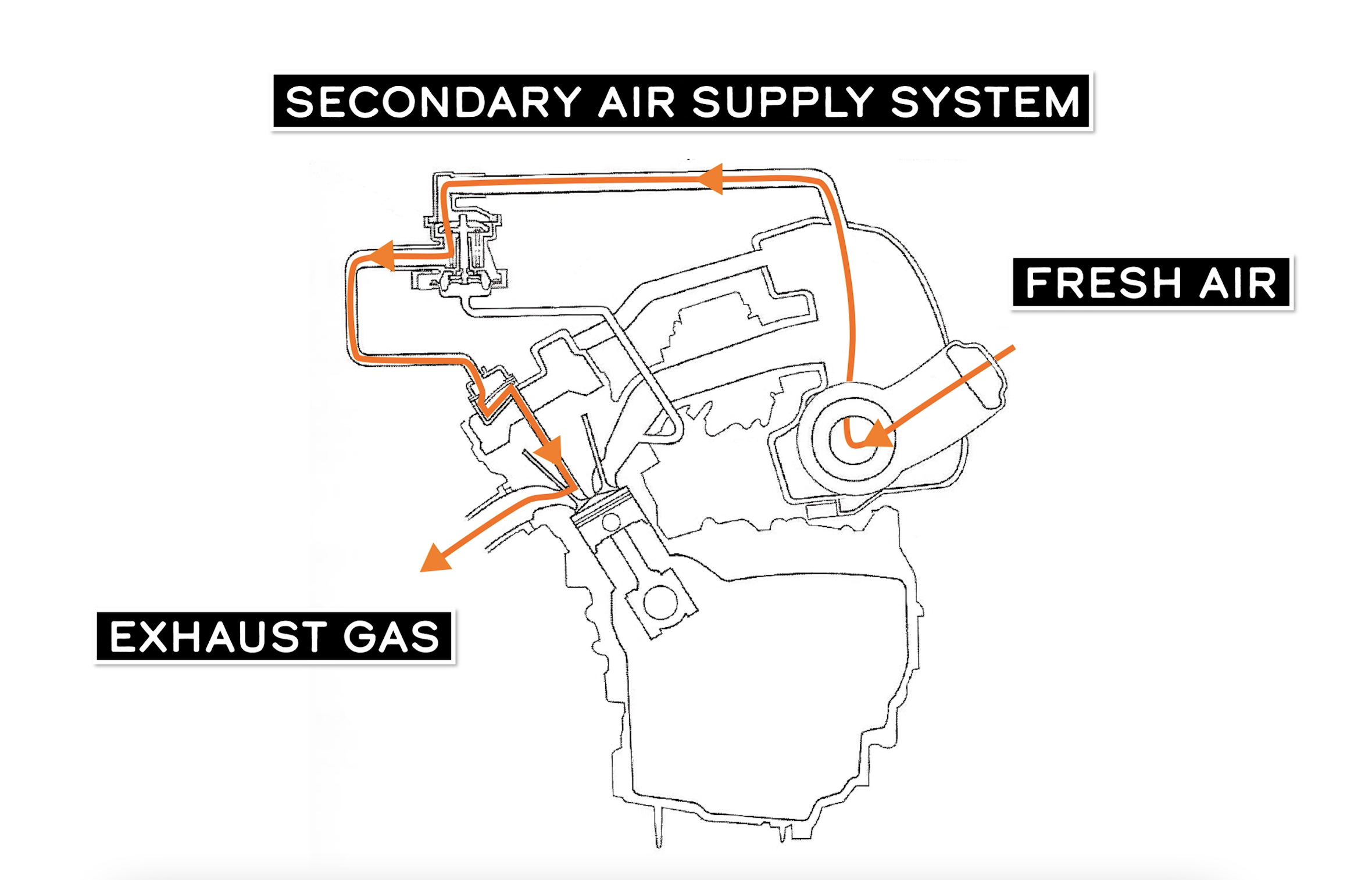
- Fresh air into the exhaust from an AIS/PAIR system that feeds oxygen on decel.
- Exhaust leaks at the header gasket or slip joints that pull in air.
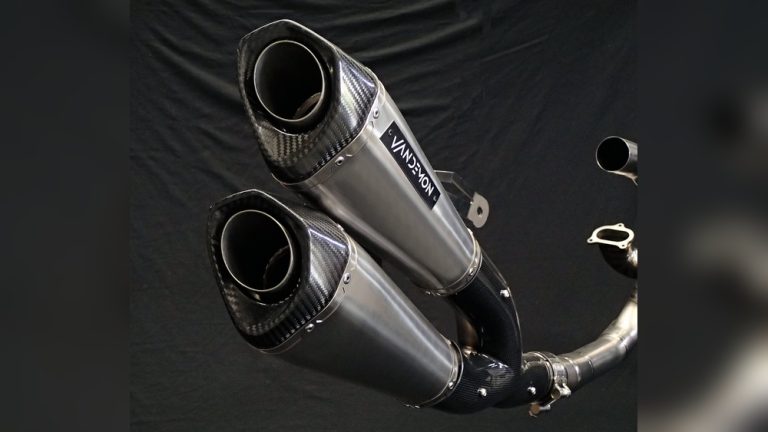
- Free-flow exhausts that lower back pressure and speed up oxygen mixing.
- ECU settings like disabled DFCO or not enough fuel at 0% throttle.
Causes of backfire
* Incorrect ignition timing or coil issues that light the mix at the wrong time.
- Misfires from weak spark, fouled plugs, or failing wires.
- Fuel control faults like stuck injectors or a very rich tune.
- Intake leaks or valve timing issues that send flame back into the intake.
- Cold-start strategies on some maps that can cause an exhaust bang.
When you compare decel pop vs backfire, think mixture, air leaks, and timing. Pop is often about oxygen in the pipe on closed throttle. Backfire is about bad timing or misfire under load.
How to diagnose the sound fast
You can sort out decel pop vs backfire with a few simple checks. Start with when it happens. If it is only on closed throttle, think decel pop. If it happens on throttle or start, suspect backfire.
Use this quick checklist:
- Listen: series of soft pops (decel) vs a single boom (backfire).
- Smell: normal exhaust (decel) vs raw fuel or sharp fumes (backfire).
- Inspect: look for black soot at header joints, which hints at leaks.
- Scan: pull codes with a scanner for misfire, O2, or timing faults.
- Test: spray soapy water at joints; bubbles mean an exhaust leak.
For bikes, also check if an AIS/PAIR system is still active. For cars, check if DFCO is on and if the tune matches your intake and exhaust.

Is it harmful? Risks, safety, and legal notes
Decel pop is mostly a sound issue. It can get loud with open pipes, but it does not hurt a healthy engine. If a cat is very hot, repeated pops may stress it, but that is rare on stock tunes.
Backfire can be risky. Intake backfire can damage airboxes and MAF sensors. Exhaust backfire can hurt catalytic converters and mufflers, and it can mean a misfire that will wash down cylinders.
Check local rules before you remove AIS or change cats. Emissions laws are strict in many places. Noise laws also apply. This is key when you plan any fix for decel pop vs backfire.

How to fix or reduce it
You can fix decel pop vs backfire by tackling root causes. Work from simple to complex. Make one change at a time and test.
For decel pop:
- Check and seal all exhaust joints. Replace copper or graphite gaskets.
- If your bike has AIS/PAIR, use block-off plates if legal. Or retune to account for it.
- Enable DFCO if your ECU supports it. Or add a touch of fuel on 0% throttle.
- Raise idle speed a bit within spec to smooth transitions.
- Match your tune to your intake and exhaust mods.
For backfire:
- Replace old plugs and test coils. Check plug gap.
- Scan for codes. Fix O2, MAF/MAP, or injector faults.
- Verify base timing and cam timing. Correct if off.
- Fix intake leaks and vacuum lines. Relearn idle trims if needed.
- Retune rich decel and overrun areas that dump fuel into a hot exhaust.
On carbs:
- Set the idle mixture. Warm the engine, then adjust for highest smooth idle.
- Choose the right pilot jet. A too-lean pilot can cause pops.
- Sync carbs and check float height to avoid rich spikes.
On EFI:
- Use a wideband to watch AFR on closed throttle.
- Smooth timing in the 0% throttle cells. Avoid large jumps.
- Calibrate injectors and fuel pressure so transient fuel is correct.
These steps solve 90% of decel pop vs backfire cases I see in the shop. Keep records so you can undo changes that do not help.

Tuning tips that actually work
You do not need to chase every crackle. A light, soft pop on closed throttle is often normal with a performance pipe. Tune for drivability first.
Use these proven tips:
- Confirm no leaks before touching the map.
- If you want less noise, allow DFCO to cut fuel on closed throttle.
- If DFCO causes harshness, add a small fuel film at 0–2% throttle and 2–4k rpm.
- Keep ignition timing smooth across idle and light cruise.
- Do not over-enrich decel; excess fuel feeds afterfire in the pipe.
For bikes, I often disable AIS only after a proper tune, not before. For cars, I log knock, trims, and lambda on decel to see what the ECU is doing. That data makes decel pop vs backfire fixes fast and clean.

Real-world examples and lessons learned
A rider brought me a 2017 Yamaha FZ-07 with a slip-on and loud pops. Classic decel pop vs backfire case. I found a small header leak and an active AIS. I sealed the leak, installed AIS plates, and added a touch of fuel at 0% throttle. The harsh pops became a light burble.
A turbo Miata came in with a big bang on shifts. That was backfire. The tune was rich on overrun, and the coils were weak. New coils, fresh plugs, and DFCO fixed it. The car felt sharper and safer.
My lesson: always check hardware first. Most decel pop vs backfire problems trace to air leaks, spark health, and mismatched tunes. The map is the last 10%, not the first.

Frequently Asked Questions of Decel pop vs backfire
Is decel pop bad for my engine?
Light decel pop is usually not harmful. It is a sign of oxygen and unburned fuel meeting in the exhaust, not a major fault.
Can backfire damage parts?
Yes. Intake backfire can damage airboxes and sensors. Exhaust backfire can hurt catalytic converters or mufflers and points to misfire or timing issues.
Will a tune stop all decel pop?
A good tune can reduce it, but free-flow pipes may still crackle a bit. Most riders accept a soft burble as normal.
Does an exhaust leak cause decel pop?
Yes. A small leak pulls in air and feeds combustion in the pipe. Fix leaks before changing the tune.
How do I tell intake backfire from exhaust pop?
Intake backfire pops through the intake and may puff the filter. Exhaust pop comes from the tailpipe and is more muffled unless the pipe is open.
Is decel pop normal on a Harley or with slip-ons?
It is common with open pipes and less back pressure. A careful tune and sealing leaks can tame it.
Should I remove AIS/PAIR to stop decel pop?
Only if it is legal where you live. Often, sealing leaks and a proper map reduce pop without removing emissions gear.
Conclusion
Decel pop vs backfire is about context. Soft pops on closed throttle are often a tune and exhaust trait, while loud bangs under load point to misfire or timing faults. Start with leaks, spark, and data logs, then tune with small, smart changes.
If you want quiet, aim for a sealed exhaust and a smooth map. If you want character, keep a mild burble but protect your engine and cat. Have questions or a tricky case? Drop a comment, subscribe for more guides, and let’s solve it together.