Wet Vs Dry Chain Lube: Which Is Best for Your Bike?

Wet Vs Dry Chain Lube: Which Is Right For Your Bike?
Choosing the right chain lube can make a big difference in how your bike performs. Many riders do not realize how much the wrong lube can affect their ride—slower speeds, more noise, and even faster chain wear. If you are confused between wet chain lube and dry chain lube, you are not alone. Both types have strong points, but they work best in different situations. In this article, you’ll learn what each type is, how they work, their pros and cons, and which is best for you. You will also see real-world examples, practical tips, and clear comparisons so you can make a confident choice.
What Is Chain Lube And Why Does It Matter?
Chain lube is a special oil or wax made for bike chains. It keeps the chain moving smoothly and protects it from water, dirt, and friction. Without lube, your chain can get rusty, noisy, and wear out quickly. This can lead to expensive repairs or even accidents.
Many beginners forget that chain lubrication is not just about making the chain quiet. It also reduces power loss, keeps your gears working smoothly, and helps your chain last longer. Studies show that a poorly lubricated chain can waste up to 10 watts of your pedaling power—enough to notice on a long ride.
Two main types of chain lube exist: wet and dry. Their names come from how they handle moisture and dirt.
Wet Chain Lube: Features And Benefits
Wet chain lube is designed for riding in rainy or muddy conditions. It is thick and sticky, so it stays on the chain even when water is present. This type of lube is made with oils and sometimes additives to help it stick to metal.
How Wet Lube Works
Wet lube coats the chain and forms a protective layer. This layer blocks water and keeps the chain from rusting. The stickiness helps it stay put, even after riding through puddles, streams, or heavy rain.
Advantages Of Wet Chain Lube
- Long-lasting protection: Wet lube stays on the chain longer than dry lube. You do not need to reapply as often.
- Resists washing off: Rain or mud will not easily remove wet lube.
- Protects against rust: Wet lube keeps moisture out, which prevents rust and corrosion.
- Smooth shifting: The thick layer helps the chain move smoothly on the gears.
Disadvantages Of Wet Chain Lube
- Attracts dirt: Wet lube can collect dust, sand, and debris. This can make your chain dirty and lead to faster wear.
- Needs regular cleaning: Because it picks up grime, you should clean your chain more often.
- Can feel sticky: Some riders complain that wet lube makes the chain feel sticky or slow.
When To Use Wet Chain Lube
- Rainy days
- Muddy trails
- Winter riding
- Wet climates
Example: Rainy Commute
If you ride to work in Seattle or London, wet lube is your friend. The constant rain means your chain is always exposed to moisture. Wet lube will stick to the chain and keep it from rusting, even after days of wet weather.
Dry Chain Lube: Features And Benefits
Dry chain lube is made for dry, dusty, or sandy conditions. It is thinner and often contains wax or Teflon. Dry lube goes on wet but dries quickly, leaving a layer that feels almost dry to the touch.
How Dry Lube Works
Dry lube spreads across the chain and then dries. The dry coating does not attract dust or grit. This helps keep your chain clean, which is important on dry trails or roads.
Advantages Of Dry Chain Lube
- Keeps chain clean: Dry lube does not pick up dirt easily. Your chain stays cleaner for longer.
- Reduces friction: The dry layer helps the chain glide smoothly.
- Easy to apply: Dry lube is simple to use and dries fast.
- Works well in dry climates: Perfect for summer or desert rides.
Disadvantages Of Dry Chain Lube
- Washes off quickly: Rain or water can remove dry lube. You may need to reapply after wet rides.
- Less protection from rust: Dry lube does not block water as well as wet lube.
- Needs more frequent application: Because it wears off, you must apply dry lube more often.
When To Use Dry Chain Lube
- Hot, dry days
- Dusty trails
- Indoor cycling
- Desert climates
Example: Summer Mountain Biking
If you ride in Arizona or California, dry lube is ideal. The dry air and dusty trails mean your chain can get dirty fast. Dry lube will help your chain stay clean and keep dust from sticking.
Key Differences Between Wet And Dry Chain Lube
Understanding the differences helps you choose the best lube for your needs. Here is a side-by-side comparison:
| Feature | Wet Chain Lube | Dry Chain Lube |
|---|---|---|
| Weather Resistance | Excellent in wet conditions | Poor in wet conditions |
| Dirt Attraction | High | Low |
| Reapplication Frequency | Low | High |
| Chain Cleanliness | Can get dirty | Stays cleaner |
| Protection Against Rust | Strong | Moderate |
| Feel | Sticky | Dry/Slick |
How To Apply Chain Lube Correctly
Many cyclists do not apply lube the right way. This can waste lube and harm the chain. Here are clear steps:
- Clean the chain first. Use a degreaser and a brush to remove old lube and dirt.
- Dry the chain. Water can stop lube from sticking.
- Apply lube to each link. Turn the pedals backward and drip lube onto each chain link.
- Let it sit. Wait 5–10 minutes for the lube to soak in.
- Wipe off extra lube. Use a clean rag to remove any lube that is not on the chain. Extra lube can attract dirt.
Common Mistakes To Avoid
- Applying lube to a dirty chain
- Using too much lube
- Not wiping off extra lube
- Using the wrong lube for the weather
Real-world Data: How Lubes Affect Performance
Several tests and studies show clear differences in how wet and dry lubes affect bike performance.
- Friction Facts Lab found that wet lubes reduce friction by up to 15% in rainy conditions compared to dry lubes.
- Dry lubes showed 20% less dirt build-up after 100 miles in dusty conditions.
- Chains lubricated with wet lube lasted up to 25% longer in wet climates than those with dry lube.
| Test Condition | Wet Lube Result | Dry Lube Result |
|---|---|---|
| Rainy Ride (50 miles) | Chain remained smooth, minimal rust | Lube washed off, chain started rusting |
| Dusty Trail (50 miles) | Chain had heavy dirt build-up | Chain stayed clean, minimal wear |
| Average Chain Life (miles) | 2,500 | 2,000 |
Choosing The Right Chain Lube For Your Bike
The best chain lube depends on where and how you ride. Here are some factors to consider:
1. Weather
- Wet weather: Choose wet lube.
- Dry weather: Choose dry lube.
2. Type Of Riding
- Mountain biking: If trails are muddy, pick wet lube. If they are dusty, pick dry lube.
- Road biking: Dry lube is good for summer; wet lube for winter.
- Commuting: If your area is rainy, wet lube is safer.
3. Chain Cleaning Routine
If you clean your chain often, wet lube is less of a problem. If you hate cleaning, dry lube keeps things simpler.
4. Environmental Concerns
Some lubes are made with eco-friendly ingredients. If you ride near rivers or nature, look for biodegradable lubes.
5. Frequency Of Use
If you ride every day, wet lube may save time. For occasional rides, dry lube is easier to manage.
Wet Vs Dry Chain Lube: Cost Comparison
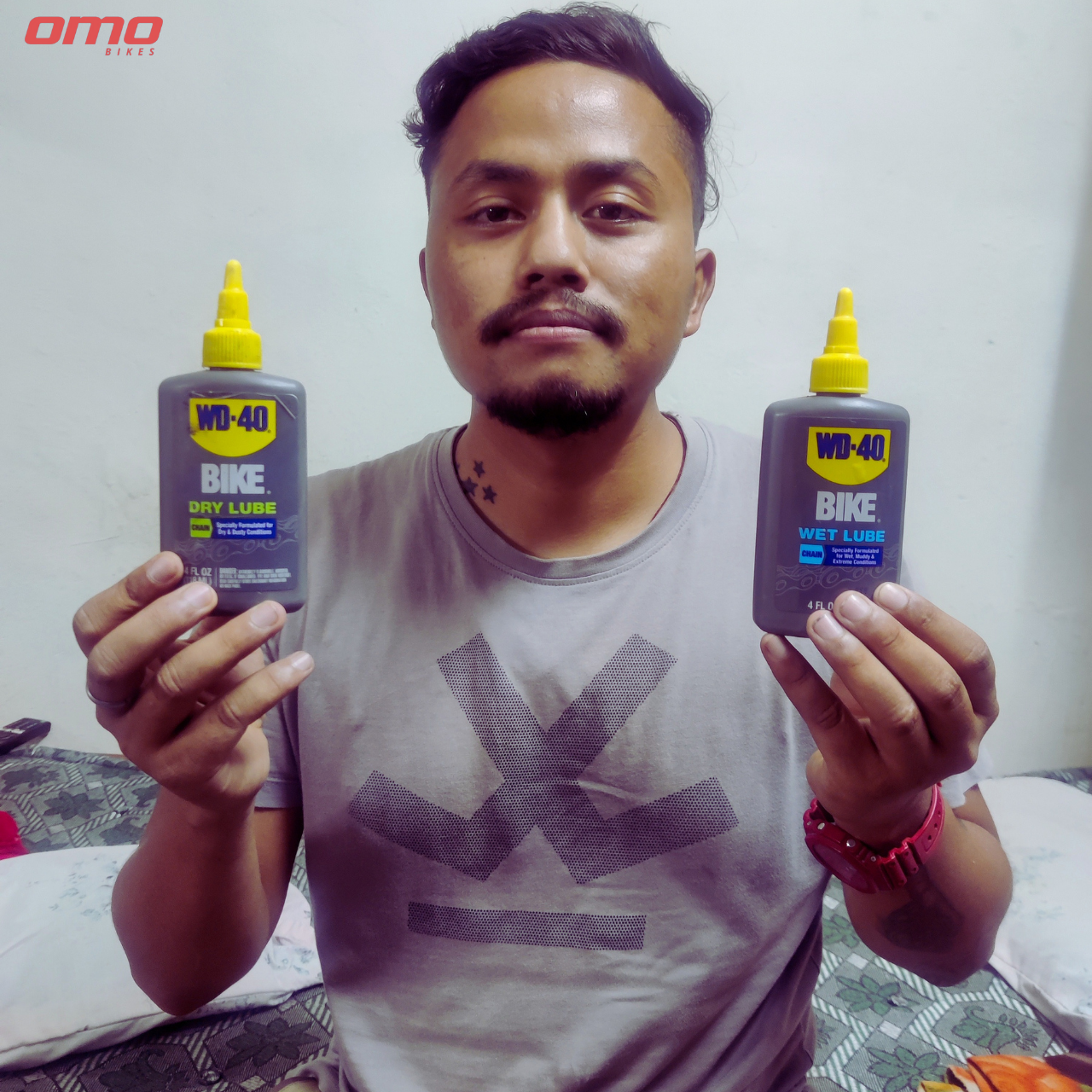
Chain lubes come in different price ranges. Here’s a typical cost comparison:
| Product | Average Price (USD) | Reapplication Frequency | Annual Cost (Estimated) |
|---|---|---|---|
| Wet Chain Lube | $8–$15 (4 oz bottle) | Every 200–300 miles | $15–$25 |
| Dry Chain Lube | $8–$18 (4 oz bottle) | Every 100–150 miles | $24–$35 |
Wet lube costs less over time because you use it less often. But if you ride in dry conditions, dry lube might save you money by reducing chain wear.
Credit: omobikes.com
Environmental Impact: Which Is Greener?
Many cyclists do not think about the environmental impact of chain lube. Some lubes contain chemicals that can harm plants and water. If you wash your bike outside, lube can flow into drains and rivers.
- Wet lubes often use petroleum oils, which are not eco-friendly.
- Dry lubes sometimes use wax or synthetic materials.
Look for lubes labeled as biodegradable or plant-based. These are safer for nature and often work just as well. Brands like Finish Line and Muc-Off offer eco-friendly options.
Common Myths About Chain Lubes
Some myths make it hard for riders to choose the right lube.
1. “wet Lube Is Only For Rain.”
Wet lube is best for wet conditions, but it also helps in muddy or snowy weather.
2. “dry Lube Is Always Cleaner.”
Dry lube is cleaner in dry conditions, but it can still attract dust if you use too much.
3. “more Lube Is Better.”
Too much lube can actually hurt your chain. It attracts dirt and makes the chain sticky.
4. “all Lubes Are The Same.”
Each lube is made for a specific purpose. Using the wrong lube wastes money and harms your bike.
Advanced Tips For Chain Care
1. Mix Lubes For Special Conditions
Some riders use wet lube during winter and switch to dry lube in summer. If you ride in mixed weather, you can use wet lube for the chain and dry lube for the derailleur.
2. Test Different Brands
Not all lubes are the same. Test a few brands to see which works best for your bike and riding style.
3. Watch For Chain Stretch
A poorly lubricated chain can stretch and wear out your gears. Check your chain every month for signs of wear.
4. Use A Chain Checker Tool
This tool measures chain wear. Using the right lube can help your chain last longer and save money.
Wet Vs Dry Chain Lube For E-bikes
E-bikes have different needs. Their chains handle more power and speed. Wet lube is good for e-bikes in wet weather, but it needs regular cleaning. Dry lube is easier for e-bikes in dry climates, but must be reapplied more often.
Some brands make special e-bike lubes. These are thicker and last longer under high torque. Look for lubes labeled “e-bike specific” if you ride an electric bike.
Wet Vs Dry Chain Lube For Indoor Cycling
Indoor bikes do not face rain or mud, but they can get dusty. Dry lube is best for indoor riding. It keeps the chain clean and reduces noise. Wet lube is not needed unless you sweat a lot or the room is humid.
Case Studies: Real Cyclist Experiences
1. Urban Commuter In Portland
Sarah rides 5 miles to work each day, rain or shine. She tried dry lube but found her chain rusting after just one week of rain. Switching to wet lube stopped the rust, but she had to clean her chain every weekend.
2. Mountain Biker In Colorado
Tom rides dusty trails every weekend. He used wet lube at first, but his chain picked up so much dirt that shifting became rough. After changing to dry lube, his chain stayed cleaner, and he noticed smoother gear changes.
3. E-bike Rider In New York
Alex uses a special e-bike wet lube. It lasts for about 400 miles before needing reapplication. He cleans his chain every two weeks and has not seen any rust, even in snowy winters.

Credit: www.youtube.com
Wet Vs Dry Chain Lube: Maintenance Tips
- Always clean your chain before applying new lube.
- Use a chain cleaning tool for faster cleaning.
- Store lube away from heat and sunlight.
- Check the chain for rust or dirt weekly.
- Replace your chain every 2,000–3,000 miles for best performance.
Comparison With Alternative Chain Lubes
Besides wet and dry lubes, there are other options:
1. Ceramic Lubes
Ceramic lubes contain tiny particles that reduce friction. They work well in all conditions but are expensive.
2. Wax-based Lubes
These are similar to dry lube but use wax as the main ingredient. They keep chains very clean and last longer in dry conditions.
3. Biodegradable Lubes
Eco-friendly and safe for nature. They work like wet or dry lubes but break down naturally.
For most riders, wet and dry lubes are enough. But if you want maximum performance or care about the environment, these alternatives are worth considering.

Credit: www.youtube.com
How To Switch Between Wet And Dry Lube
If you change lube types, clean your chain completely first. Use a degreaser and remove all old lube. Dry the chain, then apply your new lube. Mixing lubes can reduce performance.
Non-obvious Insights Most Riders Miss
- Humidity affects lube performance. Even if it’s not raining, high humidity can make dry lube wash away faster. If you live in a humid area, wet lube may be safer.
- Chain lube affects shifting performance. The wrong lube can make your gears shift slowly or stick. This can be dangerous if you need to change speed quickly.
External Resource For Further Reading
If you want detailed lab results and chain lube reviews, see BikeRadar’s Chain Lube Guide.
Frequently Asked Questions
What Happens If I Use Wet Lube In Dry Conditions?
Wet lube will work, but it can attract dust and make your chain dirty. You may need to clean your chain more often.
Can I Mix Wet And Dry Lube?
No. Mixing lubes can cause sticky build-up and reduce performance. Always clean your chain before switching.
How Often Should I Reapply Chain Lube?
For wet lube, reapply every 200–300 miles or after riding in the rain. For dry lube, every 100–150 miles or after dusty rides.
Is Chain Lube Bad For The Environment?
Some chain lubes contain chemicals that can harm plants and water. Look for biodegradable lubes if you care about the environment.
Are Expensive Lubes Always Better?
Not always. Some expensive lubes last longer or reduce friction, but many mid-priced lubes work well for most riders.
Final Thoughts
Choosing between wet chain lube and dry chain lube is not just about weather—it’s about your riding style, maintenance habits, and local climate. Wet lube is best for rainy or muddy conditions, while dry lube shines in dry, dusty environments. Both types have strengths and weaknesses. Knowing how and where you ride will help you make the right choice.
Remember, the wrong lube can lead to dirty chains, bad shifting, and costly repairs. Clean your chain often, apply lube correctly, and switch lubes as the seasons change. If you care about the planet, choose a biodegradable option. With this guide, you can ride smoother, safer, and longer—no matter the weather.