Can You Use Engine Oil As Chain Lube? Ultimate Guide 2025

The question of using engine oil as a chain lube for bikes or motorcycles is a common one. The simple answer is a clear no. Engine oil is a lubricant. It can reduce friction. But it is a very poor choice for an exposed chain. It causes many problems that are far worse than any small benefits.
Engine oil is made for a hot, sealed engine. It is not right for a chain that is out in the open. The main problems are that it is too thick. It has the wrong chemical additives. And it will not stay on the chain. These issues cause the chain to wear out faster. They also make the drivetrain very messy. This means you will have to replace parts too early. You should only use engine oil in an emergency. If you do, you must clean the chain right away. Then, apply a proper chain lubricant.
You can also read : Oil change Time vs Mileage: What’s the real rule?
The Basics of Chain Lubrication
1. A Look at the Chain’s Moving Parts
To understand why a special lube is needed, you must first look at the chain itself. A chain has many moving parts: inner and outer plates, pins, bushings, and rollers. Power is moved from the pedals or engine to the wheel by these parts working together. There are two key spots that cause most of the friction and wear.
The first and most important spot is inside the chain. This is where the pins turn inside the bushings. This is where “chain stretch” happens. A lubricant must get into this tight space. This stops metal from rubbing on metal. This rubbing would cause fast wear and shorten the life of the chain.
The second spot is where the chain rollers touch the sprocket teeth. A thin layer of lube is needed here. It lowers friction and helps the drivetrain work well. It also keeps the entire system from wearing out too soon.
There are two main types of chains. Unsealed chains are on most bicycles. They are lubed from the outside. The lube must flow into the pins and bushings.
Sealed chains are on most new motorcycles. They have O-rings, X-rings, or Z-rings. These chains are filled with grease at the factory. The rubber seals keep the grease inside the pin/bushing area. For these sealed chains, the outside lube does not need to get inside. It is used to protect the O-rings and to lube the roller-sprocket area. This is a key difference.
2. The Three Main Jobs of a Proper Chain Lube
A good chain lube must do three things well. This helps the chain last a long time and perform at its best.
- Lower Friction: The main job of a lube is to lower friction. A good chain lube creates a strong film between the moving parts. This keeps metal from touching metal. This film lowers energy loss. It also helps the chain and sprockets last much longer.
- Stop Rust: A chain is always exposed to rain, salt, and water. A good lube acts like a shield. It keeps the metal safe from things that cause rust. Rust on the chain plates can harm the O-rings on sealed chains. This can cause the internal grease to leak out. This leads to the chain failing quickly.
- Handle Dirt: This is a key point. A chain works in a dirty place. The lube must be made to either not attract dirt or to get rid of it. If the lube is too sticky, it will attract and hold dirt like sand and grit. This turns the oil into a grinding paste. This paste will cause the drivetrain to wear out much faster.
Comparing Engine Oil and Chain Lube
The main part of this report is a direct comparison. It looks at the properties of engine oil versus a chain lube. The differences are big. They are based on what each product was made for.
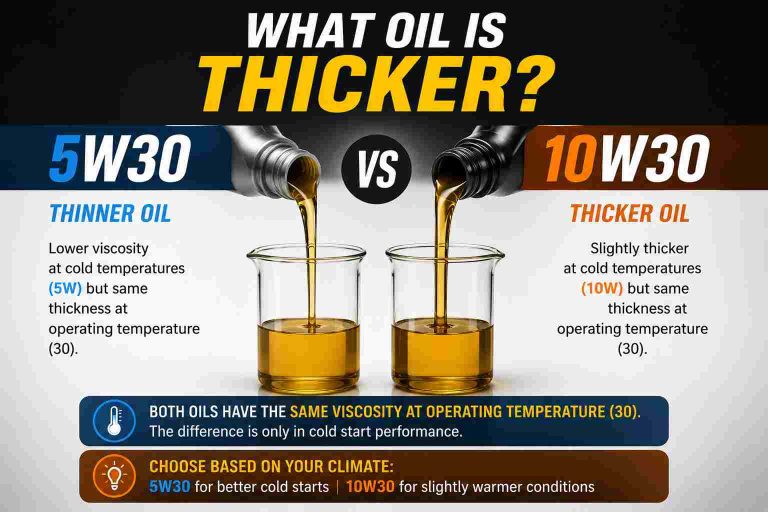
1. Viscosity: A Big Problem
Engine oil is made for a very specific job. It must work in the very hot and high-pressure space of an engine. Engine temperatures can be hotter than $200^{\circ}$F. A bike or motorcycle chain works at a much lower temperature. This difference causes two problems for a chain.
First, engine oil is too thick at normal temperatures. It cannot get into the small, tight spaces of a chain. It cannot get into the pins and bushings. Instead of getting inside, the thick oil just sits on the outside of the chain. This does not help the most important parts.
Second, the thickness that is good for a hot engine is bad for a chain. The thick oil is a perfect magnet for dust, dirt, and road grime. This mix becomes a dark, gritty paste. This paste causes the chain and sprockets to wear out faster.
2.Chemical Additives: The Wrong Ingredients
Engine oil and chain lube have different additives. They are made for different jobs. Engine oils have detergents. These help clean the inside of a sealed engine. They also have anti-wear chemicals like ZDDP. ZDDP forms a protective layer on metal parts under high heat and pressure.
These additives are good for an engine. But they can harm a chain. ZDDP and other chemicals can hurt silicone rubber. This rubber is used for the O-rings and other seals on chains. This can make the seals hard and cracked. This will cause the grease inside the chain to leak out. This leads to fast wear inside the chain. A proper chain lube is made to be safe for rubber seals. It also has tackifiers that make it stick to the chain.
3. The Fling-Off Problem
Engine oil is not made to stick to a fast-moving chain. It is made to be moved by a pump inside an engine. It is not made to resist the fast spinning of a wheel. As a result, engine oil will “sling off” the chain very quickly. This leaves a greasy, black mess on the bike. It also leaves the chain without a protective layer. This means the chain is not safe from friction and rust.
| Property | Engine Oil | Dedicated Chain Lube |
| Thickness (Viscosity) | Too thick at normal temperatures; made for high heat | Low or different thickness; made to get into tight spaces |
| Stickiness | Low; made to be pumped, flings off easily | High; has additives to stick to the chain |
| Main Job | To lube sealed engine parts at high heat and pressure | To lube an exposed chain at normal temperatures |
| Key Additives | Detergents, ZDDP, anti-foaming agents | Tackifiers, rust-stoppers, anti-wear agents |
| Attracts Dirt | Very high; acts like a magnet for dirt | Made to attract very little dirt |
| Safe for Sealed Chains | Bad; can harm O-rings and seals | Great; made to be O-ring safe |
You can also read : How Often To Change Brake Fluid On Motorcycles?
The Bad Results of Using Engine Oil
Using engine oil on a chain has many bad results. It causes faster wear. It also has money and time drawbacks.
1. The Grinding Paste Problem
The biggest problem is that the oil turns into a grinding paste. Engine oil is thick and sticky. It attracts dirt and sand from the road or trail. This turns the oil into a grinding compound. This speeds up wear on the pins, rollers, sprockets, and other parts. The supposed “lube” now causes more damage. This results in a loud, slow drivetrain. It will also not last as long.
2. The Danger to Sealed Chains
For chains with seals, the risk is even greater. As shown in Section 2, the ZDDP and other chemicals in engine oils can harm the rubber O-rings. This damage can make the seals hard or cracked. This means they can no longer hold in the factory grease. Once the seals break, the grease is lost. The chain’s main parts are then exposed. This leads to a fast and complete failure. A proper O-ring safe chain lube is made to be used with these materials. It lubes the outside of the chain without risking damage.
3.The Financial and Practical Problems
The idea of saving money with engine oil is quickly proven wrong. The messy nature of the oil means you have to clean the “gunky mess” more often. This takes more time and effort. Also, the faster wear on all the parts means they will need to be replaced sooner. The cost of new parts can be high. This makes the cheap solution much more costly over time.
Choosing the Right Lube
There are many types of chain lubes. Each one is made for different riding conditions. Knowing the types helps you choose the best one for your bike.
1. Different Types of Chain Lubes
- Wet Lubes: These are thick, oil-based lubes. They are for wet, muddy, or snowy weather. They stick to the chain and do not wash off easily. But they also attract dirt and grime in dry weather. This means you have to clean the chain more often.
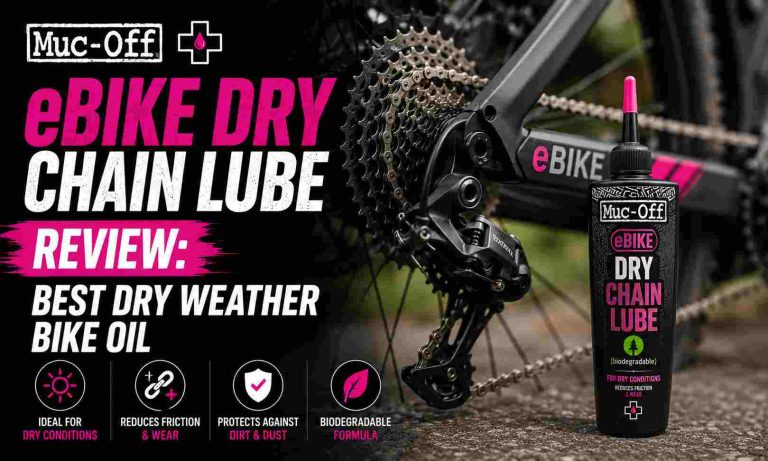
- Dry Lubes: These are light lubes in a liquid. They are applied wet and then dry into a non-sticky film. They are best for dry, dusty places. They attract very little dirt. The main problem is that they wash off easily in the rain.
- Wax-Based Lubes: These are a newer type of chain lube. They are a protective coating, not an oil. They create a clean shield against friction and dirt. Drip-on wax lubes are very popular. They are very clean and last a long time in dry weather. You must start with a perfectly clean chain. But they offer great protection and keep the chain very clean. Some people say they can be louder than oil-based lubes.
- Gear Oil: This is also an automotive product. Some people use it instead of engine oil. It has some good anti-wear additives. But it still has the same problems as engine oil. It is too thick and messy to be a good choice over a proper chain lube.
| Lubricant Type | Short-Term Result | Long-Term Result | Recommended Use |
| Engine Oil | Lubes well at first, but is messy and flings off a lot | Fast wear on parts, harm to O-rings, and expensive fixes | Not Recommended. Use only in an emergency, then clean right away. |
| Gear Oil | Better lube than engine oil because of its additives | Still attracts dirt; is messy to use | For unsealed chains. Not a perfect choice because it is messy and thick. |
| Wet Lube | Excellent lube for wet weather; sticks well | Can attract dirt in dry weather, which causes fast wear | For wet, muddy, or snowy places. |
| Dry Lube | Clean and works well in dry weather; not messy | Does not resist water well; needs more applications in the rain | For dry, dusty, or clean places. |
| Wax Lube | Very clean and lasts a long time; low friction | Makes the chain last longer; attracts very little dirt | Best for all conditions, but you must start with a perfectly clean chain. |
The Guide to Proper Chain Care
Proper chain care is a simple process. It focuses on keeping the chain clean and applying lube with care. Here are the steps to make your chain last as long as possible.
1. The Right Way to Care for a Chain
- Clean First: The main rule of lubing is to “never put new lube on a dirty chain”. You must clean the chain well to remove old lube and dirt. Use a proper chain cleaner, like kerosene (paraffin in the UK) or a commercial degreaser. Use a brush to scrub the chain. Do not use strong solvents like gasoline or a jet-wash. They can harm the seals and push dirt inside the chain.
- Apply a Small Amount: Once the chain is clean and dry, apply the lube with care. Put one drop of lube on each roller on the inside of the chain. This puts the lube where it is needed most. It also helps you not waste any. For spray lubes, spray the inside of the chain while you turn the wheel.
- Wait for It to Soak In: The lube needs a few minutes to get inside the chain’s links. It will get into the tight spaces through capillary action. This ensures the most important parts are protected.
- The Final Wipe: This is the most important step and is often forgotten. Any lube left on the outside of the chain does not help. It only attracts dirt. You must wipe the whole chain well with a clean rag. This removes all the extra lube. This leaves lube only inside the rollers and between the links. It also stops the chain from becoming a dirt magnet.
FAQs for Can You Use Engine Oil As Chain Lube
Can you use engine oil as a chain lubricant?
You could, but it is not a good idea. Engine oil is too thick for a chain. It does not get inside the links to properly lubricate them. A better choice is a lubricant made for your chain.
What happens if I use engine oil on my chain?
Engine oil is very messy and flings off the chain easily. It also attracts a lot of dirt and grime. This can turn into a gritty paste that wears out your chain faster.
Is engine oil bad for a sealed (O-ring) chain?
Yes, it can be. Engine oil may have additives that can harm rubber seals on O-ring chains. When these seals are damaged, the grease inside the chain can leak out.
Why are dedicated chain lubes better?
Chain lubes are made to stick to the chain and protect it from rust and dirt. They get inside the links to reduce friction and help your chain last longer.
What types of chain lubes should I use instead?
There are lubes for different needs. Wet lubes are good for rainy conditions. Dry lubes are for dusty places. Wax lubes keep your chain very clean.
Final Word
The facts in this report lead to a clear answer: engine oil is a bad lube for chains. Its chemicals and physical properties are not right for a chain. It is not made for a chain that works in the open at normal temperatures.
Using engine oil, especially on sealed chains, can cause them to fail early. It can harm the seals and turn into a grinding paste. A quart of engine oil may seem cheap. But the cost of faster wear and constant cleaning makes it a very expensive choice in the end.
For a healthy and long-lasting drivetrain, you must use a lube made for the job. The right lube will do a better job of protecting the chain from friction, rust, and dirt. This will lead to a smoother, quieter, and more efficient ride. It will also help your drivetrain last longer.