How to Tell If Your Motorcycle Chain Needs Lube: Expert Tips 2026

Riding a motorcycle feels like freedom. But every rider knows: freedom depends on the little details. One detail often overlooked is chain lubrication. It’s easy to forget, but a dry chain can turn your smooth ride into a noisy, risky mess. Many new riders wonder, “How do I know if my motorcycle chain needs lube?” This question matters because a neglected chain can damage your bike, cost you money, and even create safety hazards.
Let’s dig deep into how you can spot a dry chain, why it’s crucial to keep it lubed, and how regular checks can save you trouble. You’ll find practical advice, clear signs, and real-world examples—so you can ride with confidence.
Why Chain Lubrication Matters
Your motorcycle’s chain is a key part of the drivetrain. It transfers power from the engine to the wheel. Without proper lubrication, the chain faces friction and wear. Over time, this can:
- Reduce your bike’s performance
- Cause expensive repairs
- Lead to chain breakage
A well-lubed chain lasts longer. In fact, regular lubrication can extend chain life by up to 50% compared to neglected chains. According to industry studies, dry chains can lose up to 20% efficiency and wear out twice as fast. This isn’t just about money—it’s about safety. A broken chain at high speed can cause accidents.
Common Signs Your Motorcycle Chain Needs Lubrication
You don’t need to be a mechanic to spot a dry chain. Here are the clearest signs:
1. Dry Or Rusty Appearance
Look at your chain. If it looks dry, dusty, or rusty, it needs lube. A healthy chain looks shiny and moist, not dull.
2. Squeaking Or Grinding Noises
When you ride, listen for squeaks or grinding sounds. These noises mean the chain isn’t moving smoothly. Lubrication reduces noise.
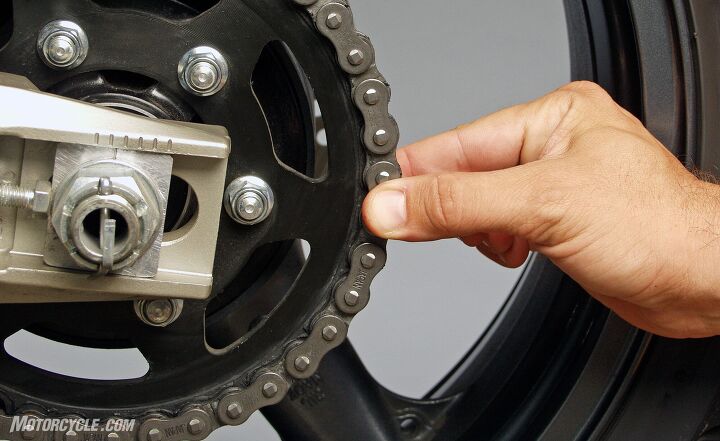
3. Stiff Links
Try to move the chain links by hand. If they feel stiff or don’t flex easily, they’re dry. Lubed links move freely.
4. Visible Dirt And Debris
Chains collect dirt. If you see a thick layer of grime, it’s probably time to clean and lube. Dirt can strip away old lube.
5. Excessive Chain Slack
A chain that needs lube might stretch more quickly, causing slack. Check your chain tension. If it feels loose and you haven’t ridden much, dryness could be the cause.
6. Heat Build-up
After a ride, touch the chain carefully. If it feels very hot (more than usual), friction is high. Lubrication reduces heat.
7. Reduced Performance
You might notice the bike feels sluggish, especially on acceleration. This can happen if the chain isn’t moving smoothly.
How Often Should You Lubricate Your Chain?
There’s no single answer, because it depends on:
- Riding conditions (dusty, wet, clean roads)
- Chain type (O-ring, X-ring, non-sealed)
- Distance covered
Most experts recommend lubing every 300–600 miles (500–1,000 km). If you ride in rain or off-road, lube more often. For O-ring chains, lube is needed less often, but don’t skip checks.
Here’s a quick comparison:
| Chain Type | Lubrication Frequency | Typical Lifespan |
|---|---|---|
| Non-sealed (Standard) | Every 300 miles | 10,000 miles |
| O-ring | Every 500 miles | 20,000 miles |
| X-ring | Every 600 miles | 25,000 miles |
Step-by-step: Checking Your Chain For Lube Needs
Let’s walk through how to check if your chain needs lubrication. You don’t need special tools—just a few minutes.
1. Inspect The Chain Visually
Stand your bike securely (using a center stand or paddock stand). Look at the chain in good light. Check for:
- Dry surface
- Rust spots
- Dirty buildup
A clean, moist chain is good. If it looks dry, it needs lube.
2. Listen While Riding
Ride slowly and listen. If you hear squeaks, clicks, or grinding, the chain is likely dry. Experienced riders sometimes compare this noise to a “metal-on-metal” sound.
3. Feel The Chain Movement
Put on gloves. Rotate the rear wheel and watch the chain move. Try flexing the links. If they don’t bend easily, or you see kinks, the chain is dry.
4. Check Chain Tension
Use a ruler or tension gauge. Too much slack can mean the chain has stretched from dryness. Compare your bike’s recommended slack (found in your owner’s manual).
5. Touch Test (heat Check)
After a ride, gently touch the chain. If it feels much hotter than usual, friction is high. A well-lubed chain runs cooler.
6. Check For Flaking Or Powder
Sometimes, a dry chain leaves behind metal powder or flakes. This is a sign of wear—and a clear signal to lube.
Real-life Examples: What Riders Experience
Let’s look at some actual situations:
- City Commuter: Rides daily in dry weather, notices squeaking after 400 miles. The chain looks dry, but no rust. After lubing, noise disappears.
- Adventure Rider: Rides off-road. Chain collects mud and sand. Lubes every 200 miles, but sometimes skips. Chain wears out in 8,000 miles—much faster than average.
- Weekend Sport Rider: Uses O-ring chain, rides only on weekends. Lubes every 600 miles. Chain lasts over 20,000 miles.
These examples show that regular checks and lubrication can double chain life and improve ride quality.
See the 5 Best Motorcycle Chain Lube
The Science Behind Chain Lubrication
Lubrication reduces friction between metal surfaces. Motorcycle chains have rollers and pins that need smooth movement. Without lube, metal wears metal, creating heat and damage.
Modern chain lubricants also protect against corrosion and keep dirt away. Many use additives for extra protection.
Here’s a comparison of friction levels:
| Chain Condition | Friction Level | Wear Rate (per 1,000 miles) |
|---|---|---|
| Well-lubricated | Low | Minimal |
| Dry | High | Double |
| Dirty | Very High | Triple |

Credit: www.reddit.com
Types Of Lubricants: Which Is Right For You?
Not all lubricants are the same. The main types are:
- Wax-based
Stays clean, less messy. Good for dry conditions, but may need more frequent application.
- Oil-based
Penetrates well, handles moisture. Can attract more dirt.
- Synthetic sprays
High-tech, resist dirt and water. Often used for O-ring and X-ring chains.
Choose a lube that matches your riding style and environment. For wet or dusty conditions, synthetic sprays offer better protection.
Lubrication Mistakes Beginners Make
Even experienced riders sometimes make mistakes. Here are common errors:
1. Over-lubing
Too much lube attracts dirt. Apply a light, even coat.
2. Under-lubing
Skipping regular lubrication shortens chain life.
3. Lubing A Dirty Chain
Always clean the chain before lubing, or you’ll trap grit.
4. Using The Wrong Lubricant
Don’t use WD-40 or engine oil. Use a chain-specific lubricant.
5. Ignoring O-ring Chains
Even sealed chains need lube for the outside rollers.
6. Not Checking After Wet Rides
Rain washes away lube. Always check after riding in wet conditions.
How To Lubricate Your Motorcycle Chain
Lubricating your chain isn’t hard. Here’s how:
1. Clean The Chain First
Use a chain cleaner and brush. Remove dirt and old lube.
2. Apply Lubricant
Spray or brush lube onto the chain, focusing on the rollers and inside links.
3. Rotate The Wheel
Spin the rear wheel to cover the whole chain.
4. Let It Set
Wait 10–20 minutes for the lube to penetrate.
5. Wipe Off Excess
Use a rag to remove extra lube. This prevents dirt buildup.
Here’s a practical tip: lube your chain after a ride, when it’s warm. The heat helps the lube spread better.
Comparing Chain Lubrication Methods
Different riders use different methods. Here’s a quick comparison:
| Method | Time Needed | Effectiveness | Messiness |
|---|---|---|---|
| Spray-on Lubricant | 5 min | High | Medium |
| Brush-on Lubricant | 10 min | Very High | Low |
| Automatic Oiler | Setup only | Consistent | Low |
Automatic oilers are popular for long-distance riders. They apply lube as you ride, but cost more to install.
Environmental Factors That Affect Chain Lubrication
Where and how you ride affects how often your chain needs lube:
- Rain
Water washes away lube and causes rust. Check after every wet ride.
- Dust and sand
Grit sticks to lube, creating abrasive paste. Clean and lube more often.
- Salted roads
Salt causes corrosion. Lubricate frequently in winter.
- High temperatures
Heat can dry out lube faster. Check more often in summer.
Non-obvious insight: Many riders underestimate humidity. Even if you store your bike indoors, humid air can cause condensation and rust. It’s smart to check the chain after long storage.
What Happens If You Ignore Chain Lubrication?
Skipping chain maintenance leads to:
- Premature chain wear
- Damaged sprockets
- Lower fuel efficiency
- Chain breakage
A dry chain can snap, causing loss of control. In some cases, chains have broken and damaged the engine casing—a repair costing hundreds of dollars.
Statistics show that neglected chains are a major reason for breakdowns in motorcycles over 5 years old. Regular lubrication can prevent most issues.
Credit: www.motorcycle.com
How Chain Lubrication Impacts Performance
Lubrication isn’t just about avoiding damage. It affects:
- Smooth power transfer
A lubed chain delivers engine power with less loss.
- Fuel efficiency
Less friction means better gas mileage.
- Noise reduction
A quiet chain means your ride sounds better.
- Longer chain and sprocket life
Well-maintained chains last longer, saving money.
For sport bikes, lubrication can improve acceleration and top speed. For touring bikes, it means fewer breakdowns.
Checking Chain Condition: Beyond Lubrication
Lubrication is just one part of chain care. Also check for:
- Chain stretch
Measure chain length. If it’s longer than spec, it’s time to replace.
- Worn sprockets
Look for hooked teeth—this means the sprocket is worn.
- Loose or tight spots
Spin the wheel and watch for uneven movement.
If you see these signs, lube may help for a while, but replacement is needed soon.
How To Choose The Right Chain Lube
When buying chain lube, consider:
- Weather conditions
Wet-weather lubes resist water. Dry-weather lubes don’t attract dirt.
- Chain type
Some lubes are made for O-ring or X-ring chains.
- Ease of application
Sprays are fast, but can be messy. Brush-on lubes take longer, but cover better.
- Price
Expensive isn’t always better. Read reviews and check what other riders use.
A beginner mistake: buying the cheapest lube. Cheap lubes may not protect against corrosion or last long.
Practical Tips For Chain Lubrication
Here are tips to make chain care easier:
1. Set Reminders
Use your phone to remind you every 300–600 miles.
2. Check After Every Wash Or Rain
Water removes lube. Always check after getting wet.
3. Carry Lube On Long Trips
A small bottle fits in your toolkit.
4. Use A Paddock Stand
It makes chain care easier and safer.
5. Don’t Forget The Sprocket
Lube the chain and lightly wipe the sprocket.
Non-obvious tip: If you store your bike for winter, lube the chain well before parking. This prevents rust during storage.
Chain Lubrication And Motorcycle Safety
A dry chain isn’t just noisy—it’s dangerous. Lack of lube can cause the chain to snap, which may lock the rear wheel or damage the engine. This is rare, but it happens.
Lubrication also keeps the chain from stretching too fast. A stretched chain can slip off the sprockets, causing loss of control.
Safety experts recommend checking chain lube as part of your pre-ride checklist. Many accidents are linked to poor maintenance.
How To Clean The Chain Before Lubricating
Cleaning is as important as lubing. Here’s a simple process:
1. Use A Chain Cleaner
Spray on cleaner or use kerosene (never gasoline).
2. Brush The Chain
Use a soft brush, not wire. Clean all sides.
3. Rinse And Dry
Wipe with a rag and let it dry.
4. Inspect For Damage
Check for cracks, stiff links, or broken O-rings.
5. Apply Lube
Follow the steps above.
A common mistake: skipping cleaning. Lubing a dirty chain traps grit, which wears out the chain faster.
Signs You’ve Lubricated Correctly
After lubing, your chain should:
- Look shiny and moist
- Move smoothly and flex easily
- Feel cooler after riding
- Run quietly
If you still hear noise or see stiffness, repeat cleaning and lubing.
See the Best Motorcycle Chain Cleaner Kits
Advanced Chain Care: Automatic Oilers
Some riders use automatic chain oilers. These devices drip lube onto the chain as you ride.
Benefits:
- Consistent lubrication
- Less manual work
- Longer chain life
Drawbacks:
- Higher cost
- Needs installation
Automatic oilers are great for touring or adventure riders. For most city riders, manual lubing is enough.
Chain Lubrication: Diy Or Professional Service?
You can lube your chain at home, but some riders prefer professional service.
DIY pros:
- Saves money
- Builds skills
DIY cons:
- Takes time
- Can be messy
Professional service pros:
- Fast and clean
- Full check for wear
Professional service cons:
- Costs more
If you’re new, watch videos or ask a friend to show you. It’s easier than you think.
Expert Advice: What Experienced Riders Recommend
Experienced riders suggest:
- Lube your chain after every wash or wet ride
- Always clean before lubricating
- Use quality lube, not general-purpose oil
- Check chain tension regularly
Non-obvious insight: Experienced riders often carry a small brush and lube for emergencies on long trips.

Credit: www.reddit.com
FAQs (How to Tell If Your Motorcycle Chain Needs Lube)
How Can I Tell If My Motorcycle Chain Is Too Dry?
Check for dryness, visible rust, stiff links, and noise. If the chain looks dull or you hear squeaks, it’s dry.
What Happens If I Over-lubricate My Chain?
Excess lube attracts dirt, which creates an abrasive paste. Always wipe off extra lube after application.
Is It Safe To Use Wd-40 As Chain Lube?
WD-40 is not designed for motorcycle chains. It can clean, but doesn’t protect or lubricate well. Use a chain-specific lube.
How Do Riding Conditions Affect Lubrication Needs?
Wet, dusty, or salty environments require more frequent lubrication. Always check after riding in harsh conditions.
Can Automatic Oilers Replace Manual Lubrication?
Automatic oilers provide consistent lubrication, but manual checks are still needed. They don’t clean the chain or check for wear.
Final Thoughts
Chain lubrication is a simple task, but it makes a huge difference. By watching for clear signs—like dryness, noise, and stiffness—you can keep your motorcycle running smoothly and safely. Regular checks, cleaning, and using the right lube will extend chain life and prevent costly repairs. Many riders underestimate the impact of chain maintenance, but a few minutes every few hundred miles can save you hours and dollars down the road. If you want to learn more about motorcycle chain care, check official guides like Motorcycle.com for detailed tips and advice.
Riding is more fun when you know your bike is in top shape. Keep your chain lubed, and enjoy the road ahead.