Are Canvas Tents Waterproof? Ultimate Guide to Staying Dry

Are Canvas Tents Waterproof?
Camping is one of the best ways to connect with nature. If you plan to spend a few nights outdoors, your tent is your main shelter. One big question often comes up: Are canvas tents waterproof? This is not a simple yes or no. Canvas tents have a long history, but modern campers want dry and comfortable nights, even when it rains. Let’s dive deep into what makes canvas tents special, how waterproof they really are, and what you should know before you trust your next adventure to one.
Understanding Canvas: What Is It?
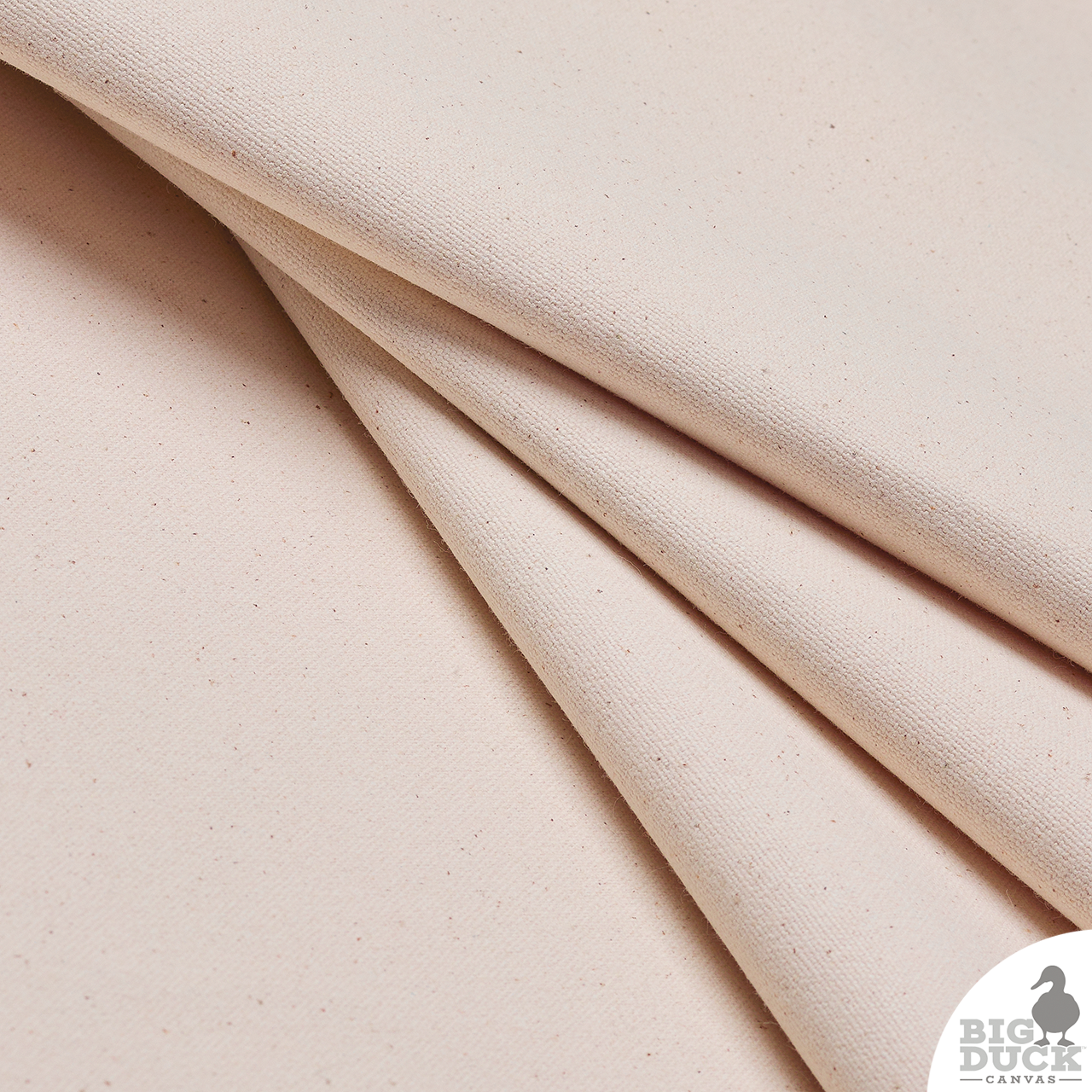
Canvas is a heavy, woven fabric usually made from cotton or a blend of cotton and synthetic materials. Its roots go back centuries, used for sails, bags, and tents. Canvas is strong, durable, and naturally breathable, which makes it popular for outdoor gear.
The key traits of canvas:
- Thick, tightly woven fibers offer strength.
- Natural breathability helps reduce condensation inside the tent.
- Heavier than nylon or polyester, which means more stability in wind, but also more weight to carry.
Canvas tents are often chosen for long-term camps or base camps because of their comfort and durability. But is this old-school material up to the modern challenge of keeping you dry in a downpour?
How Waterproof Are Canvas Tents Out Of The Box?
When you first buy a canvas tent, it’s important to understand its natural state. Raw canvas is not 100% waterproof. The fabric itself can absorb water. However, this does not mean it will leak like a sieve.
Here’s what actually happens:
- The fibers in canvas swell when wet, tightening the weave.
- This swelling helps block water from passing through.
- Some water may come through at seams or spots under pressure, but the main fabric starts becoming water-resistant.
This process is called weathering or seasoning. It’s a natural waterproofing effect, but it is not instant. If you set up a new canvas tent in heavy rain without seasoning, you may get drips or dampness inside.
Canvas Vs. Synthetic Tents: Initial Waterproofing
To understand how canvas compares to modern tents made from nylon or polyester, see this comparison:
| Feature | Canvas | Nylon/Polyester |
|---|---|---|
| Waterproof Out of Box | No (needs seasoning) | Yes (factory-sealed) |
| Breathability | High | Low |
| Weight | Heavy | Light |
| UV Resistance | Good | Fair to Good |
| Longevity | 10+ years | 2-5 years |
Synthetic tents are often fully waterproof from day one because of special coatings and sealed seams. Canvas tents need a bit more care and preparation.
The Seasoning Process: Making Canvas Tents Waterproof
Seasoning is a simple but crucial step for any new canvas tent. It’s the process of making the tent fabric swell and settle, sealing up tiny holes in the weave.
How To Season A Canvas Tent
- Set up your tent outdoors on a dry day.
- Spray or soak the entire tent with clean water—use a garden hose or wait for natural rain.
- Let the tent dry completely, ideally under the sun.
- Repeat this process 2–3 times for best results.
After seasoning, the fibers have swollen and shrunk back, closing up micro-gaps. This makes the tent highly water-resistant. However, keep in mind:
- Seasoning does not add chemicals, it just uses water and the fabric’s natural properties.
- If you forget this step, you may get leaks during the first few rains.
Why Seasoning Works
Canvas is made from thousands of woven threads. At first, tiny holes exist where threads cross. Water makes the threads expand, shrinking these holes. This is why a seasoned canvas tent can shed water very well, even in storms.
Are All Canvas Tents Equally Waterproof?
Not all canvas tents offer the same level of waterproofing. Several factors play a role:
Fabric Quality And Thickness
- Heavier canvas (measured in ounces per square yard or grams per square meter) usually offers better water resistance.
- Cheap, thin canvas is more likely to leak—even after seasoning.
Coatings And Treatments
- Many modern canvas tents come with waterproof coatings like paraffin, silicone, or acrylic.
- These coatings add a layer of protection on top of the fabric.
- Untreated canvas relies more on seasoning, while treated canvas is often more waterproof right away.
Construction Details
- Seams are common weak points. Double-stitched, taped, or covered seams help stop leaks.
- Quality zippers, storm flaps, and reinforced corners also add to waterproofing.
Here’s a quick look at how treatments affect performance:
| Canvas Type | Waterproofing Level | Maintenance Needed |
|---|---|---|
| Untreated Canvas | Low (needs seasoning) | High |
| Treated Canvas | Medium to High | Medium |
| Synthetic-Coated Canvas | Very High | Low |
Key insight: Even with treatments, no canvas tent is 100% waterproof forever. Over time, coatings can wear off and seams can loosen.
Real-world Waterproofing: What To Expect In Rain
Seasoned or treated canvas tents can handle moderate to heavy rain. In fact, many campers report staying dry even in multi-day storms. However, water resistance depends on:
- Quality of the tent and fabric
- Proper seasoning or coating
- Condition of seams and zippers
- Setup on level ground with good drainage
Common scenario: After hours of steady rain, the inside of a good canvas tent remains dry. If the rain is driving against one side, you might see a little dampness at the seams or floor edges—but not puddles.
Important: Canvas tents are not designed to sit in standing water. Always pitch your tent on raised, well-draining ground to avoid water pooling under the floor.
The Limits Of Canvas Waterproofing
Even with all the right steps, there are limits to what canvas can handle. Here are some situations where leaks or dampness might occur:
Extended Heavy Rain
- If the rain lasts for many days, even seasoned canvas may start to let in a little moisture.
- Water pressure on the fabric can force drops through the weave.
Touching The Walls
- Pressing furniture, sleeping bags, or even your hand against the inside wall during rain can create a wicking effect.
- Water can seep through at those points.
Worn Or Damaged Fabric
- Old canvas or areas with mold, holes, or UV damage are weak spots.
- Regular inspection and patching are necessary for full waterproofing.
Poorly Maintained Seams
- Untreated, old, or stretched seams are the #1 cause of leaks.
- Sealing and re-sealing seams is an important maintenance step.
Non-obvious insight: Unlike plastic tents, canvas “breathes,” so a small amount of dampness on the inside may be natural in very humid weather. This is not the same as a leak.
Credit: www.bigduckcanvas.com
How Canvas Waterproofing Differs From Synthetic Tents
Most modern tents use polyurethane (PU)-coated nylon or polyester for instant waterproofness. These materials do not absorb water and have a plastic-like coating.
Canvas tents:
- Rely on the fabric swelling shut and/or surface treatments.
- Are not 100% waterproof in the way plastic is, but are water-resistant enough for most camping.
- Allow moisture inside to escape, reducing condensation.
Synthetic tents:
- Can keep out water even when new and under pressure.
- Often have more condensation inside, making the interior feel damp.
- May degrade faster under UV light.
Here’s a side-by-side look:
| Feature | Canvas Tents | Synthetic Tents |
|---|---|---|
| Waterproof Level | Water-resistant after seasoning | Waterproof out of box |
| Condensation | Low | High |
| Longevity | 10+ years | 2-5 years |
| Repairability | Easy (can sew and patch) | Harder (tape/patch kits needed) |
| Comfort in All Weather | Excellent | Fair |
Practical tip: Canvas tents are often the first choice for glamping, hunting camps, and scouts because of this comfort and durability—even if they need a bit more care.
Waterproofing Canvas Tents: Best Practices
If you want your canvas tent to stay waterproof for years, regular care is a must. Here’s what experienced campers do:
- Season every new tent before first use.
- Seal all seams with a recommended waterproofing solution.
- Store your tent dry and clean to avoid mold and mildew.
- Re-treat the fabric every few years (or as soon as water stops beading on the surface).
- Repair rips and holes right away with proper patches or sewing.
Choosing Waterproofing Products
Several products can help keep your canvas tent in top shape:
- Paraffin-based sprays: Classic, long-lasting, but can reduce breathability.
- Silicone-based sprays: Good waterproofing and flexible, but sometimes more expensive.
- Acrylic-based treatments: Used by some manufacturers for a balance of water resistance and breathability.
Non-obvious insight: Over-treating with heavy coatings can trap moisture inside the fabric, leading to mildew or a musty smell. Always follow the tent maker’s instructions.
Canvas Tent Maintenance: Keeping Waterproofing Strong
A well-maintained canvas tent can last for decades. Here’s how to protect your investment:
After Each Trip
- Shake out dirt and debris.
- Dry the tent completely before packing it away.
- If the tent is wet, set it up at home to dry—never store damp.
Seasonal Maintenance
- Inspect all seams and fabric for damage.
- Clean with mild soap and water (never harsh detergents).
- Re-seal seams or re-treat fabric if needed.
Pro tip: Keep a small repair kit with patches, seam sealer, and a brush for field repairs.
Mold, Mildew, And Waterproofing
Canvas is organic, so it’s vulnerable to mold and mildew if stored wet or dirty. This can reduce waterproofing and damage the fabric.
Preventing Mold And Mildew
- Always pack the tent dry.
- Store in a cool, ventilated place.
- Use a mildew-resistant treatment if camping in humid or rainy areas.
If you spot black or green spots:
- Clean gently with a 1: 4 vinegar and water solution.
- Let dry fully in sunlight.
Warning: Mildew can permanently weaken canvas, leading to leaks. Prevention is much easier than repair.

Credit: www.amazon.com
Canvas Tent Design: Features That Boost Waterproofing
Some canvas tents have features that make them more water-resistant and comfortable in bad weather:
- Full-coverage rain fly: Adds an extra waterproof layer over the roof.
- Tub-style floors: Made from waterproof material, they stop ground water from seeping in.
- Storm flaps: Cover zippers and doors, blocking wind-driven rain.
- Roof vents: Let humid air escape without letting rain in.
- Guy lines and stakes: Keep the tent taut, preventing water from pooling.
When shopping, look for these features if you plan to camp in wet conditions.
Canvas Tent Waterproofing: Myths And Misconceptions
Many people have strong opinions about canvas tents. Let’s clear up some common myths:
- “Canvas tents leak in every rain.”
Not true. Properly seasoned and cared-for canvas tents are very water-resistant.
- “You don’t need to do anything to canvas tents.”
False. Seasoning, seam sealing, and regular care are always needed.
- “Synthetic tents are always better.”
Not for comfort, breathability, or long-term use—canvas often wins here.
- “If water comes through, the tent is ruined.”
Not always. Small leaks are usually fixable with seam sealer or patching.
Key takeaway: Canvas tents require more hands-on care, but they reward you with a drier, more comfortable camping experience—especially for longer stays.
When Not To Use A Canvas Tent
Canvas is fantastic, but not for every trip. Consider skipping a canvas tent if:
- You are backpacking and need to keep weight low.
- You need to set up and take down camp quickly.
- You are camping in a place with constant, heavy rain and high humidity (canvas takes longer to dry).
- You don’t have time or space to fully dry your tent after use.
In these cases, a lightweight synthetic tent may be better. For car camping, base camps, and comfort, canvas is hard to beat.
Canvas Tent Waterproofing: Real-world Examples
Here are a few real-world situations to show how canvas tents perform:
Example 1: Scout Camp
A group of scouts used 10-year-old canvas tents for a week-long camp with rain on 4 out of 7 days. The tents, seasoned and maintained, stayed dry inside. Only one tent leaked—at a seam where the stitching had failed. A quick application of seam sealer fixed the problem for the rest of the trip.
Example 2: Family Glamping
A family used a large canvas bell tent with a waterproof floor and treated canvas. They camped through a summer storm with winds up to 25 mph. The tent stayed dry, and the breathable walls meant no condensation, even with four people sleeping inside.
They noticed some dampness near the door where shoes had been piled against the wall, showing the importance of not letting gear touch the sides.
Example 3: Long-term Base Camp
Hunters set up a canvas wall tent for a month in the fall. With regular weathering, seam sealing, and a rain fly, the tent withstood several rainstorms. They did need to re-treat the roof section after three weeks, as water started to soak in during heavy rain.
These examples show that care and preparation are the keys to waterproof camping with canvas.
Environmental Impact: Canvas Vs. Synthetic
Canvas tents are made mostly from cotton, a natural and biodegradable material. Synthetic tents use petroleum-based fibers. When it comes to eco-friendliness:
- Canvas tents last longer, meaning fewer tents go to the landfill.
- If damaged, canvas can be patched and re-waterproofed.
- At the end of its life, canvas breaks down naturally, while synthetics can take hundreds of years.
However, the waterproofing treatments used on canvas are not always eco-friendly. Look for PFC-free or natural treatments if environmental impact is important to you.
Canvas Tents And Modern Technology
Some new canvas tents use blends of cotton and polyester (called poly-cotton). These offer:
- Lighter weight than 100% cotton canvas
- Better resistance to mold and mildew
- Good water resistance after seasoning
- Easier care
Hybrid tents may have synthetic floors and canvas walls, offering the best of both worlds. If you want classic comfort with less weight and easier maintenance, poly-cotton is a smart choice.
For more on canvas tent technology, visit the Wikipedia page on tents.
Credit: gmex-group.com
Key Takeaways: Are Canvas Tents Waterproof?
- Out of the box, most canvas tents are not fully waterproof. They need seasoning and sometimes treatment.
- After seasoning, canvas tents are highly water-resistant—enough for most camping weather.
- Seams, zippers, and worn spots are common sources of leaks.
- Regular care and maintenance keep your tent dry and extend its life.
- Canvas tents breathe, reducing condensation and making camping more comfortable.
Choose a well-made, properly seasoned canvas tent, and you’ll have dry nights even in the rain. But always invest time in care and waterproofing.
Frequently Asked Questions
How Often Should I Season My Canvas Tent?
Season your tent before first use and after every deep cleaning. If you notice water soaking into the fabric instead of beading off, it’s time to repeat the process. Most people season their tent once a year or after heavy use.
Can I Use Waterproof Sprays On Canvas Tents?
Yes, but choose sprays made for cotton canvas. Too much or the wrong product can reduce breathability and cause mildew. Always follow the manufacturer’s instructions and test a small area first.
What Should I Do If My Canvas Tent Leaks?
First, identify where the leak is. Most leaks are from seams, not fabric. Use a seam sealer or patch any holes. If the fabric itself is leaking, re-treat with a waterproofing spray. Make sure the tent is dry before storing.
Are Canvas Tents Good For Winter Camping?
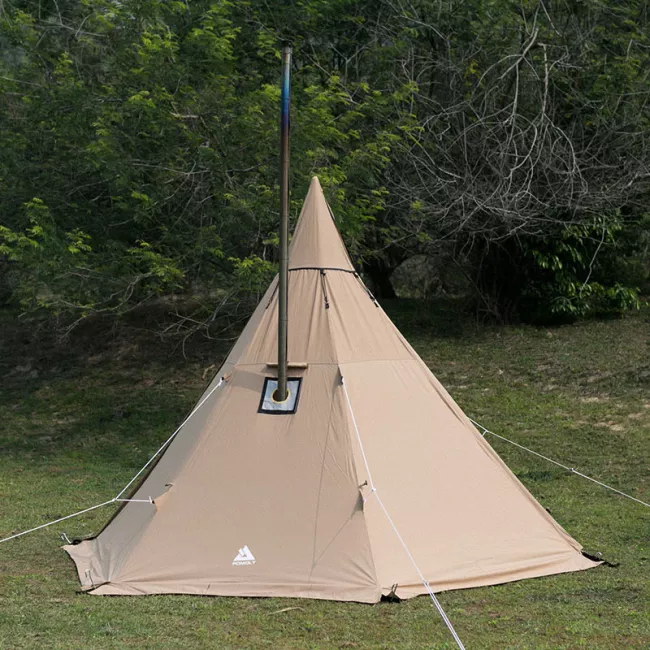
Yes. Canvas tents are great for winter because they retain heat well and can be used with wood stoves (in tents with stove jacks). Their breathability helps control condensation, making them comfortable even in cold weather.
How Long Do Canvas Tents Last?
With proper care, a canvas tent can last 10–30 years. Regular seasoning, cleaning, and repairs are key. Synthetic tents rarely last as long, making canvas a better long-term investment for frequent campers.
—
Choosing a canvas tent is about comfort, durability, and a little extra care. If you invest the time to season and maintain your tent, you’ll enjoy dry, cozy nights in almost any weather. Canvas tents are not magic—they need some attention—but for many, they are the ultimate camping shelter.