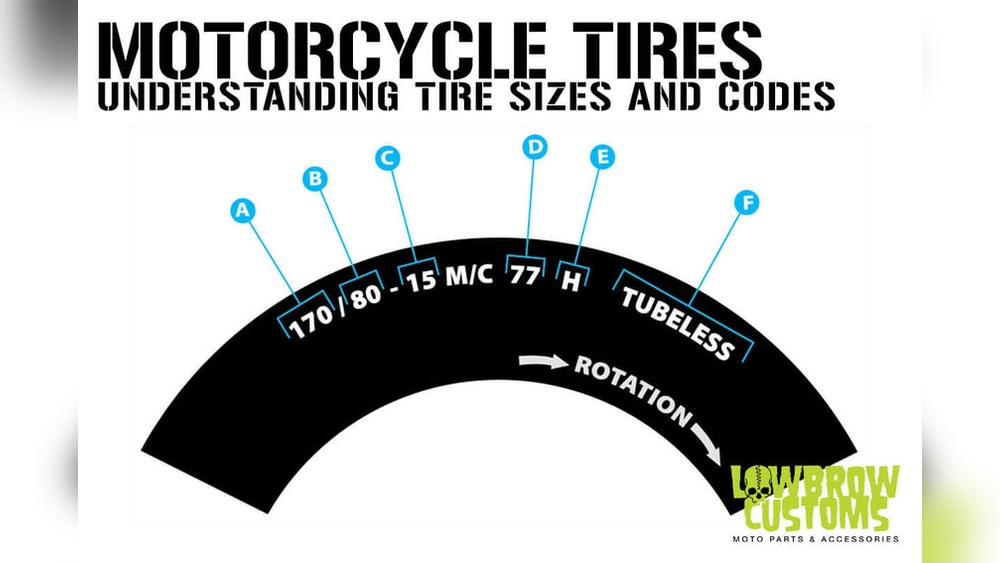
Are Motorcycle Tires Tubeless: Essential Guide for Riders 2026

Are you curious about whether your motorcycle tires are tubeless or not? Knowing this can make a big difference in how you maintain your bike and handle unexpected situations on the road.
Imagine riding smoothly without worrying about sudden air leaks or complicated tire repairs. This article will clear up the mystery for you and help you understand the benefits and features of tubeless motorcycle tires. Keep reading to find out what’s best for your ride and how it can keep you safer and more confident every time you hit the road.
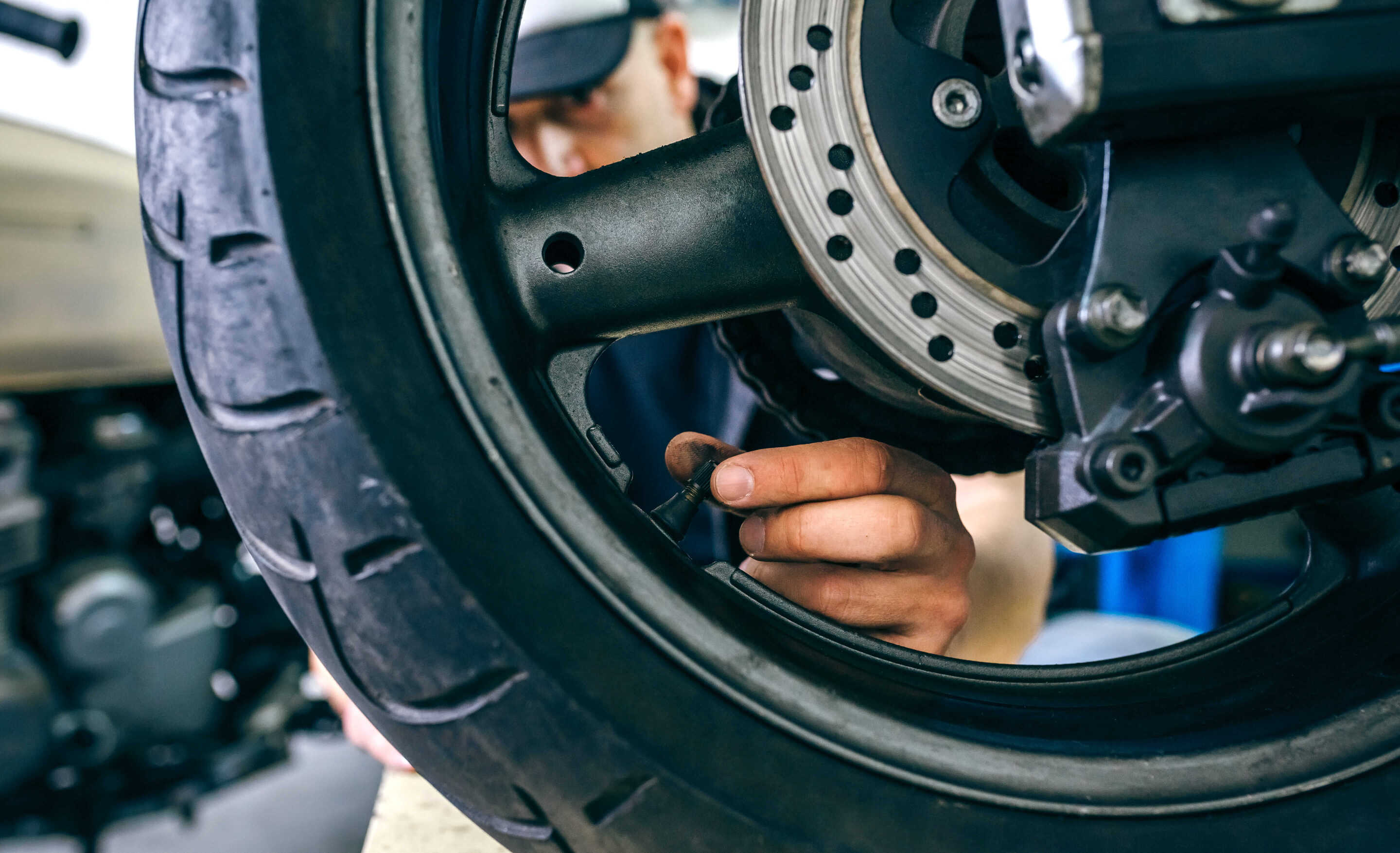
Credit: us.rabaconda.com
Tubeless Vs Tube Tires
Understanding the differences between tubeless and tube tires is important for every motorcycle rider. Both types of tires have unique features that affect performance, safety, and maintenance. The choice depends on what suits your riding style and bike model. This section breaks down the Tubeless Vs Tube Tires debate by focusing on their basic differences and the materials used.
Basic Differences
The core difference lies in how the tire holds air. Tube tires use an inner tube to keep air inside, while tubeless tires do not need a separate tube. Instead, tubeless tires rely on a tight seal between the tire and the rim.
- Tire Pressure Maintenance: Tubeless tires maintain pressure better due to fewer leaks.
- Puncture Repair: Tubeless tires allow easy puncture repair without removing the tire.
- Weight: Tube tires add extra weight because of the inner tube.
- Rim Compatibility: Tubeless tires require rims designed for airtight sealing.
Here is a quick comparison table for better clarity:
| Feature | Tubeless Tires | Tube Tires |
|---|---|---|
| Air Retention | Sealed directly on rim, less air loss | Air held in inner tube, may leak |
| Puncture Repair | Quick plug repair without removal | Requires tube replacement or patch |
| Weight | Lighter, no inner tube | Heavier due to tube |
| Maintenance | Less frequent, easier monitoring | More frequent tube checks needed |
| Rim Compatibility | Needs tubeless-compatible rims | Fits standard rims |
Materials Used
Tire Materials and Tire Construction differ between tubeless and tube tires. Tubeless tires have a special inner lining that prevents air from escaping. This lining acts as a sealant, making the tire airtight.
Tube tires use simpler materials since the inner tube holds the air. The tube is usually made of butyl rubber or latex, which is flexible and airtight. The tire itself does not need an airtight lining.
Important points about materials and construction:
- Tubeless Tires: Use a thick rubber layer inside for airtight sealing.
- Tube Tires: Have a separate inner tube made from flexible rubber.
- Durability: Tubeless tires often last longer due to better air retention.
- Maintenance: Tubeless tires need less frequent checks on tire pressure monitoring.
Choosing the right tire depends on the bike and riding conditions. Understanding Motorcycle Tire Maintenance and the materials used helps improve safety and performance.
Benefits Of Tubeless Tires
Choosing between tubeless and tube tires is a key decision for many riders. Tubeless Motorcycle Tires offer several advantages over traditional tube tires. These benefits affect safety, performance, and maintenance. Understanding the Benefits Of Tubeless Tires helps riders make smarter choices. Tubeless tires use advanced sealing technology. This reduces air loss and improves ride quality. The Tubeless Tire Advantages make them popular in modern Motorcycle Tire Types.
Improved Safety
Motorcycle Tire Safety is critical for every rider. Tubeless tires add an important layer of protection. They hold air better because they do not have an inner tube that can burst suddenly. In case of a puncture, tubeless tires lose pressure slowly. This gives the rider more control and time to stop safely.
- Less chance of sudden blowouts compared to tube tires.
- Better air retention due to sealed rim and tire bead.
- Improved stability during tire pressure loss.
Here is a quick comparison of safety features:
| Feature | Tubeless Tires | Tube Tires |
|---|---|---|
| Air Loss Speed | Slow, controlled | Fast, sudden |
| Risk of Blowout | Low | Higher |
| Ride Stability During Puncture | Maintained | Compromised |
Better Performance
Tubeless Tire Performance outshines tube tires in many ways. Tubeless tires weigh less because they do not need an inner tube. This reduces the unsprung weight on the bike. Lower weight improves acceleration and handling. The sealed design also allows tubeless tires to run at lower pressures safely. This increases grip and comfort, especially on rough roads.
- Improved fuel efficiency due to lighter weight.
- Smoother ride with better shock absorption.
- Enhanced traction from optimized pressure control.
Benefits of tubeless tires for performance can be summarized as:
- Reduced rolling resistance for better speed.
- Better cornering thanks to more consistent tire pressure.
- Longer tire life due to even wear.
Ease Of Repair
Motorcycle Tire Maintenance becomes simpler with tubeless tires. A common problem with tube tires is the difficulty of fixing a puncture. Tubeless tire technology allows easy repair without removing the tire from the rim. Small punctures can be fixed using plug kits quickly on the spot. This saves time and effort, especially during long rides.
- Quick puncture repair using plug kits.
- No need to remove the wheel for minor fixes.
- Less frequent air top-ups thanks to better sealing.
Below is a simple guide for Tire Puncture Repair in tubeless tires:
1. Locate the puncture. 2. Remove the object causing the puncture. 3. Insert a plug using a repair kit. 4. Inflate the tire to recommended pressure. 5. Check for leaks and ride safely.Common Motorcycle Tires Types
Motorcycle tires come in various types designed for different riding styles and conditions. Understanding Motorcycle Tire Types helps riders choose the right tire for safety and performance. Many modern motorcycles use Tubeless Motorcycle Tires for better durability and easier maintenance. This section explores common motorcycle tires types, focusing on how tubeless technology fits into each category.
Sport Bikes
Sport Bike Tires Tubeless are popular because they offer several advantages. These tires are designed for high speed and sharp turns. Tubeless tires on sport bikes provide better grip and faster heat dissipation. They also reduce the risk of sudden deflation during a puncture.
Advantages Of Tubeless Tires for sport bikes include:
- Improved Tire Pressure Maintenance due to less air leakage
- Easier Tire Puncture Repair with plug kits without removing the tire
- Lighter weight, which enhances acceleration and handling
- Better Bead Seating Motorcycle Tires for a secure fit
Sport bike tires often feature a round profile for quick cornering. The table below shows typical features of sport bike tubeless tires:
| Feature | Description |
|---|---|
| Tread Pattern | Slick or semi-slick for maximum road contact |
| Rubber Compound | Soft for better grip at high speeds |
| Pressure Range | 28-36 PSI, depends on rider weight and bike model |
Cruisers
Cruiser Motorcycle Tires often use tubeless designs for comfort and durability. These tires are built to handle long rides and heavy loads. Tubeless tires reduce the risk of sudden deflation and make Tire Puncture Repair simpler during trips.
Many cruisers have wide, flat tires with deep tread patterns. This design improves stability and traction on highways and city roads. The Tubed Vs Tubeless Tires debate usually favors tubeless for cruisers due to:
- Better air retention and less frequent air top-ups
- Less chance of tire blowouts
- Improved shock absorption for smooth rides
- Lower maintenance costs over time
Common features of cruiser tubeless tires include:
- Wide contact patch for more grip
- Durable sidewalls for load support
- Moderate tread depth for wet and dry conditions
Off-road Bikes
Off-Road Bike Tires Tubeless have become more common as technology improves. These tires face rough terrain like dirt, rocks, and mud. Tubeless tires help riders avoid flats and maintain traction in tough conditions.
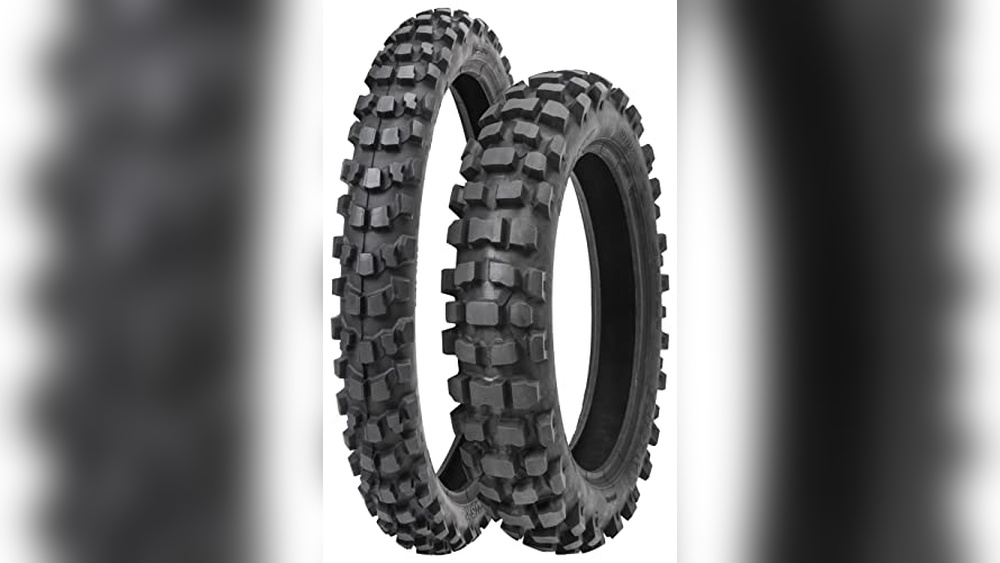
Off-road tires have knobby tread patterns for grip on uneven surfaces. Tubeless designs allow lower pressure settings, which improve shock absorption and ground contact. This makes riding safer and more comfortable on trails.
Benefits of tubeless tires for off-road bikes include:
- Better Tire Pressure Maintenance even on rough terrain
- Quick Tire Puncture Repair using sealant inside the tire
- Reduced risk of pinch flats common with tubed tires
- Improved Bead Seating Motorcycle Tires to prevent tire slippage
Off-road tire characteristics often include:
| Feature | Description |
|---|---|
| Tread Design | Deep, aggressive knobs for mud and loose surfaces |
| Pressure Range | 15-25 PSI for better traction and shock absorption |
| Sidewall | Reinforced to resist cuts and abrasions |
Compatibility Factors
Understanding the compatibility factors is key to choosing the right motorcycle tires. Not all tires fit every rim or suit every riding style. The difference between Tubed vs Tubeless Tires often comes down to how well the tire matches the rim and the conditions it faces. This section explains important factors like rim design, tire size, and usage conditions that affect the performance and safety of tubeless motorcycle tires.
Rim Design
The rim design plays a major role in tire compatibility. Tubeless tires require a rim that can hold air without a tube. This means the rim must have a specific shape and surface for proper sealing. Most tubeless-compatible rims have a bead seat designed to lock the tire bead tightly.
Key features of rims compatible with tubeless tires:
- Bead Seat Design: A well-shaped bead seat ensures the tire stays on the rim under pressure.
- Rim Width: Should match the tire width for proper fit and safety.
- Material and Finish: Smooth, airtight surfaces help maintain tire pressure maintenance and avoid leaks.
| Rim Type | Tubeless Compatibility | Notes |
|---|---|---|
| Alloy Rims | Usually Compatible | Sealed and smooth surface, ideal for tubeless tires |
| Spoked Rims (Traditional) | Not Compatible | Air leaks through spoke holes, need tubes |
| Spoked Rims (Tubeless Ready) | Compatible | Special sealed rim strips prevent air leaks |
Choosing a rim without proper rim compatibility can cause air leaks and unsafe riding. For tubeless tires, check the rim’s bead seat and surface finish carefully.
Tire Size
Tire size matters for fitting tubeless tires correctly. A tire must fit the rim’s diameter and width exactly to ensure safety and tire durability. Even small mismatches can cause poor sealing or uneven wear.
Important size factors include:
- Diameter: Must match rim diameter precisely.
- Width: Should be within the rim’s recommended range.
- Aspect Ratio: Affects tire shape and contact with the road.
Here is a simplified guide for tire and rim size matching:
| Rim Width (inches) | Recommended Tire Width (mm) |
|---|---|
| 1.6 – 1.85 | 80 – 110 |
| 2.15 – 2.5 | 100 – 130 |
| 3.0 – 3.5 | 130 – 160 |
Using the correct tire size improves tire safety and helps the tire maintain pressure. It also enhances the benefits of tubeless tires like better puncture resistance and easier maintenance.
Usage Conditions
Different riding conditions affect the choice of tubeless tires. The right tire must match the terrain and riding style for optimal performance and safety. For example, off-road motorcycle tires differ from street tires in design and durability.
Consider these conditions when selecting tubeless tires:
- Road Type: Smooth roads suit standard tubeless tires. Rough terrain needs tougher tires with stronger bead design.
- Weather: Wet or slippery roads require tires with good grip and tread pattern.
- Load and Speed: Heavier loads or high speeds demand tires with better pressure retention and durability.
Tubeless tire benefits like easier puncture repair and better tire pressure maintenance are more effective when the tire matches its usage conditions. Proper selection reduces risks and extends tire life.
Choosing the right tubeless tire depends on matching rim design, tire size, and usage conditions. These compatibility factors ensure safer rides and better performance.
Installing Tubeless Tires
Installing tubeless tires on a motorcycle offers several benefits, including easier maintenance and better safety. Tubeless tires have become popular due to their durability and fewer puncture problems compared to tube tires. Understanding the installation process is important for proper fit and performance. This section explains the tools needed, step-by-step tire change, and common challenges faced during installation.
Required Tools
Proper tire installation tools ensure a smooth and safe process. Using the right equipment protects the tire and wheel from damage and supports tire safety tips. Here are the essential tools for installing tubeless tires:
- Tire irons or levers: For removing and fitting the tire on the rim.
- Valve core remover: To remove and install the valve core easily.
- Air compressor or hand pump: To inflate the tire and ensure proper seating.
- Soap solution or tire lubricant: Helps slide the tire onto the rim without damage.
- Balancing weights: For balancing the wheel after installation.
- Bead breaker tool: Used to break the tire bead for removal.
- Pressure gauge: To monitor tire pressure accurately.
Below is a simple table summarizing these tire installation tools and their roles:
| Tool | Purpose |
|---|---|
| Tire Irons | Remove and install tire on rim |
| Valve Core Remover | Remove/install valve core for inflation |
| Air Compressor | Inflate tire and seat beads |
| Soap Solution | Lubricate tire bead for easy fitting |
| Bead Breaker | Separate tire bead from wheel rim |
| Pressure Gauge | Check and maintain correct tire pressure |
Having these tools ready makes tubeless tire installation easier and safer. Proper tools also reduce the risk of common tire issues during installation and help maintain motorcycle tire maintenance standards.
Step-by-step Process
Following a clear step-by-step tire change improves results and avoids damage. The process applies to most motorcycle tire types and focuses on tubeless tire advantages such as fewer punctures and easier repairs. Here is a simple guide:
- Remove the wheel: Use appropriate tools to detach the wheel from the motorcycle.
- Deflate the old tire: Remove the valve core and let the air out completely.
- Break the bead: Use the bead breaker tool to separate the tire from the rim.
- Remove the old tire: Use tire irons carefully to remove the tire without damaging the rim.
- Clean the rim: Remove dirt or debris to ensure a good seal.
- Lubricate the new tire bead: Apply soap solution or tire lubricant to ease installation.
- Fit the new tubeless tire: Use tire irons to mount the tire onto the rim.
- Inflate the tire: Reinstall the valve core and inflate using an air compressor. Listen for the bead to seat properly.
- Balance the wheel: Attach balancing weights as needed to maintain smooth riding.
- Reinstall the wheel: Secure the wheel back onto the motorcycle.
- Check tire pressure: Use a pressure gauge to ensure proper inflation matching manufacturer specs.
This step-by-step tire change supports motorcycle tire maintenance and promotes tire safety tips. Tubeless tires reduce the risk of sudden air loss and make tubeless tire repair simpler compared to tube tires.
Common Challenges
Installing tubeless tires may involve several common challenges. Understanding these issues helps prevent damage and ensures motorcycle wheel compatibility. Some frequent problems include:
- Bead seating difficulties: The tire bead may not seat properly, causing air leaks.
- Incorrect tire size: Using a wrong size tire affects performance and safety.
- Damaged rim or valve: Can cause air leaks or poor fitment.
- Lack of proper tools: Makes installation harder and increases risk of tire damage.
- Improper inflation: Over or under-inflation leads to poor tire performance and safety issues.
- Difficulty removing old tire: Stiff tires or corroded rims slow down removal.
Use these tire safety tips to avoid or solve common tire issues:
- Always check motorcycle wheel compatibility before buying tires.
- Inspect rim and valve for damage before installation.
- Use the correct tire installation tools to prevent damage.
- Follow manufacturer guidelines for tire size and pressure.
- Keep lubricant handy for easier bead seating.
Addressing these challenges improves tubeless tire installation success and extends tire life. Knowing tubeless vs tube tires differences helps choose the right tire for your motorcycle and riding needs.

Credit: www.siimajackets.com
Maintaining Tubeless Tires
Maintaining tubeless motorcycle tires is key to ensuring safety and performance on the road. Tubeless motorcycle tires offer several benefits over traditional tube tires, such as easier puncture repair and better air retention. Proper motorcycle tire maintenance helps riders avoid unexpected flats and extends the tire’s life.
Regular care focuses on pressure, sealant, and damage inspection. These steps keep your tires in good shape and improve overall motorcycle tire safety. Understanding how to maintain tubeless tires is crucial for every rider.
Pressure Checks
Tire pressure monitoring is the first step in maintaining tubeless motorcycle tires. Correct pressure ensures better grip, fuel efficiency, and tire wear. Low pressure can cause overheating and sudden tire failure.
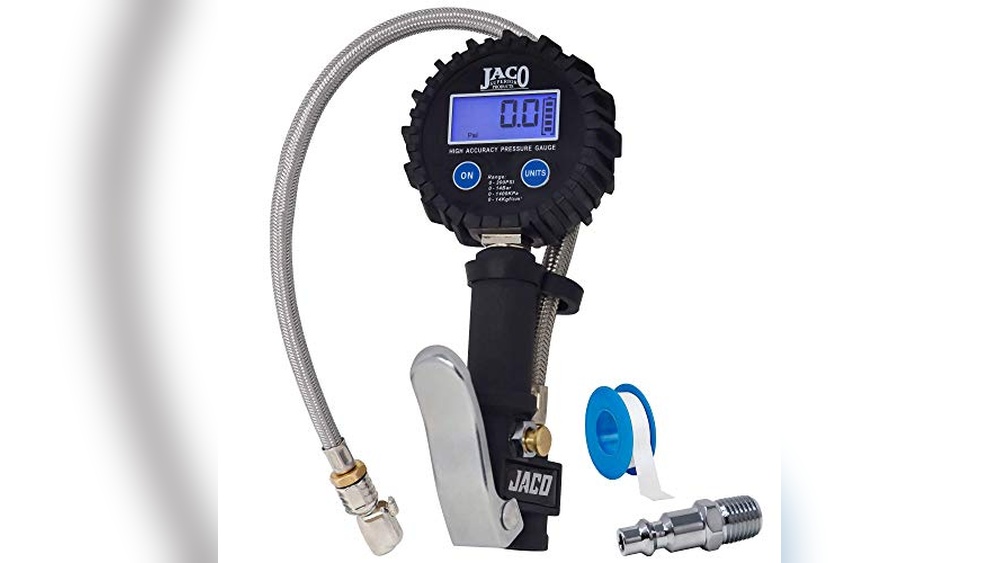
Check tire pressure at least once a week, using a reliable gauge. Do it when tires are cold for accurate readings. Follow the manufacturer’s recommended pressure listed in the owner’s manual or on the tire sidewall.
- Use a digital or analog pressure gauge
- Remove the valve cap before measuring
- Press the gauge firmly on the valve stem
- Compare the reading to the recommended pressure
- Add air or release air to adjust pressure as needed
Maintaining proper pressure reduces the risk of tire damage and improves handling. Below is a table comparing typical pressure for tubeless vs tube tires:
| Tire Type | Recommended Pressure (Front) | Recommended Pressure (Rear) |
|---|---|---|
| Tubeless Motorcycle Tires | 28-32 psi | 32-36 psi |
| Tube Tires | 30-34 psi | 34-38 psi |
Sealant Use
Tire sealant application is an important part of tubeless tire care. Sealants help seal small punctures automatically, reducing the need for roadside repairs. Using sealant extends tire life and increases safety.
Choose a sealant compatible with your tubeless tires and rim type. The sealant flows inside the tire and seals holes up to a few millimeters wide. It also helps maintain air pressure by sealing slow leaks.
Follow these steps for proper sealant use:
- Remove the valve core using a valve core tool
- Shake the sealant bottle well
- Pour the recommended amount of sealant into the tire via the valve stem
- Reinstall the valve core tightly
- Rotate the wheel to spread the sealant evenly inside
Check sealant level every few months and top up as needed. Some sealants dry out or lose effectiveness over time. Using sealant adds a layer of protection against punctures compared to tubed tires.
Damage Inspection
Tire damage assessment is critical for safe riding. Tubeless motorcycle tires can hide slow leaks or damage that affects performance. Regular inspection catches issues early and prevents accidents.
Look for these common signs of tire damage:
- Visible cuts or cracks on the tread or sidewall
- Bulges or deformities on the tire surface
- Embedded objects like nails or glass
- Uneven tread wear patterns
- Air pressure dropping faster than usual
Inspect tires before every ride, paying special attention to the tread depth and tire valve types. Tubeless tires use specific valves that should be checked for leaks or damage.
For puncture repair, small holes sealed by the internal sealant may not need immediate action. Larger damage requires professional repair or tire replacement. Never ignore tire damage; it can lead to tire failure.
Cost Considerations
Considering the Cost Of Tubeless Tires is key when choosing between tubed and tubeless motorcycle tires. Tubeless motorcycle tires offer several advantages, but their price and maintenance costs impact your budget. Understanding the financial aspects helps in making a smart choice for Motorcycle Tire Safety and durability. This section breaks down the initial costs and the potential for Long-Term Tire Savings with tubeless tire technology.
Initial Investment
The Cost Of Tubeless Tires is usually higher than traditional tubed tires. This difference comes from the advanced materials and design needed for Tubeless Tire Technology. Tubeless tires require a strong, airtight seal between the tire and the rim, which adds to manufacturing costs.
Here are key points about the initial investment:
- Price Range: Tubeless tires cost about 10-30% more than tubed tires.
- Wheel Compatibility: Some wheels need modification or replacement to fit tubeless tires.
- Installation: Installing tubeless tires can be more complex and may require professional service.
- Upfront Benefits: Tubeless tires often come with better grip and improved safety features.
| Type of Tire | Average Cost (USD) | Installation Complexity | Maintenance Needs |
|---|---|---|---|
| Tubed Tire | $30 – $50 | Low | Moderate |
| Tubeless Tire | $40 – $65 | Moderate | Low |
Choosing tubeless tires means a higher upfront cost, but it also means investing in advanced safety and performance features. This investment supports better Motorcycle Tire Maintenance in the long run.
Long-term Savings
The Benefits Of Tubeless Tires become clear over time. Tubeless tires offer better Tire Durability and easier Tire Puncture Repair. These features reduce overall maintenance costs and extend tire life.
Consider these ways tubeless tires save money:
- Lower Repair Costs: Punctures can often be fixed without removing the tire.
- Reduced Downtime: Quick repairs mean less time off the road.
- Better Air Retention: Tubeless tires lose air slower, reducing frequent refills.
- Improved Safety: Less chance of sudden air loss improves rider confidence and reduces accident risks.
| Factor | Tubed Tires | Tubeless Tires |
|---|---|---|
| Average Repair Cost | $15 – $30 | $5 – $15 |
| Frequency of Repairs | Higher | Lower |
| Tire Lifespan | Shorter | Longer |
| Maintenance Effort | Moderate | Low |
Overall, Tubeless Motorcycle Tires provide Long-Term Tire Savings through fewer repairs and better Motorcycle Tire Maintenance. This cost efficiency adds value beyond the initial purchase price.
Future Trends In Motorcycle Tires
Motorcycle tires have evolved significantly, and the future holds exciting possibilities. Tubeless motorcycle tires already offer benefits like better tire puncture resistance and easier motorcycle tire maintenance. The next steps focus on advanced tire design and innovative tire technology that improve performance, safety, and durability. These future trends will shape how riders experience the road and maintain their tires.
Innovative Materials
The future of motorcycle tires relies heavily on tire construction materials. New materials aim to enhance strength, flexibility, and grip while reducing weight. Lightweight materials improve fuel efficiency and handling. Stronger compounds increase tire puncture resistance and extend tire life.
Some key materials being developed include:
- Silica-based compounds – Improve wet grip and reduce rolling resistance.
- Kevlar reinforcements – Add strength without extra weight.
- Graphene-infused rubber – Enhances durability and heat dissipation.
These materials also support the growth of tubeless motorcycle tires, which naturally resist punctures better than tube tires. The table below compares properties of traditional and innovative materials:
| Material | Weight | Puncture Resistance | Grip | Durability |
|---|---|---|---|---|
| Natural Rubber | Medium | Medium | Good | Medium |
| Silica Compounds | Light | High | Excellent (Wet) | High |
| Kevlar Reinforced | Light | Very High | Good | Very High |
| Graphene-Infused | Light | High | Good | Excellent |
The use of innovative materials will improve motorcycle tire types across the board. Riders benefit from tires that last longer, perform better in different conditions, and require less frequent maintenance.
Smart Tire Technology
Smart tire technology integrates sensors and electronics into tires to improve safety and performance. These smart tire sensors monitor pressure, temperature, and tread wear in real time. Such technology supports safer rides and easier motorcycle tire maintenance.
Key features of smart tires include:
- Real-time pressure alerts – Warn riders of low tire pressure immediately.
- Temperature monitoring – Prevents overheating that can cause blowouts.
- Tread wear tracking – Helps riders know when to replace tires.
- Communication with onboard systems – Integrates with ABS and traction control for better safety.
Smart tire technology boosts tire safety features and helps riders avoid accidents caused by tire failure. It also supports the use of tubeless vs tube tires by providing accurate data for both types.
Benefits of smart tire technology:
- Improved safety and accident prevention
- Reduced tire wear and longer life
- Lower maintenance costs
- Better fuel efficiency from optimal tire pressure
Smart tires represent the future of advanced tire design. Combining these with innovative materials will create safer, more reliable, and easier-to-maintain motorcycle tires.

Credit: www.youtube.com
FAQs For Are Motorcycle Tires Tubeless
Are Most Motorcycle Tires Tubeless Today?
Yes, most modern motorcycle tires are tubeless. Tubeless tires offer better puncture resistance and easier repairs. They also provide improved safety and fuel efficiency compared to tube-type tires.
How Do Tubeless Motorcycle Tires Work?
Tubeless tires create an airtight seal between the tire and rim. This seal holds air without needing an inner tube. The tire’s design helps maintain pressure and prevent sudden air loss.
Can Tubeless Tires Be Repaired Easily?
Yes, tubeless tires can be repaired quickly using plug kits. Small punctures can be fixed without removing the tire. This makes tubeless tires more convenient and cost-effective for riders.
Are Tubeless Tires Better Than Tube Tires?
Tubeless tires are generally better due to improved safety, lower weight, and easier repairs. They reduce the risk of sudden air loss and offer better performance in most riding conditions.
Conclusion
Motorcycle tires can be tubeless or have tubes inside. Tubeless tires offer better safety and fewer punctures. They also keep air longer and make riding smoother. Many new bikes use tubeless tires by default. Still, some older or cheaper models may use tube tires.
Choosing the right tire depends on your bike and riding style. Always check your tire type before buying or replacing. Safe rides start with good tires and proper care. Keep your tires in good shape for a better journey.