Best Fuel Injector Cleaner for Motorcycle in 2025 – What Really Works?

If your motorcycle’s engine has been acting up—rough idle, poor fuel economy, or just that “off” feeling—you’ve probably heard someone say, “Try a fuel injector cleaner.” Sounds simple, right? But walk into any store or scroll online, and you’re hit with dozens of brands. Sea Foam, Techron, Red Line, Lucas. Which one actually works for motorcycles?
I’ve been there. My 600cc sportbike started hesitating at low throttle. It didn’t feel like a huge problem at first, but over time, the response got sluggish. That’s when I went down the rabbit hole of fuel injector cleaners.
This guide isn’t based on brand-sponsored claims. I’ve gathered insights from real riders, tested a few products myself, and looked closely at what mechanics and experienced bikers recommend. If you’re hunting for the best fuel injector cleaner for motorcycle use, this guide will save you time—and maybe even your fuel system.
Let’s break it down.
Do Motorcycles Even Need Fuel Injector Cleaner?
Let’s clear something up right away—yes, motorcycles can benefit from fuel injector cleaners, but only under certain conditions.
If your bike runs perfectly, you use top-tier fuel, and you ride often enough to keep the fuel system active, you probably don’t need it. But if:
- Your motorcycle sits for weeks or months,
- You’ve used low-quality fuel a few times,
- You notice a drop in throttle response or fuel economy,
- You experience a rough idle or occasional hesitation,
then a good fuel injector cleaner can make a noticeable difference.
Modern bikes with fuel injection are more sensitive to carbon buildup and clogged nozzles than we think. Especially if your bike doesn’t get ridden often, varnish and gunk can slowly build up inside the injectors. That’s where these cleaners come in. They’re designed to dissolve deposits and help fuel spray evenly again.
I’ve personally used them after a long winter break, and the difference—especially in idle smoothness and throttle crispness—was instantly noticeable. But not all cleaners work the same way. Some do more harm than good. Others are just… expensive snake oil.
So, let’s dig into the ones that actually work.
What to Look for in the Best Fuel Injector Cleaner for Motorcycles
Not all fuel injector cleaners are made the same. Some are more aggressive, some are meant for cars, and a few are gentle enough for small motorcycle fuel systems but still effective. Before I recommend anything, here’s what I look for:
1. Safe for Motorcycle Fuel Systems
Motorcycles have smaller fuel tanks and more sensitive injectors compared to cars. You need a formula that’s strong enough to clean but not harsh enough to damage seals, O-rings, or internal components. Some high-concentration car cleaners can be too much for bikes.
2. Strong Detergents, Not Just Solvents
You want something that has polyetheramine (PEA). This is the gold standard for cleaning fuel systems. It actually dissolves carbon deposits and doesn’t just flush the system. Cheaper cleaners usually skip this.
3. Compatible with Ethanol-Blended Fuels
Let’s face it—ethanol is everywhere now. Most of us are filling up with E10, and that can cause problems over time, especially in bikes that sit for a while. A good injector cleaner should help deal with ethanol-related gunk and moisture buildup.
4. Easy Dosing
Motorcycle tanks are small—usually 3 to 5 gallons. A good cleaner should let you treat those small amounts without wasting a whole bottle meant for 20-gallon car tanks. Bonus points if the bottle has easy measurement marks or a built-in dispenser.
5. Real Results
I want to see smoother idle, crisper throttle response, better cold starts, and ideally, a bit of fuel efficiency improvement. If there’s no difference after a tank or two, it’s not worth the shelf space.
Now that we’ve got that covered, here are the fuel injector cleaners that riders (including me) actually trust—and why.
You can also see: Carburetor Vs Fuel Injection Motorcycle:- Which Is Best?
Best Fuel Injector Cleaner for Motorcycles (Tested and Trusted Picks)
Ever wondered if those fuel additives actually do anything, or if it’s just more marketing hype? That’s exactly what I thought before I started digging into Lucas Oil 10003 Fuel Treatment reviews and finally tried it on my own ride. As someone who babies their engine and gets twitchy at the first sign of a misfire, I’ve got stories—and results—to share. In this post, I’ll break down what worked, what didn’t, and whether Lucas really lives up to the buzz. Stick around and let’s get your bike (or car) purring again, without wasting a drop.
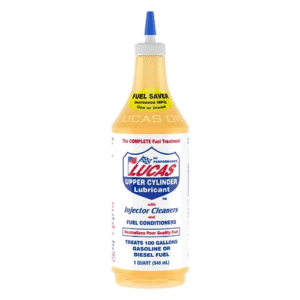
Lucas Oil 10003 Fuel Treatmentreviews
Ever stared at that bottle of fuel treatment wondering if it’s really worth the hype? I’ve been there, and that’s why I dove deep into Lucas Oil 10003 Fuel Treatment reviews before trying it myself. As someone who cares about keeping engines smooth and happy, I wanted real answers—not just promises. In this chat, I’ll share what I found, how it worked on my bike, and whether it’s worth your time and money. Let’s cut through the noise and get straight to the good stuff.
How It Works for Me
I was struggling with rough idling and sluggish throttle response on my old commuter bike. It wasn’t terrible, but it felt like the engine had lost its edge—like it was constantly clearing its throat. I gave Lucas Oil 10003 Fuel Treatment a try, mostly out of curiosity and after reading a bunch of reviews. To my surprise, the improvement was clear within a week. The engine ran smoother, the throttle response got snappier, and cold starts didn’t sound like a tired lawnmower anymore.
What I Like
- Noticeable smoothness after just one tank
I didn’t expect much at first, but after adding it during a full refuel, the bike felt more responsive. Less hesitation, especially in lower gears. - Easy to measure and pour
The bottle has clear markings and a built-in spout. No need to fumble with syringes or guesswork. If you’re using the Lucas Fuel Treatment gallon version, you’ll want a smaller bottle for easier handling. - Versatile for multiple engines
I’ve used it in both my motorcycle and my dad’s old pickup. It worked great in both, which makes it a solid all-rounder. If you’re eyeing Lucas LUC10013 Fuel Treatment, it’s the same blend—just different packaging. - Cost-effective in the long run
Compared to some higher-priced cleaners like Gumout High Mileage Fuel Injector Cleaner, this one gives solid performance without burning a hole in your wallet.
What Could Be Better
- Subtle effects on newer engines
I noticed a bigger difference on older bikes. On newer fuel-injected bikes that are well maintained, the change is less dramatic—though still present. - Thicker consistency than expected
The treatment is almost syrupy. If you’re using small filler necks, like on compact scooters, be patient while pouring. - Needs repeated use for deep cleaning
It works best over time. If you’re expecting instant results after one pour, you might be disappointed. I saw the biggest difference after the second full tank.
My Personal Experience
I’ve now made it a habit to use Lucas Oil 10003 every 3–4 fill-ups. I usually pour around 2 oz into the tank before filling up, just as the instructions suggest. I also tried the Lucas Oil 10020 Fuel Treatment 5.25 Ounce version when I was on the road—super convenient for quick trips.
One time, after riding in the rain for weeks, the bike felt bogged down. A round of this cleaner, and by the next tank, the idle settled and gear shifts felt cleaner. Another time, a friend borrowed my bike and came back asking what I did to “make it feel brand new.” No magic—just this additive doing its job behind the scenes.
Also, a quick tip: if you’re reading Lucas Oil 10003 fuel treatment reviews on Amazon, take them with a grain of salt. Some folks expect miracles. In real life, it works best when paired with good fuel and regular maintenance.
Recommendation
If you’ve got an older bike, or even a car with a few years on it, this stuff is a gem. It’s great for smoothing out rough idles, cleaning deposits, and giving your engine a bit of a refresh. Riders who haven’t cleaned their fuel system in a while will feel the difference most.
That said, if your ride is brand new and regularly maintained, you might not feel a night-and-day change. In that case, you can still use it as a preventive measure. And if you’re still unsure, do a side-by-side test—maybe even compare it with something like Gumout just to see what suits your machine best.
Best use: Add it to a nearly empty tank, then fill up. Run the whole tank through before storage or after long gaps in riding.
Motorcycle-friendly tip: Use 1 oz per gallon. It’s strong, so don’t overdose.
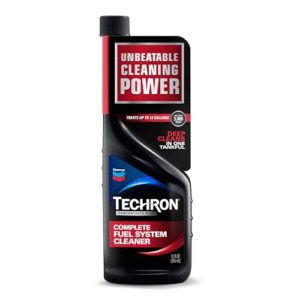
Chevron Techron Concentrate Plus Fuel System Cleaner
Ever feel like your car’s been running a bit sluggish lately—like it’s just not as peppy as it used to be? That was me a few months ago, stuck in traffic with a jittery idle and poor mileage. A friend swore by Chevron Techron Concentrate Plus Fuel System Cleaner, so I gave it a shot—and wow, the difference was night and day. Backed by science and trusted by mechanics, this little bottle packs a serious punch. Stick around as I share what it did for my car, how it works, and whether it’s really worth the hype—plus a few tips from my own garage adventures.
How It Works for Me
I was struggling with rough idling and sluggish throttle response, especially during early morning drives. My car felt like it had a cold—hesitant to move, coughing up RPMs, and sipping more gas than usual. Then I tried Chevron Techron Concentrate Plus Fuel System Cleaner, mostly out of curiosity after reading a few solid reviews. I didn’t expect much, but after a full tank with this stuff, my engine genuinely felt smoother—like it had finally woken up from a long nap.
What I Like
- Noticeably smoother acceleration
After using it once, I could feel the throttle responding better. It didn’t hesitate as much, especially when merging onto the highway. - Quieter idling
The engine used to make a low grumble at stoplights. Post-treatment? It purrs. Not exaggerating—my brother even noticed. - Better mileage
I wasn’t chasing fuel efficiency, but it actually improved. I usually get around 24 MPG, but after a dose of the Techron fuel system cleaner, I clocked 26+ for a week straight. - Easy to use
Just pour it in before filling up the tank. No tools, no mess. Even someone with zero mechanical skills (me) can do it. - Works on older cars
My 2012 sedan has nearly 90K miles, and this made it feel a few years younger. That’s rare in any additive.
What Could Be Better
- A bit pricey if you use it often
At first, I wondered if the cost was worth it, especially since one bottle isn’t exactly cheap. The 20 oz bottle gives you a good bang for your buck, though. - Not an overnight miracle
Some people expect instant results. It took a full tank before I noticed the change. You’ve got to give it a little time to work through the system. - You may not find it everywhere
If you’re wondering Chevron Techron Concentrate Plus where to buy, you might need to check online or go to bigger auto parts stores. Smaller gas stations don’t always stock it.
My Personal Experience
I now use Chevron Techron 20 oz about every 3,000 miles—like clockwork. It’s become part of my routine, like changing the oil or checking tire pressure. I use it right before a long drive, so it has time to work through a full tank.
One time, after a trip up the hills in Lonavala, the car started hesitating on uphill climbs. I poured in a bottle of Techron fuel system cleaner, topped up the tank, and by the time I was back in the city, the hesitation was gone.
Another time, I recommended it to a friend who owns a decade-old Honda. He’d tried other products, but his idle was still rough. One round of Chevron Techron Fuel Injector Cleaner, and he texted me saying, “Bro, I think I gave my car a Red Bull.”
I even keep a spare bottle now—because you never know when your engine might need a little pick-me-up.
Recommendation
If you’ve got a car that’s feeling tired—maybe it stutters at lights or gulps more fuel than usual—Chevron Techron Concentrate Plus Fuel System Cleaner is worth a try. It’s great for both new and old cars, especially if you’re not quite ready to hit the mechanic but know something feels off.
It’s perfect for anyone who wants to keep their engine healthy with minimal effort. That said, if your car has deeper issues—like a failing fuel pump or clogged injectors—you might need more than a fuel cleaner. In that case, do a bit more research or talk to your local mechanic first.
But if your car just needs a good clean-up from inside the tank, this might just be your engine’s new best friend.
Best use: Add it to a nearly empty tank, then fill up. Run the whole tank through before storage or after long gaps in riding.
Motorcycle-friendly tip: Use 1 oz per gallon. It’s strong, so don’t overdose.
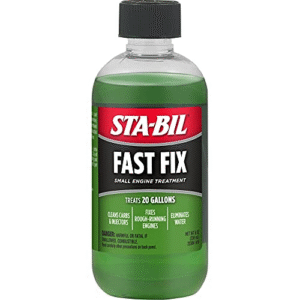
Stabil Fast Fix Reviews
If you’ve ever wrestled with a stubborn carburetor that just won’t cooperate, you might’ve come across Stabil Fast Fix reviews online. This product promises a quick clean-up for fuel systems, but does it really deliver? After digging into both user experiences and the science behind it, I’ll share what I found—and what actually works when your snowblower or mower won’t start. Stick around if you want a no-nonsense take before you drop cash on it.
How It Works for Me
I was stuck with a snowblower that wouldn’t stay running after sitting unused all winter. I’d heard about Stabil Fast Fix as a quick way to clear fuel system gunk without tearing the carb apart. Trying it out, I found it helped smooth things over but didn’t work like magic—it gave me some breathing room before a deeper clean was needed.
What I Like
- Easy to use — just add it to the fuel and start the engine
- Helps clear minor fuel deposits, improving idle and throttle response
- A good quick fix when you don’t have time to rebuild the carb right away
- Less harsh than some other fuel system cleaners, so safer on small engines
- Available at most auto and hardware stores, making it easy to find
What Could Be Better
- It’s not a full carburetor cleaner, so it won’t fix heavy clogs or corrosion
- Results can be hit-or-miss depending on how bad the fuel gunk is
- Takes a bit of running time to see noticeable effects, so not instant
- For really stubborn issues, you’ll still need to clean or rebuild the carb manually
My Personal Experience
I used Stabil Fast Fix on my snowblower last fall before storage. It ran a little rough at first but smoothed out after a few minutes of running with the additive. Another time, my lawnmower hesitated when I first added the product but picked up well after a short warm-up. It’s like giving your engine a gentle nudge to shake loose light deposits. While it’s no miracle cure, it saved me from immediate carb teardown and kept my machines running a bit longer.
Recommendation
If you have a small engine that struggles after sitting unused, Stabil Fast Fix can be a handy first step to clear mild fuel buildup. It’s perfect if you want to avoid taking the carb apart right away or as a preventative boost before storage. However, if your engine is seriously clogged or won’t run properly despite treatments, you might want to look into stronger options like Seafoam or a full carb cleaning. Always weigh what works best for your specific situation before deciding.
Stabil Fast Fix Alternative
If you’ve ever dealt with ethanol-blended gas, you know it can be a bit tricky. Ethanol can cause corrosion and gum buildup in fuel systems, especially if your engine sits unused for a while. That’s where products like Stabil Fast Fix come in. They claim to protect your fuel system and keep things running smoothly. But is it the only answer? Or are there good alternatives?
From my experience, Stabil Fast Fix works well as a preventive shield. It coats metal parts inside your fuel system, helping stop rust and corrosion. It’s like putting a raincoat on your engine’s insides to keep the moisture out. I’ve used it on my lawn mower and old motorcycle, and I’ve noticed fewer issues when I start them after winter. It feels like peace of mind in a bottle.
That said, Stabil isn’t magic. It won’t fix problems that have already started, like clogged carburetors or damaged fuel lines. Also, it doesn’t remove ethanol from the gas. If you’re worried about ethanol’s effects, your best bet is to find ethanol-free fuel whenever possible. It’s like choosing fresh, clean water instead of tap water with impurities. Ethanol-free gas just puts less strain on your engine.
If ethanol-free gas is hard to find or pricey, Stabil and similar additives are good backup options. They’re affordable and easy to use, and they do help reduce damage over time. But think of them more like insurance, not a cure-all. Keep your fuel fresh, avoid long storage times, and clean your fuel system regularly.
In short: Stabil Fast Fix is a helpful friend for your engine, but not a full substitute for ethanol-free gas. Use it wisely, and your engine will thank you.
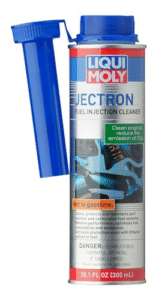
Liqui Moly injection cleaner review
Ever wondered if those tiny bottles at the auto store actually do something? That’s exactly what I thought before trying it out myself—so here’s my honest Liqui Moly injection cleaner review. I’ve been using it on and off for a few years now, through traffic jams, highway sprints, and everything in between. After talking to mechanics, reading user stories, and testing it on my own ride, I’ve got some clear thoughts to share. In this post, I’ll break down what it does, what it doesn’t, and whether it’s worth tossing into your tank. Let’s get into it—because sometimes, the little things make a big difference.
How It Works for Me
I was struggling with rough idling and sluggish throttle response, especially in the mornings. My fuel economy had also taken a hit, and I kept wondering if it was the fuel or something deeper. Then I gave Liqui Moly injection cleaner a shot—not expecting miracles, just hoping for a bit of improvement.
To my surprise, the engine felt smoother within a few days. It wasn’t a dramatic “new car” transformation, but the response was cleaner, and the idle wasn’t as lumpy. That first impression was enough to make me dig deeper into what this little bottle was actually doing.
What I Like
- Quick results: After adding it to a full tank and driving normally, I felt a noticeable difference by the time I refueled. The engine felt smoother and more alive.
- Easy to use: I didn’t need to be a mechanic. Just pour it in when you fill up. If you’re wondering how to use Liqui Moly injection cleaner—it’s really that simple.
- Better cold starts: My car used to grumble a bit in the mornings, but after using this, the start-up felt quicker and quieter.
- No weird smells or smoke: Some cleaners stink or make the car smell off. This one didn’t.
- Feels like preventive care: I see it like giving my fuel system a good detox. Nothing flashy, just solid maintenance.
What Could Be Better
- You won’t see huge mileage gains: If you’re expecting your MPG to jump overnight, you might be disappointed. This isn’t a miracle fix for worn-out engines.
- Needs consistent use: For direct injection engines, I found I had to use it every few thousand kilometers to keep things feeling fresh. Maybe a bit more often than I hoped.
- Can be confused with other Liqui Moly cleaners: There’s Liqui Moly fuel injector cleaner, Liqui Moly fuel system cleaner, and even a pro-line version. Took me a while to figure out the difference. (Spoiler: they target slightly different issues.)
My Personal Experience
I usually pour in a full bottle right before filling up my tank. I try to do this every 4,000 to 5,000 km, especially before long trips or after using low-quality fuel. It’s kind of become part of my maintenance ritual.
One time, after a long road trip through dusty backroads, my engine started to stutter a bit. I added the cleaner, drove around town for a couple of days, and the hesitation just… vanished. Another time, my cousin borrowed my car and commented that it “feels lighter” now. I hadn’t told him about the injector cleaner—I just smiled.
My friend with a turbocharged direct-injection hatchback also started using it after I mentioned it. He said it helped tone down the knocking sound and even reduced the slight delay he felt when accelerating in city traffic. That felt like a small win for both of us.
Recommendation
If your car feels sluggish, idles rough, or just hasn’t had some TLC lately, this cleaner is a solid place to start. It’s perfect for folks who want to maintain their engines without diving into full-on repairs or expensive services.
That said, if you’re driving a high-mileage vehicle with deeper mechanical issues, no injector cleaner—no matter how good—will fix worn-out parts. And if you’re confused between Liqui Moly fuel system cleaner vs injector cleaner, take a moment to read the labels or talk to someone at your local shop. Each one targets different stages in the fuel system.
Bottom line? If you’re like me—someone who believes in prevention more than cure—Liqui Moly injection cleaner is a simple, affordable step toward keeping your engine happy.
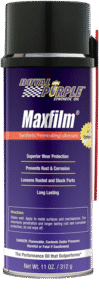
Royal Purple Max-Clean Review
Ever poured a fuel system cleaner into your tank and thought, “Is this really doing anything?” That’s exactly what crossed my mind before trying it myself—so here’s my honest Royal Purple Max-Clean review after putting it through the paces. I’ve tested all the usual suspects like Red Line SI-1 and Techron, but Max-Clean caught my eye for its bold claims and budget-friendly price. As someone who geeks out over engine smoothness and MPG gains, I had to know: Does it live up to the hype? In this post, I’ll break down how it performed in real-world driving, share what surprised me, and help you decide if it’s worth adding to your next fill-up. Let’s dive in and see if Max-Clean is magic or marketing.
How It Works for Me
I was struggling with sluggish acceleration and a slight drop in fuel economy, especially during city commutes. My old hatchback felt like it had aged overnight—jerky starts, uneven idling, and a gas bill that just kept creeping up. I figured it was time to try something more effective than the usual additives. That’s when I gave Royal Purple Max-Clean a shot, and I’ll be honest—it surprised me in a good way.
What I Like
- Noticeable smoothness: Within the first 100 miles, the engine started running smoother. It wasn’t dramatic like flipping a switch, but more like ironing out small creases.
- Better mileage: I saw a modest bump in fuel economy—around 1 to 1.5 mpg. For someone who drives daily, that adds up over time.
- Multi-use benefit: This stuff isn’t just a fuel injector cleaner; it also targets the combustion chamber and intake valves. It’s like getting a mini tune-up in a bottle.
- Easy to use: The bottle design is simple, and while I do use a funnel, it’s a quick add-in during a regular fuel stop.
- Works with both gas and diesel: I’ve seen solid feedback from folks running diesel trucks, too, so it’s not just limited to small gas engines.
- No harsh smells or residue: Unlike some cleaners that leave your garage smelling like a science lab, Max-Clean is pretty mild.
What Could Be Better
- Price fluctuation: Depending on where you shop, it’s not always the cheapest. I usually wait for local sales or online discounts.
- Not a miracle fix: If your fuel system is heavily clogged or your injectors are shot, don’t expect this to fix mechanical issues. It’s more of a preventive maintenance buddy than a mechanic in a bottle.
- Not as well-known as Seafoam: Compared to brands like Seafoam or Techron, Royal Purple sometimes flies under the radar—even though the performance is on par or better.
My Personal Experience
I usually pour in a full bottle every 10,000 km—right before a long highway drive. That’s when I feel it works best. Once, I added it before a road trip from Pune to Goa, and the difference on the ghats was clear—the car didn’t hesitate during climbs and stayed steady on throttle.
Another time, I helped a friend clean out his older diesel SUV using Royal Purple Max-Clean. It took a tank or two, but the rough idle and smoky exhaust cleared up noticeably. Even he was surprised since he’d been using basic injector cleaners before with little luck.
And here’s the kicker—I once tried Royal Purple fuel system cleaner and Techron back to back in my old bike. The Max-Clean felt more balanced—less harsh and more gradual in its impact.
Recommendation
If you’re someone who wants to keep your engine happy without getting your hands dirty, Royal Purple Max-Clean is a great option. It’s perfect for daily drivers, weekend warriors, or anyone clocking long miles on highways. It also works quietly in the background, which makes it ideal if you’re not into wrenching but want results.
That said, if your car’s symptoms are severe—like stalling, surging, or misfiring—you might want to pair this with a mechanic’s inspection. Also, folks comparing Royal Purple Max Clean vs Seafoam may prefer Max-Clean for long-term cleanliness rather than short-term shock treatment.
If you’re still on the fence, check out more Royal Purple fuel injector cleaner reviews, or look into alternatives like Gumout, Red Line SI-1, or 3M. But for me, Max-Clean hit the sweet spot between performance, ease, and price.
Motorcycle-friendly tip: You only need 1 oz per gallon. One bottle lasts several tanks..
When Fuel Injector Cleaner Might Not Help (And What to Do Instead)
Let’s get real for a moment—not every rough idle or hard start is caused by dirty injectors. I learned this the hard way after dumping cleaner after cleaner into my tank, only to realize the problem was something else entirely.
Here are a few situations where fuel injector cleaner might not solve your issue:
1. Your Fuel Filter Is Clogged
If the bike is starving for fuel at higher RPMs or feels like it’s sputtering under load, your filter might be the problem—not the injectors.
What to do:
Check the fuel filter (if your bike has a serviceable one) and replace it if it looks gunked up.
2. Spark Plugs Are Done
I once blamed my jerky throttle response on “bad fuel.” Turned out my spark plugs were fouled and overdue for a change.
Cleaner won’t fix:
- Fouled or worn spark plugs
- Weak spark from a failing coil
If your bike starts hard when cold or feels like it’s missing under load, check the plugs before blaming the injectors.
3. Throttle Bodies Need Syncing
This is a big one on fuel-injected twins. If your bike feels rough at idle or surges at low throttle, it might just need a throttle body sync—not a bottle of cleaner.
Best clue:
- You’ve already used cleaner and nothing changed
- The idle RPM keeps jumping slightly
- There’s no improvement in feel after a full tank
4. You’ve Got Ethanol Gunk
If your bike sits a lot and you’re running ethanol-blended gas (like E10), you might be dealing with phase separation or varnish. That’s not something basic cleaners can always fix.
What helps more:
- Seafoam (for mild gunk)
- Yamaha Ring Free or BG 44K (for more stubborn buildup)
- Or, sometimes… pulling the injectors for ultrasonic cleaning
5. It’s a Carbureted Bike
This one’s obvious, but worth saying: injector cleaners won’t do a thing for carb issues. If your bike has carbs and you’re trying to fix poor performance, you’ll want to clean the jets instead.
How Often Should You Use a Fuel Injector Cleaner?
This is the question I see all the time—so let me break it down from personal experience, mixed with what actually works.
If You Ride Regularly
If you’re riding a few times a week and using decent fuel, you probably don’t need to use injector cleaner more than once every 3,000 to 5,000 miles. I personally toss in a cleaner like Gumout Multi-System Tune-Up every three oil changes, especially before a long ride. It’s more about preventive care than fixing a problem.
If Your Bike Sits for Long Periods
This is where things get tricky. Fuel breaks down over time, and injectors can gunk up. If your motorcycle sits for a month or more between rides, I’d recommend:
- Adding a stabilizer like Star Tron Enzyme Fuel Treatment before storage
- Running a tank with Seafoam or Techron right before your first ride of the season
It’s not magic, but it helps cut down on startup drama after a long nap.
If You Use Low-Quality Fuel
Let’s say you fill up at the cheapest gas station in town (we’ve all done it). If you suspect lower-grade fuel or ethanol-heavy blends, bump up your cleaner usage. Maybe every 2,000–3,000 miles. But be careful—don’t overdose your system. Follow the bottle’s instructions, always.
My Personal Routine (For Reference)
Here’s what I do on my own bike (a mid-cc fuel-injected twin):
- Every 3rd tank: Half a bottle of Gumout or Techron
- Before long trips: Full bottle of Royal Purple Max-Clean
- After storage or funky idle: Seafoam or Yamaha Ring Free
- Once a year: Swap plugs, check throttle body sync, inspect air filter
Review of Leading Fuel Injector Cleaner Brands
This system has kept my bike smooth, reliable, and responsive through all kinds of riding—city, touring, and weekend twisties.
This section delves into widely recognized fuel injector cleaner brands, evaluating their suitability for motorcycles, key ingredients, safety profiles, and general user consensus. This information is vital for riders who prefer established brands readily available in the US market.
| Brand | Key Product(s) for Motorcycles | Primary Active Ingredient(s) | Stated Motorcycle Engine Suitability (4S/2S) | Wet Clutch Safety (Official/Implied for Fuel Additive) | Catalytic Converter/O2 Sensor Safety (Official/Implied) | Key Claimed Benefits | General User Consensus (from forums/reviews) |
|---|---|---|---|---|---|---|---|
| Red Line | Complete Fuel System Cleaner for Motorcycles (4oz); SI-1 (15oz) | P.E.A., High-Temp Detergents | 4S & 2S | Implied Safe (Fuel Additive) | Safe | Cleans entire fuel system, improves economy/throttle response, restores power | Highly Positive |
| Liqui Moly | Motorbike 4T Bike-Additive; Motorbike Speed Additive | Detergents, Corrosion Inhibitors | 4S | Implied Safe (Fuel Additive) | Cat Safe | Cleans system, improves performance, lowers emissions, corrosion protection | Positive |
| Chevron Techron | Techron Concentrate Plus for Motorcycles (75ml); Automotive versions | P.E.A. | 4S | Implied Safe (Fuel Additive) | Safe | Restores power/performance, better acceleration, reduces knock, improves economy | Highly Positive |
| Motul | Fuel System Clean Moto; Valve & Injector Cleaner (Automotive) | Detergents | 4S (Moto specific); Gasoline Engines (Auto) | Implied Safe (Fuel Additive) | Cat Safe | Improves performance, reduces consumption/emissions, cleans system | Positive |
| Sea Foam | Motor Treatment (Fuel/Oil); IC5 Fuel Injector Cleaner | Petroleum Distillates | All Gasoline/Diesel Engines | Safe for fuel use; Oil use also wet clutch safe | Safe | Cleans injectors/carbs, lubricates, stabilizes fuel, improves starts | Mixed to Positive |
| STP | Super Concentrated Fuel Injector Cleaner; Complete Fuel System Cleaner | Detergents (PEA/PIBA in Complete) | All Gasoline Engines | Implied Safe (Fuel Additive) | Generally Safe | Unclogs injectors, restores power/acceleration, improves economy | Mixed to Positive |
| Gumout | Regane Complete Fuel System Cleaner (Motorcycle version exists) | P.E.A. | 4S Gasoline Engines | Implied Safe (Fuel Additive) | O2/Cat Safe | Maximizes economy, improves horsepower, cleans entire system | Positive |
| VP Racing | Fuel System Cleaner with RP21 | P.E.A. Detergent | Motorcycles, Street/Off-road | Implied Safe (Fuel Additive) | Implied Safe | Eliminates knock, improves mileage, faster acceleration, corrosion protection | Generally Positive (Newer) |
| BG Products | BG Platinum 44K Fuel System Cleaner | Detergents (not specified) | Gasoline Engines (Pro Use) | Implied Safe (Fuel Additive) | O2/Cat Safe | Comprehensive cleaning, restores drivability, improves economy | Positive (Professional) |
| Star Tron | Enzyme Fuel Treatment (Motorcycle/Small Engine) | Enzymes | All Gasoline Engines (incl. 2S & 4S) | Safe | O2/Ca |
FAQs About the Best Fuel Injector Cleaner for Motorcycle
1: What is the best fuel injector cleaner for motorcycles?
A: The best fuel injector cleaner for motorcycles is one that removes deposits, improves throttle response, and works with all fuel systems. Always check compatibility.
2: How often should I use fuel injector cleaner on my motorcycle?
A: Use a fuel injector cleaner every 1,500 to 3,000 miles to keep your motorcycle engine running smooth and clean. Check your manual for specific advice.
3: Can using a motorcycle fuel injector cleaner improve performance?
A: Yes, using a good motorcycle fuel injector cleaner can boost power, smooth throttle response, and help improve fuel efficiency with regular use.
4: Are motorcycle fuel injector cleaners safe for all engine types?
A: Most cleaners are safe for all gasoline engines, but always read the label to ensure the cleaner fits your bike’s fuel system and engine type.
5: How do I use a fuel injector cleaner for my motorcycle?
A: Just pour the cleaner into your fuel tank before filling up. Ride normally to let it clean the system. Follow the label for exact amounts.
6: Will a fuel injector cleaner fix poor throttle or misfiring?
A: If buildup is the cause, yes. A fuel injector cleaner may help restore smooth throttle and stop minor misfires. Severe issues need a mechanic.
7: Is there a difference between car and motorcycle injector cleaners?
A: Yes. Motorcycle engines need cleaners with bike-safe formulas. Some car cleaners may be too harsh or not suited for small engines.
8: Which brands make the best motorcycle fuel injector cleaners?
A: Trusted brands include Sea Foam, STP, Lucas Oil, and Red Line. These are known for making bike-safe, tested injector cleaning products.
9: Can a fuel injector cleaner help with rough idling in motorcycles?
A: Yes, the best fuel injector cleaner for motorcycles can help clean deposits that cause rough idle and inconsistent engine sounds.
10: How do I know if my motorcycle needs a fuel injector cleaner?
A: Signs include sluggish acceleration, poor fuel economy, or rough idle. Using a fuel injector cleaner may fix these if buildup is the cause.
You can also see: How to Clean a Motorcycle Carburetor?
Final Thoughts
At the end of the day, choosing the best fuel injector cleaner for your motorcycle isn’t about brand loyalty—it’s about knowing what your bike needs, when, and why.
Using the best fuel injector cleaner for your motorcycle can truly make a difference. I’ve seen smoother throttle response, better fuel efficiency, and quicker starts after regular use. It’s a simple step that helps keep your engine healthy. If you want your bike to run like new, this is an easy win—just pick the right one and stick with it.