Camping Motorcycle Trip: Ultimate Guide for 2026

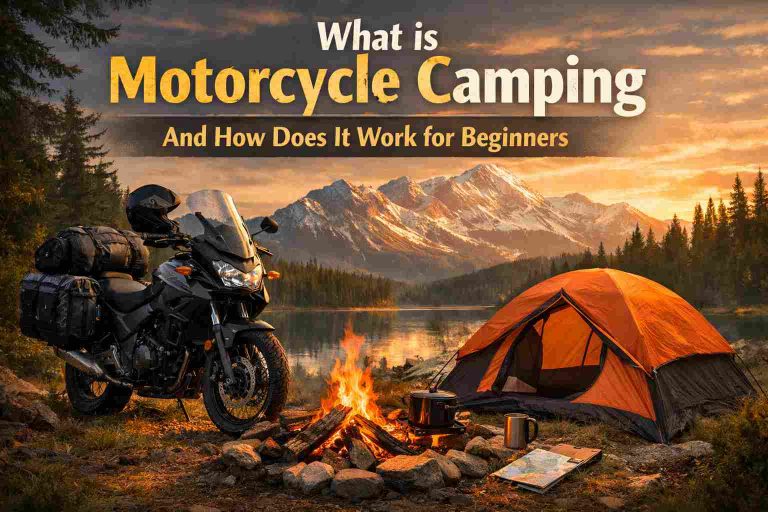
The thrill of a camping motorcycle trip is like nothing else. Imagine riding through winding roads, feeling the fresh air, and stopping wherever you want to set up camp under the stars. For many riders, this adventure is a perfect mix of freedom and simplicity. Whether you’re a beginner or an experienced traveler, planning a motorcycle camping journey can be both exciting and challenging. This guide covers everything you need—from choosing your bike and packing gear, to practical advice and real-world tips that make your trip safer and more enjoyable.
Choosing The Right Motorcycle For Camping
Your motorcycle is the foundation of your adventure. Picking the right one can make a huge difference in comfort, safety, and fun. Not all motorcycles are good for camping trips, especially if you plan to carry gear and travel off-road.
Types Of Motorcycles
Some bikes are better for camping trips than others. Here’s how the main types compare:
| Type | Best For | Features | Drawbacks |
|---|---|---|---|
| Adventure/Touring | Long-distance, mixed terrain | Large fuel tank, storage, comfort | Heavy, expensive |
| Cruiser | Paved roads, scenic rides | Low seat, stable handling | Limited off-road ability |
| Dual-Sport | Off-road, remote camping | Lightweight, rugged, versatile | Small fuel tank, less comfort |
| Sport | Short trips, fast rides | Speed, agility | Limited cargo, not comfortable |
Key Features To Look For
- Cargo capacity: Choose a bike with racks or mounting points for bags.
- Comfortable seating: Long rides require good support.
- Fuel efficiency: More miles per gallon means fewer stops.
- Suspension quality: Important for rough roads.
Real-world Example
Many riders use bikes like the BMW GS series, the Honda Africa Twin, or the Suzuki V-Strom for camping trips. These models balance comfort, durability, and storage. However, some experienced campers prefer simple dual-sport bikes for remote areas.
Essential Camping Gear For Motorcycle Trips
Packing for a motorcycle camping trip is tricky. You have limited space, so every item must be useful and compact. Choosing the right gear can make your trip safer and more enjoyable.
Camping Basics
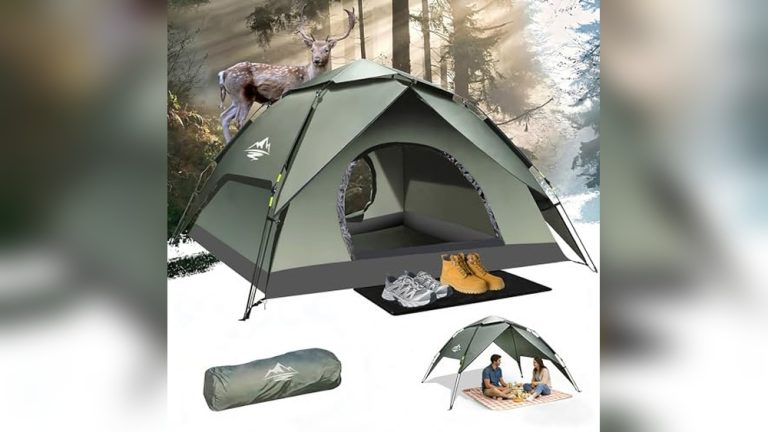
- Tent: Lightweight, compact, easy to set up. Look for models under 4 pounds.
- Sleeping bag: Choose one rated for the coldest temperature you expect.
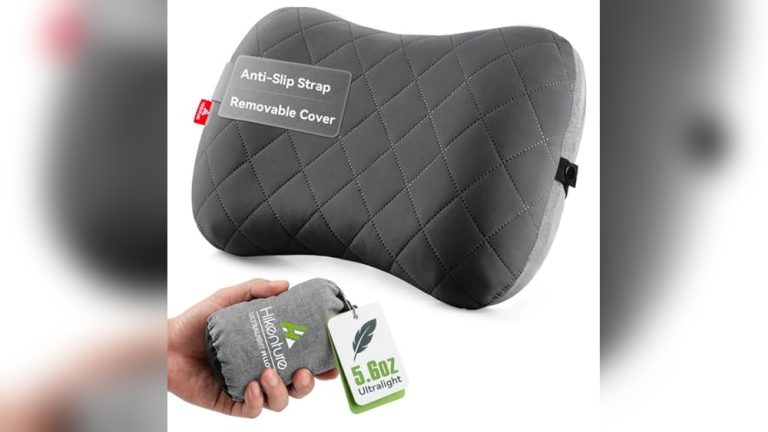
- Sleeping pad: Inflatable or foam, helps with comfort and insulation.
- Camp stove: Small gas or alcohol stoves are best.
- Cookware: Compact pots, pans, utensils.
- Water storage: Collapsible bottles or hydration packs.
- Food: Instant meals, snacks, energy bars.
Motorcycle-specific Gear
- Saddlebags: Hard or soft, waterproof.
- Tank bag: For quick access to essentials.
- Dry bags: Keep clothes and electronics safe from rain.
- Tool kit: Basic tools for repairs.
- First aid kit: Compact, complete, easy to access.
Clothing
- Riding jacket and pants: Waterproof, protective.
- Base layers: Moisture-wicking materials.
- Gloves: Riding and camp gloves.
- Boots: Waterproof, sturdy.
- Rain gear: Packable jacket and pants.
Packing Tips
- Pack light: Only take what you need.
- Use compression bags: Save space for clothes and sleeping bags.
- Balance weight: Place heavier items low and close to the bike’s center.
- Secure gear: Use straps and nets to prevent shifting.
Non-obvious Insight
A common mistake is forgetting multi-purpose items. For example, a bandana can be used as a towel, sun shield, or pot holder. Another overlooked tip: always pack a small power bank, even if you plan to camp off-grid. A dead phone can leave you stranded without GPS or emergency contact.
Planning Your Route
A camping motorcycle trip requires careful route planning. Unlike car trips, you must think about fuel stops, road conditions, and camp locations.
Mapping Your Journey
- Choose scenic roads: National parks, coastlines, and mountain routes offer great views.
- Avoid highways when possible: Smaller roads are more interesting and safer for camping.
- Plan fuel stops: Know your bike’s range and mark gas stations.
- Identify campsites: Look for campgrounds, wild camping areas, and legal sites.
Using Navigation Tools
- GPS devices: Waterproof motorcycle GPS units are reliable.
- Smartphone apps: Offline maps like Maps.me or Gaia GPS.
- Paper maps: Always carry a backup.
Example Route
A popular journey is along the Pacific Coast Highway in California. Riders enjoy ocean views, stop at state parks, and camp near beaches. Another famous route is the Blue Ridge Parkway in the Appalachian Mountains, which offers easy access to campgrounds and beautiful scenery.
Realistic Time Planning
Don’t try to cover too much distance each day. Aim for 150–250 miles per day, depending on terrain and stops. Factor in time for setting up camp, cooking, and relaxing.
Two Important Insights
- Check road closures and weather before you leave. Seasonal changes can block mountain passes or create unsafe conditions.
- Have backup plans for camping locations. Sometimes campgrounds are full or closed, so knowing a few alternatives is smart.
Staying Safe On The Road And At Camp
Safety is a top priority on a motorcycle camping trip. You’re exposed to weather, wildlife, and traffic. Taking precautions ensures you enjoy your adventure without unnecessary risks.
On The Road
- Wear protective gear: Helmet, jacket, gloves, pants, boots.
- Follow speed limits: Especially on unfamiliar or winding roads.
- Stay visible: Use reflective materials and lights.
- Keep distance: Avoid tailgating and leave room to react.
At Camp
- Choose safe sites: Flat ground, away from hazards like rivers or cliffs.
- Store food securely: Use bear-proof containers or hang food in trees.
- Stay dry: Set up tents away from water run-off areas.
- Keep a flashlight handy: For night-time emergencies.
Emergency Preparedness
- Have a plan: Know the nearest hospital or ranger station.
- Carry ID and medical info: In case of accidents.
- Stay connected: Let someone know your route and expected stops.
Common Mistakes
Many riders forget to check local wildlife rules. In some areas, bears or raccoons are a real threat to food and safety. Another oversight is ignoring weather forecasts. Sudden storms can turn a pleasant trip into a dangerous situation quickly.
Cooking And Eating On The Road
Food is more than fuel—it’s part of the experience. Cooking while camping on a motorcycle means being creative and efficient.
Types Of Meals
- Instant meals: Freeze-dried or dehydrated packs—just add hot water.
- Simple recipes: Pasta, rice, soups, oatmeal.
- Snacks: Nuts, dried fruit, jerky, granola bars.
Cooking Gear
- Mini stove: Like Jetboil or MSR PocketRocket.
- Small pot/pan: Aluminum or titanium.
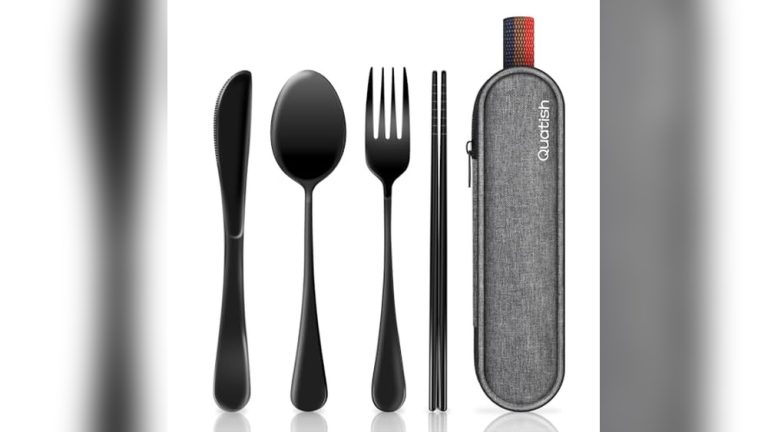
- Utensils: Compact and multi-use.
How To Cook Safely
- Use wind protection: Set up stove behind rocks or inside tent vestibule.
- Keep water nearby: For emergencies.
- Clean up: Leave no trace—pack out trash and leftovers.
Sample Cooking Schedule
| Meal | Typical Food | Prep Time | Tips |
|---|---|---|---|
| Breakfast | Oatmeal, instant coffee | 10 min | Pre-measure portions |
| Lunch | Energy bars, sandwiches | 5 min | Eat on the road |
| Dinner | Pasta, soup | 20 min | Cook at camp |
Two Insights
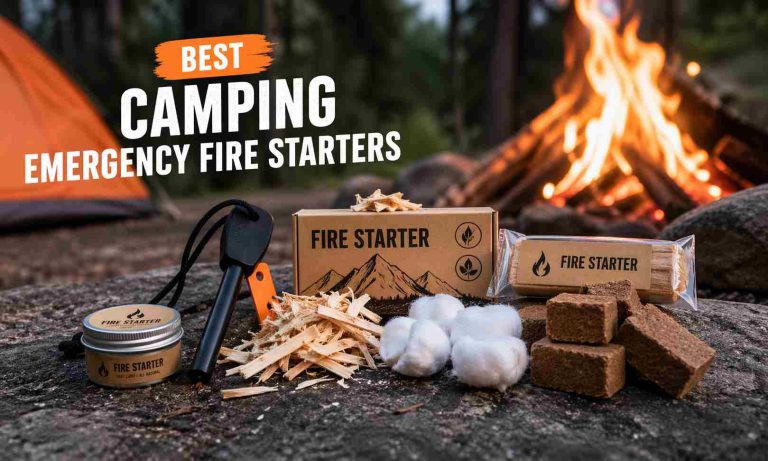
- Don’t rely on campfires. Many areas ban fires due to drought or safety rules. Always bring a stove.
- Test gear at home before your trip. Cooking on the road is easier if you know your stove and recipes.
Sleeping Well Outdoors
A good night’s sleep is essential for a safe and enjoyable trip. Motorcycle camping means you need gear that’s comfortable, light, and weather-proof.
Choosing The Right Tent
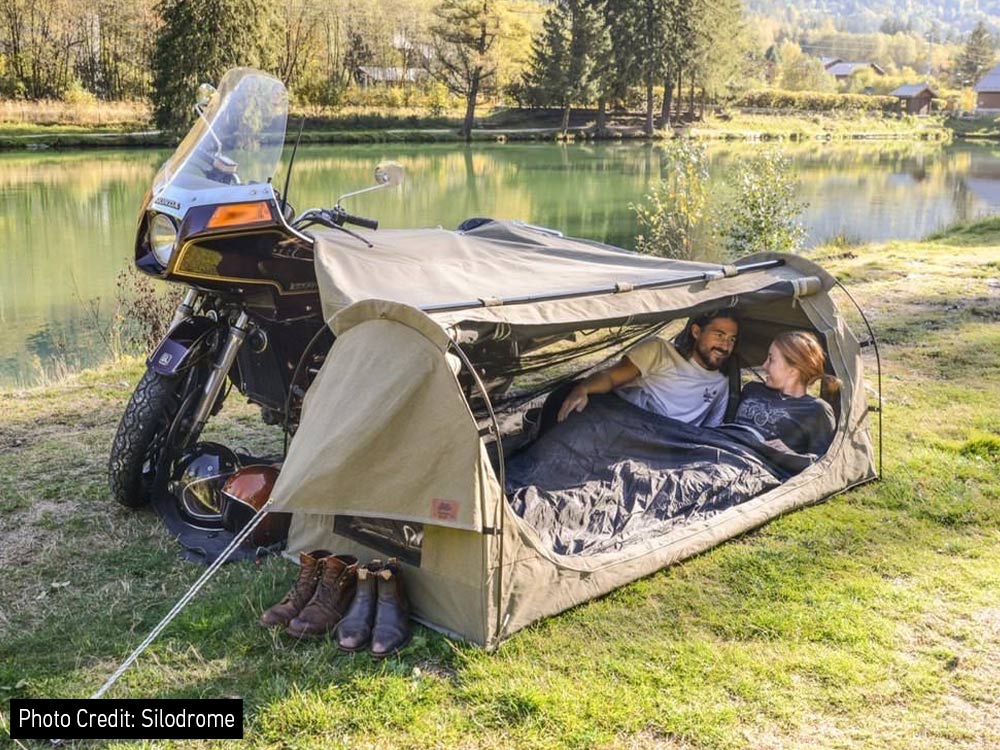
- Size: One-person tents are lighter but tight. Two-person gives room for gear.
- Setup: Look for quick assembly (less than 10 minutes).
- Weather-proofing: Rain fly, sealed seams, strong stakes.
Selecting A Sleeping Bag
- Temperature rating: Choose one that matches your trip’s coldest night.
- Material: Synthetic for wet conditions, down for cold and dry.
- Compression: Packs small for easy storage.
Sleeping Pad Options
- Foam: Lightweight, durable.
- Inflatable: Compact, more comfortable, but can puncture.
Where To Sleep
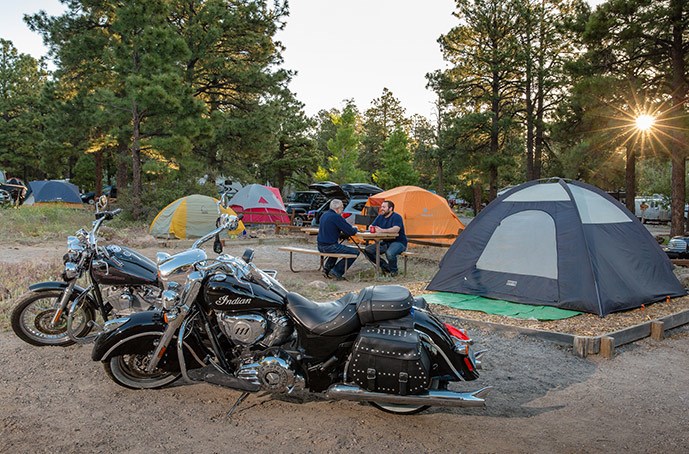
- Campgrounds: More amenities, sometimes crowded.
- Wild camping: More privacy, but you must follow local rules.
Tips For Comfort
- Bring earplugs if you’re near roads or rivers.
- Always check for rocks or roots before pitching your tent.
Common Mistake
Beginners often skip the sleeping pad to save space. But without it, you’ll lose heat and comfort fast. Always include a pad, even if it’s thin.

Credit: ridetofood.com
Weather Challenges And Solutions
Weather is one of the biggest challenges in motorcycle camping. Rain, wind, heat, and cold can make or break your trip.
Preparing For Rain
- Waterproof gear: Jacket, pants, gloves, boots.
- Rain covers: For bags and tent.
- Pack extra dry clothes: In a sealed bag.
Dealing With Heat
- Hydrate often: Carry more water than you think you need.
- Wear breathable gear: Mesh panels help.
- Rest in shade: Plan stops during the hottest hours.
Managing Cold
- Layer clothing: Start with base layer, add fleece and outer shell.
- Use a sleeping bag liner: Adds warmth.
- Warm up before bed: Eat something hot, do light exercise.
Handling Wind
- Secure your tent: Use all stakes and guy lines.
- Ride carefully: Strong gusts can push your bike.
Weather Data Example
In the US, average rainfall in national parks varies from 1 to 5 inches per month. Temperatures can swing from 30°F at night to 90°F during the day, depending on location and season.
Two Insights
- Always check the forecast daily during your trip—not just before you leave.
- Have a backup plan for bad weather, like a motel or shelter.
Finding The Best Campsites
Where you camp is as important as how you get there. Good campsites make your trip memorable and safe.
Types Of Camping
- Established campgrounds: Facilities like toilets, water, picnic tables.
- Wild camping: More remote, but requires knowledge of local laws.
How To Choose
- Access: Can you ride your motorcycle to the site?
- Safety: Away from wildlife, hazards, and flooding.
- Scenery: Views, trees, water nearby.
- Privacy: Less crowded sites are more peaceful.
Booking Campsites
Many popular sites require reservations. Use websites like Recreation. gov for US national parks. For wild camping, research rules about permits and fire bans.
Example Campsites
- Yosemite National Park: Motorcycle-friendly sites, stunning views.
- Moab, Utah: Open land, ideal for dual-sport bikes.
- Ozarks, Arkansas: Forested sites, plenty of shade.
Common Mistake
Some campers ignore site regulations. Setting up in restricted areas can lead to fines or eviction. Always check local rules.
Credit: koa.com
Packing Smart: Space And Weight
Motorcycle camping teaches you the value of packing efficiently. Every pound matters, and every inch of space is precious.
Strategies For Packing
- Use modular bags: Saddlebags, tail bags, tank bags.
- Compress gear: Use vacuum or compression sacks.
- Distribute weight evenly: Prevents wobbling and improves handling.
- Attach securely: Straps, bungees, nets.
Sample Packing Layout
| Bag Type | Contents | Placement |
|---|---|---|
| Saddlebags | Clothes, food, sleeping bag | Rear sides |
| Tail bag | Tent, pad, rain gear | Rear rack |
| Tank bag | Maps, phone, snacks | Top of tank |
| Backpack | First aid, valuables | Rider’s back |
Two Insights
- Don’t overload your bike. Check the maximum weight rating and stay under it.
- Leave some space for souvenirs or extra supplies you may buy on the road.
Staying Connected And Navigating
Even off the grid, staying connected and knowing where you are is crucial.
Devices To Bring
- Smartphone: GPS, emergency calls, camera.
- Portable charger: Solar or power bank.
- Paper maps: Backup for electronics.
- Two-way radio: Useful in remote areas.
Apps For Motorcycle Camping
- Recreation.gov: Campsite booking.
- Maps.me: Offline navigation.
- Weather apps: For forecasts and alerts.
Real-world Example
On a trip across the Rockies, riders often lose cell signal. Having offline maps and a backup GPS can prevent getting lost.
Common Mistake
Many rely only on their phone. Always have a backup navigation tool.
Maintenance And Repairs On The Road
Motorcycles need care, especially on long trips. Simple maintenance can prevent breakdowns and keep you rolling.
Daily Checks
- Tire pressure: Low pressure can cause accidents.
- Oil level: Check every morning.
- Chain tension: Adjust as needed.
- Lights and signals: Make sure all work.
Repair Kit Essentials
- Multi-tool: For screws and bolts.
- Spare fuses: Electronics can fail.
- Tire repair kit: Plugging flats is key.
- Zip ties and duct tape: Quick fixes.
When To Call For Help
If you can’t fix a problem, call roadside assistance or a tow service. Some areas have motorcycle-specific help, especially in national parks.
Two Insights
- Practice basic repairs at home—don’t wait until you’re stranded.
- Know your bike’s manual and keep a copy with you.
Budgeting Your Motorcycle Camping Trip
Costs can range from cheap to expensive, depending on your style and choices. Planning your budget helps avoid surprises.
Typical Expenses
- Fuel: Around $20–$50 per day, depending on distance.
- Food: $10–$25 per day if you cook; $30–$50 if you eat out.
- Camping fees: $10–$30 per night for campgrounds; free for wild camping.
- Gear: $300–$1,500 for quality items.
- Maintenance: $50–$100 for basic supplies.
Money-saving Tips
- Cook your own meals instead of eating out.
- Wild camp where allowed to save on fees.
- Share costs if riding with a group.
Example Budget
A week-long trip (7 days) might cost:
- Fuel: $210
- Food: $140
- Camping: $140
- Gear: $500 (one-time)
- Maintenance: $70
Total: $1,060 (without Gear), $1,560 (with Gear)
Group Vs Solo Motorcycle Camping
Camping alone or with friends both have benefits. Decide which suits your style.
Solo Camping
- Freedom: Go at your own pace.
- Simplicity: Less coordination.
- Self-reliance: You learn more.
Group Camping
- Safety: Help in emergencies.
- Shared costs: Split gear, food, fees.
- Fun: Social experience.
Two Insights
- Group size matters: Small groups (2–4) are easier to manage.
- Agree on plans: Set clear expectations for daily routes and stops.
Sustainability And Leave No Trace
Protecting nature is important for all campers, especially those who travel by motorcycle.
Leave No Trace Principles
- Pack out trash: Never leave waste.
- Respect wildlife: Don’t disturb animals.
- Stay on trails: Prevent erosion.
- Use established sites: Reduce impact.
Sustainable Gear Choices
- Reusable utensils: Skip disposables.
- Eco-friendly soap: Biodegradable.
- Solar chargers: Lower your footprint.
Two Insights
- Even small campsites can damage nature if overused. Rotate spots if possible.
- Clean water sources are vital—never wash dishes in streams.
Credit: www.vikingbags.com
Real Stories: Motorcycle Camping Adventures
Hearing about real trips can inspire and teach new tricks.
Example 1: Alaska Highway
Riders tackle cold, rain, and long distances. Key takeaway: prepare for anything. Many needed extra layers and emergency supplies.
Example 2: Route 66
Classic American journey with diverse weather and landscapes. Most riders camp in state parks, enjoying the mix of history and nature.
Example 3: Europe’s Alps
Twisting mountain roads and remote campsites. Riders use lightweight gear and rely on GPS for navigation.
Two Insights
- Adapt your plans—unexpected events happen, and flexibility is essential.
- Local advice is valuable—ask rangers or other riders for the best spots.
Frequently Asked Questions
How Much Gear Can I Carry On A Motorcycle Camping Trip?
Most motorcycles can safely carry 40–70 pounds of gear, including bags and luggage. Check your bike’s manual for weight limits. Pack light and distribute weight evenly to maintain balance.
Can I Camp Anywhere Or Do I Need Reservations?
You can camp in established campgrounds with or without reservations, depending on popularity. Wild camping is allowed in some areas but always check local laws. Many national parks require reservations, especially in peak season.
What’s The Best Way To Keep Food Safe From Animals?
Use bear-proof containers or hang food from trees if you’re in wildlife areas. Never store food inside your tent. For most campgrounds, lockers are available. Always clean up after meals.
How Do I Handle Bad Weather During A Camping Motorcycle Trip?
Pack waterproof gear, check forecasts daily, and have backup shelter plans. If weather turns dangerous, seek indoor shelter like motels or park facilities. Avoid riding in severe conditions.
Is Motorcycle Camping Safe For Beginners?
Yes, with proper planning. Start with short trips and gain experience. Use protective gear, pack essential supplies, and learn basic maintenance. Ride with friends if you’re new, and always tell someone your route.
Motorcycle camping is a unique adventure that blends travel, nature, and self-reliance. With good planning and smart choices, you can enjoy unforgettable journeys and create lasting memories. Whether you ride solo or with friends, each trip offers new lessons and experiences. For more inspiration and expert tips, check out Adventure Motorcycling. Safe travels, and happy camping under the stars.