Can I Use 10W30 Instead of 5W30 in Summer? Expert Guide 2026

When summer arrives, many car owners start to question their oil choices. One of the most common questions is: “Can I use 10W30 instead of 5W30 in summer?” This is not just about oil numbers—it’s about engine health, performance, and even money. Choosing the right oil can mean smoother drives, fewer breakdowns, and longer engine life. But making the wrong choice might cause damage, higher fuel use, or unexpected repairs. Let’s explore every detail, myth, and fact about using 10W30 instead of 5W30 during summer months. By the end, you’ll have the clarity to decide confidently for your car.
Understanding Oil Grades: 5w30 Vs 10w30
Before you switch oils, you need to understand what these numbers mean. Both 5W30 and 10W30 are multi-grade oils. The numbers show how the oil flows at different temperatures. The “W” stands for “winter.”
- The first number (5 or 10) is the oil’s viscosity in cold conditions.
- The second number (30) is the viscosity when the engine is hot.
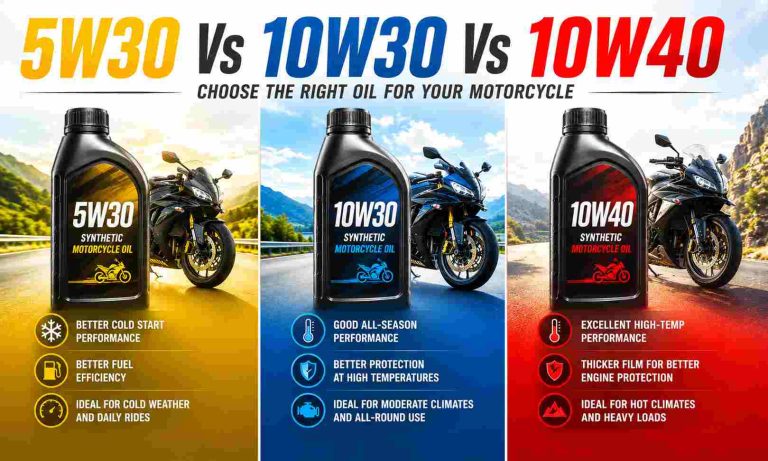
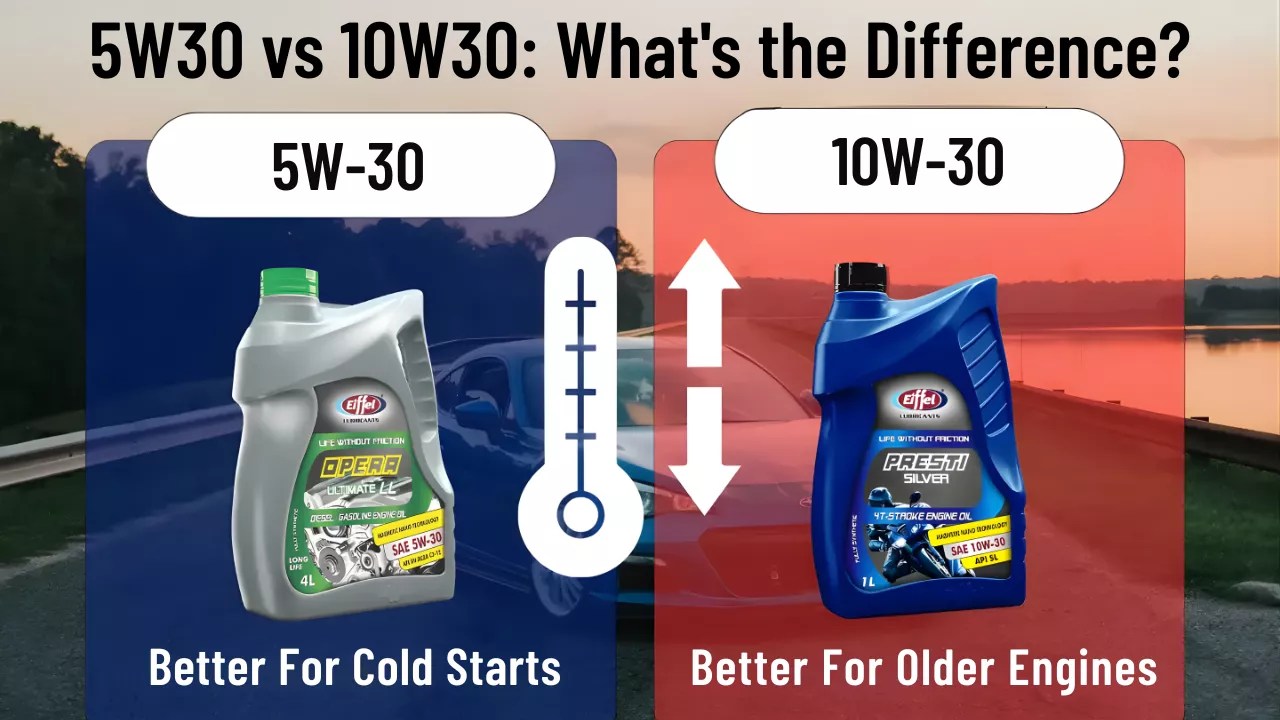
Simply put: 5W30 stays thinner than 10W30 at low temperatures. But at high temperatures, both oils have similar thickness.
Example: Oil Flow In Different Temperatures
If you live in a place with cold winters, 5W30 is better—it flows faster in cold starts. But in summer, the difference between 5W and 10W is less important.
Why Oil Viscosity Matters In Summer
Your car’s oil must protect the engine, reduce friction, and carry away heat. In hot weather, engines run warmer, and oil gets thinner. If oil becomes too thin, it can’t protect the engine parts.
10W30 is slightly thicker at cold starts, but at operating temperature, both 5W30 and 10W30 act as 30-weight oil. In summer, this means both provide similar protection when the engine is hot.
Key Points:
- Thicker oil (higher viscosity) can handle heat better.
- Too thick oil can slow down flow and make starting harder.
- Too thin oil can break down and lose protection.
30 Critical Factors To Consider Before Switching From 5w30 To 10w30 In Summer
To make the best choice, you should look at all the factors. Below are the 30 important items every car owner must check.
1. Owner’s Manual Recommendations
Your car’s owner’s manual should be your first source. Most manuals list acceptable oil grades for different temperatures. Some allow 10W30 for summer, others do not. Always check these guidelines.
2. Engine Design
Modern engines are built with tight tolerances. They need thinner oil for proper flow. Older engines might tolerate thicker oil. If your engine is newer, 5W30 is often safer.
3. Oil Pressure
Switching to 10W30 can slightly increase oil pressure at high temperatures. This may help older engines but might stress newer ones.
4. Fuel Economy
Thicker oil can increase resistance in the engine, leading to higher fuel consumption. If you switch to 10W30, you might see a small drop in miles per gallon.
5. Engine Wear
Using the wrong oil can cause more friction. This means engine wear increases over time, especially if the oil is too thick or too thin for your engine.
6. Oil Consumption
Some engines “burn” oil faster with thinner oil. If your car burns oil, switching to 10W30 could reduce consumption.
7. Oil Flow Rate
Oil must flow quickly to all parts of the engine. 5W30 flows better at startup. In summer, this is less critical, but if you drive early mornings, consider it.
8. Climate Conditions
If you live in a very hot place (above 100°F), 10W30 may offer better protection. In mild climates, both oils work well.
9. Driving Habits
Frequent short trips keep engines cooler. If you do long highway drives, your engine will stay hotter, making 10W30 a better option.
10. Engine Mileage
High-mileage engines often benefit from thicker oil. 10W30 may reduce leaks or burning in older cars.
11. Oil Change Interval
Thicker oil may last longer under extreme heat. If you change oil less often in summer, 10W30 can be an advantage.
12. Type Of Oil (synthetic Vs Conventional)
Synthetic oils handle heat better than conventional oils. If you use synthetic, the difference between 5W30 and 10W30 is less important.
13. Oil Brand Quality
Not all oils are equal. High-quality oil (with good additives) protects better, even if viscosity is not perfect.
14. Towing Or Heavy Loads
If you tow trailers or carry heavy loads, your engine gets hotter. 10W30 can provide extra protection under stress.
15. Engine Cooling System
A well-maintained cooling system keeps engine temperature steady. Poor cooling makes oil choice more important.
16. Oil Filter Type
Some filters are designed for thicker oil. If you change viscosity, check if your oil filter is suitable.
17. Manufacturer Warranty
Using oil outside the recommended range can void your manufacturer warranty. Always check before switching.
18. Oil Additives
Some oils contain additives for extra protection. If you switch grades, additives may become more or less important.
19. Engine Noise
Thicker oil can reduce engine noise in older cars. If you notice loud ticking, 10W30 might help.
20. Engine Temperature Gauge
If your temperature gauge shows higher readings, thicker oil may help keep temperatures in check.
21. Age Of Vehicle
Older vehicles with worn engine parts may benefit from thicker oil. Newer cars should stick to manufacturer recommendations.
22. Oil Breakdown Rate
In extreme heat, oil breaks down faster. 10W30 is less likely to break down than 5W30 in high temperatures.
23. Oil Pump Efficiency
Some oil pumps struggle with thicker oil. If your engine has a weak pump, stick to 5W30.
24. Emissions
Thicker oil can increase emissions slightly. If your car must pass emissions tests, consider this factor.
25. Oil Pricing
Sometimes, 10W30 is cheaper or easier to find. If price matters, check local stores.
26. Engine Modifications
If your engine is modified (turbocharged, tuned), oil choice becomes more critical. Modified engines often need specific oils.
27. Oil Availability
In some regions, 10W30 is more common in summer. If you travel, consider oil availability.
28. Oil Change Location
Quick lube shops may only stock certain oils. If you rely on these places, check their options.
29. Oil Color And Smell
After switching, check oil color and smell during oil changes. If oil looks burnt or smells bad, revert to original grade.
30. Oil Analysis
Professional labs can check your oil for wear metals and breakdown. If you’re unsure, invest in an oil analysis.
Real-world Data: How 5w30 And 10w30 Perform
To help you see the difference, here is a comparison table showing how both oils perform in typical summer conditions.
| Oil Grade | Cold Start Viscosity | Hot Viscosity | Typical Summer Performance |
|---|---|---|---|
| 5W30 | Better (flows faster) | Same as 10W30 | Good for modern engines |
| 10W30 | Slower (thicker) | Same as 5W30 | Good for older/high-mileage engines |
Credit: www.engineeringchoice.org
Pros And Cons Of Using 10w30 Instead Of 5w30 In Summer
To make your decision easier, let’s look at the main advantages and disadvantages.
Pros
- Better high-temperature protection for some engines
- Reduces oil consumption in older engines
- May lower engine noise in high-mileage cars
- Can last longer between oil changes in extreme heat
Cons
- Possible decrease in fuel economy
- May void warranty if not recommended
- Can increase engine wear in modern engines
- Slight increase in emissions
Engine Types And Oil Choice
Different engines need different oils. Here’s a quick guide:
| Engine Type | Recommended Oil | Summer Option |
|---|---|---|
| Modern (post-2010) | 5W30 | 5W30 (10W30 only if allowed) |
| High-mileage (over 100,000 miles) | 5W30 or 10W30 | 10W30 |
| Older engines (pre-2000) | 10W30 | 10W30 |
| Modified/turbocharged | Check manufacturer | Usually synthetic, specific grade |
Practical Steps For Switching Oil Grades
If you decide to switch to 10W30 for summer, follow these steps to keep your engine safe.
- Read your owner’s manual for acceptable oil grades.
- Check engine age and mileage—older engines tolerate thicker oil.
- Inspect cooling system to ensure proper temperature control.
- Choose high-quality oil with good additives.
- Replace oil filter if needed for thicker oil.
- Monitor engine performance after switching—watch for changes in noise, temperature, or oil consumption.
- Plan for emissions testing if required in your area.
Common Mistakes When Switching Oil Grades
Many car owners make mistakes when changing oil viscosity. Avoid these to protect your engine.
- Ignoring manufacturer guidelines—always check your manual.
- Switching without considering climate—hotter climates justify thicker oil.
- Using low-quality oil brands—always choose reputable oils.
- Forgetting oil filter compatibility—some filters don’t work well with thicker oil.
- Neglecting engine age—newer engines may not tolerate 10W30.
How Oil Affects Engine Life And Performance
The right oil extends engine life and boosts performance. Wrong oil can cause:
- Higher friction
- Faster wear
- Engine overheating
- Sludge buildup
Using 10W30 instead of 5W30 in summer can protect older engines but may harm newer ones. Always weigh the benefits and risks.
Summer Oil Change Tips
Changing oil in summer is different from winter. Here are tips for the best results:
- Change oil at the start of summer—fresh oil handles heat better.
- Use oil with high-temperature additives—look for “API SN” or “ACEA A3/B4” rating.
- Check oil levels often—heat causes oil to evaporate faster.
- Inspect for leaks—thicker oil can reveal or hide leaks.

Credit: www.engineeringchoice.org
How Oil Viscosity Affects Fuel Efficiency
Thicker oil (like 10W30) can reduce fuel efficiency by increasing resistance. Here’s a comparison:
| Oil Grade | Average MPG (City) | Average MPG (Highway) |
|---|---|---|
| 5W30 | 25 | 30 |
| 10W30 | 24 | 29 |
The difference is small but may matter for drivers who want the best mileage.
Oil Grade Myths And Facts
Many myths surround engine oil. Let’s clear them up.
Myth 1: Thicker Oil Is Always Better In Summer
Fact: Thicker oil helps in high heat but may harm modern engines.
Myth 2: You Can Switch Grades Anytime
Fact: Sudden changes can cause leaks or noise. Always check your manual.
Myth 3: Oil Grade Doesn’t Affect Fuel Economy
Fact: Thicker oil can lower fuel efficiency.
Credit: www.youtube.com
What Mechanics Say About 10w30 Vs 5w30
Many mechanics recommend sticking to the manufacturer’s guidelines. However, they often suggest 10W30 for:
- Older engines
- High-mileage cars
- Extreme summer heat
Mechanics stress that 10W30 can reduce engine wear in older vehicles but is not ideal for modern engines.
Oil Grade And Environmental Impact
Oil choice affects the environment. Thicker oil can lead to higher emissions. If you’re concerned about air quality, consider sticking to 5W30 unless your engine needs 10W30.
Manufacturer Oil Grade Charts
Most car brands provide oil grade charts. These show which oils are best for different climates and engines.
- Toyota: 5W30 for most models, 10W30 allowed in hot climates
- Ford: 5W30 for newer cars, 10W30 for older ones
- Honda: 5W30 recommended, 10W30 for high mileage
Always check your brand’s chart.
Oil Grade Change And Engine Warranty
Changing oil grade outside recommendations can void your warranty. If your car is under warranty, stick to manufacturer guidelines. If you’re unsure, contact your dealer.
Oil Grade For Diesel Engines
Diesel engines often require thicker oil. 10W30 is common in summer for diesel trucks. But always check your engine’s needs.
Oil Grade For Motorcycles
Motorcycles can be sensitive to oil changes. Many need specific grades. If you ride in summer, check the manual before switching.
Oil Grade For Lawn Mowers And Small Engines
For lawn mowers and small engines, 10W30 is often recommended in summer. These engines run hotter and benefit from thicker oil.
Oil Grade For High-performance Cars
High-performance cars need special oils, often synthetic. Switching grades can harm these engines. Always use recommended oil.
Oil Grade For Hybrid Cars
Hybrid engines are designed for thinner oil. Using 10W30 can reduce fuel efficiency and harm the engine.
Oil Grade For Trucks And Suvs
Trucks and SUVs with high mileage or used for towing can benefit from 10W30 in summer. But newer models may require 5W30.
Oil Grade For Electric Cars
Electric cars do not use engine oil. This section is not relevant, but some hybrids do.
Oil Grade For Fleet Vehicles
Fleet managers often use thicker oil in summer to reduce wear. If you manage a fleet, consider 10W30 for older vehicles.
Oil Grade And Oil Change Frequency
Thicker oil can last longer in extreme heat, but always follow recommended change intervals. Never extend oil changes based only on viscosity.
Oil Grade For Cold Starts In Summer
Even in summer, cold mornings can occur. If you live in a place with cool nights, 5W30 may still be better for cold starts.
Oil Grade And Engine Rebuilds
If your engine has been rebuilt, ask your mechanic for the best oil grade. Rebuilt engines often tolerate thicker oil.
Oil Grade And Oil Life Monitoring Systems
Many cars have oil life monitors. These systems are calibrated for specific oil grades. Switching grades can affect accuracy.
Oil Grade And Aftermarket Additives
If you use oil additives, check compatibility with your chosen oil grade. Some additives work better with thinner or thicker oils.
Final Advice: Making The Right Oil Choice
Choosing between 10W30 and 5W30 in summer depends on your car’s age, engine design, climate, and driving style. If your manual allows both, 10W30 is safe for hot weather and high-mileage engines. For modern cars or hybrids, stick to 5W30. Always use high-quality oil and follow manufacturer guidelines. If you’re unsure, ask a trusted mechanic or run an oil analysis.
For more technical details and official oil grade charts, visit Wikipedia.
Frequently Asked Questions
Can I Mix 5w30 And 10w30 Oils?
Mixing oils is not recommended. It can change viscosity and reduce protection. Always use one grade at a time.
How Often Should I Change Oil If I Use 10w30 In Summer?
Follow your manual’s recommended interval. In extreme heat, check oil level often and change every 3,000–5,000 miles.
Will Switching To 10w30 Harm My Engine?
If your engine is designed for 5W30, using 10W30 may cause more wear and reduce fuel efficiency. Always check manufacturer guidelines.
Is 10w30 Better For High-mileage Cars?
Yes, many high-mileage engines benefit from thicker oil, especially in summer. It can reduce leaks and burning.
Can I Use 10w30 In Winter?
10W30 is thicker at cold starts. In winter, 5W30 is better for fast oil flow and engine protection.
Making the right oil choice is important for your car’s health and your peace of mind. Consider all 30 factors, check your manual, and choose wisely for a safe and smooth summer drive.