5W30 Vs 10W30 Vs 10W40: Which Engine Oil Is Best?

Choosing the right motor oil can feel confusing, especially with so many numbers and letters on the bottle. 5W30, 10W30, and 10W40 are three of the most common types you’ll see. But what do these codes mean? And how do you pick the best oil for your car, your climate, or your driving style? This guide will make everything clear. You’ll learn what each oil grade is, how they compare, and which one fits your needs. By the end, you’ll understand these oils like a mechanic—and avoid mistakes that can hurt your engine.
Understanding Oil Grades: What Do 5w30, 10w30, And 10w40 Mean?
Motor oils use a code called the SAE viscosity grade. The numbers show how thick or thin the oil is at different temperatures.
- The first number (5 or 10) with the “W” stands for “winter.” It shows how the oil flows when the engine is cold.
- The second number (30 or 40) shows how the oil acts when the engine is hot.
So, 5W30 stays thinner in cold weather than 10W30, but both act the same when hot. 10W40 is thicker than both when the engine is warm.
This matters because oil must flow easily when starting your car, but also protect parts when things get hot.
Detailed Breakdown: 5w30 Vs 10w30 Vs 10w40 (30 Key Comparison Points)
To help you choose, let’s compare these oils across 30 important factors. Each point gives you practical knowledge to make the best decision.
1. Cold Start Performance
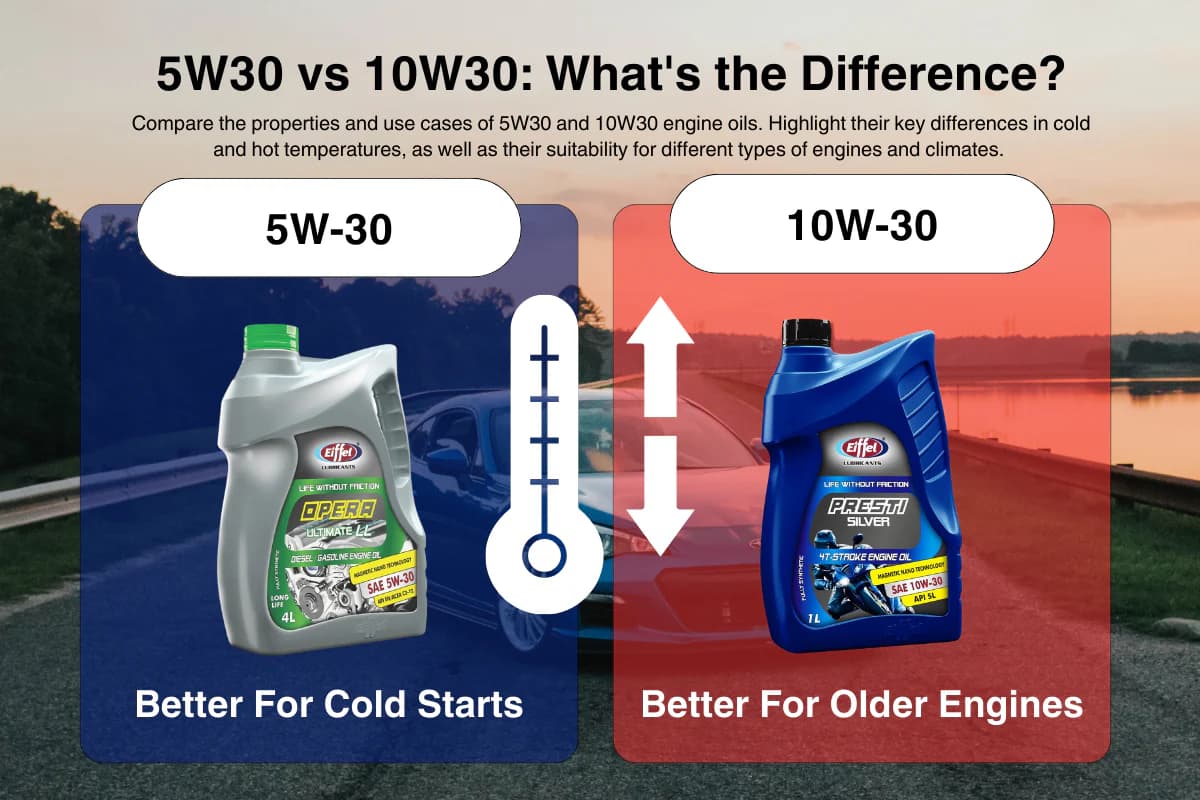
5W30 flows faster at low temperatures. If you live where winters are cold, your engine gets protection right away. 10W30 and 10W40 take longer to reach all engine parts after starting.
2. Hot Weather Protection
10W40 is thicker when hot. This helps prevent engine wear in high temperatures or under heavy loads. 5W30 and 10W30 can become thinner and may not protect as well in extreme heat.
3. Fuel Efficiency
Thinner oils like 5W30 reduce friction. This means your engine works less hard, giving better gas mileage. 10W40 can slightly lower efficiency because it’s thicker and causes more resistance.
4. Engine Wear Prevention
All three oils protect against wear, but 10W40 is best for older engines or cars used for towing. Its thickness adds a strong layer between parts.
5. Engine Cleanliness
Modern oils (all three grades) contain detergents. However, 5W30 is often used in newer engines, which are designed to stay cleaner. 10W40 is chosen for engines prone to sludge.
6. Oil Pressure
10W40 maintains higher oil pressure in hot climates. If your car’s gauge drops in summer, switching to this grade can help.
7. Compatibility With Engine Types
- 5W30: Best for newer, fuel-efficient engines.
- 10W30: Good for mid-age engines.
- 10W40: Preferred for older engines, especially if they burn oil.
8. Manufacturer Recommendations
Always check your car’s manual. Most modern cars suggest 5W30. Using the wrong oil can void your warranty.
9. Climate Considerations
If you live in Alaska or Canada, 5W30 is ideal. In Texas or Arizona, 10W40 may be better. 10W30 suits places with mild weather.
10. Viscosity Index
5W30 has a higher viscosity index, meaning it changes less with temperature. This keeps your engine safer in both cold and heat.
11. Oil Change Interval
All three oils last similar periods, usually 5,000–7,500 miles. But 10W40 may break down faster in modern engines due to higher stress.
12. Price Differences
5W30 is usually the cheapest because it’s widely used. 10W40 can cost more, especially in high-performance brands.
13. Availability
You’ll find 5W30 everywhere, from big stores to gas stations. 10W40 is less common in places with cold weather.
14. Synthetic Vs Conventional Options
All three grades come in synthetic and conventional forms. Synthetic oils last longer, protect better, and are more expensive.
15. Oil Consumption
Older engines often burn more oil. 10W40’s thickness slows oil loss. If you add oil often, this grade may help.
16. Turbocharged Engines
5W30 is preferred for turbo engines, thanks to its quick flow and stability under heat.
17. High Mileage Engines
10W40 is popular for cars with over 100,000 miles. The thicker oil fills worn spaces and reduces leaks.
18. Engine Noise
Thicker oil like 10W40 can quiet old engines by cushioning moving parts. If your car rattles, this may help.
19. Deposit Control
5W30 and 10W30 often have better deposit control formulas. This keeps engines cleaner, especially in modern cars.
20. Oil Leak Prevention
10W40’s thickness helps seal minor leaks. If your engine leaks, consider switching.
21. Emission Control
5W30 and 10W30 are designed for lower emissions. Thicker oils can increase pollution if the engine isn’t designed for them.
22. Engine Cooling
Oil helps cool engines. 10W40’s thickness is good for cars that run hot or tow heavy loads.
23. Engine Longevity
Using the correct oil grade increases engine life. The wrong grade can cause extra wear or sludge.
24. Shear Stability
10W40 resists breaking down under pressure, making it good for engines working hard.
25. Oil Pump Load
Thicker oils like 10W40 make the oil pump work harder. In older engines, this isn’t a problem, but new cars may struggle.
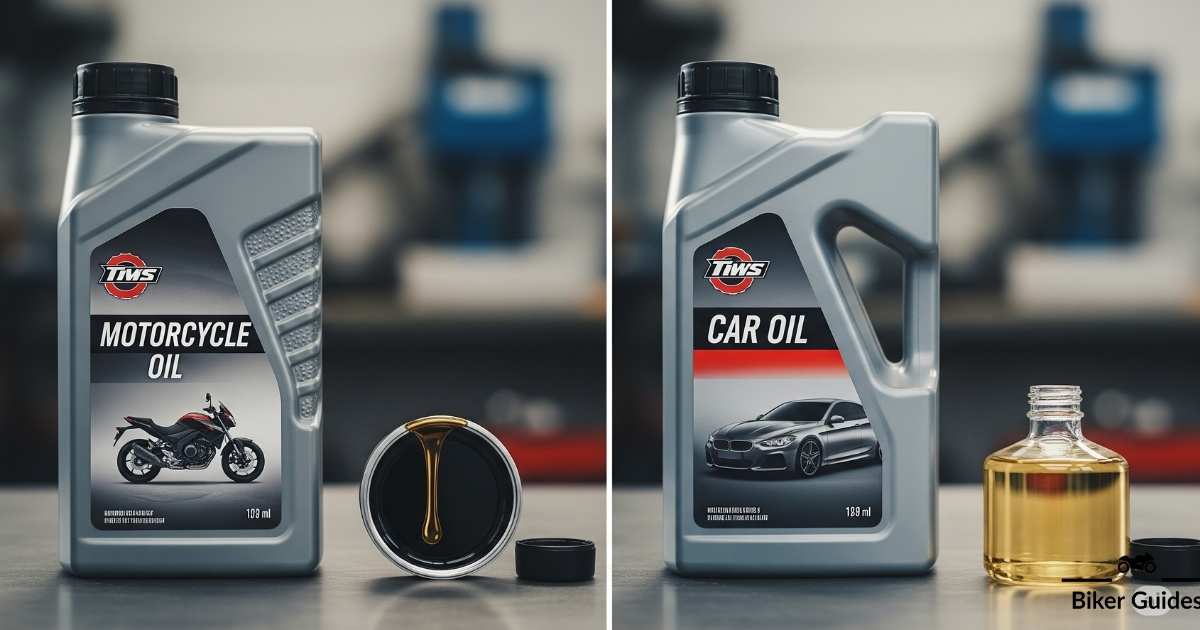
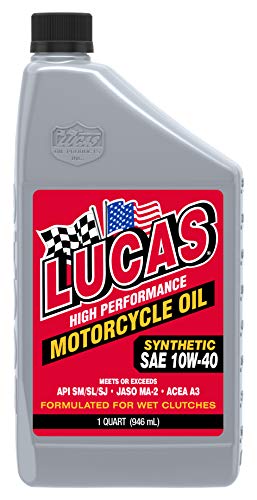
26. Motorcycles Vs Cars
Motorcycles often need 10W40 due to high temperatures. Most cars prefer 5W30 or 10W30.
27. Engine Technology
Modern engines use tighter tolerances, needing thinner oil like 5W30. Older engines can handle thick oil.
28. Risk Of Oil Starvation
In cold weather, 10W40 and 10W30 take longer to reach all engine parts. This can cause damage at startup.
29. Multi-viscosity Benefits
All three are multi-viscosity oils, adapting to hot and cold. This is better than old single-grade oils.
30. Environmental Impact
Using the right oil grade reduces waste and pollution. Thinner oils help engines work cleaner and last longer.
Comparing Key Data: Oil Grades Side-by-side
To make these differences clearer, here’s a comparison table with the most important traits:
| Feature | 5W30 | 10W30 | 10W40 |
|---|---|---|---|
| Cold Start Flow | Excellent | Good | Moderate |
| Hot Protection | Good | Good | Excellent |
| Fuel Economy | High | Medium | Lower |
| Engine Age | New | Mid-age | Old/high-mileage |
| Availability | Very Common | Common | Moderate |
| Price | Low | Medium | High |
| Leak Prevention | Low | Medium | High |
| Emissions | Low | Low | Medium |
| Typical Use | Daily driving | Mixed | Towing/racing |
Real-world Examples: When To Choose Each Oil
- 5W30: You drive a newer car, live in a cold or mixed climate, and want good fuel economy. Perfect for most sedans and SUVs.
- 10W30: You have a mid-age car, live in moderate climates, or want a balance between cold start and hot protection.
- 10W40: You have an older car, drive in hot weather, tow heavy loads, or own a motorcycle.
Common Mistakes When Choosing Motor Oil
Many people simply pick the oil that’s on sale or what their friend uses. This can cause problems:
- Using thick oil in a new engine: Can damage parts and lower efficiency.
- Using thin oil in an old engine: May increase leaks and burning.
- Ignoring climate: Oil that’s too thick in winter can cause slow starts and engine wear.
- Not checking the manual: Always follow what your car maker suggests.
- Switching oil grades too often: This can confuse the engine and increase wear.
Practical Tips For Choosing The Right Oil
- Always check your car’s owner’s manual first.
- Think about your local climate—cold winters need thinner oil.
- Consider your car’s age and mileage.
- If your engine leaks or burns oil, try a thicker grade.
- Use synthetic oil for better protection, especially in extreme conditions.
- Don’t change oil grades without a good reason.
How Oil Grades Affect Engine Performance
Oil isn’t just for lubrication. It affects:
- Start-up speed: Thinner oil gets to parts quickly.
- Heat management: Thicker oil holds up better under stress.
- Noise and vibration: Oil cushions moving parts.
- Fuel use: Thinner oils save gas.
Choosing the right grade keeps your engine smooth, clean, and efficient.
Data Table: Viscosity Ratings And Performance
Here’s a technical look at viscosity and performance:
| Grade | Viscosity @ 40°C (cSt) | Viscosity @ 100°C (cSt) | Typical Applications |
|---|---|---|---|
| 5W30 | 55–65 | 9.3–12.5 | Modern cars, cold climates |
| 10W30 | 70–80 | 9.3–12.5 | Older cars, mild climates |
| 10W40 | 85–100 | 12.5–16.3 | High-mileage cars, hot climates, motorcycles |
Advanced Insights: What Most Beginners Miss
Many drivers don’t realize:
- Multi-viscosity oils change thickness as temperature changes, but they aren’t perfect. Extreme cold or heat can still affect performance.
- Synthetic oils resist breakdown much better than conventional oils. If you drive long distances, synthetic is worth the cost.
- Oil grades aren’t just about age or climate—they’re linked to engine design. New engines are built for thinner oils.
Oil Grades And Engine Technology
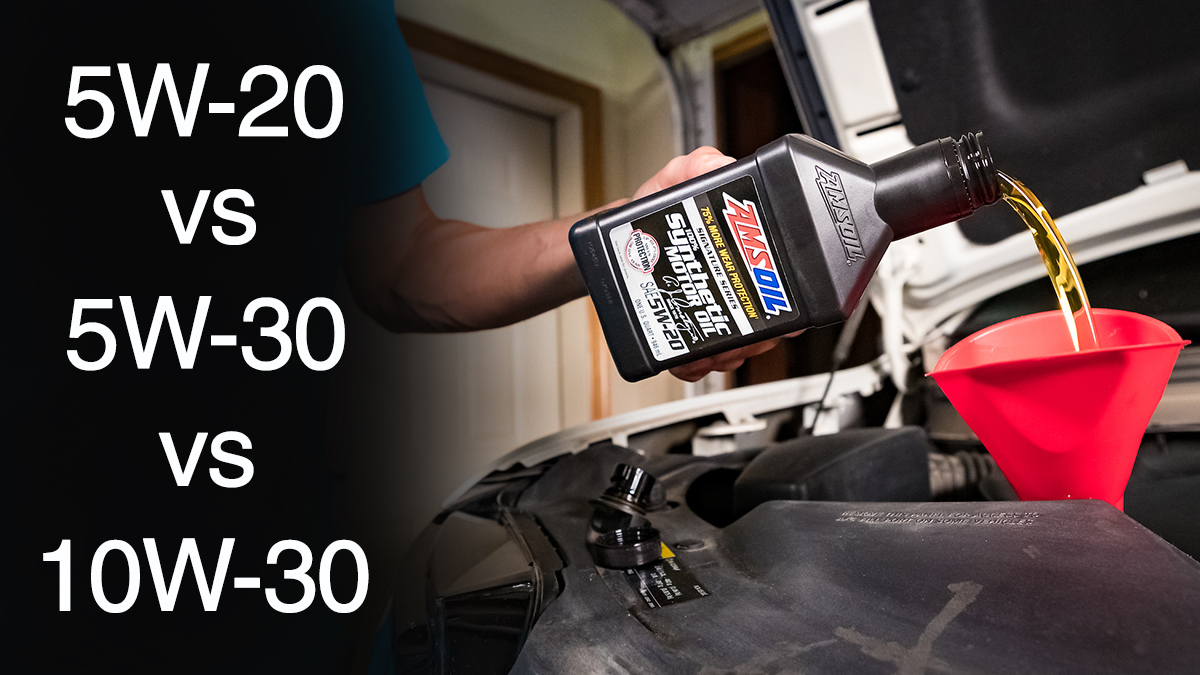
Car makers are building engines with tighter tolerances and better fuel systems. This means they need oils like 5W30. Using thicker oil can block tiny passages and lower performance. Some new cars may not even work with 10W40.
Credit: blog.amsoil.com
Oil Grades And Environmental Impact
Thinner oils reduce fuel use and emissions. Over time, this helps both your wallet and the planet. Using the wrong grade can increase pollution and shorten engine life. Always choose the oil that’s best for your car and climate.
High-performance Engines: Special Considerations
If you own a sports car or tow heavy loads, you might need 10W40 even if your manual says otherwise. The extra thickness protects parts under heavy stress. But don’t switch without talking to a mechanic.
Credit: shop.eiffellubricants.com.au
Oil Grades For Motorcycles
Motorcycles often run hotter than cars. 10W40 is the most common motorcycle oil. It protects at high temperatures and keeps the engine running smooth.
Oil Grades For Diesel Engines
Most diesel cars and trucks use 10W30 or 10W40. The thicker oil helps with the extra heat and stress. But always check your manual; some newer diesels use thinner oil.
Oil Grades For Turbocharged Engines
Turbo engines get very hot. 5W30 is used in most turbo cars because it flows fast and keeps cool. Using thick oil can cause turbo failure.
Oil Grades For Hybrid Cars
Hybrids use 5W30 almost always. They start and stop often, needing quick oil flow.

Credit: www.youtube.com
Oil Grades And Oil Change Frequency
You may wonder if oil grade affects how often you change oil. It doesn’t—use the interval your manual suggests. Synthetic oil lets you go longer between changes.
Oil Grades And Oil Filters
Thicker oils like 10W40 may need stronger filters. If your car uses thick oil, ask for a filter that handles higher pressure.
Oil Grades And Engine Leaks
If your engine leaks, switching to 10W40 can help. But it’s not a cure—see a mechanic if the leak is serious.
Oil Grades And Engine Rebuilds
After rebuilding an engine, mechanics often use 10W40 for the first few oil changes. The thicker oil helps parts settle and reduces leaks.
Oil Grades And Warranty
Using the wrong oil grade can void your warranty. Always check the manual or ask the dealer before changing grades.
Oil Grades And Diy Oil Changes
If you change your own oil, make sure to choose the right grade. Using the wrong oil can cause problems and cost more to fix.
Oil Grades And Synthetic Blends
Synthetic blends combine both oil types. You can find 5W30, 10W30, and 10W40 blends. They offer better protection than conventional oil and cost less than full synthetic.
Oil Grades And Additives
Many oils include additives to fight wear, leaks, and deposits. Choose a grade with the right additives for your engine.
Oil Grades And Engine Tuning
If you’ve tuned your engine for more power, you may need 10W40 for extra protection. But don’t switch grades without advice.
Oil Grades And Seasonal Changes
Some people switch oil grades in summer and winter. If you do this, pick 5W30 for winter and 10W40 for summer.
Oil Grades And Professional Advice
If you’re unsure, ask a mechanic or oil expert. They can help you pick the best grade for your car and driving habits.
Data Table: Oil Grade Suitability By Climate
Here’s a quick guide for choosing oil based on where you live:
| Climate | Recommended Oil | Why |
|---|---|---|
| Cold (below 32°F/0°C) | 5W30 | Flows fast at startup |
| Moderate (32–77°F/0–25°C) | 10W30 | Balanced protection |
| Hot (above 77°F/25°C) | 10W40 | Resists thinning |
Frequently Asked Questions
What Does The “w” Mean In Oil Grades?
The “W” stands for “winter.” It shows how the oil flows when your engine is cold. Lower numbers mean better flow in cold weather.
Can I Use 10w40 Instead Of 5w30?
It depends on your car’s manual and climate. Using 10W40 in a car made for 5W30 can hurt performance and may void the warranty. Only switch if your engine is old or leaks oil.
Is Synthetic Oil Better Than Conventional Oil?
Yes. Synthetic oil lasts longer, protects better, and resists breakdown. It costs more but is worth it for most drivers, especially in extreme climates.
How Often Should I Change My Oil?
Most cars need oil changes every 5,000 to 7,500 miles. If you use synthetic oil, you may go longer. Always check your manual for the best interval.
What Happens If I Use The Wrong Oil Grade?
Using the wrong oil can cause engine wear, leaks, noise, and lower fuel economy. It might even void your car’s warranty. Always use the recommended grade.
—
Making the right choice between 5W30, 10W30, and 10W40 is easier when you know what each grade means and how it affects your engine. Always check your manual, think about your climate, and consider your car’s age. If you’re unsure, don’t guess—ask a mechanic. The right oil keeps your car running smoothly and saves money on repairs. For more technical information, check official resources like Wikipedia. Choosing wisely will keep your engine safe for thousands of miles.