Can You Jump Start a Motorcycle: Quick Tips to Revive It Fast

Have you ever been ready to ride your motorcycle, only to find the battery completely dead? It’s frustrating, right?
You might wonder, “Can you jump start a motorcycle safely and quickly? ” The good news is, yes—you can! But there are important steps you need to follow to avoid damaging your bike or hurting yourself. Keep reading, and you’ll learn exactly how to bring your motorcycle back to life fast, so you’re back on the road without stress.
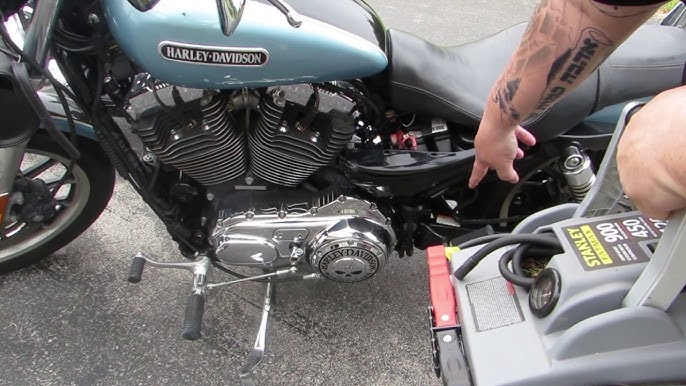
Credit: www.youtube.com
Jump Starting Basics
Jump starting a motorcycle is a useful skill every rider should know. A dead motorcycle battery can stop your ride unexpectedly. Knowing the jump starting basics helps you get back on the road quickly and safely. Using the right jump start cables for motorcycles and following proper steps ensures no damage to the motorcycle electrical system. This guide covers why jump starting is important and essential safety tips for the process.
Why Jump Start A Motorcycle
A dead motorcycle battery is the most common reason for a bike not starting. Motorcycle batteries can lose charge due to age, cold weather, or leaving lights on. Jump starting a motorcycle provides a quick way to power the battery without waiting for a full charge.
Jump starting is faster than motorcycle battery charging with a charger. It gets the starter motor running immediately. This method can save time during motorcycle troubleshooting and prevent being stranded.
Benefits of jump starting a motorcycle:
- Quick solution for dead motorcycle battery
- Allows immediate use of the motorcycle starter
- Helps diagnose motorcycle starter issues
- Useful in emergencies or roadside situations
Some motorcycles require specific jump start cables for motorcycles to avoid damage. Using the wrong cables or incorrect connection can harm the electrical system. Always check your motorcycle maintenance tips for battery and electrical care.
| Jump Starting Method | Time to Start | Risk to Motorcycle |
|---|---|---|
| Jump Start with Another Vehicle | Minutes | Moderate (if done incorrectly) |
| Using Portable Jump Starter | Minutes | Low |
| Battery Charger | Hours | Low |
Essential Safety Tips
Jump starting a motorcycle needs careful attention. Following jump starting safety tips protects you and your motorcycle. The motorcycle electrical system is sensitive, and mistakes can cause damage or injury.
Before starting, remember these safety tips:
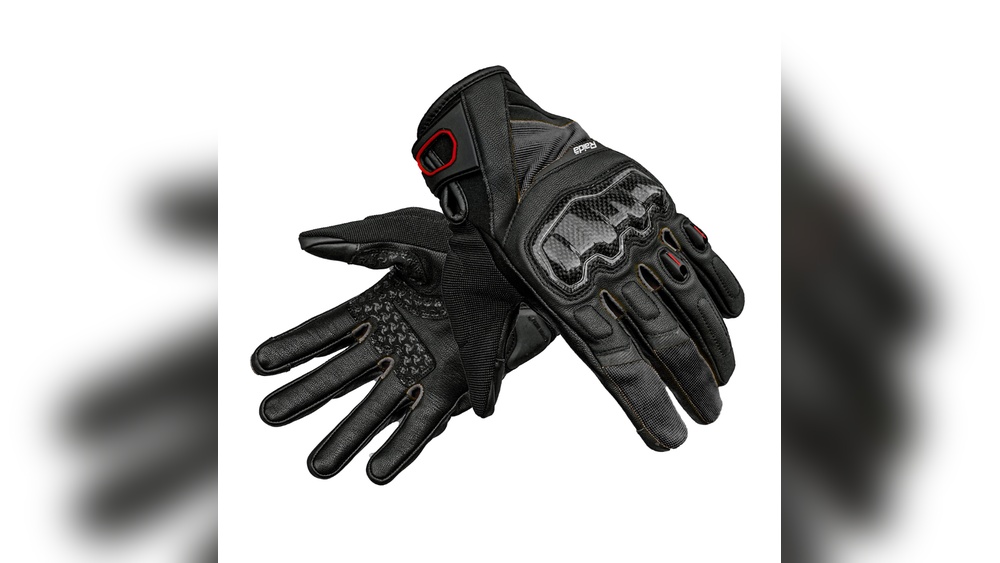
- Wear safety gear. Use gloves and eye protection.
- Check battery type. Use jump start cables for motorcycles that match your battery’s specifications.
- Turn off all electronics. Switch off lights, ignition, and accessories.
- Ensure proper cable connection. Connect positive (+) cable to positive terminals first. Then connect negative (-) cable to a metal ground on the bike.
- Avoid sparks. Do not let cables touch each other or metal parts.
- Keep batteries ventilated. Work in an open space to avoid gas buildup.
- Follow manufacturer’s instructions. Consult your motorcycle troubleshooting guide.
After jump starting, keep the motorcycle running to charge the battery. Check the battery’s health soon after. Poor battery condition may need replacement or professional service.
Using these safety tips during motorcycle battery jump start prevents accidents. It also extends battery life and maintains motorcycle electrical system health. Regular motorcycle maintenance tips include checking battery terminals for corrosion and ensuring cables are secure.
Tools Needed
Jump starting a motorcycle requires specific tools to ensure safety and success. Knowing the right tools helps you handle motorcycle starting problems quickly. The jump start procedure motorcycle needs proper equipment to avoid damage. This section covers essential tools needed for a motorcycle jump start.
Jumper Cables
Jumper cables are the most common tool for a motorcycle battery jump start. These cables connect the dead battery to a charged battery, transferring power needed to start the engine.
Choose jumper cables for motorcycle that are:
- Shorter and thinner than car cables for easier handling
- Equipped with insulated clamps to prevent sparks
- Durable with good-quality copper wiring
Using the right cables reduces risk during the jump start procedure motorcycle. Connect the cables carefully, following jump starting safety tips:
- Attach the red clamp to the positive (+) terminal of the dead battery
- Attach the other red clamp to the positive (+) terminal of the donor battery
- Attach the black clamp to the negative (-) terminal of the donor battery
- Attach the other black clamp to a metal part of the motorcycle frame away from the battery
Proper connection prevents sparks and protects the motorcycle’s electrical system. Keep jumper cables in your bike’s toolkit for emergencies.
Battery Charger
A motorcycle battery charger is a safer alternative to jumper cables. It slowly charges the battery and helps with motorcycle battery maintenance.
Types of motorcycle battery chargers:
| Charger Type | Description | Best Use |
|---|---|---|
| Trickle Charger | Charges battery slowly over hours | Battery maintenance and slow charging |
| Smart Charger | Adjusts charge automatically to prevent overcharging | Maintains battery health, best for regular use |
| Fast Charger | Charges battery quickly but may reduce battery life | Quick charge when in a hurry |
Use a charger with the right voltage for motorcycles, usually 12V. Charging the battery fully avoids repeated motorcycle starting problems. A battery charger is also useful for motorcycle battery maintenance during long storage periods.
Donor Vehicle Options
A donor vehicle for motorcycle jump start provides the power source when using jumper cables. Not all vehicles are equally suitable.
Common donor vehicle choices include:
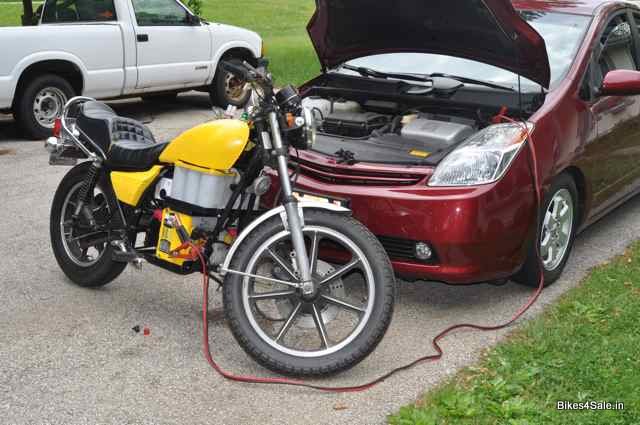
- Another motorcycle: Best match for voltage and battery size
- Car or truck: Can be used but requires extra care due to higher amperage
- Portable jump starter: A compact device made for motorcycles and cars
Using a car or truck requires following jump starting safety tips strictly. The higher current can damage motorcycle electronics.
Check the donor battery voltage before starting. Both donor and dead batteries must match in voltage, usually 12 volts. A mismatch can cause problems in the jump start procedure motorcycle.
Always turn off the donor vehicle before connecting cables. Keep the engine running on the donor vehicle during the jump start to provide steady power.
Step-by-step Jump Start Process
Jump starting a motorcycle can be a helpful skill, especially during emergencies with a motorcycle dead battery. The step-by-step jump start process involves careful preparation and safe handling of equipment. Following the correct method protects your motorcycle’s electrical system and ensures a smooth motorcycle engine starting process. This guide explains how to safely jump start bike using jumper cables and proper safety steps.
Preparing Both Vehicles
Start by positioning the motorcycle and the donor vehicle close enough for the jumper cables. Both vehicles must be turned off to avoid sparks or damage to electrical parts. Check the batteries of both vehicles for any leaks or corrosion; clean the terminals if needed.
- Place the motorcycle on a stable surface using the kickstand or center stand.
- Make sure the donor vehicle’s engine is off and keys are removed.
- Wear gloves and eye protection as part of jump start safety precautions.
- Turn off all electrical accessories on both vehicles.
Knowing the polarity of the battery terminals is important. The positive terminal is usually marked with a “+” sign or red cover, while the negative terminal has a “-” sign or black cover.
| Vehicle | Battery Status | Actions |
|---|---|---|
| Motorcycle | Dead Battery | Turn off ignition, ensure stable position |
| Donor Vehicle | Good Battery | Turn off engine, check terminals |
Connecting Jumper Cables
Use quality jumper cables for motorcycle with insulated clamps. Connect cables in the correct order to avoid electrical shorts or sparks. Follow the jump starting motorcycle steps carefully:
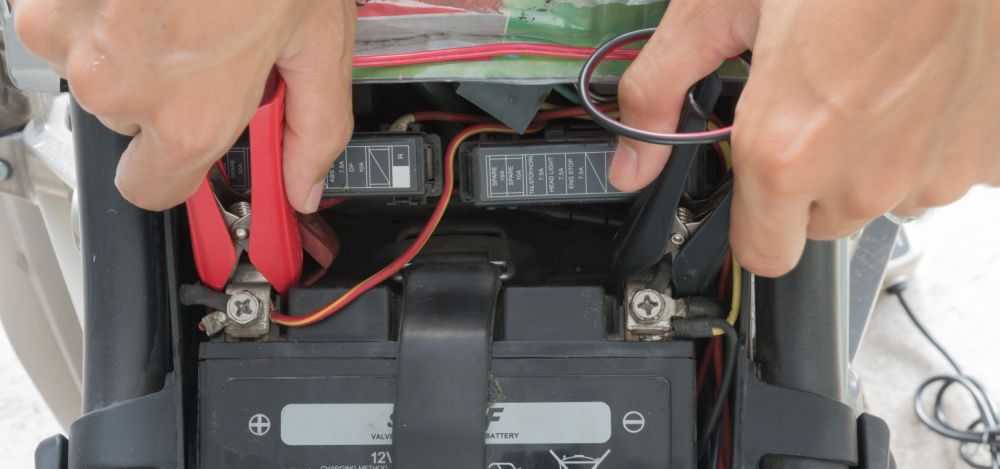
- Attach one red clamp to the positive (+) terminal of the dead motorcycle battery.
- Connect the other red clamp to the positive (+) terminal of the donor vehicle battery.
- Attach one black clamp to the negative (-) terminal of the donor vehicle battery.
- Connect the remaining black clamp to a metal, unpainted part of the motorcycle frame away from the battery.
This last connection reduces risk to the motorcycle electrical system. Avoid clamping directly to the negative terminal on the dead battery. Check all connections for tightness and no loose cables.
Keep the cables away from hot engine parts or moving components to prevent damage during the process.
Starting The Motorcycle
Once cables are connected, start the donor vehicle engine. Let it run for a few minutes to transfer charge to the motorcycle battery. This step is essential for motorcycle battery jump start success.
- After 3-5 minutes, try starting the motorcycle engine.
- If the motorcycle does not start, wait a few more minutes and try again.
- A quick start after charge transfer helps avoid deep battery drainage.
Once the motorcycle starts, keep it running to allow the alternator to charge the battery. Use these motorcycle starting tips to avoid stalling:
- Keep the throttle steady while starting.
- Do not engage the clutch unless necessary.
- Check for any unusual sounds or smells.
Let the motorcycle run for at least 15 minutes or take a short ride to recharge the battery properly.
Disconnecting Safely
After the motorcycle runs smoothly, disconnect the jumper cables in reverse order. This ensures safety and protects your motorcycle’s electrical parts during removal.
- Turn off the donor vehicle engine.
- Remove the black clamp from the motorcycle frame.
- Remove the black clamp from the donor vehicle battery.
- Remove the red clamp from the donor vehicle battery.
- Remove the red clamp from the motorcycle battery.
Handle cables carefully and avoid touching clamps together or to metal surfaces. Store jumper cables safely for future use. After disconnecting, monitor your motorcycle battery for signs of trouble.
Regular motorcycle battery maintenance improves battery life and prevents future dead battery issues. Clean terminals and check voltage regularly to keep your motorcycle ready for the road.
Credit: www.thebikeinsurer.co.uk
Common Issues And Solutions
Jump starting a motorcycle can be a quick fix to get your bike running again. But sometimes, it does not work as expected. Understanding the common issues and solutions helps you avoid frustration and damage. Problems with the battery, electrical system, or other parts can stop a successful jump start. Knowing how to spot and fix these issues can save time and money.
Battery Problems
The most common reason a motorcycle won’t start is a dead motorcycle battery. Batteries lose charge over time or due to poor maintenance. Signs of battery problems include slow engine cranking or no sound when pressing the starter.
- Old or worn-out battery: Batteries last 2-4 years. Replace if older.
- Corroded terminals: Dirt and corrosion block power flow.
- Loose or damaged connections: Prevent proper current flow.
- Battery sulfation: Lead sulfate buildup reduces battery capacity.
Regular motorcycle battery maintenance can prevent many issues. Clean terminals with a wire brush and apply protective grease. Check battery voltage with a multimeter; under 12.4 volts means low charge.
| Battery Issue | Symptoms | Solution |
|---|---|---|
| Dead Battery | Engine won’t crank | Charge or replace battery |
| Corroded Terminals | Weak connection, slow start | Clean and tighten terminals |
| Loose Cables | Intermittent starting | Secure cable connections |
Electrical System Checks
Jump starting a motorcycle depends on a healthy motorcycle charging system and wiring. Problems here can cause motorcycle ignition problems and starter failures.
Check these parts during electrical system troubleshooting:
- Fuses: Blown fuses stop power flow. Replace blown fuses immediately.
- Starter motor: If the starter does not engage, it may be faulty.
- Ignition switch: Faulty switches cause no power to the system.
- Relay and solenoid: These control power to the starter. Test with a multimeter.
Use jump start cables for motorcycles correctly. Connect positive to positive and negative to a metal ground. Poor connections or reversed cables can cause damage.
| Component | Check | Action |
|---|---|---|
| Fuses | Continuity test | Replace blown fuse |
| Starter Motor | Power and sound test | Repair or replace |
| Ignition Switch | Power flow test | Fix or change switch |
When Jump Start Fails
Sometimes, even with correct procedure, jump starting fails. Several reasons cause jump start failure causes in motorcycles. Understanding these helps avoid mistakes and keep safety.
Common causes include:
- Completely dead battery: Battery too weak to accept charge.
- Poor cable connections: Loose or corroded clamps reduce power flow.
- Wrong cable polarity: Connecting positive to negative can cause sparks or damage.
- Faulty starter or ignition system: Mechanical or electrical failure blocks starting.
Follow these jump starting motorcycle safety tips:
- Turn off both vehicles before connecting cables.
- Connect cables in this order: positive battery, positive dead battery, negative battery ground, negative dead battery ground.
- Wear safety glasses and gloves.
- Do not allow cables to touch during the process.
- Remove cables in reverse order after starting.
Check the battery and electrical system carefully if jump start fails. Professional help may be needed for motorcycle starter issues or deep electrical faults.
Preventing Future Battery Drain
Jump starting a motorcycle can get you back on the road quickly. But preventing future battery drain is key to avoid repeated problems. A dead battery often signals a need for better motorcycle battery care and maintenance. Simple steps help keep the battery strong and the motorcycle electrical system working well. Following good habits reduces motorcycle starting problems and extends battery life.
Regular Battery Maintenance
Regular maintenance is vital for a healthy motorcycle battery. Check the battery terminals for corrosion or loose connections. Clean terminals with a mixture of baking soda and water to remove buildup. Tighten any loose cables to ensure a solid connection.
- Inspect battery voltage with a multimeter every few weeks.
- Keep the battery fully charged using a trickle charger if you don’t ride often.
- Check electrolyte levels for lead-acid batteries and refill with distilled water if needed.
Here is a simple maintenance checklist:
| Task | Frequency | Tools Needed |
|---|---|---|
| Clean terminals | Monthly | Baking soda, water, brush |
| Check voltage | Every 2 weeks | Multimeter |
| Top up electrolyte | Monthly (if lead-acid) | Distilled water |
| Charge battery | As needed | Trickle charger |
Consistent care reduces the chance of battery failure. It also lowers the need for frequent jump starts. Proper maintenance supports a healthy motorcycle electrical system and reliable starts.
Proper Storage Tips
Storing your motorcycle properly prevents battery drain during long breaks. Batteries lose charge over time, especially in cold or hot weather. Remove the battery if storing for more than a month. Store it in a cool, dry place away from direct sunlight.
- Use a jump starter for motorcycles or battery tender to keep the battery charged during storage.
- Disconnect the battery cables to stop any slow power drain.
- Keep the battery clean and dry to avoid corrosion.
Use this simple storage guide:
| Storage Step | Recommended Action |
|---|---|
| Battery removal | Take out battery for long storage |
| Charge maintenance | Connect to trickle charger or jump starter |
| Location | Store in a cool, dry place |
| Connection | Disconnect cables to avoid drain |
Following motorcycle battery storage tips keeps the battery healthy. This reduces the risk of needing a motorcycle battery jump start after storage.
Upgrading Battery Options
Upgrading motorcycle batteries offers better performance and longer life. Modern batteries like AGM or lithium-ion provide stronger power and resist drain better than traditional lead-acid ones. These batteries handle repeated starts and cold weather more efficiently.
Before upgrading:
- Check the motorcycle manual for compatible battery types.
- Consider battery capacity and size for your bike.
- Invest in quality brands to ensure reliability.
Benefits of upgrading include:
- Improved starting power, reducing motorcycle starting problems.
- Longer lifespan, lowering replacement frequency.
- Lighter weight, which may improve bike handling.
- Less maintenance needed compared to old-style batteries.
Upgrading motorcycle batteries can be a smart step to avoid frequent jump starts. It supports a strong motorcycle electrical system and smoother rides. Choose the right battery to match your riding style and climate.
Credit: ricksmotorsportelectrics.com
Frequently Asked Questions
Can You Safely Jump Start A Motorcycle?
Yes, you can safely jump start a motorcycle using jumper cables and a car battery. Ensure correct cable connections and avoid sparks. Use low amperage and remove cables promptly to protect the motorcycle’s electrical system.
What Equipment Is Needed To Jump Start A Motorcycle?
You need jumper cables and a fully charged battery, usually from a car or another motorcycle. Safety gloves and eye protection are recommended. Make sure the battery voltage matches the motorcycle’s battery to prevent damage.
How To Connect Jumper Cables To A Motorcycle Battery?
Connect the red cable to the positive terminal of both batteries. Attach the black cable to the negative terminal of the donor battery and a grounded metal part on the motorcycle. Avoid direct connection to the motorcycle’s negative terminal.
Can Jump Starting Harm A Motorcycle Battery?
Improper jump starting can damage the battery or electrical system. Use correct polarity and low amperage to prevent harm. Always follow manufacturer guidelines to ensure safe jump starting and extend battery life.
Conclusion
Jump starting a motorcycle is possible with the right tools and safety steps. Always check your bike’s manual before trying. Use jumper cables carefully to avoid damage. Keep your battery charged to prevent problems. Remember, safety comes first when handling electrical parts.
Knowing how to jump start helps in emergencies. Practice caution and stay calm during the process. This simple skill can save time and stress on the road. Keep these tips in mind for a smooth ride ahead.