Ways To Clean Rusty Brake Calipers: Easy Steps for a Sparkling Fix

Rusty brake calipers can cause problems with your vehicle’s braking system and make your car look worn out. If you want your brakes to work smoothly and last longer, cleaning those rusty calipers is a must.
But how do you do it safely and effectively without spending a fortune? You’ll discover simple and practical ways to clean rusty brake calipers that anyone can follow. Keep reading, and you’ll learn the best tips to restore your brakes and boost your car’s performance.
Tools Needed
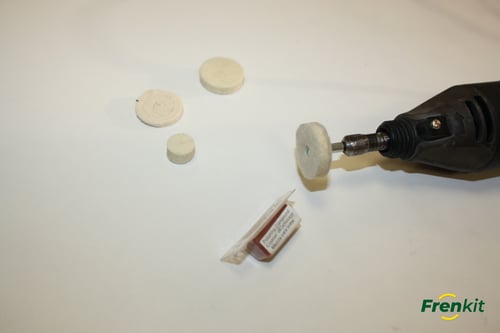
Cleaning rusty brake calipers requires the right tools and materials for effective results. Using proper equipment ensures safe and thorough brake caliper cleaning. This guide covers essential mechanical cleaning supplies, rust removal products, and necessary safety gear. Each category plays a key role in vehicle brake upkeep and brake system restoration. Prepare these tools before starting any corrosion removal methods to protect your brakes and improve performance.
Basic Cleaning Supplies
Start with basic cleaning supplies to remove dirt, dust, and loose rust. These items form the foundation of any caliper cleaning tools set. They help prepare the surface before applying rust dissolver for brakes or other chemicals.
- Wire brushes: Use various sizes for scrubbing rust and grime.
- Scrapers: Plastic or metal scrapers remove tough debris without damaging surfaces.
- Rags or microfiber cloths: For wiping and drying the calipers after cleaning.
- Brake cleaner spray: Removes brake dust and grease safely.
- Buckets and water: For rinsing parts during cleaning.
- Compressed air: Clears dust from hard-to-reach spots.
These supplies assist in thorough automotive brake maintenance and prepare the calipers for deeper rust treatment. Use gentle but effective tools to avoid damaging the brake components.
Rust Removal Products
Next, choose effective rust removal techniques to eliminate corrosion from brake calipers. Proper products speed up corrosion removal methods and protect metal surfaces.
| Product | Purpose | Notes |
|---|---|---|
| Anti-Rust Sprays | Prevents further rust formation | Apply after cleaning and drying |
| Rust Dissolver for Brakes | Breaks down rust chemically | Use as directed; wear gloves |
| Rust Converter | Converts rust into stable compound | Ideal for heavy corrosion |
| WD-40 or Penetrating Oils | Loosens rusted parts | Good for bolts and moving parts |
Use these products carefully for brake system restoration. Always follow instructions to avoid damage or safety risks. Combining chemical and mechanical methods improves the cleaning process.
Safety Gear
Protection is vital during brake caliper cleaning. Rust particles and chemicals can harm your skin and eyes. Use proper safety gear to stay safe throughout the task.
- Safety glasses or goggles: Shield eyes from debris and splashes.
- Gloves: Protect hands from chemicals and sharp rust flakes.
- Dust mask or respirator: Prevent inhaling dust and fumes.
- Long sleeves and pants: Cover skin to reduce exposure.
- Work boots: Protect feet from dropped tools or parts.
Proper safety gear ensures comfort and reduces risks during vehicle brake upkeep. Never skip protective equipment when using rust removal techniques or handling chemicals.
Credit: blog.frenkit.es
Preparation Steps
Cleaning rusty brake calipers requires careful preparation to ensure safety and effectiveness. The preparation steps focus on two main areas: removing the calipers properly and securing the workspace. Proper preparation helps prevent damage during the caliper disassembly process and improves the success of rust removal techniques. This stage also sets the foundation for applying corrosion treatment and other automotive cleaning methods needed in brake system restoration. Taking time to prepare correctly leads to better results in mechanical parts cleaning and overall brake caliper maintenance.
Removing The Calipers
Start by safely detaching the brake calipers from the vehicle. This step is vital for effective cleaning and rust treatment. Begin with these actions:
- Lift the car using a jack and secure it with jack stands to avoid accidents.
- Remove the wheel to access the brake caliper easily.
- Locate the bolts holding the caliper in place; these are usually on the backside.
- Use the correct socket wrench size to loosen and remove the bolts carefully.
- Gently slide the caliper off the brake rotor.
During the caliper disassembly process, avoid pulling on brake lines. Brake lines connect to the caliper and contain brake fluid. Damaging them can cause leaks and require additional repairs. Instead, support the caliper using a hook or wire to hang it securely without strain.
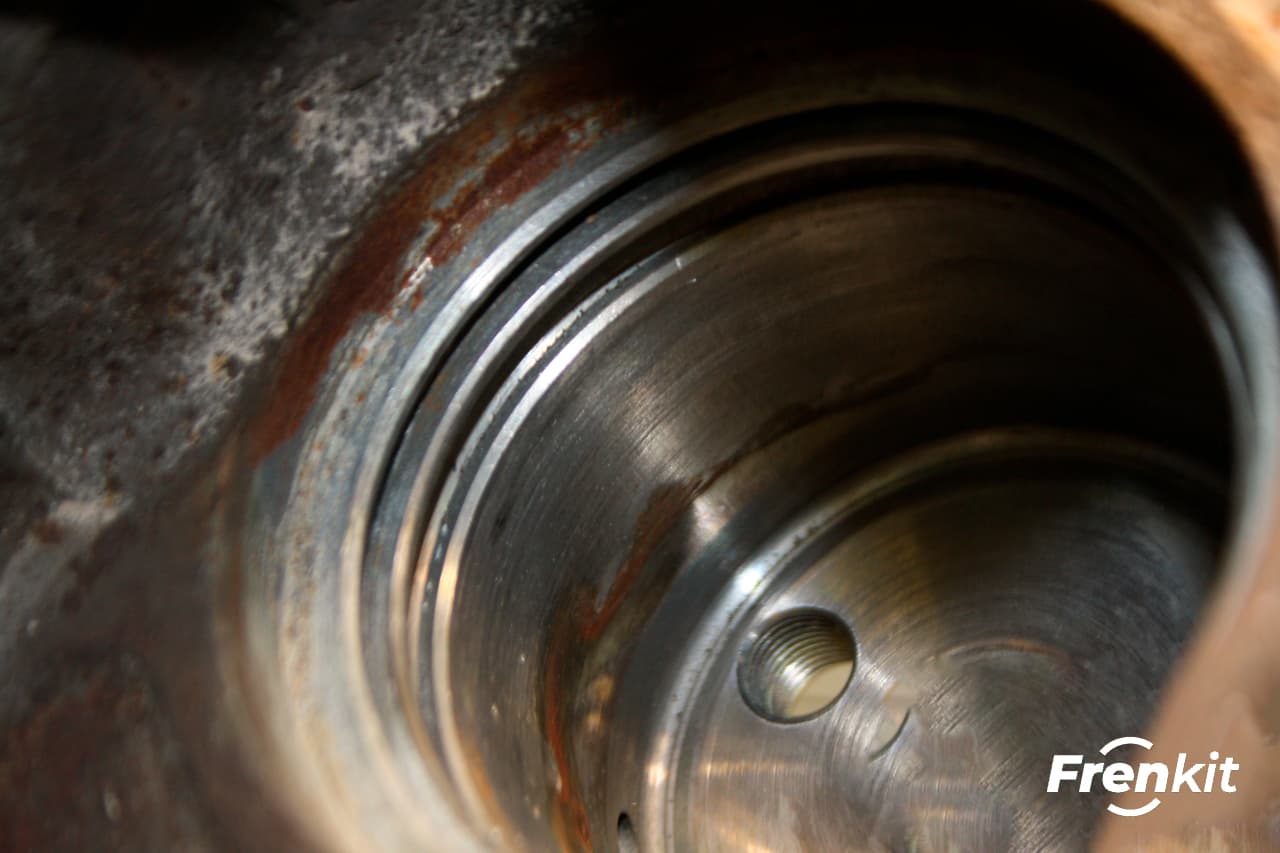
After removal, inspect the caliper for heavy rust or damage. Use rust dissolving agents to soften corrosion before thorough cleaning. Some rust may need light sanding or wire brushing as part of rust removal techniques. Proper removal allows access to all parts of the caliper for mechanical parts cleaning and effective corrosion treatment.
| Step | Tool Needed | Purpose |
|---|---|---|
| Lift Vehicle | Hydraulic Jack and Jack Stands | Secure car for safe caliper removal |
| Remove Wheel | Lug Wrench | Access brake caliper |
| Unscrew Caliper Bolts | Socket Wrench | Detach caliper from rotor |
| Support Caliper | Wire or Hook | Prevent brake line damage |
Securing The Workspace
A clean and organized workspace is essential for diy brake repair and effective brake caliper maintenance. It reduces risks and helps keep tools and parts in order during automotive cleaning methods.
Follow these workspace safety measures before starting:
- Clear the area of clutter and unnecessary items to avoid tripping or losing small parts.
- Use protective gear: gloves, eye protection, and a mask to guard against dust, rust particles, and chemicals from rust dissolving agents.
- Work on a flat, stable surface to keep the caliper steady during cleaning and disassembly.
- Keep containers ready for holding bolts, screws, and small components to prevent loss.
- Ensure good ventilation especially when using chemical cleaners for corrosion treatment.
Organizing tools and parts systematically improves workflow. Use labeled trays or magnetic mats to sort bolts and springs. This approach saves time and avoids mistakes during reassembly after cleaning.
Workspace safety and preparation also protect other vehicle parts from accidental damage during the cleaning process. A well-prepared environment supports effective mechanical parts cleaning and ensures the success of brake system restoration.
Manual Cleaning Methods
Cleaning rusty brake calipers is an important part of automotive brake care. Rust can reduce the efficiency of your brakes and cause damage over time. Manual cleaning methods offer a simple and cost-effective way to remove corrosion and restore brake calipers. These methods focus on surface preparation for brakes using basic tools and materials found at home or in a workshop. Manual cleaning helps with rust removal by physically scrubbing and smoothing the caliper surface. It is also a key step in brake caliper maintenance and caliper restoration tips. Below are two effective manual rust treatment techniques for brake system cleaning and diy brake caliper cleaning.
Wire Brushing
Wire brushing is a common rust removal method for brake calipers. It uses a stiff wire brush to scrape away rust and dirt from the metal surface. This technique is excellent for removing loose corrosion and preparing the caliper for further cleaning or painting.
Steps for Wire Brushing:
- Wear gloves and safety glasses to protect yourself from rust particles.
- Secure the brake caliper on a stable surface.
- Use a wire brush with stiff bristles suitable for metal.
- Brush the caliper in firm, circular motions.
- Focus on rusty areas but cover the entire surface evenly.
- Remove all loose rust and dirt.
- Wipe the caliper with a clean cloth to remove debris.
Wire brushing is useful for quick corrosion removal and surface preparation for brakes. It is a low-cost method that requires minimal tools and is easy to perform. The process also improves paint adhesion if you plan to repaint the caliper after cleaning.
| Advantages | Disadvantages |
|---|---|
| Effective at removing loose rust | Can scratch or damage soft surfaces |
| Improves paint adhesion | Labor-intensive for heavy rust |
| Low cost and simple tools needed | May not remove deep rust pits |
Sandpaper Use
Sandpaper is another practical rust treatment technique for brake caliper maintenance. It smooths the surface by sanding down rust spots and rough areas. This method is effective for removing stubborn rust and preparing the caliper for a clean finish.
How to Use Sandpaper for Rust Removal:
- Start with coarse grit sandpaper (80-120 grit) to remove heavy rust.
- Sand the caliper evenly using back-and-forth strokes.
- Move to medium grit (180-220 grit) for surface smoothing.
- Finish with fine grit (320-400 grit) to polish the surface.
- Clean the caliper with a damp cloth to remove dust.
Using sandpaper helps with surface preparation for brakes by creating a clean, smooth surface. It enhances corrosion removal and supports diy brake caliper cleaning efforts. Sandpaper is flexible and can reach tight areas that brushes may miss.
| Sandpaper Grit | Purpose |
|---|---|
| 80-120 (Coarse) | Remove heavy rust and rough surface |
| 180-220 (Medium) | Smooth the surface |
| 320-400 (Fine) | Polish and prepare for painting |
Important Tips:
- Use gentle pressure to avoid damaging the caliper.
- Wear a mask to prevent inhaling rust dust.
- Follow up with brake system cleaning to remove residue.
- Inspect the caliper for deep rust pits after sanding.
Chemical Rust Removal
Cleaning rusty brake calipers is key to maintaining vehicle safety and performance. Chemical rust removal offers effective ways to restore caliper surfaces. This method uses specific rust removal chemicals to break down corrosion fast. It suits those who want quick, deep cleaning without harsh scrubbing. Chemical rust removal fits well in a list of brake caliper cleaning methods, giving clear results with less effort. The focus is on choosing the right product or homemade solution for corrosion removal. These solutions help remove rust while protecting metal parts from damage. Proper chemical use supports long-lasting automotive rust treatment and keeps brakes in top shape.
Using Rust Removers
Rust removers are ready-made products designed to dissolve rust on brake calipers quickly. They contain strong agents that attack corrosion without harming metal. Using rust removers ensures thorough caliper surface restoration with minimal physical effort. Many rust removal chemicals come in liquid, gel, or spray forms. Applying these is simple and effective for brake maintenance tips focused on corrosion removal solutions.
- Step 1: Clean the caliper surface from dirt and grease.
- Step 2: Apply the rust remover evenly over the rusty areas.
- Step 3: Let it sit for the recommended time to dissolve rust.
- Step 4: Wipe off the residue and rinse with water.
Some common rust removers for brakes include:
| Product Name | Type | Features |
|---|---|---|
| Evapo-Rust | Liquid | Non-toxic, reusable, effective on heavy rust |
| WD-40 Specialist Rust Remover | Gel | Clings to surfaces, easy application |
| Loctite Naval Jelly | Gel | Strong acid-based, fast action |
Using rust removers fits well in rust removal techniques for brake calipers. They deliver reliable results in automotive rust treatment. Always wear gloves and work in a ventilated area to stay safe.
Homemade Solutions
Homemade rust removers offer a simple way to clean brake calipers without buying chemicals. These DIY brake caliper cleaning methods use common household items with rust dissolving properties. Homemade solutions are budget-friendly and eco-safe, ideal for light to moderate rust.
Some effective homemade rust removal techniques include:
- White Vinegar: Soak a cloth or brush in vinegar and apply to rusty spots. Let it sit for 30 minutes to an hour, then scrub gently with a brush.
- Baking Soda Paste: Mix baking soda with water to form a thick paste. Spread on rusted areas and scrub after 15 minutes.
- Lemon Juice and Salt: Sprinkle salt on rust, then squeeze lemon juice over it. Wait 2 hours before scrubbing.
These homemade rust removers work as corrosion removal solutions by breaking down rust naturally. They are mild but effective for caliper surface restoration in brake maintenance tips. Using them regularly can keep rust at bay without harsh chemicals.
Here is a comparison table of homemade rust removers:
| Solution | Ingredients | Application Time | Effectiveness |
|---|---|---|---|
| White Vinegar | Vinegar (Acetic Acid) | 30-60 minutes | Good for light rust |
| Baking Soda Paste | Baking Soda + Water | 15 minutes | Moderate rust removal |
| Lemon Juice & Salt | Lemon Juice + Salt | 2 hours | Effective on surface rust |
These DIY methods add variety to rust removal techniques and keep brake calipers clean without toxic chemicals. They support ongoing brake maintenance tips for lasting performance.
Electrolytic Rust Removal
Electrolytic rust removal is a safe and effective method to clean rusty brake calipers. It uses electricity and a special solution to remove rust without harsh chemicals. This technique fits well into rust cleaning techniques and caliper corrosion treatment. It helps in automotive brake cleaning and brake component restoration by restoring metal surfaces gently.
What Is Electrolytic Rust Removal?
Electrolytic rust removal uses an electric current to break down rust on metal parts. The rusty caliper is placed in a solution, usually water mixed with washing soda. A low-voltage power source passes current through the solution. This causes rust to detach from the metal surface.
This method offers caliper surface cleaning with less damage compared to sanding or chemical treatments. It is an excellent diy brake caliper cleaning option for those caring about brake system care.
Materials Needed For Electrolytic Rust Removal
| Item | Purpose |
|---|---|
| Plastic container | Holds the cleaning solution and caliper |
| Washing soda (sodium carbonate) | Creates electrolyte solution for rust removal |
| Battery charger or DC power supply | Provides electric current |
| Steel or iron anode | Completes the electric circuit |
| Wire or clips | Connects caliper and anode to power supply |
Step-by-step Electrolytic Rust Removal Process
- Prepare the solution: Mix 1 tablespoon of washing soda per liter of water in the plastic container.
- Attach wires: Connect the negative terminal to the brake caliper and the positive terminal to the steel anode.
- Submerge parts: Place both the caliper and anode in the solution, ensuring they do not touch.
- Turn on power: Switch on the battery charger or power supply at low voltage.
- Wait and observe: Let the process run for 1 to 3 hours. Bubbles and sludge show rust removal.
- Clean and dry: Remove the caliper, rinse with water, and dry thoroughly.
Benefits Of Electrolytic Rust Removal For Brake Calipers
- Gentle on metal: Does not damage caliper surfaces like sanding.
- Environmentally friendly: Uses safe chemicals and water.
- Effective rust removal: Removes rust from hard-to-reach areas.
- Cost-efficient: Uses simple materials and low power.
- Prepares calipers for painting: Leaves a clean surface for better paint adhesion.
Tips For Rust Prevention For Brakes After Cleaning
- Apply high-temperature brake paint or rust inhibitor on cleaned calipers.
- Regularly inspect brake components for early signs of corrosion.
- Keep brake parts dry and clean to avoid moisture buildup.
- Perform brake caliper maintenance at regular intervals.
- Use quality brake fluids and avoid brake system leaks.
Credit: blog.frenkit.es
Preventing Future Rust
Preventing future rust on brake calipers is a crucial step after completing any Brake Caliper Cleaning Methods. Rust weakens the metal and can cause damage to the brake system, reducing safety and performance. Taking simple actions can extend the life of your brake parts and keep your vehicle running smoothly. Rust Prevention For Brake Parts involves careful protection and regular care. This section covers effective ways to protect your calipers from rust after cleaning, focusing on applying protective coatings and maintaining the brake system properly.
Applying Protective Coatings
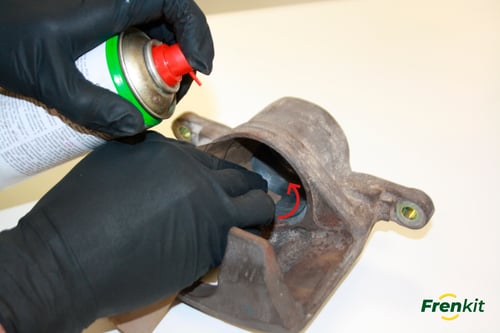
Using protective coatings is one of the best ways to guard brake calipers against rust. After Rust Removal Techniques and thorough Cleaning Brake Components, a layer of protection slows down oxidation and corrosion. Many products are designed specifically for this purpose, often called Anti-Rust Coatings. These coatings create a barrier between metal and moisture, road salt, or dirt.
Here are common types of protective coatings:
- High-temperature paint: Designed to resist heat and corrosion.
- Rust-inhibiting sprays: Easy to apply and protect against moisture.
- Wax-based sealants: Provide a water-resistant layer.
- Specialized caliper coatings: Made for automotive brake maintenance.
Applying these coatings follows simple steps:
- Clean the caliper fully using Diy Brake Caliper Cleaning methods.
- Dry the caliper completely to avoid trapping moisture.
- Apply the coating evenly with a brush or spray.
- Allow the coating to dry as per product instructions.
Below is a quick guide to compare coating types:
| Coating Type | Heat Resistance | Ease of Application | Durability |
|---|---|---|---|
| High-temperature paint | Excellent | Moderate | High |
| Rust-inhibiting spray | Good | Easy | Medium |
| Wax-based sealant | Fair | Easy | Low |
| Specialized caliper coating | Excellent | Moderate | High |
Choosing the right coating depends on your needs and how often you perform Automotive Brake Maintenance. Protective coatings reduce the need for frequent rust removal and keep calipers in better shape.
Regular Maintenance Tips
Routine care is key to lasting rust protection. Regular Brake System Care helps spot early signs of rust and prevents buildup. You can keep your calipers clean and rust-free with simple habits.
Follow these Caliper Maintenance Tips:
- Inspect brake calipers every few months for rust or damage.
- Clean calipers during tire changes using mild soap and water.
- Remove brake dust and dirt using a soft brush or cloth.
- Dry parts thoroughly after cleaning to stop moisture buildup.
- Apply a light layer of Anti-Rust Coatings after cleaning.
- Check brake fluid and components regularly as part of brake system care.
Keeping a maintenance schedule helps prevent rust from returning. Here is a simple maintenance checklist:
| Task | Frequency | Tools/Products |
|---|---|---|
| Visual caliper inspection | Every 3 months | Flashlight, mirror |
| Cleaning brake components | Every 6 months | Mild soap, brush, water |
| Apply protective coating | Every 6-12 months | Anti-rust spray or paint |
| Brake fluid check | Every 12 months | Brake fluid tester |
Regular upkeep supports the effectiveness of Rust Removal Techniques and makes future cleaning easier. Consistent care saves money and keeps brakes safe.
Credit: blog.frenkit.es
FAQs For Ways To Clean Rusty Brake Calipers
How Do I Remove Rust From Brake Calipers Safely?
Use a wire brush or sandpaper to scrub off rust gently. Apply a rust remover or vinegar for stubborn spots. Wear gloves and eye protection for safety. Rinse and dry the calipers completely before reassembling.
What Tools Are Needed To Clean Rusty Brake Calipers?
You need a wire brush, sandpaper, rust remover, gloves, and safety goggles. Optional tools include a drill with a wire brush attachment. Clean workspace and brake cleaner spray also help ensure thorough cleaning.
Can I Use Household Items To Clean Rusty Brake Calipers?
Yes, white vinegar or baking soda can remove rust effectively. Soak calipers in vinegar or apply a baking soda paste. Scrub with a brush and rinse well. These methods are cost-effective and environmentally friendly.
How Often Should Brake Calipers Be Cleaned To Prevent Rust?
Clean brake calipers every 6 to 12 months to prevent rust build-up. Regular inspections and cleaning extend caliper life and maintain braking efficiency. Frequency depends on driving conditions and climate.
Conclusion
Cleaning rusty brake calipers protects your vehicle’s safety and performance. Use the right tools and cleaners for best results. Regular maintenance stops rust from spreading fast. A clean caliper helps brakes work smoothly and lasts longer. Take your time and follow each step carefully.
Rust won’t disappear on its own. Keep your brakes in good shape to drive safely every day. Simple care makes a big difference. Try these cleaning tips to keep your calipers rust-free. Your car will thank you with better braking power.