Do Any Motorcycles Have Automatic Transmissions? Discover Now!

Are you curious if motorcycles can be as easy to ride as a car? Maybe you’ve heard about automatic transmissions in cars but wonder if the same exists for motorcycles.
If shifting gears feels confusing or intimidating to you, knowing whether motorcycles come with automatic transmissions could change everything. You’ll discover which motorcycles offer automatic gearboxes and how they can make your ride smoother and more enjoyable. Keep reading—you might find the perfect bike that fits your style and skill level without the hassle of manual shifting.
Credit: www.mcrider.com
Types Of Motorcycle Transmissions
Motorcycle transmissions play a crucial role in how a bike performs and feels on the road. Understanding the different Motorcycle Transmission Types helps riders choose the best fit for their style and needs. From classic manual setups to newer automatic systems, each type offers unique advantages. This section explores the main types of transmissions found in motorcycles, including manual, automatic, and semi-automatic options.
Manual Transmissions
Manual transmissions are the most common type found in motorcycles worldwide. They require the rider to use a Manual Motorcycle Clutch and foot-operated shift lever to change gears. This setup gives the rider full control over power delivery and acceleration.
Key features of manual transmissions include:
- Direct rider control of gear changes.
- Multiple gear ratios, often between 5 to 6 speeds.
- Typically lighter and simpler mechanically.
- Requires practice to master smooth shifting.
The table below summarizes common aspects of manual motorcycle transmissions:
| Feature | Description |
|---|---|
| Clutch Operation | Manual use of clutch lever for gear changes |
| Gear Control | Rider selects gears using foot lever |
| Gear Ratios | Fixed gears, often 5 or 6 speeds |
| Transmission Technology In Motorcycles | Traditional and widely used in sport and cruiser bikes |
Manual transmissions provide a direct connection between the rider and the bike. This connection is preferred by many for its engagement and performance benefits.
Automatic Transmissions
Automatic transmissions remove the need for manual clutch control and gear shifting. These systems handle gear changes automatically, making riding simpler, especially in stop-and-go traffic. Automatic Scooters commonly use these transmissions.
There are several types of automatic transmissions in motorcycles:
- CVT Motorcycles: Use a continuously variable transmission for smooth, seamless acceleration.
- Dual-Clutch Motorcycle Systems: Use two clutches to switch gears quickly without interrupting power flow.
Automatic transmissions offer these advantages:
- No clutch lever needed.
- Easier for beginners to learn.
- Consistent gear changes optimized by the system.
Below is a quick comparison of automatic transmission types:
| Type | How It Works | Common Use |
|---|---|---|
| CVT (Continuously Variable Transmission) | Uses belts and pulleys for smooth ratio changes | Automatic scooters, some small motorcycles |
| Dual-Clutch Systems | Two clutches alternate for quick gear shifts | Sport and touring motorcycles |
Automatic motorcycle gearboxes reduce rider workload. This allows focus on traffic and road conditions, improving safety for some riders.
Semi-automatic Options
Semi-automatic motorcycle transmissions blend manual and automatic features. They usually do not require a clutch lever but still let riders shift gears manually. This type is known as Semi-Automatic Motorcycle Transmission.
How semi-automatic systems work:
- Rider shifts gears using a foot lever.
- Clutch engagement and disengagement happen automatically.
- Provides a balance of control and ease.
Benefits of semi-automatic transmissions include:
- Simpler than full manual systems.
- More rider control than full automatic.
- Good for beginners wanting some manual experience.
- Often found in smaller or commuter motorcycles.
Semi-automatic transmissions often use advanced Motorcycle Gear Ratios and unique shifting mechanisms. These systems improve ride comfort and reduce fatigue. Riders enjoy easier starts and stops without losing gear control.
Credit: www.motorcyclistonline.com
Popular Automatic Motorcycles
Many riders wonder, do any motorcycles have automatic transmissions? The answer is yes. Automatic gear shifting bikes have grown popular due to ease of use and smooth riding experience. This section highlights some popular automatic motorcycles you can find today. From scooters with CVT to advanced dual-clutch transmission motorcycles and electric motorcycles automatic models, these types cover different needs and styles.
Scooters With Cvt
Scooters with CVT (Continuously Variable Transmission) are among the most common automatic motorcycles available. CVT allows smooth acceleration without the need for manual gear changes. This makes riding simpler, especially in city traffic.
Key features of CVT scooters include:
- Automatic gear shifting for easy control
- Fuel-efficient engines
- Lightweight and compact design
- Low maintenance clutch system
Popular scooters with CVT include:
| Model | Engine Size | Transmission Type | Ideal Use |
|---|---|---|---|
| Honda PCX 150 | 150cc | CVT | City commuting |
| Yamaha NMAX | 155cc | CVT | Urban riding |
| Vespa Primavera 150 | 150cc | CVT | Stylish short rides |
These scooters use automatic motorcycle transmissions to give a smooth, easy ride. The motorcycle clutch systems in CVT scooters eliminate the need to shift gears manually. This makes them ideal for beginners and casual riders.
Dual-clutch Transmission Bikes
Dual-Clutch Transmission motorcycles offer a blend of performance and convenience. These bikes use two clutches to shift gears quickly without losing power. This type of motorcycle transmission is popular in sport and touring motorcycles.
Advantages of dual-clutch transmission motorcycles include:
- Fast and smooth gear changes
- Improved fuel efficiency
- Less rider fatigue on long rides
- Better control during acceleration
Examples of popular automatic Vs manual motorcycles with dual-clutch transmission:
| Model | Engine Size | Transmission Type | Type |
|---|---|---|---|
| Honda NC750X DCT | 745cc | Dual-Clutch | Adventure/Touring |
| KTM 1290 Super Duke GT | 1301cc | Dual-Clutch | Sport/Touring |
| Yamaha FJR1300AE | 1298cc | Dual-Clutch | Sport Touring |
These motorcycles use advanced motorcycle clutch systems to offer seamless power delivery. Riders enjoy the benefits of automatic motorcycle transmissions without losing control or performance.
Electric Motorcycles
Electric motorcycles automatic models often have no traditional gears. Instead, they use electric bike transmissions that deliver power smoothly and instantly. This simplicity is a big advantage for new riders and city commuters.
Benefits of electric motorcycles automatic include:
- Zero manual gear shifting
- Quiet operation
- Instant torque and smooth acceleration
- Less maintenance compared to combustion bikes
Popular electric motorcycles with automatic transmissions:
| Model | Range | Top Speed | Transmission Type |
|---|---|---|---|
| Zero SR/F | 161 miles | 124 mph | Single-speed |
| Energica Ego | 112 miles | 150 mph | Single-speed |
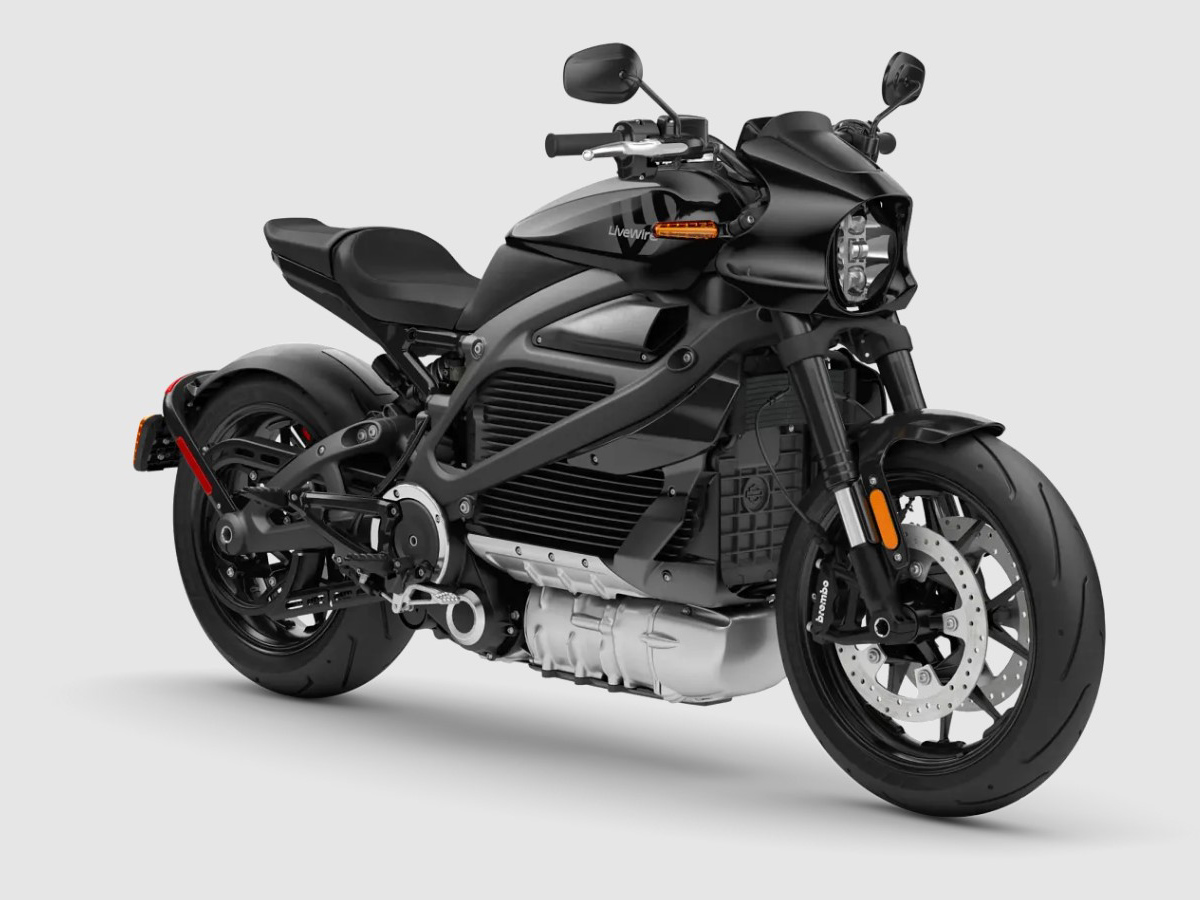
| Harley-Davidson LiveWire | 146 miles | 110 mph | Single-speed |
Most electric motorcycles use a simple motorcycle transmission type without gears or clutches. This makes them true automatic gear shifting bikes. Riders can focus on the ride without worrying about shifting.
Benefits Of Automatic Transmissions
Many riders wonder, do any motorcycles have automatic transmissions? The answer is yes. Automatic motorcycles, including scooters and some larger bikes, use systems that do not require manual clutch use or gear shifting. These clutchless motorcycles offer several benefits that make riding easier and safer for many people. Understanding the benefits of automatic transmissions helps explain why these motorcycles are becoming popular, especially for beginners and city riders.
Ease Of Use
Automatic transmission bikes simplify the riding experience by removing the need for manual gear changes. Riders do not have to worry about clutch control or shifting gears, which can be difficult for new riders. This ease of riding motorcycles allows beginners to focus on balance, braking, and steering.
Key points about ease of use:
- No clutch lever to manage
- Automatic gear shifting
- Smoother acceleration without interruptions
- Less chance of stalling the engine
Here is a simple comparison of motorcycle transmission types:
| Transmission Type | Clutch Use | Gear Shifting | Beginner Friendly |
|---|---|---|---|
| Manual | Yes | Manual | No |
| Automatic | No | Automatic | Yes |
| Semi-Automatic | No | Manual | Moderate |
Overall, automatic motorcycles reduce the learning curve and make riding less stressful. This helps riders enjoy the journey more and focus on safety and comfort.
Reduced Rider Fatigue
Rider fatigue reduction is a key benefit of automatic transmissions. Constant clutch use and frequent gear changes can tire riders, especially in stop-and-go traffic. Clutchless motorcycles remove this physical demand.
Why automatic transmissions help reduce fatigue:
- No clutch lever squeezing, which reduces hand and wrist strain
- Smoother gear changes reduce jerks and sudden movements
- Less mental effort in traffic, as gear shifting is automatic
- Allows riders to focus on road and riding posture
For long rides or city commuting, automatic transmission bikes help keep the rider fresh and alert. This is especially helpful for older riders or those with limited hand strength.
Riders report feeling less tired after a day on an automatic motorcycle compared to a manual one. The energy saved by not shifting gears can improve overall riding enjoyment.
Improved Safety
Automatic motorcycles offer several safety features motorcycles can benefit from. Without the need for manual motorcycle gear shifting, riders can keep both hands on the handlebars more often. This allows quicker reaction times in emergencies.
Safety advantages include:
- Less chance of stalling at traffic lights, reducing rear-end collision risk
- Smoother acceleration and deceleration, improving control
- Focus on road conditions instead of clutch and gear changes
- Beginner friendly motorcycles reduce crashes caused by improper gear use
Scooter automatic transmission systems also often include features like engine braking and smooth power delivery, which add to rider confidence. These safety improvements make automatic motorcycles a practical choice in busy urban areas.
In summary, automatic motorcycles can help riders stay safe by simplifying controls and improving focus on the road.
Drawbacks Of Automatic Motorcycles
Many riders wonder, do any motorcycles have automatic transmissions? The answer is yes. There are motorcycles with CVT transmission and scooters with automatic transmission available. These bikes offer an ease of riding automatic motorcycles that appeals to beginners and city riders. However, the pros and cons of automatic motorcycles show some drawbacks worth knowing. Understanding the automatic vs manual motorcycle transmission differences helps riders choose what fits best. Below are key drawbacks of automatic motorcycles that affect control, price, and availability.
Less Control
One major drawback of automatic motorcycles is less control over the bike compared to manual transmission models. Manual bikes allow riders to shift gears precisely, matching speed and power needs. Automatic motorcycles use systems like CVT, which change gears based on engine speed and throttle, but without rider input.
This can lead to:
- Delayed response in gear changes during tight maneuvers
- Reduced engine braking ability when slowing down
- Less control on steep hills or slippery surfaces
For experienced riders, this lack of control can feel limiting. The table below compares control aspects between automatic and manual motorcycles:
| Control Aspect | Automatic Transmission | Manual Transmission |
|---|---|---|
| Gear Shifting | Automatic, no manual input | Manual, rider-controlled |
| Engine Braking | Limited | Full control |
| Response Time | Slower in some cases | Faster and precise |
Riders who want full control over speed and power may find automatic motorcycles less satisfying.
Higher Cost
The cost of automatic motorcycles is often higher than manual ones. This comes from more complex motorcycle transmission technology used in automatic models. Systems like CVT or dual-clutch transmissions require advanced engineering and parts.
Here are reasons for higher prices:
- More components and sensors increase production costs
- Advanced technology means higher maintenance expenses
- Lower production volume raises price due to limited economies of scale
Here is a simple cost comparison:
| Motorcycle Type | Average Price Range | Maintenance Cost |
|---|---|---|
| Manual Transmission Motorcycle | $5,000 – $15,000 | Moderate |
| Automatic Transmission Motorcycle | $7,000 – $18,000 | Higher |
Higher initial cost and maintenance can discourage budget-conscious riders from choosing automatic motorcycles.
Limited Availability
The availability of automatic motorcycles remains limited compared to manual bikes. Most manufacturers focus on manual transmissions due to rider demand and traditional market preferences.
Key points about availability:
- Few models offer full automatic or CVT transmissions
- Scooters dominate the automatic transmission market, but motorcycles with CVT transmission are rare
- Limited choices in style, power, and brand
Table of common motorcycle transmission types and their availability:
| Transmission Type | Common Usage | Availability in Motorcycles |
|---|---|---|
| Manual | Most motorcycles | High |
| CVT (Continuously Variable Transmission) | Scooters, some motorcycles | Limited |
| Dual-Clutch Transmission | High-end motorcycles | Very limited |
The limited model range can make finding an automatic motorcycle difficult, especially for specific needs.
Choosing Between Manual And Automatic
Choosing between manual and automatic transmissions is a key decision for motorcycle riders. Both types offer unique benefits and challenges. Understanding these differences helps select the right bike for comfort and control. Ease of motorcycle riding depends greatly on the transmission style. Automatic motorcycles simplify gear shifting, making rides smoother for some. Manual motorcycles provide more control but require more skill. Scooter transmission types often lean toward automatic for convenience. This section breaks down important factors for choosing between automatic vs manual motorcycles.
Riding Experience
The riding experience varies widely between automatic and manual motorcycles. Automatic motorcycles deliver a smooth, seamless ride by removing the need for manual gear shifting. This lets riders focus more on the road and less on clutch control. Many riders find this easier, especially in stop-and-go traffic.
Manual motorcycles offer a more engaged experience. Riders must learn motorcycle gear shifting techniques, which can be challenging but rewarding. This type allows better control over the bike’s power and speed. Enthusiasts often prefer manual transmissions for a more connected feel.
- Automatic motorcycles: Simplify riding, reduce fatigue, ideal for casual rides.
- Manual motorcycles: Require skill, offer precise control, favored by experienced riders.
| Aspect | Automatic Motorcycles | Manual Motorcycles |
|---|---|---|
| Ease of Use | High – No clutch or gear shifting needed | Moderate to Low – Requires clutch control and shifting |
| Control Over Bike | Moderate – Limited manual control | High – Full control over gears and power |
| Riding Focus | More on road and traffic | More on bike mechanics and shifting |
Skill Level
Skill level plays a big role in choosing motorcycle transmissions. Beginner motorcycle options often include automatic or semi-automatic bikes. These reduce the learning curve by eliminating clutch use. New riders can build confidence more quickly with ease of motorcycle riding.
Manual motorcycles require understanding clutch use and precise gear shifting. Developing motorcycle riding skills takes time and practice. Riders must coordinate hand and foot movements to shift gears smoothly. This can be frustrating for beginners but rewarding over time.
- Beginners: Automatic motorcycles offer simple controls and less stress.
- Intermediate Riders: May prefer semi-automatic or manual to improve skills.
- Experienced Riders: Often choose manual transmissions for full control.
Choosing the right motorcycle transmission technology depends on willingness to learn and riding goals. Automatic motorcycles help new riders focus on balance and traffic awareness first.
Riding Environment
The riding environment affects the best transmission choice. Urban riding motorcycles benefit greatly from automatic transmissions. Stop-and-go traffic makes constant gear shifting tiring and complicated. Automatic motorcycles handle these situations smoothly.
Manual motorcycles excel in open roads and off-road where precise gear control is needed. Riders can select gears to match terrain and speed. This enhances performance and safety in varied environments.
- City Riding: Automatic transmission reduces clutch wear and stress.
- Highway Riding: Manual transmission allows efficient power management.
- Off-Road: Manual gear shifting offers better control on rough surfaces.
| Environment | Recommended Transmission | Reason |
|---|---|---|
| Urban Traffic | Automatic | Less shifting in stop-and-go conditions |
| Open Roads | Manual | Greater control at varying speeds |
| Off-Road | Manual | Precision gear selection for terrain |

Credit: www.vikingbags.com
Frequently Asked Questions
Do Motorcycles Come With Automatic Transmissions?
Yes, some motorcycles have automatic transmissions. These include models with CVT (Continuously Variable Transmission) or dual-clutch systems. They offer easier riding, especially for beginners or city commuting. Popular brands like Honda and Yamaha offer automatic motorcycles.
What Are The Benefits Of Automatic Motorcycles?
Automatic motorcycles simplify gear changes, reducing rider effort. They provide smoother acceleration and better focus on road safety. These bikes are ideal for beginners and urban riders. Automatic transmissions also reduce wear and tear on the clutch.
Which Motorcycle Brands Offer Automatic Models?
Honda, Yamaha, and Suzuki offer motorcycles with automatic transmissions. Honda’s NC750X and Yamaha’s Niken are popular examples. These brands focus on user-friendly designs and commuter convenience. Automatic models are growing in popularity worldwide.
How Does An Automatic Motorcycle Transmission Work?
Automatic motorcycles use CVT or dual-clutch systems to shift gears. The transmission adjusts gear ratios without manual input. This allows smooth acceleration and deceleration. Riders don’t need to operate a clutch or shift gears manually.
Conclusion
Many motorcycles now come with automatic transmissions. They offer easier rides, especially for beginners. No need to worry about shifting gears manually. This makes riding less stressful and more fun. Automatic bikes suit city travel and stop-and-go traffic. They also help riders focus more on the road.
If you want a simple, smooth ride, automatic motorcycles are worth considering. They blend convenience with good performance. Choosing the right bike depends on your needs and riding style. Automatic transmissions open new options for many motorcyclists.