How Many Mpg Does A Motorcycle Get: Ultimate Fuel Efficiency Guide

Are you curious about how many miles per gallon (mpg) your motorcycle can really get? Whether you’re thinking of buying a bike or just want to save money on fuel, knowing your motorcycle’s mpg is key.
It affects how far you can go, how much you spend, and even your impact on the environment. You’ll discover the factors that influence mpg, what typical numbers look like, and simple tips to get the most out of every gallon.
Keep reading to unlock the secrets to smarter, more efficient riding.
Also read : Can You Use Engine Oil As Chain Lube
Factors Affecting Motorcycle Fuel Efficiency
Motorcycle fuel efficiency depends on several key factors. These elements affect how far a bike can travel on a gallon of fuel. Understanding these factors helps riders choose the right motorcycle and improve mileage. Fuel efficiency can vary widely among different bikes and riding conditions.
Engine Size And Type
Smaller engines usually use less fuel than larger ones. Engines with fewer cylinders tend to be more fuel-efficient. Four-stroke engines often give better mileage than two-stroke engines. Fuel injection systems can also improve fuel efficiency by controlling fuel flow better.
Riding Style
Aggressive riding lowers fuel efficiency. Rapid acceleration and high speeds use more fuel. Smooth and steady riding helps save fuel. Maintaining a consistent speed improves miles per gallon significantly.
Terrain And Road Conditions
Hilly or rough roads demand more fuel. Flat, smooth surfaces allow better mileage. Stop-and-go traffic wastes fuel due to frequent braking and accelerating. Open highways generally provide the best fuel economy.
Weather Impact
Cold weather reduces fuel efficiency as engines take longer to warm up. Strong headwinds increase resistance and fuel use. Rain or wet roads can cause slower speeds and higher fuel consumption.
Maintenance And Tire Pressure
Poor maintenance lowers fuel efficiency. Dirty air filters and old spark plugs reduce mileage. Proper tire pressure is crucial. Under-inflated tires increase rolling resistance and fuel use. Regular checks keep the bike running efficiently.
Credit: www.topspeed.com
Average Mpg For Different Motorcycle Types
Motorcycles vary a lot in design and use. This affects their fuel efficiency. Knowing the average miles per gallon (mpg) helps riders plan trips and save money. Different motorcycle types have different mpg ranges. Here is a look at how each type performs on fuel.
Sport Bikes
Sport bikes focus on speed and performance. They have powerful engines that use more fuel. Average mpg for sport bikes is around 35 to 45 mpg. Their design favors quick acceleration over fuel economy. Riders enjoy the thrill but spend more on gas.
Cruisers
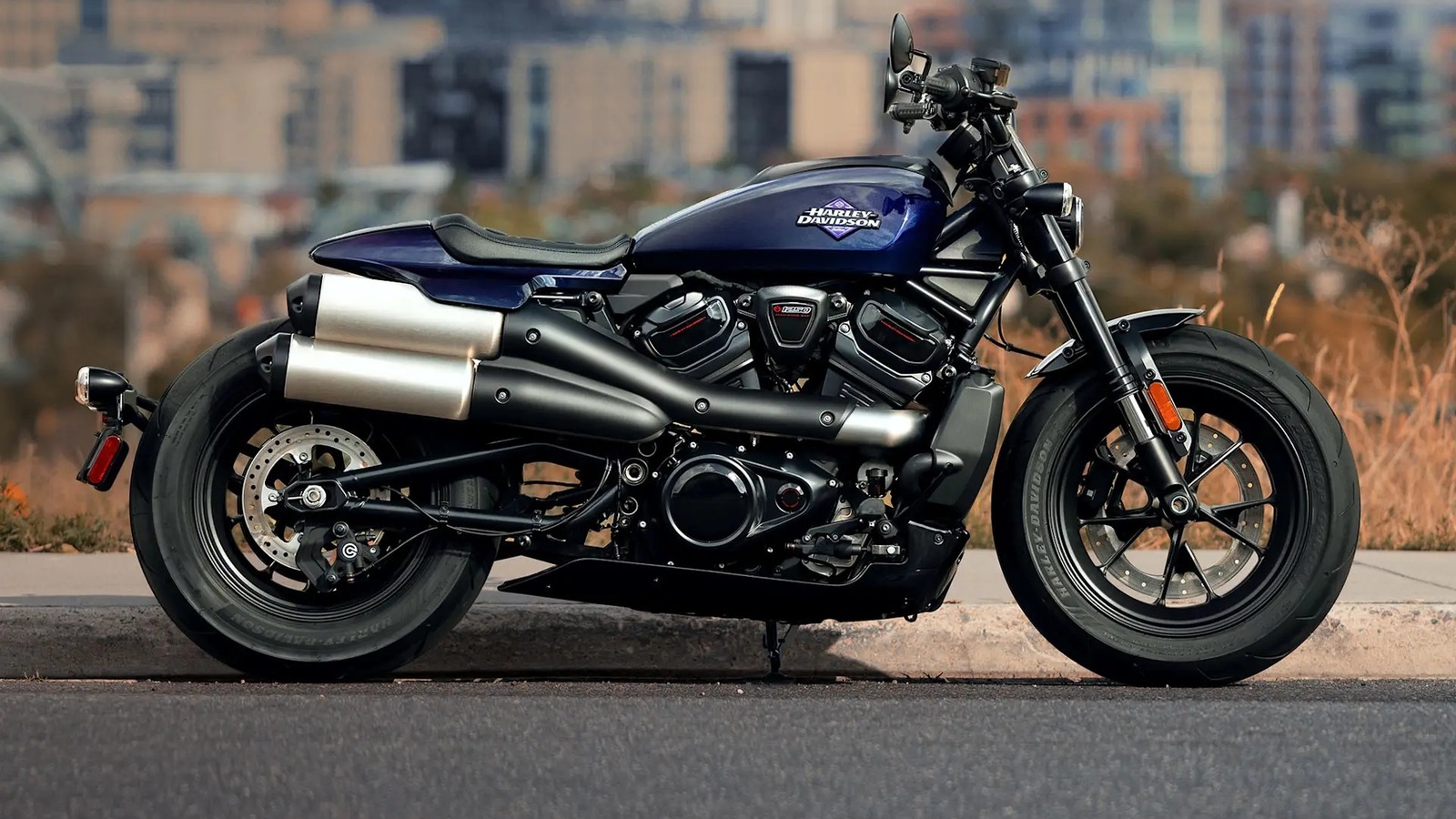
Cruisers have bigger engines and a relaxed riding style. They weigh more, which lowers fuel efficiency. Most cruisers get about 40 to 50 mpg. Some models with larger engines use more fuel. They offer comfort but need more gas stops.
Touring Motorcycles
Touring motorcycles are built for long-distance rides. They carry heavy luggage and extra gear. This weight reduces their mpg to about 35 to 45 mpg. Their engines are large but tuned for steady cruising. Riders trade some fuel economy for comfort.
Standard Motorcycles
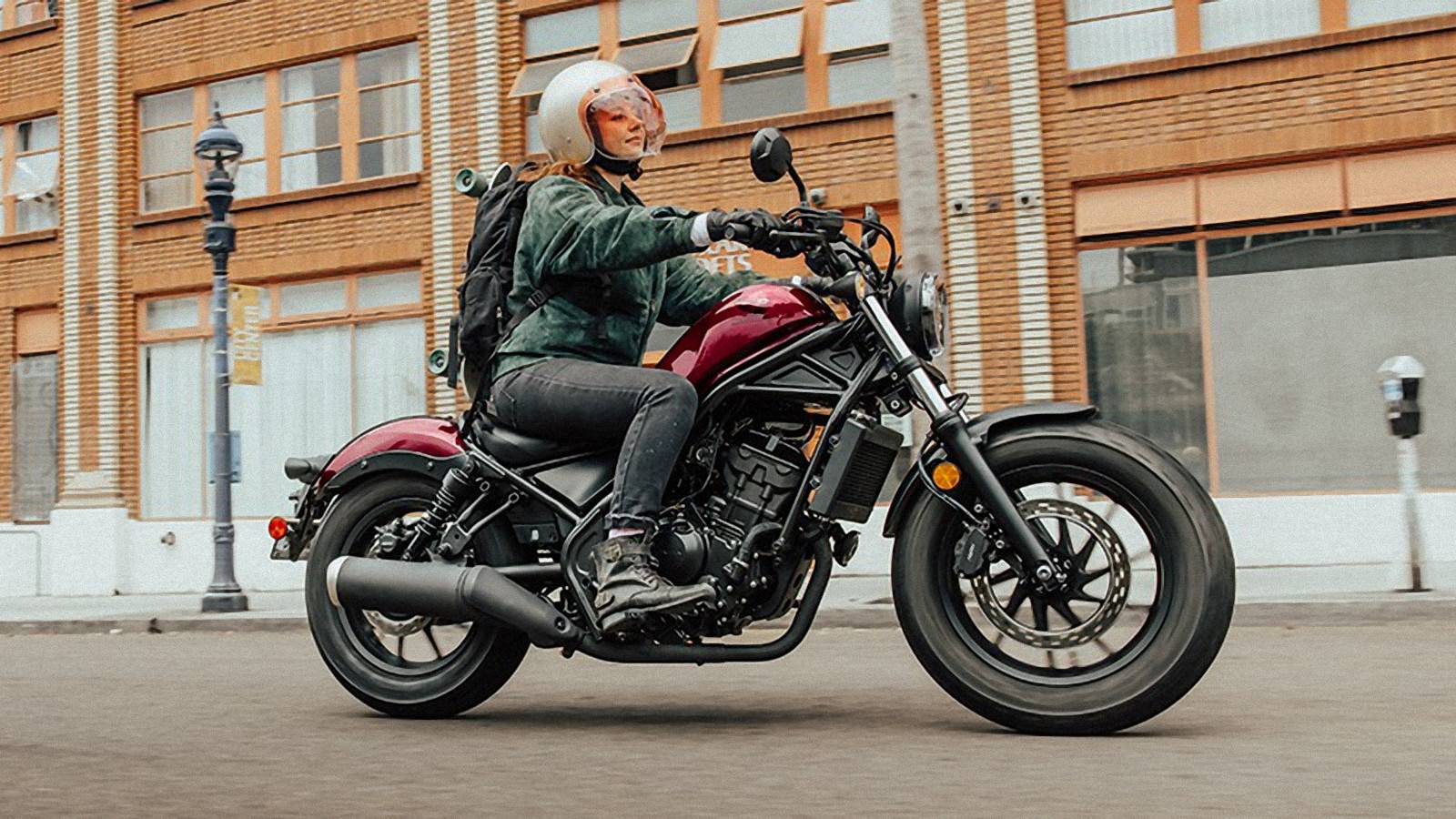
Standard motorcycles are versatile and easy to ride. They have moderate engine sizes and lighter frames. Their average fuel efficiency ranges from 45 to 60 mpg. They balance power and economy well. Good for city and highway rides.
Dual-sport And Adventure Bikes
Dual-sport and adventure bikes handle both on-road and off-road. Their engines are designed for efficiency and durability. These bikes average 50 to 65 mpg. They are lighter than cruisers and touring bikes. Great choice for riders who want variety and fuel savings.
Tech Innovations Improving Fuel Efficiency
Motorcycle fuel efficiency has improved a lot thanks to new technology. These innovations help bikes use less fuel and go farther. They also make rides smoother and cleaner. Many parts of a motorcycle now work better to save gas.
Tech improvements focus on how engines burn fuel and how the bike moves. Every detail counts, from engine design to the materials used. These changes help riders save money and reduce pollution.
Fuel Injection Systems
Fuel injection controls how much fuel goes into the engine. It replaces old carburetors. Fuel injection gives the engine the right fuel amount every time. This leads to better fuel use and less waste. Bikes start easier and run cleaner with this system.
Advanced Engine Technologies
New engines use better designs and materials. Variable valve timing helps engines breathe better. This improves power and fuel use at the same time. Some engines use smaller cylinders but still give good power. These techs help motorcycles get more miles per gallon.
Lightweight Materials
Making motorcycles lighter saves fuel. Less weight means the engine works less hard. Manufacturers use aluminum and carbon fiber parts. These materials keep the bike strong but light. Lighter bikes need less gas to move faster and farther.
Aerodynamics Enhancements
Air resistance slows down motorcycles and wastes fuel. New designs cut air drag by shaping the bike better. Wind tunnels help makers test and improve bike shapes. Smooth, sleek bodies help motorcycles slip through air easily. This saves fuel and boosts speed.
Tips To Maximize Your Motorcycle’s Mpg
Maximizing your motorcycle’s miles per gallon (mpg) saves money and reduces fuel stops. Small changes in riding habits and bike care can boost fuel efficiency. These tips help you get the most from every gallon of gas.
Smooth Acceleration And Braking
Start slowly and avoid sudden bursts of speed. Gentle acceleration uses less fuel. Brake softly and early to prevent wasting energy. Smooth riding keeps the engine running efficiently.
Proper Gear Usage
Shift gears at the right time. Riding in the correct gear lowers engine strain. Avoid high revs by shifting up early. Use lower gears only when needed, like on hills.
Regular Maintenance
Keep your bike clean and well-tuned. Change oil and filters on schedule. Check spark plugs and air filters often. A well-maintained engine burns fuel better and lasts longer.
Reducing Excess Weight
Remove heavy items from your bike. Extra weight makes the engine work harder. Carry only what you need for your ride. Light motorcycles use fuel more efficiently.
Optimal Tire Choices
Use tires designed for fuel efficiency. Keep tire pressure at the recommended level. Under-inflated tires increase fuel consumption. Good tires reduce rolling resistance and improve mpg.
Comparing Motorcycle Mpg With Other Vehicles
Understanding the fuel efficiency of motorcycles helps us see how they compare to other vehicles. Fuel economy affects cost, travel range, and environmental impact. Knowing these differences guides better choices for daily travel or adventure rides.
Cars
Cars generally use more fuel than motorcycles. Average cars get about 25 to 30 miles per gallon (mpg). Larger cars and SUVs use less fuel, sometimes under 20 mpg. Motorcycles often get 40 to 60 mpg, making them more efficient for city rides.
Scooters
Scooters are smaller and lighter than motorcycles. They usually get 50 to 100 mpg. Their small engines use less fuel but have lower top speeds. Scooters are great for short trips and urban travel with low fuel costs.
Electric Motorcycles
Electric motorcycles do not use gasoline. They run on batteries and need charging. Their “mpg equivalent” depends on electricity use and distance traveled. They offer quiet rides with zero gas emissions. Charging takes time but costs less than fuel.
Hybrid Vehicles
Hybrid vehicles combine gasoline engines with electric motors. They get better fuel efficiency than regular cars, around 40 to 50 mpg. Hybrids reduce fuel use but are heavier than motorcycles. They suit drivers wanting lower fuel costs and longer trips.

Credit: www.slashgear.com
Real-world Mpg Testing And Rider Experiences
Real-world miles per gallon (mpg) testing shows how motorcycles perform outside lab settings. Rider experiences add useful insights. They reveal how different factors affect fuel efficiency on actual roads. This information helps riders understand what to expect from their bikes.
Long-distance Rides
Long rides often show better mpg than short trips. Bikes run more efficiently at steady speeds. Riders note smoother throttle control saves fuel. Wind resistance and load weight impact mileage. Rest stops and traffic also change fuel use. Experienced riders plan trips to keep mpg high.
City Vs Highway Mileage
City riding usually lowers mpg. Frequent stops and starts waste fuel. Traffic lights and congestion slow the ride. Highway riding allows consistent speed, boosting mpg. Open roads reduce engine strain. Riders report better fuel numbers on highways. Riding style plays a big role in both cases.
Seasonal Variations
Weather changes affect fuel efficiency. Cold starts use more fuel than warm ones. Engines take longer to warm up in winter. Tire pressure drops in cold weather, lowering mpg. Summer heat can make engines run hotter. Riders adjust their riding habits with seasons to save fuel.
Credit: www.slashgear.com
FAQs For How Many Mpg Does A Motorcycle Get
How Many Miles Per Gallon Can A Motorcycle Achieve?
Motorcycle MPG varies widely, typically between 35 and 70 mpg. Smaller bikes usually reach higher MPG, while larger engines consume more fuel.
What Factors Affect A Motorcycle’s Fuel Efficiency?
Fuel efficiency depends on engine size, riding habits, bike weight, and maintenance. Smooth acceleration and regular servicing improve miles per gallon significantly.
Do Electric Motorcycles Have Better Mpg Than Gas Bikes?
Electric motorcycles don’t use gallons but energy measured in miles per kWh. They are generally more efficient and cheaper to operate than gasoline motorcycles.
How Does Riding Speed Impact Motorcycle Fuel Economy?
Riding at moderate speeds, around 45-60 mph, maximizes fuel efficiency. High speeds increase wind resistance, reducing miles per gallon noticeably.
Conclusion
Motorcycle fuel efficiency varies by type and riding style. Smaller bikes often get higher miles per gallon. Larger motorcycles may use more fuel but offer more power. Keeping tires properly inflated helps save gas. Riding smoothly also improves your motorcycle’s mileage.
Knowing your bike’s mpg helps plan trips better. Choose a motorcycle that fits your needs and budget. Enjoy riding while saving fuel and money.