Do Motorcycles Have Cruise Control 2026 : What Riders Need to Know

Have you ever wished your motorcycle could take a break from constant throttle control during long rides? You’re not alone.
Cruise control on motorcycles is a feature many riders wonder about, especially when thinking of comfort and ease on the open road. But do motorcycles really have cruise control like cars do? Understanding this can change the way you ride and help you enjoy your journeys more.
Keep reading to discover how cruise control works on motorcycles, which models offer it, and whether it’s the right feature for your next ride.
Credit: motofomo.com
Cruise Control Basics
Many modern motorcycles come with Motorcycle Cruise Control, a feature designed to keep speed steady without constant throttle input. Understanding Cruise Control Basics helps riders appreciate how this technology enhances comfort and safety. Cruise control regulates throttle automatically, letting riders relax their grip during long rides. This feature is part of a growing list of Electronic Rider Assistance systems improving the riding experience. From simple speed maintenance to advanced Adaptive Cruise Control Motorcycles that adjust speed based on traffic, cruise control technology varies across models.
How Cruise Control Works
How Cruise Control Works On Bikes involves a system that controls the motorcycle throttle to maintain a set speed without manual input. Once the rider activates the system and sets the desired speed, the motorcycle’s throttle control adjusts automatically to keep that speed steady.
The main components include:
- Throttle Control Module: Electronically manages throttle position.
- Speed Sensors: Detect current speed and send data to the control system.
- Control Unit: Processes speed data and adjusts throttle accordingly.
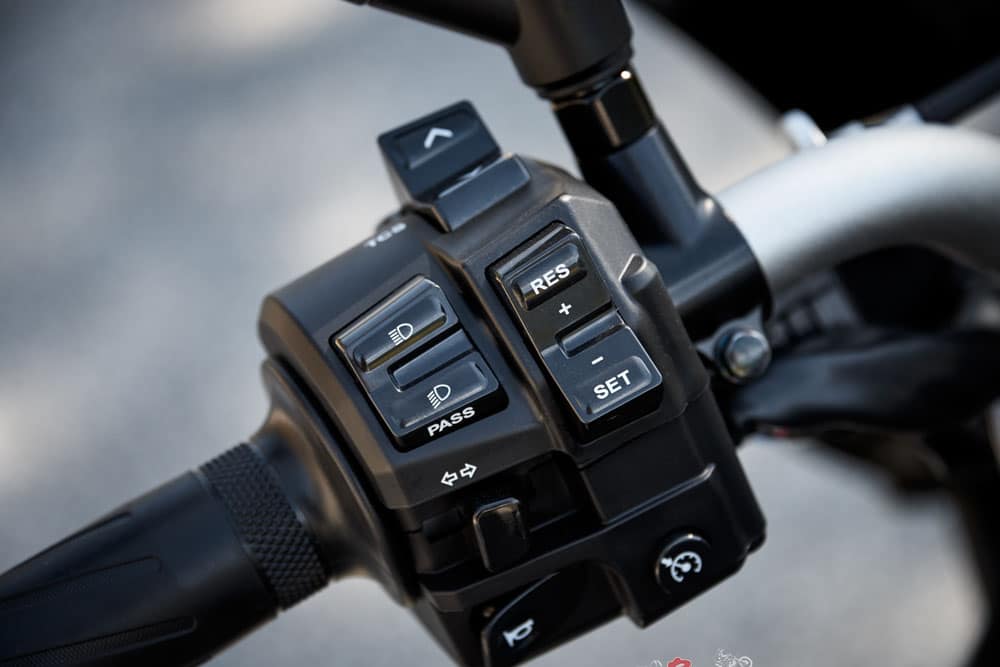
- Switches or Buttons: Used by the rider to activate, set, or cancel cruise control.
Here is a simple table showing the basic operation steps:
| Step | Action | Effect |
|---|---|---|
| 1 | Activate cruise control system | System becomes ready to control speed |
| 2 | Set desired speed | Throttle control locks to this speed |
| 3 | System monitors speed sensors | Adjust throttle to maintain speed |
| 4 | Rider cancels or brakes | System disengages, rider takes control |
Motorcycle Speed Regulation through cruise control reduces rider effort. Advanced systems, like Adaptive Cruise Control Motorcycles, also use radar or cameras. These detect vehicles ahead and adjust speed for safer riding. This helps maintain safe distances on highways.
Benefits For Riders
The Benefits Of Motorcycle Cruise Control are many, especially during long trips. It reduces fatigue by removing the need for constant throttle twisting. This allows the rider to focus on steering and road conditions.
Other benefits include:
- Improved Rider Comfort Technology: Less hand strain and smoother riding experience.
- Consistent Speed: Helps maintain legal speed limits and improves fuel efficiency.
- Long-Distance Riding Aids: Makes highway cruising less tiring and more enjoyable.
- Cruise Control Safety Features: Can improve safety by reducing rider distractions.
Here is a quick summary of how these benefits help riders:
| Benefit | Description |
|---|---|
| Reduced Fatigue | Less throttle twisting lowers hand and wrist strain. |
| Speed Stability | Maintains steady speed for safer and smoother rides. |
| Fuel Efficiency | Consistent throttle control avoids wasteful acceleration. |
| Safety | Allows riders to focus more on the road and traffic. |
Motorcycle Throttle Control technologies paired with cruise control form a powerful aid. Many riders appreciate the combination of these systems for long highway journeys. As Electronic Rider Assistance advances, cruise control will become a standard comfort and safety feature.
Motorcycles And Cruise Control
Motorcycles and cruise control may seem like an unusual pair. Many riders wonder if these two can work together smoothly. Cruise control helps maintain a steady speed without constant throttle input. This feature is common in cars, but on motorcycles, it is less widespread. Advancements in motorcycle technology have made cruise control more accessible, especially for long-distance riders. Cruise control benefits include reduced fatigue and better focus on the road. Motorcycle safety features have also improved alongside these systems. Understanding how cruise control fits into different motorcycle models and types helps riders choose the right setup for their needs.
Availability On Different Models
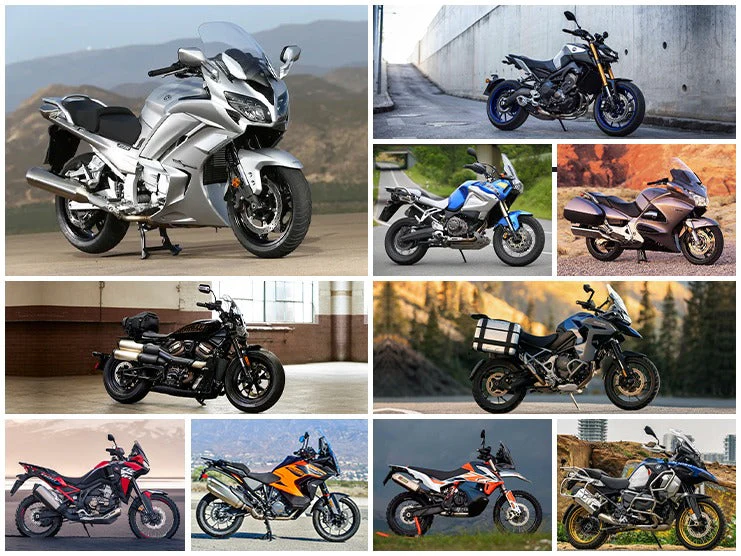
Not all motorcycles come with built-in cruise control. Availability depends on the type and purpose of the bike. Touring motorcycles cruise control is the most common. These bikes are designed for long-distance riding aids, where maintaining speed is important for comfort and safety.
- Touring Motorcycles: Most models include electronic throttle control and factory-installed cruise control systems.
- Sport Bikes: Rarely have cruise control due to their focus on performance and quick throttle response.
- Adventure Bikes: Some models offer cruise control, especially those geared for extended travel.
- Cruisers: Select cruisers include throttle lock devices, which act like simple cruise control aids.
Motorcycle manufacturers continue to add cruise control to more models. Electronic throttle control allows easier integration of cruise control systems. Riders can also install aftermarket cruise control kits on bikes without factory options. These kits vary in complexity and price.
| Motorcycle Type | Cruise Control Availability | Common Features |
|---|---|---|
| Touring | High | Electronic throttle control, adaptive cruise control motorcycles |
| Sport | Low | Minimal or none |
| Adventure | Medium | Basic cruise control, aftermarket options |
| Cruiser | Medium | Throttle lock devices, simple cruise aids |
Types Of Motorcycle Cruise Control
Motorcycle cruise control systems come in various forms. Understanding these helps riders pick the right option. Some systems are simple, while others use advanced technology.
- Throttle Lock Devices: These mechanical aids hold the throttle steady without electronic controls. They are simple and affordable but offer limited precision.
- Aftermarket Cruise Control Kits: These kits can be added to many motorcycles. They use electronic throttle control to maintain speed and often include easy-to-use controls.
- Factory-Installed Systems: Found mostly on touring motorcycles, these use integrated electronic throttle controls and sensors. Adaptive cruise control motorcycles adjust speed based on traffic, improving safety.
Each type offers different cruise control benefits:
- Throttle lock devices reduce hand fatigue during long rides.
- Aftermarket kits provide a balance of cost and function.
- Factory-installed systems offer the best integration and safety features.
Motorcycle technology advancements continue to improve these systems. Adaptive cruise control motorcycles represent the latest step. They help riders maintain safe distances and adjust speed automatically. Riders focused on long-distance riding aids often prefer full electronic systems for comfort and safety.
Electronic Vs. Mechanical Systems
Motorcycles can have cruise control, but the systems vary between electronic and mechanical types. Electronic systems use advanced technology to control speed, while mechanical systems rely on physical parts to maintain it. Understanding these two types helps riders choose the best option for their bike and riding style. Both have pros and cons regarding ease of use, installation, and reliability.
Electronic Throttle Control
Electronic throttle control (ETC) is a modern way to manage motorcycle speed. It uses sensors and computer software to adjust the throttle automatically. This system is often called ride-by-wire. It replaces the traditional cable that connects the throttle grip to the engine.
Here are key features of electronic throttle control:
- Precise speed regulation: The system keeps speed steady without manual input.
- Easy to activate: Usually controlled by buttons on the handlebar.
- Integration with safety features: Works well with ABS and traction control.
- Less mechanical wear: No cables to stretch or break over time.
Many new motorcycles come with ETC as standard. It allows smooth acceleration and reduces rider fatigue during long trips.
| Advantages | Disadvantages |
|---|---|
| Improved fuel efficiency | Higher initial cost |
| Consistent speed control | Requires bike with electronic system |
| Easy to use controls | More complex repairs |
Aftermarket Mechanical Options
Mechanical cruise control systems are usually added after the bike is bought. These systems use physical devices to hold the throttle in place. They are simpler than electronic systems but need manual setup and adjustment.
Common aftermarket options include:
- Throttle locks: Clamp on the throttle and keep it steady.
- Cramp busters: Levers that hold the throttle open for long rides.
- Spring-loaded devices: Use tension to maintain speed.
Benefits of mechanical options:
- Easy to install with basic tools.
- Lower cost than electronic systems.
- Works on almost any motorcycle.
Drawbacks include less precision and more effort to set properly. Riders must adjust the device to avoid speeding or slowing down unexpectedly. Mechanical cruise controls also do not integrate with safety features.
| Advantages | Disadvantages |
|---|---|
| Simple design | Less accurate speed control |
| Affordable | Manual adjustment needed |
| Works on many bikes | No integration with electronics |
Installation And Compatibility
Many modern motorcycles come with Motorcycle Cruise Control as a popular Motorcycle Riding Comfort Feature. It helps riders maintain a steady speed without constant throttle input, reducing fatigue on long rides. Understanding Installation and Compatibility is key before choosing the right system for your bike. Some motorcycles offer Factory-Installed Motorcycle Cruise Control, while older models may require adding an aftermarket solution. Compatibility depends on the bike’s throttle system, electrical setup, and frame design. Proper installation ensures safety and reliable Motorcycle Throttle Control during your ride.
Factory-installed Systems
Factory-Installed Motorcycle Cruise Control is designed specifically for the motorcycle model by the manufacturer. These systems offer seamless integration with the bike’s electronics and controls.
- Easy to use: Controls are built into handlebars or dashboard.
- Reliable performance: Designed to work with the bike’s throttle and braking systems.
- Enhanced safety: Often include automatic disengage features when brakes or clutch are applied.
- Warranty support: Backed by the motorcycle manufacturer.
Common brands offer factory-installed systems on touring and adventure motorcycles. Models like Honda Gold Wing and BMW R1200RT often come equipped with Cruise Control Technology In Bikes. These systems use electronic sensors to maintain speed, improving rider comfort on highways.
| Feature | Factory-Installed Systems |
|---|---|
| Integration | Complete with bike electronics |
| Controls | Handlebar switches or dashboard buttons |
| Compatibility | Limited to specific models |
| Installation | Pre-installed, no extra work |
Factory systems focus on smooth performance and rider safety. They support seamless operation without interfering with manual throttle control. This makes them ideal for riders who want reliable and easy-to-use cruise control.
Adding Cruise Control To Older Bikes
Older motorcycles often lack Electronic Cruise Control For Motorcycles. Adding a cruise control system can improve long-distance comfort. Aftermarket Cruise Control For Motorcycles provides options for many bike models.
There are several popular types of aftermarket systems:
- Mechanical throttle locks: Simple devices to hold the throttle steady.
- Electronic throttle controllers: More advanced systems that connect to the throttle and bike electronics.
- Bluetooth-enabled controls: Allow control via smartphone apps or handlebar switches.
Installing aftermarket cruise control requires checking compatibility with your bike’s throttle type and electrical system. Bikes with cable throttles may need different devices than those with electronic throttles. Proper installation is essential for safety and smooth operation.
| Type | Pros | Cons |
|---|---|---|
| Mechanical throttle lock | Low cost, simple to install | Less precise control, no automatic disengage |
| Electronic throttle controller | Better control, automatic disengage features | More expensive, requires wiring |
| Bluetooth-enabled control | Remote control, customizable settings | Complex installation, may need app |
Following manufacturer instructions is vital when adding cruise control. Seek professional help if unsure about installation steps. Proper setup ensures the Benefits Of Motorcycle Cruise Control like reduced rider fatigue and consistent speed on highways.
Understanding How To Add Cruise Control To Motorcycles improves your ride comfort and safety. Choose the right system based on your bike’s throttle and electrical design. Upgrading older motorcycles with Bike Cruise Control Systems enhances long-distance riding experiences.
Safety Considerations
Many modern motorcycles come with Electronic Rider Aids, including Motorcycle Speed Regulation features like cruise control. This system helps riders maintain a steady speed without constant throttle input. Understanding How Cruise Control Works On Motorcycles is important for safe riding. Long-Distance Riding Aids such as cruise control reduce fatigue and improve comfort. Yet, Cruise Control Safety Tips must be followed to avoid accidents. This section covers key Safety Considerations to keep riders safe while using motorcycle cruise control.
When To Use Cruise Control
Motorcycle Cruise Control is best suited for stable, predictable riding conditions. It helps with speed consistency, especially on highways and open roads. Here are ideal situations to use cruise control:
- Long, straight highway stretches with little traffic
- Maintaining legal speed limits without constant throttle changes
- Reducing wrist strain during long trips
- Riding in good weather with clear visibility
Using cruise control on smooth roads can improve comfort and focus. It allows riders to relax their hands and reduce fatigue. The Benefits Of Cruise Control include better fuel efficiency and less speed fluctuation.
| Condition | Recommended Cruise Control Use |
|---|---|
| Highway, low traffic | Highly recommended |
| City or heavy traffic | Not recommended |
| Curvy or hilly roads | Use with caution |
| Wet or slippery surfaces | Avoid use |
Adaptive Cruise Control Motorcycles offer advanced features that adjust speed automatically. This adds safety but riders must stay alert. Always be ready to take control manually.
Potential Risks And Precautions
Cruise Control Risks exist due to loss of direct throttle control. Riders must understand these risks to prevent accidents. The main risk is delayed reaction in emergency situations.
Here are important precautions to follow:
- Stay alert: Do not rely solely on cruise control for speed regulation.
- Keep hands ready: Always have a firm grip on the handlebars.
- Monitor road conditions: Avoid cruise control on wet, icy, or uneven roads.
- Disable before sharp turns or heavy traffic: Use manual throttle control in complex situations.
- Regularly check system: Ensure cruise control functions properly before use.
Some motorcycles have safety features that cut power when the brake or clutch is applied. This helps in regaining manual control quickly. Awareness of these features improves overall safety.
| Risk | Precaution |
|---|---|
| Delayed throttle response | Keep hands on throttle and be ready to override |
| Overconfidence in system | Maintain full attention to road |
| Slippery surface risks | Avoid cruise control use |
| Sudden traffic changes | Turn off cruise control in busy areas |
Understanding Motorcycle Throttle Control while using cruise control is essential. It helps riders react quickly and maintain safety at all times.
Credit: www.reddit.com
Future Trends In Motorcycle Cruise Control
The world of motorcycles is evolving, and cruise control is becoming a key feature. Motorcycle Cruise Control offers many benefits, especially for long rides. The future holds exciting trends in this area. Smart Motorcycle Systems are improving, making rides safer and more comfortable. These trends focus on better technology and tighter integration with rider assistance technology. Riders can expect smoother, safer journeys with new cruise control options designed for modern motorcycles.
Advancements In Technology
Technology in Motorcycle Cruise Control is advancing fast. Electronic Throttle Control plays a big role. It allows precise speed control, improving safety and comfort. New systems can adjust speed smoothly on hills and curves. Adaptive Cruise Control Motorcycles are becoming more common. They use sensors to keep a safe distance from other vehicles.
Key advancements include:
- Electronic Throttle Control for exact speed management.
- Adaptive Cruise Control that reacts to traffic changes.
- Improved battery life for electric motorcycles with cruise control.
- More compact and lightweight cruise control modules.
The table below shows some features of new cruise control systems:
| Feature | Benefit | Impact on Riding |
|---|---|---|
| Adaptive Cruise Control | Maintains safe distance automatically | Reduces rider fatigue on highways |
| Electronic Throttle Control | Smooth speed adjustments | Improves comfort and safety |
| Integration with GPS | Speed changes based on road type | Enhances long-distance riding aids |
These advances will make Motorcycle Cruise Control more reliable and user-friendly. Riders will enjoy better control and less stress during rides.
Integration With Rider Assistance Systems
Rider Assistance Technology is becoming a key part of motorcycle safety features. Cruise control systems now work with other safety tools. This integration improves Motorcycle Rider Comfort and adds new layers of protection.
Examples of integration include:
- Collision Avoidance Systems that slow the bike if a crash is near.
- Blind Spot Detection alerts that help riders change lanes safely.
- Traction Control working with cruise control to prevent wheel slip.
This table shows how cruise control links with other rider assistance features:
| Rider Assistance Feature | Role with Cruise Control | Benefit to Rider |
|---|---|---|
| Collision Avoidance | Automatically reduces speed | Increases safety in traffic |
| Blind Spot Detection | Alerts during cruise control use | Prevents accidents during lane changes |
| Traction Control | Adjusts power delivery | Maintains bike stability |
Motorcycle Automation now includes combined systems that help riders focus more on the road. These integrations make long-distance riding aids more effective. Riders experience less fatigue and better control. The future of Motorcycle Cruise Control is closely tied to smart, connected safety systems.
Credit: www.vikingbags.com
Common Answer For do motorcycles have cruise control
Do Motorcycles Come With Built-in Cruise Control?
Yes, some modern motorcycles come with built-in cruise control. It helps maintain a steady speed on highways. However, cruise control is more common in touring and larger bikes than in sport or standard models.
Can Cruise Control Improve Motorcycle Fuel Efficiency?
Cruise control can improve fuel efficiency by maintaining consistent speed. It avoids unnecessary acceleration and deceleration. This steady throttle reduces fuel consumption, especially during long highway rides.
Are Aftermarket Cruise Controls Available For Motorcycles?
Yes, aftermarket cruise control kits are available for many motorcycle models. These kits can be installed to add cruise control functionality. Always ensure compatibility and professional installation for safety.
Is Motorcycle Cruise Control Safe To Use?
Motorcycle cruise control is generally safe if used properly. Riders should stay alert and ready to brake or accelerate. It’s best suited for smooth, open roads without heavy traffic or sharp turns.
Conclusion
Motorcycles can have cruise control, but not all models do. Many touring bikes offer this feature for long rides. It helps keep a steady speed without holding the throttle. This makes riding less tiring on highways. Some newer bikes have advanced versions with safety options.
Still, always stay alert and ready to brake. Cruise control adds comfort but does not replace rider attention. Check your motorcycle’s manual to see if it includes cruise control. Consider your riding needs before choosing a bike with this feature.
Safe and relaxed rides matter most.