How Often To Change Motorcycle Air Filter: Essential Maintenance Tips

Your motorcycle’s air filter plays a crucial role in keeping your engine running smoothly. But how often should you change it?
If you ignore this simple maintenance step, your bike’s performance can suffer, and you might even face costly repairs. You’ll discover the signs that tell you it’s time for a new air filter and learn the best schedule to keep your motorcycle breathing easy.
Keep reading to protect your ride and enjoy every mile with confidence.
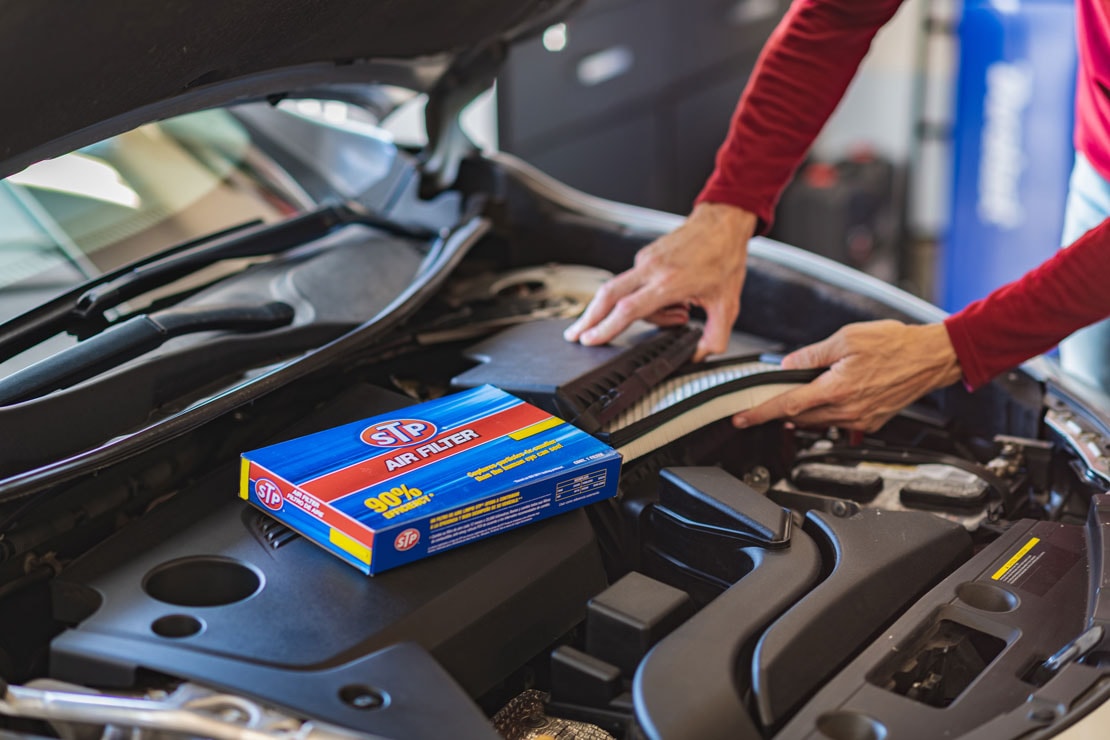
Credit: www.autozone.com
Also read : Are Motorcycle Oil Filters Universal: My Essential Guide
Importance Of Air Filter
The air filter in a motorcycle is a small part with a big job. It cleans the air that enters the engine. Clean air helps the engine work well and last longer. Dirt and dust can harm the engine if the filter is not clean.
Changing the air filter regularly keeps the motorcycle running smoothly. It helps save fuel and reduces engine wear. A good air filter protects the engine and improves performance.
Role In Engine Performance
The air filter stops dirt and dust from reaching the engine. Clean air mixes with fuel to burn inside the engine. This mix is needed for the engine to run properly. A clean filter helps the engine get enough air. It keeps the power steady and the engine efficient. Without clean air, the engine can run rough or lose power.
Effects Of A Dirty Filter
A dirty air filter blocks air from entering the engine. This makes the engine work harder than normal. Fuel burns less efficiently, which wastes gas. The engine may sputter, stall, or lose power. Dirty filters can cause damage over time. Replacing the filter prevents these problems and keeps the bike healthy.
Also read : What Does Engine Oil Filter Do?
Signs To Replace Air Filter
Knowing when to replace your motorcycle air filter is important. A dirty air filter affects engine health and ride quality. Watch for clear signs showing it needs changing. These signs help keep your bike running smoothly.
Reduced Engine Power
A clogged air filter limits airflow to the engine. The engine struggles to breathe and loses power. Your bike may feel slow or weak during rides. Reduced engine power is a strong sign to replace the filter.
Increased Fuel Consumption
A dirty air filter makes the engine work harder. It uses more fuel to run normally. Notice if your bike’s fuel lasts shorter than before. Higher fuel use often means the air filter needs changing.
Visible Dirt And Debris
Check the air filter by looking at it closely. Dirt, dust, and debris build up over time. If the filter looks dark or clogged, it cannot do its job well. Visible dirt means it is time for a new air filter.
Recommended Replacement Intervals
Knowing when to change your motorcycle air filter keeps your engine healthy. It ensures good air flow and stops dirt from entering. Changing at the right time can save you from costly repairs.
Different factors affect how often to replace the air filter. Below are key points to guide you.
Manufacturer Guidelines
Most motorcycles come with a manual that shows air filter replacement times. These are usually based on mileage or months. For example, a manual might say to change every 12,000 miles or 12 months. Following these guidelines helps keep your bike running well. Always check the manual for your specific model.
Riding Conditions Impact
Riding in dusty or wet places clogs the air filter faster. Off-road riding needs more frequent changes than city riding. Riding in clean, smooth environments may allow longer use. Check the filter often if you ride in tough conditions. Replace it sooner if it looks dirty or clogged.

Credit: www.youtube.com
Types Of Motorcycle Air Filters
Motorcycle air filters come in different types. Each type has unique features and care needs. Knowing these types helps you choose the right filter for your bike. It also guides you on how often to change it. The main types are paper, foam, and cotton gauze filters.
Paper Filters
Paper filters are common and affordable. They trap dust and dirt well. These filters are disposable and need regular replacement. They work best in dry and clean environments. Paper filters lose efficiency if they get wet.
Foam Filters
Foam filters are soft and flexible. They hold more dirt than paper filters. These filters can be cleaned and reused many times. Foam filters perform well in dusty and wet conditions. They need oiling to catch fine particles.
Cotton Gauze Filters
Cotton gauze filters offer high airflow and good filtration. They are washable and reusable. These filters require oiling after cleaning. Cotton gauze filters are popular for high-performance motorcycles. They last longer but cost more than paper or foam filters.
Steps To Change Air Filter
Changing your motorcycle air filter keeps the engine clean and running well. Dirt and dust can block airflow, lowering performance. Follow these simple steps to replace the air filter quickly and safely.
Tools Needed
- Screwdriver (Phillips or flathead)
- Socket wrench set
- Clean cloth
- New air filter
- Gloves (optional)
Removal Process
First, turn off the motorcycle and let the engine cool down. Locate the air filter cover, usually near the engine or fuel tank. Use the screwdriver or socket wrench to remove screws or bolts. Carefully take off the cover without dropping any parts. Remove the old air filter and check the compartment for dirt. Wipe the inside with a clean cloth if needed.
Installation Tips
Place the new air filter into the compartment in the correct position. Avoid touching the filter surface to keep it clean. Secure the air filter cover back with screws or bolts. Tighten them firmly but do not overtighten. Double-check all parts are in place before starting the engine. Test ride the bike to ensure smooth performance.
Also read : 5 Best Oil Filters for Harley-Davidson for 2025
Maintenance Tips To Extend Filter Life
Proper maintenance can help your motorcycle air filter last longer. Keeping the filter clean and checking it often saves money and improves bike performance. Simple steps protect the filter from damage and dirt. Follow these tips to extend the life of your motorcycle air filter.
Regular Cleaning
Cleaning the air filter regularly keeps dirt from building up. Use gentle air or water to remove dust and debris. Avoid harsh chemicals that can damage the filter material. Clean the filter after every few rides, especially on dusty roads.
Proper Storage
Store your motorcycle indoors or under a cover to protect the air filter. Keep the bike away from moisture and dirt. If you remove the filter, place it in a clean, dry container. Proper storage prevents mold and damage to the filter fibers.
Inspection Frequency
Check the air filter every 3,000 to 5,000 miles or monthly. Look for holes, tears, or heavy dirt buildup. Replace the filter if it looks worn out or damaged. Frequent inspections catch problems early and keep your engine healthy.
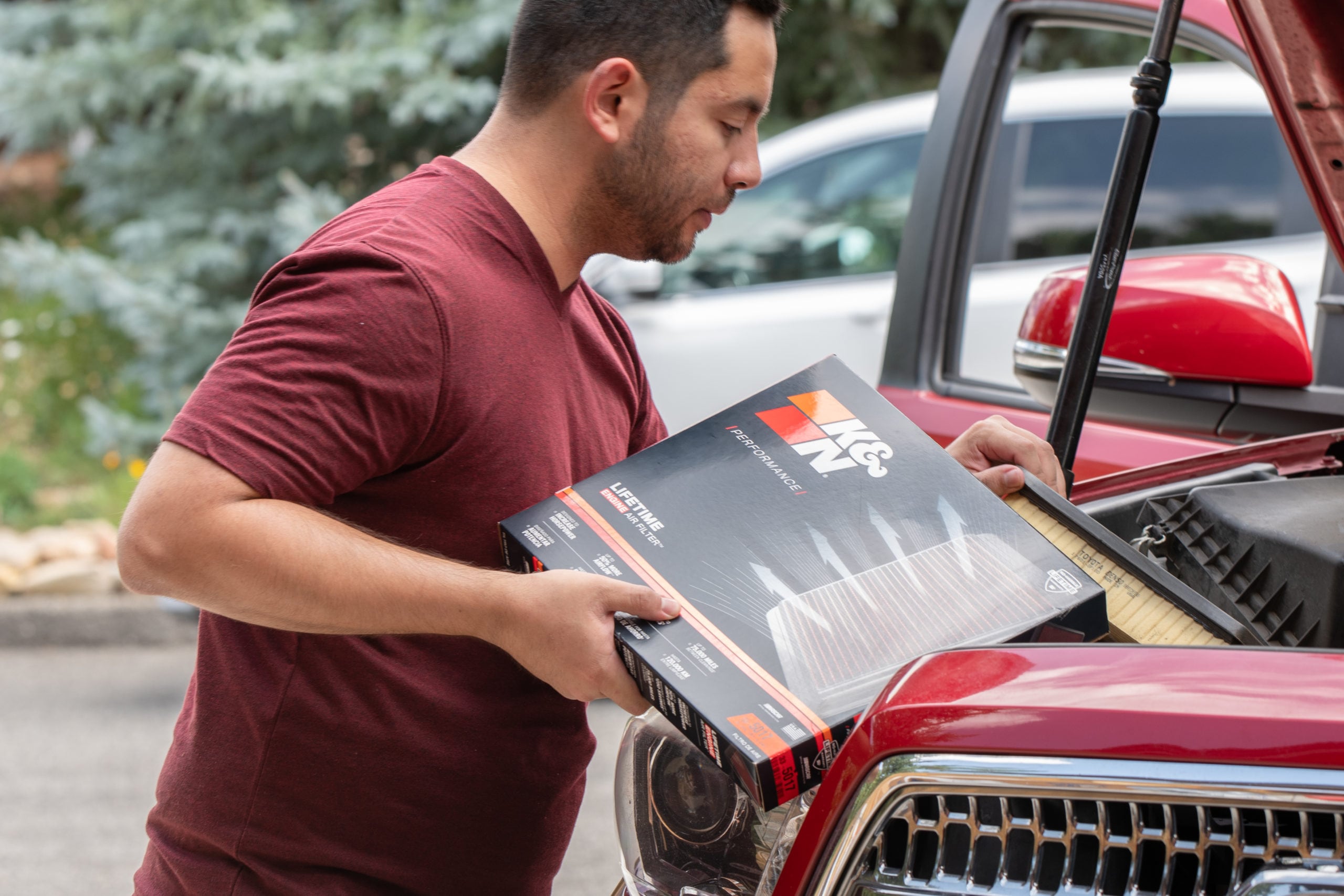
Credit: www.autozone.com
FAQs For How Often To Change Motorcycle Air Filter
How Often Should I Change My Motorcycle Air Filter?
Typically, change your motorcycle air filter every 12,000 to 15,000 miles. For dusty conditions, replace it more often. Regular checks help maintain engine performance and fuel efficiency.
What Happens If I Don’t Change The Air Filter?
A dirty air filter restricts airflow, reducing engine power and fuel efficiency. It can cause poor acceleration and increase emissions. Regular replacement prevents engine damage and keeps your motorcycle running smoothly.
Can I Clean My Motorcycle Air Filter Instead Of Replacing It?
Yes, some filters are reusable and can be cleaned with specific cleaning kits. Always follow the manufacturer’s instructions for cleaning and oiling. However, paper filters usually require replacement instead of cleaning.
How Do I Know If My Air Filter Needs Changing?
Check for visible dirt, dust buildup, or a dark, clogged appearance. If your engine runs rough or fuel consumption rises, it may indicate a dirty air filter. Regular inspections help you decide when to replace it.
Conclusion
Changing your motorcycle air filter keeps the engine healthy and strong. Check it regularly to avoid dirt build-up and poor performance. Riding in dusty or wet places means changing the filter more often. A clean air filter helps fuel efficiency and smooth rides.
Don’t wait for problems before you act. Simple care like this saves money and stress later. Keep your bike running well by staying on top of air filter changes. Small steps make a big difference.