Do Motorcycles Have Seatbelts: Shocking Truths Revealed!

Have you ever wondered if motorcycles come with seatbelts like cars do? If you ride or are thinking about riding a motorcycle, this question is probably on your mind.
Seatbelts are a common safety feature in many vehicles, so it makes sense to ask whether they’re part of a motorcycle’s design. Understanding this can change how you think about your safety on the road. Keep reading to find out the surprising truth about motorcycles and seatbelts—and what you should do to protect yourself every time you ride.
Motorcycle Safety Features
Motorcycle safety features play a vital role in protecting riders on the road. Unlike cars, motorcycles have fewer built-in safety devices. This makes Motorcycle Protective Gear essential for every rider. Understanding what safety gear is available and how it compares to vehicle safety features helps riders stay safe. A common question is: Do motorcycles have seatbelts? The answer affects how riders use gear to protect themselves. Exploring Motorcycle Safety and the role of seatbelts in vehicles clarifies this important topic.
Common Safety Gear
Motorcycle Rider Protection relies heavily on external gear rather than built-in devices. Riders wear specific items designed to reduce injury risk during accidents. The main types of Rider Safety Equipment include:
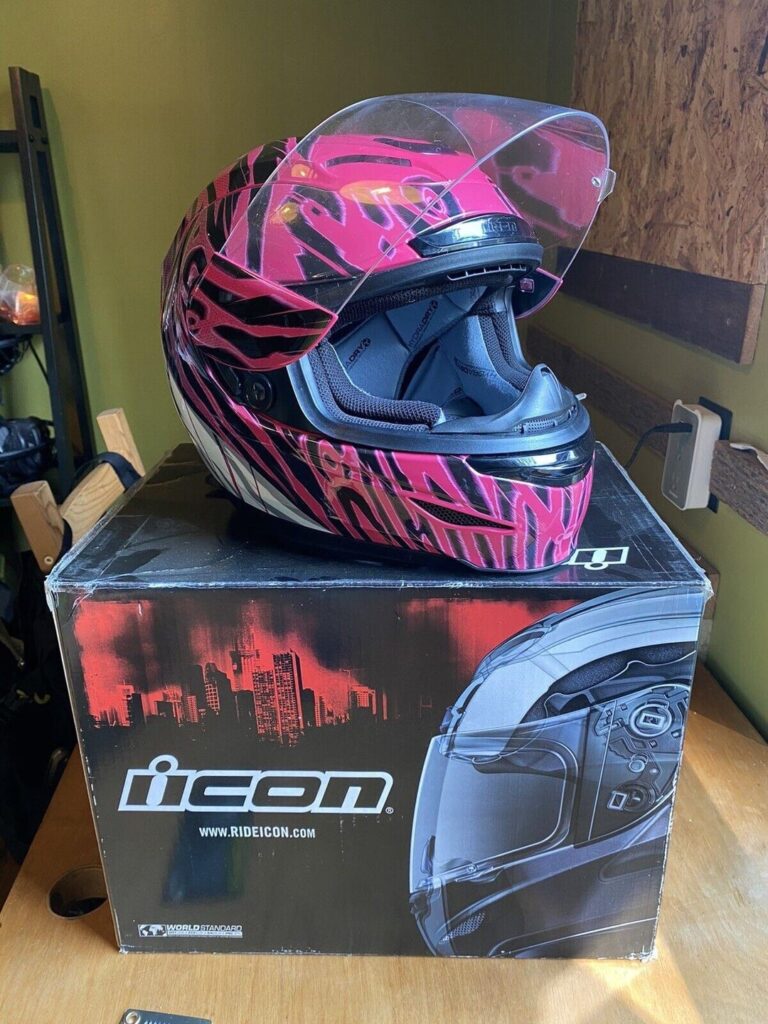
- Helmet: The most critical piece of safety gear. It protects the head and reduces fatal injuries. Helmet Safety standards vary by region but always improve survival chances.
- Jackets and Pants: Made with abrasion-resistant materials like leather or Kevlar. These protect skin from road rash.
- Gloves: Protect hands from impact and abrasion while maintaining grip.
- Boots: Provide ankle support and protect feet.
- Body Armor: Includes chest protectors, knee guards, and back protectors to absorb impact.
Below is a quick Safety Gear Comparison table showing protection focus and benefits:
| Gear Type | Protection Focus | Main Benefit |
|---|---|---|
| Helmet | Head | Reduces head injuries and fatalities |
| Jacket & Pants | Skin and muscles | Prevents abrasion and cuts |
| Gloves | Hands | Protects from impact and improves grip |
| Boots | Feet and ankles | Supports and shields feet from injury |
| Body Armor | Chest, back, knees | Absorbs impact and reduces fractures |
Motorcycle Accident Prevention depends on wearing the right gear and riding safely. Proper Motorcycle Protective Gear is the rider’s first defense.
Role Of Seatbelts In Vehicles
Vehicle Seatbelt Function is to secure occupants inside a vehicle during a crash. Seatbelts reduce the risk of serious injury or death by preventing ejection and minimizing movement. Laws called Seatbelt Regulations require drivers and passengers to wear them for safety.
In cars and trucks, seatbelts:
- Hold passengers firmly in their seats.
- Distribute crash forces over strong body parts like the chest and pelvis.
- Prevent contact with the interior parts of the vehicle.
Motorcycle Seatbelt Laws do not exist because motorcycles lack a seatbelt system. The open design and riding posture make seatbelts impractical and dangerous for riders. Instead, Motorcycle Safety depends on external protective gear and rider awareness.
Here is a comparison of seatbelt use in vehicles and motorcycles:
| Feature | Vehicles (Cars, Trucks) | Motorcycles |
|---|---|---|
| Seatbelt Present | Yes | No |
| Primary Safety Device | Seatbelt | Protective Gear |
| Safety Focus | Occupant retention and injury reduction | Impact protection and abrasion resistance |
| Legal Requirement | Mandatory | No seatbelt laws |
Motorcycle Rider Protection relies on helmets, clothing, and armor rather than seatbelts. This difference explains why Motorcycle Seatbelt Laws do not apply. Understanding these distinctions improves rider safety awareness.

Credit: ackodrive.com
Seatbelts On Motorcycles
Seatbelts on motorcycles are a topic that raises many questions about motorcycle safety and rider protection. Unlike cars, motorcycles do not usually come with seatbelts. This absence is not a simple oversight but a result of complex vehicle design challenges and safety considerations. Understanding why motorcycles lack seatbelts requires looking into how motorcycles operate and the role of other safety measures, such as helmet use and safety gear trends. This section explores the challenges of adding seatbelts to motorcycles and the current trends in rider safety.
Design Challenges
Adding seatbelts to motorcycles faces many obstacles related to crash dynamics and rider movement. Motorcycles are designed for balance and maneuverability, which seatbelts could restrict. Riders often need to move freely to control the bike during turns and emergencies. A seatbelt might trap a rider, making it harder to react or escape in an accident.
Key vehicle design challenges include:
- Risk of Injury: Being strapped in can cause more severe injuries if the motorcycle falls or slides.
- Emergency Egress: Riders need to exit quickly after a crash or stop, which seatbelts may prevent.
- Passenger Restraints: Motorcycles carry passengers differently, and a seatbelt system would complicate the design.
- Balance and Control: Free movement helps riders maintain balance and avoid accidents.
| Design Factor | Challenge | Impact on Safety |
|---|---|---|
| Crash Dynamics | Restricts rider motion | Can increase injury risk |
| Emergency Exit | Limits quick escape | Delays accident response |
| Passenger Restraints | Complex to implement | Reduces practicality |
| Balance & Control | Requires free movement | Improves accident prevention |
Current Usage Trends
Most motorcycles today do not use seatbelts. Instead, riders focus on helmet use and other forms of rider protection. Motorcycle regulations worldwide emphasize helmets and protective clothing rather than seatbelts. These alternatives better suit the unique risks and movements involved in riding.
Common seatbelt alternatives and safety trends include:
- Helmets: Mandatory in many places, helmets reduce head injuries.
- Protective Gear: Jackets, gloves, and boots protect against abrasions and impact.
- Airbag Vests: New technology that inflates on impact to protect the torso.
- Advanced Rider Training: Helps riders avoid accidents through skill improvement.
These trends focus on accident prevention and minimizing injury without restricting rider freedom. Rider comfort and quick reaction remain top priorities in motorcycle safety design. Below is a summary of safety gear trends compared to seatbelts:
| Safety Feature | Benefits | Limitations |
|---|---|---|
| Seatbelts | Secure in place | Restricts movement, injury risk |
| Helmets | Protects head | Must be worn correctly |
| Airbag Vests | Protects torso on impact | Expensive, limited availability |
| Protective Gear | Reduces abrasions, impact | Does not prevent falls |
Alternative Safety Measures
Motorcycles do not have seatbelts like cars. This raises questions about how riders stay safe. Alternative safety measures play a crucial role in protecting motorcyclists. These measures focus on reducing injuries and preventing crashes. They include protective gear and new technology. Understanding these options is key to improving motorcycle safety on the road.
Helmets And Protective Clothing
Helmets are the most important part of rider protection gear. They protect the head during crashes and reduce the risk of serious injury. Helmet use is strongly linked to lower fatality rates in motorcycle accident statistics.
Protective motorcycle clothing offers additional safety. It helps protect the skin and body from impacts and abrasions. This clothing includes:
- Leather or armored jackets
- Reinforced pants
- Gloves with padding
- Sturdy boots
These items act as a motorcycle restraint system for the body, limiting injury during falls or collisions.
| Protective Gear | Purpose | Benefit |
|---|---|---|
| Helmet | Head protection | Reduces risk of brain injury by 70% |
| Jacket & Pants | Body armor | Prevents cuts, scrapes, and road rash |
| Gloves | Hand protection | Improves grip and prevents fractures |
| Boots | Foot and ankle support | Protects against twisting injuries |
Wearing the right protective motorcycle clothing is a simple way to improve rider safety. Many countries have strict motorcycle seatbelt laws but none require seatbelts for bikes. Instead, helmets and protective gear are the main defense tools for motorcyclists.
Advanced Rider Assistance Systems
Rider safety technology is evolving. Advanced Rider Assistance Systems (ARAS) help prevent accidents before they happen. These systems use sensors and computers to assist the rider.
Common ARAS features include:
- Anti-lock Braking System (ABS) to prevent wheel lock-up
- Traction control to avoid slipping on wet roads
- Blind spot detection to alert riders of nearby vehicles
- Collision warning systems that signal potential crashes
These technologies improve motorcycle crash prevention by enhancing rider awareness and bike stability. ARAS reduces the reliance on physical motorcycle restraint systems alone.
| System | Function | Benefit |
|---|---|---|
| Anti-lock Braking System (ABS) | Prevents skidding during braking | Shorter stopping distances, fewer crashes |
| Traction Control | Maintains grip on slippery surfaces | Reduces falls on wet or loose roads |
| Blind Spot Detection | Alerts rider to vehicles in blind spots | Improves lane change safety |
| Collision Warning | Signals potential front or rear crashes | Gives extra reaction time |
ARAS is a key part of motorcycle safety today. It works alongside traditional protective gear to reduce injuries and save lives.

Credit: riskmanagement365.wordpress.com
Legal And Regulatory Aspects
Motorcycles do not have seatbelts like cars, and this fact is deeply tied to legal and regulatory aspects worldwide. Understanding these rules helps explain why seatbelts are absent in motorcycle design. Laws and safety standards focus heavily on rider protection and passenger safety, balancing freedom of movement with accident prevention. Motorcycle safety depends more on helmets and other road safety features than on seatbelts. These laws and standards shape how motorcycles are built and how riders must behave on the road. This section covers the key legal points and safety tests related to motorcycle seatbelts and overall protection.
Seatbelt Laws For Motorcycles
Most countries do not require or allow seatbelts on motorcycles. The main reason lies in the unique risks and dynamics of riding a motorcycle. Unlike cars, motorcycles need riders to move freely to keep balance and control. A seatbelt could trap a rider in a dangerous situation, increasing injury risk during a crash.
Key points about seatbelt regulations for motorcycles:
- Seatbelt laws apply strictly to enclosed vehicles, not motorcycles.
- Helmet laws are the primary legal tool for rider protection.
- Some regions regulate passenger safety through helmet use and proper seating only.
- Riders must follow traffic rules and wear protective gear for accident prevention.
The table below summarizes typical legal stances on motorcycle seatbelts and related safety features:
| Region | Seatbelt Requirement on Motorcycles | Helmet Law | Passenger Safety Rules |
|---|---|---|---|
| United States | Not required, not allowed | Mandatory in most states | Helmet and passenger seat required |
| European Union | Not allowed | Mandatory for all riders and passengers | Passenger seats must meet safety standards |
| India | No seatbelt laws for motorcycles | Mandatory helmet laws in many states | Passengers must wear helmets |
Safety Standards And Testing
Motorcycle safety standards focus on crash statistics and rider protection without seatbelts. Testing evaluates how motorcycles perform in real-world accidents, emphasizing helmet use and vehicle safety standards. These tests help improve motorcycle design for better accident prevention.
Key areas of safety testing include:
- Crash impact tests: Simulate collisions to study injury risks.
- Helmet effectiveness: Measures how well helmets protect during impacts.
- Stability and control tests: Ensure rider can maintain balance.
- Lighting and signaling: Test visibility to prevent accidents.
Rider protection comes from combining these tested features, not from seatbelts. Manufacturers must meet strict vehicle safety standards before selling motorcycles. These rules help reduce injuries and deaths by focusing on protective gear and design improvements.
Summary of safety focus areas in motorcycle testing:
- Helmet performance under different crash scenarios
- Frame strength and fuel tank design
- Brake efficiency and tire grip
- Visibility aids like reflectors and lights
Overall, road safety features and seatbelt regulations reflect the unique nature of motorcycles. Rider safety depends on gear, training, and vehicle design rather than seatbelts. These standards continue to evolve to lower crash risks and improve motorcycle safety worldwide.
Future Of Motorcycle Safety
The future of motorcycle safety is evolving fast, focusing on protecting riders in new ways. Traditional seatbelts are rare on motorcycles due to design and safety concerns. Instead, engineers and designers explore Rider Restraint Systems and other Motorcycle Safety Features to reduce injuries. These developments aim to improve crash survival and comfort without limiting rider freedom. New ideas and technology promise safer rides ahead.
Innovative Restraint Systems
Innovative motorcycle restraints are emerging as key solutions in Motorbike Accident Prevention. Unlike cars, motorcycles cannot use standard seatbelts safely. So, experts create systems that protect without restricting movement.
Examples include:
- Airbag Jackets and Vests: Inflate on impact to shield the chest and back.
- Body Harnesses: Designed to keep riders attached to the bike during a crash, reducing ejection risk.
- Crash Belts: Soft belts that activate during sudden stops, limiting forward motion.
These Innovative Motorcycle Restraints focus on maintaining rider balance and control, unlike traditional seatbelts. They blend with Helmet And Safety Gear to offer full-body protection.
| Restraint System | Main Benefit | Usage |
|---|---|---|
| Airbag Jacket | Shock absorption and chest protection | Urban and highway riding |
| Body Harness | Prevents rider ejection | Sport and adventure motorcycles |
| Crash Belt | Limits forward slide | Casual and commuter bikes |
These systems form part of Rider Safety Innovations that improve motorcycle crash outcomes. They offer alternatives to seatbelts, focusing on flexibility and impact reduction.
Technological Developments
Technological advancements in motorcycles enhance Crash Protection Technology and rider comfort. Sensors, electronics, and smart gear work together to lower accident risks.
Key areas of progress include:
- Advanced Helmet Technology: Helmets now have impact sensors and communication tools.
- Electronic Stability Control: Helps riders avoid skidding or losing control.
- Smart Protective Equipment: Gear that adjusts stiffness or inflates on crash detection.
- Connected Motorcycle Systems: Use GPS and mobile networks for real-time hazard warnings.
These Technological Advancements In Motorcycles integrate with Motorcycle Protective Equipment to create safer rides. They improve both prevention and injury reduction.
Here is a quick overview:
| Technology | Function | Benefit |
|---|---|---|
| Impact Sensors | Detect crashes instantly | Trigger airbags and alert emergency services |
| Stability Control | Monitors wheel traction | Prevents falls and skids |
| Smart Gear | Changes protection level dynamically | Reduces injury severity |
| Connected Systems | Shares safety info with riders | Improves situational awareness |
These innovations focus on Rider Restraint Systems and Motorcycle Seatbelt Alternatives, aiming for safer and smarter riding experiences. Riders benefit from better protection and accident prevention tools.

Credit: www.youtube.com
Frequently Asked Questions
Do Motorcycles Come With Seatbelts?
No, motorcycles do not come with seatbelts. Riders rely on helmets and protective gear for safety. The design and riding posture make seatbelts impractical on motorcycles.
Why Don’t Motorcycles Have Seatbelts?
Motorcycles lack seatbelts because riders need freedom to balance and maneuver. Seatbelts could restrict movement and increase injury risk during accidents or falls.
How Do Motorcyclists Stay Safe Without Seatbelts?
Motorcyclists use helmets, gloves, jackets, and boots for protection. Defensive riding and obeying traffic laws also reduce accident risks significantly.
Are There Any Safety Devices Instead Of Seatbelts On Motorcycles?
Yes, motorcycles use airbags in some models and advanced braking systems. Protective clothing and rider training are also essential safety measures.
Conclusion
Motorcycles do not have seatbelts like cars do. Riders rely on helmets and protective gear for safety. Wearing proper gear helps reduce injury risk in crashes. Riding carefully and following traffic rules is very important. Seatbelts would limit movement and balance on a motorcycle.
Safety depends on the rider’s choices and awareness. Always stay alert and respect the road around you. Riding smart keeps you safer every time you ride.