Why Don T Motorcycles Have Seatbelts: Shocking Safety Truths Revealed

Have you ever wondered why motorcycles don’t have seatbelts like cars do? It might seem odd at first, especially when safety is such a big concern on the road.
You might think adding a seatbelt would make riding safer, but the reality is different. Understanding why motorcycles skip this common safety feature can change the way you think about riding and your own safety. Keep reading to discover the surprising reasons behind this and what it means for you every time you hit the road on two wheels.
Credit: mitchkirby.wordpress.com
Motorcycle Design And Seatbelts
Motorcycles do not have seatbelts because their design and use differ greatly from cars. Motorcycle seatbelt laws do not require belts due to how riders interact with the vehicle. Understanding vehicle design differences and motorcycle dynamics helps explain why seatbelts are not practical or safe on motorcycles. Rider protection and crash survival depend on other factors like helmets, protective clothing, and riding skills.
Differences Between Cars And Motorcycles
Cars and motorcycles have very different designs. Cars have a closed structure that surrounds passengers. This allows seatbelts and airbags to keep people inside during a crash. Motorcycles are open vehicles. Riders sit on top and are exposed to the environment.
- Cars: Enclosed cabin, fixed seats, multiple restraint systems.
- Motorcycles: Open frame, movable rider position, no built-in restraints.
Vehicle restraint systems like seatbelts work by holding passengers inside the vehicle. This reduces injury from hitting the inside of the car or being thrown out. On motorcycles, holding the rider in place with a seatbelt could cause more harm. The rider needs to move freely to keep balance and control the bike.
| Feature | Cars | Motorcycles |
|---|---|---|
| Enclosure | Fully enclosed | Open design |
| Restraint System | Seatbelts, airbags | None |
| Rider Position | Sitting inside | Sitting on top |
| Protection Method | Inside protection | Balance and gear |
The differences in design explain why motorcycle safety focuses on helmets and protective gear. These protect the rider without limiting their movement.
Impact On Rider Mobility
Rider mobility is crucial for safe motorcycle riding. Unlike car drivers, motorcyclists must constantly shift their body weight. This movement helps balance the bike and react to road conditions.
Using a seatbelt would restrict this natural movement. It could cause dangerous situations during an accident or quick maneuvers. In fact, locking a rider in place might increase injury risk during an accident impact.
- Riders lean into turns to maintain balance.
- Body adjustments help control traction and stability.
- Quick movements avoid obstacles or hazards.
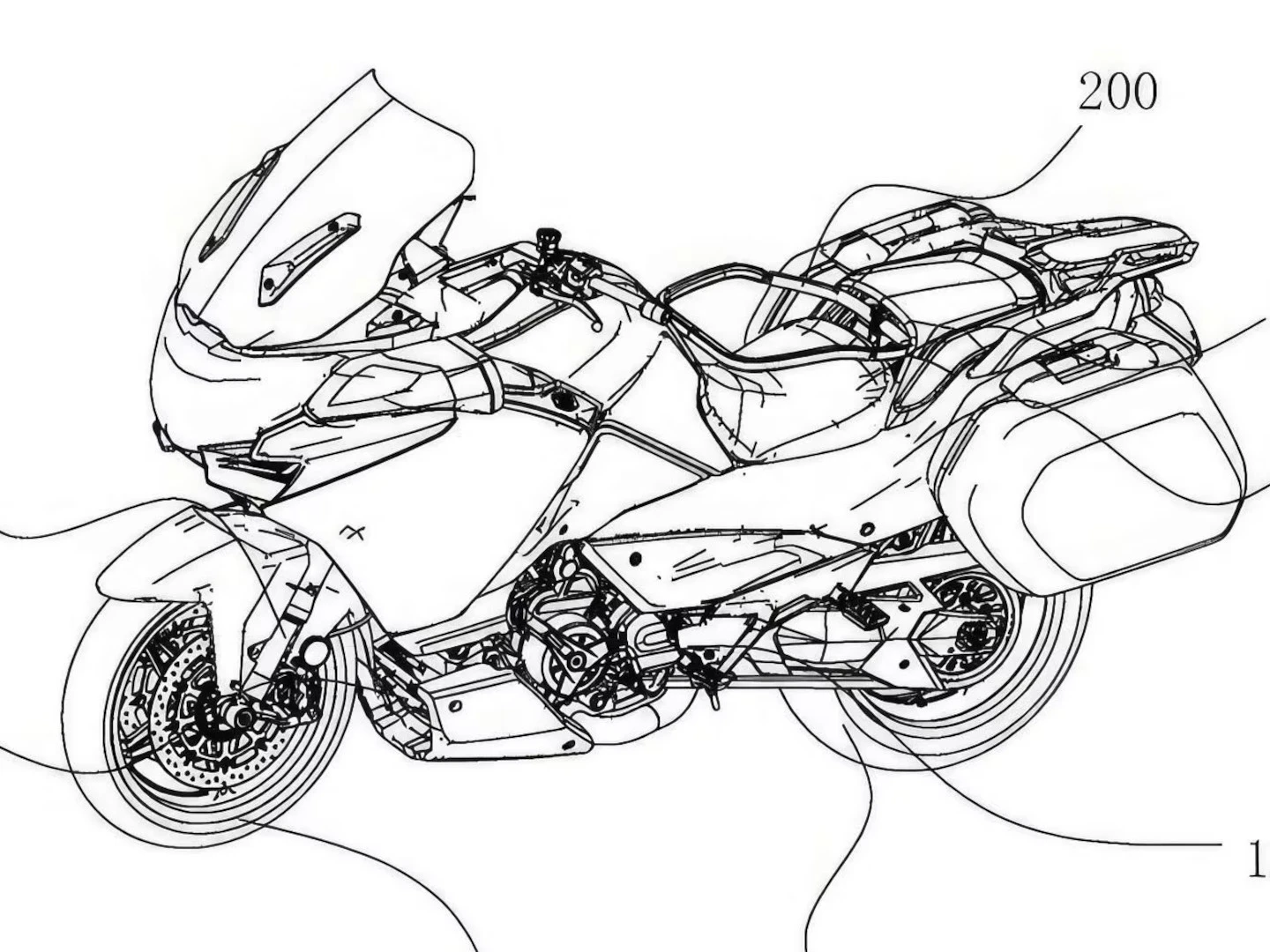
Motorcycle ergonomics are designed for flexibility. The seat, foot pegs, and handlebars all support this freedom. Vehicle design differences prioritize rider control over restraint.
Riders can slide off the bike safely during crashes. This reduces the chance of being trapped or crushed. This is why motorcycle seatbelt laws do not mandate belts. The focus remains on improving gear and rider skills for better crash survival.
Credit: www.rideapart.com
Safety Considerations
Motorcycles do not have seatbelts mainly because of important safety reasons. Riders need to move freely to react quickly during rides. Safety considerations focus on how seatbelts could affect the rider’s ability to stay safe in crashes and emergencies. Understanding these points helps explain why seatbelts are not part of motorcycle design.
Risk Of Being Trapped
One major safety concern with motorcycle seatbelts is the risk of being trapped after a crash. Unlike cars, motorcycles do not have a protective frame around the rider. If a rider wears a seatbelt, getting stuck becomes a real danger. Quick escape is often necessary to avoid further injury or fire.
- Motorcycle crashes can cause the bike to fall or slide.
- Riders may need to separate from the bike immediately.
- A seatbelt could prevent riders from moving away fast.
- Emergency situations might require rapid exit.
Emergency responders also face challenges if riders are stuck. In some cases, cutting seatbelts can delay rescue. This delay can increase the severity of injuries.
| Situation | With Seatbelt | Without Seatbelt |
|---|---|---|
| Need to escape fire | High risk of delay due to restraint | Easy and fast escape |
| Emergency medical help arrival | Possible delay in removing rider | Quick access to injured rider |
| Bike sliding on road | Rider trapped with bike | Rider can separate and avoid harm |
Crash Dynamics For Riders
Motorcycle crashes involve different forces than car accidents. Riders are exposed and can be thrown from the bike. Seatbelts can change how these forces affect the rider, often in dangerous ways.
Without seatbelts, riders can separate from the motorcycle during a crash. This separation can reduce injury severity by avoiding direct impact or crushing.
- Seatbelts may cause riders to stay attached to the bike.
- Being stuck to the bike can lead to more severe injuries.
- Riders can use body movement to protect themselves.
- Freedom of movement helps in balancing and avoiding falls.
The table below shows common crash outcomes with and without seatbelts:
| Crash Outcome | With Seatbelt | Without Seatbelt |
|---|---|---|
| Rider thrown off | Less likely, increases risk of crushing | More likely, reduces crushing risk |
| Impact force on rider | Direct force with bike | Force spread out by body movement |
| Chance of sliding away | Reduced due to restraint | Higher, helps avoid injury |
Legal And Regulatory Factors
Motorcycles do not have seatbelts due to several legal and regulatory factors. Safety laws and vehicle regulations treat motorcycles differently from cars. These rules focus on the unique design and risks of motorcycles. Understanding these laws helps explain why seatbelts are not required or practical on motorcycles.
Laws Governing Motorcycle Safety
Motorcycle safety laws are set to protect riders while considering how motorcycles operate. Unlike cars, motorcycles are open vehicles that require balance and quick movement. Seatbelts could restrict a rider’s ability to move freely, increasing danger rather than reducing it.
Key points about motorcycle safety laws include:
- Motorcycle design standards do not require seatbelts.
- Safety equipment focuses on helmets, protective clothing, and visibility.
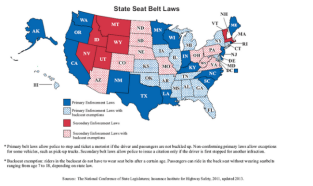
- State and national laws set helmet requirements but rarely mention seatbelts.
- Seatbelt laws primarily apply to enclosed vehicles like cars and trucks.
The table below compares safety features required for motorcycles and cars by law:
| Safety Feature | Motorcycles | Cars |
|---|---|---|
| Seatbelt | Not required | Required by law |
| Helmet | Often required | Not required |
| Airbags | Not available | Mandatory in many models |
These laws recognize the distinct risks of riding motorcycles. They focus on protection suited to an open, two-wheeled vehicle.
Helmet Vs. Seatbelt Regulations
Helmet laws and seatbelt laws serve different purposes due to vehicle types. Helmets protect the rider’s head during crashes. Seatbelts keep car passengers inside a vehicle and reduce injury by restraining movement.
Helmet regulations are strict in many places. These rules include:
- Mandatory helmet use for all motorcycle riders or only for certain age groups.
- Standards for helmet construction and certification.
- Penalties for not wearing helmets.
Seatbelt regulations focus on cars and trucks, requiring all passengers to buckle up. Motorcycles don’t fit this model because riders must be able to move freely and sometimes jump off in emergencies.
Here is a simple comparison:
| Aspect | Helmet Laws | Seatbelt Laws |
|---|---|---|
| Vehicle Type | Motorcycles | Cars, trucks |
| Purpose | Protect head | Restrict movement |
| Requirement | Often mandatory | Always mandatory |
| Flexibility Needed | Low | Low |
| Freedom of Movement | Allowed | Restricted |
In summary, laws prioritize helmets for motorcycle safety. Seatbelts do not fit the unique needs of motorcycle riders. This legal approach shapes why motorcycles remain without seatbelts.
Alternative Safety Measures
Motorcycles do not have seatbelts like cars. This design choice is because motorcycles require different safety methods. Riders rely on other ways to stay safe on the road. These alternative safety measures help reduce injuries and accidents. They focus on protecting the rider’s body and improving skills. Understanding these methods explains why seatbelts are not used on motorcycles.
Protective Gear Importance
Protective gear is the first line of defense for any motorcycle rider. Wearing the right gear can save lives and reduce injuries significantly. Unlike seatbelts, which hold passengers in place, protective gear shields the rider’s body during crashes or falls.
Key protective gear includes:
- Helmet: Protects the head from serious injury. It is the most critical gear.
- Jacket: Made of strong materials like leather or textile. Protects the upper body and arms.
- Gloves: Protect hands and improve grip on the handlebars.
- Pants: Often reinforced to protect legs and hips.
- Boots: Support ankles and protect feet.
| Gear | Main Purpose | Material |
|---|---|---|
| Helmet | Head protection | Polycarbonate, fiberglass |
| Jacket | Upper body protection | Leather, textile with armor |
| Gloves | Hand safety and grip | Leather, synthetic fibers |
| Pants | Leg and hip protection | Reinforced textile, leather |
| Boots | Foot and ankle safety | Leather, rubber soles |
Wearing this gear always increases safety. It reduces cuts, bruises, and broken bones. Many countries require helmets by law. This rule shows how important protective gear is for riders.
Advanced Rider Training
Training improves a rider’s skills and awareness. It teaches how to handle different road conditions. This education helps prevent accidents before they happen.
Advanced rider training covers:
- Emergency braking: Learning to stop quickly without losing control.
- Cornering techniques: How to safely turn at different speeds.
- Obstacle avoidance: Skills to dodge unexpected hazards on the road.
- Night riding: Handling low visibility and reduced lighting.
- Group riding: Safe riding with others in a group.
Courses are often offered by motorcycle safety organizations. They include both classroom lessons and practical riding exercises. Riders who complete training show better control and confidence.
Benefits of advanced rider training:
- Improved reaction time
- Better understanding of motorcycle dynamics
- Increased ability to predict other drivers’ actions
- Greater confidence in difficult situations
This training reduces crash risks more than any seatbelt could. It fits the unique nature of motorcycle riding and focuses on skill, not restraint.
Innovations In Motorcycle Safety
Motorcycles do not have seatbelts for many reasons, mainly due to how riders move and balance. Instead, safety innovations focus on protecting riders without restricting their movement. New technologies are changing motorcycle safety to reduce injuries and save lives. These innovations aim to protect riders while keeping riding freedom. Below are some key advances in motorcycle safety that show how the industry improves protection beyond seatbelts.
Airbags And Protective Technologies
Airbags are becoming common in motorcycle safety gear. Unlike car airbags, motorcycle airbags are often worn as vests or built into jackets. They inflate quickly during a crash to protect the rider’s chest, back, and neck. This technology helps reduce serious injuries by absorbing impact forces.
Key features of motorcycle airbags and protective gear include:
- Rapid inflation: Airbags inflate within milliseconds after detecting a crash.
- Multiple sensors: Devices use accelerometers and gyroscopes to sense sudden movement.
- Reusability: Airbags can be repacked and used again after deployment.
- Comfort and flexibility: Designs allow easy movement without bulk.
Besides airbags, other protective technologies improve rider safety:
| Technology | Purpose | Benefits |
|---|---|---|
| Anti-lock Braking System (ABS) | Prevents wheel lock during braking | Improves control and reduces crash risk |
| Traction Control | Limits wheel spin on slippery surfaces | Enhances stability and rider confidence |
| Impact-absorbing armor | Protects key body parts | Reduces injury severity in crashes |
These technologies work together to protect riders in different crash scenarios. They improve safety without needing seatbelts, which can restrict rider movement and increase danger in some crashes.
Future Of Rider Protection
Rider safety will continue to improve with new innovations. Engineers and designers focus on smarter systems that predict and prevent accidents. Advances in electronics and materials offer better protection and comfort.
Emerging trends in rider protection include:
- Connected Safety Systems: Bikes will communicate with other vehicles and road infrastructure to warn riders about hazards.
- Advanced Rider Assistance: Technologies like automatic emergency braking and adaptive cruise control will help avoid crashes.
- Smart Helmets: Helmets with heads-up displays and sensors will provide real-time info and monitor rider health.
- Lightweight Armor: New materials will offer stronger, lighter protection that adapts to rider movements.
These developments aim to reduce accidents and lessen injury impact. The focus stays on keeping riders safe without limiting freedom or enjoyment of riding.
Here is a simple comparison of current and future safety features:
| Feature | Current | Future |
|---|---|---|
| Crash Detection | Airbag vests with sensors | Integrated bike and rider systems |
| Accident Prevention | ABS and traction control | Vehicle-to-vehicle communication |
| Rider Information | Basic dashboard displays | Augmented reality helmets |

Credit: www.reddit.com
FAQs For Why Don T Motorcycles Have Seatbelts
Why Don’t Motorcycles Have Seatbelts?
Motorcycles lack seatbelts because riders need freedom to move and balance. Seatbelts could trap riders during crashes, increasing injury risk.
Are Seatbelts On Motorcycles Unsafe?
Yes, seatbelts on motorcycles can be unsafe by restricting rider movement and preventing quick dismounts during emergencies.
How Do Riders Stay Safe Without Seatbelts?
Riders use helmets, protective gear, and safe riding techniques to stay safe instead of seatbelts on motorcycles.
Can Seatbelts Improve Motorcycle Safety?
Seatbelts do not improve motorcycle safety due to the bike’s open design and need for rider mobility.
Conclusion
Motorcycles do not have seatbelts because riders need to move freely. Seatbelts could trap a rider during an accident. Riders rely on helmets and protective gear for safety. Balance and quick reactions are crucial while riding. Adding seatbelts might cause more harm than good.
Safety on motorcycles depends on skill and caution. Understanding these reasons helps explain why seatbelts are not used. Riding safely means wearing the right gear and staying alert.