Do You Need to Balance Motorcycle Tires: Essential Tips for Safety & Performance

Have you ever felt a strange wobble or vibration while riding your motorcycle? It might be your tires asking for help.
Balancing motorcycle tires is a simple step that can make a big difference in how smooth and safe your ride feels. But do you really need to balance them every time? You’ll discover why tire balance matters, how it affects your bike, and what you can do to keep your rides steady and comfortable.
Keep reading—you might be surprised at how this small fix can improve your riding experience.
Importance Of Tire Balancing
Balancing motorcycle tires plays a crucial role in maintaining smooth and safe rides. Proper motorcycle tire balancing ensures that the weight distribution around the wheels is even. Uneven weight can cause vibrations and affect handling performance. Balanced wheels improve overall ride stability and reduce strain on the suspension and steering. This section explains the importance of tire balancing by looking at its impact on ride quality, tire wear, and safety.
Impact On Ride Quality
Balanced wheels contribute significantly to a comfortable ride. When tires are not balanced, riders feel tire vibration through the handlebars and seat. This vibration can make controlling the motorcycle difficult, especially at higher speeds. Proper balancing helps in:
- Reducing vibrations that cause rider fatigue
- Improving smoothness of the ride
- Enhancing handling performance and control
- Maintaining consistent contact between tire and road
Wheel imbalance creates uneven forces that disrupt the bike’s stability. This leads to shaky rides and can cause discomfort during long trips. Balanced wheels work with good wheel alignment to ensure the motorcycle responds well to steering inputs. Without balanced tires, even small bumps feel harsh. Vibration reduction also protects other parts of the motorcycle from unnecessary wear.
Effects On Tire Wear
Unbalanced tires cause uneven tire wear patterns. This means certain parts of the tire wear down faster than others. Uneven wear shortens tire life and increases maintenance costs. Proper tire balancing helps in:
- Distributing weight evenly across the tire tread
- Preventing premature tire damage
- Extending tire lifespan through uniform wear
- Reducing the risk of tire failure
Here is a simple comparison of tire wear due to balancing:
| Balanced Tires | Unbalanced Tires |
|---|---|
| Even tread wear | Patchy wear, especially on edges |
| Longer tire life | Early tire replacement needed |
| Consistent grip on road | Variable grip causing instability |
Regular tire maintenance includes checking tire balance to avoid costly repairs. Balanced wheels prevent uneven load stress, which helps keep tires in good condition longer.
Safety Considerations
Motorcycle safety depends on many factors, and motorcycle tire balancing is one of them. Imbalanced tires can lead to dangerous situations by reducing ride stability. Key safety points include:
- Improved control: Balanced tires allow riders to steer accurately and avoid obstacles.
- Reduced vibration: Less vibration means better grip and less chance of losing control.
- Enhanced braking: Stable tires improve braking performance during sudden stops.
- Preventing accidents: Avoids wobbling that can cause crashes at high speeds.
Regular checks for tire balance are a vital part of motorcycle safety. Along with proper wheel alignment, balanced tires ensure the motorcycle reacts predictably. This reduces the risk of accidents caused by unstable rides or unexpected tire failure. Keeping tires balanced is a simple step to protect yourself and others on the road.
Signs Tires Need Balancing
Proper Motorcycle Tire Balancing is vital for Motorcycle Safety And Performance. Balancing tires keeps your ride smooth and safe. Tires that are out of balance cause problems that can affect your control and comfort. Knowing the Signs Tires Need Balancing helps you fix issues early. This prevents damage and improves your bike’s handling. Below are key signs to watch for.
Vibrations While Riding
Tire Vibration Causes often point to unbalanced tires. When tires are not balanced, you may feel shaking or wobbling. This usually happens at higher speeds. Vibrations can affect your hands, feet, or even the whole bike. These vibrations reduce Ride Smoothness Motorcycle and cause fatigue.
Common vibration symptoms include:
- Handlebars shaking or buzzing
- Seat vibration felt in your body
- Foot pegs vibrating more than usual
Ignoring these signs can worsen your bike’s condition. Vibrations can also cause fast wear on other parts like bearings and suspension. Proper Wheel Weight Balancing fixes these issues and restores smoothness. Tire balancing is a simple maintenance step but critical for a safe ride.
Uneven Tire Wear
Uneven Tire Wear Signs show that your tires are not balanced or aligned correctly. Look closely at your tire tread. If one side is wearing faster than the other, it means the tire is not making proper contact with the road. This wear pattern can reduce your tire’s lifespan and grip.
Reasons for uneven wear include:
- Unbalanced tires causing uneven rotation
- Incorrect Wheel Alignment Motorcycle
- Improper inflation or tire pressure
Here is a simple table showing common wear patterns and possible causes:
| Wear Pattern | Possible Cause |
|---|---|
| One side worn more | Unbalanced tire or misalignment |
| Center tread worn | Over-inflated tire |
| Edges worn more | Under-inflated tire |
Checking tires regularly and balancing them prevents uneven wear. Follow Tire Maintenance Tips to keep tires in top shape and extend their life.
Handling Issues
Motorcycle Handling Problems can be a warning that tires need balancing. If the bike pulls to one side or feels unstable, the tires might be out of balance. Unbalanced tires affect steering and cornering. This reduces control and increases the risk of accidents.
Signs of handling problems include:
- Pulling left or right without steering input
- Difficulty maintaining a straight line
- Wobbly or shaky turns
Balancing your tires helps keep your motorcycle stable. It improves grip and response on the road. This is why Tire Balancing Importance cannot be ignored. Combined with proper Wheel Alignment Motorcycle, balanced tires ensure better control and safer rides.
How Motorcycle Tires Are Balanced
Balancing motorcycle tires is essential for a smooth and safe ride. Proper motorcycle tire balancing reduces wheel vibration and uneven tire wear. It also improves ride stability and overall motorcycle safety. The process of balancing involves adjusting the tire weight distribution around the wheel. This ensures the wheel spins evenly without causing wobble or shaking. Understanding how motorcycle tires are balanced helps riders appreciate the importance of regular tire maintenance.
Static Vs Dynamic Balancing
There are two main methods to balance motorcycle tires: static balancing and dynamic balancing. Both aim to fix wheel vibration but in slightly different ways.
- Static Balancing focuses on balancing the tire when it is not moving. It corrects heavy spots by adding weights to the wheel rim. This method prevents the wheel from having a heavy point that causes it to pull down when stationary.
- Dynamic Balancing balances the tire while it spins. It detects imbalances across the wheel’s width, correcting both side-to-side and up-and-down forces. This improves wheel alignment and reduces vibrations during riding.
Static balancing is simpler and useful for small imbalances. It only addresses vertical forces. Dynamic balancing is more precise. It fixes both vertical and lateral imbalances, making it better for high-speed motorcycles.
| Balancing Type | When Used | Corrects | Benefits |
|---|---|---|---|
| Static Balancing | Wheel stationary | Vertical imbalance | Simple, quick fix |
| Dynamic Balancing | Wheel spinning | Vertical & lateral imbalance | Better ride stability, less vibration |
Balancing Equipment Used
Balancing machines make motorcycle tire balancing faster and more accurate. These machines spin the tire and measure imbalances.
There are two common types of balancing machines:
- Static Balancing Machines: Detect heavy spots by spinning the wheel slowly. Used mainly for small bikes or simple balancing jobs.
- Dynamic Balancing Machines: Spin the wheel at higher speeds to measure both vertical and lateral imbalances. Provide detailed weight placement for better tire weight distribution.
Balancing machines show where to place small weights on the rim. These weights correct the imbalance and improve wheel alignment. Proper use of these tools decreases wheel vibration and uneven tire wear.
Using the right balancing equipment ensures a safer ride and extends tire life. Many motorcycle shops use advanced dynamic machines to guarantee the best results. Basic home kits exist but may not be as precise as professional machines.
When To Balance Motorcycle Tires
Balancing motorcycle tires plays a vital role in ensuring a smooth and safe ride. Knowing when to balance motorcycle tires helps maintain ride stability and reduces vibration. Proper motorcycle tire balancing also supports tire wear prevention and extends tire life. Understanding the key moments for balancing tires is essential for all riders aiming for optimal performance and safety.
After Tire Installation
Balancing tires immediately after the tire installation process is crucial. New tires often have uneven weight distribution, which can cause vibrations and affect ride stability. During installation, the wheel may shift slightly, impacting wheel alignment. Balancing ensures the motorcycle runs smoothly and safely from the start.
Key reasons to balance tires after installation:
- Eliminates vibration caused by uneven tire weight
- Improves handling and control
- Prevents premature tire wear
- Supports overall motorcycle safety tips
Technicians use wheel weight balancing tools to detect and correct any imbalance. Proper balancing reduces rider fatigue and enhances comfort on long rides. Skipping this step can lead to uneven tire wear and costly repairs.
Following Repairs
Repairs to motorcycle tires or wheels can affect balance, making it important to check balance after any fix. Tire repair impact varies depending on the damage type and repair quality. Common repair situations requiring rebalancing include patching punctures, fixing bent rims, or replacing wheel components.
Reasons to balance after repairs:
- Restores proper weight distribution on the wheel
- Maintains ride stability and safety
- Prevents vibration and wobbling
- Ensures consistent tire wear
Ignoring balancing after repairs can lead to unsafe riding conditions. Regular balancing also helps detect hidden damage from impacts, aiding in early maintenance. Proper balance keeps the motorcycle responsive and comfortable after any repair work.
Routine Maintenance Intervals
Including motorcycle tire balancing in your maintenance schedule supports tire wear prevention and overall bike health. Tires lose balance naturally over time due to normal use and road conditions. Balancing at regular intervals keeps the wheels aligned and reduces vibration.
Recommended routine maintenance actions:
- Check tire balance every 3,000 to 6,000 miles
- Inspect tires for uneven wear or damage
- Perform wheel alignment checks
- Balance wheels during regular service visits
Routine balancing enhances motorcycle safety tips by promoting better traction and control. It also prevents costly issues by catching imbalances early. Regular maintenance keeps your ride smooth and prolongs tire life, making it a smart practice for all riders.
Diy Vs Professional Balancing
Balancing motorcycle tires is crucial for handling stability and tire safety. Riders often debate between DIY tire balancing and seeking a professional motorcycle maintenance service. Both methods aim to reduce vibrations and improve riding comfort. Choosing the right option depends on tools, skills, and the desired level of precision.
Tools Needed For Diy
Diy tire balancing requires specific tools to ensure motorcycle tire balancing is done correctly. Without the right equipment, balancing may be inaccurate, causing uneven tire wear and poor handling stability.
Basic tools for DIY balancing include:
- Balancing stand or spin balancer: Allows the wheel to spin freely for weight adjustment.
- Balancing weights: Small weights attached to the rim to counteract imbalances.
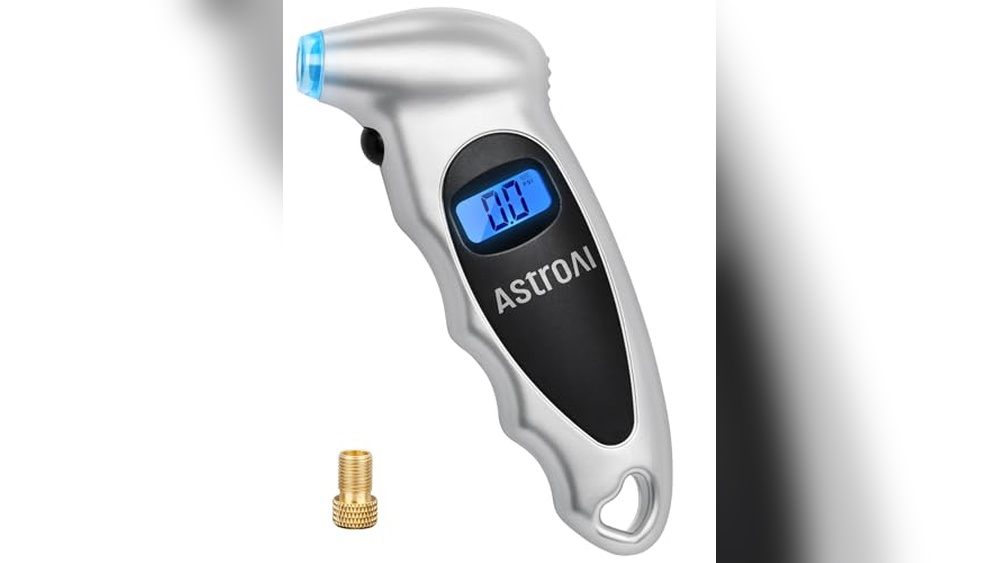
- Tire pressure gauge: Ensures correct tire inflation during balancing.
- Wheel weights pliers: For attaching and removing balancing weights.
- Wheel truing stand (optional): Helps check for wheel alignment issues.
Here is a simple comparison of tools and their roles:
| Tool | Purpose |
|---|---|
| Balancing Stand | Spins the wheel to find imbalance points |
| Balancing Weights | Counteracts uneven weight distribution on the wheel |
| Tire Pressure Gauge | Ensures optimal tire pressure for accurate balancing |
| Wheel Weights Pliers | Secures or removes balancing weights |
Diy tire balancing requires patience and basic knowledge of wheel mechanics. Improper balancing may lead to increased vibration or accelerated tire wear. Regular checks during motorcycle tire care help maintain smooth rides and prevent damage.
Benefits Of Professional Service
Professional motorcycle maintenance offers precise motorcycle tire balancing using advanced equipment. Specialists ensure correct wheel alignment and apply the right balancing weights for optimal performance.
Advantages of professional balancing include:
- Accurate Vibration Reduction: Machines detect subtle imbalances missed by DIY methods.
- Time-Saving: Experts complete the process quickly and efficiently.
- Improved Tire Wear: Balanced tires last longer and perform better on the road.
- Enhanced Handling Stability: Precise balancing improves control and safety.
- Comprehensive Inspection: Professionals check for other issues like wheel damage or misalignment.
Here is a quick overview of benefits:
| Benefit | Details |
|---|---|
| Precision | Highly accurate balancing with advanced tools |
| Safety | Reduces risk of accidents caused by tire imbalance |
| Longevity | Extends tire life through proper balancing |
| Convenience | No need to buy or maintain specialized tools |
Regular visits to a professional help maintain motorcycle tire care standards and ensure long-term riding comfort. Balancing by experts supports better tire safety and reduces unexpected vibration during rides.
Consequences Of Not Balancing Tires
Balancing motorcycle tires plays a crucial role in maintaining smooth ride quality and ensuring long tire life. Ignoring motorcycle tire balancing can lead to several serious problems that affect your bike’s performance and safety. The consequences of not balancing tires include increased wear and tear, reduced fuel efficiency, and compromised safety. These issues impact motorcycle handling safety and overall ride stability, making it vital to understand what happens if tire maintenance tips like balancing are skipped.
Increased Wear And Tear
Unbalanced motorcycle tires cause uneven tire wear, which shortens the lifespan of your tires. When the tires are not balanced, certain areas of the tire bear more pressure and friction than others. This leads to faster deterioration in those spots, requiring more frequent tire replacements.
Common signs of increased wear and tear include:
- Visible tread wear on one side of the tire
- Uneven tire patterns that affect grip
- Frequent need for tire rotation frequency adjustments
Ignoring these signs can also put extra stress on the suspension and wheel alignment. Over time, this causes additional mechanical problems and increases repair costs. Regular motorcycle tire balancing helps distribute weight evenly, reducing tire vibration and wear.
| Issue | Effect | Result |
|---|---|---|
| Uneven Tire Wear | More friction on one side | Shorter tire life, poor grip |
| Wheel Misalignment | Uneven pressure on tires | Extra wear, costly repairs |
| Tire Vibration | Unsteady ride | Increased mechanical stress |
Reduced Fuel Efficiency
Unbalanced tires negatively affect fuel economy motorcycle riders depend on. When tires are out of balance, the motorcycle must work harder to maintain speed and stability. This increased effort uses more fuel than necessary.
Some key reasons for reduced fuel efficiency include:
- Extra rolling resistance from uneven tire wear
- Tire vibration causing energy loss
- Poor motorcycle tire pressure leading to drag
Maintaining proper motorcycle tire balancing reduces unnecessary energy waste. This helps improve fuel economy and lowers fuel costs over time. Fuel economy motorcycle experts recommend regular checks of tire pressure and balance for best results.
Here’s a simple way to think about it:
- Balanced tires roll smoothly.
- Less energy is needed to move the bike.
- Fuel consumption stays low.
Compromised Safety
Not balancing tires can seriously affect motorcycle handling safety. Tire vibration and uneven wear make the bike less stable on the road. This reduces ride stability, especially at higher speeds or during sharp turns.
Major safety concerns caused by unbalanced tires include:
- Loss of control due to unstable handling
- Increased risk of skidding or slipping
- Longer braking distances
Proper motorcycle tire balancing ensures all wheels rotate smoothly and evenly. This improves traction and helps maintain control during sudden maneuvers. It also supports correct tire rotation frequency and wheel alignment, which are critical for safe riding.
Ignoring motorcycle tire balancing can lead to dangerous situations on the road. Riders should prioritize tire maintenance tips like balancing and pressure checks to protect themselves and others.
FAQs For Do You Need to Balance Motorcycle Tires
Do Motorcycle Tires Really Need Balancing?
Yes, balancing motorcycle tires is essential for smooth rides. It prevents vibrations, uneven tire wear, and improves handling and safety.
How Often Should Motorcycle Tires Be Balanced?
Motorcycle tires should be balanced every time you replace or repair them. Regular balancing ensures optimal performance and extends tire life.
Can Unbalanced Tires Damage My Motorcycle?
Unbalanced tires cause vibrations that stress suspension and bearings. This can lead to premature wear and costly repairs over time.
What Happens If Motorcycle Tires Are Not Balanced?
Unbalanced tires cause wobbling, poor handling, and uneven tire wear. This reduces ride comfort and compromises road safety.
Conclusion
Balancing motorcycle tires keeps your ride smooth and safe. It helps avoid vibrations that tire wear can cause. Balanced tires improve handling and make riding more comfortable. You save money by preventing uneven tire wear and damage. Regular checks ensure your tires stay balanced for longer trips.
Don’t ignore this simple step for better control on the road. Safe riding starts with well-maintained tires. Keep your motorcycle balanced and enjoy every ride.