Dunlop K591 vs D401 – Understanding the Dunlop D401

Now let’s talk about the other side of the dunlop k591 vs d401 story—the Dunlop D401. This tire is almost the opposite of the K591 in both feel and purpose.
If the K591 has a racing past, the D401 has a factory mindset. It’s built to do one thing very well: deliver smooth, predictable miles for cruiser riders.
And honestly, it does exactly that.
What the Dunlop D401 Is Designed For
The Dunlop D401 is the only cruiser tire officially approved by Harley-Davidson for many factory setups. That alone tells you how it’s meant to be used.
This tire is:
- Bias or bias-belted construction
- Built for stability
- Tuned for long life
- Made to feel calm and controlled
You’ll find it stock on many Harley cruisers, including:
- Dynas
- Softails
- Touring-style bikes
It’s also rated H-speed, which is more than enough for real-world riding.
This is not a tire meant to be pushed hard. It’s meant to be trusted.
Real Mileage: Where the D401 Shines
This is where the D401 really separates itself in the dunlop k591 vs d401 debate.
Many riders report:
- 12,000 to 15,000 miles on a rear tire
- Front tires lasting even longer
One rider replaced a worn rear around 14,250 miles. The center tread was completely gone, but the tire had done its job. That’s a strong number for a heavy cruiser with mixed riding.
Another rider said the front still looked good past 15,000 miles, with no rush to replace it.
That kind of lifespan is what cruiser riders want.
Why the D401 Lasts Longer
The D401 uses:
- A harder compound
- A computer-optimized tread profile
- A design meant to reduce cupping
That harder rubber means:
- Less heat buildup
- Slower wear
- Better straight-line durability
It also explains why the D401 does not feel sporty.
You don’t get that soft, sticky sensation. But you do get consistency.
How the D401 Feels on the Road
Most riders describe the D401 like this:
- Stable
- Predictable
- Calm
It handles daily riding well:
- City traffic
- Stop-and-go
- Long highway runs
One rider noted that city riding and constant stops may wear tires faster. Even then, getting close to 15,000 miles felt reasonable.
The D401 does not surprise you. And for many riders, that’s exactly what they want.
Wet Weather Behavior
Wet roads are where worn tires show their age fast.
A rider shared a clear warning moment:
Riding for hours in heavy rain on worn tires felt sketchy and unsafe.
With fresh D401s, that worry faded. The directional tread and deeper grooves help clear water better than worn sport-style rubber.
This tire is not exciting in the rain—but it is dependable.
When the D401 Is the Right Choice
You’ll likely enjoy the D401 if:
- You cruise more than carve
- You value mileage over grip
- You ride long highway stretches
- You want factory feel
If you ride smooth and steady, the D401 fits your style.
Read our full review: Dunlop K555 vs D404
Dunlop K591 vs D401: Which Harley Tire Is Right for You?
If you’re riding a Harley-Davidson, picking the right tire isn’t just about looking good—it’s about safety, handling, and how long you’ll go before needing a replacement. I’ve spent a lot of time comparing two popular options: the Dunlop K591 and the Dunlop D401. Both have their own history, design features, and riding personalities, so let me break it down for you like I’d tell a friend over coffee.
A Quick Look at the Tires
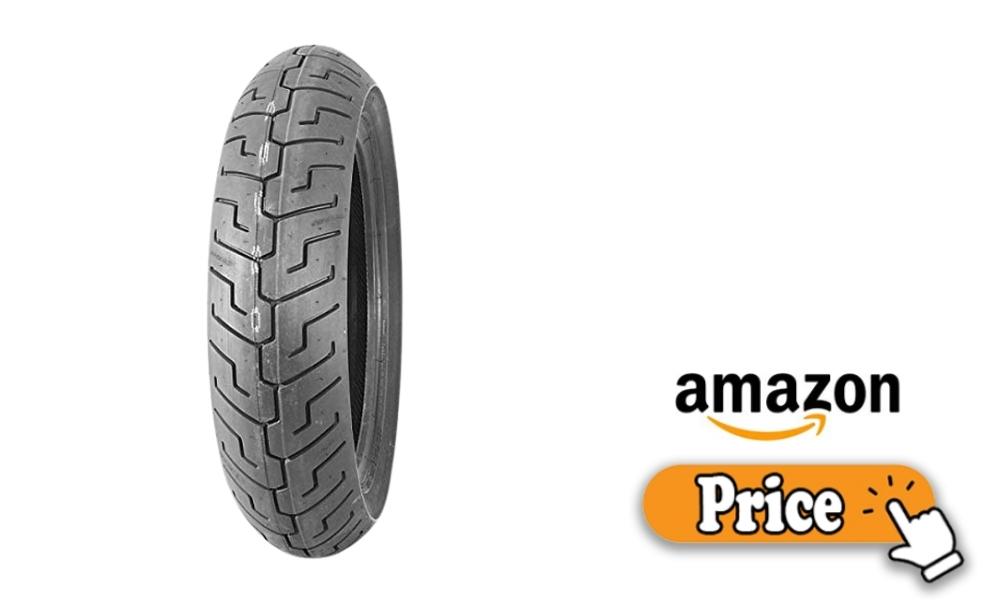
Dunlop K591
- Originally a racing tire from the 1980s, now redesigned for sportier Harley models.
- Directional tread pattern with staggered grooves for grip and wet-weather performance.
- V-speed rating, meaning it’s safe up to 149 mph.
- Designed as an OEM replacement for Harley-Davidson sport and smaller displacement bikes.
- Popular sizes include 160/70B-17 for rear tires, offering a balance of cornering grip and road hugging performance.
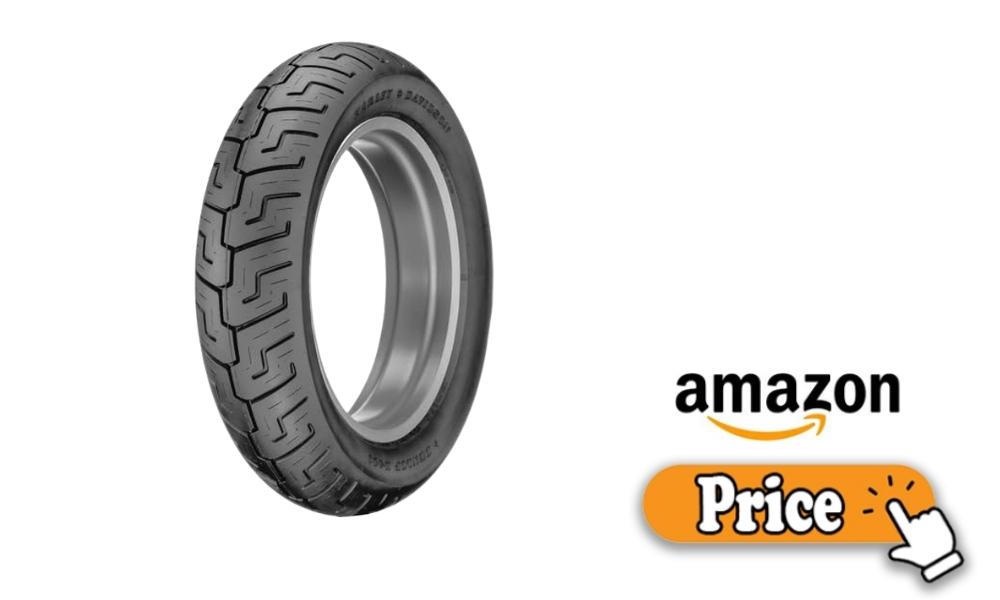
Dunlop D401
- Cruiser-focused tire with Harley-Davidson’s official blessing for factory-style riding.
- Directional tread pattern with a bias or bias-belted construction for even wear.
- H-speed rating, good up to 130 mph.
- Prioritizes long tire life and stable cruising performance.
- Common size for the rear is 130/90B16, giving you a classic cruiser feel.
From the start, you can see the K591 leans more toward performance, while the D401 is about long-lasting cruising comfort.
Riding Experience: Grip and Handling
I’ve spent plenty of time on both tires, so I can share some real-world impressions. The K591’s racing roots really show when you take corners. Its tread pattern and compound allow the bike to hug the road tightly, which feels especially confident on twisty roads. Even in wet weather, the tire maintains grip better than you’d expect, thanks to its staggered grooves.
On the other hand, the D401 is a cruiser’s dream. It doesn’t lean toward aggressive cornering like the K591, but it gives a stable, predictable ride that works perfectly for long-distance cruising. You won’t feel that tight, sporty grip, but you’ll get a tire that’s reliable on city streets, highways, and everything in between.
What really hits home is how these tires handle over time. K591 owners often notice wear sooner if they ride aggressively, especially on rear tires. The D401, thanks to its bias-belted construction and even tread profile, lasts significantly longer under similar conditions.
Tire Life: How Far Can You Go?
One of the biggest questions when comparing the Dunlop K591 vs D401 is: how long do these tires actually last? From my experience and what riders commonly report, there’s a noticeable difference.
Dunlop K591 Mileage
The K591, with its sportier compound, tends to wear faster, especially if you enjoy spirited riding. Riders can expect anywhere from 6,000 to 12,000 miles depending on style. If you ride aggressively, leaning hard into corners or accelerating quickly, you’ll see the lower end of that range. On the flip side, casual riders who mostly cruise will get closer to 12,000 miles.
It’s worth noting that the rear tire usually wears faster than the front. With the K591’s directional tread, the tire’s grip is excellent, but that sticky compound also means the rubber gets used up faster.
Dunlop D401 Mileage
The D401 shines in the longevity department. Its bias-belted construction and optimized tread profile give it exceptionally even wear, so rear tires often last well over 14,000 miles, with some riders pushing them close to 15,000 miles or more. The front tire can last even longer, sometimes outliving the rear by a few thousand miles.
For city riders, the D401’s even wear and predictable handling make it a reliable choice. You don’t have to worry about sudden traction loss on wet roads or uneven tire squaring, which is something that can happen with the K591 if you push it hard.
Real-Life Examples
Imagine riding a 2022 Street Bob Softail for three years, putting over 14,000 miles on the stock Dunlop D401 tires. The rear tire might be fully worn in the center, and the front shows signs of wear, but the tires handle city streets, highways, and long trips well throughout their life. You’d notice the difference immediately when switching to fresh tires—more grip, better cornering response, and that confident feeling every rider wants.
With the K591, riders on smaller or sportier Harleys notice excellent cornering performance, but the mileage comes down faster. A Harley Dyna Switchback riding with the K591 rear tire might see noticeable wear after just 6,000 to 8,000 miles if ridden aggressively.
Wet or Dry: How These Tires Handle the Road
When it comes to the Dunlop K591 vs D401, one major factor that affects your daily ride is how the tire handles different weather conditions. This can make a huge difference if you live somewhere with unpredictable rain or wet roads.
Dunlop K591: Sporty and Responsive
The K591’s directional tread pattern is designed with performance in mind. The grooves alternate slightly on the left and right sides, which isn’t just for looks—it improves water displacement and road grip. Even in wet weather, this design helps maintain traction and cornering confidence.
I’ve ridden the K591 in light rain and on damp roads, and it clings surprisingly well. The V-speed rating also ensures that you can push it on open stretches without worrying about tire stability. That said, the soft, performance-oriented compound means it heats up faster. While that’s great for grip, it also wears the tire down quicker if you ride aggressively.
Dunlop D401: Reliable and Predictable
The D401 is all about stability. Its bias-belted construction and computer-optimized tread profile reduce cupping and uneven wear. In wet conditions, it performs steadily—maybe not with the same aggressive grip as the K591, but it gives you confidence without surprises.
For city riding, day trips, or weekend cruises, the D401 excels. Its consistent performance is noticeable when you hit a sudden patch of rain. Unlike a softer, sportier tire, it doesn’t feel twitchy or over-responsive. You get predictable traction, which is key when riding a heavier cruiser.
Why Tread Patterns Matter
Tread patterns aren’t just aesthetics—they determine how your bike interacts with the road. The K591’s staggered grooves and directional design are optimized for sportier Harley models. You’ll feel this in cornering: the bike responds more sharply and holds its line even at higher speeds.
The D401, by contrast, prioritizes even wear and longevity. The matching front and rear tread patterns give greater stability, especially under load or during long highway stretches. You might not get the razor-sharp cornering of the K591, but you get confidence and predictability for the kind of cruising most Harley owners do.
Final Recommendation: Which Tire Should You Choose?
After spending time looking at the Dunlop K591 vs D401, it’s clear that both have their place depending on your riding style and priorities. Let’s break it down:
Why Choose the K591?
- You ride a sportier Harley or smaller displacement model.
- You enjoy aggressive cornering and responsive handling.
- You’re okay with monitoring tread life more closely (6,000–12,000 miles depending on riding style).
- Wet-weather grip and sharp road feel are important to you.
The K591 is perfect if you want a tire that gives you that “connected to the road” feeling. Its racing heritage shows in every twist of the throttle and lean into corners. Just be mindful that it’s softer, so the rear tire will wear faster than a cruiser-focused tire.
Why Choose the D401?
- You’re riding a cruiser or touring Harley.
- You prioritize long-lasting tires with predictable wear (often reaching 14,000–15,000 miles).
- Comfort and stability on highways, city streets, and long trips matter most.
- You want a tire that’s forgiving in wet conditions and low-maintenance overall.
The D401 shines for everyday cruising. Its bias-belted construction and optimized tread profile make it a stable, comfortable, and long-lasting choice. You don’t get the sharp cornering of the K591, but you get peace of mind and reliability mile after mile.
My Takeaway
If I had to choose one for my own Harley, it would depend entirely on the bike and how I ride it. For a smaller sport-style Harley, the K591 is hard to beat—its grip, responsiveness, and road-hugging feel are unmatched. For a larger cruiser or long-haul touring bike, the D401 is the clear winner. It’s comfortable, reliable, and lasts a long time, letting you focus on the ride instead of worrying about your tires.
At the end of the day, both are excellent choices from Dunlop. Knowing your riding style and priorities will guide you to the right tire. Whether it’s the performance-packed K591 or the dependable D401, you can’t go wrong. Just enjoy the ride and feel confident that you’re rolling on some of the best Harley-Davidson tires available.