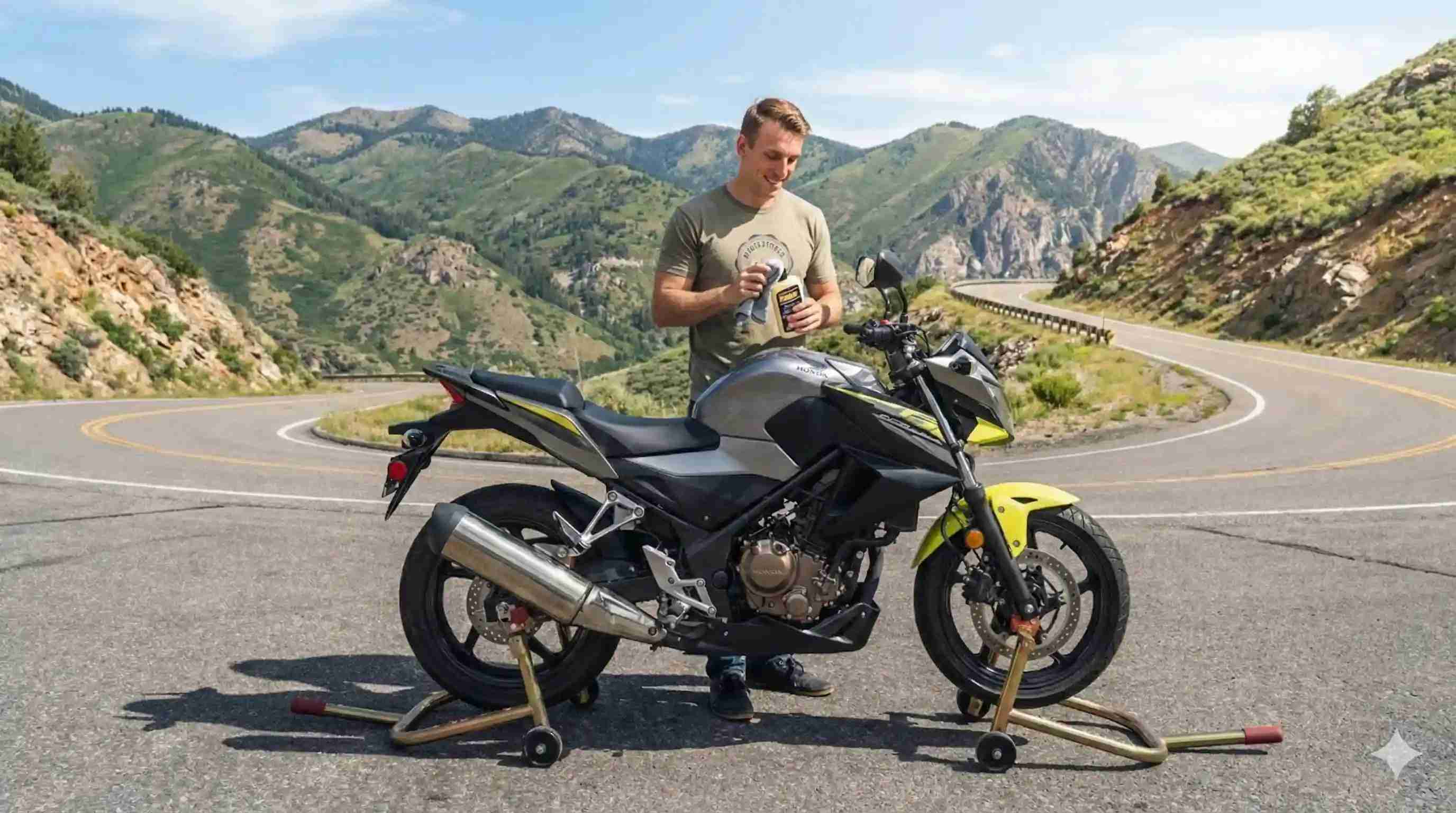
How To Change Brake Pads Motorcycle: Step-By-Step Guide

Changing motorcycle brake pads is a doable DIY with basic tools and careful safety steps.
I’ve changed many sets of pads on sportbikes and commuters, and this guide will walk you through how to change brake pads motorcycle step by step. I write from hands-on experience and workshop practice. You’ll get clear tools lists, safety checks, step-by-step procedures for front and rear brakes, bedding tips, and troubleshooting. Read on to learn how to change brake pads motorcycle safely and confidently.

Tools and parts you need before you begin
Gathering the right tools saves time and keeps you safe. You’ll need basic hand tools and the right pads for your bike.
- Torque wrench for correct fastener torque.
- Socket set and open-end wrenches in common sizes.
- Flat screwdriver or pad spreader to push pistons back.
- Brake cleaner and a clean cloth.
- New brake pads matched to your model and front or rear caliper.
- C-clamp or piston compressor for some calipers.
- Small container for brake fluid if you need to top up.
- Hex keys for caliper bolts and a service manual or spec sheet.
I always keep extra gloves and a pad magnet tray to avoid losing small bits. Having these ready makes the whole how to change brake pads motorcycle process smooth and safe.
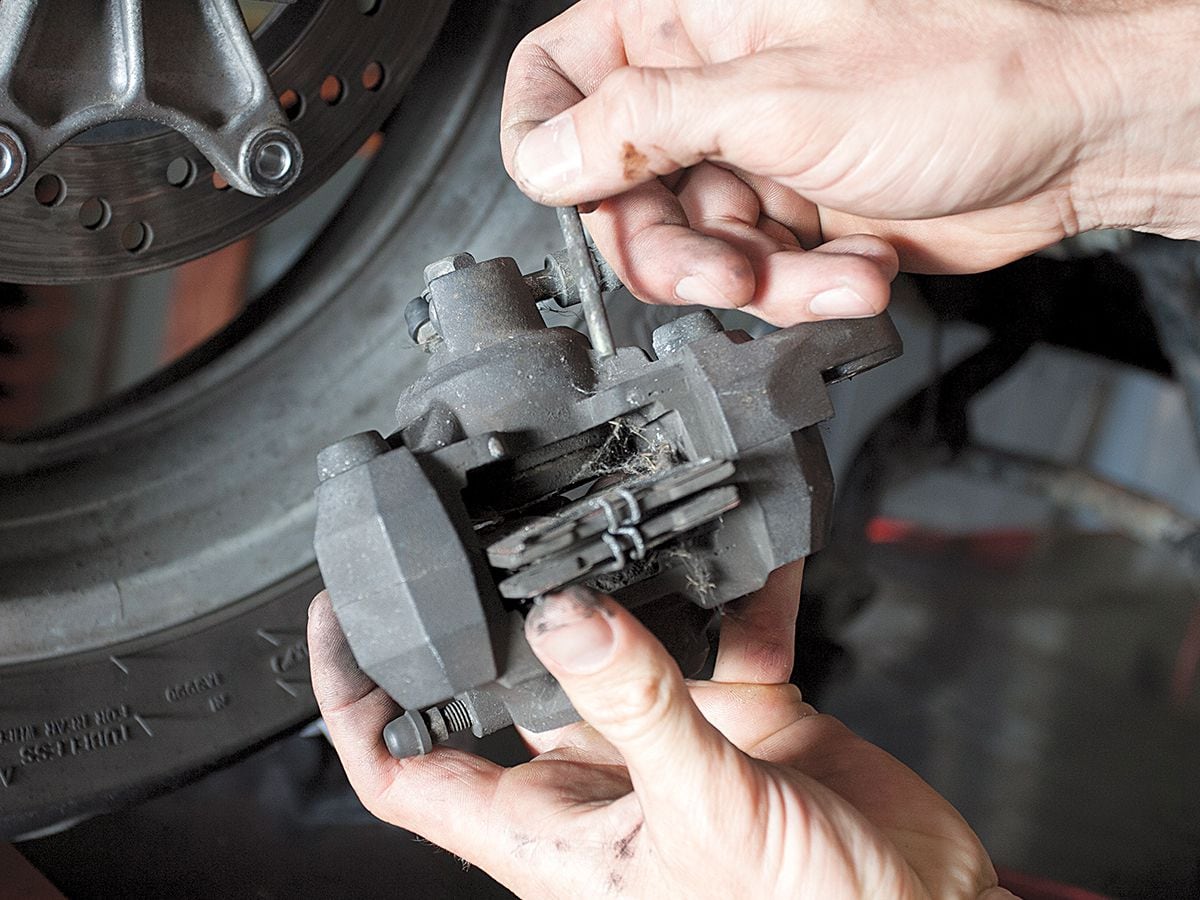
Safety and prep: key checks before you start
Safety first. A wrong move can harm you or damage the brake system.
- Work on a level surface and use a stand or center stand.
- Cool brakes fully before working. Hot parts burn.
- Wear gloves and eye protection to avoid brake dust contact.
- Block the bike from rolling and remove the key.
- Note rotor condition and caliper seals. If rotors are scored, plan for machining or replacement.
I once ignored a small rotor groove and had to redo the job. Take time here to avoid repeat work when learning how to change brake pads motorcycle.
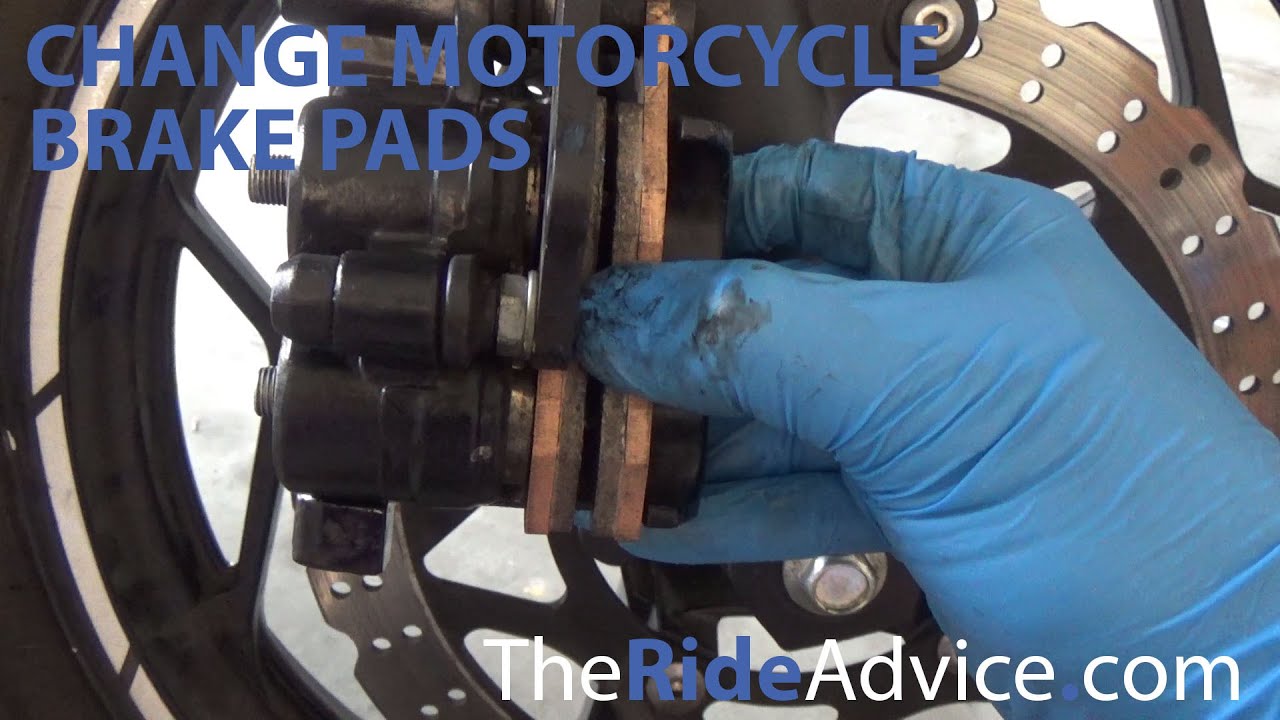
How to change brake pads motorcycle: front disc step-by-step
This section explains a common front caliper pad change. Read every step before you start.
- Lift the front wheel and secure the bike on a stand. Ensure the wheel can spin freely.
- Remove the front axle or loosen it per your bike’s service manual if wheel removal is needed.
- Unbolt the caliper. Support the caliper to avoid hanging by the brake hose.
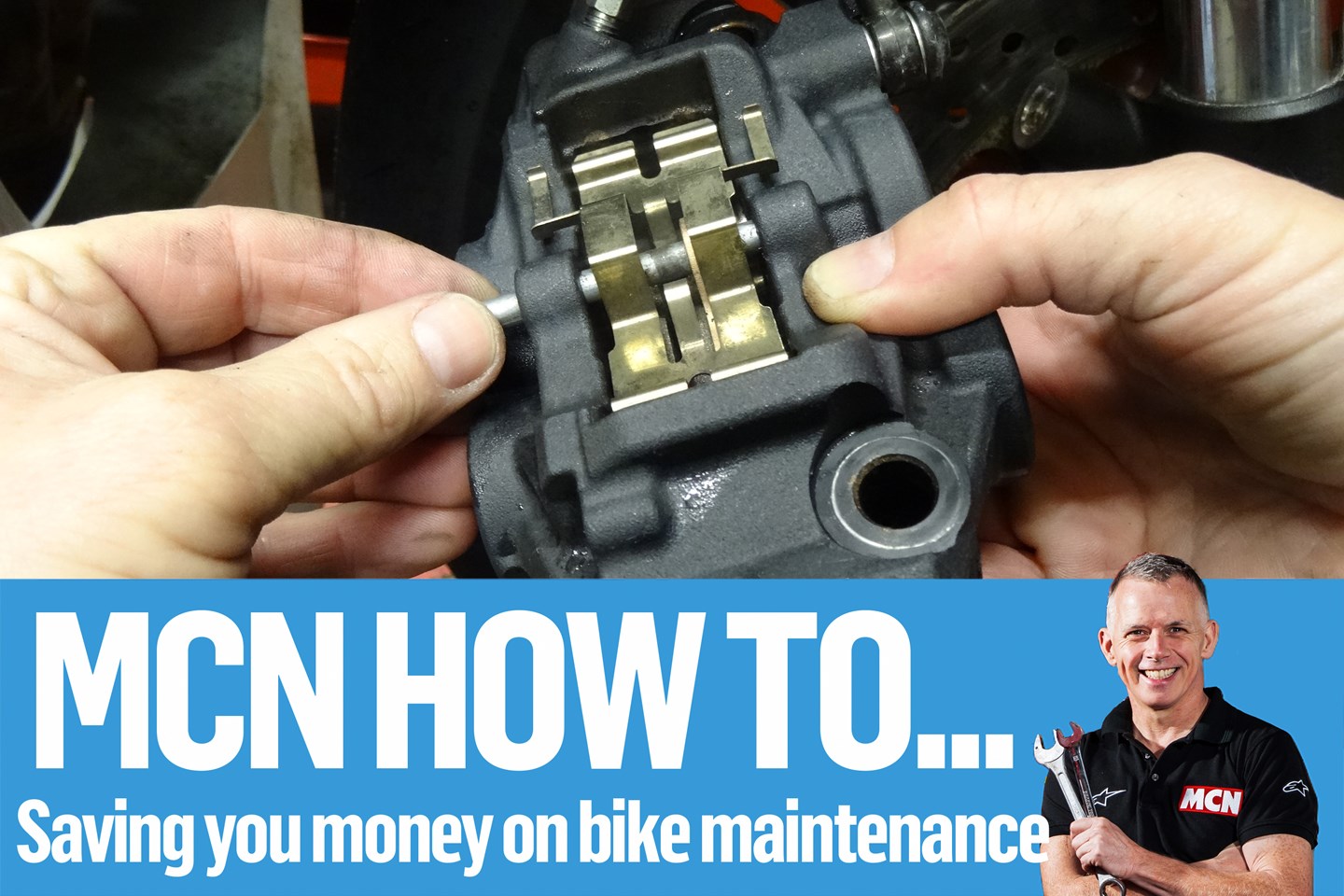
- Remove the old pads and any retaining pins or springs. Note pad orientation and hardware placement.
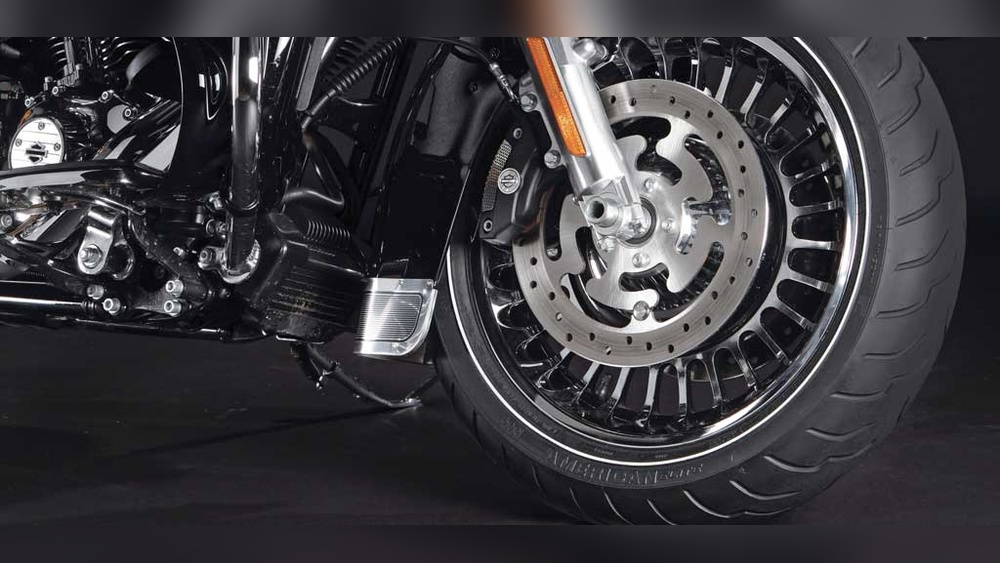
- Inspect the rotor for wear and the caliper for leaks. Check piston boot condition.
- Retract the caliper pistons using a pad spreader or C-clamp. Push slowly to avoid brake fluid overflow.
- Clean caliper and mount with brake cleaner. Do not touch pad surfaces or rotor with oily hands.
- Fit the new pads and reassemble hardware in the correct order.
- Torque caliper bolts and axle to spec from the service manual.
- Before riding, pump the brake lever until firm and check fluid level and pedal feel. Perform a low-speed test.
These steps cover the main tasks when you want to know how to change brake pads motorcycle for front discs. Keep parts organized and follow torque specs.
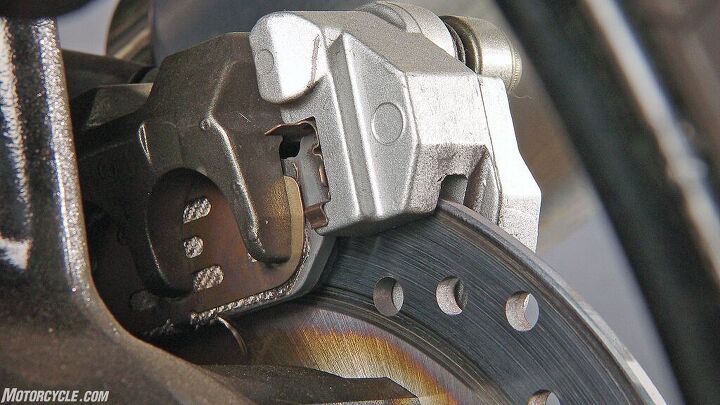
How to change brake pads motorcycle: rear disc and drum differences
Rear brakes can differ by design. Here is how to handle both types.
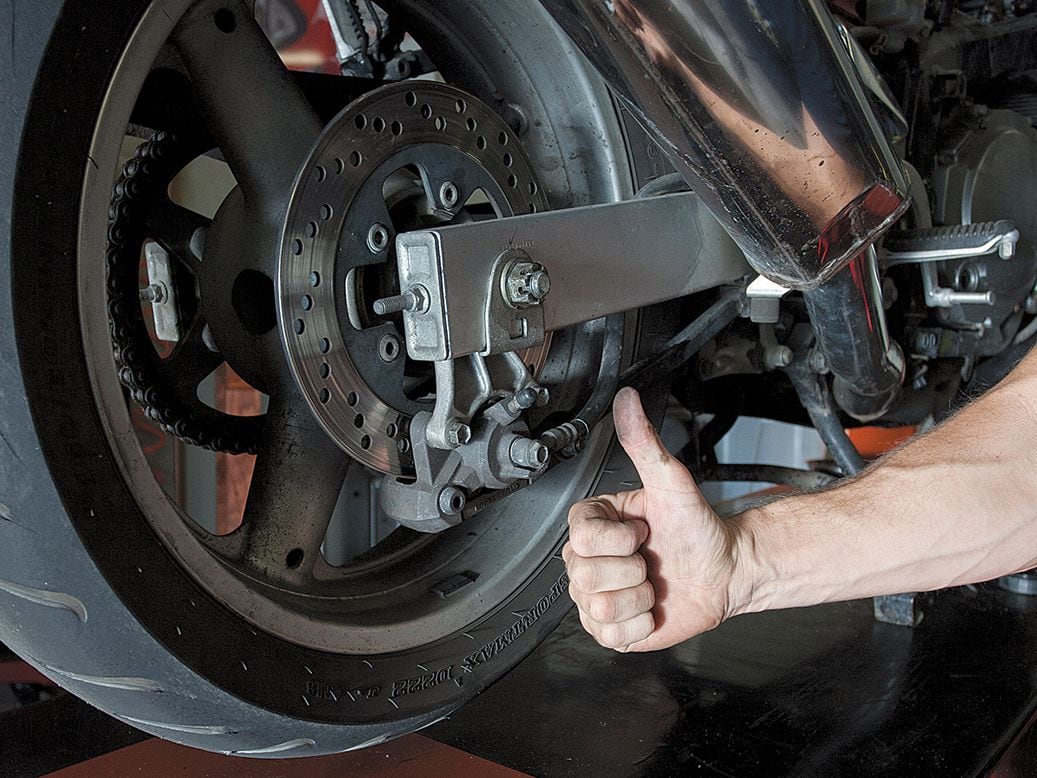
- Rear disc brakes follow the same basic steps as front discs. Access may be tighter. Watch chain or belt alignment when removing the wheel.
- Rear drum brakes require removing the drum, taking note of spring and cam positions, replacing shoes, and re-assembling springs in their correct slots.
- Always check parking brake or hand lever adjustment after reassembly.
I learned to mark spring positions with tape on complex drum setups. Small details save you from squeaks and poor braking after a new install.

Bedding in new pads and testing procedure
Bedding is vital. It transfers a thin, even layer of pad material onto the rotor for strong, consistent stops.
- Perform progressive stops from low speeds. Make 8–10 stops from 20–30 mph with moderate pressure.
- Avoid hard stops and long skids during bedding. Let brakes cool between cycles.
- After bedding, allow a cool-down and then test at low speed to confirm feel.
Proper bedding is a big part of how to change brake pads motorcycle that affects stopping power and pad life.
Signs you need to change brake pads and common causes
Recognize wear before it becomes dangerous.
- Pad thickness below the manufacturer limit or metal wear indicator noise.
- Reduced stopping power or a spongy lever feel.
- Pulling to one side during braking or visible pad contamination.
- Leaks from caliper seals or swollen pistons.
Common causes include heavy riding, contamination from oil, glazed pads from overheating, and normal wear. I check pads every 3,000–5,000 miles on commuter bikes and more often on track bikes.

Troubleshooting and tips from experience
Small errors cause the most trouble. These tips save time and keep brakes reliable.
- If the lever stays soft after pad change, bleed the brakes to remove air.
- Never compress pistons with the brake lever pressed. Keep the reservoir cap closed and clean.
- Use copper-free paste or manufacturer-approved lubricant on pad backs and pin slides only.
- Replace retaining clips and pins when worn. They ensure proper pad alignment.
- If you feel vibration or noise after pad change, check rotor runout and pad bedding.
One time I reused a worn clip and had pad rattle. Replacing small hardware is cheap insurance.
Maintenance schedule and longevity tips
Routine care extends pad life and keeps braking safe.
- Inspect pads every 1,000–2,000 miles visually.
- Change pads when thickness hits the minimum or when performance drops.
- Keep rotors clean and free of oil or grease.
- Use OEM or high-quality aftermarket pads matched to your riding style.
Riding style has a big impact. Aggressive riding shortens pad life. I adjust inspection frequency based on how you ride.
Frequently Asked Questions of How to change brake pads motorcycle
How often should I change motorcycle brake pads?
Change pads when thickness reaches the manufacturer limit or if braking feels weak. Many riders expect 3,000–20,000 miles depending on riding style and pad compound.
Can I change brake pads without bleeding the brakes?
You can replace pads without bleeding if no air entered the system and the fluid level is correct. If pistons were pushed back and fluid overflowed or you see spongey feel, bleed the system.
Are aftermarket pads as good as OEM pads?
Quality varies. Some aftermarket pads outperform OEM for specific uses like track days, while others wear faster. Choose pads that match your bike and riding pattern.
What if the brake lever feels soft after pad change?
A soft lever usually means air in the line or low fluid. Bleed the brakes and check for leaks and proper fluid level.
Can I reuse brake pad hardware and pins?
If hardware is clean and not worn, you may reuse it. Replace clips, pins, and seals if corroded or loose to avoid noise and misalignment.
Final thoughts and next steps
You can learn how to change brake pads motorcycle safely with the right tools, clear steps, and care. Start with a calm workspace, follow the step-by-step guides above, and do a proper bedding and test ride. If you ever doubt fitment, torque values, or observe leaks, consult a mechanic.
Take action: set aside an afternoon, get the right pads and tools, and try a single brake change to gain confidence. Share your experience or questions below, and consider subscribing for more hands-on bike care guides.