
How to Replace Motorcycle Brake Fluid: Step-by-Step Guide for Safety

Your motorcycle’s brake system is one of the most important parts keeping you safe on the road. Over time, brake fluid can get dirty or lose its effectiveness, making your brakes less reliable.
Knowing how to replace motorcycle brake fluid yourself can save you money and give you confidence that your bike is ready to stop when you need it most. In this guide, you’ll learn simple steps to do it right, avoid common mistakes, and keep your brakes working smoothly.
Keep reading to make sure your bike stays safe and responsive every time you ride.
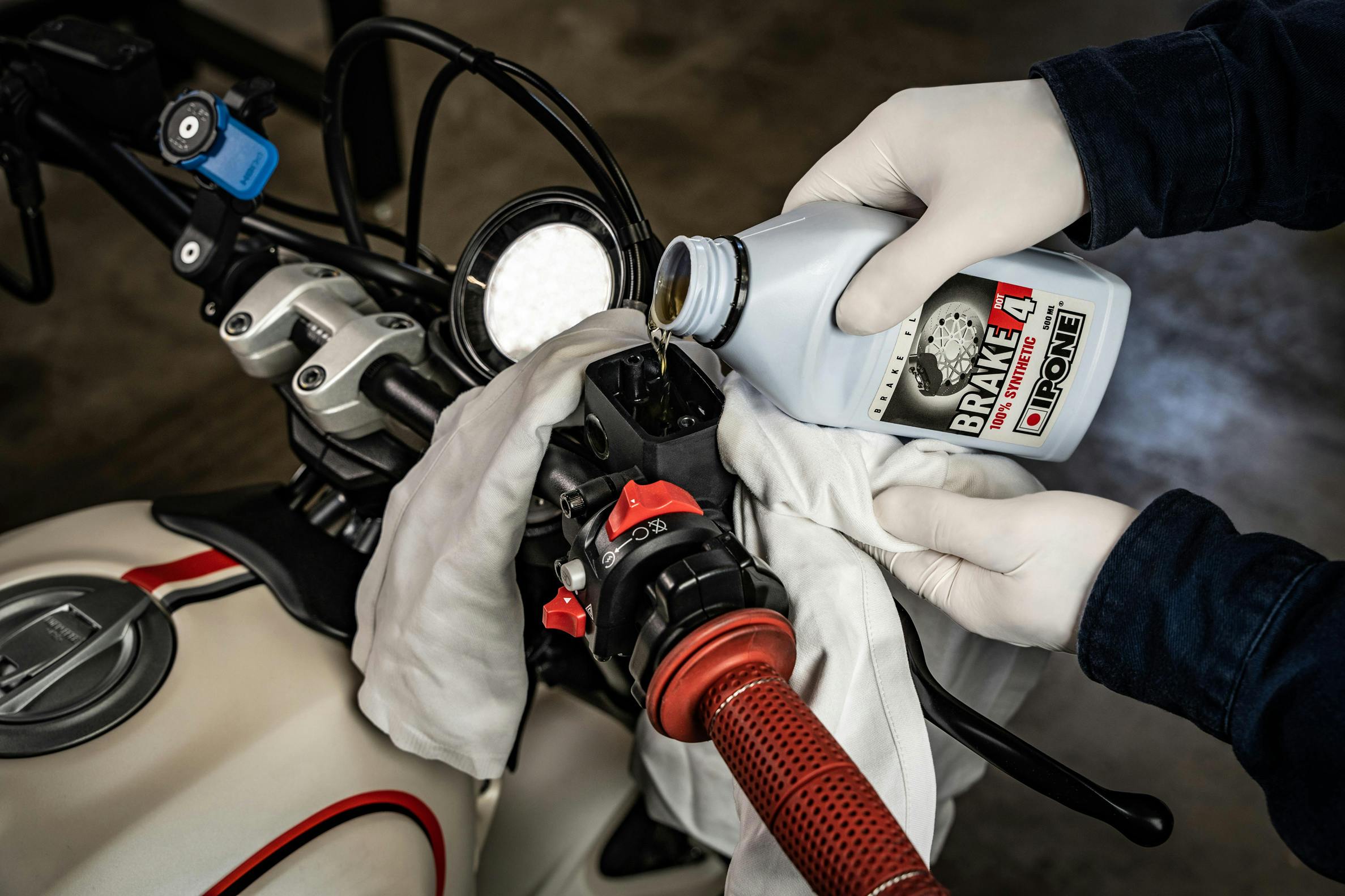
Credit: www.ipone.com
Signs Of Brake Fluid Replacement
Proper motorcycle brake fluid maintenance is crucial for safe riding and optimal brake system performance. Knowing the signs of brake fluid replacement helps prevent brake failure and costly repairs. Brake fluid degrades over time due to moisture contamination and heat, affecting the hydraulic brake system’s efficiency. Regular motorcycle brake maintenance includes monitoring brake fluid condition, performance, and following the manufacturer’s guidelines for replacement. Identifying early signs ensures timely brake fluid bleeding and brake fluid reservoir refill, keeping your brake system safe and responsive.
Brake Performance Issues
One of the first signs that brake fluid needs replacement involves changes in brake performance. Noticeable problems include:
- Spongy or soft brake lever: The brake lever feels less firm or sinks closer to the handlebar.
- Reduced braking power: The motorcycle takes longer to stop or requires more lever pressure.
- Brake fade: Brakes lose effectiveness after repeated use, especially on long rides.
- Unusual noises: Squealing or grinding sounds during braking can signal fluid or brake system issues.
These symptoms often result from brake fluid moisture contamination, which lowers fluid boiling point and causes air bubbles in the hydraulic brake system. Moisture also promotes corrosion inside brake lines and calipers. Poor brake performance signals an immediate need for brake fluid bleeding and inspection.
| Brake Issue | Possible Cause | Action |
|---|---|---|
| Spongy brake lever | Air in brake lines or old fluid | Bleed brakes, replace brake fluid |
| Reduced stopping power | Degraded brake fluid | Brake fluid replacement |
| Brake fade on long rides | Low boiling point due to moisture | Flush and refill brake fluid |
Fluid Color And Contamination
Brake fluid color offers a quick way to check its condition. Fresh brake fluid is usually clear or light amber. Over time, it darkens and becomes cloudy due to dirt, moisture, and heat breakdown.
- Dark or brown fluid: Indicates old or contaminated fluid needing replacement.
- Cloudy or milky appearance: Shows moisture contamination harming brake system safety.
- Particles or debris: Sign of brake line corrosion or reservoir contamination.
Regular brake line inspection during motorcycle brake maintenance helps detect contamination early. Using the correct brake fluid types per your motorcycle’s requirements ensures compatibility and performance. Below is a simple guide to brake fluid color and meaning:
| Fluid Color | Condition | Recommended Action |
|---|---|---|
| Clear or light amber | Good condition | Check at regular intervals |
| Dark amber or brown | Old or contaminated | Replace brake fluid immediately |
| Cloudy or milky | Moisture contamination | Flush and bleed brake system |
Manufacturer Recommendations
Each motorcycle manufacturer provides specific guidelines for the brake fluid replacement interval. Following these is vital for maintaining brake system safety. Common recommendations include:
- Replacing brake fluid every 1-2 years depending on model and usage.
- Using brake fluid that meets the correct DOT brake fluid standards (e.g., DOT 3, DOT 4, or DOT 5.1).
- Performing regular brake line inspection and fluid level checks during maintenance.
Ignoring manufacturer advice can cause premature brake system wear or failure. The manual often details:
- Type of brake fluid required
- Recommended fluid change intervals
- Brake fluid bleeding procedures
- Safety precautions for handling brake fluid
Strict adherence to these guidelines extends brake system life and improves rider safety. Always dispose of used brake fluid responsibly and avoid mixing different brake fluid types.
Tools And Materials Needed
Replacing motorcycle brake fluid is a key part of brake system maintenance. It keeps your brakes working well and your rides safe. Before starting a motorcycle brake fluid change, gather the right tools and materials. This preparation helps the job go smoothly and avoids mistakes. Understanding the types of brake fluid, the tools needed, and proper motorcycle safety gear is important for a safe and effective hydraulic brake fluid replacement.
Brake Fluid Types
The first step in a brake fluid flush is knowing your Dot brake fluid types. Motorcycle brake systems use specific fluids that must match the manufacturer’s requirements. Using the wrong fluid can damage seals and reduce braking power.
- DOT 3: Common in older motorcycles, it absorbs moisture faster.
- DOT 4: Most common for modern bikes, better heat resistance.
- DOT 5: Silicone-based, does not absorb water but is not compatible with many systems.
- DOT 5.1: Similar to DOT 4 but with higher boiling points.
Check your brake fluid reservoir or owner’s manual to identify the correct type. Mixing fluids is not recommended because it can cause brake failure. Always use fresh, unopened fluid to avoid contamination. Remember, proper fluid choice supports effective brake caliper maintenance and smooth brake fluid bleeding.
Essential Tools
Having the right tools makes a motorcycle brake fluid change easier and safer. Here is a list of essentials for brake line inspection and fluid replacement:
- Brake fluid: Correct DOT type as per your bike’s manual.
- Wrenches: Usually 8mm or 10mm for bleeder valves.
- Clear plastic tubing: For guiding old fluid out during bleeding.
- Catch container: To collect used brake fluid safely.
- Funnel or syringe: To add fluid without spills.
- Clean rags or paper towels: For wiping spills immediately.
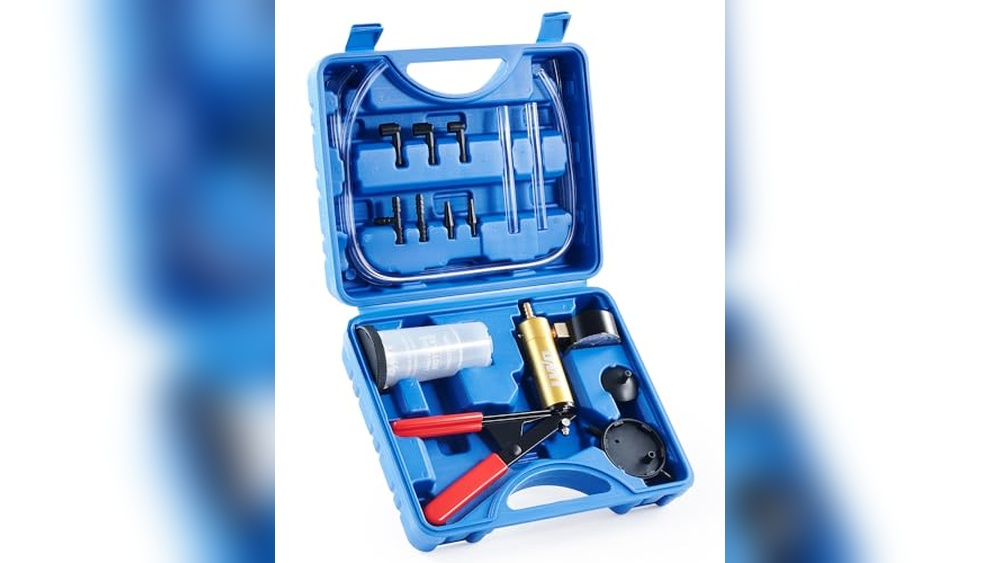
- Brake bleeder kit (optional): Speeds up the bleeding process.
Keep tools clean and ready. Dirty tools can introduce contaminants, which harm your brake system. Regular brake caliper maintenance benefits from these tools, ensuring all parts get proper attention.
Safety Gear
Safety is a must during brake fluid flush and hydraulic brake fluid replacement. Brake fluid is corrosive and can harm skin and eyes. Protect yourself with proper motorcycle safety gear:
- Gloves: Nitrile or latex gloves prevent skin contact.
- Safety glasses: Shield eyes from splashes.
- Apron or old clothing: Protect clothes from stains.
- Well-ventilated area: Prevent inhaling fumes.
Brake fluid can damage paint and plastics. Wear protective gear to avoid accidents. Always clean spills immediately to keep your workspace safe. Using safety gear supports careful brake system maintenance and helps you avoid injuries during motorcycle brake fluid change.
Preparing Your Motorcycle
Before starting the Brake Fluid Change Procedure, proper preparation of your motorcycle is essential. Preparing your bike ensures safety and smooth work during the process. This step helps protect the Hydraulic Brake System and improves the effectiveness of the Bleeding Motorcycle Brakes stage. Careful preparation also reduces the risk of spills and damage to brake parts. Follow these key steps to get your motorcycle ready.
Positioning The Bike
Position your motorcycle on a flat, stable surface to keep it steady during maintenance. Use a center stand or a paddock stand to lift the bike safely. This position prevents the motorcycle from tipping over and allows easy access to the brake components.
- Flat ground: Avoid slopes or uneven surfaces that can cause instability.
- Sturdy stands: Use appropriate stands designed for your bike model.
- Secure bike: Double-check that the bike does not wobble before starting.
Good positioning improves your comfort and control during the Brake Fluid Change Procedure. It also helps keep the Brake Fluid Reservoir at the right height to prevent air from entering the system during bleeding.
| Stand Type | Use | Benefits |
|---|---|---|
| Center Stand | Supports bike under frame | Stable, easy access to wheels |
| Paddock Stand | Lifts rear or front wheel | Better wheel clearance, safer work |
Cleaning Brake Components
Clean brake parts before working on the brake fluid. Dirt or grease can affect the Hydraulic Brake System and cause problems. Use a brake cleaner spray to remove brake dust and grime from the brake calipers, pads, and discs.
Steps for effective Brake Caliper Cleaning:
- Wear gloves to protect your skin from chemicals.
- Spray brake cleaner on the brake caliper and pads.
- Use a soft brush or cloth to gently scrub away dirt.
- Wipe all cleaned parts with a dry cloth.
- Ensure no cleaner or dirt remains on the brake surfaces.
Keep brake cleaner away from painted surfaces and rubber parts. Clean components help maintain good Brake Lever Operation and prevent contamination of the new brake fluid. Cleanliness is key for proper Motorcycle Brake Maintenance.
Checking Brake System
Before replacing brake fluid, inspect the entire Brake System. Check for leaks, worn parts, and fluid levels in the Brake Fluid Reservoir. A detailed Brake System Inspection ensures safety and reliable braking after the fluid change.
- Brake fluid level: Should be between minimum and maximum marks.
- Brake lines: Look for cracks, wear, or leaks.
- Brake pads: Check thickness and wear indicators.
- Brake calipers: Inspect for leaks or damage.
Check the type of brake fluid currently in use. Different Dot Brake Fluid Types exist, such as DOT 3, DOT 4, or DOT 5.1. Use the correct fluid recommended by the manufacturer to avoid brake failure. Note the fluid type on the reservoir cap or owner’s manual.
Perform a quick test of the Brake Lever Operation. The lever should feel firm and return smoothly after pressing. If it feels spongy or soft, air may be in the system, needing proper bleeding. This check helps prepare for successful Bleeding Motorcycle Brakes.

Credit: www.youtube.com
Removing Old Brake Fluid
Replacing motorcycle brake fluid is an essential part of motorcycle brake maintenance. Removing old brake fluid ensures your motorcycle hydraulic brakes work smoothly and safely. Old fluid can absorb moisture and dirt, leading to reduced brake performance. This section covers the key steps for draining motorcycle brake fluid properly. Understanding how to remove old fluid helps prevent contamination and keeps the brake system in good condition.
Locating The Reservoir
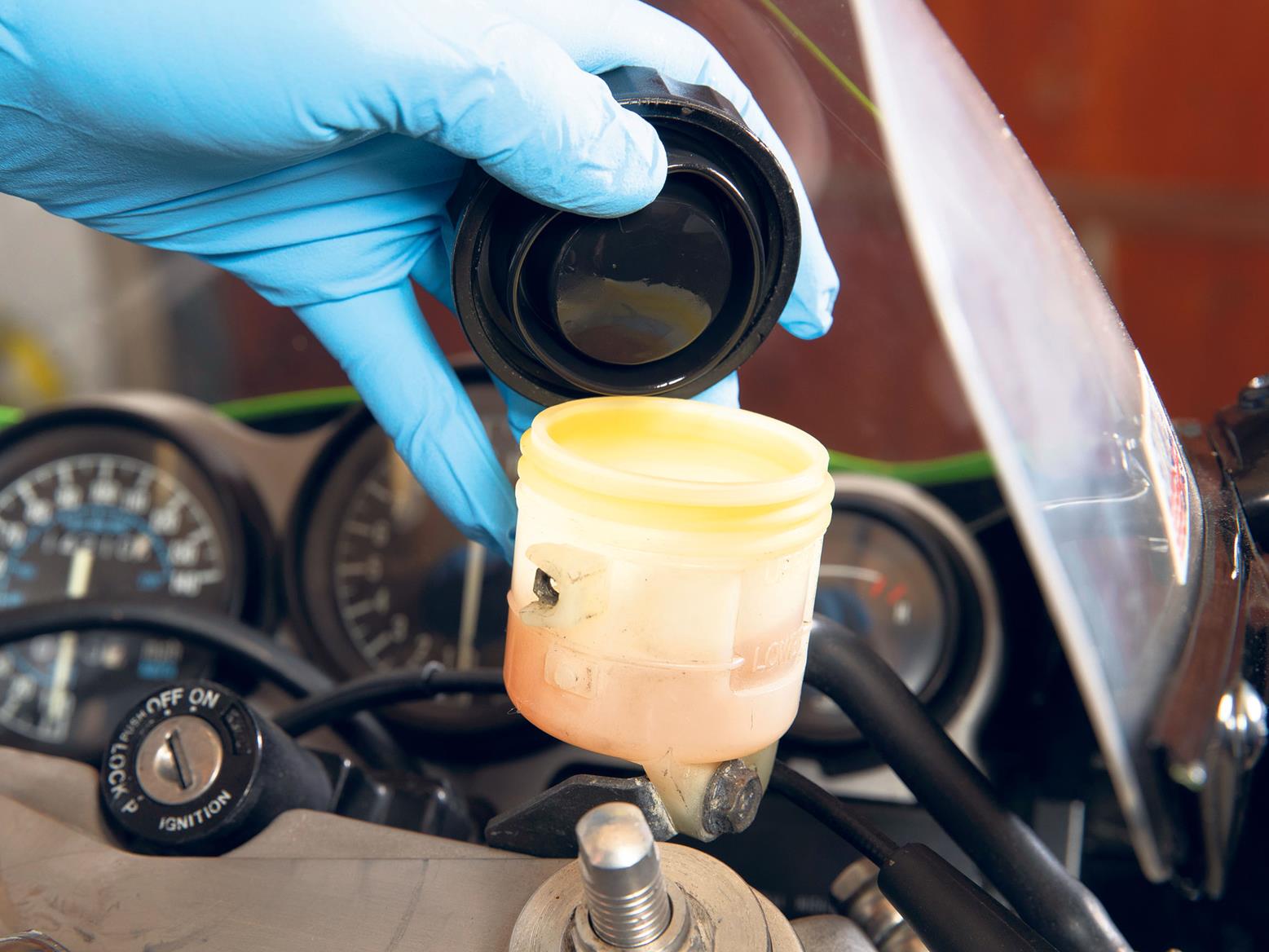
The first step in removing old brake fluid is finding the brake fluid reservoir location. This small container holds the fluid that powers your brakes. Most motorcycles have the reservoir near the handlebars or close to the master cylinder. It usually has a clear or semi-transparent plastic body with a screw-on cap.
Follow these tips to locate it easily:
- Look near the right handlebar, above the front brake lever.
- Check for a small box labeled with DOT Brake Fluid Types or brake symbols.
- Consult your motorcycle’s owner manual if unsure.
Here is a simple table showing common reservoir locations by motorcycle type:
| Motorcycle Type | Typical Reservoir Location |
|---|---|
| Sport Bikes | Right handlebar near front brake lever |
| Cruisers | Front brake master cylinder, near handlebars |
| Off-Road Bikes | Close to brake master cylinder, sometimes under cover |
Identifying the reservoir correctly is vital for brake fluid replacement steps. It prevents spills and contamination during the process.
Draining Fluid Safely
Draining old brake fluid must be done carefully to avoid damage. Brake fluid can harm paint and plastic parts. Follow these safe steps to drain the fluid:
- Wear gloves and eye protection for safety.
- Use a clean syringe or turkey baster to remove fluid from the reservoir.
- Place a clear container under the brake caliper bleed valve.
- Loosen the bleed valve slowly to let old fluid flow out.
- Keep the reservoir cap loosely closed to prevent air entry.
Keep the brake lever pressed gently during bleeding to push old fluid out. Avoid letting the reservoir run dry to stop air from entering the brake system. Air in the system leads to spongy brakes and poor stopping power.
Here is a checklist to ensure safe draining:
- Use the right DOT brake fluid types recommended for your bike.
- Do not mix old fluid with new fluid.
- Dispose of spills immediately to protect paint.
- Check for brake fluid contamination signs like dark color or particles.
Following these steps helps maintain brake performance and safety during the brake fluid change intervals.
Handling Used Fluid
Used brake fluid is hazardous waste and needs safe brake fluid disposal. It absorbs water and chemicals, making it harmful to the environment. Handle it carefully to avoid spills and contamination.
Tips for handling used fluid:
- Collect the old fluid in a sealed, leak-proof container.
- Label the container clearly as “Used Brake Fluid.”
- Never pour brake fluid down drains, on soil, or into water.
- Take the fluid to a local hazardous waste disposal center or recycling facility.
Proper disposal protects the environment and follows legal regulations. Many motorcycle shops offer disposal services during motorcycle brake maintenance. Always clean any spills immediately with water and absorbent cloths to prevent damage.
Remember, good handling of used fluid reduces risks of brake fluid contamination and keeps your bike’s hydraulic system clean and efficient.
Bleeding The Brake System
Bleeding the brake system is a key part of motorcycle brake fluid replacement. This step removes trapped air and old fluid from the brake lines. Air in the hydraulic brake system causes soft brakes and reduces stopping power. Proper brake fluid bleeding ensures safe and efficient brake performance. It is an essential part of brake line maintenance and brake system safety. Understanding the bleeding process helps prevent brake failure and extends brake component life.
Why Bleeding Is Important
Bleeding motorcycle brakes removes air bubbles and old brake fluid from the hydraulic system. Air compresses easily, which makes the brake lever feel spongy. This reduces braking power and can lead to dangerous situations. Clean brake fluid improves brake response and protects against corrosion inside the brake lines.
Key reasons for bleeding your brake system:
- Eliminates air pockets that reduce brake efficiency
- Removes moisture-contaminated brake fluid
- Prevents corrosion and damage to brake components
- Maintains consistent brake pedal or lever feel
- Ensures proper function after brake fluid flush or brake fluid change procedure
Brake system safety depends on regular brake fluid bleeding. Without it, you risk brake failure or poor braking performance. Air and moisture can enter the system during brake fluid replacement or if the brake lines leak. Bleeding also helps with brake system troubleshooting by revealing any leaks or damaged parts.
| Issue | Cause | Effect |
|---|---|---|
| Spongy Brake Lever | Air in brake lines | Reduced stopping power |
| Brake Fade | Old, contaminated fluid | Poor brake response |
| Brake Fluid Leaks | Damaged seals or hoses | Loss of hydraulic pressure |
Step-by-step Bleeding Process
The brake fluid bleeding process requires careful steps to avoid introducing air and to keep the brake system clean. Follow each step to ensure a complete brake fluid change procedure.
- Prepare your tools: brake fluid, wrench, clear tubing, container, and clean rags.
- Locate the bleeder valve: usually on the brake caliper or master cylinder.
- Remove the brake fluid reservoir cap: clean around it to avoid dirt entering.
- Attach clear tubing to the bleeder valve: place the other end in a container to catch old fluid.
- Pump the brake lever: several times to build pressure, then hold it down.
- Open the bleeder valve: allow fluid and air to escape. Close the valve before releasing the lever.
- Repeat the process: until you see clear, bubble-free fluid in the tubing.
- Keep the reservoir filled: prevent air from entering the system during bleeding.
- Tighten the bleeder valve: securely after bleeding completes.
- Clean any spilled fluid: brake fluid can damage paint and rubber parts.
Follow the same steps for front and rear brakes if your motorcycle has multiple brake systems. This ensures all brake lines receive fresh fluid and no air remains trapped.
Common Bleeding Techniques
There are several methods for bleeding motorcycle brakes. Each technique suits different situations and skill levels. Choosing the right method improves brake system safety and makes the brake fluid replacement easier.
Popular bleeding techniques include:
- Manual Bleeding: Using hand pressure on the brake lever and opening the bleeder valve. This is the most common method and requires a helper.
- Vacuum Bleeding: A vacuum pump draws fluid and air out through the bleeder valve. It is faster and works well if you work alone.
- Pressure Bleeding: A pressurized container forces brake fluid into the reservoir. This pushes air and old fluid out efficiently.
- Gravity Bleeding: Fluid flows from the reservoir down through the brake lines by gravity. It is slow but simple.
| Technique | Tools Needed | Pros | Cons |
|---|---|---|---|
| Manual Bleeding | Wrench, tubing, helper | Simple, no special tools | Needs a second person |
| Vacuum Bleeding | Vacuum pump, tubing | Works alone, fast | Requires vacuum tool |
| Pressure Bleeding | Pressure bleeder kit | Very efficient, fast | More expensive tools |
| Gravity Bleeding | Basic tools | Easy, no pump needed | Slow, less thorough |
Select a technique based on your tools and experience. Regular brake fluid bleeding maintains brake system reliability and extends component life. Proper brake fluid bleeding after a motorcycle brake fluid replacement reduces brake system troubleshooting issues later.
Refilling With New Brake Fluid
Refilling with new brake fluid is a crucial step in the brake fluid replacement steps for your motorcycle. Properly refilling ensures the hydraulic brake system works smoothly and safely. This process requires care to avoid brake fluid contamination and to maintain motorcycle brake safety. Using the right fluid and filling the reservoir correctly helps keep your brakes responsive. Also, brake line bleeding must follow refilling to remove air. Below, learn how to choose the right fluid, fill the reservoir, and avoid air bubbles.
Choosing The Right Fluid
Selecting the correct brake fluid is key for good brake performance and safety. Your bike’s manual usually states which brake fluid types to use. The most common types are DOT 3 and DOT 4, each with different boiling points and chemical properties.
| Brake Fluid Type | Boiling Point (Dry) | Boiling Point (Wet) | Compatibility |
|---|---|---|---|
| DOT 3 | 205°C (401°F) | 140°C (284°F) | Compatible with DOT 4, but lower boiling point |
| DOT 4 | 230°C (446°F) | 155°C (311°F) | Higher boiling point, better for performance bikes |
Important notes about choosing brake fluid:
- Do not mix DOT 3 and DOT 5 fluids; DOT 5 is silicone-based and not compatible with most systems.
- Check the fluid’s expiration date to avoid brake fluid contamination.
- Use fresh fluid from a sealed container to ensure quality.
- Follow your motorcycle’s manual for recommended fluid type to maintain motorcycle brake safety.
Filling The Reservoir
Filling the brake fluid reservoir requires patience and cleanliness. First, clean the reservoir cap area to stop dirt from entering. Dirt can cause brake fluid contamination and damage the hydraulic brake system.
Steps to fill the reservoir:
- Remove the reservoir cap carefully.
- Inspect the old fluid color; it should be clear or light amber.
- Slowly pour the new brake fluid to just below the “MAX” line.
- Do not overfill; too much fluid can cause leaks or pressure issues.
- Secure the cap tightly after filling to avoid moisture entering.
Tips for filling:
- Use a clean funnel or syringe to avoid spills.
- Wear gloves to protect skin from brake fluid.
- Keep the fluid container sealed when not in use.
Avoiding Air Bubbles
Air bubbles inside the brake lines reduce brake power and cause spongy brake feel. Bleeding motorcycle brakes removes trapped air from the system. Follow these points to avoid air bubbles during refilling:
- Keep the reservoir topped up during the bleeding process to prevent air from entering.
- Use proper brake line bleeding techniques, such as:
- Attach a clear tube to the bleeder valve.
- Open the valve slightly and pump the brake lever slowly.
- Watch for air bubbles exiting the tube.
- Close the valve before releasing the brake lever.
- Repeat until no bubbles appear.
Additional tips:
- Perform bleeding on each brake caliper if your bike has multiple brakes.
- Do not allow the reservoir to run dry during bleeding.
- Inspect the brake fluid color after bleeding; it should be clear.
Proper brake fluid maintenance keeps your brakes reliable and safe. Avoiding air bubbles ensures the hydraulic brake system works under correct pressure.
Testing Brake Functionality
After completing the brake fluid replacement steps, testing brake functionality is critical for motorcycle brake performance and brake system safety. Proper testing ensures the hydraulic brake system works smoothly and safely before riding. This step confirms the new fluid is free of air bubbles and the brake lever responds correctly. Skipping this phase risks brake failure or reduced stopping power. Focus on three areas: brake lever feel, checking for leaks, and test ride tips. Each part helps confirm the brake system is ready and safe for the road.
Brake Lever Feel
After bleeding motorcycle brakes and replacing the brake fluid, check the brake lever feel carefully. A healthy brake lever should feel firm and consistent when pulled.
- Soft or spongy lever: Indicates air trapped in the hydraulic brake system or low brake fluid levels.
- Hard lever: May suggest brake pads are fully engaged or the system is overfilled.
- Consistent resistance: Shows proper brake lever responsiveness and fluid pressure.
Test the lever multiple times. It should not pull too close to the handlebar or feel loose. Below is a simple table explaining common lever feel and possible causes:
| Brake Lever Feel | Possible Cause | Recommended Action |
|---|---|---|
| Soft or spongy | Air in brake lines or low fluid | Repeat bleeding motorcycle brakes |
| Hard and unyielding | Brake pads touching rotor or excess fluid | Check brake pad clearance and fluid level |
| Firm and consistent | Hydraulic system working properly | Ready for test ride |
Brake lever responsiveness directly affects rider safety. Never ride if the lever feels abnormal.
Checking For Leaks
Leak inspection is essential after brake fluid replacement. Leaks reduce brake pressure and cause dangerous failure. Look closely at the entire brake system.
- Inspect brake lines for cracks, bulges, or wet spots.
- Check around the brake caliper and master cylinder seals for fluid seepage.
- Examine the reservoir cap and connections for tightness.
Use a clean cloth to wipe suspected areas and watch for fresh fluid after applying the brake lever. A leak can be tiny but critical. Here is a checklist for effective leak inspection:
- Visual inspection under good light
- Feel for moisture on brake lines and fittings
- Apply moderate pressure on brake lever and re-check
- Confirm no fluid drips after lever release
Proper motorcycle brake maintenance includes regular brake line inspection. Detect leaks early to avoid brake failure and maintain brake system safety.
Test Ride Tips
Before riding on traffic roads, perform a controlled test ride focusing on test ride safety tips. This confirms the brake system works under real conditions.
- Choose a quiet, open space with a smooth surface.
- Start at a slow speed to feel the brake response.
- Apply both front and rear brakes gently at first.
- Increase brake pressure gradually to test stopping power.
- Listen for unusual sounds or vibrations.
During the test ride, watch for:
- Immediate brake response: Brakes should engage without delay.
- Stable stopping: No pulling to one side or wobbling.
- Consistent lever feel: No changes during stops.
After the ride, re-check the brake fluid level and inspect for leaks again. Following these test ride safety tips ensures your motorcycle brake performance is reliable and safe after a fluid change.
Maintenance Tips For Brake Fluid
Keeping your motorcycle’s braking system in top shape starts with proper brake fluid maintenance. Brake fluid plays a crucial role in transferring force from the brake lever to the brake pads. Over time, brake fluid can absorb moisture, get contaminated, or degrade, which reduces braking efficiency. Following simple motorcycle brake fluid change and inspection routines ensures safety and extends the life of your motorcycle brake system. Here are key maintenance tips to help you care for your brake fluid properly.
Regular Inspection Schedule
Regular brake fluid inspection is essential to detect problems early. Aim to check your brake fluid at least every 3,000 to 6,000 miles or every 6 months. Some motorcycles may require more frequent checks depending on usage and riding conditions.
- Check fluid level: Ensure the brake fluid reservoir is filled to the recommended mark.
- Inspect fluid color: Fresh brake fluid is usually clear or light amber. Dark or cloudy fluid indicates contamination.
- Look for leaks: Inspect around the brake lines, calipers, and master cylinder for any fluid leaks.
Use this simple table to track your inspection routine:
| Inspection Task | Frequency | Notes |
|---|---|---|
| Brake fluid level check | Monthly | Top up if below minimum mark |
| Brake fluid color check | Every 6 months | Change fluid if dark or cloudy |
| Brake line and caliper leak check | Every 3 months | Repair leaks immediately |
Following this schedule helps prevent brake failure and improves overall safety. Regular brake fluid flushing keeps the system clean and responsive.
Storage Of Brake Fluid
Proper brake fluid storage preserves its quality and prevents contamination. Brake fluid is hygroscopic, meaning it absorbs water from the air, which harms braking performance. Store brake fluid in a cool, dry place.
- Keep container sealed: Always close the cap tightly after use to avoid moisture entry.
- Avoid exposure to air: Use brake fluid bottles that minimize air space inside.
- Store away from sunlight: Heat and UV rays can degrade the fluid.
- Label bottles: Write the purchase date to track freshness.
Follow these brake fluid storage tips to ensure fluid remains effective until the next motorcycle brake fluid change. Also, never mix different brake fluid types such as DOT 3, DOT 4, or DOT 5.1, as this can damage the brake system.
Use this checklist for safe storage:
- Seal container immediately after use
- Store in a dark, cool cabinet
- Keep away from contaminants and dirt
- Discard brake fluid older than 1 year
Signs To Monitor
Watching for warning signs helps catch brake fluid problems early. Here are key symptoms indicating the need for brake fluid replacement steps or bleeding motorcycle brakes:
- Soft brake lever: If the brake lever feels spongy or sinks when pressed, air or moisture may be in the system.
- Reduced braking power: Longer stopping distances can signal contaminated or low brake fluid.
- Brake warning light: Some motorcycles have sensors that detect fluid issues.
- Dark or dirty fluid: Old fluid appears dark brown or black, showing brake fluid contamination.
- Visible leaks: Fluid drops under the bike or wet brake parts need immediate attention.
Ignoring these signs can lead to brake failure. Follow proper brake fluid maintenance practices and schedule regular motorcycle brake fluid change to avoid risks.
Credit: www.motorcyclenews.com
FAQs For How to Replace Motorcycle Brake Fluid
What Tools Do I Need To Replace Motorcycle Brake Fluid?
You need a wrench, brake fluid, a clear tube, a container, and gloves. A clean workspace is also essential for safety and efficiency.
How Often Should Motorcycle Brake Fluid Be Changed?
Brake fluid should be changed every 1 to 2 years. Regular changes prevent moisture buildup and maintain braking performance.
Can I Use Any Brake Fluid For My Motorcycle?
No, always use the brake fluid specified in your motorcycle’s manual. Using the wrong fluid can damage the brake system.
What Are The Signs Of Old Or Contaminated Brake Fluid?
Signs include a spongy brake lever, reduced braking power, and dark fluid color. These indicate it’s time to replace the fluid.
Conclusion
Replacing motorcycle brake fluid keeps your bike safe and working well. Check the fluid level often to avoid problems. Use the right type of brake fluid for your model. Follow the steps carefully and take your time. Clean tools and a tidy workspace help prevent mistakes.
Regular brake fluid changes improve stopping power and control. Stay safe on the road by caring for your brakes. Simple maintenance makes a big difference in riding comfort. Keep your bike ready for every ride.

One Comment