How to Jumpstart a Motorcycle With a Car: Quick & Easy Steps

Is your motorcycle refusing to start when you need it most? It’s frustrating, especially if you’re in a hurry or far from help.
Luckily, you don’t have to wait for a tow or call a mechanic right away. You can jumpstart your motorcycle using your car’s battery—and it’s easier than you think. In this guide, you’ll learn simple, step-by-step instructions to get your bike running again safely and quickly.
Keep reading, because knowing this quick trick could save you time, money, and stress the next time your motorcycle won’t start.
Also read : How to Push Start a Motorcycle With a Dead Battery: Quick & Easy Guide
Safety Precautions
Jumpstarting a motorcycle with a car can save time and get you back on the road quickly. Jumpstart Procedure Motorcycle requires careful attention to safety. Taking the right Jumpstart Motorcycle Safety steps protects both you and your bike. This section covers important Motorcycle Jumpstart Tips focused on safety precautions. Following these tips reduces risks during the Car To Motorcycle Jumpstart process.
Wear Protective Gear
Using the right Protective Gear Motorcycle is essential for safety during a jumpstart. Batteries can release acid or cause sparks. Wearing protection limits injury risks. Always put on:
- Gloves: Prevent acid burns and electrical shocks.
- Eye protection: Safety glasses or goggles shield eyes from sparks or acid splashes.
- Long sleeves and pants: Protect skin from accidental contact with battery acid.
- Closed-toe shoes: Avoid foot injuries from falling tools or battery acid.
These items create a barrier between you and potential hazards. Jumpstarting Two-Wheelers always involves electrical connections that can spark. Protective gear reduces the chance of harm.
Never skip wearing protection. It adds just minutes but enhances safety greatly. Treat every jumpstart like a small repair job. Safety gear is part of the job.
Check Battery Compatibility
Understanding Battery Compatibility Motorcycle is key before connecting cables. Car and motorcycle batteries differ in size, voltage, and power.
Most motorcycles use 12-volt batteries, similar to cars. However, some vehicles have different battery types or ratings. Using incompatible batteries risks damage to both vehicles.
| Type | Voltage | Typical Use | Jumpstart Suitability |
|---|---|---|---|
| Car Battery | 12V | Automobiles | Suitable for Motorcycle Jumpstart |
| Motorcycle Battery | 12V (most) | Two-Wheelers | Must match car battery voltage |
| 6V Battery | 6V | Older bikes, some models | Not suitable for jumpstarting with a 12V car battery |
Check the motorcycle battery’s voltage and type before starting. Using a higher voltage car battery on a lower voltage motorcycle battery can cause damage or accidents.
Follow these Motorcycle Electrical Safety steps:
- Read the motorcycle owner’s manual for battery specs.
- Match voltages exactly (usually 12V).
- Do not connect batteries with different voltages.
- Inspect both batteries for damage or leaks.
Proper Battery Compatibility Motorcycle reduces the risk of electrical failure during the jumpstart.
Avoid Sparks And Flames
During a jumpstart, Avoid Sparks Motorcycle Jumpstart is critical. Sparks near a battery can ignite flammable gases. Batteries emit hydrogen gas, which is highly explosive.
Follow these tips to prevent sparks and flames:
- Turn off both vehicles before connecting cables.
- Attach jumper cables in the correct order:
- Connect positive (+) cable to dead battery’s positive terminal.
- Connect positive (+) cable to good battery’s positive terminal.
- Connect negative (-) cable to good battery’s negative terminal.
- Connect negative (-) cable to an unpainted metal part on the motorcycle frame, away from the battery.
- Do not connect the negative cable directly to the dead battery’s negative terminal to avoid sparks.
- Keep sparks, cigarettes, and flames far from the battery area.
- Work in a well-ventilated space to disperse hydrogen gas.
Observe the cables closely during connection. Loose or damaged clamps increase spark risks. Use proper clamps and secure connections firmly.
Safe handling of cables and attention to detail reduces the chance of fire or explosion during the Jumpstart Motorcycle Safety process.
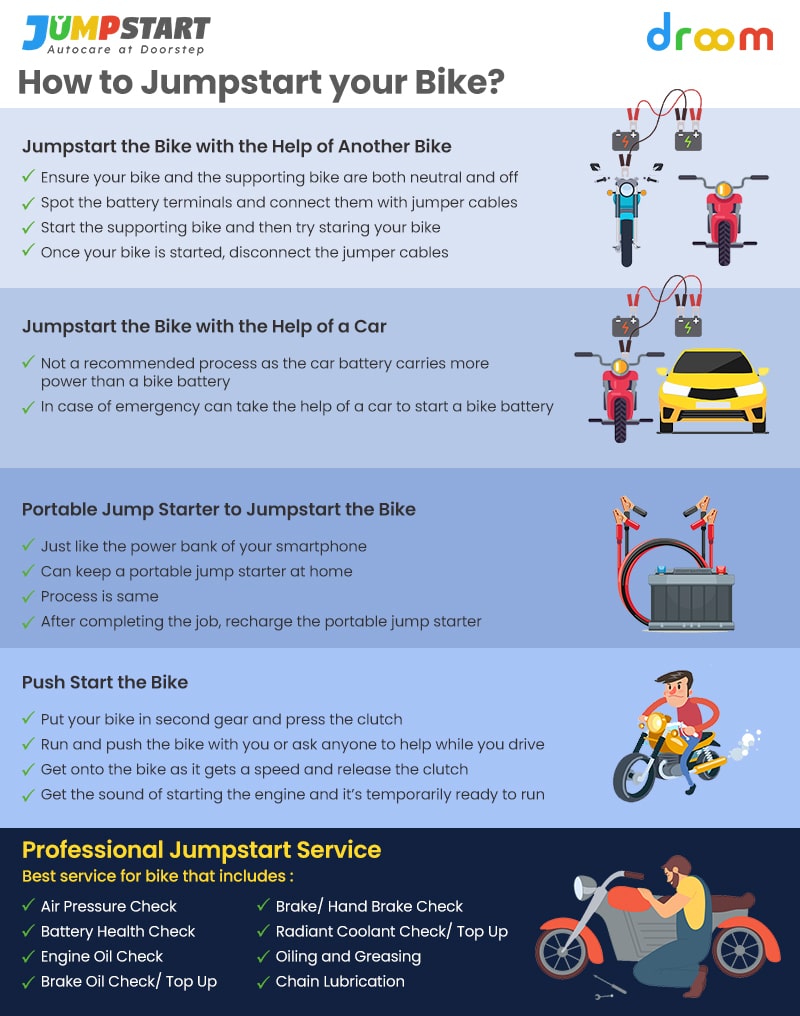
Credit: www.tarabela.com
Gathering Necessary Tools
Before jumpstarting a motorcycle with a car, gathering the necessary tools is essential. The right equipment ensures a smooth and safe process. Being prepared helps avoid damage to the motorcycle electrical system and reduces risks. Focus on having quality jumper cables, knowing the car and motorcycle battery locations, and using proper safety gear. Following car battery safety precautions protects both vehicles and you. This section breaks down these tools and tips for a successful motorcycle jumpstart procedure.
Jumper Cables
Jumper cables are the key tool for a car to motorcycle battery connection. Choose cables that are long enough and have thick, insulated wires. This helps transfer power efficiently without overheating. Look for cables with strong clamps that grip battery terminals securely. Jumper cable tips include:
- Check cables for any damage or corrosion before use.
- Use cables rated for at least 10-12 gauge wire thickness.
- Keep the cables untangled and away from moving engine parts.
- Attach clamps firmly to avoid sparks or slipping.
- Disconnect cables in reverse order to prevent electrical shorts.
Here is a simple table showing jumper cable features to consider:
| Feature | Why It Matters |
|---|---|
| Length (10-20 feet) | Allows flexibility in positioning car and motorcycle |
| Wire Gauge (10-12 gauge) | Ensures efficient power transfer without overheating |
| Clamp Quality | Secure grip prevents accidental disconnection or sparks |
| Insulation | Protects user from electric shock and cable damage |
Proper jumper cables reduce the risk of battery damage jumpstart. Always handle with care for a safe motorcycle jumpstart procedure.
Car And Motorcycle Battery Locations
Knowing the exact motorcycle battery location guide and car battery placement is vital. The batteries must be accessible for connecting jumper cables safely. Motorcycle batteries often sit under the seat or side panels. Some models hide the battery deeper, so check the owner’s manual. The car battery usually sits under the hood, near the front of the engine bay.
Follow these points to find and access batteries:
- Park both vehicles close, but not touching.
- Turn off engines and remove keys from ignition.
- Locate the motorcycle battery, often beneath the seat or side cover.
- Open the car hood and find the battery terminals.
- Clean terminals if corroded for better connection.
Here is a quick reference table for common battery locations:
| Vehicle | Battery Location | Access Tips |
|---|---|---|
| Motorcycle | Under seat, side panel, or frame compartment | Remove seat or panels carefully; check manual for exact spot |
| Car | Engine bay, usually front left or right | Open hood fully; secure it before working |
Correct battery location knowledge ensures a smooth motorcycle starting troubleshooting process. It also helps prevent battery damage jumpstart by avoiding incorrect clamp placement.
Additional Safety Equipment
Jumpstarting a motorcycle safely requires more than cables and battery access. Additional safety equipment protects you and the vehicles during the jumpstart procedure. Basic items include safety goggles, gloves, and a fire extinguisher. These reduce risks from sparks, acid leaks, or accidental shorts.
Key safety tools and tips:
- Safety Goggles: Protect eyes from sparks or battery acid.
- Insulated Gloves: Prevent electric shock and protect hands.
- Fire Extinguisher: Keep nearby for any electrical fire emergencies.
- Protective Clothing: Avoid loose clothes that can get caught in moving parts.
- Well-Ventilated Area: Jumpstart motorcycle without charger in open spaces to avoid fumes buildup.
Follow all car battery safety precautions strictly. This includes avoiding contact between clamps and metal surfaces. Double-check connections before starting the car engine. Safety equipment combined with proper steps creates a secure environment during the motorcycle jumpstart procedure.
Preparing The Vehicles
Preparing the vehicles is a crucial step in the process of jumpstarting a motorcycle with a car. Proper preparation ensures safety and increases the chance of a successful jumpstart. It involves careful positioning of both vehicles, turning off engines and accessories, and inspecting battery terminals. These steps help prevent damage to the motorcycle’s electrical system and avoid accidents during the jumpstart procedure. Following Motorcycle Jump Start Safety guidelines is essential before connecting jumper cables motorcycle to car batteries. This preparation lays the foundation for smooth Vehicle Battery Jumpstart Tips and effective Motorcycle Battery Charging.
Positioning The Car And Motorcycle
Proper positioning of the car and motorcycle is the first step for a safe and efficient jumpstart. The vehicles must be close enough for jumper cables to reach both batteries without stretching. Usually, parking the car facing the motorcycle or side by side works best.
- Keep the vehicles in neutral or park: This prevents any accidental movement during the jumpstart procedures.
- Turn off the parking brakes: To avoid strain on the cables and ensure easy disconnection later.
- Maintain a safe distance: Keep at least 12 inches between the vehicles to avoid any accidental contact.
The following table shows ideal positions for different vehicle types:
| Vehicle Setup | Recommended Position | Distance Between Vehicles |
|---|---|---|
| Car to Motorcycle | Car facing motorcycle front | 1 to 2 feet |
| Side by Side | Parallel parking | 1 foot apart |
Correct positioning reduces risks during Car To Motorcycle Jumpstart and protects both vehicles from damage. Always check jumper cable length before finalizing the position.
Turning Off Engines And Accessories
Turning off engines and accessories is vital before starting the jumpstart process. Both vehicles must be completely off to prevent electrical surges that can harm the Motorcycle Electrical System.
Follow these steps:
- Switch off the motorcycle engine: This stops any electrical flow and protects the battery from damage.
- Turn off the car engine: Keep the car switched off to avoid unnecessary load on its battery.
- Deactivate all electrical accessories: Radios, lights, heaters, and other devices must be off in both vehicles.
Jumpstarting motorcycle batteries with running engines can cause voltage spikes. These spikes may damage sensitive components in the motorcycle’s electrical system. Always double-check that all accessories are off, especially lights and ignition keys.
Vehicle Battery Jumpstart Tips recommend waiting a few minutes after turning off engines before connecting jumper cables motorcycle. This allows the batteries to stabilize, improving jumpstart success rates.
Inspecting Battery Terminals
Inspecting battery terminals is an essential step for safe and effective jumpstarting. Clean and secure terminals improve electrical connection and help avoid sparks or corrosion-related issues.
Check the terminals for:
- Corrosion: White or green powder on terminals can block electrical flow.
- Looseness: Terminals should be tight and firmly attached to the battery posts.
- Damage: Cracks, broken clamps, or exposed wires pose safety risks.
If corrosion is present, use a wire brush or battery cleaner to remove it gently. Never use water directly on the battery. Wear gloves and eye protection during this step for safety.
Proper battery terminal maintenance supports Motorcycle Battery Maintenance and reduces Motorcycle Starting Issues. Clean terminals allow better Motorcycle Battery Charging, improving overall jumpstart performance.
Before connecting jumper cables motorcycle, ensure the terminals are dry and free from dirt. This simple check can prevent common problems during the jumpstart procedures and protect both vehicles’ batteries.
Connecting Jumper Cables
Jumpstarting a motorcycle with a car is a practical skill that can save time and hassle. The key step in the Car To Motorcycle Jumpstart process is connecting jumper cables correctly. Proper cable connection ensures safety and effectiveness when using a car battery for motorcycle power. Each cable must attach to the right terminal in the right order. This prevents sparks, damage, and accidents. Follow the Jumpstart Motorcycle Step-By-Step guide below for a safe and smooth Motorcycle Dead Battery Fix.
Attach Positive Cable To Dead Battery
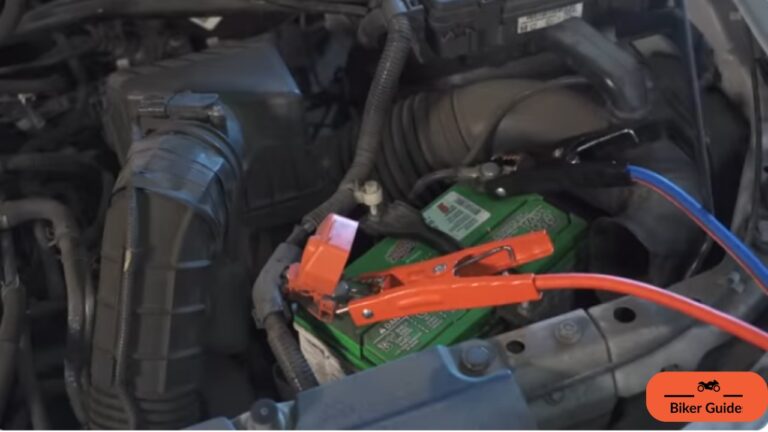
Start by identifying the positive terminal on the motorcycle’s dead battery. It usually has a “+” sign or a red cover. This is where the Connecting Jumper Cables Motorcycle process begins. Attach the red positive jumper cable clamp firmly to this terminal.
Important points for this step:
- Ensure good contact: The clamp must grip the terminal tightly without slipping.
- Clean the terminal: Dirt or corrosion can stop the current. Use a cloth or brush if needed.
- Do not connect to negative terminal: The positive cable only connects to the “+” terminal.
Proper connection here is the first part of Jumpstarting Motorcycle Safely. Loose or incorrect attachment may cause the jumpstart to fail or damage your motorcycle battery.
Attach Positive Cable To Donor Battery
Next, connect the other end of the red positive cable to the car’s battery positive terminal. This is the power source for the jumpstart. The car battery usually has a larger terminal marked with a “+” sign or red color.
Steps to follow:
- Locate the car battery’s positive terminal.
- Securely attach the red jumper cable clamp to it.
- Check that the cable is not loose or near moving parts.
This connection allows electrical current to flow from the car battery to the motorcycle battery. The Using Car Battery For Motorcycle requires careful handling to avoid short circuits. Keep cables clear of engine fans or belts.
| Step | Action | Tip |
|---|---|---|
| 1 | Find positive terminal on car battery | Look for “+” sign or red cover |
| 2 | Attach positive cable clamp firmly | Ensure good grip, no slipping |
| 3 | Check cable routing | Keep away from moving parts |
Attach Negative Cable To Donor Battery
The black negative jumper cable connects next. Attach it firmly to the car’s battery negative terminal, marked with a “-” sign or black cover. This completes the circuit on the donor side and prepares for grounding on the motorcycle.
Follow these key instructions:
- Locate the negative terminal on the car battery.
- Clamp the black cable securely to the terminal.
- Ensure the cable is tight and does not touch the positive terminal.
This step is critical in the Motorcycle Jumpstart Procedure. A loose or wrong connection can cause sparks or damage. The negative cable on the car side must be solid and stable for safe current flow.
Remember, the negative cable will not connect directly to the motorcycle battery but to a ground point instead. This reduces risk and helps with Jumpstart Motorcycle Precautions.
Attach Negative Cable To Ground On Motorcycle
For the final connection, attach the black negative cable clamp to a solid metal part of the motorcycle’s frame. This is called Grounding Motorcycle Battery. Do not connect this cable directly to the negative battery terminal on the motorcycle. This step reduces spark risk and protects electronics.
How to choose the right ground:
- Find an unpainted metal surface on the frame or engine.
- Make sure the area is clean and free of rust or dirt.
- Attach the clamp firmly to this grounded spot.
This grounding completes the circuit safely. It allows the current to flow through the motorcycle’s electrical system without damage. Grounding helps in Jumpstart Motorcycle Step-By-Step success and prevents electrical shorts.
Always double-check all cable connections before starting the car engine. Proper grounding is a key Motorcycle Battery Jumpstart Tip for safety and effectiveness.
Starting The Motorcycle
Jumpstarting a motorcycle with a car can save time and effort when the motorcycle battery is dead. Understanding the Motorcycle Starting Procedure is key to success. This process involves several careful steps to ensure the Car To Motorcycle Power Transfer happens safely. Following proper Jumpstarting Safety Precautions avoids damage to both vehicles and injury to yourself. Below, learn how to start the motorcycle after connecting the jumper cables correctly.
Start The Car Engine
Begin by starting the car engine. This step is crucial because the car’s running engine provides the power needed to charge the motorcycle battery.
- Ensure the car is in park or neutral with the parking brake engaged.
- Start the engine and let it run at idle speed.
- Keep the engine running throughout the jumpstart process to maintain a steady power supply.
Running the car engine allows the alternator to produce electricity. This electricity travels through the Jumpstart Cable Connection to the motorcycle battery. Do not rev the car engine excessively; a steady idle is enough. This protects the electrical systems on both vehicles.
| Step | Action | Reason |
|---|---|---|
| 1 | Put car in park/neutral | Prevents car from moving accidentally |
| 2 | Start car engine | Provides power for jumpstart |
| 3 | Keep engine running | Maintains power supply to motorcycle |
Wait For Battery To Charge
After starting the car engine, wait for the motorcycle battery to charge. This step is important for the Motorcycle Battery Charging process to build enough power to start the motorcycle.
Charging time depends on the battery condition and the strength of the Car Battery Jumpstart. Typically, waiting 5 to 10 minutes works well.
During this time:
- Keep the jumper cables connected firmly and correctly.
- Avoid turning on the motorcycle’s ignition or lights to save battery power.
- Check the cable connections for any signs of overheating or looseness.
Patience here increases the chance of a successful start. The charging process transfers power from the car battery to the motorcycle battery through the cables. This Car To Motorcycle Power Transfer revives the motorcycle’s dead battery.
Use these tips to monitor the charging phase:
- Listen for any electrical sounds from the motorcycle indicating charging.
- Feel the battery terminals for slight warmth as a sign of charging.
- Ensure the car engine continues to run steadily.
Attempt To Start The Motorcycle
Once the battery has charged, try to start the motorcycle. This step is the final part of the Motorcycle Starting Procedure and tests if the jumpstart was successful.
Follow these steps carefully:
- Turn off the motorcycle ignition before disconnecting cables.
- Switch the ignition on and press the start button.
- If the motorcycle does not start, wait a few more minutes and try again.
Use these Motorcycle Jumpstart Tips for best results:
- Avoid cranking the motorcycle starter for more than 5 seconds at a time.
- Give the battery time to cool down if it becomes hot.
- Once started, keep the motorcycle running to recharge its battery fully.
After the motorcycle runs, carefully disconnect the jumper cables in reverse order:
- Remove the negative cable from the motorcycle battery.
- Remove the negative cable from the car battery.
- Remove the positive cable from the motorcycle battery.
- Remove the positive cable from the car battery.
Following these steps ensures safe separation and prevents sparks or damage. Use this guide as part of your Vehicle Battery Jumpstart Guide for future motorcycle dead battery solutions.
Disconnecting Jumper Cables
After successfully jumpstarting a motorcycle using a car, the process of disconnecting jumper cables must be done carefully. This step is as important as connecting jumper cables motorcycle safely. Incorrect removal can damage the motorcycle’s electrical system or cause sparks. Following the right order and precautions ensures the motorcycle battery jumpstart procedure remains safe and effective. Below are key steps to remove the cables without risking harm to yourself or the bike.
Remove Negative Cables First
Start by removing the negative cable from the motorcycle battery. This is a crucial step in the Car To Motorcycle Jumpstart Guide and helps prevent short circuits.
- Locate the negative (-) terminal on both the car and motorcycle batteries.
- First, unplug the negative cable from the motorcycle’s battery terminal.
- Then, remove the negative cable from the car’s battery terminal.
Removing the negative cable first is a key Jumpstarting Motorcycle Safety Tip. It cuts off the circuit and reduces the risk of sparks near the battery.
Table: Why Remove Negative Cable First?
| Reason | Effect |
|---|---|
| Stops electrical flow early | Reduces risk of sparks and shorts |
| Prevents damage to motorcycle battery | Protects sensitive electrical parts |
| Ensures safer working environment | Reduces chance of electric shock |
Always keep the cables apart after removing them. This helps maintain safety during the motorcycle battery charging process.
Remove Positive Cables
After the negative cables are safely removed, focus on disconnecting the positive cables. This step completes the motorcycle battery jumpstart procedure without causing electrical damage.
- Locate the positive (+) terminal on the motorcycle battery.
- Carefully remove the positive cable from the motorcycle’s battery.
- Next, detach the positive cable from the car battery terminal.
Removing the positive cable last is a key Removing Positive Cable Safely tip. It ensures no current flows through the cables while you work.
Use insulated gloves or tools to avoid accidental contact. This step protects the motorcycle electrical system jumpstart from damage.
Important points for removing positive cables:
- Do not touch metal parts of the cable ends.
- Keep cables away from the battery terminals after removal.
- Check that cables are not tangled or crossed.
Avoid Cable Contact
During the entire Jumpstart Motorcycle Without Charger process, avoiding cable contact is vital. Cables touching each other can cause sparks or short circuits.
Follow these rules to prevent cable contact during and after jumpstart:
- Keep jumper cables separated and away from metal surfaces.
- Do not let the positive and negative clamps touch each other.
- Place cables on insulated surfaces after removal.
- Inspect cables for damage or exposed wires before use.
Keeping cables apart helps protect the motorcycle’s battery and electrical system. It also reduces the risk of injury or fire during the motorcycle battery charging process.
Quick Tips to Avoid Cable Contact:
| Action | Reason |
|---|---|
| Separate cables immediately after use | Prevents accidental short circuits |
| Use insulated gloves when handling cables | Protects from electric shocks |
| Store cables properly when not in use | Maintains cable condition and safety |
Post-start Tips
After successfully jumpstarting a motorcycle with a car, knowing the correct post-start tips is crucial. These steps help maintain your motorcycle’s battery health and avoid future problems. Following the Motorcycle Jumpstart Procedure is just the beginning. Proper care after the jumpstart ensures your motorcycle runs smoothly and safely.
Let Motorcycle Run To Recharge Battery
Once your motorcycle starts, it needs time to recharge the battery fully. Letting the engine run for 20 to 30 minutes helps restore the battery charge. This process is essential because the battery lost power during the jumpstart. Running the motorcycle activates the alternator, which charges the battery.
Here are some tips to maximize battery charging after a car to motorcycle battery jump:
- Ride at a steady speed rather than idling for long periods.
- Avoid turning off the engine immediately after jumpstarting.
- Switch off any unnecessary electrical components, such as headlights or heated grips, to reduce load.
Below is a simple table explaining the impact of engine running time on battery charge level:
| Engine Running Time | Battery Charge Level | Effect on Motorcycle |
|---|---|---|
| 0-10 minutes | Low to Medium | Insufficient charge, may stall if turned off |
| 20-30 minutes | Medium to High | Battery sufficiently charged for normal use |
| Over 30 minutes | High | Battery fully charged and ready for next start |
Following these steps helps maintain proper Motorcycle Battery Charging after jumpstarting motorcycle safely.
Check For Battery Or Electrical Issues
After jumpstarting, watch for signs of battery or electrical problems. A motorcycle battery that won’t start again soon may have deeper issues. Electrical troubleshooting is vital to prevent repeated breakdowns.
Common signs of battery or electrical issues include:
- Engine cranks slowly or not at all
- Dashboard lights flicker or do not light up
- Headlights dim or fail to turn on
- Frequent need for jumpstart cables connection
Performing basic Motorcycle Electrical Troubleshooting can help identify the problem:
- Check battery terminals for corrosion or loose connections.
- Use a multimeter to measure battery voltage; it should read around 12.6 volts when off.
- Test the charging system by measuring voltage while the engine runs; it should be 13.5-14.5 volts.
- Inspect fuses and wiring for damage.
Regular Motorcycle Battery Maintenance prevents many electrical problems. Keep terminals clean and ensure the battery holds a full charge.
When To Seek Professional Help
Some issues require expert attention. If your motorcycle won’t start even after proper jumpstarting and charging, a professional motorcycle repair service can help. Experienced mechanics can diagnose complex electrical faults and fix them safely.
Seek professional help in these situations:
- Battery drains quickly despite running the motorcycle
- Repeated need for jumpstart cables connection
- Electrical components behave erratically
- Damage to battery terminals or wiring after jumpstarting
Professional technicians use specialized tools to perform detailed Motorcycle Electrical Troubleshooting. They check the alternator, regulator, and starter motor thoroughly. Ignoring these issues may cause further damage or unsafe riding conditions.
Remember these Jumpstart Safety Tips: avoid jumpstarting if cables or battery show visible damage. Seek professional help to prevent accidents or electrical failures.
Credit: ricksmotorsportelectrics.com

Credit: www.youtube.com
FAQs For How to jumpstart a motorcycle with a car
How To Safely Jumpstart A Motorcycle With A Car?
Connect the car’s positive cable to the motorcycle’s battery positive terminal. Attach the negative cable to a metal ground on the bike. Start the car, then the motorcycle. Remove cables in reverse order. Always wear safety gear and avoid sparks near the battery.
Can A Car Battery Damage A Motorcycle Battery?
Using a car battery to jumpstart a motorcycle is generally safe if done correctly. Avoid prolonged connection to prevent overcharging. Ensure both batteries have similar voltage (usually 12V). Incorrect procedures or mismatched voltage can cause damage to the motorcycle battery.
What Tools Are Needed To Jumpstart A Motorcycle?
You need jumper cables, a running car with a 12V battery, and safety gear. Jumper cables should be in good condition with clean clamps. Safety goggles and gloves help protect you from sparks or acid leaks during the jumpstart process.
How Long Should You Run The Motorcycle After Jumpstarting?
After jumpstarting, run the motorcycle for at least 20 minutes. This helps recharge the battery fully. Riding at varying speeds improves battery health. Avoid turning off the engine immediately to prevent the battery from dying again.
Conclusion
Jumpstarting a motorcycle with a car is simple and safe. Always follow the steps carefully to avoid damage. Make sure both vehicles are off before connecting cables. Double-check the cable connections to prevent sparks. Let the car run for a few minutes to charge the motorcycle battery.
After starting the bike, disconnect cables in reverse order. This quick method can get you back on the road fast. Stay calm and take your time. Practice safety first, and you will handle it well.