
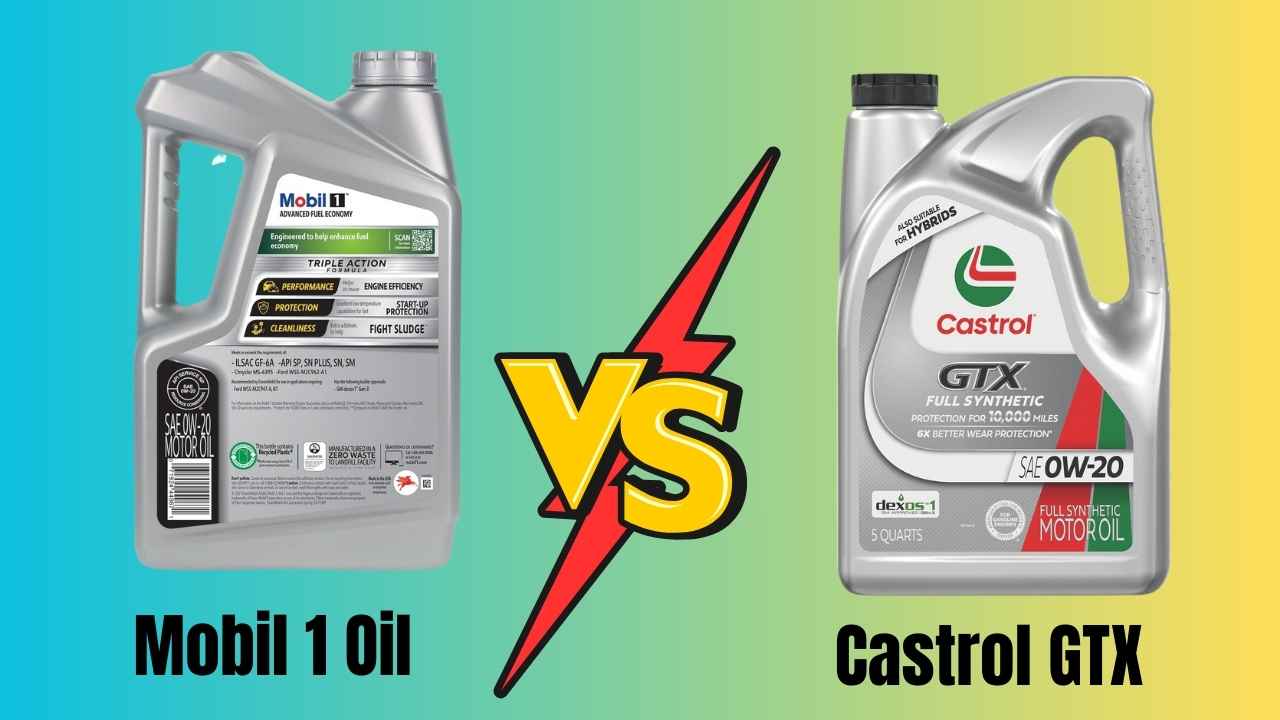
Motor oil plays a huge role in keeping your engine healthy. But with so many options out there, picking the right one can feel overwhelming. Two big names—Mobil 1 and Castrol GTX—often come up in discussions. But which one is better for your motorcycle?
The short answer: It depends on what you need. Mobil 1 is a full synthetic oil, while Castrol GTX is a conventional oil. That means they perform differently in various driving conditions. If you’re wondering whether synthetic or conventional oil is best for your engine, this guide will break it all down.
Let’s compare these two oils in terms of performance, protection, and real-world benefits to help you make an informed choice.
What’s the Difference Between Mobil 1 and Castrol GTX?
Before we dive into the details, here’s a quick breakdown:
| Feature | Mobil 1 (Full Synthetic) | Castrol GTX (Conventional) |
| Oil Type | Full synthetic | Conventional |
| Best For | High-performance, modern engines | Older engines, basic protection |
| Viscosity Options | Wide range (0W-20, 5W-30, etc.) | Fewer options |
| Temperature Performance | Handles extreme hot and cold well | Works fine in mild conditions |
| Price | More expensive | More affordable |
| Lifespan | Longer drain intervals | Requires more frequent changes |
| Additives | Advanced cleaning and wear protection | Basic engine protection |
Each has its strengths. Mobil 1 is designed for durability and efficiency, while Castrol GTX is a solid choice for everyday driving and affordability.
Next, let’s look at how they perform in real-world driving situations.
Performance: Which Oil Protects Your Engine Better?
One of the biggest factors when choosing motor oil is how well it protects your engine. Over time, heat, friction, and contaminants break down the oil, leading to sludge buildup and increased wear. Let’s see how Mobil 1 and Castrol GTX compare in terms of protection.
Mobil 1: Built for Extreme Conditions
Mobil 1 is a fully synthetic oil, meaning it’s engineered to handle extreme temperatures and high-performance demands. It resists oil breakdown and oxidation, which keeps your engine cleaner for longer. If you drive in harsh conditions—like extreme heat, cold weather, or long highway trips—Mobil 1 maintains its viscosity and flows well in all temperatures.
✅ Key Benefits:
- Superior wear protection, reducing engine damage over time.
- Performs well in cold starts, meaning your engine gets lubrication faster.
- Handles high heat better, making it a great choice for turbocharged or performance engines.

Castrol GTX: Reliable for Everyday Driving
Castrol GTX is a conventional motor oil, meaning it’s refined from crude oil and doesn’t offer the same synthetic advantages. However, it still provides solid protection against sludge and deposits. If you drive a daily commuter or an older car, Castrol GTX does the job without the higher cost of synthetic oil.
✅ Key Benefits:
- Protects against sludge buildup, extending engine life.
- Good for standard, non-turbocharged engines that don’t require synthetic oil.
- More affordable, making it a budget-friendly option for regular oil changes.
Mobil 1 for Performance, Castrol GTX for Budget-Friendly Use
If you want maximum protection and longer oil change intervals, Mobil 1 is the better choice. But if you’re driving an older vehicle and want a cost-effective oil, Castrol GTX is a solid pick.
Up next, let’s compare oil change intervals and long-term cost.
Oil Change Intervals and Long-Term Cost
How often you need to change your oil depends on the type of oil you use and your driving conditions. Let’s break down how Mobil 1 and Castrol GTX compare in terms of longevity and cost-effectiveness.
Mobil 1: Extended Drain Intervals
Mobil 1 is designed for longer oil change intervals, thanks to its fully synthetic formula. Many drivers report going 7,500 to 10,000 miles between oil changes, and some extended-performance variants claim up to 15,000 miles under ideal conditions. However, it’s always best to follow your vehicle manufacturer’s recommendation to avoid warranty issues.
💡 Cost Breakdown for Mobil 1:
- Oil change interval: 7,500–10,000 miles (or more)
- Average cost per quart: $8–$12
- Total cost per oil change (5-quart engine): $40–$60 (not including labor)
- Fewer oil changes needed per year = long-term savings
Castrol GTX: Shorter Change Intervals, Lower Upfront Cost
Castrol GTX, being a conventional oil, typically requires more frequent oil changes. Most users change it every 3,000 to 5,000 miles, depending on driving conditions. If you mostly do short trips, stop-and-go driving, or drive in hot climates, you might need even more frequent changes.
💡 Cost Breakdown for Castrol GTX:
- Oil change interval: 3,000–5,000 miles
- Average cost per quart: $4–$6
- Total cost per oil change (5-quart engine): $20–$30 (not including labor)
- More frequent changes = higher long-term cost
Which One Saves You More Money?
At first glance, Castrol GTX seems cheaper, but frequent oil changes add up over time. Since Mobil 1 lasts twice as long, you’ll need fewer oil changes, making it the better long-term investment. However, if you have an older car that doesn’t require synthetic oil, Castrol GTX can still be a budget-friendly choice.
Next, let’s wrap up with which oil is best for your specific needs.
Which Oil Is Best for You? Mobil 1 vs Castrol GTX
Now that we’ve covered the essentials of Mobil 1 and Castrol GTX, let’s talk about which one suits your needs better. Choosing the right motor oil depends on a variety of factors, like the age of your vehicle, your driving habits, and how much you’re willing to spend. Let’s break down some scenarios to help you make an informed choice.
Choose Mobil 1 If:
- You drive newer vehicles: If you have a modern car, especially one under warranty, Mobil 1’s synthetic formula provides excellent protection against engine wear. It’s designed to handle higher temperatures and stress, making it ideal for newer engines.
- You want fewer oil changes: Mobil 1 lasts longer, so you won’t have to visit the mechanic as often. This is great if you’re looking for convenience and long-term savings.
- You often drive in extreme conditions: Whether it’s towing, frequent highway driving, or extreme weather, Mobil 1 holds up better under pressure. Its superior formulation makes it ideal for high-performance vehicles and tough driving conditions.
- You prefer high-tech solutions: Mobil 1’s synthetic base and additives make it a top choice for high-performance cars. If you’re driving a sports car or performance vehicle, you’ll likely see improved efficiency and protection.
Choose Castrol GTX If:
- You drive older vehicles: If your car is older and you don’t need synthetic oil, Castrol GTX offers solid performance at a lower upfront cost. Its conventional oil works well for engines that don’t require the high-tech protection of synthetic oils.
- You want to save money upfront: If you’re looking to save a few bucks and don’t mind changing the oil a bit more often, Castrol GTX can be a good choice. It’s budget-friendly, especially for older cars or daily drivers that don’t endure heavy stress.
- You’re driving in normal conditions: For everyday driving, including short trips and commuting, Castrol GTX provides the necessary protection without the extra cost. It’s reliable for drivers who don’t push their car to its limits.
- You’re looking for traditional, trusted performance: Castrol has a long history in the oil industry, and their GTX line is known for its dependable protection against sludge and wear. It’s a great option for people who value a traditional, tried-and-true formula.
Buying Guide On Mobil 1 Vs Castrol Gtx
1. Check Oil Type and Quality
Mobil 1 is a full synthetic oil. Castrol GTX is a conventional oil. Synthetic oils last longer and protect better.
2. Consider Engine Protection
Mobil 1 offers strong protection against engine wear. Castrol GTX protects well but less than Mobil 1. Choose based on your engine’s needs.
3. Look at Temperature Performance
Mobil 1 works well in extreme cold and heat. Castrol GTX suits normal temperature ranges. Pick oil based on your climate.
4. Review Oil Change Frequency
Mobil 1 allows longer oil change intervals. Castrol GTX needs more frequent changes. Longer intervals save time and money.
5. Compare Price Differences
Mobil 1 is more expensive than Castrol GTX. Cheaper oil may suit tight budgets. Balance cost with performance needs.
6. Check Manufacturer Recommendations
Always follow your vehicle’s oil type advice. Some engines need synthetic oils like Mobil 1. Others work fine with Castrol GTX.
7. Consider Driving Habits
Mobil 1 fits high-mileage and heavy-duty driving. Castrol GTX works for everyday, light driving. Match oil with your driving style.
8. Evaluate Environmental Impact
Mobil 1’s synthetic base is often cleaner. Castrol GTX is less eco-friendly. Think about your environmental preferences.
9. Look at Additives and Formulation
Mobil 1 has advanced additives for engine care. Castrol GTX uses standard additives. Additives affect engine cleanliness and efficiency.
10. Read User Reviews and Feedback
Check real user experiences online. Mobil 1 users praise long life and protection. Castrol GTX users note value and reliability.
Final Thoughts:
Choosing between Mobil 1 and Castrol GTX isn’t a one-size-fits-all decision. Both oils offer distinct advantages, but the right one for you depends on your specific situation. If you’re driving a newer car and want top-notch protection with extended oil change intervals, Mobil 1 is a solid choice. It might be a little pricier upfront, but it could save you in the long run.
On the other hand, if you’re looking to stick to a budget or drive an older car that doesn’t need synthetic oil, Castrol GTX will serve you well without breaking the bank. Frequent oil changes might seem like a hassle, but for some cars, it’s the more economical option.
Remember, the most important thing is to use the oil that’s right for your car’s needs and your driving habits. Whichever you choose, both Mobil 1 and Castrol GTX have earned their reputation for quality and reliability. Your engine deserves the best, and both oils are up to the task.