
Motorcycle Camping Checklist: Essential Gear for 2026

Motorcycle camping is an adventure that mixes the excitement of riding with the peacefulness of sleeping under the stars. Riders love the freedom, but it’s easy to forget something important. Packing wrong can turn a good trip into a stressful one.
That’s why a smart, complete motorcycle camping checklist is not just helpful—it’s essential.
Unlike car camping, you have less space and weight to carry. You need to balance comfort, safety, and fun with what can fit on your bike. Riders often miss small but critical items, or bring too much, making the motorcycle heavy and hard to handle.
With careful planning, you can avoid these problems and enjoy the open road and wild places.
This guide is made for both beginners and experienced riders. It covers every detail: from camping gear and tools to food, clothing, and safety. You’ll also find tips to save space, avoid common mistakes, and ride more confidently. If you want your next motorcycle camping trip to be safe, comfortable, and memorable, keep reading.
Essential Motorcycle Camping Gear
Choosing the right gear is the foundation of a successful trip. Your equipment must be lightweight, compact, and durable. Every item should earn its place, serving more than one purpose if possible.
Tent
The tent is your home on the road. Look for a lightweight, compact tent designed for one or two people. It should be waterproof and have good ventilation. Dome tents are popular because they set up quickly and handle wind well. If you ride with a passenger, make sure the tent fits both of you and your gear.
A tent with a vestibule gives you space to store your boots or helmet out of the rain. Consider how much time you’ll spend inside—if you camp in rainy areas, a little extra space will make a big difference. Some riders use bivvy sacks, but most find a small tent more comfortable for longer trips.More info
Sleeping Bag
A sleeping bag designed for motorcycle camping should be warm, packable, and quick-drying. Check the temperature rating and choose one that matches the coldest nights you expect. Down sleeping bags pack smaller, but synthetic ones stay warm if they get wet. Mummy bags are warmer but tighter; rectangular ones give more space but pack bigger. More info
Sleeping Pad
A good sleeping pad is more important than many think. Thin foam mats protect from the cold ground, but inflatable pads are much more comfortable. Look for one that rolls up small. Some pads have built-in pillows, which saves space. An insulated pad adds warmth for cold nights. My Proven Best Sleeping Pad for Camping Picks 2026
Camping Pillow
A camping pillow makes a real difference after a long ride. Many riders skip it and regret it. Inflatable pillows pack tiny, and some sleeping pads come with an integrated pillow section. In a pinch, you can use a rolled-up jacket, but a real pillow helps you sleep better.More info
Headlamp Or Flashlight
A headlamp leaves your hands free for setting up camp or cooking in the dark. Bring spare batteries or a USB-rechargeable model. A small backup flashlight is smart, too. Don’t rely on your phone’s flashlight—it drains your battery fast. You can see my best review
Camping Chair Or Seat Pad
Many campsites don’t have picnic tables or benches. A folding camping chair or foam seat pad is a big comfort upgrade. Some chairs weigh less than two pounds and pack down to the size of a water bottle. If you want to go lighter, a simple foam pad works for sitting by the fire or as extra insulation under your sleeping pad. You can also read My Proven Picks for Best Camping Chair Comfort
Cooking And Food Supplies
Cooking on the road can be simple or gourmet, but you need the right equipment. The key is to pack light and be practical about what you’ll actually use.
Stove
A compact camping stove makes hot meals and drinks easy. Most riders use a small canister stove or an alcohol stove. Check what kind of fuel is available where you travel. Some stoves use the same fuel as your motorcycle, but many riders prefer gas canisters for safety and simplicity.
Fuel
Don’t forget fuel for your stove. Always carry enough for your trip, plus a little extra. Store it safely, away from your sleeping gear. Never pack fuel inside your tent or sleeping bag.
Cookware
Bring a lightweight pot or pan that matches your cooking style. Many riders use a single small pot for boiling water and making simple meals. Titanium and aluminum are both light and durable. Consider a pot with a lid that can double as a plate.More info
Utensils
A spork or folding cutlery set is enough for most meals. Some riders bring just a spoon and a knife. Choose stainless steel or titanium for strength. Don’t forget a small, lightweight mug for coffee or tea.
Food Storage
You’ll need a way to store food safely from animals. In bear country, use a bear canister or hang food from a tree. For most trips, a strong dry bag or odor-proof bag is enough. Keep food separate from your sleeping area.
Water Filter Or Purification Tablets
Clean water is vital. A small water filter or purification tablets protect you from getting sick. Filters are fast and easy for lakes and streams. Tablets are lighter but take longer. Always carry extra water if you’ll be far from towns.
Lighter And Fire Starter
Bring two ways to start a fire: a lighter and waterproof matches or a fire steel. Don’t rely on just one. Fires are not allowed everywhere, but you’ll need a lighter for your stove anyway.
Cleaning Supplies
A small scrubber, a drop of biodegradable soap, and a microfiber towel are enough. Pack a small trash bag for your waste. Leave no trace—whatever you bring in, take out.

Credit: www.reddit.com
Clothing For Motorcycle Camping
Clothing must work both for riding and relaxing at camp. Weather changes fast, so pack layers and plan for rain or cold, even in summer.
Riding Gear
Start with protective riding gear: helmet, jacket, gloves, pants, and boots. Choose gear with built-in armor and weather protection. Mesh gear is great for hot weather, but carry rain gear if your jacket is not waterproof.
Base Layers
Moisture-wicking base layers keep you dry and comfortable. Synthetic or merino wool is best. These layers double as sleepwear on cold nights.
Insulating Layer
A fleece or lightweight down jacket adds warmth when temperatures drop. This is the layer most riders forget, especially in the desert or mountains, where nights are cold.
Rain Gear
A rain jacket and pants are critical. Even if your riding gear is waterproof, a separate rain suit adds a layer and keeps you dry around camp.
Camp Clothes
Bring a comfortable shirt and pants for relaxing. Avoid cotton, which stays wet and cold. Lightweight hiking pants and a t-shirt are ideal. Add a pair of shorts if it’s hot.
Extra Socks And Underwear
Pack extra socks and underwear in a dry bag. Change into clean, dry socks at camp to keep your feet healthy. Wool or synthetic socks dry fast.
Hat And Gloves
A warm hat and lightweight gloves keep you comfortable on cold nights. Sun hats or caps protect from sunburn during the day.
Footwear
Bring camp shoes or sandals that are light and packable. After a day in riding boots, your feet will thank you. Make sure they dry quickly if they get wet.
Packing And Storage
How you pack your motorcycle is just as important as what you bring. An unbalanced load can make riding dangerous. Use bags designed for motorcycles—they keep gear dry and secure.See my best review
Saddlebags And Luggage
Soft saddlebags are flexible and lighter than hard cases. Hard panniers offer more protection from theft and weather. Choose bags that fit your bike and style of travel. Always test your setup before the trip.
Dry Bags
A waterproof dry bag is the best way to protect sleeping gear and clothes. Roll-top dry bags are reliable and come in many sizes. Use color coding to find items fast.
Tank Bag
A tank bag puts important items within reach: maps, snacks, phone, and wallet. Many tank bags have a clear top for your phone or GPS.
Tail Bag
A tail bag fits behind you or on the rear rack. Use it for light but bulky items, like your sleeping bag or tent.
For more inf you can read My Honest Best Motorcycle Tail Bags Guide
Compression Sacks
Compression sacks shrink clothes and sleeping bags to save space. Don’t over-compress down sleeping bags for long periods—they lose loft.
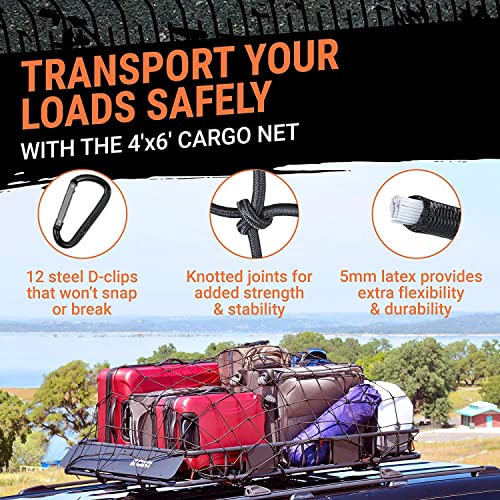
Cargo Net Or Bungee Cords
A cargo net or bungee cords help strap loose items to your bike. Never cover lights or license plates. Check that nothing can fall off or get caught in the wheel.
Packing Strategy
Put heavy items low and close to the center of your bike. Balance the load left to right. Test your bike fully loaded before your trip. Poor packing causes accidents more often than you think.
Here’s a comparison of three common motorcycle luggage systems:
| Luggage Type | Weight | Security | Weather Protection | Cost |
|---|---|---|---|---|
| Soft Saddlebags | Light | Low | Good (with covers) | Low–Medium |
| Hard Panniers | Heavy | High | Excellent | High |
| Dry Bags | Very Light | Low | Excellent | Low |
Tools And Motorcycle Maintenance
Even new bikes can have problems. A few smart tools can save your trip. Don’t overload—bring only what you’re likely to use.
Basic Tool Kit
Most motorcycles come with a basic tool kit. Upgrade it with high-quality tools that fit your specific bike. Include:
- Allen wrenches
- Screwdrivers
- Combination wrenches
- Adjustable wrench
- Pliers
Tire Repair Kit
Flat tires are the most common breakdown. A tire repair kit for tubeless tires includes plugs, a rasp, and an insertion tool. For tube tires, bring tire levers and spare tubes.
Air Pump Or Co2 Inflator
After fixing a flat, you need to re-inflate the tire. Small electric pumps run off your bike’s battery. CO2 cartridges are lighter but have limited uses. Test your pump at home first.
Chain Lube And Cleaner
If your bike uses a chain, bring a small bottle of chain lube. Lubing the chain every 300-500 miles keeps your ride smooth. A rag for wiping dirt helps, too.
Spare Fuses And Bulbs
Electrical issues are rare but easy to fix with spare fuses and bulbs. Know where your fuse box is and how to change them.
Multi-tool
A multi-tool adds pliers, blades, and screwdrivers in one small package. It’s great for quick fixes and camp chores.
Zip Ties And Duct Tape
Zip ties and duct tape are for temporary repairs. From fixing loose luggage to patching torn gear, these items solve many problems.
Spare Parts
Bring spare nuts, bolts, and clips that are unique to your bike. A spare clutch or brake lever can save a trip if you fall.
Owner’s Manual
A small owner’s manual helps you troubleshoot issues. Keep a digital copy on your phone for backup.
Here’s a quick reference for the most essential maintenance items:
| Item | Purpose | Packed Size | Weight |
|---|---|---|---|
| Tire Repair Kit | Fix flat tires | Small | Light |
| Multi-tool | General repairs | Tiny | Very Light |
| Chain Lube | Protect chain | Small bottle | Light |
| Zip Ties | Temporary fixes | Very Small | Very Light |
Navigation And Communication
Getting lost can turn an adventure into a problem. Bring reliable navigation and ways to stay connected.
Gps Or Smartphone With Maps
A GPS device or smartphone with offline maps helps you find your way. Apps like Google Maps, OsmAnd, and Maps.me let you download maps for offline use. Don’t rely on cell coverage in remote areas.
Paper Maps
Always pack a paper map as backup. Batteries die, devices break, but a map always works. Mark your planned route and backup options.
Compass
A small compass is a last-resort tool if electronics fail. Learn basic compass skills before your trip.
Emergency Beacon Or Satellite Messenger
If you travel far from towns, an emergency beacon or satellite messenger (like a Garmin inReach or SPOT device) can save your life. These devices send your location to rescuers even without cell service.
Phone And Charger
Bring your phone and a charger that works from your bike (USB or 12V). Consider a power bank for extra energy.
Notebook And Pen
A small notebook is useful for writing down directions, emergency contacts, or quick notes.
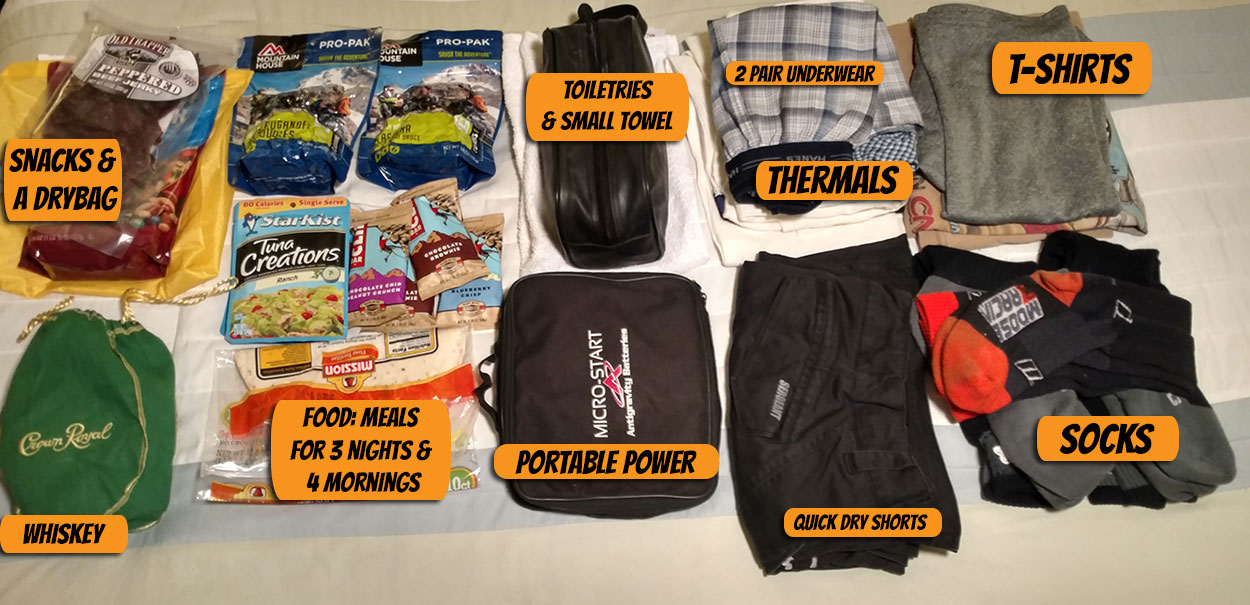
Credit: livelikepete.com
Personal Items And Hygiene
Staying clean and comfortable keeps you healthy and happy, especially on longer trips.
Toiletries
Pack travel-size toiletries:
- Toothbrush and toothpaste
- Biodegradable soap
- Small towel or washcloth
- Deodorant
- Razor (optional)
- Floss
Wet Wipes
Wet wipes are great for a quick clean-up when water is scarce.
Toilet Paper And Trowel
Bring toilet paper in a zip bag and a small trowel for digging a cat hole if there are no toilets.
Sunscreen And Lip Balm
Protect yourself from sunburn with sunscreen and lip balm with SPF.
Insect Repellent
Mosquitoes and bugs can ruin a trip. Bring insect repellent—wipes or spray.
First Aid Kit
A compact first aid kit is non-negotiable. Include:
- Bandages
- Antiseptic wipes
- Painkillers
- Blister treatment
- Tweezers
- Any prescription meds
Prescription Medications
Bring enough medications for your trip, plus a few extra days. Carry them in their original containers for border crossings.
Contact Lenses Or Glasses
If you wear contacts, bring spares and solution. A backup pair of glasses is smart.
Safety And Emergency Equipment
Riders face unique risks. Be ready for problems before they happen.
Emergency Blanket
A small emergency blanket (space blanket) weighs almost nothing but could save your life if you get wet or cold.
Whistle
A whistle is louder than your voice if you need to signal for help.
Pepper Spray Or Bear Spray
In some areas, bear spray is required. Pepper spray can also deter animals or attackers. Check local laws before packing it.
Paracord Or Rope
Paracord is useful for repairs, setting up tarps, or hanging food.
Safety Vest Or Reflective Tape
A reflective vest or tape makes you visible to other drivers, especially at night or in poor weather.
Spare Cash And Id
Always carry some spare cash in a hidden spot, and keep a copy of your ID and insurance.
Emergency Contacts
Have a card with emergency contacts in your wallet and on your phone.
Personal Locator App
Apps like What3words or Life360 help rescuers find you if you’re lost.
Here’s a quick look at must-have emergency gear and their main uses:
| Item | Main Use | Weight | Packing Tip |
|---|---|---|---|
| Emergency Blanket | Warmth in crisis | Ultra-light | Pack in top pocket |
| Whistle | Signaling | Tiny | Attach to jacket |
| Pepper Spray | Animal defense | Light | Check local laws |
| Reflective Vest | Visibility | Very Light | Store with rain gear |
Entertainment And Extras
Don’t forget to enjoy your downtime. A little entertainment makes camp life better.
Book Or E-reader
A book or e-reader gives you something to do on rainy days or quiet evenings. E-readers hold thousands of books but need charging.
Cards Or Small Games
A deck of cards or a small game is a great way to relax solo or with friends.
Camera Or Action Cam
Capture memories with a camera or action cam. Make sure you have spare batteries and memory cards.
Small Musical Instrument
If you play, a harmonica or travel ukulele is small enough for the road.
Lightweight Tarp
A tarp adds shade, extra shelter, or a dry place to sit. It’s lighter than a second tent and more flexible.
Binoculars
For wildlife or scenery, binoculars are a fun extra.
Space-saving And Packing Tips
Packing for motorcycle camping is like solving a puzzle. Here are two smart techniques that most beginners miss:
- Pack by frequency of use. Put items you use often (like rain gear, snacks, or maps) on top or in side pockets. Gear you only need at camp (like a sleeping bag) can go deeper.
- Use soft bags inside hard luggage. Stuff sacks, dry bags, and zip pouches help organize small items and make it easier to find things.
Roll clothes instead of folding—they compress smaller and are less wrinkled. Share gear with friends: one stove and one tarp for two people saves space.
Common Beginner Mistakes To Avoid
Even experienced riders make mistakes, but these are the most common:
- Overpacking: Bringing too much makes your bike heavy and hard to handle. Stick to essentials—if you’re not sure you’ll use it, leave it out.
- Ignoring weather changes: Even in summer, nights get cold and storms come fast. Pack layers and rain gear.
- Not testing gear: Practice setting up your tent and using your stove before your trip. Fix problems at home, not in the wild.
- Packing heavy items high: This makes your bike unstable. Keep weight low and balanced.
- Forgetting repair kits: Even new tires can puncture. Always bring a tire kit and know how to use it.
- Not securing items: A loose bag can fall off and cause an accident. Double-check all straps.
- Skipping emergency items: It’s easy to think, “I won’t need it,” but small safety gear takes little space and can save your life.
Sample Motorcycle Camping Checklist
Here’s a summary checklist you can use to pack. Adjust for your trip length and weather.
- Tent, stakes, groundsheet
- Sleeping bag (rated for expected temps)
- Sleeping pad
- Camping pillow
- Headlamp and flashlight (with batteries)
- Folding chair or seat pad
- Camping stove and fuel
- Pot/pan, utensils, mug
- Food storage bags or canister
- Water filter or purification tablets
- Lighter, fire starter
- Cleaning supplies, trash bag
- Riding gear (helmet, jacket, gloves, pants, boots)
- Rain suit
- Base layers (top and bottom)
- Fleece or insulating jacket
- Camp clothes (shirt, pants, shorts)
- Extra socks, underwear
- Hat, gloves, camp shoes
- Saddlebags, tank bag, dry bags
- Compression sacks, cargo net
- Upgraded tool kit, tire repair kit
- Air pump or CO2 inflator
- Chain lube, rag
- Spare fuses, bulbs, zip ties, duct tape
- Paper maps, compass, GPS/smartphone
- Phone charger, power bank
- Notebook, pen
- First aid kit, prescription meds, glasses/contacts
- Travel toiletries, wet wipes
- Toilet paper, trowel
- Sunscreen, lip balm, insect repellent
- Emergency blanket, whistle, reflective vest
- Spare cash, ID, emergency contacts
- Book, cards, camera, tarp, binoculars
Check off items as you pack. Each trip is different—adapt this list to your needs.
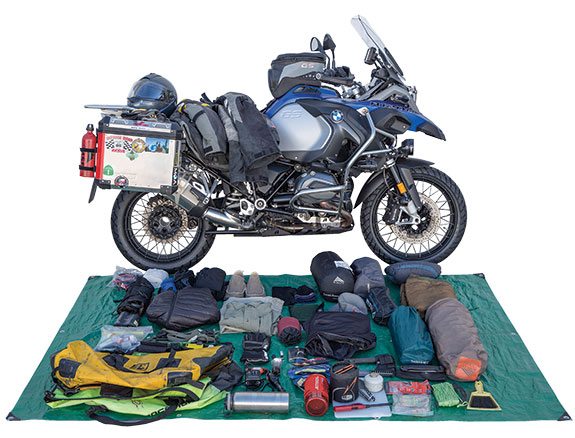
Credit: ridermagazine.com
Frequently Asked Questions
What Is The Most Important Item For Motorcycle Camping?
The most important item is your shelter—a tent or bivvy bag. After a long day of riding, a dry, warm place to sleep is essential. But don’t forget safety gear, like a first aid kit and tire repair kit.
How Much Can I Safely Carry On My Motorcycle?
Most motorcycles can safely carry about 15–20% of their own weight in gear, including rider and passenger. Check your owner’s manual for the exact Maximum Payload. Overloading affects handling and safety.
Can I Use Regular Camping Gear For Motorcycle Trips?
Yes, you can, but try to choose compact, lightweight gear. Motorcycle camping has stricter space and weight limits than car camping. Backpacking gear often works best.
How Do I Keep My Gear Dry?
Use dry bags and make sure all luggage is waterproof. Pack electronics and clothes in separate dry bags. Check straps and covers before each ride. For more tips, visit the Adventure Rider forum.
Is It Safe To Camp Alone While Motorcycle Touring?
Camping alone is common, but always tell someone your plans, carry emergency contacts, and pack basic safety gear. Use established campsites when possible and trust your instincts—if a place feels unsafe, move on.
Motorcycle camping is about freedom and self-reliance. With the right checklist, you’ll be ready for any road and any weather. Enjoy your adventure, ride safe, and remember: the best memories come from the trips you’re prepared for.
One Comment