Motorcycle Tire Mileage Chart: Ultimate Guide to Maximize Durability

Are you wondering how long your motorcycle tires will really last? Knowing the mileage you can expect from your tires can save you money and keep you safe on the road.
But with so many types and brands, it’s hard to guess when to replace them. This Motorcycle Tire Mileage Chart breaks down the numbers for you, helping you understand what to expect from different tires. Keep reading to find out how to get the most from your tires and avoid surprises on your next ride.

Credit: www.motorcycle.com
Factors Affecting Tire Mileage
Understanding the factors affecting tire mileage is key to getting the most from your motorcycle tires. Several elements influence the motorcycle tire lifespan, including the type of tire, how you ride, the roads you travel, and how well you maintain your tires. These factors affect tire tread wear and overall mileage performance. Knowing about these can help you choose the right tire and care for it properly, improving safety and saving money.
Tire Type And Composition
The motorcycle tire types and their tire rubber composition play a major role in tire durability factors. Tires come in various types like sport, touring, off-road, and cruiser. Each type has a different rubber mix and tread design to suit specific riding needs.
- Sport tires use softer rubber for better grip but wear out faster.
- Touring tires have harder rubber to last longer on highways.
- Off-road tires have deep treads for traction but can wear quickly on pavement.
- Cruiser tires balance durability and comfort for city and highway rides.
The table below shows average mileage ranges based on tire types:
| Motorcycle Tire Type | Average Mileage (km) | Tire Rubber Composition |
|---|---|---|
| Sport | 8,000 – 12,000 | Softer, high-grip rubber |
| Touring | 15,000 – 25,000 | Harder, durable rubber |
| Off-road | 5,000 – 10,000 | Chunky, durable tread rubber |
| Cruiser | 12,000 – 20,000 | Balanced rubber mix |
Choosing the right tire type improves tire tread wear and motorcycle tire maintenance. The tire rubber composition affects how quickly the tire wears out under different conditions.
Riding Style
Your riding style greatly impacts tire wear patterns and mileage. Aggressive riding with hard acceleration, fast cornering, and sudden braking can reduce motorcycle tire lifespan. Smooth, steady riding helps tires last longer.
Key riding style effects on tires:
- Hard acceleration increases tire heat and wear.
- Sharp cornering causes uneven tire tread wear.
- Frequent braking can create flat spots on tires.
- Consistent speed promotes even wear and better mileage.
Riders who practice controlled throttle and braking see better mileage performance. Touring riders tend to have longer tire life than sport riders due to their less aggressive style.
Understanding how your riding affects tires helps adjust habits to improve motorcycle tire maintenance and extend tire life.
Road Conditions
Riding terrain impact is a major factor in tire durability factors. Rough, uneven, or gravel roads cause faster tire tread wear than smooth asphalt.
- Gravel and dirt roads increase wear and risk of cuts on tires.
- Potholes and bumps can damage tire structure and reduce lifespan.
- Wet or icy roads demand tires with good grip, which may wear faster.
- Highway roads provide consistent surfaces for even tire wear.
Table showing road type impact on tire mileage:
| Road Condition | Effect on Tire Mileage |
|---|---|
| Highway | Best mileage, even wear |
| City roads | Moderate wear, frequent stops |
| Gravel/Dirt | High wear, risk of damage |
| Wet/Icy | Increased grip wear |
Adapting to road conditions with the right tire type and pressure improves safety and motorcycle tire maintenance. Tires wear unevenly on poor surfaces, reducing motorcycle tire lifespan.
Maintenance Practices
Proper motorcycle tire maintenance is critical for maximizing tire mileage. Good care prevents premature tire tread wear and extends motorcycle tire lifespan.
Essential maintenance tips:
- Check tire pressure regularly. Incorrect pressure causes uneven wear and lowers mileage.
- Inspect tires for damage. Look for cuts, punctures, or cracks.
- Balance and align tires. Prevents uneven tire wear patterns.
- Rotate tires if possible. Helps even out wear on front and rear tires.
- Replace tires on time. Avoid riding on worn-out tires for safety and performance.
Code snippet for a simple tire pressure check reminder:
function checkTirePressure(currentPressure, recommendedPressure) { if (currentPressure < recommendedPressure) { return "Inflate tires to recommended pressure."; } else if (currentPressure > recommendedPressure) { return "Deflate tires to recommended pressure."; } else { return "Tire pressure is optimal."; } }Consistent motorcycle tire maintenance improves mileage performance and safety. Neglecting maintenance reduces tire life and can lead to accidents.
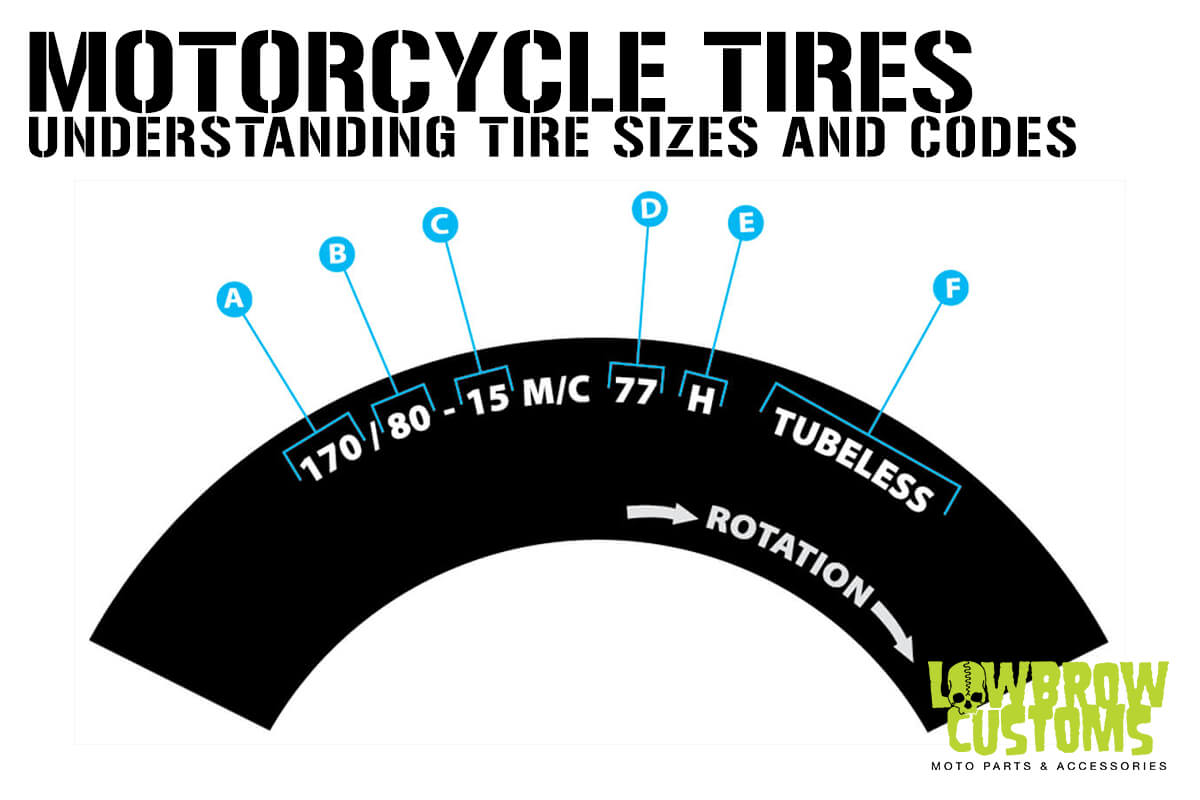
Credit: www.lowbrowcustoms.com
Mileage Expectations By Tire Brand
Understanding Motorcycle Tire Mileage Chart helps riders plan their tire replacements better. Mileage Expectations by Tire Brand vary widely. Each brand offers different tire tread life based on design and materials. Knowing these differences improves safety and saves money. Tires wear down with use, but brand quality and type affect how long they last. This section compares popular brands and tire types to guide your choice.
Top Brands Comparison
Different brands offer various Motorcycle Tire Types Comparison focusing on tread life and performance. Some brands focus on durability, others on grip or speed. Here’s a quick look at popular brands and their Best Motorcycle Tires Mileage:
| Brand | Mileage Rating (miles) | Type | Notes |
|---|---|---|---|
| Michelin | 12,000 – 15,000 | Touring / Sport | High durability and grip balance |
| Bridgestone | 10,000 – 14,000 | Sport / Touring | Good tread life with solid performance |
| Pirelli | 8,000 – 12,000 | Sport | Focus on grip and handling |
| Metzeler | 9,000 – 13,000 | Touring / Sport | Balanced wear and traction |
| Shinko | 6,000 – 8,000 | Budget | Lower cost, shorter lifespan |
Tire Wear Comparison shows premium brands often last longer. They use better materials and advanced technology. Riders who want long-lasting tires often choose Michelin or Bridgestone. Sport riders may prefer Pirelli for grip, despite shorter lifespan. Budget brands like Shinko offer low prices but wear faster. Proper Tire Maintenance Tips help all brands reach their best mileage.
Budget Vs Premium Tires
Choosing between Budget Motorcycle Tires Durability and Premium Motorcycle Tires Performance depends on riding style and budget. Budget tires cost less upfront but wear out faster. Premium tires cost more but last longer and offer better grip and safety.
- Budget Tires: Suitable for casual riders or short trips.
- Premium Tires: Ideal for long rides and high-speed riding.
Here is a simple comparison:
| Feature | Budget Tires | Premium Tires |
|---|---|---|
| Price | Low | High |
| Durability | 6,000 – 8,000 miles | 10,000 – 15,000 miles |
| Grip | Good but less consistent | Excellent and reliable |
| Comfort | Basic | Enhanced ride quality |
Riders focused on Motorcycle Tire Lifespan often prefer premium tires. They reduce the need for frequent replacements. Budget tires require careful Tire Maintenance Tips to maximize life. Choosing the right tire depends on how often and where you ride.
Longevity Of Sport Vs Touring Tires
Sport Tires Vs Touring Tires Longevity varies greatly. Sport tires prioritize grip and speed but wear faster. Touring tires focus on durability and comfort for long distances.
- Sport Tires: Typically last 6,000 to 10,000 miles. Made with softer rubber for better grip.
- Touring Tires: Can last 12,000 to 15,000 miles. Made with harder rubber for long tread life.
Here is a quick Tire Tread Life comparison:
| Type | Average Mileage | Best Use | Wear Pattern |
|---|---|---|---|
| Sport Tires | 6,000 – 10,000 miles | Performance, racing, aggressive riding | Fast wear on edges |
| Touring Tires | 12,000 – 15,000 miles | Long distance, comfort, stability | Even wear across tread |
Riders must balance grip versus longevity. Sport tires offer better cornering but need frequent changes. Touring tires last longer, reducing replacements and costs. Proper Tire Maintenance Tips like correct pressure and alignment extend both types’ life.
Mileage Estimates For Popular Motorcycle Models
Understanding motorcycle tire mileage helps riders plan rides and maintain safety. Different motorcycle types use different tires, affecting their tire tread life and overall performance. This section shows mileage estimates for popular motorcycle models. It offers insight into motorcycle tire lifespan and helps with tire maintenance tips. Knowing the differences aids in choosing long-lasting motorcycle tires and tracking tire wear patterns.
Cruiser Tires
Cruiser motorcycles usually have larger, heavier tires built for comfort and durability. These tires focus on steady grip and long life. Riders enjoy smooth rides on highways and city roads. The tire durability on cruisers is often higher due to less aggressive riding.
- Average mileage: 12,000 to 18,000 miles
- Key features: Thick sidewalls, deep tread, strong rubber compounds
- Common issues: Flat spots from long stops, slow tread wear
A quick tire mileage comparison for popular cruiser models:
| Model | Tire Type | Expected Mileage |
|---|---|---|
| Harley-Davidson Street Glide | Bias-ply Cruiser Tires | 15,000 miles |
| Indian Chief Classic | Radial Cruiser Tires | 16,000 miles |
| Yamaha V Star 250 | Bias-ply Cruiser Tires | 12,000 miles |
Good tire maintenance tips include regular pressure checks and avoiding sudden hard stops. These help extend tire tread life and improve tire performance.
Sportbike Tires
Sportbike tires focus on grip and speed, trading some lifespan for better performance. These tires have softer rubber compounds for quick cornering and fast acceleration. The tire wear patterns show faster tread wear, especially on the edges.
- Average mileage: 3,000 to 7,000 miles
- Key features: Soft compounds, rounded profiles, enhanced grip
- Common issues: Rapid tread wear, heat buildup
Here is a quick tire performance chart for popular sportbikes:
| Model | Tire Type | Expected Mileage |
|---|---|---|
| Yamaha YZF-R6 | Slick or Semi-Slick Sport Tires | 4,000 miles |
| Kawasaki Ninja ZX-6R | Radial Sport Tires | 5,000 miles |
| Honda CBR600RR | Radial Sport Tires | 6,000 miles |
Riders must check tire pressure daily and watch for uneven wear. Proper care improves motorcycle tire lifespan and helps choose the best motorcycle tires for sport riding.
Adventure Bike Tires
Adventure motorcycles use tires designed for mixed surfaces. These tires balance off-road traction and on-road durability. The tire mileage comparison shows moderate life but higher versatility. Tire durability depends on terrain and riding style.
- Average mileage: 6,000 to 12,000 miles
- Key features: Knobby tread, reinforced sidewalls, dual-compound rubber
- Common issues: Chunking on rough terrain, tread wear on pavement
Sample mileage estimates for adventure bikes:
| Model | Tire Type | Expected Mileage |
|---|---|---|
| BMW GS Adventure | Dual-Sport Tires | 10,000 miles |
| KTM 1290 Super Adventure | Dual-Compound Tires | 8,000 miles |
| Honda Africa Twin | Knobby Dual-Sport Tires | 9,000 miles |
Regular cleaning and inspection help maintain tire tread life and spot damage early. Proper inflation and load management improve tire performance and safety on all surfaces.
Tips To Maximize Tire Mileage
Maximizing motorcycle tire mileage saves money and ensures safer rides. Proper tire care extends the life of your tires and improves performance. Follow key tips for tire maintenance to get the most out of your investment. Focus on inflation, inspection, and riding habits to boost tire durability and performance.
Proper Inflation Techniques
Maintaining the right tire pressure is crucial for tire performance optimization and motorcycle tire lifespan. Use a reliable pressure gauge to check tire pressure before every ride. Under-inflated tires cause uneven tire wear patterns and reduce fuel efficiency. Over-inflated tires lead to a harsher ride and less contact with the road.
Follow the manufacturer’s recommended tire pressure, usually found in the owner’s manual or on the tire itself. Adjust pressure according to load and riding conditions. Keep a Tire Pressure Maintenance log to track changes over time.
- Check tire pressure when tires are cold for accurate readings.
- Inflate tires gradually to the specified pressure.
- Use a high-quality air compressor or visit a trusted service station.
- Recheck pressure after long rides or temperature changes.
| Condition | Recommended Tire Pressure (PSI) |
|---|---|
| Solo Riding | 30 – 35 |
| Two Riders | 35 – 40 |
| Heavy Load or Long Trip | 40 – 45 |
Proper inflation improves grip, reduces tire wear, and enhances fuel economy. This simple step is a key part of any Tire Maintenance Checklist.
Regular Tire Inspection
Frequent inspection helps detect tire issues early and maintains tire safety. Check tires for cuts, punctures, cracks, and foreign objects. Monitor the tire tread depth to ensure safe traction. Replace tires when tread depth reaches the legal minimum, usually 1-2 mm depending on local laws.
Follow a Tire Rotation Schedule to even out tire wear patterns. Rotate tires every 5,000 to 8,000 miles, or as recommended by the manufacturer. This prevents premature wear on one side and balances tire performance.
- Visual inspection before every ride.
- Check tire sidewalls for bulges or deformities.
- Use a tread depth gauge for accurate measurement.
- Clean tires regularly to remove debris and dirt.
Keep a record of inspections as part of your Tire Maintenance Checklist. This habit supports long-term tire durability and avoids unexpected failures.
Balanced Riding Habits
Riding style influences motorcycle tire lifespan significantly. Avoid sudden acceleration, hard braking, and sharp cornering to reduce tire wear. Smooth, steady riding helps maintain even tire wear patterns and improves fuel efficiency.
Consider the following tips for balanced riding:
- Accelerate and brake gradually.
- Lean gently into turns to avoid excessive tire stress.
- Maintain consistent speed on highways and city roads.
- Limit riding on rough or uneven surfaces when possible.
Balanced riding contributes to tire durability factors and overall tire performance optimization. It also lowers the risk of tire damage and extends the time between replacements.
Use these Tire Safety Tips alongside regular maintenance and inspection. This approach ensures your motorcycle tires last longer and perform better on every ride.
Signs It’s Time To Replace Tires
Motorcycle tires wear down over time and affect safety and performance. Recognizing the signs it’s time to replace tires helps riders avoid accidents and enjoy smooth rides. Regular tire safety inspection is key. Checking tires ensures optimal motorcycle grip and traction on different surfaces. Understanding when to change tires aligns with tire replacement guidelines and extends your bike’s life. Below are clear signs to watch for during your tire maintenance tips routine.
Tread Wear Indicators
Tread wear indicators are small raised bars found in the grooves of motorcycle tires. These bars show the minimum tire tread depth allowed for safe riding. When the tread wears down to the level of these bars, it means the tire needs replacement immediately.
Check for these points during a tire safety inspection:
- Tread depth below 1.6 mm (2/32 inch) is unsafe.
- Uneven tread wear can indicate alignment or pressure issues.
- Worn tread reduces motorcycle grip and traction, especially on wet roads.
| Tread Depth (mm) | Safety Status | Action |
|---|---|---|
| Above 3.0 | Good | Continue regular checks |
| 1.6 to 3.0 | Worn | Plan for replacement soon |
| Below 1.6 | Unsafe | Replace immediately |
Regularly monitoring tire wear patterns helps predict when tires will reach this critical point. Remember, rubber compound durability also affects lifespan, so check tires often.
Cracks And Damage
Cracks and visible damage on tires are clear tire performance indicators signaling replacement needs. Exposure to sunlight, heat, and road conditions causes cracks in the rubber. These cracks reduce the tire’s strength and safety.
Look for these signs during your tire safety inspection:
- Small cracks on the sidewalls or tread surface.
- Bulges or blisters caused by internal damage.
- Cut marks or punctures that could lead to air loss.
- Foreign objects embedded in the tire.
Damage affects rubber compound durability and can cause sudden tire failure. Even minor cracks grow over time and weaken the tire. Bulges mean the tire’s internal cords are damaged, which is dangerous.
Follow these tire maintenance tips to prevent damage:
- Store motorcycle in shaded or cool areas.
- Check tire pressure regularly to avoid uneven stress.
- Inspect tires after long rides or rough roads.
Replace any tire showing cracks or damage promptly to maintain motorcycle grip and traction and rider safety.
Handling And Performance Changes
Changes in how the motorcycle handles can be a key sign that tires need replacement. Worn tires reduce contact with the road, affecting balance and control.
Notice these tire performance indicators:
- Slipping or sliding during cornering or braking.
- Vibrations or wobbling at certain speeds.
- Difficulty keeping the bike stable on straight paths.
- Longer stopping distances or poor grip on wet surfaces.
Poor handling may result from low tire tread depth or uneven tire wear patterns. Tire pressure effects also influence performance; underinflated tires wear faster and reduce traction.
Maintain performance by:
- Checking tire pressure before every ride.
- Balancing tires during installation.
- Replacing tires according to motorcycle tire lifespan and tire replacement guidelines.
Proper tires ensure safe rides and better control. Watch for handling changes to protect yourself on every trip.

Credit: www.southbayriders.com
FAQs For Motorcycle Tire Mileage Chart
What Affects Motorcycle Tire Mileage The Most?
Tire mileage depends mainly on tire type, riding style, and road conditions. Harder compounds last longer but offer less grip. Aggressive riding and rough roads reduce tire life significantly. Proper maintenance like correct inflation also boosts mileage.
How Many Miles Can Motorcycle Tires Typically Last?
Most motorcycle tires last between 8,000 to 15,000 miles. Sport tires wear faster, averaging 5,000 to 8,000 miles. Touring tires can reach up to 15,000 miles due to harder compounds. Regular checks help maximize tire lifespan.
Does Tire Brand Influence Motorcycle Tire Mileage?
Yes, tire brand impacts mileage as each uses different rubber compounds and technology. Premium brands often offer longer-lasting tires with better performance. Cheaper tires may wear out faster but cost less initially.
How To Increase Motorcycle Tire Mileage Effectively?
Maintain correct tire pressure and avoid aggressive acceleration or braking. Regularly check for wear and rotate tires if possible. Choose tires suitable for your riding style and terrain. Proper maintenance extends tire life and safety.
Conclusion
Choosing the right motorcycle tire affects your ride’s safety and comfort. Tire mileage varies by type, brand, and riding style. Regularly checking tire wear helps avoid accidents. Keep your tires properly inflated for longer life. Note the mileage chart to plan replacements on time.
Good tires save money and improve your bike’s performance. Always pay attention to road conditions while riding. Safe rides start with well-maintained tires. Stay informed and enjoy every mile on the road.