Things To Check Before After Servicing Motorcycle: Essential Tips

When your motorcycle comes back from servicing, you might feel relieved that the work is done. But wait—are you sure everything is in perfect shape?
Checking a few key things before you hit the road again can save you from unexpected trouble and keep you safe. You’ll discover simple yet powerful steps to make sure your bike is truly ready. Keep reading, because taking a few extra minutes now can protect your ride and give you peace of mind every time you ride.
Also read : Motorcycle Dies When Choke Is Off: Troubleshoot & Fix Fast
Engine Oil And Filters
Engine oil and filters keep your motorcycle running smoothly. They protect the engine parts from wear and tear. Clean oil and filters help the engine last longer. Checking these after servicing is very important. It ensures the bike performs well and stays reliable.
Check Oil Level And Quality
Check the oil level using the dipstick or sight glass. The oil should be between the minimum and maximum marks. Look at the oil color and texture. Clean oil is amber and smooth. Dark or gritty oil means it needs changing. Low oil levels can cause engine damage. Always use the correct oil type for your motorcycle.
Inspect Air And Fuel Filters
Air and fuel filters stop dirt from entering the engine. Dirty filters reduce engine power and fuel efficiency. Remove the filters and look for dirt or damage. Clean air filters with compressed air or replace them if very dirty. Fuel filters should be free of debris and clogs. Change filters as recommended in your service manual. Good filters help your bike run cleaner and better.
Brakes And Tires
Brakes and tires are vital for motorcycle safety. Proper care ensures smooth rides and quick stops. After servicing, check these parts carefully. They affect your control and riding experience.
Examine Brake Pads And Fluid
Look at the brake pads for wear. Thin pads reduce braking power. Replace them if they look worn out. Also, check the brake fluid level. Low fluid can cause brake failure. Make sure the fluid is clean and at the right level. This keeps brakes responsive and safe.
Assess Tire Condition And Pressure
Inspect tires for cuts, cracks, or bulges. Damaged tires can cause accidents. Check the tread depth to ensure good grip on the road. Proper tire pressure improves handling and fuel efficiency. Use a pressure gauge to measure and adjust tires to the recommended level. Well-maintained tires make your ride safer and smoother.
Battery And Electricals
The battery and electrical parts are vital for your motorcycle’s smooth running. A healthy battery powers the engine start and all electrical systems. Faulty electricals can cause safety issues or leave you stranded.
Checking these parts after servicing helps avoid surprises on the road. It also ensures your bike stays reliable and safe.
Test Battery Health
Check the battery charge with a voltmeter. A healthy battery usually reads around 12.6 volts when the engine is off. Below 12 volts means the battery may need charging or replacement.
Look for any corrosion on battery terminals. Clean terminals improve the connection. Tighten loose connections to avoid power loss.
Verify Lights And Indicators
Turn on the headlights, tail lights, brake lights, and indicators. Each should light up clearly and without flicker. Faulty bulbs or wiring can reduce visibility and safety.
Test the horn and instrument panel lights too. All electrical parts must work well for safe riding. Fix any issues before hitting the road.

Credit: www.youtube.com
Chain And Sprockets
The chain and sprockets are vital parts of a motorcycle’s drive system. They work together to transfer power from the engine to the rear wheel. Proper care of these parts ensures smooth riding and avoids breakdowns. Checking them after servicing keeps your bike safe and efficient.
Lubricate And Adjust Chain
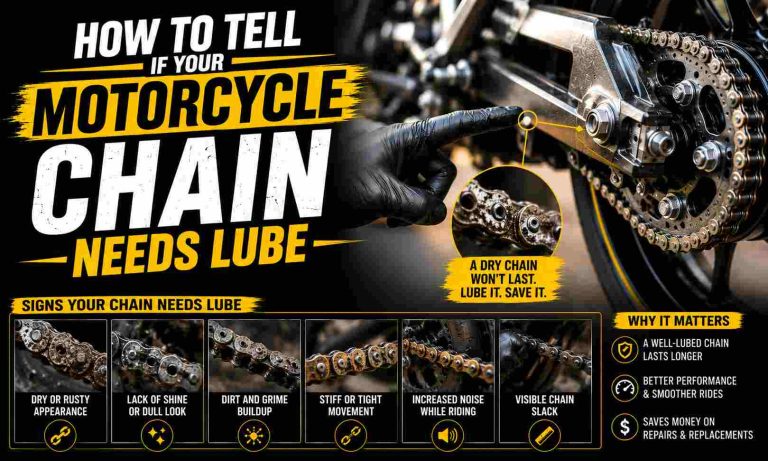
Lubricate the chain regularly to reduce wear and tear. A dry chain causes friction and noise. Use a good quality chain lubricant and apply it evenly. After lubrication, check the chain tension. The chain should have a small amount of slack. Too tight or too loose chains can cause damage or affect riding safety. Adjust the chain tension according to the manufacturer’s instructions.
Inspect Sprocket Wear
Look closely at the sprockets for signs of wear. Worn sprockets have sharp or hooked teeth. This shape can damage the chain and reduce performance. Replace sprockets if you see uneven wear or damage. Healthy sprockets ensure smooth power transfer and longer chain life. Regular inspection helps avoid costly repairs later.
Suspension And Steering
The suspension and steering of a motorcycle are key to a smooth and safe ride. They control how your bike handles bumps and turns. After servicing, these parts need careful checking to ensure they work well. Faulty suspension or steering can cause discomfort and danger on the road.
Check Fork Seals And Shock Absorbers
Look closely at the fork seals for any oil leaks. Oil on the forks means the seals are damaged. This can reduce suspension performance. Press down on the front and rear shocks. They should compress smoothly and return quickly. Weak or stiff shocks affect comfort and control. Replace any worn or leaking parts right away.
Test Steering Smoothness
Turn the handlebars fully left and right. The movement should feel smooth without sticking or noise. Check for any play or looseness in the steering head. Loose steering can make the bike unstable. Tighten or adjust as needed to keep steering precise. Smooth steering helps you react fast and ride safely.
Fluid Levels
Checking fluid levels is a key step after servicing your motorcycle. Fluids keep your bike running smoothly and safely. Low or dirty fluids can cause serious problems. Always make sure fluids are at the right levels and clean. This protects your engine and other parts. Here are the main fluids to check.
Check Coolant And Brake Fluid
Coolant stops your engine from overheating. Check the coolant level in the reservoir tank. It should be between the minimum and maximum marks. Use the correct type of coolant for your bike. Brake fluid is vital for safe stopping. Check the brake fluid level in the master cylinder. Low fluid can reduce brake power. If the fluid looks dark or dirty, it needs changing.
Inspect Clutch Fluid
Not all motorcycles have clutch fluid, but many do. It helps the clutch work smoothly. Check the clutch fluid level in the reservoir. The fluid should be clear and at the right level. Low clutch fluid can cause clutch slipping or hard shifting. Replace the fluid if it looks dirty or old. Keep your clutch fluid fresh for better control.
Fasteners And Cables
Fasteners and cables are vital parts of any motorcycle. They keep everything connected and working smoothly. After servicing your bike, checking these parts ensures safety and performance. Loose fasteners or damaged cables can cause problems on the road.
Tighten Bolts And Nuts
Bolts and nuts can loosen during riding or servicing. Use the correct tools to tighten each bolt and nut firmly. Pay attention to critical areas like the frame, engine mounts, and wheels. Tight fasteners prevent parts from moving or falling off. Check for any signs of rust or wear. Replace damaged bolts to keep your bike secure.
Inspect Throttle And Clutch Cables
Throttle and clutch cables control your bike’s speed and gear changes. Look for frayed or worn cables that can snap suddenly. Pull the cables gently to test their smooth movement. Lubricate cables to avoid stiffness and improve response. Replace cables if you find damage or rough spots. Smooth cables make riding safer and more enjoyable.

Credit: lawtigers.com
Test Ride And Final Checks
After servicing your motorcycle, a test ride and final checks are very important. These steps help ensure the bike works well and is safe to ride. They let you spot any problems early before using the motorcycle on busy roads. Taking time for this can save you from bigger troubles later.
Listen For Unusual Noises
Start the test ride with a quiet mind. Pay close attention to sounds from the engine, brakes, and exhaust. Strange noises like knocking, rattling, or squeaking may show a problem. These sounds tell you if parts are loose or not working well. Fixing issues early keeps the bike safe.
Verify Overall Performance
Check how the motorcycle responds to throttle and brakes. The acceleration should be smooth and steady. Brakes must stop the bike quickly and evenly. Also, notice the handling on turns and bumps. The bike should feel stable and balanced. Good performance means the service was done right.

Credit: netrider.net.au
FAQs For Things To Check Before After Servicing Motorcycle
What Should I Inspect After Motorcycle Servicing?
Check the oil level, brakes, tire pressure, and lights after servicing. Ensure there are no leaks or unusual sounds. Verify that all bolts are tight and controls function smoothly for safe riding.
How To Verify Brake Performance Post Motorcycle Service?
Test the brakes gently at low speed to ensure proper response. Check for spongy feel or unusual noises. Effective brakes are crucial for safety and indicate correct servicing.
Why Check Tire Pressure After Motorcycle Servicing?
Proper tire pressure ensures better grip, fuel efficiency, and ride comfort. Incorrect pressure can cause uneven wear and unsafe handling. Always use recommended PSI levels specified by the manufacturer.
When Should I Report Issues After Motorcycle Servicing?
Report any unusual noises, leaks, or performance drops immediately. Early reporting helps avoid major repairs and ensures your motorcycle stays safe and reliable.
Conclusion
Checking your motorcycle after servicing keeps it safe and smooth. Inspect brakes, tires, and lights before riding. Ensure oil and fluids are at the right level. Listen for unusual sounds during a test ride. Tighten any loose parts you find.
Regular checks help avoid breakdowns and costly repairs. Stay alert and keep your bike in good shape. Riding with confidence starts with simple post-service checks. Your safety depends on these quick, easy steps.