What Is Clutch Drag On Motorcycle: Causes, Effects & Fixes

Have you ever noticed your motorcycle feels like it’s not shifting smoothly, or it hesitates when you try to change gears? This could be due to clutch drag—a common issue that many riders don’t fully understand.
Knowing what clutch drag is and how it affects your bike can save you from frustrating rides and costly repairs. You’ll discover exactly what clutch drag on a motorcycle means, why it happens, and what you can do to fix it.
Keep reading to make sure your bike runs smoothly every time you hit the road.
Also read : How To Start Motorcycle With Bad Starter

Credit: www.aliwheels.com
Clutch Drag Basics
Clutch drag happens when the clutch does not fully disengage. This means the engine and transmission stay partially connected. The clutch plates do not separate enough to stop power flow.
It can cause the motorcycle to behave strangely. Riders often feel it as resistance or difficulty when shifting gears. This issue can lead to rough rides and damage if not fixed.
What Happens During Clutch Drag
When you pull the clutch lever, the plates should separate. This stops the engine from driving the wheels. With clutch drag, the plates stay partly in contact.
This partial contact causes friction between the plates. The engine still tries to turn the transmission. This makes gear changes hard and jerky. The bike may lurch or stall at low speeds.
How It Affects Motorcycle Performance
Clutch drag reduces smoothness and control. Shifting becomes tough and can damage gears. The bike may stall more often, especially at stops.
It also increases wear on clutch parts. Over time, this can lead to costly repairs. The motorcycle loses power efficiency and feels sluggish.
Riders may find it harder to ride safely. Clutch drag can cause unexpected movements and stress. Fixing it helps keep the bike running well and safe.

Credit: www.reddit.com
Common Causes
Clutch drag happens when the clutch does not fully disengage. This makes shifting gears hard and causes the bike to jerk or stall. Several common issues cause clutch drag. Knowing these helps you find the problem fast and fix it.
Worn Clutch Plates
Clutch plates wear out over time. Thin or warped plates do not separate properly. This causes the clutch to stick slightly. The bike may feel rough or hard to shift.
Incorrect Cable Adjustment
If the clutch cable is too tight, the clutch won’t fully release. Too loose, and it may not engage well. Proper cable tension is key for smooth clutch action.
Warped Pressure Plate
A pressure plate that is bent or warped presses unevenly on the clutch plates. It stops the plates from separating fully. This leads to clutch drag and rough gear changes.
Oil Contamination
Oil on the clutch plates causes slipping or sticking. Contaminated oil reduces friction and makes the clutch drag. Clean oil and regular changes keep the clutch working well.
Faulty Clutch Springs
Clutch springs push the plates together with correct force. Weak or broken springs cause uneven pressure. This results in poor clutch release and drag during shifting.
Signs And Symptoms
Clutch drag on a motorcycle shows up through certain signs and symptoms. These signs help riders spot clutch problems early. Recognizing these symptoms can prevent bigger damage and keep your ride smooth. Here are some common signs to watch for.
Difficulty Shifting Gears
Clutch drag often causes hard gear changes. You may feel resistance when shifting. The gears might grind or refuse to engage smoothly. This happens because the clutch does not fully disconnect the engine from the transmission.
Grinding Noises
Unusual grinding sounds during gear shifts can indicate clutch drag. These noises occur when gears clash instead of sliding smoothly. Grinding noises warn that the clutch plates are not separating properly.
Bike Creeping Forward
Your bike may creep forward even with the clutch lever pulled in. This happens because the clutch plates stay partially connected. The bike moves slightly without throttle input, showing clutch drag is present.
Clutch Lever Resistance
The clutch lever might feel stiff or harder to pull. This resistance signals internal clutch issues. A smooth lever pull helps disengage the clutch fully, so any change in feel is a red flag.
Impact On Riding
Clutch drag on a motorcycle affects how the bike rides and feels. It changes the smoothness of gear shifts and how the bike responds. These changes impact safety and the life of the motorcycle parts. Understanding these effects helps riders stay safe and keep their bikes in good shape.
Reduced Control
Clutch drag makes shifting gears hard and rough. This can cause sudden jerks or stalls. Riders lose smooth control over the bike’s speed. It becomes difficult to ride smoothly in traffic or on turns. The bike may not respond well to rider commands.
Increased Wear And Tear
The extra friction from clutch drag wears out parts faster. The clutch plates and gears get damaged over time. This leads to more frequent repairs and higher costs. The motorcycle’s performance drops as parts wear out. Regular maintenance becomes more important to avoid big problems.
Safety Concerns
Clutch drag can cause unexpected stalls or loss of power. This is dangerous in busy traffic or on highways. Sudden bike movements may surprise the rider and others on the road. It increases the risk of accidents and injuries. Checking and fixing clutch drag is important for rider safety.
Troubleshooting Steps
Troubleshooting clutch drag on a motorcycle requires a clear process. Start with simple checks before moving to complex parts. This helps find the problem fast and fix it correctly. Follow these steps carefully to keep your bike running smooth.
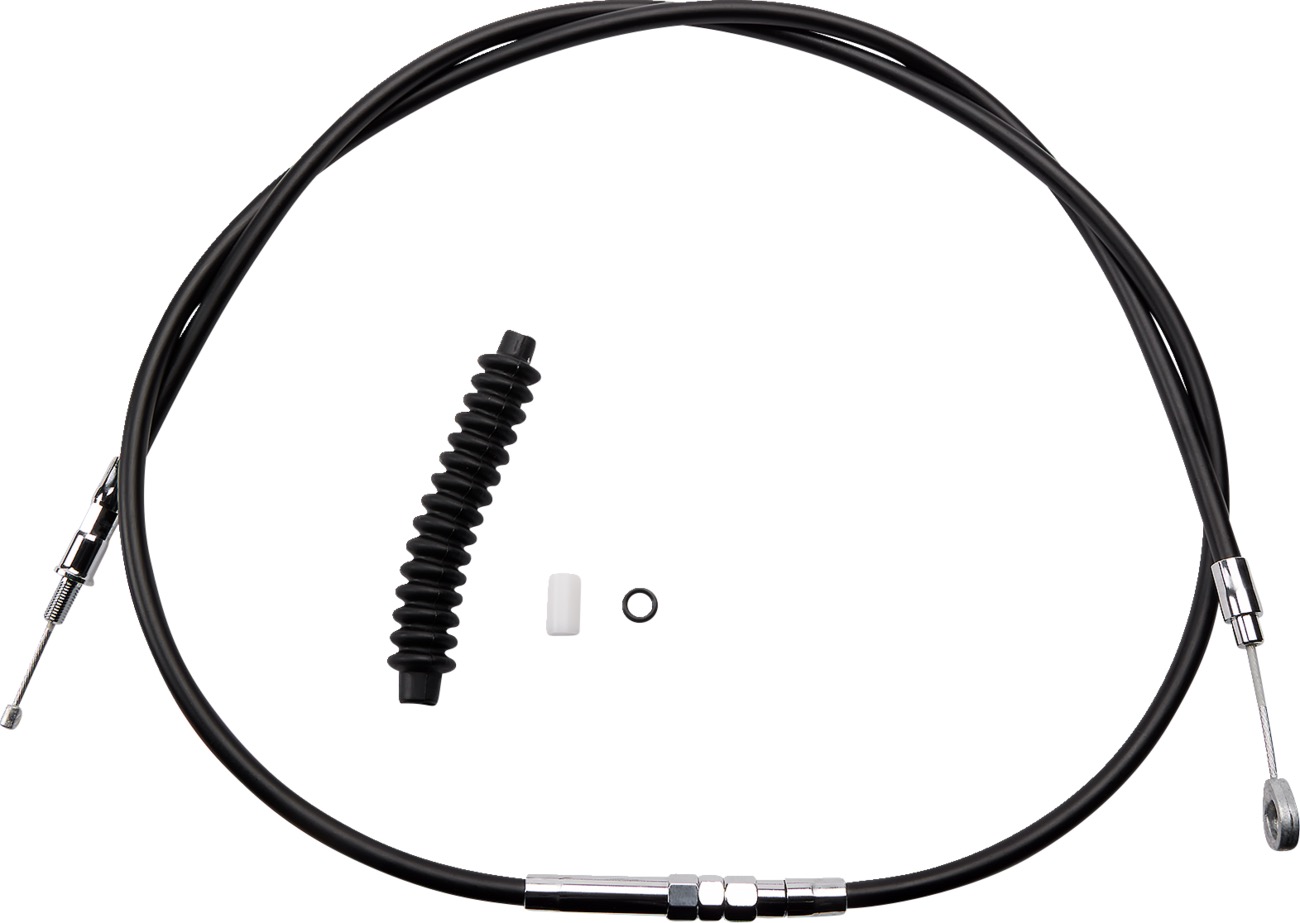
Checking Clutch Cable Play
Check the clutch cable for the right amount of play. Too tight or too loose can cause clutch drag. Use the adjuster to set the correct free play. Usually, a few millimeters of slack works best. This step often fixes minor clutch drag issues.
Inspecting Clutch Plates
Remove the clutch cover to see the plates inside. Look for signs of wear, burning, or warping. Damaged plates cause the clutch to stick and drag. Replace any plates that look worn out. Clean the plates gently if they have oil or dirt on them.
Examining Pressure Plate Condition
The pressure plate pushes the clutch plates together. Check it for cracks or uneven surfaces. A damaged pressure plate can cause clutch slippage or drag. Replace the plate if you find any damage. Make sure it moves smoothly without sticking.
Testing Clutch Springs
Clutch springs keep pressure on the plates. Weak springs fail to release the clutch fully. Test each spring for tension and length. Replace springs that are too soft or stretched out. Strong springs ensure proper clutch operation and reduce drag.
Credit: www.ebay.com
Repair And Maintenance Tips
Repair and maintenance help keep your motorcycle clutch working well. Regular care prevents clutch drag and improves riding comfort. Simple checks and fixes can save costly repairs later. Focus on key areas for smooth clutch action.
Adjusting Clutch Cable
Check the clutch cable for proper tension. A loose or tight cable can cause clutch drag. Adjust the cable using the adjuster near the handlebar or clutch lever. Make small changes and test the clutch feel. Proper tension lets the clutch fully disengage.
Replacing Worn Components
Clutch plates and springs wear out over time. Worn parts cause slipping and drag. Replace clutch plates if they look burnt or warped. Change springs if they feel weak or stretched. Use parts made for your motorcycle model to ensure a good fit.
Using Correct Oil Types
Use the oil recommended in your motorcycle manual. The wrong oil can affect clutch performance. Some oils cause clutch plates to stick or slip. Choose oils labeled for motorcycles with wet clutches. Regular oil changes keep the clutch system clean and smooth.
Regular Inspection Schedule
Set a routine to inspect your clutch system. Look for cable wear, oil leaks, and plate condition. Inspect the clutch lever for smooth movement. Check for unusual noises or resistance. Frequent checks catch problems early and keep your clutch running well.
FAQs For What Is Clutch Drag On Motorcycle
What Causes Clutch Drag On A Motorcycle?
Clutch drag happens when the clutch plates don’t fully disengage. This occurs due to cable misadjustment, warped plates, or hydraulic issues. It causes difficulty shifting gears and can damage the transmission if not fixed promptly.
How Can I Detect Clutch Drag Symptoms?
Common signs include gears grinding, hard shifting, or the motorcycle creeping forward with the clutch pulled in. You may also notice a burning smell or unusual clutch lever resistance while riding.
Can Clutch Drag Damage My Motorcycle?
Yes, clutch drag can cause premature wear on the clutch plates and gearbox. It stresses transmission components and may lead to costly repairs if ignored for too long.
How Do I Fix Clutch Drag On My Bike?
Adjust the clutch cable or hydraulic system to ensure full disengagement. Replace warped or damaged clutch plates if necessary. Regular maintenance helps prevent clutch drag issues.
Conclusion
Clutch drag affects how smoothly your motorcycle shifts gears. It happens when the clutch does not fully disengage. This can cause jerky movements and wear on parts. Fixing clutch drag improves ride comfort and bike control. Regular maintenance helps prevent this issue.
Understanding clutch drag keeps your motorcycle running well. Ride safer and enjoy your trips more. Simple checks can save costly repairs later. Stay alert to any unusual clutch feel or noise. Keep your bike in top shape for every ride.