How Does Exhaust Affect Performance Motorcycle: The Ultimate Guide 2026

Every motorcycle rider knows the thrill of twisting the throttle, feeling the power surge, and hearing the roar of the engine. But many riders wonder: how much does the exhaust system really affect the performance of a motorcycle? The answer is more complex than it seems. The exhaust is not just a pipe that expels gases—it plays a major role in how the engine breathes, how much power you feel, and even the character of your ride. This article dives deep into the relationship between the exhaust and motorcycle performance, explaining the science, the practical effects, and what you should consider if you want to modify or upgrade your bike’s exhaust.
What Does A Motorcycle Exhaust Do?
At its core, the motorcycle exhaust guides burnt gases from the engine out into the air. But it does much more than that. The exhaust system is designed to:
- Remove exhaust gases efficiently.
- Reduce engine noise to legal and comfortable levels.
- Control emissions to meet environmental laws.
- Influence how the engine performs at different speeds (RPMs).
The exhaust system consists of several parts: the header (manifold), mid-pipe, catalytic converter, muffler, and sometimes additional chambers or valves. Each part affects performance in its own way.
How Exhaust Affects Engine Performance
Back Pressure And Flow
One of the most important concepts is back pressure. This is the resistance against the flow of exhaust gases leaving the engine. Too much back pressure, and the engine struggles to push gases out. Too little, and the engine may not “scavenge” (clear out old gases) efficiently.
A well-designed exhaust system finds a balance. It helps remove gases quickly without causing turbulence or pressure waves that reduce efficiency.
Power And Torque
The shape, length, and diameter of the exhaust pipes can change the power curve of your motorcycle. For example:
- A long, narrow pipe can boost low-end torque, making the bike stronger at lower speeds.
- A short, wide pipe can improve high-RPM horsepower, giving more speed and power at the top of the rev range.
This is why sport bikes and cruisers often have very different exhaust shapes.
Sound And Ride Feel
Many riders change the exhaust to alter the sound. A deeper or louder note can make the bike feel more powerful, even if the actual increase is small. However, noise regulations in most countries limit how loud street bikes can be.
Emissions And Regulations
Modern exhausts include catalytic converters that reduce harmful emissions. While these can restrict flow slightly, they are required by law in most places. Removing them (so-called “de-cat” pipes) can increase power, but is often illegal and bad for the environment.

Credit: grmoto.co.uk
Types Of Motorcycle Exhaust Systems
There are several common types of exhaust systems. Each type affects performance in a unique way:
- Stock Exhaust: Designed for quiet operation, emissions control, and reliability. Usually heavier and more restrictive.
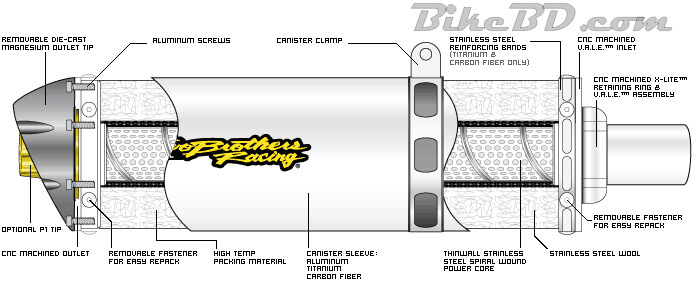
- Slip-On Mufflers: Replace only the end part (muffler). They change sound and may save some weight, but rarely add much power.
- Full System Exhausts: Replace the entire exhaust path from the engine. These can give the biggest power gains and weight savings, but require proper tuning.
- Aftermarket Headers: Changing just the headers (the pipes closest to the engine) can alter flow and power delivery.
- High-Performance Racing Exhausts: Designed for maximum flow and minimum weight. Not street-legal in most cases, and usually very loud.
Comparing Stock Vs. Aftermarket Exhausts
Here is a simple comparison of stock and aftermarket exhaust characteristics:
| Feature | Stock Exhaust | Aftermarket Exhaust |
|---|---|---|
| Weight | Heavy | Lighter |
| Sound | Quiet | Louder/Deeper |
| Power Gain | Minimal | Potentially higher |
| Emissions | Legal | May not be legal |
How Exhaust Upgrades Affect Performance
Weight Reduction
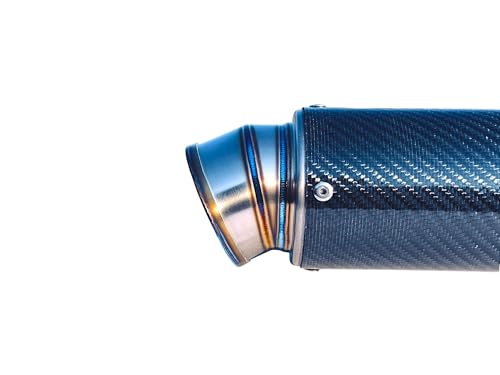
Aftermarket exhausts are often made from titanium, carbon fiber, or thin stainless steel. This can cut several kilograms from the bike’s weight. Less weight means faster acceleration and better handling.
Improved Flow
A less restrictive exhaust improves flow. This lets the engine expel gases faster, which can increase horsepower. On some sport bikes, a full system can add 5-10% more power.
Required Tuning
Changing the exhaust changes how the engine breathes. For best results, the bike’s fuel injection or carburetor must be adjusted (“tuned”) to match. Without tuning, an upgraded exhaust can make the bike run lean, which reduces power and may damage the engine.
Example: Power Increase With Full System
Let’s look at a practical example. A Yamaha R6 (600cc sport bike) makes about 120 hp stock. Installing a full system exhaust and tuning the engine can raise power to 126-130 hp—a gain of 5-8%. The bike may also lose 3-5 kg in weight, improving acceleration even more.
Common Mistakes When Upgrading Exhausts
Many riders make errors when upgrading their exhaust:
- Not Tuning the Engine: Swapping exhausts without adjusting fuel/air mix can cause poor performance and engine problems.
- Choosing the Wrong Type: A loud, free-flowing exhaust may sound great but can reduce low-end torque. Pick an exhaust for your riding style.
- Ignoring Emissions Laws: Removing catalytic converters can lead to fines and environmental harm.
- Overestimating Gains: Many slip-on mufflers add little or no power. Most gains come from full systems with tuning.
- Quality Issues: Cheap exhausts may not fit well, rust quickly, or crack under vibration.
The Role Of Exhaust In Engine Tuning
The exhaust is just one part of the engine tuning puzzle. For the best results, you should also consider:
- Air filter: A freer-flowing filter can improve intake.
- ECU remapping: Adjusts the fuel and ignition timing.
- Camshafts and valves: Affect how air/fuel enters the engine.
These parts must work together. For example, a full exhaust and open air filter usually require a new fuel map (program) in the bike’s computer.
Tuning Example: Dyno Test
A dyno test measures power at the rear wheel. Here is a typical result for a sport bike after adding a full system and tune:
| Setup | Max Horsepower | Torque |
|---|---|---|
| Stock | 118 hp | 65 Nm |
| Full System + Tune | 128 hp | 70 Nm |
This 10 hp and 5 Nm gain is typical for a well-tuned sport bike.
How Exhaust Design Shapes Power Delivery
Pipe Diameter
Wider pipes can flow more gas, which helps at high RPM. Narrower pipes increase the speed of gases, which helps at low RPM. The best diameter depends on the engine size and how you ride.
Pipe Length
Longer pipes can improve torque at low RPM. Shorter pipes shift power to higher RPM. This is why cruisers and touring bikes use long exhausts, while race bikes use short systems.
Collector And Headers
In multi-cylinder bikes, the shape and length of the collector (where pipes join) affects how pressure waves help clear the cylinders. This is a complex science, but a well-designed collector can improve both power and efficiency.
The Impact On Fuel Economy
Changing your exhaust can also affect fuel economy. A free-flowing exhaust sometimes increases fuel use, especially if the bike is tuned for more power. However, smoother flow can also make the engine more efficient at certain speeds. The actual change depends on how you ride and the overall tune.
Credit: brocksperformance.com
Legal And Environmental Concerns
Many countries have strict noise and emission laws for motorcycles. Removing or modifying the exhaust can make your bike illegal for street use, even if it feels faster. Fines can be heavy, and some police use roadside sound meters to check compliance.
Some high-quality aftermarket exhausts include removable baffles or legal “E-marked” options, so you can enjoy a better sound without breaking the law.
Myths And Misunderstandings About Motorcycle Exhaust
There are many myths about motorcycle exhausts:
- “Loud pipes save lives.” There’s no clear evidence that a louder exhaust makes riding safer.
- “All aftermarket exhausts add power.” Many do not, especially slip-ons.
- “Removing the exhaust makes the bike faster.” In fact, running without proper back pressure can reduce power and damage valves.
- “Exhaust upgrades always void the warranty.” Some manufacturers allow certain upgrades if installed properly.
Credit: bikesfuture.com
When Should You Upgrade Your Exhaust?
Think about your goals before upgrading:
- Do you want more power? Consider a full system and proper tuning.
- Want a better sound? A quality slip-on may be enough.
- Need less weight for racing? Lightweight aftermarket systems can help.
- Want to keep your bike legal? Choose an E-marked or road-legal exhaust.
If you mostly ride in cities or at legal speeds, a slip-on or high-quality road exhaust is usually the best choice.
Popular Exhaust Brands
Some trusted brands for motorcycle exhausts include:
- Akrapovič
- Yoshimura
- Arrow
- Termignoni
- SC-Project
- Leo Vince
- Remus
These brands are known for quality, fit, and real performance gains. Cheap, unbranded exhausts often cause more problems than benefits.
Practical Tips For Choosing An Exhaust
- Check local laws before buying.
- Read reviews and forums for your bike model.
- Avoid very cheap products—quality matters for safety and performance.
- If possible, listen to sound clips before buying.
- Always tune your engine after a major exhaust change.
Real-world Example: Commuter Vs. Sport Bike Exhaust
Let’s compare how an exhaust change affects a small commuter bike and a 1000cc sport bike:
| Bike Type | Stock Power | Aftermarket Gain | Main Benefit |
|---|---|---|---|
| 150cc Commuter | 14 hp | +0.5 hp | Sound, small weight savings |
| 1000cc Sport Bike | 170 hp | +12 hp | Major power, big weight savings |
The effect is much bigger on high-performance bikes.
Final Thoughts
The exhaust is much more than a metal tube—it is a key part of how your motorcycle performs, sounds, and feels. Changing your exhaust can improve power, reduce weight, and personalize your ride. But you need to understand how it works, tune your engine properly, and follow the law.
If you want real gains, choose a quality system and professional tuning. Avoid shortcuts and myths, and you’ll get the most from your motorcycle—and enjoy every ride.
Frequently Asked Questions
How Much Power Does An Aftermarket Exhaust Add?
Most slip-on exhausts add little or no power. A full system with tuning can add 5–10% more horsepower on sport bikes. The gain depends on the bike, the exhaust design, and the engine tune.
Does A Loud Exhaust Mean More Power?
Not always. A louder exhaust may feel faster, but sound and power are not the same. In some cases, a very loud exhaust can reduce engine performance by removing too much back pressure.
Will Changing My Exhaust Damage My Engine?
If you do not tune your bike after changing the exhaust, the engine can run too lean (not enough fuel), which may cause overheating or damage. Proper tuning is important for reliability.
Is It Legal To Remove The Catalytic Converter?
In most countries, it is illegal to remove or bypass the catalytic converter on a street bike. This can lead to fines and environmental harm. Always check your local laws before modifying the exhaust.
What Is The Best Exhaust For My Motorcycle?
The best exhaust depends on your goals. For more power, choose a full system with tuning. For sound, a quality slip-on may be enough. Always pick a trusted brand and make sure the exhaust is legal for street use.
If you want more technical details, you can find additional information at Wikipedia.