What is Motorcycle Camping And How Does It Work for Beginners?

Motorcycle camping is not just a way to travel—it’s an adventure that gives you a deeper connection to the road, nature, and yourself. If you’ve ever watched the sun set behind your tent after a day of riding, you know the feeling: freedom, peace, and a bit of thrill. But for beginners, motorcycle camping can also seem confusing. What gear do you need? How do you pack your bike? Is it safe? This guide explains what motorcycle camping is, how it works, and how you can get started with confidence—even if you’re new to both riding and camping.
What Is Motorcycle Camping?
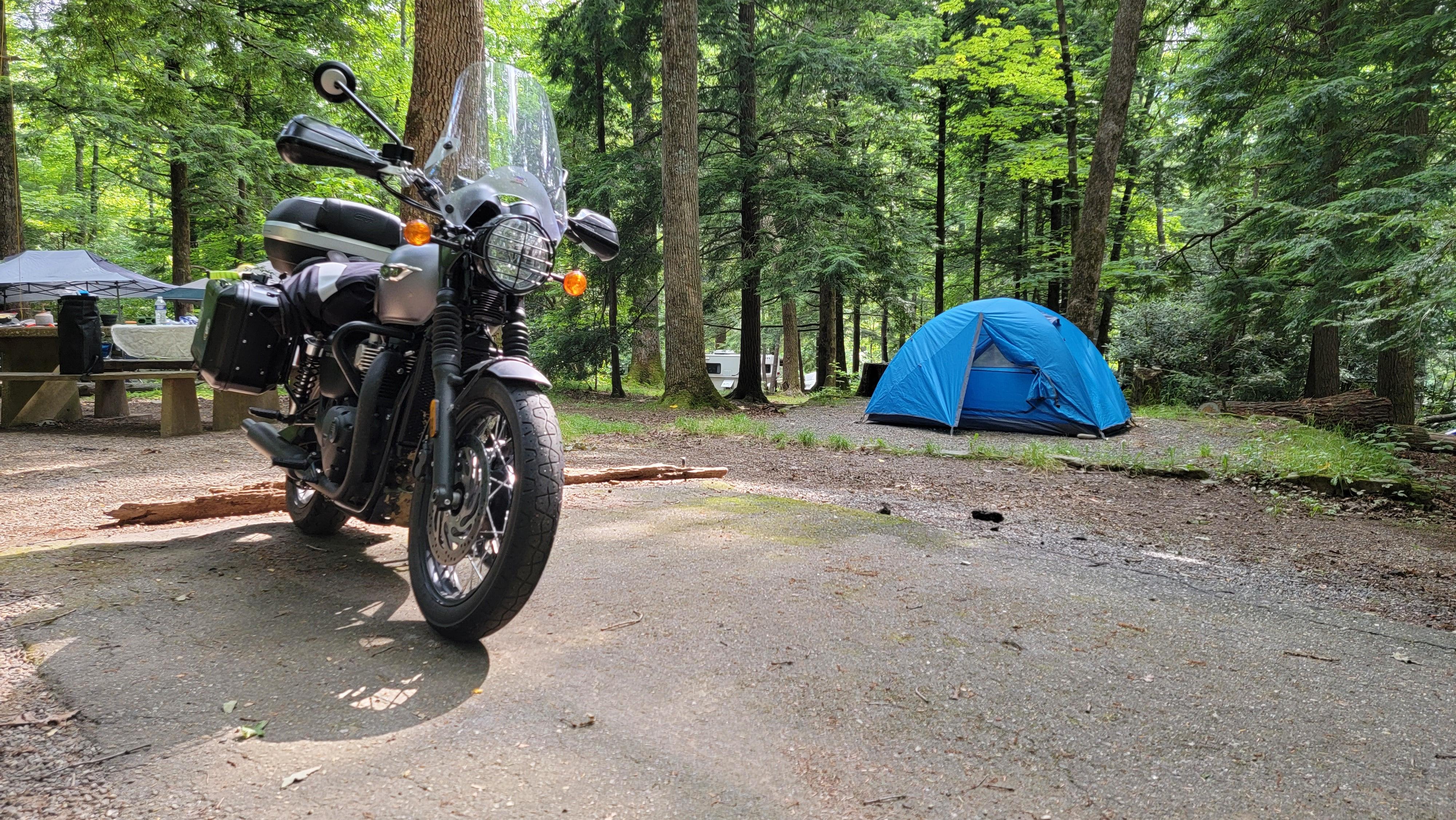
At its core, motorcycle camping combines riding a motorcycle with camping overnight, often in the wilderness or at dedicated campgrounds. Unlike car camping, you carry everything you need on your bike. That means packing light, choosing multi-use gear, and planning carefully.
This style of camping is popular among adventurers who value simplicity and exploration. It’s about seeing the world at your own pace, stopping where you want, and spending nights under the stars. Motorcycle camping can last one night or stretch over weeks, depending on your plans.
For beginners, it’s important to know that motorcycle camping isn’t about expensive equipment or extreme skills. It’s about smart preparation, safe riding, and a willingness to adapt.
Why People Love Motorcycle Camping
The appeal of motorcycle camping goes beyond just saving money on hotels or hostels. Here are some reasons riders choose this style of travel:
- Freedom to Explore – You can go almost anywhere, from mountains to coastlines, and change your plans whenever you wish.
- Closer to Nature – Sleeping outside brings you closer to the sights, sounds, and smells of the wild.
- Affordable Travel – Campgrounds are often much cheaper than hotels, and you save money on food by cooking your own meals.
- Personal Challenge – Packing light, planning routes, and handling the unknown builds confidence.
- Community – Many riders meet friends at campsites or on the road, sharing tips and stories.
Credit: motocampnerd.com
How Does Motorcycle Camping Work?
Motorcycle camping is simple in theory: ride your motorcycle to a campsite, set up your tent, and enjoy the outdoors. But there are steps and choices you need to make along the way. Let’s break down how the process works for beginners.
Planning Your Route And Campsites
Unlike car camping, you must consider the range of your motorcycle, weather, road conditions, and the location of campsites. Start with a realistic route, considering your riding experience and how far you can travel comfortably each day.
Key steps:
- Decide your start and end points.
- Research campgrounds or wild camping areas along your route.
- Check the rules for each campsite (some require reservations or have vehicle restrictions).
- Make backup plans in case you need to stop earlier or the site is full.
Motorcycle camping works best if you stay flexible. Sometimes weather, fatigue, or bike problems mean you’ll change your plans.
Packing Your Motorcycle
Your motorcycle can only carry so much. The key is to pack light, use small gear, and balance the load for safe riding. Beginners often pack too much, which makes the bike harder to handle.
Packing tips:
- Bring only what you need for comfort and safety.
- Use dry bags or waterproof panniers to protect your gear.
- Place heavy items low and near the center of the bike.
- Secure everything tightly to avoid shifting when riding.
Setting Up Camp
When you reach your destination, you’ll need to set up your sleeping area. This usually means pitching a tent, inflating your sleeping pad, and preparing food.
What you’ll do:
- Find a level spot for your tent, away from roots and rocks.
- Keep your gear organized so you can pack quickly in the morning.
- Lock your motorcycle and keep valuables close.
Cooking And Eating
Most motorcycle campers use compact stoves or cook over a campfire. You’ll want to choose simple, high-energy foods that are easy to pack.
Beginner-friendly options:
- Instant noodles, oatmeal, energy bars
- Canned soups or stews
- Dehydrated meals (just add boiling water)
Bring enough water, or a filter if you’ll be refilling from streams.
Breaking Camp And Riding On
In the morning, pack up your gear, check your bike, and continue your journey. Always leave your campsite clean—follow the “leave no trace” rule.
Essential Gear For Motorcycle Camping
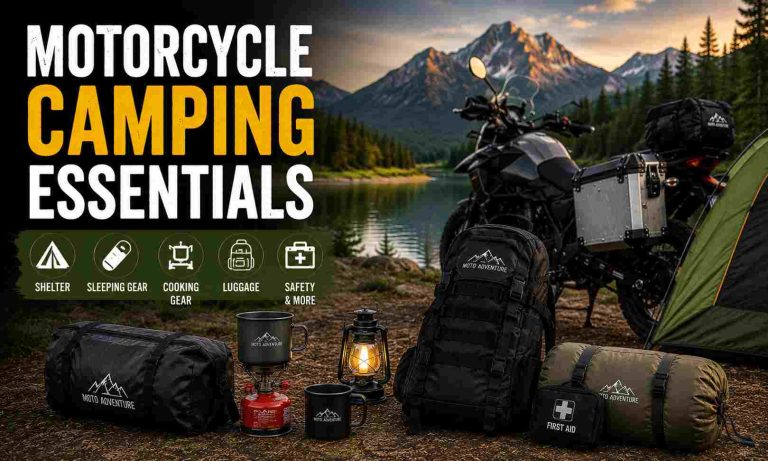
Choosing the right gear is crucial for safety and comfort. Here’s what you need to get started:
Shelter And Sleeping Gear
- Tent – Look for a lightweight, compact tent. A two-person tent gives extra space for your gear.
- Sleeping bag – Choose one rated for temperatures you expect. Synthetic bags are lighter and dry faster.
- Sleeping pad – Provides comfort and insulation from the ground.
- Pillow – Inflatable or compressible pillows save space.
Cooking And Food Supplies
- Camp stove – Small butane or alcohol stoves work well.
- Fuel – Carry enough for all your meals.
- Cookware – One small pot or pan is usually enough.
- Utensils – Bring a spork, knife, and a mug.
- Food – Pack light, non-perishable foods.
- Water storage – Soft bottles or hydration bladders save space.
Clothing And Personal Items
- Riding gear – Helmet, jacket, gloves, boots, and pants.
- Rain gear – Packable jacket and pants keep you dry.
- Camp clothes – Lightweight, quick-dry shirts, pants, and underwear.
- Warm layers – Even summer nights can get cold.
- Toiletries – Toothbrush, toothpaste, soap, and a small towel.
Safety And Emergency Gear
- First aid kit – Include bandages, painkillers, and allergy medicine.
- Toolkit – Basic tools for your motorcycle (wrenches, tire repair kit).
- Flashlight or headlamp – For setting up camp in the dark.
- Navigation – GPS, maps, or a smartphone app.
- Power bank – To charge your devices.
Storage Solutions
Most motorcycles need extra storage for camping. You have a few options:
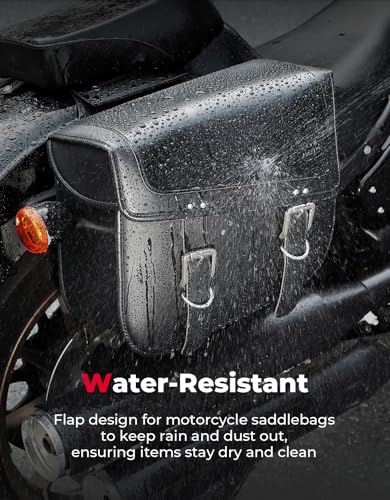
- Saddlebags (panniers) – Hard or soft bags that attach to the sides.
- Tail bag – Sits behind the seat, good for bulky items.
- Tank bag – Fits on top of the fuel tank for easy access.
| Storage Option | Pros | Cons |
|---|---|---|
| Saddlebags | Large capacity, stable | May require racks, can be expensive |
| Tail bag | Easy to attach, good for light gear | Can affect pillion seating |
| Tank bag | Quick access, good for valuables | Small, may block gauges |
Choosing The Right Motorcycle For Camping
You don’t need a special motorcycle to go camping, but some types make the experience easier. Here’s what to consider:
- Weight capacity – Your bike must handle your weight plus gear. Check your owner’s manual.
- Comfort – Look for a comfortable seat and riding position.
- Fuel range – Longer range means fewer stops.
- Off-road ability – If you plan to camp in remote areas, an adventure or dual-sport bike is best.
Popular choices include adventure bikes (like the BMW GS series), dual-sport bikes (Suzuki DR650, Honda CRF), and even small touring bikes. Many people camp with standard street motorcycles—just pack lighter.
| Bike Type | Best For | Drawbacks |
|---|---|---|
| Adventure Bike | Long trips, rough roads | Heavy, expensive |
| Dual-Sport | Lightweight, off-road | Less comfortable on highways |
| Touring Bike | Comfort, storage | Not for rough terrain |
| Standard Bike | Everyday use, short trips | Limited storage |
Non-obvious insight: Many beginners think they need an expensive adventure bike. In reality, you can motorcycle camp on almost any bike if you pack right and plan your route wisely.
How To Plan A Successful Motorcycle Camping Trip
Planning is key to a safe, fun trip. Here’s a step-by-step approach:
- Set your goals – Decide how far you want to travel and what you want to see.
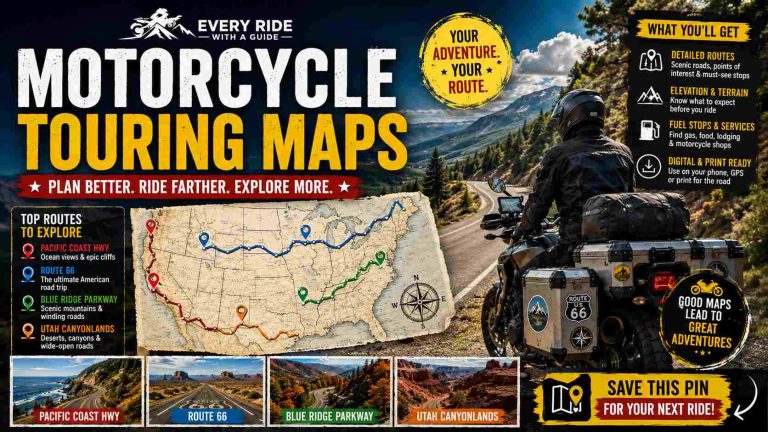
- Pick your route – Use maps or apps to plan roads and stops.
- Choose campsites – Call ahead or check websites for availability.
- Check the weather – Be ready for rain, wind, or heat.
- Create a packing list – Lay out your gear before the trip.
- Test your setup – Try packing your bike and riding a short distance fully loaded.
- Share your plans – Tell someone your route and check-in times.
- Prepare for emergencies – Know where to get fuel, food, and help.
Practical example: If your goal is to ride the Blue Ridge Parkway, plan stops every 150 miles, book campgrounds in advance during summer, and bring rain gear—this region gets sudden showers.

Credit: motocampnerd.com
Packing Tips: How To Travel Light And Smart
Most beginners overpack. Here’s how to avoid that mistake:
- Multi-use items – For example, use a bandana as a towel, pot holder, or sunshade.
- Layer your clothes – Brings flexibility for changing weather.
- Travel-size toiletries – Save weight and space.
- Leave “just-in-case” items – If you haven’t used it on your last two trips, you probably don’t need it.
Key insight: The heaviest items are usually water, fuel, and tools. Balance the need for safety with the reality that you’ll be near towns most of the time.
Staying Safe While Motorcycle Camping
Safety is more than just wearing a helmet. Consider these tips:
- Ride within your limits – Fatigue and heavy loads increase risk.
- Check your bike daily – Tire pressure, oil, lights, and chain.
- Keep valuables hidden – Don’t leave wallets or electronics in plain sight.
- Stay aware of wildlife – Store food away from your tent in bear country.
- Avoid riding at night – Visibility drops and hazards increase.
Beginner mistake to avoid: Many new campers forget to check their motorcycle’s tire pressure after adding weight. Underinflated tires wear faster and increase accident risk.

Credit: www.youtube.com
Where To Camp: Campgrounds Vs. Wild Camping
You have two main options for where to sleep:
- Campgrounds – These offer toilets, water, sometimes showers, and safe parking. Some are motorcycle-friendly, with special rates or group sites.
- Wild camping (stealth camping) – Free camping in remote areas. You’ll need to follow local laws and leave no trace.
Pros of campgrounds: Safety, amenities, chance to meet other riders.
Cons: May be crowded or noisy in peak season.
Pros of wild camping: Privacy, free, beautiful locations.
Cons: Fewer services, some risk of being asked to move.
Non-obvious insight: Many national forests and public lands allow free camping for a night or two. Check local rules before you go.
Cooking And Food Strategies For Motorcycle Campers
Cooking on the road can be simple and fun with some planning. Here’s how to eat well without carrying too much:
Easy Meals For Motorcycle Camping
- Breakfast: Instant oatmeal, granola, or fruit.
- Lunch: Tortillas with peanut butter, cheese, or canned fish.
- Dinner: Dehydrated meals, pasta, or rice with packaged sauce.
Bring spices or hot sauce to add flavor. A small bottle of olive oil adds calories and taste.
Stoves And Cooking Gear
- Single-burner stoves are popular. They’re light and work with small fuel cans.
- Alcohol stoves are even lighter, but slower to cook.
- Solid fuel stoves are reliable backups.
Food Storage
Keep food in sealed bags to avoid attracting animals. In bear country, use a bear canister or hang your food from a tree.
| Stove Type | Weight | Fuel | Best For |
|---|---|---|---|
| Single-burner gas | 12 oz | Butane/Propane | All-around use |
| Alcohol stove | 3 oz | Denatured alcohol | Ultralight trips |
| Solid fuel | 5 oz | Tablets | Backup, emergencies |
Tip: Many towns have grocery stores or cafes. You don’t have to carry all your food for the whole trip.
Common Beginner Mistakes (and How To Avoid Them)
- Overpacking – Only bring what you’ll actually use.
- Ignoring weather forecasts – Always check and pack for rain or cold.
- Poor weight distribution – Balance your load; don’t put all heavy items on one side.
- Skipping bike maintenance – A breakdown far from home can ruin your trip.
- Not testing gear – Set up your tent and stove at home before you leave.
- Not securing gear – Loose bags can fall off or get caught in the wheel.
Key insight: Many first-timers forget to bring cash for remote campsites or showers. Not all places take cards.
How Motorcycle Camping Differs From Other Camping Styles
- Less space: You must pack light and choose gear that fits on your bike.
- More exposure: Weather and road conditions affect your day more.
- Different pace: You’re limited by riding distance, not by how far you can drive or hike.
Motorcycle camping is about finding the right balance between comfort and mobility. The journey is as important as the destination.
Building Skills And Gaining Experience
Your first trip won’t be perfect, but you’ll learn fast. Start with short trips close to home. Practice packing, setting up camp, and cooking outdoors. Over time, you’ll find your ideal gear and routine.
Many experienced campers keep a trip journal to remember what worked and what didn’t. Review it before each new trip.
Resource: For more tips and inspiration, the ADVRider Forum has stories and advice from thousands of motorcycle campers.
The Social Side: Meeting Other Motorcycle Campers
Motorcycle camping is often a solo adventure, but it can also be social. Many riders meet at campgrounds or online, sharing routes and gear tips. Some join group rides or rallies, like the Horizons Unlimited Travelers Meeting.
If you’re shy, just saying hello or asking about someone’s bike is an easy icebreaker. Most riders are happy to help beginners.
Environmental Responsibility
Motorcycle campers have a duty to leave no trace. This means:
- Packing out all trash.
- Using established campsites when possible.
- Avoiding damage to plants and wildlife.
- Following campfire rules—sometimes fires are banned.
Being a responsible camper helps keep campsites open and beautiful for everyone.
Motorcycle Camping For Different Climates
Cold Weather Tips
- Use a four-season tent and a sleeping bag rated 10°F colder than expected lows.
- Wear layers—avoid cotton, which stays wet and cold.
- Carry a small emergency blanket.
Hot Weather Tips
- Choose a tent with good ventilation.
- Bring extra water—dehydration is a real risk.
- Wear sunscreen and a hat when off the bike.
Rainy Weather Tips
- Pack waterproof bags for all gear.
- Set up a tarp or use your rainfly well.
- Keep a dry set of clothes for sleeping.
Non-obvious insight: Condensation inside your tent can make you wet even if it’s not raining. Ventilate your tent by opening vents or doors when safe.
Motorcycle Camping For Women And Solo Travelers
Solo travel—especially for women—is safe if you prepare well. Choose well-known campgrounds, trust your instincts, and keep your phone charged. Many women riders find motorcycle camping empowering and liberating.
Tip: Let a friend know your route and check in regularly.
How To Get Started: Your First Motorcycle Camping Trip
If you’re ready to try motorcycle camping, here’s a simple plan:
- Plan a one-night trip to a local campground.
- Borrow or rent gear before buying expensive equipment.
- Use your first trip to test your packing and setup routine.
- Keep a list of what you used and what you didn’t.
- Adjust your gear and plans for the next trip.
You don’t have to ride far or rough to enjoy motorcycle camping. The experience of waking up outdoors after a ride is worth it.
Frequently Asked Questions
What’s The Best Motorcycle For Camping As A Beginner?
There’s no perfect motorcycle for camping. Most riders start with the bike they already have. The key is to pack light and balance your load. Adventure and dual-sport bikes offer more comfort and off-road ability, but standard bikes work for short trips.
How Much Gear Can I Safely Carry On My Motorcycle?
Check your owner’s manual for the maximum load (bike plus rider and gear). Most bikes can carry 30-50 pounds of camping gear. Keep heavy items low and near the center. Always do a test ride with your full load before the trip.
Is It Safe To Camp Alone While Motorcycle Touring?
Yes, solo camping is safe with smart preparation. Choose established campgrounds, let someone know your plans, and keep valuables secure. Trust your instincts—if a site feels unsafe, move on. Many riders camp alone regularly without problems.
Do I Need Special Insurance For Motorcycle Camping Trips?
Standard motorcycle insurance covers you on the road, but check if it covers off-road riding or camping in remote areas. Consider travel insurance for medical emergencies. Always carry proof of insurance and emergency contacts.
What’s The Difference Between Motorcycle Camping And Bicycle Camping?
Both involve carrying gear on two wheels, but motorcycles cover longer distances and carry more weight. Motorcycle campers need to plan fuel stops, manage heavier loads, and follow different traffic rules. Bicycle camping is slower but offers more flexibility in choosing campsites.
Motorcycle camping opens a world of adventure, challenge, and discovery. With the right preparation and attitude, your first night under the stars after a day’s ride can be the start of many more journeys. Enjoy the ride, respect nature, and you’ll soon see why so many riders call the open road and a quiet campsite the perfect combination.