Can I Use Engine Oil As Chain Lube? Pro Tips 2026

Can I Use Engine Oil As Chain Lube
Anyone who rides a bicycle or motorcycle knows a smooth-running chain is critical. But what if you run out of chain lube? Many people wonder: Can I use engine oil as chain lube? This question comes up in garages, online forums, and among DIY mechanics. Some say engine oil is a cheap, easy fix. Others warn it could damage your chain. This article explores the facts, pros, cons, and best practices for using engine oil on chains. By the end, you’ll know exactly when—and if—engine oil is a smart choice, and how it compares to real chain lubricants.
What Makes Chain Lubrication Special?
Chains are not just simple pieces of metal. They move at high speeds, face dirt and water, and carry serious loads. Proper lubrication is more than just keeping things slippery.
Why Chains Need The Right Lube
Chains face metal-to-metal contact. Without the right oil, friction increases. This causes:
- Faster wear
- Rusting, especially in wet weather
- More noise and vibration
- Power loss (less efficiency)
Chain lubes are made to handle these challenges. They must stick to the chain, resist water, and avoid attracting too much dust.
How Is Chain Lube Different From Engine Oil?
Both chain lube and engine oil are lubricants. However, their jobs are different. Engine oil is designed for engines, not for exposed chains.
Chain lube is made to:
- Stay on the chain in all weather
- Repel water
- Penetrate between chain links
- Not attract too much dirt
Engine oil is made to:
- Handle high temperatures inside engines
- Clean engine parts (detergents)
- Work with oil filters
The main difference is that chain lube is made for open, exposed environments, while engine oil is for sealed, internal systems.
Can Engine Oil Be Used As Chain Lube?
This is the key question. The answer is: Yes, you can use engine oil on a chain—but it comes with trade-offs. Let’s look at why some people do it, and what you should know before trying.
Why People Use Engine Oil On Chains
- Availability: Engine oil is easy to find in most garages.
- Low cost: It’s usually cheaper than special chain lubricants.
- Quick fix: In emergencies, it’s better than nothing.
What Actually Happens When You Use Engine Oil?
When you put engine oil on a chain, it does provide lubrication. Your chain will run smoother—at least at first. But engine oil has some downsides:
- It is thin and drips off quickly.
- It attracts more dirt and grime.
- It may wash away in wet conditions.
- It does not protect as well against rust.
Some types of engine oil are better than others. For example, thicker oils (like SAE 40) may stay on longer than thin oils (like 5W-30), but they may also collect more dirt.
Comparing Chain Lube Vs. Engine Oil
To help you see the differences, here is a comparison between standard chain lube and common engine oil.
| Property | Chain Lube | Engine Oil |
|---|---|---|
| Stays on chain | Very well | Poor to fair |
| Dust attraction | Low (specially formulated) | High |
| Water resistance | Good to excellent | Poor |
| Rust protection | Excellent | Fair |
| Cleaning needed | Less often | More often |
| Cost | Medium to high | Low |
When Is It Okay To Use Engine Oil On A Chain?
If you are in a tough spot—maybe far from home or out of chain lube—engine oil is better than nothing. But it’s important to know when it’s safe, and when it’s risky.
Acceptable Situations
- Emergency repairs: If your chain is dry and you have no lube, engine oil can help you get home.
- Short rides: For a quick, one-time ride, using engine oil is unlikely to cause big problems.
- Low-value chains: On old bikes or chains that you plan to replace soon, engine oil is a low-cost option.
When To Avoid Engine Oil
- High-performance bikes or motorcycles: These need the best lubrication. Engine oil is not enough.
- Wet weather: Engine oil will wash away fast and leave your chain unprotected.
- Dusty or dirty environments: Engine oil attracts dirt, causing more wear.
How To Apply Engine Oil To A Chain
If you decide to use engine oil, doing it right can reduce the risks. Here’s a step-by-step guide for both bicycles and motorcycles.
Step 1: Clean The Chain
Wipe off old grease and dirt. Use a rag or a soft brush. A dirty chain with new oil becomes a sticky mess.
Step 2: Apply Oil Sparingly
Drip engine oil onto the inside of the chain while rotating the pedals (bicycle) or wheel (motorcycle) slowly. Less is more—too much oil will drip off and attract more dirt.
Step 3: Let It Soak
Allow the oil to sit for 10–15 minutes. This helps it work into the chain links.
Step 4: Wipe Off Excess
Use a clean cloth to remove extra oil from the outside. Only the oil inside the chain matters for lubrication.
Step 5: Ride And Reapply
Check your chain every few rides. Reapply oil as needed, especially after wet weather or cleaning.
Pro Tip: If you must use engine oil, choose a thicker, non-detergent type, and avoid oils with additives like “energy-saving” properties. These can make the oil too slippery or thin for chain use.
Common Myths About Engine Oil As Chain Lube
There are a lot of opinions and myths about this topic. Let’s clear up a few common ones.
Myth 1: All Oils Are The Same
This is not true. Oils are designed for specific jobs. Using the wrong oil can cause more harm than good over time.
Myth 2: More Oil Means Better Protection
Too much oil just leads to a messy chain. It attracts more dirt and makes cleaning harder.
Myth 3: Engine Oil Stops All Rust
Engine oil can slow rust, but it is not as effective as chain lube, especially in wet conditions.
Myth 4: Engine Oil Makes Chains Last Longer
Chains may feel smoother at first, but the extra dirt picked up by engine oil can wear out chains faster.
Non-obvious insight: Many beginners miss that engine oil’s cleaning agents (detergents) can remove protective grease from factory-sealed chains, making them dry out faster.
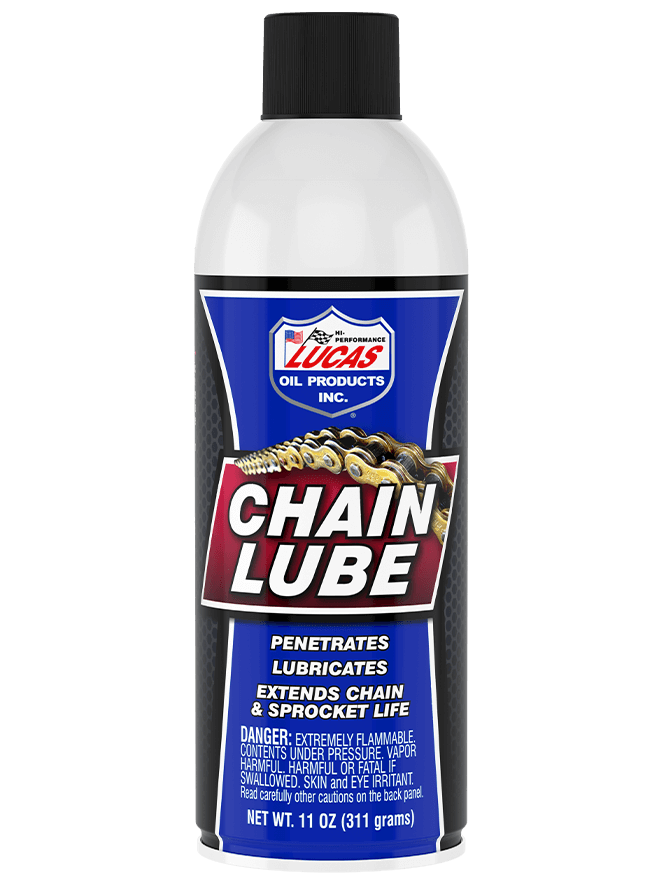
Credit: www.lucasoil.com
Case Study: Engine Oil On Motorcycle Chains
Let’s look at a real-world example. Many riders, especially in developing countries, use engine oil on motorcycle chains because it’s cheap and easy to find.
A 2022 study in Southeast Asia found that chains lubricated only with engine oil needed cleaning twice as often and wore out up to 30% faster than chains treated with proper motorcycle chain lube.
Another insight: Engine oil can actually spray off the chain onto tires, brakes, or the road, creating a safety hazard—something specialized chain lubes are designed to avoid.
Effects Of Using Engine Oil On Different Chain Types
Not all chains are the same. Some have O-rings or X-rings to keep grease inside. Others are simple metal links.
| Chain Type | Engine Oil Suitability | Risks |
|---|---|---|
| Standard roller chain (no seals) | Fair (short-term) | Frequent cleaning, possible wear |
| O-ring/X-ring sealed chain | Poor | Detergents damage seals, lose factory grease |
| High-performance chain | Not recommended | Reduced life, possible safety issues |
| Bicycle chain | Acceptable (emergency) | More cleaning needed, collects dirt |
Key point: Engine oil can cause damage to chains with rubber seals by washing away the special grease inside.
Environmental Concerns
Lubricants don’t just disappear. When you use engine oil on a chain, a lot of it ends up on the road, ground, or in water. This can harm the environment.
- Chain lube is designed to stay on the chain longer, reducing waste.
- Engine oil drips off easily, spreading petroleum around.
If you care about the environment, use the right lube for the job.
Cost Comparison: Engine Oil Vs. Chain Lube
Many people use engine oil to save money. But does it really save in the long run? Let’s compare.
| Item | Engine Oil | Chain Lube |
|---|---|---|
| Average cost per liter | $5–$10 | $12–$25 |
| Amount used per application | 10–20 ml | 5–10 ml |
| Number of applications per liter | 50–100 | 100–200 |
| Chain life (miles) | 2,000–4,000 | 3,000–6,000 |
| Extra cleaning supplies needed | More | Less |
While engine oil is cheaper per bottle, you may spend more in the long run on cleaning supplies and chain replacements.
Pro tip: Chain lube often pays for itself by making your chain last longer.
Credit: www.bennetts.co.uk
Practical Tips For Chain Care
If you want your chain to last and work well, consider these best practices:
- Clean before lubing: Dirt and old oil grind away at your chain.
- Use the right lube for your conditions: Dry, wet, or all-purpose chain lubes are available.
- Apply oil sparingly: Too much is worse than too little.
- Inspect regularly: Look for rust, stiffness, or noise.
- Replace old chains: Worn chains can damage your gears.
Alternatives To Engine Oil
If you don’t have chain lube, what else can you use? Some alternatives are better than engine oil:
- 3-in-1 oil: Thinner than engine oil, good for bicycles.
- ATF (Automatic Transmission Fluid): Sometimes used by DIY mechanics, but can still attract dirt.
- Wax-based lubes: Not as sticky, but better for dry conditions.
However, these are still not as good as modern chain lubes designed for your bike or motorcycle.
Expert Opinions
Most mechanics, bike shops, and manufacturers do not recommend engine oil for chain lubrication. For example, the Bicycle Association of America and major motorcycle makers (like Honda and Yamaha) all say to use products made for chains.
If you want more detail, you can check out this Wikipedia page on chain lubricants.
Signs You’re Using The Wrong Chain Lube
How can you tell if engine oil is causing problems? Watch for these signs:
- Chain feels gritty or sticky
- Excess black gunk on chain and sprockets
- Chain makes more noise than usual
- Rust spots appear even with regular oiling
- You need to clean your chain more often
If you notice these, it’s time to switch to real chain lube.
Real-world Stories: Riders’ Experiences
Many riders have tried engine oil, especially when they first start out. Some say, “It works fine for me,” but most eventually switch to chain lube after facing issues.
Case 1: A mountain biker in a wet area found his chain wore out twice as fast with engine oil compared to proper lube.
Case 2: A motorcycle commuter used engine oil for six months. He saved money at first but had to replace his chain and sprocket much sooner than friends using chain lube.
Key lesson: Short-term savings can lead to higher long-term costs and more maintenance.
The Science Behind Lubrication
Lubrication is not just about “making things slippery.” Good chain lube forms a thin film between moving parts, reducing friction and heat. Engine oil, especially if it’s too thin, can break down quickly in open air. It also lacks the “cling” that chain-specific lubes have, so it doesn’t stay put when you need it most.
Many chain lubes also contain anti-corrosion additives, viscosity modifiers, and substances to reduce “fling-off.” These are missing in standard engine oil.
The Impact On Performance
Using the wrong lube affects more than chain life. It can also make your bike feel slow, noisy, or less fun to ride. Extra dirt from engine oil can even lead to chain “stretch,” which is really internal wear, not true stretching.
For high-performance cycling or motorcycling, every bit of efficiency counts. Using engine oil is like running a marathon in heavy boots instead of running shoes—possible, but not smart.
How Often To Lubricate Your Chain
This depends on the type of lube, how you ride, and the weather. With engine oil, you’ll need to reapply more often:
- Engine oil: Every 50–100 miles (bicycle), every 100–200 miles (motorcycle)
- Chain lube: Every 100–200 miles (bicycle), every 300–500 miles (motorcycle)
If you ride in wet, dirty, or dusty areas, check your chain more often. It’s better to lube too often than not enough, but always clean off old dirt before adding more.

Credit: www.youtube.com
Summary: Is Engine Oil A Good Chain Lube?
Here’s the bottom line: Engine oil can be used in emergencies, but it is not a good long-term solution for chain lubrication.
- It attracts more dirt, leading to faster wear.
- It does not protect against rust as well as chain lube.
- It can damage sealed chains.
- It creates extra cleaning work.
- Over time, it may cost you more in chain replacements.
For the best performance, protection, and peace of mind, stick with a lube designed for your chain. Use engine oil only as a last resort, and clean your chain well before switching back to proper lube.
Frequently Asked Questions
Is It Safe To Use Engine Oil On A Bicycle Chain?
It is safe in an emergency or for a short ride, but not for regular use. Engine oil attracts dirt and requires more cleaning. If you must use it, clean and re-lube your chain with proper chain lube as soon as possible.
Which Type Of Engine Oil Is Best If I Have No Chain Lube?
If you must use engine oil, pick a thicker, non-detergent type like SAE 30 or SAE 40. Avoid “multi-grade” or “energy saving” oils with lots of additives. Use only a small amount, and wipe off excess.
Can Using Engine Oil Damage My Motorcycle Chain?
Yes, especially if your chain has O-rings or X-rings. The detergents in engine oil can remove the grease inside the seals, leading to faster wear and possible chain failure.
How Often Should I Clean My Chain If I Use Engine Oil?
You should clean your chain at least once a week, or after every 100–200 miles. Engine oil attracts more dirt, so chains get dirty faster and need more frequent cleaning.
What Is The Best Alternative To Chain Lube If I’m Out?
If you have nothing else, a few drops of 3-in-1 oil or sewing machine oil is better than engine oil, especially for bicycles. For motorcycles, try to find real chain lube as soon as you can. Avoid WD-40 and similar sprays as they are mainly cleaners, not lubricants.
Keeping your chain in top shape isn’t complicated, but choosing the right lube makes a big difference. Make smart choices, and your bike or motorcycle will thank you with smooth, quiet rides and longer chain life.