What is a Hot Tent? Ultimate Guide to Cozy Camping

Camping in cold weather can be tough. Many outdoor lovers struggle to stay warm and dry when the temperature drops. For years, tents were simple shelters—just a place to sleep. But now, there’s something different: the hot tent. This special kind of tent lets you use a wood stove inside, making camping in winter much more comfortable. If you’ve never heard of hot tents, or you’re curious about how they work, you’re in the right place. This article covers every detail you need to know, from what a hot tent is, to how it’s used, who should consider it, and even how to choose one.
What Is A Hot Tent?
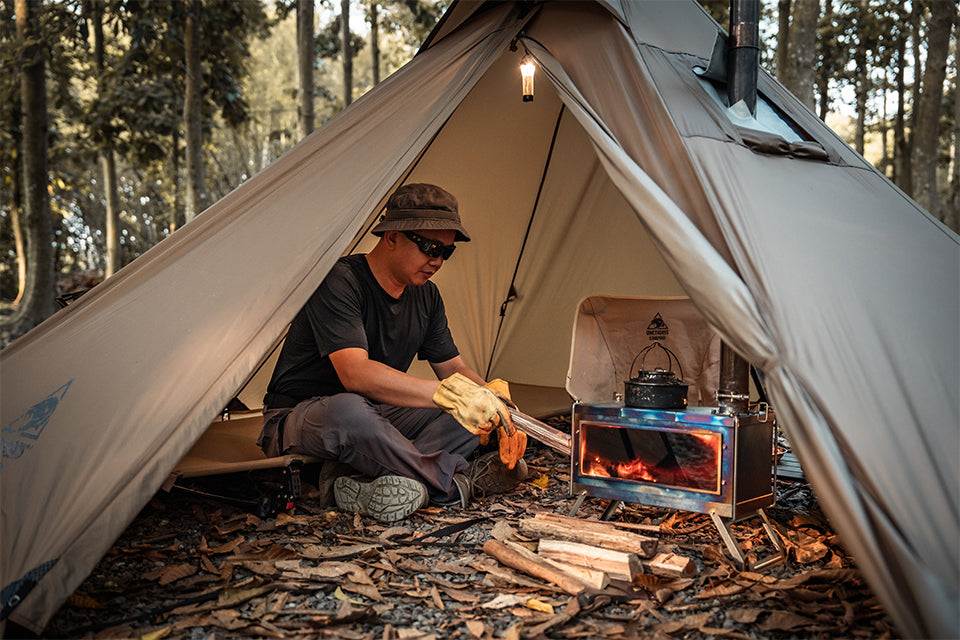
A hot tent is a tent designed to safely accommodate a portable stove, usually a wood-burning stove. It has a built-in stove jack, which is a heat-resistant opening where the stove pipe can exit the tent. This means you can cook, dry your gear, and keep warm inside the tent—even when snow covers the ground outside.
Most hot tents are made with fire-resistant materials. The stove jack is specially reinforced to prevent melting or burning. Ventilation is also important, so many hot tents have extra vents or windows to reduce smoke and moisture.
Why People Use Hot Tents
The main reason is warmth. Traditional tents can get freezing cold in winter. With a hot tent, you can heat the space, dry your clothes, and even cook meals. This makes hot tents popular for:
- Winter camping
- Backcountry hunting
- Ice fishing
- Long expeditions in cold regions
Some people use hot tents for comfort in spring or fall, too, especially in wet climates.
Hot Tent Vs Traditional Tent
Here’s a quick comparison:
| Feature | Hot Tent | Traditional Tent |
|---|---|---|
| Heating | Can use wood stove | No heating source |
| Material | Fire-resistant fabrics | Standard nylon/polyester |
| Ventilation | Extra vents for safety | Basic vents/windows |
| Weight | Usually heavier | Lighter |
| Setup | Requires stove jack | Simple setup |
The main difference: a hot tent lets you stay warm and cook inside, while a traditional tent offers basic shelter.
Key Features Of A Hot Tent
Not all hot tents are the same. The best hot tents have certain features that make them safer and more comfortable.
Stove Jack
The stove jack is the heart of a hot tent. It’s a reinforced opening, usually made from silicone-coated fiberglass, where the stove pipe exits. This prevents fire hazards and allows smoke to escape.
Fire-resistant Fabric
Most hot tents use fire-resistant canvas or treated synthetic materials. This protects the tent from sparks and heat. Some cheaper models may use standard materials, which are riskier.
Ventilation
Good ventilation prevents carbon monoxide buildup and reduces condensation. Look for tents with adjustable vents and windows.
Structure And Shape
Hot tents come in many shapes:
- Teepee (Tipi): Cone-shaped, great for shedding snow and wind.
- A-frame: Classic shape, easy to set up.
- Wall tent: Boxy, spacious, common for group camping.
Shape affects weight, space, and stove placement.
Stove Compatibility
Not every tent can fit every stove. Hot tents are designed to work with specific stove sizes and shapes. Always check compatibility before buying.
Floor Options
Some hot tents have removable floors. This is handy for keeping the tent clean, or for using the stove directly on the ground. Others have full floors, which can help keep out bugs and moisture.
Types Of Hot Tents
There are several types of hot tents, each with pros and cons.
Canvas Hot Tents
Canvas hot tents are durable and very good at insulating heat. They’re heavier, but last longer. Canvas is also breathable, so moisture escapes easily.
Synthetic Hot Tents
Made from nylon or polyester, synthetic hot tents are lighter and easier to carry. They don’t insulate as well as canvas, but they’re more affordable and dry quickly.
Teepee Hot Tents
Teepee tents are popular for hot tenting. Their cone shape helps shed snow and wind. They’re quick to set up and usually have a central stove placement.
Wall Hot Tents
Wall tents are large, box-shaped tents. They’re common for hunting groups or family camping. Wall tents have more room for gear and activities, but they’re heavier and take longer to set up.
Ultralight Hot Tents
Some brands offer ultralight hot tents for backpackers. These use high-tech materials and small stoves. They’re good for solo trips, but can be less durable.
How A Hot Tent Works
Setting up a hot tent is different from a regular tent. Here’s how it works:
- Find a flat area and clear away snow or debris.
- Set up the tent, making sure the stove jack faces away from wind.
- Place the stove inside, under the stove jack.
- Attach the stove pipe through the stove jack opening.
- Start a fire in the stove, using dry wood.
- Adjust vents to control airflow and temperature.
- Monitor the stove and pipe for any leaks or sparks.
A hot tent can reach comfortable temperatures even when it’s freezing outside. Some people report inside temperatures of 60–70°F (15–21°C) when it’s below 0°F (-18°C) outside.
Example: Winter Camping In Alaska
In Alaska, hunters and campers use hot tents to survive harsh winters. With a wood stove, they can dry wet boots, cook meals, and sleep comfortably. This setup often makes the difference between an enjoyable trip and a dangerous one.
Safety Considerations
Using a stove inside a tent can be risky. Here are the main safety points:
Carbon Monoxide
Burning wood produces carbon monoxide, a poisonous gas. Always use proper ventilation. Never block vents, and keep windows cracked open.
Fire Hazards
Sparks can escape from the stove. Keep flammable items away from the stove. Use fire-resistant materials, and always monitor the fire.
Stove Placement
Place the stove on a stable, non-flammable surface. Avoid direct contact with the tent walls or floor.
Stove Pipe
Check for leaks and cracks in the stove pipe. These can let smoke and carbon monoxide into the tent.
Emergency Plan
Have a plan for emergencies. Keep a fire extinguisher, and know how to exit the tent quickly.
Advantages Of Hot Tents
Hot tents offer several unique benefits.
Warmth
The main advantage is warmth. You can camp in freezing temperatures and stay comfortable.
Drying Gear
You can dry wet clothes and boots inside the tent, which is crucial in winter.
Cooking Inside
A hot tent allows you to cook meals inside, safe from wind and rain.
Longer Trips
Hot tents make longer expeditions possible. You don’t need to worry about cold nights.
Social Space
A hot tent creates a cozy space for groups to gather, play cards, or relax.

Credit: tentipi.com
Disadvantages Of Hot Tents
Hot tents are not perfect. Here are some drawbacks:
Weight
Hot tents are heavier than regular tents. Carrying the tent and stove is difficult for solo hikers.
Setup Time
Setting up a hot tent takes longer. You need to assemble the stove and pipe, and manage ventilation.
Price
Hot tents and stoves are expensive. Quality models can cost $500–$2,000 or more.
Maintenance
Wood stoves need regular cleaning. Stove pipes can get clogged with soot.
Safety Risks
There’s always a risk of fire or carbon monoxide poisoning.
Who Should Use A Hot Tent?
Hot tents are best for people who:
- Camp in cold, wet, or snowy places
- Spend several nights outdoors
- Hunt, fish, or work in remote areas
- Travel in groups and need extra space
Solo hikers or summer campers may not need a hot tent. For winter adventures, though, they’re often essential.
Credit: camping.onetigris.com
How To Choose The Right Hot Tent
Picking the best hot tent depends on your needs. Here are important factors:
Size
Hot tents come in sizes for 1–12 people. Choose a tent that fits your group and gear.
Weight
If you’re backpacking, look for lighter models. For car camping or base camps, heavier tents are fine.
Material
Canvas is warmer and more durable. Synthetic tents are lighter and easier to clean.
Stove Compatibility
Make sure your stove fits the tent. Check the size and shape of the stove jack.
Ventilation
Extra vents are important for safety. Some tents have adjustable windows or mesh panels.
Floor Design
Decide if you want a tent with a removable or full floor.
Budget
Hot tents range from $200 (basic models) to $2,000+ (large canvas tents). Set a budget before shopping.
Brand Reputation
Choose a brand known for quality and safety. Look for reviews and warranty information.
Example: Comparing Two Hot Tents
Here’s a comparison of two popular hot tents:
| Feature | Canvas Wall Tent | Synthetic Teepee Tent |
|---|---|---|
| Weight | 50 lbs (22.7 kg) | 8 lbs (3.6 kg) |
| Capacity | 6–10 people | 2–4 people |
| Price | $1,200 | $300 |
| Insulation | Excellent | Fair |
| Setup Time | 60 mins | 15 mins |
| Durability | Very high | Moderate |
Setting Up A Hot Tent: Step-by-step Guide
Setting up a hot tent takes practice. Here’s a clear process:
- Choose a safe, flat location, away from overhanging branches.
- Clear snow, leaves, and debris from the ground.
- Unpack the tent and lay it out.
- Assemble tent poles or frames.
- Secure the tent with stakes and guylines.
- Set up the stove inside, under the stove jack.
- Attach the stove pipe through the jack.
- Check that the pipe is stable and sealed.
- Open vents and windows for airflow.
- Test the stove before lighting a full fire.
- Monitor temperature, and adjust vents as needed.
Common mistake: Not checking stove pipe seals, which can cause smoke leaks. Always double-check before starting the fire.

Credit: www.amazon.com
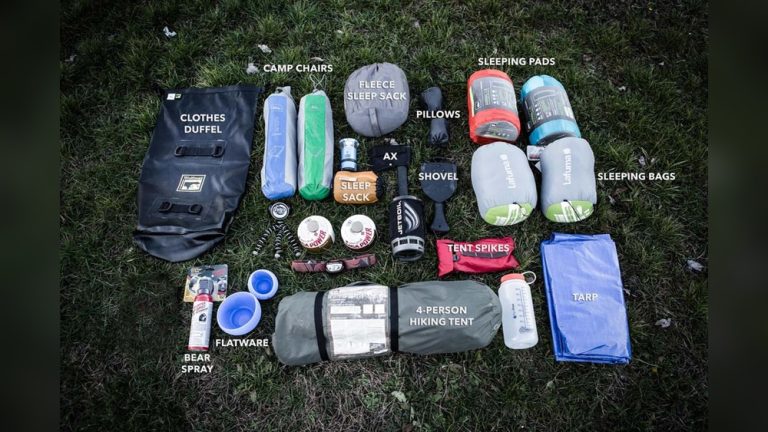
Essential Gear For Hot Tent Camping
Besides the tent and stove, you need other gear.
Wood Stove
Pick a stove that fits your tent. Look for lightweight models for backpacking.
Stove Pipe
Use a pipe that reaches outside the tent. Collapsible pipes are easier to pack.
Firewood
Dry wood burns better and produces less smoke. If camping in snow, bring your own wood.
Sleeping Gear
Use insulated sleeping pads and bags. Even with a stove, nights can get chilly.
Carbon Monoxide Detector
Portable detectors are cheap and increase safety.
Fire Extinguisher
Always have a small extinguisher for emergencies.
Heat-resistant Gloves
Gloves protect your hands when handling the stove or pipe.
Example: Packing For A 3-day Winter Trip
For a 3-day trip, a group of four might bring:
- 1 canvas hot tent
- 1 wood stove with pipe
- 20 lbs dry firewood
- 4 sleeping bags rated to -10°F
- 4 insulated pads
- 1 carbon monoxide detector
- 1 fire extinguisher
- Cooking gear and food
- Heat-resistant gloves
- Extra layers and socks
Hot Tent Camping Tips
Experienced campers have learned tricks to make hot tenting easier.
- Pre-cut wood: Cut firewood before dark. Wet wood is harder to burn.
- Dry gear: Hang wet clothes near the stove. Rotate items for even drying.
- Monitor stove: Never leave the stove unattended, especially at night.
- Vent regularly: Open vents every hour for fresh air.
- Pack extra fuel: Bring more wood than you think you’ll need.
- Check weather: Avoid camping in extreme wind, which can make stove pipes unstable.
- Layer clothing: Even with a stove, temperature can drop fast.
- Seal gaps: Use tent skirts or snow to block drafts under the tent.
- Use fireproof mats: Place a mat under the stove to catch sparks.
Real-world Examples
Hot tents are used all over the world. Here are a few examples:
Siberia
In Siberia, temperatures can drop to -40°F (-40°C). Hunters and trappers use hot tents to survive for weeks. They rely on canvas tents and sturdy wood stoves.
Scandinavia
Swedish campers use hot tents for ice fishing. Teepee tents are common, and campers cook fish inside the tent.
Us Rockies
In Colorado and Montana, hunting groups use wall tents. They cook meals, dry boots, and play cards inside during snowstorms.
Common Mistakes With Hot Tents
Beginners often make mistakes. Here are some to avoid:
- Poor ventilation: Forgetting to open vents can cause dangerous gas buildup.
- Using the wrong stove: Not all stoves fit every tent. Check before buying.
- Ignoring weather: Strong winds can tip over stove pipes.
- Packing wet wood: Wet wood makes more smoke and less heat.
- Leaving stove unattended: Fires can start quickly if not watched.
- Not sealing the stove jack: Gaps can let smoke and water inside.
Hot Tent Brands And Popular Models
Some brands are known for quality hot tents.
- Snowtrekker: Famous for canvas tents and reliable stove jacks.
- Seek Outside: Offers ultralight synthetic teepee tents.
- Danchel Outdoor: Known for affordable canvas and wall tents.
- Russian Bear: Makes insulated tents for extreme cold.
- OneTigris: Popular for lightweight solo tents.
Before buying, check reviews and make sure the tent fits your stove.
Hot Tent Vs Heated Sleeping Bag
Some people ask whether a hot tent or a heated sleeping bag is better. Here’s a quick comparison:
| Feature | Hot Tent | Heated Sleeping Bag |
|---|---|---|
| Warmth | Heats entire tent | Heats only user |
| Group Use | Yes | No |
| Drying Gear | Possible | No |
| Cooking | Inside tent | No |
| Weight | Heavier | Lighter |
| Setup | More complex | Easy |
Hot tents are better for groups and longer trips. Heated sleeping bags are simple, but don’t help with drying gear or cooking.
Environmental Impact
Using a hot tent can affect the environment. Here’s what to consider:
- Wood collection: Gathering wood can damage forests. Use dead or downed wood.
- Fire risk: Always follow local fire rules, especially in dry seasons.
- Leave No Trace: Clean up all ashes, wood scraps, and trash.
Some campsites ban wood stoves. Always check local regulations.
Hot Tent Innovations
New technologies are improving hot tents.
- Lightweight titanium stoves: Weigh less, heat faster.
- Modular tent designs: Can expand for bigger groups.
- Improved stove jacks: Safer, easier to seal.
- Insulated tent fabrics: Keep heat longer, reduce condensation.
Some brands offer electric stoves, but wood stoves are still most common.
Practical Insights: What Most Beginners Miss
Many first-time hot tent campers miss a few key points:
- Condensation: Even with heat, moisture can build up. Open vents regularly.
- Stove maintenance: Clean the pipe every day. Soot blocks airflow.
- Gear placement: Keep sleeping bags away from the stove. Heat can melt synthetic fabrics.
- Backup heating: If your stove breaks, have extra blankets or a backup plan.
- Tent orientation: Face the stove jack away from wind to prevent smoke blowing inside.
Hot Tent Community And Resources
The hot tent community is growing. Forums, YouTube channels, and Facebook groups offer advice and trip reports. You can find videos on setup, stove reviews, and safety tips.
For more detailed information on tent safety and stove regulations, visit the Wikipedia Tent Page.
Frequently Asked Questions
What Makes A Tent A “hot Tent”?
A hot tent has a built-in stove jack for a wood stove. It uses fire-resistant fabrics and extra ventilation to let you safely heat the inside. Standard tents do not allow for this.
Is It Safe To Use A Wood Stove Inside A Tent?
Yes, if you use a real hot tent with proper ventilation and fire-resistant materials. Always monitor the stove, keep vents open, and use a carbon monoxide detector.
How Much Does A Good Hot Tent Cost?
Prices range from $200 for small models to $2,000 for large canvas tents. The stove and pipe are usually extra. Quality and size affect price.
Can You Use A Hot Tent In Summer?
You can, but it’s not needed unless you want to cook inside or dry gear. Most people use hot tents in fall, winter, or early spring.
What’s The Best Material For A Hot Tent?
Canvas is best for warmth and durability. Synthetic fabrics are lighter and cheaper, but don’t insulate as well.
Hot tents have changed winter camping for the better. With the right tent and stove, you can enjoy warm nights, dry gear, and safe cooking—even when the world outside is frozen. Whether you’re a hunter, camper, or explorer, a hot tent is worth considering for your next cold-weather adventure.