After Riding Motorcycle in the Rain: My Personal Maintenance Tips 2025

Riding a motorcycle in the rain is something every rider will experience at some point. Whether it’s an unexpected downpour or you’re caught in a storm, getting wet is just part of the adventure. But when you’re finally off your bike, the work doesn’t end there. Properly maintaining your motorcycle after riding in the rain is crucial to ensure its longevity and prevent any unwanted damage.
In this article, I’m going to walk you through the essential steps you should take to care for your bike after a rainy ride. Don’t worry, you won’t need to spend hours working on it. Just a few minutes of care can go a long way to protect your ride.
You can also read: Essential Tips for Riding a Motorcycle in the Rain
1. Dry Your Bike Off
After you’ve parked your bike and taken off your wet gear, the first thing you want to do is dry your motorcycle. I know the temptation might be to leave it and forget about it, especially if you’re soaked and tired, but drying off your bike is one of the most important steps. The last thing you want is for water to settle on your bike and cause rust or other long-term damage.
Wipe Down the Exterior
Grab a microfiber cloth or chamois and start drying off the exterior. Focus on the seat, tank, and any exposed parts. Moisture left on the bike can lead to corrosion, especially in areas like the spokes, rims, and engine parts. Taking a few minutes to wipe down the frame and components will prevent this from happening. Be sure to dry any small crevices where water could linger.
Dry the Chain
If your bike has a chain, it’s particularly important to dry it after riding in the rain. The chain is one of the most exposed parts of the bike and can quickly rust if left wet. After drying the chain, be sure to apply some chain lubricant to keep it in good condition. This will also help prevent dirt and grime from building up, making future rides smoother.
2. Check for Water Ingress
Rainwater can find its way into areas of your motorcycle where it shouldn’t be. After your ride, it’s good practice to check for any signs of water ingress.
Air Filter
One area that’s vulnerable to water is the air filter. Water can seep into the intake and cause damage to the filter, which can affect engine performance. To check, remove the filter and inspect it. If it’s soaked, you’ll need to clean or replace it to ensure the engine gets the right airflow for optimal performance.
Electrical Components
While motorcycles are built to handle rain, it’s always good to check the electrical components. Water can sometimes sneak into areas where it might cause short circuits or malfunctions. Take a quick look at your fuse box, wiring, and any exposed connectors. If you notice any moisture, make sure to dry it off and, if necessary, apply a waterproof coating to prevent further damage.
3. Inspect and Maintain Your Tires
Tires are one of the most crucial components when it comes to riding in the rain. When roads are wet, your tires lose some of the traction they have on dry surfaces. If your tires aren’t in good condition or properly inflated, riding in the rain can quickly become dangerous.
Check Tire Tread
Your bike’s tires play a significant role in handling and safety during wet conditions. They are designed to channel water away from the contact patch (the part of the tire that touches the road). That’s why tread depth is so important. After a ride in the rain, inspect the tread on your tires. If they look worn down or the grooves are shallow, it might be time to replace them. Worn-out tires perform poorly in the rain, significantly reducing your traction and increasing your chances of hydroplaning.
Ensure Proper Tire Pressure
Maintaining the right tire pressure is just as important as checking the tread. Wet roads can make a bike feel a bit sluggish or less responsive, but the right tire pressure will keep things in check. If your tires are underinflated, they’ll be less stable and more prone to wearing out prematurely. On the other hand, overinflated tires can reduce contact with the road, decreasing your grip. Always ensure your tire pressure is at the manufacturer’s recommended level before heading out.
Look for Debris and Damage
Riding in the rain often means encountering more debris on the road, like twigs, leaves, or even rocks. These can get caught in your tires and affect their performance. After riding in wet conditions, check your tires for any debris lodged in the treads. Also, take a moment to inspect for any visible damage, like punctures or cuts, which can worsen when exposed to wet conditions.
4. Check the Brakes
Rain can affect your bike’s braking ability, making it essential to ensure that the brakes are in top condition after each wet ride. Since the stopping distance is longer on wet roads, you don’t want to take any chances with your brake system.
Inspect Brake Pads
Your brake pads are what make contact with the wheels to stop the bike, so it’s crucial they’re in good shape. After riding in the rain, check the brake pads for wear. If you notice that they’ve worn down significantly or if they’re compromised by moisture or debris, it’s time for a replacement. Be sure to check both the front and rear brake pads to make sure they’re performing optimally.
Test Brake Function
Another important step is to test the brakes after riding in the rain. When wet, brakes might feel a bit softer or less responsive, but they should still be functional. Test the brakes while the bike is stationary by pressing them gently and checking for any unusual noises or resistance. If something feels off, you may need to bleed the brake lines or check for water or rust in the brake system.
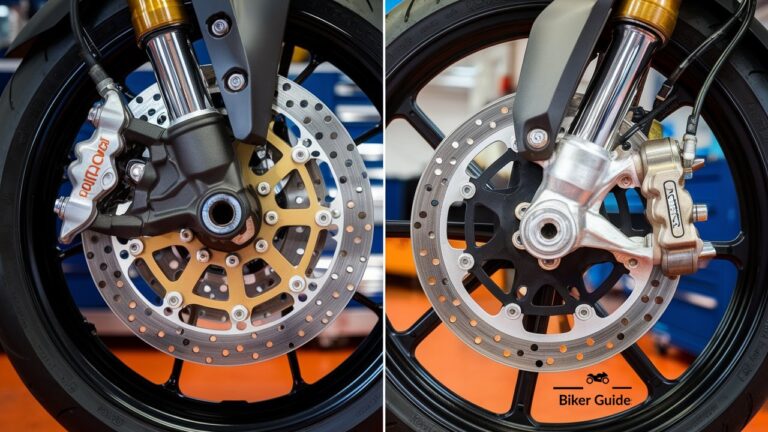
Clean Brake Discs
Water and dirt can accumulate on your brake discs during a ride in the rain, leading to reduced performance. Wipe them down with a clean cloth after riding to ensure they’re free of any grime or water residue. This helps keep the brake discs functioning at their best and prevents wear over time.
5. Protect the Paint and Metal Parts
Motorcycles are often made of metals and materials that can rust or corrode when exposed to rainwater. Taking a few extra steps to protect your bike’s paint and metal parts can save you a lot of hassle in the long run.
Clean and Wax the Bike
After you’ve dried off your bike, it’s a good idea to give it a wash. Use a gentle motorcycle cleaner and a soft cloth to clean off any dirt, grime, or salt that may have built up during your ride. If you’re dealing with heavier rain or mud, a more thorough cleaning might be necessary.
Once your bike is clean and dry, apply a layer of wax to the paint. This will not only make it shine but also provide a protective layer that helps prevent water from causing corrosion. Waxing your bike regularly is an excellent way to protect its finish and keep it looking good for years to come.
Treat Metal Parts with Protective Coating
Riding in the rain exposes your bike to moisture, and over time, this can cause metal parts to rust. To prevent this, consider treating exposed metal parts with a protective coating or spray. Some motorcycle owners recommend using a corrosion inhibitor or a lubricant like ACF-50 to keep rust at bay. Apply the product to key metal components, such as the rims, spokes, and engine parts, to prevent corrosion caused by rainwater.
6. Dry and Lubricate the Chain
After a ride in the rain, you need to care for your chain. Rain can wash away the lubricant and mix with dirt. This can cause friction, which wears out the chain. It’s simple to fix, though, and will help your bike last longer.
Dry the Chain
Start by wiping off the moisture. Use a clean cloth to soak up the water. If you want to dry the chain faster, you can use a towel or a hairdryer. Make sure the chain is completely dry. If you don’t, rust can form. Rust will make the chain harder to move and less effective.
Lubricate the Chain
Once the chain is dry, apply chain oil. Use a motorcycle-specific lubricant. Regular oil won’t work as well. Apply it evenly, but don’t overdo it. Too much oil will attract dirt. After applying, wipe off the extra oil. This keeps the chain moving smoothly and protects it from wear.
Check the tension of the chain. If it’s too loose, adjust it. A loose chain can slip off or wear out faster. Follow your bike’s manual for the correct tension. Keeping the chain in good condition will ensure a smooth ride.
7. Protect the Electrical System
Your bike’s electrical parts are designed to handle rain, but water can still cause problems. It’s a good idea to check them after you ride in the rain.
Check the Battery
Water can cause corrosion on the battery. Look at the battery terminals for signs of moisture or rust. If you find any, clean the terminals with a wire brush. You can also apply petroleum jelly to the terminals to prevent rust. Keeping the battery clean will help it last longer.
Protect Exposed Parts
Some bikes have exposed electrical parts. These are more vulnerable to rain. You can apply a special gel or grease to protect these parts. This will help keep water away and prevent damage. Be sure to follow the manufacturer’s instructions for the best results.
8. Clean and Dry the Exhaust System
Water can also get into your bike’s exhaust system. This can lead to rust and damage over time. It’s important to take care of the exhaust after riding in the rain.
Dry the Exhaust
Wipe the exhaust pipes with a cloth to remove water. You can also start the bike and let it run for a few minutes. The heat from the engine will help dry the exhaust. This helps prevent rust from forming inside the pipes.
Check the Muffler
If water has gotten into the muffler, it can cause problems. Water can mix with carbon buildup, leading to clogs. To prevent this, check the muffler after every wet ride. Use a cloth to dry any water inside. While it’s not needed after every rain ride, it’s a good idea to check the muffler occasionally.
9. Inspect the Tires
Tires are the most important part of your bike when riding in the rain. They are your only contact with the road, so it’s vital to keep them in good condition. After riding in wet conditions, check your tires carefully.
Check the Tread
The tread on your tires is responsible for gripping the road. When it rains, the water can reduce traction. If the tread is worn down, it won’t be as effective at clearing water from under the tire, which can lead to hydroplaning. Always check the tread depth. A good rule is to replace your tires when the tread depth falls below 1.5mm.
Clean the Tires
After riding in the rain, debris like dirt, mud, and gravel may stick to your tires. Clean the tires with a soft brush or cloth. Be sure to clean the grooves where water gets trapped. If you leave dirt on the tires, it can affect their performance. Check for any sharp objects, like nails or glass, that may have gotten stuck in the rubber.
Inspect the Pressure
Wet conditions can cause tire pressure to change. It’s important to keep your tire pressure at the manufacturer’s recommended level. If the pressure is too low, the tires will have more contact with the ground, making them less effective. If the pressure is too high, the tires won’t grip well. Use a tire pressure gauge regularly to ensure your tires are properly inflated.
You can also read: Why Motorcycle Battery Voltage Drops When Starting: Causes and Solutions
10. Clean the Lights
Visibility is crucial when riding in the rain. Wet weather can make it harder for other drivers to see you. That’s why it’s important to keep your lights clean after a ride in the rain.
Headlights and Tail Lights
Wipe off your headlights and tail lights with a soft cloth. Water can leave streaks or dirt on the lenses, making your lights less effective. Clean the lights regularly to ensure you are visible to other drivers, especially in poor weather.
Check the Function
After cleaning the lights, check that all lights are functioning properly. A burned-out bulb is even harder to notice in the rain. If any bulbs are out, replace them as soon as possible.
11. Lubricate the Chain
After riding in the rain, your motorcycle’s chain might be covered in moisture, dirt, and grime. Keeping the chain lubricated is crucial to ensure it works smoothly and doesn’t wear out prematurely. I
Dry the Chain
Before lubricating the chain, make sure it’s dry. Wipe off any excess water with a clean rag. If your chain is particularly wet or muddy, you might want to clean it first using a gentle chain cleaner. This will help remove dirt and grime that can affect the chain’s performance.
Lubricate the Chain
Once it’s dry, apply the chain lubricant. Use a lubricant specifically made for motorcycle chains. These products are designed to keep the chain from rusting and ensure it runs smoothly. You can spray the lube onto the inside of the chain while rotating the rear wheel. This ensures the entire chain is coated. After applying the lube, wipe off any excess to prevent dirt from sticking to it.
Check for Wear
While you’re checking the chain, take a moment to inspect its condition. If the chain is loose or has a lot of rust, it might be time to replace it. Also, check the sprockets for wear. If they look worn out, you may need to replace them along with the chain. Keeping the chain in top shape will help avoid costly repairs down the line.
You can also read: How the Best Motorcycle Cable Lubricant For 2025 Improved My Ride?
12. Check the Brake Pads and Discs
Rain can increase the time it takes to stop, so it’s essential to check your brakes after every wet ride.
Inspect the Brake Pads
Brake pads can wear down faster in wet conditions. After riding in the rain, check the thickness of the brake pads. If they’re too thin, it’s time to replace them. You should also inspect the pads for any cracks or signs of damage, as wet weather can sometimes cause wear on the edges.
Check the Brake Discs
Rain can leave deposits on the brake discs that might affect braking performance. Clean the discs with a clean cloth to remove any moisture, grime, or debris. Check for any signs of rust or damage. Rust on the brake discs can compromise their effectiveness, so if you notice any, you may need to replace them.
Test the Brakes
After checking the pads and discs, test the brakes by gently applying pressure while you’re stationary. Ensure that they feel responsive and that there’s no unusual noise. If you notice any issues, like a spongy brake lever or a delay in stopping, take your bike to a mechanic for further inspection.
14. Inspect the Lights and Indicators
Visibility is critical when riding in the rain. With reduced visibility, you need to ensure that all your lights and indicators are working properly to help other drivers see you.
Check the Headlights
Rain can obscure the effectiveness of your headlights, especially if dirt and water have accumulated on the lens. Make sure your headlights are clean and functioning properly. If you ride in the rain frequently, consider investing in a set of auxiliary lights or fog lights to improve your visibility.
Test the Turn Signals
Turn signals are essential for letting other road users know your intentions. Make sure both front and rear turn signals are working. Wet conditions can cause electrical connections to become damp, which might affect their performance. If you notice any flickering or dim lights, check the wiring or fuse to make sure everything is in good condition.
Rear Lights and Reflectors
Your brake light and tail light are just as important as your headlights. After riding in the rain, inspect these lights to ensure they’re visible and working properly. Check for any moisture or dirt buildup that might be affecting their visibility. Clean any foggy lenses and ensure that your reflectors are intact and free from obstruction.
15. Dry Off Your Bike
After a ride in the rain, moisture can cling to your motorcycle, causing corrosion and rust over time if left unchecked. Drying off your bike is essential to keep it in good condition and prevent water damage.
Wipe Down the Bike
Use a microfiber cloth to wipe down your bike after each ride in the rain. Focus on the areas most exposed to water, like the seat, handlebars, tank, and foot pegs. Wiping down helps prevent moisture from sitting on the bike and encourages the evaporation of any water that might remain on hard-to-reach spots. A clean, dry bike will also be easier to inspect for damage or wear.
Dry the Chain
If your bike uses a chain drive, you’ll need to dry it thoroughly after riding in the rain. Moisture on the chain can wash away the lubricant, leading to rust and wear. Dry the chain by wiping it down with a rag, removing any excess water. Afterward, apply some fresh chain oil or lubricant to keep it running smoothly and prevent rust.
Pay Attention to Sensitive Areas
Certain areas, such as the electrical components, can be more vulnerable to water exposure. Use a clean cloth to dry out any visible water from around your bike’s electrical system, including connectors and fuse boxes. This will help prevent corrosion or any malfunction that could arise from moisture getting into these critical parts.
16. Check for Water Damage
Riding in the rain can bring unwanted moisture into parts of your motorcycle. It’s crucial to check for any water ingress, especially in areas where water can cause long-term damage if not addressed properly.
Check the Air Filter
Water can enter your air intake if it’s not properly sealed. This is especially a concern if you’ve been riding through heavy rain or if your motorcycle’s air filter is exposed. Inspect the air filter to ensure no water has seeped in. If it’s damp, dry it out or replace it as needed. A wet air filter can affect engine performance, so make sure it’s dry before continuing your ride.
Inspect the Exhaust
The exhaust system, particularly if your bike has an open or exposed exhaust pipe, can also collect water. Make sure that no water has entered the exhaust system, as this could cause rust or damage to internal components. If you find moisture, you can either let the bike sit in a well-ventilated area for the water to evaporate or gently dry it with a cloth.
Check for Brake Function
Rain can affect your brake system, so it’s important to ensure everything is working properly after a wet ride. Make sure the brake lines are dry, and check the brake pads for any moisture or wear. In some cases, wet brakes can feel less responsive, so ensure they are functioning as expected before taking your bike out again.
Specific Drying and Care Tips
| Gear Type | Cleaning Method | Drying Method | Post-Drying Treatment | Key Warnings |
| Helmet (Exterior) | Water / Mild Soap | Air Dry, Fan (low/cool) | Water-repellent spray, Visor lubricant | Avoid harsh cleaners, high heat |
| Helmet (Interior) | Remove liners, Water / Mild Soap | Air Dry, Fan (low/cool), Absorbent materials, Helmet dryer | – | Avoid excessive heat, ensure circulation |
| Leather Jacket/Pants | Soft brush / Damp cloth, Leather cleaner / Saddle soap | Air Dry (well-ventilated) | Leather conditioner / Moisturizer, Protective coat | NO Tumble Dryer, NO Direct Heat/Sun |
| Textile Jacket/Pants | Hand wash (preferred for membranes), Machine wash gentle (if permitted), Special textile soaps | Air Dry (well-ventilated) | Waterproofing spray (if not membrane) | NO Tumble Dryer, Remove armor |
| Leather Gloves | Soft brush / Damp cloth, Leather cleaner / Saddle soap | Air Dry (well-ventilated) | Leather conditioner / Moisturizer, Protective coat | NO Tumble Dryer, NO Direct Heat/Sun |
| Textile Gloves | Machine wash gentle | Air Dry (well-ventilated) | – | NO Tumble Dryer |
| Leather Boots | Rinse under water, Soft brush | Air Dry (well-ventilated) | High-shine polish, Mink oil / Protective coating | Avoid water inside, NO Direct Heat/Sun |
FAQs about After Riding Motorcycle in the Rain
1: What should I do after riding a motorcycle in the rain?
Answer: After riding in the rain, dry your bike thoroughly, check the chain for moisture, and lubricate it. Make sure to clean off any dirt or debris to prevent rust and ensure smooth performance.
2: How can I prevent rust on my motorcycle after riding in the rain?
Answer: To prevent rust, dry your motorcycle after riding in the rain and regularly clean and lubricate the chain. Ensure that all metal parts are dry and apply a rust-protective coat if necessary.
3: Is it necessary to clean my motorcycle after riding in the rain?
Answer: While it’s not strictly necessary, cleaning your motorcycle after a rain ride helps prevent dirt buildup, corrosion, and keeps it running smoothly. A quick wash and dry are enough.
4: How often should I lube my motorcycle chain when riding in the rain?
Answer: After riding in the rain, check your motorcycle chain for moisture. If it’s wet, wipe it down and apply chain lubricant. Aim to lubricate it every few rides, especially during wet conditions.
5: Can rain damage my motorcycle’s tires?
Answer: Riding in the rain can reduce tire grip. Always ensure your tires are in good condition with adequate tread depth. This helps improve traction in wet conditions and reduces the risk of hydroplaning.
6: Should I check the brakes after riding in the rain?
Answer: Yes, after riding in the rain, inspect your motorcycle brakes to ensure they are functioning properly. Wet conditions can affect braking performance, so make sure to check for any issues.
7: How do I maintain my motorcycle after a heavy rainstorm?
Answer: After a heavy rainstorm, wash your motorcycle to remove dirt, grime, and any debris. Dry it thoroughly, lubricate the chain, and check for any signs of water ingress in electrical components.
8: What maintenance should I avoid after riding in the rain?
Answer: Avoid using high-pressure washers on your bike after riding in the rain, as they can force water into electrical parts or sensitive areas. Instead, gently wipe down your motorcycle.
9: Can my motorcycle’s electrical parts get damaged from rain?
Answer: While motorcycles are designed to handle some rain, it’s crucial to ensure that electrical components are sealed properly. Regular maintenance helps protect your bike from water damage.
10: Is it safe to ride a motorcycle in the rain?
Answer: Riding in the rain can be safe with the right preparation. Ensure your tires are in good condition, use smooth throttle and brake control, and wear waterproof gear to stay safe.
11: How can I improve my traction when riding in the rain?
Answer: To improve traction in the rain, maintain a smooth throttle, avoid sharp turns, and ride at a lower speed. Ensure your tires have good tread depth to disperse water effectively.
12: What should I avoid riding over during or after rain?
Answer: Avoid riding over puddles, painted lines, manhole covers, and tar snakes, as these can be slippery. Always give yourself enough space to stop and navigate safely through wet conditions.
Conclusion
Riding a motorcycle in the rain can be challenging, but with the right care and maintenance, your bike can handle it just fine. Regularly checking the chain, tires, and brakes after a wet ride will keep your motorcycle in top shape. It’s all about being gentle with the controls and staying mindful of road conditions. Remember, the key is to ride safely, stay smooth, and keep your bike well-maintained. So, gear up, take care, and enjoy the ride—rain or shine!