Essential Tips for Riding a Motorcycle in the Rain: A Personal Guide 2025

Riding a motorcycle in the rain isn’t the ideal scenario for most bikers, but sometimes, it’s unavoidable. Whether you’re caught in an unexpected downpour or you’ve planned a ride despite the forecast, learning how to ride safely in wet conditions is essential. Trust me, I’ve been there. Over the years, I’ve gathered a fair share of insights and tips that can help you stay safe and comfortable when riding in the rain.
Let’s dive into what you really need to know.
1. Gear Up for Safety
The first and most important thing to remember when riding in the rain is proper gear. Without it, you’re setting yourself up for discomfort and potential hazards.
Waterproof Apparel is Non-Negotiable
While it might seem obvious, not all gear is built for the rain. Water-resistant clothing might do the job for a while, but when the rain really picks up, you’ll need something that’s fully waterproof. Trust me, you don’t want your jacket to soak through on a long ride.
I recommend a good quality rain suit. I personally prefer one-piece suits because they minimize the chances of leaks, especially around the waist and ankles. If you’re looking for more flexibility, two-piece suits are great too—just make sure they’re snugly fitted to avoid water creeping in.
Pro Tip:
Consider investing in a suit with breathable membranes, like Gore-Tex, to keep sweat at bay. It’s important to feel comfortable when you’re riding, not sticky or clammy.
Keep Your Visibility High
It’s harder for other drivers to see you in the rain. That’s why I recommend wearing high-visibility gear. Think bright neon colors like yellow or orange. Reflective jackets and vests are game-changers in ensuring other drivers can spot you, even in foggy or low-light conditions.
I’ve learned from experience that riding in black waterproof gear might seem cool, but it’s a missed opportunity to be visible. Bright colors are a must, especially in a downpour.
Don’t Forget Your Helmet Visor
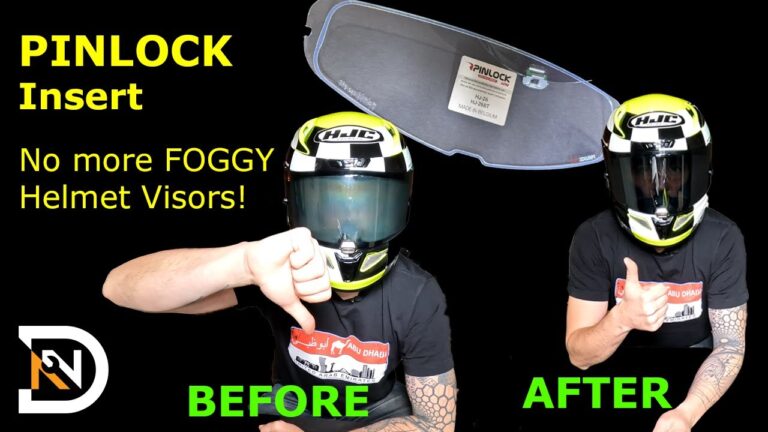
Visibility isn’t just about the other drivers; it’s about your ability to see too. Rain and road spray will likely leave your helmet visor foggy, which makes it harder to see obstacles, potholes, or even cars in front of you. I always ride with a Pinlock insert or anti-fog coating on my visor. These can make a huge difference in keeping your view clear.
In a pinch, if you’re stuck without a Pinlock insert, I’ve found that a bit of rain repellent or even a small squeegee on your gloves can help keep things clear.
Waterproof Gloves
Waterproof gloves are another essential piece of the puzzle. If you forget them like I’ve done once or twice, you can always grab a pair of plastic gloves from a diesel pump at a gas station. They aren’t the most stylish, but they’ll keep your hands dry and functional.
And if you’re worried about your gloves getting too bulky, look for ones that come with a finger squeegee. These little tools allow you to wipe away water from your visor while you ride, which can be a real lifesaver.
You can also read: How to Clean Motorcycle Fuel Injectors: A Friendly Guide
Motorcycle Rain Gear Comparison
| Gear Type/Feature | Description | Pros | Cons |
| One-Piece Suit | Full body coverage, no gaps. | Superior protection from leaks, keeps rider completely dry in heavy rain. | Can be challenging to put on over boots, entire suit needs replacement if one part is damaged. |
| Two-Piece Suit | Separate jacket and pants. | Greater convenience, allows wearing only top/bottom for lighter conditions, generally less expensive to replace parts. | Potential for leaks at the waistline if not properly designed or worn. |
| Breathable Membranes | Technologies like Gore-Tex or Drystar. | Keeps water out while allowing heat/perspiration to escape, improves rider comfort. | Can “wet out” over extended periods or if water pools, generally more expensive. |
| Non-Breathable Membranes | Materials like PVC or polyurethane. | 100% waterproof protection, affordable. | Lack of breathability can lead to sweat/clammy feeling, especially in warmer conditions. |
| Helmet Visor (Anti-Fog) | Pinlock inserts, anti-fog coatings. | Prevents visor fogging, maintains clear vision in wet/cold conditions. | Requires proper installation/application, may need occasional re-treatment. |
| High-Visibility/Reflective | Bright colors, retro-reflective materials. | Significantly increases rider conspicuity to other drivers, especially in low light/poor visibility. | May not be as aesthetically appealing to all riders, can get dirty quickly. |
| Gloves (Finger Squeegee) | Waterproof gloves with a small blade on the finger. | Practical for wiping rainwater/road spray from visor on the go. | May add slight bulk to gloves. |
2. Prepare Your Bike for Wet Conditions
You can’t just jump on your bike and go when the rain starts pouring—especially when it’s your first time riding in these conditions. Taking a few extra steps to make sure your bike is ready for the rain will make your ride much safer and more enjoyable. Here’s what you need to check before you hit the road.
Tires: Your First Line of Defense
Tires are the only thing standing between you and the road, so their condition is critical, especially in wet conditions. I can’t stress enough how important it is to make sure your tires have sufficient tread. Wet roads make your tires lose traction much more easily, and worn-out tires will only make things worse.
Before heading out, check the tread depth and make sure it’s at least 1.5mm in the primary grooves. If you live in a rainy area, consider switching to tires designed for better wet grip. Regular sport tires might wear down faster or offer less traction on wet surfaces.
Also, check your tire pressure—both front and back. It’s easy to overlook, but improper tire pressure can cause handling issues, especially when the roads are slippery.
Brakes: Smooth Stopping Power
Braking in the rain is trickier than in dry conditions. You’ll need to stop more gradually and earlier than usual. That’s because wet roads lengthen your stopping distance. I personally make a habit of testing my brakes at a lower speed before hitting the open road to ensure everything works as it should.
Ensure that your brake pads aren’t worn down, and that there’s no moisture or rust on the brake components. Trust me, you don’t want any surprises when it comes time to stop suddenly.
Lights and Signals: Be Seen and Stay Safe
Visibility is a huge concern when riding in the rain. Rain reduces how far you can see and how far others can see you. Before heading out, check all your lights—headlights, brake lights, and turn signals. Make sure they’re working well and clean. If your bike has fog lights or auxiliary lights, use them! They can significantly increase your visibility to other drivers.
Pro Tip:
Some riders add reflective tape or gear with retro-reflective elements to enhance visibility. Even in the heaviest rain, these details can make a noticeable difference to other drivers.
General Maintenance: Keep Your Ride Reliable
Regular maintenance is key, but it’s even more important when you’re riding in wet conditions. The drive chain, for example, needs frequent lubrication during the rainy season. Check it regularly and clean it off after each ride to prevent rust.
Also, consider upgrading any electrical components to waterproof connectors, especially if you have aftermarket parts. Keeping your bike clean and well-maintained doesn’t just keep it looking good—it keeps it working well in challenging conditions.
3. Adapting Your Riding Style for Wet Roads
When the rain hits, you need to shift how you ride. The key is “smoothness.” In wet conditions, abrupt movements—whether you’re accelerating, braking, or turning—can easily lead to a loss of traction. I’ve learned that keeping everything gradual and controlled is the best way to avoid slipping or losing control.
Slow Down and Leave Extra Space
Speeding on wet roads is a recipe for disaster. The faster you go, the harder it will be to stop and control your bike. I always reduce my speed by about 25% when it’s wet. This makes a huge difference in how my bike handles.
But it’s not just about speed. You also need to leave more space between you and other vehicles. Wet roads can double your stopping distance, so I make sure to keep at least a 4-second gap between me and the car in front of me. In really bad conditions, I go even further to create a larger buffer.
Smooth Inputs: Throttle, Brakes, and Steering
When you’re riding in the rain, every input needs to be smooth. The throttle, brakes, and steering should all be applied gradually. Quick movements can easily make you lose control.
When accelerating, be gentle—no sudden gas. If you’re slowing down, apply both brakes gradually, and use engine braking when you can. This is especially useful because engine braking is smoother and puts less strain on the friction brakes.
Leaning and Cornering
When cornering, avoid leaning too much. The less you lean, the more grip you’ll have. I always make sure to reduce my lean angle and take turns slowly. It helps preserve the traction I have left. If I’m going into a sharp turn, I try to enter with more caution and reduce my speed before leaning.
4. Handling Road Hazards: Stay Alert
When it’s raining, the road can quickly turn into a minefield. Wet roads are full of unexpected hazards like slippery paint, oil slicks, and debris that can cause you to lose traction. But the more aware you are of these dangers, the better prepared you’ll be to handle them.
Slippery Surfaces: Oil, Paint, and Metal
Let’s talk about the most treacherous surfaces in the rain—oil, painted road markings, and metal. Roads are especially slippery right after it starts raining. The first few minutes are the most dangerous because rain mixes with oil and dirt that have built up on the pavement. It creates a slick, low-traction surface that’s incredibly risky for motorcyclists.
If you can, avoid riding during the first 15 to 30 minutes of rain. It’s safer to wait until the rain has had time to wash away the oil and grime, even though it might feel counterintuitive. Once the rain settles in, the roads usually become safer.
Painted lines on the road, like lane markers and crosswalks, also become very slick when wet. Whenever possible, steer clear of them, especially when turning. If you can’t avoid them, make sure you’re not leaning, accelerating, or braking while crossing them. Just keep the bike as upright as possible.
Metal surfaces, such as manhole covers and bridge expansion joints, are as slippery as ice when wet. Always reduce speed before you reach these areas, keep the bike upright, and avoid sudden changes in direction. You’ll want to glide over these surfaces without any hard inputs.
Puddles and Standing Water: Hydroplaning Risk
Puddles can be deceptive. They may seem harmless, but they can hide potholes, debris, or even deeper water than you expect. The biggest danger in puddles is hydroplaning. This happens when a layer of water builds up between your tires and the road, causing your tires to lose contact with the road.
The best way to handle puddles is to avoid them altogether. If you can’t avoid them, slow down significantly before you reach them. Puddles on freeways are especially dangerous, as water often collects in the leftmost lanes due to drainage issues. If possible, stick to the center lanes where the water is less likely to pool.
Gravel and Other Debris: Stay on the Lookout
Rain can wash loose gravel, mud, and leaves onto the road, which can make the surface slippery. When riding in wet weather, stay alert for any debris. If you spot it in the road, try to navigate around it. If avoiding it isn’t possible, slow down and cross it carefully. Abrupt moves can lead to loss of control.
Railroad tracks are another danger. These metal strips are slippery when wet, so when you need to cross them, make sure to do it straight-on, not at an angle. And be sure to ease off the throttle and brakes as you cross—no sudden movements. This will give you better control of the bike.
Pro Tip:
If you do get caught in a downpour and can’t avoid puddles or slippery spots, be sure to keep your hands relaxed on the handlebars. Tension in your hands can cause you to overreact, which could lead to accidents.
5. Maximizing Visibility: See and Be Seen
Rainy weather makes visibility tough, both for you and for other drivers. It’s crucial to do everything you can to ensure you’re seen, while also keeping a sharp eye out for hazards ahead.
Make Your Motorcycle Visible
The more visible you are, the safer you’ll be. Always ride with your headlights on, even during the day. It increases your visibility to other drivers, making you more likely to be seen, even when it’s raining. If your bike is equipped with fog lights or auxiliary lighting, use them—they make a big difference in the rain.
Gear Up for Visibility
Bright, high-visibility gear is a must in rainy conditions. When you’re soaked, wearing dark gear makes you hard to see, especially when visibility is already reduced due to rain. Bright-colored gear, like neon yellow or orange, helps ensure other drivers notice you. Reflective jackets or vests are also a great option, as they make you stand out even more, especially in low light.
Don’t forget about your helmet visor. A clear visor is key to maintaining good visibility in the rain. Some riders also swear by anti-fog coatings or Pinlock inserts. These work wonders in keeping your visor clear, so you can see clearly and react in time to any potential hazards.
Keep Your Visor Clear
One of the biggest challenges when riding in the rain is keeping your visor clear. To manage this, always carry a microfiber cloth with you. You can use it to wipe away water on your visor when you stop for a break. Some gloves come with built-in squeegees on the fingers, which are handy for wiping rain off your visor while riding. I’ve used this trick myself, and it definitely makes a big difference when the rain’s coming down hard.
Pro Tip:
Avoid wearing polarized sunglasses in the rain. They filter out the sheen left by oil on wet roads, which can make it harder to spot dangerous patches of slickness.
6. When to Pull Over: Knowing Your Limits
Despite the best preparation, there are times when the safest option is simply to pull over and wait for conditions to improve. Knowing when to call it quits can be a life-saving decision, especially when weather conditions are severe.
Heavy Rain and Storms
If the rain is heavy and visibility is almost zero, it’s time to pull over. Driving through a storm with limited visibility is like driving blindfolded—it’s just not worth the risk. Even experienced riders can get caught off guard by the intensity of the rain, so don’t hesitate to take a break. If it’s possible, seek shelter under an overpass, a gas station canopy, or any other structure where you can wait it out.
Thunderstorms are particularly dangerous. Not only do they drastically reduce visibility, but lightning also poses a huge threat. You’re riding a metal object in the middle of a thunderstorm—definitely not the safest situation. If you’re caught in a storm with no safe place to pull over, keep an eye out for any nearby structures that can offer shelter.
High Winds and Freezing Temperatures
High winds can affect your balance and make it hard to control the bike. When it’s raining and the winds are picking up, riding can become even more challenging. The gusts can push you around, making it tough to hold your line, especially on highways. If you’re feeling like the wind is taking control, it’s better to stop and wait for the storm to pass.
Freezing temperatures are another danger. Ice can form on the roads even when it’s not snowing, and certain spots—like bridges and overpasses—are especially susceptible. Cold can also affect your reaction time, making it harder to handle the bike. If you’re shivering, you’re not only uncomfortable but also less focused. A short break to warm up or change into warmer gear can make a big difference.
Spotting Dangerous Conditions
Even when the rain is light, some conditions are just too risky to ride in. If there’s standing water everywhere, or if the roads are flooded, it’s best to stay off the bike. Riding through flooded roads can lead to loss of control, or worse, cause serious damage to your bike. Floodwaters can hide potholes or debris, and if the water is deep enough, it could stall your engine.
Common Wet Weather Road Hazards & Mitigation Strategies
| Hazard Type | Specific Examples | Why it’s Dangerous | Mitigation Strategy |
| Oil Slicks | Accumulated oil/grease on road, especially during “first rain”. | Creates an extremely slick, low-friction film on the road surface. | Avoid riding during the first 20-30 minutes of rain if possible. If unavoidable, proceed with extreme caution, avoid shiny patches, and maintain smooth, upright riding. |
| Painted Road Markings | Crosswalks, lane lines, turn arrows, HOV diamonds. | Become extremely slippery when wet, offering minimal traction. | Try to avoid riding on them, especially in corners. If crossing, keep motorcycle upright and avoid accelerating, braking, or leaning. |
| Metal Surfaces | Manhole covers, bridge expansion joints, grates. | Offer almost no grip when wet; akin to black ice. | Treat with extreme caution. Reduce speed before reaching, keep bike upright, and avoid sudden inputs while traversing. |
| Puddles & Standing Water | Any accumulation of water on the road. | Can hide potholes, debris, or deep water. Risk of hydroplaning. | Avoid if possible. If unavoidable, slow down significantly and proceed at a controlled speed. Avoid left-most freeway lanes where water often pools. |
| Tar Snakes | Sealer pavement used for road repairs. | Become very slick when wet, similar to ice. | Avoid if possible. If not, roll over without aggressive inputs (braking, accelerating, leaning). Keep hands relaxed on handlebars. |
| Gravel & Debris | Loose gravel, fallen leaves, branches, mud. | Reduces tire traction, can cause loss of control. | Keep a sharp eye out. Try to find a clear line around them. If unavoidable, roll over gently without sudden inputs. |
| Railroad Tracks | Metal rails at crossings. | Metal becomes extremely slippery when wet. | Cross straight on, not at an angle. Be off the accelerator and brake as tires cross the metal. |
7. Preparation Is Key: Pre-Ride Tips
Before you head out, always make sure your bike and gear are ready for the elements. Here’s a quick rundown of things to check:
Motorcycle Maintenance
Ensure your tires have adequate tread. As mentioned earlier, worn tires lose grip, especially in wet conditions. Make sure your tire pressure is at the correct level—too much or too little air can affect handling. You should also check your brakes to ensure they’re functioning properly. Wet conditions mean you’ll need to rely on your brakes more, so make sure they’re in top shape.
Gear Up for Comfort and Safety
Having the right gear isn’t just about comfort—it’s about staying safe. Invest in waterproof gear like jackets, pants, gloves, and boots. If your gear isn’t waterproof, make sure to pack a rain suit you can wear over your clothes. Look for bright colors that will help you stand out to other drivers.
Check Your Helmet and Visor
A fogged-up visor can be a big problem, especially when the rain is coming down hard. Make sure you have an anti-fog visor or a pinlock insert installed in your helmet. This will keep your view clear and your ride safer. Don’t forget to check your helmet for any cracks or damage, as riding in the rain puts more strain on your gear.
You can also read: What Can Damage a Motorcycle Engine? Things Riders Often Overlook
8. Ride Smart: Adapt to Wet Conditions
Once you’re on the road, the way you ride is just as important as the preparation. Wet roads require a smoother, more controlled approach.
Speed and Following Distance
When it’s raining, everything takes longer. Braking, accelerating, and turning are all harder because of the reduced grip. It’s important to slow down to give yourself more time to react to hazards. I usually recommend reducing your speed by 25% from what you would do in dry conditions. This may feel a bit slow at first, but it’s all about giving yourself a buffer in case something unexpected happens.
Increase your following distance, too. Wet roads require longer stopping distances, so don’t tailgate the vehicle in front of you. A minimum of 4 seconds is the usual recommendation, but I would suggest going even further in heavy rain.
Smooth Throttle and Braking Inputs
When you’re riding in the rain, you need to be as smooth as possible with all your inputs. Abrupt throttle or braking will increase your chances of losing traction. Gradually roll on the throttle to avoid spinning the rear wheel. Apply the brakes gently, and always use both front and rear brakes to maintain better control.
Leaning and Cornering
When turning in the rain, don’t lean too far over. Keep the bike as upright as possible to maintain maximum contact with the road. Reduce your speed before you enter the turn, and avoid any sharp maneuvers. Remember, smoothness is key. As tempting as it might be to power through a turn, doing so too aggressively in the rain is a recipe for disaster.
Pro Tip:
If you start feeling uneasy in a turn, don’t panic! It’s better to ease off the throttle gently, slow down, and give yourself time to adjust than to try to power through and risk losing control.
You can also read: How to Clean a Motorcycle Carburetor: A Simple Guide From My Experience
9. Hazard Awareness: Avoiding Common Road Dangers
Wet roads come with unique hazards that you need to be extra cautious of. Understanding these risks and knowing how to avoid them can be the difference between a smooth ride and a dangerous situation.
Slippery Surfaces: Oil, Paint, and Metal
When the rain hits after a dry spell, the road surface can become an ice rink. The first few minutes of rain are the most dangerous. This is when rain mixes with accumulated oil, grime, and dirt on the road, making it extremely slippery. The best way to avoid this is by waiting for the road to get a little more wet—20 to 30 minutes if you can—so that the rain can wash away some of the oil and dirt.
When it rains, painted road markings like lane lines, crosswalks, and arrows become incredibly slick. You should avoid riding over these whenever possible. If you absolutely have to cross them, keep your bike upright and refrain from accelerating, braking, or leaning while doing so. Painted lines can be especially dangerous when you’re cornering, so always be cautious.
Metal surfaces such as manhole covers and bridge expansion joints become almost as slippery as black ice in the rain. These surfaces offer almost zero traction, and if you ride over them at an angle or make a sudden input, you might find yourself slipping and losing control. The best strategy is to reduce speed before you approach these surfaces, keep your bike upright, and avoid any sudden steering, braking, or accelerating.
Puddles and Standing Water
Puddles might seem harmless, but they can hide some serious dangers. Beneath the surface, there could be deep potholes, debris, or even a submerged hazard like a steel plate. One of the biggest risks in puddles is hydroplaning—when water builds up between your tires and the road, causing you to lose control.
The best practice is to avoid puddles whenever possible. If you absolutely have to ride through them, do so at a slow and controlled pace. On highways, especially, be cautious of the left-most lanes where water tends to pool near the concrete barriers.
Gravel and Road Debris
Rain washes loose gravel, leaves, branches, and other debris onto the road. These can reduce your traction and cause you to lose control. You should always be on the lookout for these hazards, and if you see them, try to steer around them. If you can’t avoid the debris, roll over it gently without making any abrupt inputs on the throttle, brake, or steering.
Railroad tracks are another source of danger. When wet, the metal becomes extremely slick. If you need to cross railroad tracks, always do so straight-on—never at an angle. And, when crossing, make sure you’re not accelerating or braking. Keep both hands relaxed on the handlebars and stay calm as you cross.
10. Enhanced Visibility: See and Be Seen
Riding in the rain means that both your visibility and the ability of other drivers to see you are compromised. This makes it crucial to take proactive steps to maximize your presence on the road.
Maximizing Motorcycle Visibility
Your bike’s visibility is vital, especially when the roads are wet and conditions are foggy or dim. Always have your headlights on, even during the day. This is a simple way to increase your visibility to other drivers. If your bike has auxiliary lights or fog lamps, use them—they can make a huge difference in low visibility conditions.
Rider Conspicuity
The gear you wear plays a big role in ensuring you’re seen. Wearing high-visibility gear, like a bright jacket or vest, can make a world of difference, especially in the rain. Look for reflective materials that will help you stand out to other drivers. This is even more important when the light is low or when fog or rain makes it harder for other vehicles to spot you.
When it comes to helmets, make sure you have a clear visor. Tinted visors can obscure your view in rainy conditions. If you have an anti-fog visor or pinlock insert, use them. This will help prevent fogging, which can further reduce your visibility. You can also carry a microfiber cloth to wipe your visor clean during stops.
Gear for Better Vision
It’s crucial to keep your visor as clear as possible. Since motorcycles don’t have windshield wipers, it’s a good idea to carry a squeegee-equipped glove or a rain repellent for your helmet. If you’re riding with sunglasses, avoid polarized ones. Polarized lenses can obscure the sheen caused by oil on wet roads, which can hide a dangerous hazard.
11. Know When to Call It a Day: Recognizing Dangerous Conditions
While riding in the rain can be done safely with the right skills and equipment, there are some conditions where it’s simply not worth the risk. Heavy rain, lightning, strong winds, or freezing temperatures can make riding hazardous, and in those situations, you might need to pull over.
When the Storm Gets Intense
If the rain becomes too heavy or if visibility drops significantly, don’t hesitate to pull over and wait for the storm to pass. Riding in these conditions can be more dangerous than waiting it out. Thunderstorms, especially, pose a high risk. Lightning doesn’t care if you’re on a motorcycle, and it’s always better to find shelter.
High Winds and Ice
Strong winds can make it harder to control your bike, especially when they gust unpredictably. If the wind is picking up and making you feel unstable, it’s time to take a break. Also, be cautious of bridges and overpasses, as they tend to freeze faster than other parts of the road in cold weather.
If you’re riding in freezing temperatures, be aware of ice. Ice can form even when roads seem clear, and it’s especially dangerous on bridges and overpasses. The combination of ice and rain is deadly, so don’t risk riding in these conditions.
You can also read: Best Fuel Injector Cleaner for Motorcycle in 2025 – What Really Works?
FAQs about Riding a motorcycle in the rain
1. What should I wear when riding a motorcycle in the rain?
Wear waterproof gear, including a jacket, pants, gloves, and boots. Choose bright colors like yellow for visibility, and consider wearing a helmet with an anti-fog visor to stay safe in wet conditions.
2. How do I prevent my helmet visor from fogging in the rain?
To prevent fogging, use a Pinlock insert or an anti-fog spray. If needed, crack open your visor slightly to allow airflow, or carry a microfiber cloth to wipe off water during stops.
3. What tires are best for riding in the rain?
Riders should use tires designed for wet conditions with a good tread depth of at least 1.5mm. Worn tires can reduce grip and increase the risk of hydroplaning on wet roads.
4. How can I avoid hydroplaning on wet roads?
To prevent hydroplaning, avoid puddles and standing water. Slow down before riding through water and maintain a steady speed to reduce the risk of losing control.
5. Why is riding in the first few minutes of rain so dangerous?
The first rain creates a slippery film on the road as it mixes with accumulated oil and grime. It’s safest to wait 20-30 minutes for the rain to wash this away and improve road traction.
6. What is the best way to brake on wet roads?
When braking in the rain, apply both front and rear brakes gently. Begin braking earlier than usual and avoid sudden, harsh inputs to prevent skidding or losing control.
7. Should I avoid painted lines while riding in the rain?
Yes, painted lines like crosswalks or lane markings become very slippery when wet. Always avoid riding on them, especially in corners. If unavoidable, maintain a steady and upright position.
8. How can I improve my visibility in the rain?
Use your headlights, even during the day, and consider using auxiliary lighting. Wearing high-visibility gear like bright jackets or vests will also make you more noticeable to other drivers.
9. What is the best way to avoid road debris in the rain?
Be on the lookout for gravel, leaves, and other debris washed onto the road. If you encounter them, try to avoid sudden braking or steering, and gently roll over them for better control.
10. How do I stay comfortable while riding in the rain?
Invest in quality waterproof gear and keep your body relaxed. Avoid tensing up or tucking in to stay warm, as this can affect your control. Stop to warm up if you start feeling too cold.
11. When should I pull over during a rainstorm?
Pull over if the rain becomes too heavy or visibility drops significantly. High winds, thunderstorms, or freezing temperatures also make it safer to stop and wait until conditions improve.
12. Can I ride a motorcycle in heavy rain?
Yes, you can, but it’s essential to adjust your riding style. Slow down, increase your following distance, and use smooth throttle and brake inputs to maintain control on wet roads.
13. How can I avoid slipping on metal surfaces like manhole covers?
Metal surfaces become extremely slippery in the rain. When crossing them, reduce your speed, keep the bike upright, and avoid making sudden steering or braking adjustments.
14. How do I stay safe while riding through puddles?
Avoid puddles whenever possible, as they can hide dangerous potholes or debris. If you have to ride through them, slow down significantly and maintain a controlled pace.
15. How important is tire pressure for riding in the rain?
Maintaining proper tire pressure is critical for wet weather riding. Check your tire pressure regularly, especially before long rides, as underinflated tires can reduce traction on slippery surfaces.
Conlusition
Riding a motorcycle in the rain can be challenging, but with the right preparation, it can also be a rewarding experience. From investing in waterproof gear to adjusting your riding technique, every step makes a difference in staying safe and comfortable. Remember, smooth and steady wins the race. So, take your time, be cautious, and embrace the adventure—rain or shine! Keep riding smart and always prioritize your safety.
You can also Read : After Riding Motorcycle in the Rain: My Personal Maintenance Tips 2025