Are Motorcycle Airbags Reusable: Essential Facts You Must Know 2025

If you ride a motorcycle, safety is probably your top priority. You’ve likely heard about motorcycle airbags and how they can save your life in a crash.
But once an airbag has deployed, can you use it again? This question matters because it affects your safety and your wallet. You’ll discover the truth about whether motorcycle airbags are reusable and what that means for you. Keep reading to make sure you’re fully protected every time you hit the road.
How Motorcycle Airbags Work
Motorcycle airbags add an important layer to Rider Protection Equipment. Understanding How Motorcycle Airbags Work helps riders appreciate their value. These airbags use advanced Airbag Technology to detect crashes and protect riders instantly. Motorcycle Airbag Safety depends on quick Airbag Deployment and proper Airbag Maintenance. A key question is whether these airbags are reusable. To answer that, we first explore the types of airbag systems and how they deploy during an accident.
Types Of Airbag Systems
Motorcycle airbags come in different designs to suit various riding styles and safety needs. Each type uses specific technology to protect the rider’s body during a crash. The main types include:
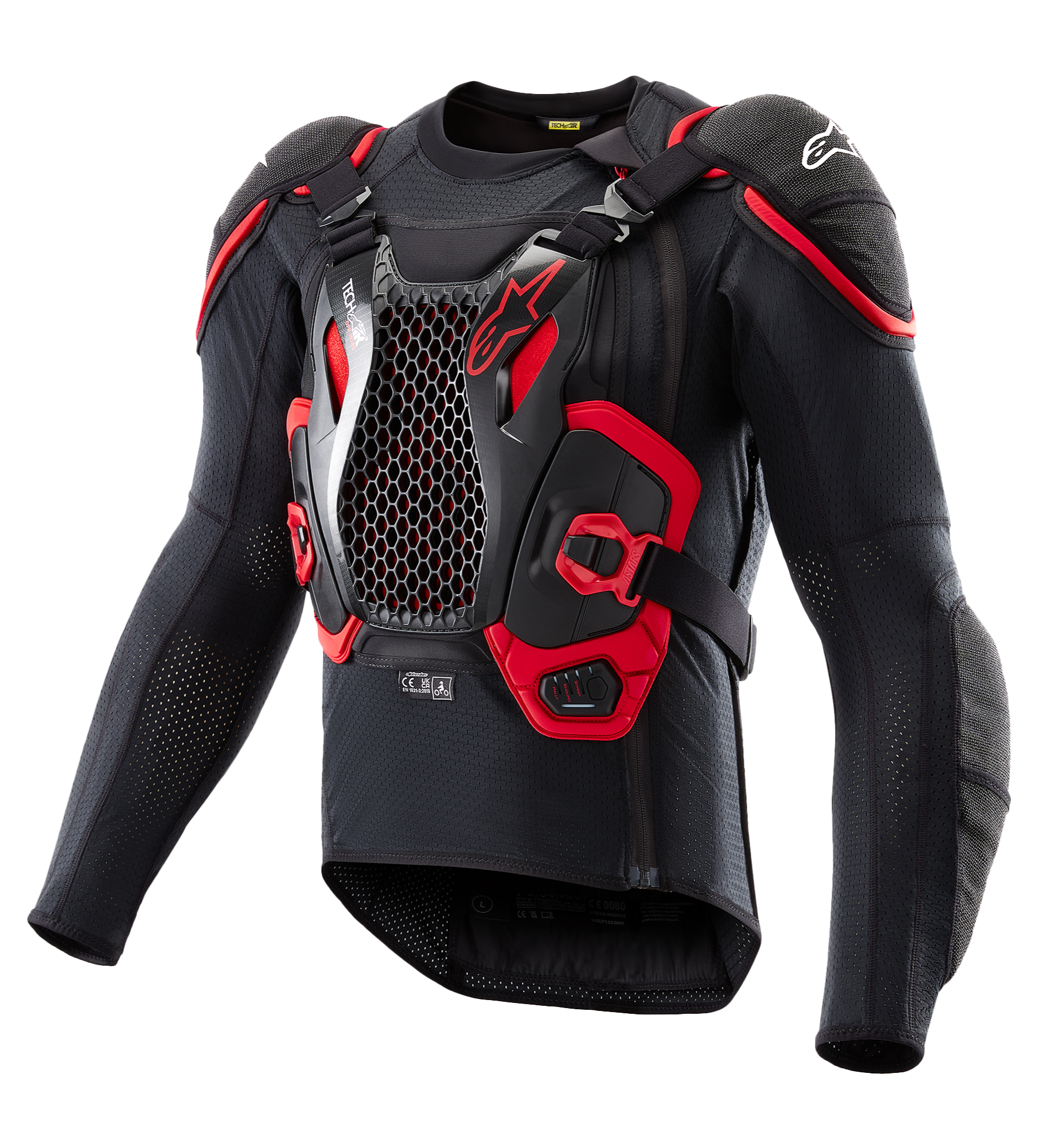
- Jacket or Vest Airbags: Worn by riders, these airbags inflate around the torso and neck to reduce injury.
- Integrated Motorcycle Airbags: Built into the bike, often at the front, these airbags protect the rider by cushioning the impact.
- Back Protector Airbags: Focus on protecting the spine and back from serious injury.
Each system uses Impact Sensors to detect sudden crashes or falls. These sensors trigger Airbag Deployment within milliseconds.
| Airbag System Type | Primary Protection Area | Common Use |
|---|---|---|
| Jacket or Vest Airbags | Torso, Neck | Worn by rider on body |
| Integrated Motorcycle Airbags | Front of Motorcycle | Installed on bike |
| Back Protector Airbags | Spine, Back | Worn on back |
Riders should choose the system that fits their style and needs. Proper Airbag Maintenance ensures these systems work well over time. Understanding the type helps in learning about Reusable Airbag Systems and their reset processes.
Deployment Mechanisms
Crash Detection is key for Motorcycle Airbag Safety. Impact Sensors constantly monitor the bike and rider for sudden forces. When a crash occurs, these sensors send signals to trigger Airbag Deployment instantly.
Deployment Mechanisms vary by system but follow similar principles:
- Impact Sensing: Sensors detect rapid deceleration or tilt beyond safe limits.
- Activation Signal: The system processes data and decides if deployment is necessary.
- Airbag Inflation: Gas inflators fill the airbag quickly to create a protective cushion.
- Protection Phase: The inflated airbag absorbs energy and reduces injury risk.
After deployment, Airbag Reset Mechanisms determine if the airbag can be reused. Some systems use cartridges or inflators that need replacement. Others have designs allowing easier resetting without full component replacement.
Here is a simplified view of Deployment Mechanism steps:
| Step | Description | Reusable Airbag Systems Role |
|---|---|---|
| 1. Crash Detection | Impact Sensors detect abnormal forces | Critical for triggering airbag |
| 2. Signal Activation | System confirms crash severity | Prevents false deployment |
| 3. Airbag Inflation | Inflator fills airbag rapidly | Some inflators are reusable |
| 4. Protection | Airbag cushions rider impact | Inflatable Protective Gear absorbs shock |
| 5. Reset | System reset or parts replaced | Depends on airbag design |
Understanding these mechanisms clarifies why some Motorcycle Airbags are reusable while others are not. Proper care and Airbag Maintenance help extend airbag life and ensure reliable protection.
Credit: www.ntmpo.sk
Factors Affecting Reusability
Motorcycle airbags are vital for rider safety, but their reusability depends on several factors. Reusable Motorcycle Safety Gear offers cost savings and environmental benefits, yet not all airbags can be reused after deployment. Understanding the Factors Affecting Reusability helps riders make informed decisions about Motorcycle Airbag Maintenance and replacement. Key elements include the condition of the airbag after deployment and the status of sensors and cartridges. These affect the Impact On Airbag Performance and overall safety in future rides.
Impact On Airbag Integrity
The Airbag Deployment Effects directly influence whether an airbag remains usable. After a crash, the airbag fabric and seams may weaken or tear. This damage reduces Motorcycle Airbag Durability and can compromise rider protection.
Important points about airbag integrity include:
- Fabric Condition: Check for rips, holes, or fraying that reduce effectiveness.
- Seam Strength: Seams may stretch or split during deployment.
- Inflation Mechanism: The airbag must inflate fully and quickly to protect the rider.
Post-crash, a Post-Deployment Airbag Inspection is crucial. A professional examines the airbag’s structure and inflation system. The table below shows typical damage types and their impact on reusability:
| Damage Type | Effect on Reusability |
|---|---|
| Small Tears or Holes | May be repairable with patching |
| Severe Fabric Damage | Usually requires full replacement |
| Deformed Inflation Bladder | Reduces airbag inflation speed |
Strong airbags with minimal damage can often be reset, extending their life as Reusable Motorcycle Safety Gear. Yet, safety must never be compromised.
Sensor And Cartridge Replacement
The Airbag System Reset depends heavily on replacing key components like sensors and cartridges. These parts trigger airbag deployment and cannot be reused once activated.
Key elements include:
- Airbag Cartridge Lifespan: Each cartridge can fire only once. After deployment, it must be replaced.
- Airbag Sensor Replacement: Sensors detect impacts and send signals to deploy airbags. Post-crash sensors may be damaged or lose calibration.
- System Diagnostics: Modern systems require electronic resets and sensor testing to ensure proper function.
Replacing cartridges and sensors is vital to restore Motorcycle Crash Safety Technology functionality. Failure to do so risks malfunction during another crash.
The following checklist helps with Motorcycle Airbag Maintenance after deployment:
- Inspect and replace the airbag cartridge
- Test and recalibrate or replace impact sensors
- Perform full system diagnostic reset
- Verify airbag inflation speed and pressure
Proper replacement and reset ensure the airbag system works correctly, maintaining rider safety and extending the life of the Motorcycle Airbag Durability.
Manufacturer Guidelines
Manufacturer guidelines for motorcycle airbags explain whether the airbag system can be reused after deployment. These guidelines help riders understand the post-deployment procedures and the correct steps for airbag replacement. Each brand has specific rules about the motorcycle airbag system, focusing on safety and reliability. Following these instructions ensures the motorcycle safety gear works well and protects the rider effectively. Manufacturers also provide detailed airbag service guidelines to assist riders and technicians in maintaining the equipment properly. Understanding these rules is crucial for safe use of motorcycle protective equipment.
Reusability Policies
Most manufacturers do not recommend reusing motorcycle airbags after airbag deployment. The force from deployment can damage internal components, making the airbag unreliable. Some brands offer reusable airbag technology, but it is rare. Usually, the entire airbag system or key parts must be replaced to guarantee safety.
- Non-reusable airbags: Must be replaced after deployment.
- Reusable airbags: Can be repacked or reset by authorized service centers.
- Manufacturer warranty: Often voided if airbags are reused improperly.
| Manufacturer | Reusability Policy | Notes |
|---|---|---|
| Brand A | Single-use only | Full replacement required after deployment |
| Brand B | Reusable under service | Authorized inspection and repacking necessary |
| Brand C | Single-use only | No warranty coverage for reused airbags |
Following these policies ensures the motorcycle airbag system remains effective. Ignoring manufacturer rules risks failure in future crashes.
Service And Inspection Recommendations
Proper airbag maintenance and regular airbag inspection are vital for rider safety. Manufacturers provide detailed airbag service guidelines to help maintain the system’s function. Scheduled inspections can catch wear or damage early, preventing failure.
- Visual checks: Look for tears, cracks, or other damage on the airbag vest or jacket.
- Functional tests: Some systems allow diagnostic checks using special tools.
- Sensor calibration: Sensors must be checked to ensure proper airbag deployment.
- Battery replacement: Many systems use batteries that need regular replacement.
After any crash or airbag deployment, immediate inspection by an authorized service center is essential. They decide if the airbag needs repair or full airbag replacement. Following these steps ensures the motorcycle protective equipment remains safe and ready for use.
Routine maintenance schedules vary by manufacturer but often include:
- Annual inspection of the airbag system
- Battery check every 1-2 years
- Replacement of worn or expired components
Ignoring airbag service guidelines reduces protection and may void warranties. Trusting professionals for motorcycle airbag system care keeps riders safer on the road.
Costs Of Reusing Vs. Replacing
Motorcycle airbags provide crucial protection during accidents. Understanding the costs of reusing vs. replacing these systems helps riders make smart safety decisions. Motorcycle airbags are designed to deploy once and absorb impact energy. After deployment, the system usually requires inspection or replacement to ensure proper function. Reusable airbag technology exists but comes with specific repair and maintenance challenges. Comparing airbag repair vs replacement costs reveals which option fits different budgets and safety needs.
Repair Expenses
Repairing a deployed motorcycle airbag involves several steps. A post-deployment inspection checks the entire airbag system for damage. Common repairs include replacing the airbag cushion, sensors, and control units. These parts must meet strict safety standards to maintain motorcycle airbag safety.
Repair costs vary by brand, airbag model, and damage severity. Some key points about repair expenses:
- Airbag cushions can be expensive to replace but cheaper than buying a new system.
- Sensor recalibration and control unit repairs require professional service.
- Labor costs add up depending on the mechanic’s hourly rate.
- Some manufacturers offer repair kits for minor fixes.
| Repair Component | Average Cost (USD) |
|---|---|
| Airbag Cushion Replacement | $300 – $600 |
| Sensor Calibration | $100 – $250 |
| Control Unit Repair | $200 – $400 |
| Labor Charges | $100 – $300 |
Following airbag maintenance tips can extend the airbag system lifespan. Regular checks prevent hidden damage that could increase repair costs. Overall, repair offers a cost-saving option for riders focused on maintaining their existing safety gear.
Buying New Airbag Systems
Buying a new motorcycle airbag system ensures complete reliability. New systems come with fresh components and updated technology. This option suits riders who want maximum motorcycle crash protection without risk from previous damage.
New airbags cost more upfront but reduce the chance of failure. Factors affecting airbag replacement cost include:
- Brand and model of the airbag system.
- Compatibility with your motorcycle type.
- Additional features like wireless connectivity or GPS.
- Warranty and post-purchase support.
| Airbag System Type | Price Range (USD) |
|---|---|
| Basic Airbag Vest | $800 – $1,200 |
| Integrated Motorcycle Jacket Airbag | $1,200 – $2,000 |
| Advanced Wireless Airbag System | $1,800 – $3,000 |
Buying motorcycle airbags new guarantees full performance and compliance with safety standards. Some riders prefer this for peace of mind after an airbag deployment. While more costly, new systems often include the latest safety improvements and longer warranties.
Safety Considerations
Motorcycle airbags provide crucial protection during crashes. Understanding Airbag Safety Concerns is vital when discussing whether these airbags are reusable. Once deployed, the airbag system may no longer work as intended. This raises important questions about Motorcycle Airbag Reuse and its impact on rider safety. Proper Post-Deployment Inspection and maintenance become essential to ensure the system functions correctly in future incidents. Safety cannot be compromised, so knowing the risks and repair standards is key to protecting riders.
Risks Of Reusing Deployed Airbags
Reusing airbags after deployment carries significant risks. The airbag components are designed to activate only once. Attempting to reuse a deployed airbag can lead to failure during another crash. This creates serious safety hazards for the rider.
- Loss of airbag inflation: The airbag may not inflate properly, reducing protection.
- Damaged sensors: Airbag sensors might be damaged or misaligned, causing false triggers or no deployment.
- Structural weakness: Fabric and seams can weaken after deployment, leading to tears or bursts.
- Electrical faults: Wiring and connectors may fail due to damage or improper repair.
The table below summarizes key Deployed Airbag Risks:
| Risk | Effect | Impact on Safety |
|---|---|---|
| Airbag Inflation Failure | No proper cushioning | High – Increased injury risk |
| Sensor Damage | Incorrect deployment timing | High – Can cause harm or no protection |
| Material Weakness | Airbag tearing | Medium – Reduces airbag effectiveness |
| Electrical Faults | System malfunction | High – Airbag may not activate |
Reusing deployed airbags is strongly discouraged. Riders should follow Airbag Replacement Guidelines and replace any deployed system to maintain full protection.
Ensuring Proper Function After Repair
After an airbag deployment, proper repair and inspection are critical. Airbag System Maintenance must meet strict Airbag Repair Standards to restore safety. This process includes thorough checks and recalibration of sensors.
Steps to ensure correct airbag function after repair:
- Complete replacement of the deployed airbag module and inflator.
- Post-Deployment Inspection of wiring, connectors, and sensors for damage.
- Airbag Sensor Calibration to ensure accurate crash detection.
- System diagnostics using specialized tools to verify full functionality.
- Testing under controlled conditions to confirm readiness.
Only trained professionals should perform these tasks. Incorrect repairs can cause system failure and increase injury risk.
The following table outlines the Airbag Functionality Check process:
| Inspection Step | Purpose | Outcome |
|---|---|---|
| Visual Inspection | Detect physical damage | Identify parts needing replacement |
| Sensor Testing | Verify sensor operation | Ensure accurate deployment |
| System Diagnostics | Check electrical connections | Detect faults or errors |
| Calibration | Reset sensors | Optimize airbag responsiveness |
| Functional Testing | Simulate crash conditions | Confirm system readiness |
Following these steps protects rider safety and extends airbag lifespan. Proper maintenance and replacement align with Motorcycle Safety Equipment best practices. Neglecting these can lead to dangerous outcomes.

Credit: www.amazon.com
Alternatives To Airbag Reuse
Motorcycle airbags provide critical protection during crashes by deploying instantly through an impact sensor. After deployment, the question of airbag reusability arises. Most motorcycle airbags are designed for one-time use and cannot be reused safely. Following the airbag replacement guidelines is essential for rider safety. Instead of attempting to reuse an airbag, riders explore alternatives to airbag reuse to maintain optimal protection. These alternatives include upgrading to newer models or adding extra layers of protective equipment. Both approaches enhance safety and comply with the latest motorcycle airbag technology.
Upgrading To New Models
One effective alternative to airbag reuse is upgrading to new models of motorcycle airbags. Newer airbags come with improved airbag deployment mechanisms and advanced impact sensors. These features react faster and provide better protection in various crash scenarios.
Upgrading offers several benefits:
- Enhanced crash safety equipment with faster deployment.
- Improved durability and comfort for long rides.
- Compliance with updated safety standards.
- Better integration with other protective motorcycle gear.
Here is a comparison of older and newer motorcycle airbag models:
| Feature | Older Models | New Models |
|---|---|---|
| Impact Sensor | Basic, slower response | Advanced, faster response |
| Deployment Mechanism | Single-use, manual reset | Single-use, easier replacement |
| Comfort | Less ergonomic | Lightweight, better fit |
| Compatibility | Limited | Works with many protective gears |
Replacing an old airbag with a new one ensures safety and follows strict airbag replacement guidelines. This upgrade also supports ongoing motorcycle safety upgrades that help riders stay protected on the road.
Supplementary Protective Gear
Adding supplementary protective gear is another alternative to relying solely on airbags. This gear includes armored jackets, back protectors, and wearable airbags that add layers of defense.
Supplementary gear helps in multiple ways:
- Distributes impact forces to reduce injury severity.
- Works alongside the primary airbag system.
- Offers protection in areas airbags may not cover.
- Increases overall crash safety without affecting mobility.
Some popular types of supplementary protective motorcycle gear include:
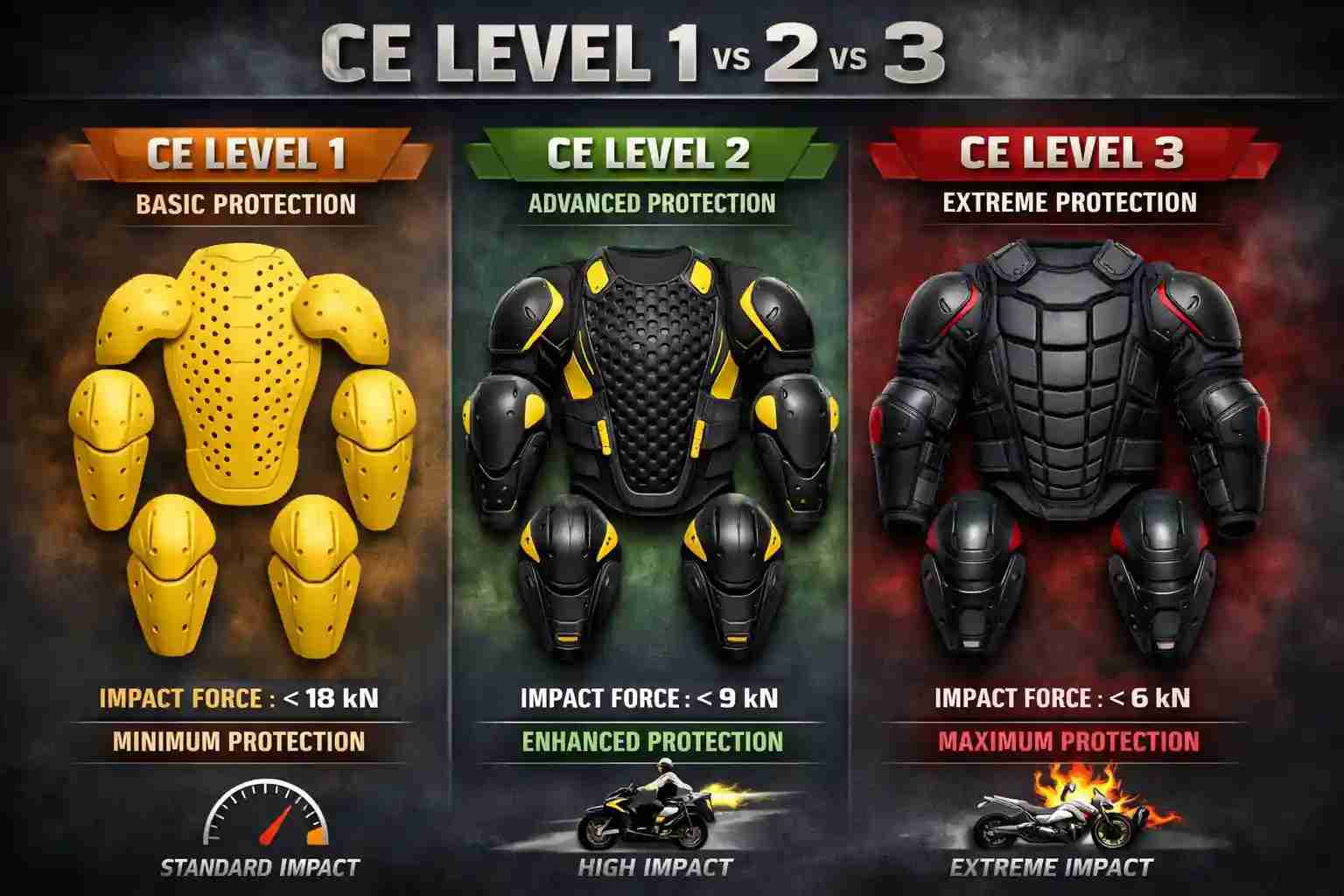
- Armored Jackets: Equipped with CE-rated padding on shoulders, elbows, and back.
- Wearable Airbags: Vest or jacket-integrated airbags that deploy on impact.
- Back Protectors: Rigid or flexible inserts that shield the spine.
- Gloves and Boots: Reinforced to protect hands and feet.
Combining these items creates a comprehensive safety system. It compensates for the single-use nature of airbags and enhances protection during accidents. Supplementary gear also supports motorcycle safety upgrades by providing better coverage and comfort.

Credit: www.wideworldofindoorsports.com
FAQs For Are Motorcycle Airbags Reusable
Are Motorcycle Airbags Reusable After Deployment?
No, motorcycle airbags are not reusable once deployed. They must be replaced to ensure proper protection in future accidents.
How Do Motorcycle Airbags Activate During A Crash?
Motorcycle airbags activate through sensors detecting sudden deceleration or impact. This triggers rapid inflation to protect the rider’s torso.
Can Motorcycle Airbags Be Reset Without Replacement?
No, motorcycle airbags cannot be reset. After deployment, the entire airbag system requires replacement for safety and functionality.
Do Motorcycle Airbags Improve Rider Safety Significantly?
Yes, motorcycle airbags reduce injury severity by cushioning impact forces. They provide crucial protection to the chest and torso areas.
Conclusion
Motorcycle airbags offer important protection during crashes. Most airbags are designed for one-time use only. After deployment, they usually need to be replaced. This helps ensure your safety in future rides. Check your airbag’s manual for specific reuse rules. Always inspect the system after any impact.
Staying informed keeps you safer on the road. Choose gear that fits your needs and budget. Safety matters more than anything else. Keep your equipment updated and ready to protect you.