Are Motorcycle Airbags Worth It: Essential Safety or Overhyped Gear?

If you ride a motorcycle, safety is probably always on your mind. You might have heard about motorcycle airbags and wondered if they’re really worth it.
Could this extra gear make a difference in protecting you during a crash? Or is it just another expensive add-on that won’t help much? You’ll get clear answers to these questions. By the end, you’ll know exactly if motorcycle airbags are a smart choice for your safety and peace of mind.
Keep reading—you owe it to yourself to find out.

Credit: www.rideapart.com
Benefits Of Motorcycle Airbags
Motorcycle airbags offer a new level of protection for riders. These devices are designed to deploy during a crash, helping to protect vital body parts. The benefits of motorcycle airbags go beyond basic safety gear. They provide advanced motorcycle protection that traditional gear cannot match. Understanding these benefits helps riders decide if the airbag system cost is worth it. Below, we explore key advantages such as enhanced protection, injury reduction, and effects on insurance.
Enhanced Rider Protection
Motorcycle airbags create a cushion around the rider’s chest, back, and neck when a crash occurs. This wearable safety gear inflates in milliseconds, absorbing impact forces that helmets and jackets alone cannot handle.
- Full upper body coverage: Protects ribs, spine, and collarbones.
- Rapid deployment: Airbags inflate instantly on impact or sudden deceleration.
- Integration with riding gear: Often built into jackets or vests for comfort and ease.
The airbag jacket effectiveness lies in its ability to reduce the risk of severe injuries by creating a protective barrier. This rider safety technology is especially useful in high-speed crashes or falls where blunt force trauma is common.
| Feature | Benefit |
|---|---|
| Inflation Speed | Less than 100 milliseconds for protection before impact |
| Coverage Area | Chest, back, collarbone, and neck |
| Compatibility | Compatible with various jacket styles and riding conditions |
Reduction In Injury Severity
One of the top motorcycle airbag benefits is lowering injury severity in crashes. Injuries like broken ribs, spinal damage, and collarbone fractures decrease with airbag use.
Injury prevention motorcyclerider impact reduction helps limit the damage to bones and organs.
- Reduces blunt force trauma by cushioning the body
- Prevents direct contact with hard surfaces like the pavement or bike parts
- Helps maintain rider posture during impact, lowering risk of spinal injuries
Studies show riders using airbags have fewer hospital visits and shorter recovery times. The airbag system cost often pays off by avoiding costly medical bills and long-term disability.
| Injury Type | Without Airbag | With Airbag |
|---|---|---|
| Rib Fractures | High Risk | Reduced by up to 70% |
| Spinal Injuries | Moderate Risk | Reduced by up to 60% |
| Collarbone Fractures | Common | Significantly Reduced |
Impact On Insurance Premiums
Using rider safety technology like motorcycle airbags can influence insurance costs. Many companies offer motorcycle insurance discounts for riders who use airbags.
This happens because airbags reduce injury risks and claims frequency. Insurers see riders with airbags as safer, leading to lower premiums.
- Discounts vary by insurer but may reach 5-15%
- Some providers require proof of airbag jacket effectiveness before offering discounts
- Combining airbags with other safety gear can increase savings
Below is an example of how airbags affect insurance costs:
| Insurance Plan | Standard Premium | Premium with Airbag | Discount Percentage |
|---|---|---|---|
| Plan A | $1,200 | $1,020 | 15% |
| Plan B | $950 | $855 | 10% |
| Plan C | $1,100 | $1,045 | 5% |
Choosing an airbag system can provide both safety and financial benefits. This motorcycle crash protection technology reduces risk and may save money on insurance.
Types Of Motorcycle Airbag Systems
Motorcycle airbags are an important part of Motorcycle Rider Safety Gear. They help reduce injuries during crashes. There are different types of Motorcycle Airbag Safety systems. Each type works in a unique way to protect riders. Knowing these types helps choose the right gear. The main categories include jacket-mounted airbags, bike-mounted airbags, and integrated airbag suits. Understanding these can improve Motorcycle Accident Prevention and increase comfort on the road.
Jacket-mounted Airbags
Airbag Motorcycle Jackets are popular for their ease of use. These jackets have airbags built into them. The airbags inflate quickly during a crash, protecting the rider’s chest, back, and sometimes shoulders.
- Activated by sensors inside the jacket or connected to the bike
- Lightweight and easy to wear
- Can be reused after inflation with some maintenance
Benefits of jacket-mounted airbags include:
| Feature | Details |
|---|---|
| Protection Area | Chest, back, and shoulders |
| Activation | Automatic with sensors or manual pull cord |
| Comfort | Light and breathable materials |
| Cost | Mid-range price |
These jackets offer good Motorcycle Crash Protection without adding bulk. They are ideal for riders wanting comfort and safety combined.
Bike-mounted Airbags
The Bike Airbag System is attached directly to the motorcycle. It inflates around the rider during a crash to reduce impact. This system uses sensors on the bike to detect sudden stops or falls.
- Mounted on the frame or handlebars
- Inflates in milliseconds when a crash is detected
- Provides a protective cushion around the rider
Advantages of bike-mounted airbags include:
- Does not require special clothing
- Works with any riding gear
- High-speed inflation for quick protection
Compared to jacket-mounted airbags, bike-mounted systems may offer broader Motorcycle Airbag Benefits. They protect the rider’s torso and reduce injury from direct impact with the bike or ground.
Integrated Airbag Suits
Integrated Motorcycle Airbag Suits combine protective clothing with advanced airbag technology. These suits have airbags built into the fabric, covering most of the rider’s body.
Features of integrated suits:
- Full-body protection including hips, chest, back, and shoulders
- Automatic inflation triggered by sensors
- High-quality materials for impact absorption
- Designed for racing and high-speed riding
These suits offer maximum Motorcycle Crash Protection and are used by professional riders. They provide the best safety but are usually heavier and more expensive than jackets.
The table below compares the three types:
| Type | Protection Area | Activation | Comfort | Price Range |
|---|---|---|---|---|
| Jacket-Mounted Airbags | Chest, back, shoulders | Automatic/manual | Lightweight | Mid-range |
| Bike-Mounted Airbags | Torso area | Automatic | None (attached to bike) | Mid to high |
| Integrated Airbag Suits | Full body | Automatic | Heavier | High-end |
Choosing the right system depends on riding style and budget. All systems improve Motorcycle Airbag Safety and can reduce injury risks.
Cost Considerations
Cost considerations play a big role in deciding if motorcycle airbags are worth it. These devices add an extra layer of protection but come with expenses beyond the initial price. Understanding all costs helps riders balance safety and budget. Motorcycle safety gear like airbag jackets is not cheap, yet they offer strong benefits for accident prevention. Evaluating the full cost, including purchase, maintenance, and long-term value, gives a clear picture of their worth.
Initial Purchase Price
The Airbag Motorcycle Jacket Cost can vary widely. Prices depend on brand, technology, and features. Basic models start around $500, while advanced versions with integrated electronics can reach $1,500 or more.
- Entry-level airbags provide essential protection at a lower cost.
- High-end models include sensors and faster deployment systems.
- Some jackets combine airbags with other protective motorcycle equipment.
Investing in a good airbag jacket means spending more upfront but gaining better safety technology. Below is a simple comparison table of typical costs:
| Type | Price Range | Key Features |
|---|---|---|
| Basic Airbag Jacket | $500 – $800 | Manual activation, basic protection |
| Mid-Range Jacket | $800 – $1,200 | Automatic sensors, better coverage |
| High-End Jacket | $1,200 – $1,500+ | Smart tech, fast deployment, extra padding |
Choosing the right airbag jacket means matching your needs and budget. The initial purchase price is just the first step in understanding the full cost of rider safety technology.
Maintenance And Replacement Costs
Owning motorcycle airbags involves ongoing expenses beyond buying the jacket. Airbag maintenance expenses include checking sensors, battery replacements, and cleaning. Regular maintenance keeps the system reliable.
The airbag replacement price is a major factor after deployment. Most airbags are single-use and need replacement after activation. Costs for replacements vary:
- Cartridge or gas canister replacement can range from $100 to $300.
- Sensor recalibration and technical checks may add $50 to $100.
- Some brands offer service packages for easier maintenance.
Ignoring maintenance can reduce the effectiveness of airbag motorcycle jackets. Proper care ensures the rider safety technology works in accidents. Consider these costs in your budget to avoid surprises.
Long-term Value
The value of motorcycle airbags goes beyond cost. They represent a long-term safety investment that can reduce injury severity. This protection can save medical bills and recovery time.
Here are some key points about long-term value:
- Enhanced protection improves overall motorcycle accident prevention.
- Airbag jackets may increase rider confidence and encourage safer riding habits.
- Durable materials extend the life of the gear, adding to its worth.
- Some insurance companies offer discounts for riders using airbags.
Considering the full lifespan, these protective motorcycle equipment pieces can be cost-effective. They balance upfront costs with safety benefits and potential savings. This makes motorcycle airbags a smart choice for many riders focused on long-term protection.
Real-world Performance
Real-world performance of motorcycle airbags shows how well these devices work outside the lab. Riders want to know if airbag safety features truly reduce injuries during crashes. Understanding motorcycle airbag effectiveness means looking at crash test motorcycle airbags, rider testimonials airbag usage, and airbag limitations riding conditions. This section breaks down these key points to help you decide if motorcycle airbags add value to your rider protection technology.
Crash Test Results
Crash test motorcycle airbags provide clear data on how well airbag safety features absorb impact. Laboratories use dummies to simulate real crashes, measuring forces on the body. Results show airbags reduce pressure on vital areas like the chest and neck.
- Impact absorption motorcycle gear lowers risk of serious injuries.
- Airbags inflate in milliseconds to cushion the blow.
- Tests compare airbags to traditional gear without airbags.
Here is a simple table summarizing typical crash test results:
| Test Type | Without Airbag | With Airbag | Improvement |
|---|---|---|---|
| Chest Impact Force (kN) | 8.5 | 4.2 | 50% reduction |
| Neck Strain (Nm) | 60 | 35 | 42% reduction |
| Head Injury Criterion (HIC) | 450 | 220 | 51% reduction |
These numbers confirm that motorcycle safety equipment with airbags lowers injury risks in controlled conditions. Crash test motorcycle airbags remain a trusted way to evaluate rider injury prevention.
Rider Testimonials
Rider testimonials airbag usage tell real stories about how airbags perform on the road. Many riders report feeling safer and more confident wearing airbag gear. Some share experiences where airbags activated during crashes and prevented serious harm.
- Common feedback: Airbags stopped harsh impacts to the chest and back.
- Riders noticed quicker recovery times after accidents.
- Some users said airbags made them more aware of safety.
Here are typical comments from motorcycle airbag reviews:
“My airbag activated in a fall. I had bruises but no broken ribs.”
“The gear felt bulky at first but was worth it after the crash.”
“It gave me peace of mind on long rides.”
These rider protection technology accounts show that airbags help in actual crashes. They add an extra layer beyond helmets and jackets. Motorcycle airbags are not just lab-tested but trusted by real riders.
Limitations In Different Scenarios
Airbag limitations riding conditions matter for understanding when airbags work best. Motorcycle airbags might not deploy in all crash types. Slow-speed falls or slides often do not trigger the system. Also, airbags mainly protect the upper body and may not help leg injuries.
- Airbags need a strong, sudden impact to inflate.
- Some designs only cover the torso, leaving limbs exposed.
- Environmental factors like rain or dirt can affect sensors.
Here is a quick overview of airbag limitations by scenario:
| Scenario | Airbag Effectiveness | Notes |
|---|---|---|
| High-speed crash | High | Airbags deploy quickly, reduce impact |
| Low-speed fall | Low | May not trigger airbag |
| Slide on road | Medium | Limited protection, depends on sensors |
| Leg injury risk | Low | Airbags rarely cover legs |
Understanding these limits helps riders choose the best motorcycle safety equipment. Motorcycle airbags improve protection but cannot prevent all injuries. Combining airbags with good riding skills and protective gear offers the best rider injury prevention.
Compatibility And Comfort
Choosing the right Motorcycle Crash Airbags involves more than safety features. Compatibility and comfort play a key role in deciding if these airbags are worth it. Riders need gear that fits well and feels good during rides. Comfort affects how often you wear your Rider Safety Equipment. Compatibility ensures the airbag works smoothly with other gear like helmets and gloves. This section explores fitting, riding experience, and how weather affects Motorcycle Airbag Vest and jackets.
Fitting And Sizing Options
Finding the right size is vital for Impact Protection Motorcycle gear to work properly. An ill-fitting airbag jacket or vest might not deploy correctly or could cause discomfort. Most brands offer detailed Motorcycle Airbag Fitting Guide to help riders pick the best size.
- Measure chest, waist, and arm length carefully.
- Check sizing charts from the manufacturer.
- Try on gear with your usual riding clothes.
Some key fitting types include:
| Gear Type | Fitting Style | Benefits |
|---|---|---|
| Airbag Motorcycle Jacket | Slim, tailored | Better wind resistance and sleek look |
| Motorcycle Airbag Vest | Adjustable straps | Fits over other jackets easily |
| Hybrid Options | Modular panels | Customizable fit and protection levels |
Riding Gear Comfort rises with correct sizing. Too tight causes pressure points. Too loose may shift during rides. Choose gear that lets you move freely but stays secure. Proper fitting improves airbag response time and overall safety.
Impact On Riding Experience
Motorcycle Safety Gear should add protection without limiting movement. Motorcycle Crash Airbags might feel bulky at first but modern designs focus on comfort. Lightweight materials and ergonomic cuts reduce strain. Some riders report better confidence knowing they have Impact Protection Motorcycle gear active.
Benefits to riding experience include:
- Improved posture with supportive padding.
- Less fatigue from weight-balanced gear.
- Easy to wear with regular motorcycle jackets.
- Quick airbag inflation without restricting control.
Some challenges to consider:
- Initial adjustment period to new gear.
- Possible noise from airbag components during motion.
- Extra bulk may affect layering choices.
Overall, Riding Gear Comfort depends on design and rider preference. High-quality airbags blend safety with ease of use. Choose gear tested for both protection and comfort to enhance your ride.
Weather And Environmental Factors
Weather Resistance Motorcycle Gear is crucial for all riders. Airbag jackets and vests must handle rain, heat, and cold without losing function. Materials used in Environmental Factors Motorcycle Gear protect airbags from moisture and dirt. Breathable fabrics keep riders cool during hot days.
Key weather considerations:
- Waterproofing: Keeps airbag system dry and operational.
- Ventilation: Allows airflow to reduce sweat.
- Temperature control: Insulation for cold weather rides.
- UV protection: Prevents material fading and damage.
Table below shows common materials and their weather benefits:
| Material | Weather Benefit | Use in Gear |
|---|---|---|
| Gore-Tex | Waterproof and breathable | Airbag Motorcycle Jackets |
| Mesh Panels | High ventilation | Summer Riding Gear |
| Thermal Liner | Insulation in cold | Winter Airbag Vests |
Environmental Factors Motorcycle Gear must also resist dust and debris. Maintenance is key to keep airbags functioning. Clean and store gear properly after rides in tough conditions. This care ensures long-lasting protection and comfort.

Credit: www.youtube.com
Alternatives To Airbags
Motorcycle airbags have gained attention as a form of advanced rider protection. Yet, many riders seek alternatives to airbags for impact protection and motorcycle accident prevention. Various options in protective riding apparel and motorcycle safety gear offer safety without airbags. Exploring these alternatives helps riders choose gear that fits their needs and riding style.
Traditional Protective Gear
Traditional protective riding apparel remains a trusted choice for many motorcyclists. This gear focuses on impact protection through materials designed to absorb shocks and reduce injuries during a crash. Common items include:
- Leather Jackets: Durable and abrasion-resistant, leather jackets protect skin during slides.
- Armored Pants: Reinforced with padding on hips and knees for better impact absorption.
- Gloves: Protect hands with reinforced knuckles and palms.
- Boots: Provide ankle support and protect feet from injury.
Many traditional gear pieces include CE-rated armor for standardized impact protection. This armor is often removable and placed in key areas such as shoulders, elbows, and back. The table below summarizes key features of typical protective riding apparel:
| Gear Type | Protection Focus | Material | Common Features |
|---|---|---|---|
| Leather Jacket | Abrasion resistance, impact pads | Thick leather | Shoulder, elbow armor; ventilation |
| Armored Pants | Hip and knee impact protection | Kevlar, textile blends | CE armor inserts; stretch panels |
| Gloves | Knuckle and palm protection | Leather, synthetic fabrics | Reinforced padding; wrist straps |
| Boots | Foot and ankle support | Leather, rubber soles | Steel toes; ankle armor |
Traditional protective gear offers reliable safety without complex technology. Many riders combine these items for full-body protection.
Advanced Helmet Technologies
Helmet safety features continue to improve, enhancing rider airbag systems with smarter designs. Helmets are crucial in motorcycle safety gear, protecting the most vulnerable part of a rider’s body: the head.
Modern helmets include technologies such as:
- Multi-directional Impact Protection System (MIPS): Reduces rotational forces during crashes.
- Crash Detection Technology: Sensors inside helmets can detect impacts and trigger emergency alerts.
- Improved Ventilation Systems: Keep riders comfortable, encouraging helmet use.
- Lightweight Composite Materials: Offer better protection without added weight.
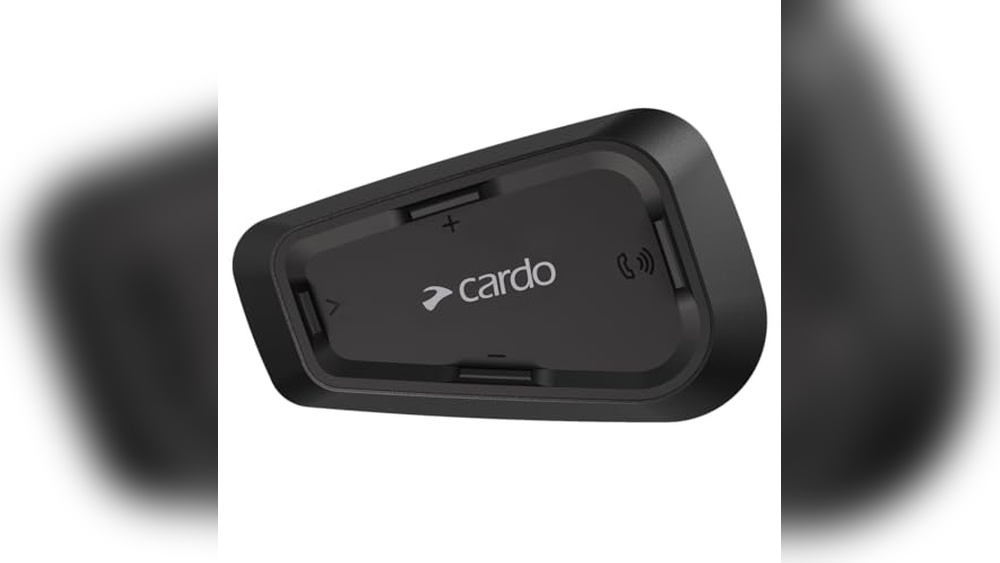
Some helmets integrate electronic rider aids for added safety. For example, Bluetooth systems allow riders to stay connected without distraction. Others have built-in HUDs (Heads-Up Displays) for navigation and speed data.
Here’s a simple comparison of helmet safety features:
| Feature | Benefit | Example |
|---|---|---|
| MIPS | Reduces brain injuries from twisting impacts | Several premium helmets include MIPS |
| Crash Detection | Alerts emergency contacts after a crash | Specialized smart helmets |
| Composite Shells | Better protection with less weight | Carbon fiber helmets |
| Bluetooth Integration | Hands-free communication, music, GPS | Popular with touring riders |
Advanced helmet technologies enhance rider safety without adding bulk. They complement traditional gear and rider airbag systems well.
Electronic Safety Systems
Electronic rider aids improve motorcycle accident prevention by supporting rider control. These systems reduce risks and enhance safety beyond physical gear.
Common electronic safety systems include:
- Anti-lock Braking System (ABS): Prevents wheel lockup during hard braking.
- Traction Control: Limits wheel spin on slippery surfaces.
- Cornering ABS: Helps maintain stability when braking in turns.
- Blind Spot Detection: Alerts riders to vehicles in blind spots.
- Adaptive Cruise Control: Maintains safe distance from other vehicles.
These systems act as electronic rider aids that reduce crash risks. They work well alongside physical motorcycle safety gear and rider airbag systems.
Below is an overview of key electronic safety systems:
| System | Function | Benefit |
|---|---|---|
| ABS | Prevents wheel lock during braking | Improved stopping control, reduced skid |
| Traction Control | Limits wheel spin on various surfaces | Better grip, safer acceleration |
| Blind Spot Detection | Monitors adjacent lanes | Increased awareness, fewer lane-change crashes |
| Adaptive Cruise Control | Maintains distance from vehicles ahead | Reduces rider fatigue, improves safety |
Integrating electronic safety systems with protective riding apparel and helmet safety features creates a strong safety net. Riders gain multiple layers of protection beyond airbags.
Credit: www.motodeal.com.ph
Common Answer For Are Motorcycle Airbags Worth It
What Are The Benefits Of Motorcycle Airbags?
Motorcycle airbags provide extra protection by absorbing impact during crashes. They reduce injury severity, especially to the chest and torso. This safety feature enhances rider confidence and can save lives by minimizing trauma in accidents.
How Do Motorcycle Airbags Work?
Motorcycle airbags use sensors to detect sudden deceleration or impact. When triggered, the airbag inflates instantly around the rider’s upper body. This rapid inflation cushions the rider and reduces injury from collisions or falls.
Are Motorcycle Airbags Compatible With All Bikes?
Most motorcycle airbags are designed to fit a wide range of bikes. However, compatibility depends on the airbag system type, such as jacket-mounted or bike-integrated models. Always check manufacturer guidelines to ensure proper fit and functionality.
Do Motorcycle Airbags Increase Riding Costs?
Motorcycle airbags can increase costs due to purchase price and maintenance. Jackets with airbags are more expensive than standard gear. However, the added safety benefit often outweighs the initial investment for many riders.
Conclusion
Motorcycle airbags offer extra protection during accidents. They can reduce injury risks and save lives. The cost may be higher, but safety matters most. Every rider should think about their own needs. Wearing proper gear always helps in any ride.
Airbags are not perfect but add valuable safety. Choose what fits your budget and comfort. Stay safe and enjoy your motorcycle journeys.