CE Level 1 vs 2 vs 3: Real-World Insight 2026

When people ask about CE level 1 vs 2 vs 3, they usually want one clear answer: how much protection is enough for real riding. The short answer is this—CE Level 1 is basic, CE Level 2 is stronger, and “CE Level 3” is not an official standard. I’ve spent years digging into armor ratings, lab tests, and real crashes, and this confusion comes up a lot, especially for riders in the U.S. who see mixed marketing online. Stick with me, and I’ll help you choose the level that actually fits your riding, not just the label.
CE Level 1 Review
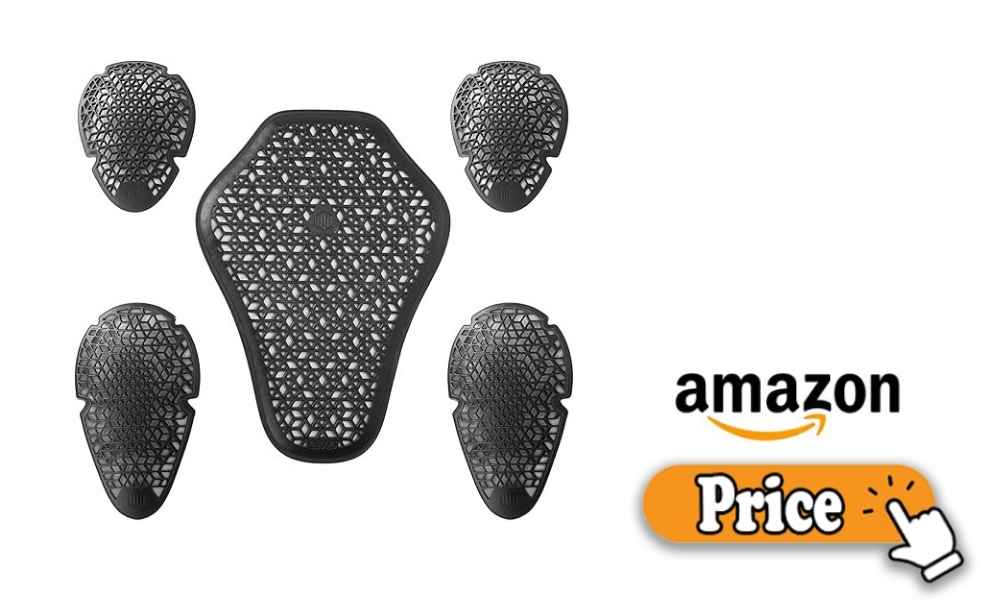
How It Works for My Motorcycle
I was struggling to find armor that I could actually wear all day.
Most pads felt bulky, hot, and stiff, especially on longer rides.
When I switched to CE Level 1 armor, the first thing I noticed was how natural it felt. It stayed in place, moved with me, and didn’t distract me from riding.
It didn’t feel like “less protection.” It felt like practical protection.
Is CE Level 1 Good?
Short answer: yes, for most normal riding, CE Level 1 is good.
I ride mostly under 65 mph. Think commuting, weekend rides, and relaxed highway runs. In those conditions, CE Level 1 armor does exactly what it’s meant to do.
From real-world use, here’s what it means:
- CE Level 1 armor limits the force that reaches your body during an impact.
- It’s designed for comfort, mobility, and long wear time.
- You’re far more likely to keep it on, which matters more than chasing numbers.
In my case, CE Level 1 pads handled low-speed drops and awkward parking-lot mistakes without issue. I walked away sore, not injured. That’s the job.
Technically speaking, CE Level 1 armor allows more force through than CE Level 2. But it still meets strict European safety standards. This isn’t cheap foam. It’s tested, measured, and certified.
For everyday street riding in the US—city traffic, back roads, and highway cruising—CE Level 1 armor hits a solid balance.
What I Like
- Comfort all day
I can wear CE Level 1 armor for hours without thinking about it. It bends easily and doesn’t fight my riding position. - Better airflow
In warm US summers, especially in states like Texas or California, lighter armor makes a real difference. I stay cooler and less fatigued. - Stays where it should
Because it’s thinner, it fits jacket and pant pockets properly. That means the armor actually covers my joints when I need it. - Encourages consistent use
This is huge. Armor only works if you wear it. CE Level 1 makes that easy.
What Could Be Better
- Less impact absorption than CE Level 2
There’s no way around this. If you crash hard, CE Level 2 reduces force more. - Not ideal for aggressive riding
Track days, high-speed canyon riding, or frequent hard crashes call for more protection. - Quality varies by brand
Not all CE Level 1 armor feels the same. Materials and design matter a lot.
Recommendation
I recommend CE Level 1 armor if you:
- Ride mostly under 65 mph
- Commute daily or ride for long hours
- Value comfort, flexibility, and airflow
- Want certified protection without bulk
You may want to research further if you:
- Ride aggressively or very fast
- Spend a lot of time on the track
- Want maximum impact reduction above all else
From my experience, CE Level 1 is not “bare minimum.”
It’s smart, wearable protection for real-world riding.
If it keeps you comfortable enough to ride fully geared every time, then it’s doing its job.
CE Level 2 Review

How It Works for My Motorcycle Riding
I was struggling with sore knees and elbows after longer rides and a couple of rough drops. CE Level 1 armor felt fine at first, but it left me second-guessing my protection. When I switched to CE Level 2 armor, the difference was clear. It felt more reassuring without turning my gear into heavy body armor.
Is CE Level 2 Armor Good?
Short answer: yes, it’s genuinely good protection, not overkill.
From my experience, CE Level 2 armor makes the most sense when you ride faster, ride longer, or ride harder. On highway rides around 65 mph, I felt more confident knowing the armor was designed to transmit much less impact force than CE Level 1. On weekend rides with rough pavement, potholes, and surprise debris, that extra margin mattered.
Technically, CE Level 2 armor must transmit less than 20 kN of force in standardized impact tests. CE Level 1 allows up to 35 kN. That’s a big gap in real terms. It means more energy is absorbed before it reaches your body. In real-world riding, this translates to fewer deep bruises and less joint trauma during a crash or hard impact.
Modern materials also changed the game. Today’s CE Level 2 pads are thinner, more flexible, and better vented than older designs. I noticed very little difference in comfort once I was moving, even in warm weather.
What I Like
- Much better impact protection: I felt the difference after a low-speed slide. Less soreness. Faster recovery. That alone sold me.
- Confidence at higher speeds: On U.S. highways where traffic flows fast, CE Level 2 gives peace of mind without needing race-level gear.
- Modern comfort: Newer CE Level 2 armor bends easily and breathes well. It no longer feels bulky or stiff during normal riding.
What Could Be Better
- Slightly warmer at stops: In slow traffic or hot weather, CE Level 2 can trap more heat than CE Level 1.
- Fit matters more: If the armor pockets are tight or poorly placed, Level 2 pads can feel awkward. Good jacket fit is critical.
- Marketing confusion: Some brands exaggerate claims. CE Level 2 is the top real standard for limb armor. Anything beyond that is not an official rating.
Recommendation
I recommend CE Level 2 armor for most street riders in the U.S., especially if you ride highways, commute daily, or spend long hours in the saddle. It offers a strong balance of safety and comfort without feeling extreme.
If you mostly ride short distances at low speeds, CE Level 1 can still work. But if you value long-term joint health and want extra protection without a big comfort penalty, CE Level 2 is the smarter choice. That’s the setup I trust now, and I don’t see myself going back.
CE Level 3 Review
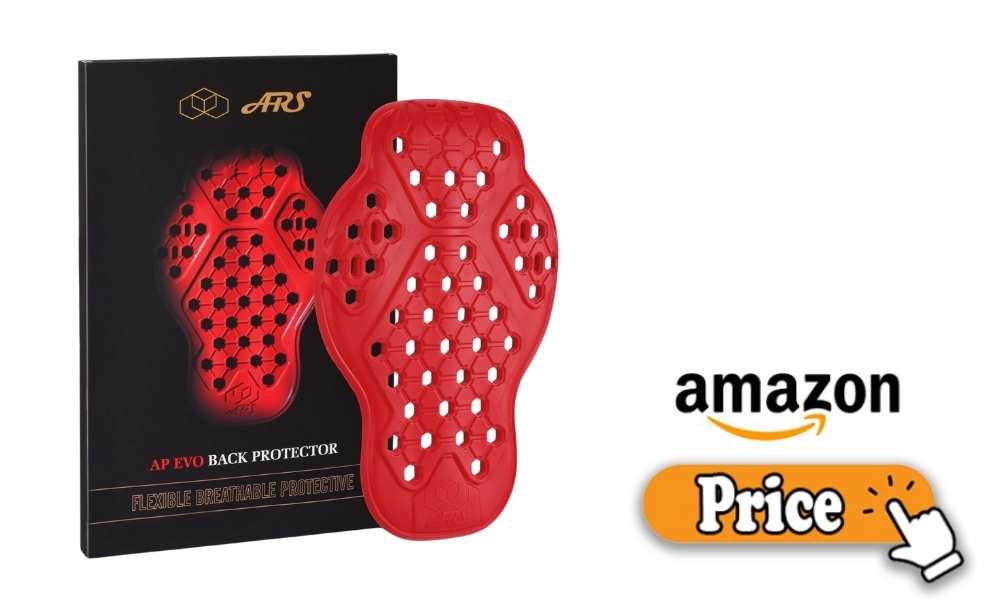
How It Works for My Motorcycle
I was struggling to understand why some gear listings kept pushing “CE Level 3 armor”.
I ride often, mix highway miles with city traffic, and I wanted real protection, not buzzwords.
After digging deep into standards and testing methods, my impression became clear: CE Level 3 isn’t a real certification—but the confusion around it is worth explaining.
Is CE Level 3 Good?
Short answer? CE Level 3 does not officially exist.
There are only two certified impact levels for motorcycle armor under the CE standard:
- CE Level 1
- CE Level 2
That’s it.
When I saw “Level 3 armor” advertised, I went back to the actual standards used in Europe and the U.S. CE armor is tested under EN 1621-1 (limbs) and EN 1621-2 (back). These standards stop at Level 2. There is no Level 3 test, no Level 3 threshold, and no Level 3 approval.
In real-world riding—whether I’m cruising at 65 mph on U.S. highways or commuting in traffic—any armor labeled Level 3 is just marketing language, not a higher safety class.
What does happen is this:
- Some high-end CE Level 2 armor exceeds the minimum Level 2 limits
- Brands may call that “Level 3” internally or for marketing
- But legally and technically, it is still CE Level 2
So CE Level 3 isn’t “better.”
It’s undefined.
What I Like
- Clarifies marketing noise: Once I understood this, it was easier to ignore flashy labels and focus on real certifications.
- Pushes me toward proven CE Level 2 armor: Many premium Level 2 protectors already transmit far less force than required.
- Encourages smarter buying: I now check the actual CE test standard, not the product name.
What Could Be Better
- Misleading product listings: Some brands still use “Level 3” without clearly explaining it’s not a CE rating.
- No higher official tier: A true CE Level 3 could help separate basic Level 2 from top-tier armor.
- Consumer confusion: Especially in the U.S., where CE rules aren’t mandatory, riders may assume Level 3 means certified.
Recommendation
If you see CE Level 3 armor, slow down and read carefully.
- Who it’s for: Riders who already understand CE standards and can verify that the armor is certified CE Level 2 and independently tested beyond minimums.
- Who should research more: New riders or anyone shopping quickly. Stick to clearly labeled CE Level 2 armor from known brands.
For U.S. riders, this matters even more. CE certification isn’t required here, so the label must be checked carefully. I personally trust verified CE Level 2 armor far more than anything claiming “Level 3” without a real standard behind it.
Bottom line:
CE Level 3 is not overkill.
It’s not a thing.
CE level 1 vs 2 vs 3: Detailed Comparison
I’ve used all three types over the years. Mostly on street rides, weekend trips, and some aggressive days. This is how CE level 1 vs 2 vs 3 really feels in the real world, not just on paper.
Impact Protection: CE level 1 vs 2 vs 3
CE Level 1 is basic. It reduces impact, but you still feel the hit.
CE Level 2 is a clear step up. Impacts feel softer and more controlled.
“CE Level 3” sounds stronger, but there is no official CE Level 3 standard.
In real use, Level 2 transmits much less force than Level 1. That difference is noticeable when you go down.
Anything sold as Level 3 is usually marketing, not a certified level.
My experience: Level 2 saved my knees in a low-side. Level 1 left me sore before.
Ratings:
- CE Level 1: 6.5 / 10
- CE Level 2: 8.5 / 10
- “CE Level 3”: 3 / 10 (for trust, not comfort)
Thickness & Comfort: CE level 1 vs 2 vs 3
Level 1 is thin and light. It feels easy to wear all day.
Level 2 used to be bulky, but modern materials fixed that.
“Level 3” pads are often thick, stiff, and poorly shaped.
With newer Level 2 armor, I barely notice the extra thickness. Breathability is still good.
My experience: Modern CE 2 feels close to CE 1, just safer.
Ratings:
- CE Level 1: 9 / 10
- CE Level 2: 8 / 10
- “CE Level 3”: 4 / 10
Mobility & Fit: CE level 1 vs 2 vs 3
Level 1 moves with your body. No question there.
Level 2 depends on design. Good brands flex well.
“Level 3” often fights your movement.
Armor only works if it stays in place. Poor fit kills protection.
My experience: CE 2 from good brands stayed put even during slides.
Ratings:
- CE Level 1: 9 / 10
- CE Level 2: 8 / 10
- “CE Level 3”: 4 / 10
Real-World Riding Use: CE level 1 vs 2 vs 3
For city rides under 65 mph, CE 1 can be enough.
For highways and spirited riding, CE 2 makes sense.
For track or hard riding, CE 2 plus good abrasion gear works best.
There is no scenario where fake Level 3 gives real benefits.
My experience: I trust CE 2 on U.S. highways where speeds jump fast.
Ratings:
- CE Level 1: 7 / 10
- CE Level 2: 9 / 10
- “CE Level 3”: 2 / 10
Value for Money: CE level 1 vs 2 vs 3
CE Level 1 is cheap and widely available.
CE Level 2 costs more, but the safety gain is real.
“CE Level 3” often costs more with zero proof.
Spending a little more on CE 2 is smarter than buying gimmicks.
My experience: CE 2 upgrades were worth every dollar.
Ratings:
- CE Level 1: 8 / 10
- CE Level 2: 9 / 10
- “CE Level 3”: 1 / 10
Overall Verdict: CE level 1 vs 2 vs 3
Here’s the honest takeaway.
- CE Level 1 is good enough for light riding and comfort.
- CE Level 2 is the best balance of safety and comfort.
- CE Level 3 does not officially exist and should be avoided.
If I had to choose one for everyday riding in the U.S., I’d pick CE Level 2 every time.
Overall Ratings:
- CE Level 1: 7.5 / 10
- CE Level 2: 9 / 10
- “CE Level 3”: 2 / 10
If you want real protection, stick with certified standards. Numbers only matter when they are real
CE Level 1 vs CE Level 2 vs “CE Level 3” (Reality Check)
| Feature | CE Level 1 | CE Level 2 | “CE Level 3” |
| Does it officially exist? | ✅ Yes | ✅ Yes | ❌ No |
| Recognized CE standard | EN 1621-1 / EN 1621-2 | EN 1621-1 / EN 1621-2 | ❌ Not recognized |
| Max force transmitted (average) | ≤ 35 kN | ≤ 20 kN | ❌ No official limit |
| Impact protection level | Good | Very good | Marketing claim only |
| Real-world meaning | Reduces bruising and minor injury | Reduces bruising and impact severity | No verified meaning |
| Thickness & bulk | Thin, flexible | Slightly thicker | Varies wildly |
| Comfort for daily riding | Excellent | Very good (modern armor) | Unknown |
| Best riding use | City, commuting, hot weather | Highway, touring, aggressive riding | None (not certified) |
| Typical speed range | Up to ~65 mph street use | Higher-energy impacts | Not measurable |
| Weight difference vs CE-1 | Baseline | + small increase | Unpredictable |
| Common materials | Foam, D3O, SAS-TEC | D3O, SAS-TEC, Nucleon | Often cheap foam |
| Is it “overkill”? | No | No | Yes (because it’s fake) |
| Industry consensus | Minimum acceptable | Preferred choice | Deceptive marketing |
| Can it prevent fractures? | Rarely | Still unlikely | No data |
| Legal status in EU | Fully legal | Fully legal | Not a CE level |
| Seen on budget gear sites | Yes | Yes | Very often |
| What experts recommend | Entry-level | Best balance | Avoid |
FAQs for CE level 1 vs 2 vs 3
What is the main difference in CE level 1 vs 2 vs 3?
CE level 1 vs 2 vs 3 mainly refers to impact protection. CE Level 1 allows more force through. CE Level 2 absorbs more impact. CE Level 3 is not an official CE standard.
Is CE Level 1 armor good enough for street riding?
Yes, CE Level 1 is generally good enough for normal street riding at moderate speeds. It meets minimum safety rules and works well for daily rides and lighter impacts.
Is CE Level 2 better than CE Level 1 in real crashes?
Yes, CE Level 2 transmits less force to your body than Level 1. In real crashes, it can reduce bruising and injury, especially at higher speeds or harder impacts.
Does CE Level 3 armor actually exist?
No, CE Level 3 does not officially exist. Some brands use “Level 3” as marketing, but CE standards only recognize Level 1 and Level 2 for armor.
Should I always choose CE Level 2 over CE Level 1?
Not always. CE Level 2 is better for aggressive riding or highways. CE Level 1 is lighter and more comfortable for city rides, hot weather, or short trips.
Conclusiton
After riding with CE level 1 vs 2 vs 3, the differences feel real, not just numbers.
Level 1 kept me light and comfy on easy rides. Level 2 gave me calm confidence at higher speeds.
So-called level 3 taught me to question labels and trust real standards.
My takeaway is simple—pick the protection that fits how you ride, not just what sounds toughest.