Do Motorcycle Airbags Work: Life-Saving Tech You Can Trust

Are you curious if motorcycle airbags really protect you when it counts? When you’re riding, your safety is everything.
Knowing whether these airbags work can give you peace of mind or help you decide if they’re worth the investment. You’ll discover how motorcycle airbags function, their real benefits, and what experts say about their effectiveness. Keep reading to find out if this safety gear could be a game changer for your next ride.
How Motorcycle Airbags Operate
Understanding how motorcycle airbags operate is key to appreciating their role in rider safety. These systems are part of modern motorcycle safety gear designed to reduce injuries during crashes. The airbag inflation mechanism activates quickly to protect vital areas of the rider’s body. This quick response is critical because motorcycle accidents happen fast, and every millisecond counts. Rider safety technology in airbags includes sensors and smart systems that detect crashes and deploy the airbag almost instantly, improving motorcycle crash protection.
Activation Mechanisms
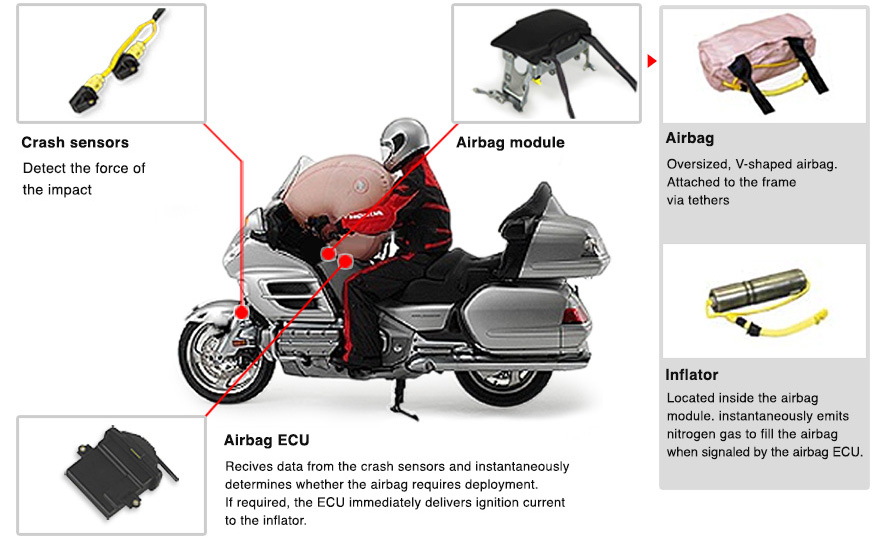
The airbag activation sensors are the heart of the airbag system. These sensors monitor the motorcycle’s movement and the rider’s position to detect impacts. They use impact detection systems such as accelerometers and gyroscopes. When a sudden stop or collision is detected, the system triggers the airbag to inflate. The airbag deployment speed is extremely fast, often less than 100 milliseconds.
- Accelerometers: Detect rapid deceleration or impact forces.
- Gyroscopes: Measure the bike’s tilt and rotation, identifying crashes.
- Pressure sensors: Track the rider’s position and movement.
The airbag inflation mechanism uses compressed gas or chemical propellants to fill the airbag quickly. This rapid inflation cushions the rider’s chest, neck, and back, reducing injury risk. The system is designed to work only in serious crashes to avoid false activations. Below is a simple table showing key features of activation mechanisms:
| Component | Function | Importance |
|---|---|---|
| Impact Detection Sensors | Detect crash forces and bike movement | Trigger airbag deployment |
| Airbag Inflation Mechanism | Inflates airbag quickly | Protects rider from injury |
| Control Unit | Processes sensor data | Decides when to deploy airbag |
Types Of Airbags
There are several types of motorcycle airbags available, each offering different levels of protection. The main categories include:
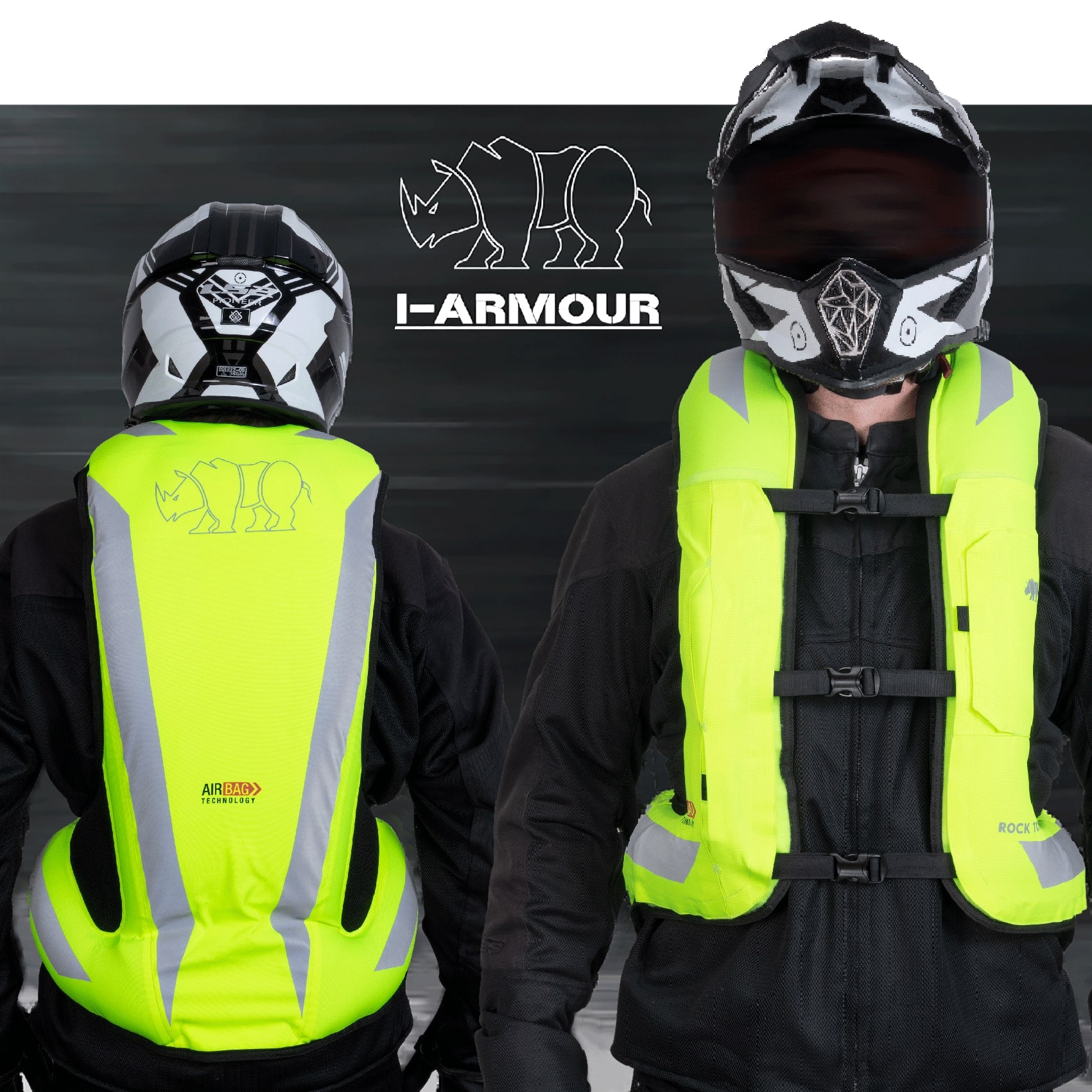
- Wearable Motorcycle Airbags: These are integrated into jackets or vests. They inflate around the rider’s torso and neck.
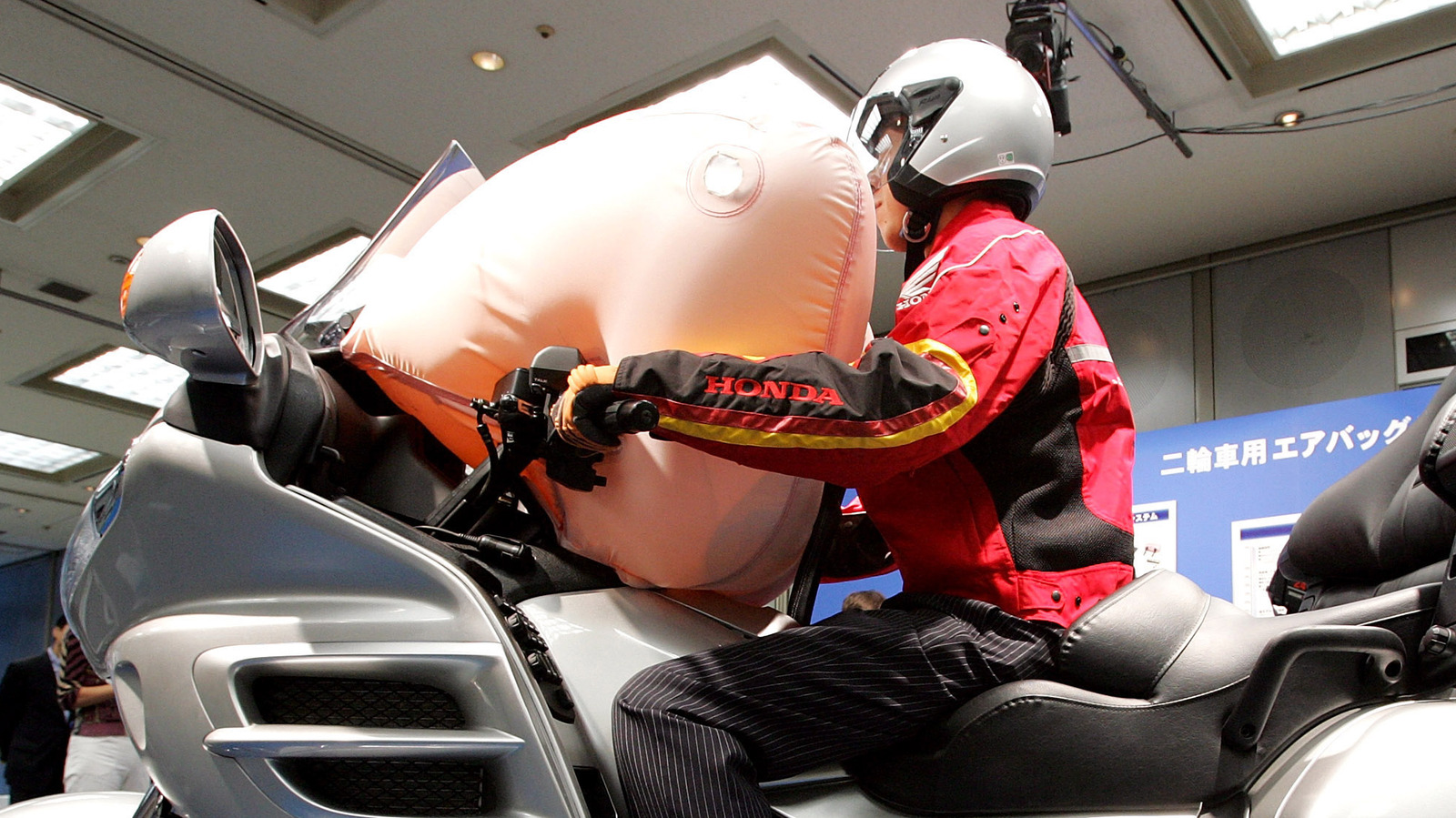
- Motorcycle-Mounted Airbags: Installed on the bike itself, usually at the front, to protect the rider during frontal impacts.
- Hybrid Systems: Combine wearable gear with bike-mounted airbags for extra safety.
Wearable motorcycle airbags use small sensors in the gear that detect sudden movements or impacts. These airbags inflate to protect the chest, spine, and collarbone areas. They are lightweight and do not restrict movement.
Motorcycle-mounted airbags deploy in frontal crashes, acting like car airbags. They help reduce the force of impact on the rider’s body by cushioning the collision. These systems rely heavily on the bike’s impact detection systems.
Here is a comparison table of the main types:
| Type | Location | Protection Area | Activation |
|---|---|---|---|
| Wearable Airbags | Rider’s jacket or vest | Chest, neck, back | Rider’s movement and impact sensors |
| Motorcycle-Mounted Airbags | Front of motorcycle | Rider’s torso | Bike’s impact detection sensors |
| Hybrid Systems | Both rider and motorcycle | Comprehensive protection | Combined sensors |
Motorcycle airbag effectiveness depends on the type and proper use. Choosing the right system improves rider safety and reduces injury severity.
Credit: www.airbagmotorocktool.com
Safety Benefits Of Airbags
Motorcycle airbags are a significant advancement in Motorcycle Safety Equipment. These devices offer an extra layer of protection beyond helmets and jackets. The Airbag Safety Technology is designed to activate instantly during a crash. This quick response can help reduce the severity of injuries. Riders benefit from Wearable Airbag Systems that inflate around the body to absorb impact forces. Understanding the Safety Benefits of Airbags shows why they are becoming essential for Motorcycle Accident Prevention and Injury Mitigation.
Impact Reduction
The primary goal of motorcycle airbags is Crash Impact Reduction. These systems inflate in milliseconds after detecting a collision. The inflated airbag acts as a cushion, lowering the force transferred to the rider’s body. This reduction in impact can greatly decrease the risk of serious injuries. Key points about impact reduction include:
- Rapid Deployment: Airbags inflate within 20-40 milliseconds after impact detection.
- Force Absorption: The airbag absorbs energy, reducing stress on bones and organs.
- Pressure Distribution: Airbags spread out the crash force over a larger area.
Here is a simple comparison of force levels with and without airbags:
| Impact Scenario | Force Without Airbag | Force With Airbag | Reduction Percentage |
|---|---|---|---|
| Frontal Collision | 100% | 60% | 40% |
| Side Collision | 100% | 55% | 45% |
Rider Impact Protection improves because airbags reduce the sudden jolt to the body. This leads to fewer broken bones and less internal damage. The Airbag Deployment Mechanisms work with sensors that detect rapid deceleration or abnormal movement. This precise detection ensures airbags activate only during serious crashes, avoiding false deployments.
Protection Areas
Wearable Airbag Systems cover critical body parts vulnerable in motorcycle crashes. The design focuses on protecting areas that often suffer severe injuries. These include:
- Chest and Rib Cage: Protects vital organs like the heart and lungs.
- Back and Spine: Reduces risk of spinal injuries and paralysis.
- Neck and Collarbone: Helps prevent fractures and whiplash.
- Abdomen: Shields internal organs from heavy impact.
Many Protective Gear For Motorcyclists integrate airbags into jackets or vests. This approach keeps the airbag close to the body, ensuring quick inflation where it matters most. The coverage also helps with overall Motorcycle Airbag Effectiveness by stabilizing the rider during a crash.
Below is a breakdown of protection areas in common airbag gear:
| Gear Type | Protection Areas | Airbag Coverage |
|---|---|---|
| Jacket Airbags | Chest, Back, Neck | High |
| Vest Airbags | Chest, Spine, Collarbone | Medium |
| Suit Airbags | Full upper body, Neck, Abdomen | Very High |
The inclusion of airbags in Motorcycle Safety Equipment enhances rider protection significantly. These systems complement helmets and pads, offering a broader safety net. They are an important step forward in reducing injury severity during crashes.
Limitations And Challenges
Motorcycle airbags are a key part of rider protection equipment designed to reduce injuries during crashes. Despite their benefits, these airbags have certain limitations and challenges that affect their overall effectiveness. Understanding these challenges helps riders make better choices about safety gear. This section explains two major factors: deployment timing and environmental factors. Both influence airbag reliability and impact absorption during accidents.
Deployment Timing
One crucial factor in motorcycle airbag effectiveness is airbag deployment timing. The airbag must inflate within milliseconds after a crash is detected to protect the rider properly. If the airbag deploys too late, it cannot absorb the impact efficiently. Too early deployment can also cause problems, such as distracting the rider or inflating during non-crash events.
Airbag sensor technology plays a vital role in detecting a crash and triggering deployment. Sensors analyze data like:
- Sudden deceleration
- Changes in direction
- Impact force
These inputs help the airbag decide the right moment to inflate. However, the challenge lies in making crash detection systems sensitive enough to act quickly but not so sensitive that they cause false deployments.
| Deployment Timing | Effect on Rider Safety |
|---|---|
| Too Early | Distraction; possible injury from inflation |
| Optimal | Maximum impact absorption and injury reduction |
| Too Late | Reduced protection; injury risk remains high |
Improving airbag deployment timing requires ongoing advances in sensor technology and crash algorithms. Proper calibration of these systems is critical for motorcycle accident prevention and rider safety.
Environmental Factors
The environment also affects motorcycle airbag reliability and performance. Weather conditions, temperature, and humidity can impact airbag sensor technology and material behavior. These factors influence the airbag’s ability to deploy and absorb impact effectively.
Common environmental challenges include:
- Extreme cold or heat affecting sensor sensitivity
- Moisture causing sensor malfunctions or corrosion
- Dirt and debris interfering with sensor signals
Motorcycle safety features must withstand these conditions to maintain airbag effectiveness. Manufacturers design airbags and crash detection systems with protective casings and weatherproofing, but no system is perfect. Riders should check their equipment regularly, especially after riding in harsh environments.
| Environmental Factor | Possible Impact on Airbag | Preventive Measures |
|---|---|---|
| Cold Temperature | Slower sensor response | Use insulated sensor covers |
| High Humidity | Corrosion risk | Sealed sensor units |
| Dirt/Debris | Signal interference | Regular cleaning and inspections |
Environmental impact on airbags can reduce their reliability. Understanding these factors helps improve motorcycle accident prevention through better maintenance and smarter design.
Credit: global.honda
Comparing Airbags To Other Safety Gear
Understanding the effectiveness of motorcycle airbags requires comparing them to other common riding safety equipment. Airbags provide a new layer of protection but do not replace traditional gear. Exploring how airbags stack up against helmets and protective clothing clarifies their role in motorcycle accident prevention. Each piece of gear serves a unique purpose in rider protective systems.
Helmets Vs. Airbags
Helmets remain the most critical item for motorcycle crash protection. They protect the head from severe injury by absorbing impact forces during a crash. Helmet safety comparison shows that helmets reduce head injuries by up to 70%. Airbag technology for riders focuses on protecting the torso and neck, areas helmets do not cover.
Key differences between helmets and airbags:
- Helmets: Protect the skull and brain from direct impact.
- Airbags: Protect the chest, back, and neck by absorbing shock.
- Helmets are mandatory in most regions; airbags are optional equipment.
- Helmets work passively; airbags require sensors to deploy during a crash.
| Feature | Helmets | Airbags |
|---|---|---|
| Protection Area | Head and face | Torso, spine, neck |
| Impact Absorption | High | Moderate to high |
| Use Requirement | Usually mandatory | Optional |
| Activation | Always active | Deploys on crash detection |
Helmet safety comparison confirms helmets prevent fatal head injuries best. Airbag vests offer additional impact absorption motorcycle gear benefits but do not replace helmets. Combining both enhances motorcycle crash protection.
Airbags Vs. Protective Clothing
Protective motorcycle gear includes jackets, pants, gloves, and boots designed to reduce injury. Most protective clothing uses abrasion-resistant materials and armor pads to shield elbows, knees, and shoulders. Airbag vest benefits complement protective clothing by cushioning critical body parts during impact.
Airbags add a new dimension to rider protective systems. They inflate quickly to absorb shock and reduce blunt force trauma. Protective clothing alone cannot absorb high-impact forces as effectively. Motorcycle airbag effectiveness improves with proper use alongside traditional gear.
Comparison of airbags and protective clothing:
- Protective Clothing: Prevents cuts, scrapes, and minor impacts.
- Airbags: Reduce force on vital organs during crashes.
- Both improve overall motorcycle accident prevention.
- Protective clothing works all the time; airbags activate only during crashes.
| Feature | Protective Clothing | Airbags |
|---|---|---|
| Material | Abrasion-resistant textiles with armor | Inflatable air chambers |
| Protection Type | Abrasion and minor impact | High-impact absorption |
| Activation | Passive | Active (on crash detection) |
| Coverage | Elbows, knees, shoulders, hips | Chest, back, neck |
Using airbags with protective clothing creates a layered defense system. This combination optimizes motorcycle crash protection and increases rider safety. Both types of gear are essential parts of riding safety equipment for serious riders.
Real-world Crash Data
Understanding how effective motorcycle airbags are requires looking at real-world crash data. This data shows how airbags perform outside the lab, in actual crashes. It reveals how airbag safety features help reduce injuries and save lives. By studying this, riders can better grasp the value of motorcycle safety equipment like airbags. Real crash reports give insight into airbag deployment systems and their role in rider injury prevention.
Case Studies
Several real-world airbag case studies highlight the benefits of airbags in crashes. One study tracked riders who wore airbag vests during accidents. The results showed fewer serious injuries compared to riders without airbags.
- Example 1: A rider hit by a car at 30 mph suffered only minor bruises because the airbag absorbed most impact forces.
- Example 2: In a high-speed crash, the airbag deployed instantly, protecting the chest and back from severe trauma.
These examples point to how crash impact protection from airbags can reduce injuries like broken ribs or internal damage. Another study compared injuries before and after riders started using airbag jackets:
| Injury Type | Without Airbag | With Airbag |
|---|---|---|
| Chest Injuries | 45% | 15% |
| Spinal Injuries | 30% | 10% |
| Head Injuries | 25% | 20% |
This table shows how airbag technology advancements contribute to better protection. The lower injury rates prove airbags’ role in motorcycle accident statistics. These protective gear for motorcyclists are vital for safer rides.
Statistical Analysis
Data from multiple crash reports reveals clear trends in motorcycle airbag effectiveness. Riders using airbags have a lower risk of serious injury. Statistics show:
- 30-50% reduction in chest and back injuries.
- 15-25% lower hospital stay length.
- Faster recovery times for riders with airbags.
These numbers come from studies comparing riders with and without airbags. The statistics confirm that airbag safety features make a difference in crashes.
Airbag deployment systems activate within milliseconds. This quick response improves crash impact protection by cushioning the rider before hitting the ground or other objects. The following points summarize key findings:
- Airbags reduce force on the chest and spine.
- They help prevent fractures and internal injuries.
- Airbags work best combined with helmets and armored clothing.
According to motorcycle accident statistics, riders using airbags often avoid critical injuries. This evidence supports investing in motorcycle safety equipment for better protection on the road.
Maintenance And Cost Considerations
Motorcycle airbags add an important layer to Rider Safety Technology by offering extra protection during crashes. Understanding Maintenance and Cost Considerations helps riders decide if these devices fit their needs. Motorcycle Protective Gear like airbag vests or jackets requires proper care to keep Crash Detection Sensors working well. The Cost Of Motorcycle Airbags and the Accessibility Of Airbag Technology affect how many riders can benefit from this Impact Absorption Motorcycle Gear. This section explores Installation and Upkeep, plus Pricing and Accessibility of wearable motorcycle safety devices.
Installation And Upkeep
Installing an airbag system on a motorcycle or wearing an airbag vest requires attention to detail. Proper installation ensures the Crash Detection Sensors activate correctly during an accident. Most airbag vests for motorcyclists come ready to wear, but some models need connection to the bike’s electronics.
Key steps in installation and upkeep:
- Follow manufacturer instructions carefully for initial setup.
- Charge or replace batteries regularly to keep sensors active.
- Check for software updates to improve system response.
- Inspect the airbag material for tears or damage before each ride.
- Test sensor calibration annually or after any hard impact.
Regular Airbag System Maintenance extends the life of the protective gear and ensures Motorcycle Airbag Effectiveness. Neglect can lead to sensor failures or airbags not deploying in time. Some systems require professional service, while others allow riders to perform basic checks themselves. Below is a comparison of upkeep needs for common types of wearable motorcycle safety devices:
| Type of Gear | Installation | Maintenance | Sensor Checks |
|---|---|---|---|
| Airbag Vest | Wearable, plug-and-play | Battery charging, fabric inspection | Monthly or before rides |
| Jacket with Integrated Airbag | Wearable, no extra setup | Battery charging, dry cleaning only | Monthly or after crashes |
| Motorcycle-Mounted Airbag | Professional installation required | Sensor calibration, system diagnostics | Annual or post-impact |
Pricing And Accessibility
The Cost Of Motorcycle Airbags varies widely. Simple airbag vests start at a few hundred dollars. Integrated jackets or advanced motorcycle-mounted airbags can cost over a thousand dollars. Riders must weigh price against the benefits of added protection.
Several factors affect the Accessibility Of Airbag Technology:
- Brand and model reputation
- Availability in local markets or online stores
- Compatibility with existing motorcycle gear
- Warranty and customer support quality
Many riders hesitate due to price, but wearable motorcycle safety devices often prove valuable after accidents. Some insurance companies offer discounts for using Impact Absorption Motorcycle Gear. A rough pricing guide helps:
| Type of Airbag Gear | Typical Price Range (USD) | Notes |
|---|---|---|
| Basic Airbag Vest | $300 – $600 | Good for casual riders, easy to use |
| Integrated Airbag Jacket | $700 – $1,200 | Combines style and protection |
| Motorcycle-Mounted Airbag System | $1,000 – $2,500+ | Requires professional install, high tech |
Accessibility also improves as more manufacturers add airbag features to their Motorcycle Protective Gear lines. Riders can find affordable options suited to different budgets. The investment in Rider Safety Technology means better protection and peace of mind on the road.
Credit: www.slashgear.com
FAQs For Do Motorcycle Airbags Work
How Effective Are Motorcycle Airbags In Preventing Injuries?
Motorcycle airbags significantly reduce injury risk by cushioning impact during crashes. They protect vital areas like the chest and neck. Studies show airbags lower severe injury rates and improve rider safety. Proper fit and timely deployment are crucial for maximum protection.
Do Motorcycle Airbags Deploy Automatically During Accidents?
Yes, most motorcycle airbags deploy automatically using sensors that detect sudden deceleration or impact. This rapid deployment inflates the airbag in milliseconds to protect the rider. Some systems also include manual activation options for added control and safety.
Are Motorcycle Airbags Compatible With All Riding Gear?
Motorcycle airbags are designed to integrate with specific jackets or vests. Compatibility depends on the brand and model of the airbag system. Riders should ensure their gear supports the airbag for optimal functionality and comfort.
Can Motorcycle Airbags Prevent Fatal Injuries?
While not foolproof, motorcycle airbags greatly reduce the severity of injuries and improve survival chances. They cushion critical body parts during collisions, decreasing trauma. Combining airbags with helmets and protective gear offers the best protection.
Conclusion
Motorcycle airbags offer extra protection during crashes. They help reduce injuries by cushioning impact. Many riders feel safer wearing them on rides. Still, airbags do not replace safe driving habits. Always wear a helmet and follow traffic rules. Choosing the right gear matters for your safety.
Airbags can add valuable defense in dangerous situations. Consider trying them for peace of mind. Stay alert and ride carefully every time you hit the road. Safety gear, including airbags, supports smarter riding choices.