Are Motorcycles Easy to Maintain? My Honest Experience

When I first got into riding, one of my biggest questions was simple: are motorcycles easy to maintain? The short answer is yes—and no.
Bikes are not as complicated as cars. They have fewer parts, and most jobs can be done with basic tools in a garage. Oil changes, brake pads, and chain adjustments are all things you can learn fast. Once you get the hang of it, you’ll find the work less scary than it first looks.
But there’s a catch. Unlike cars, motorcycles need regular attention. The chain needs cleaning and oiling often. Tires wear quicker. Small issues show up faster, and if you ignore them, they can affect both safety and performance.
I like to think of it this way: cars forgive you if you slack off. Bikes don’t. A loose chain or low tire pressure can mess with how the bike rides. That’s why even simple maintenance matters more here.
So, are motorcycles easy to maintain? Yes, if you stay on top of the basics. No, if you expect them to run trouble-free with little care.
Also read : Why Is My Motorcycle Stalling: A Diagnostic Guide 2025
Basic Maintenance Tasks for Motorcycles
Most of the work you’ll do on a bike is simple. These are the jobs every rider should know:
- Oil changes – Easy and fast. Drain the old oil, swap the filter, and refill.
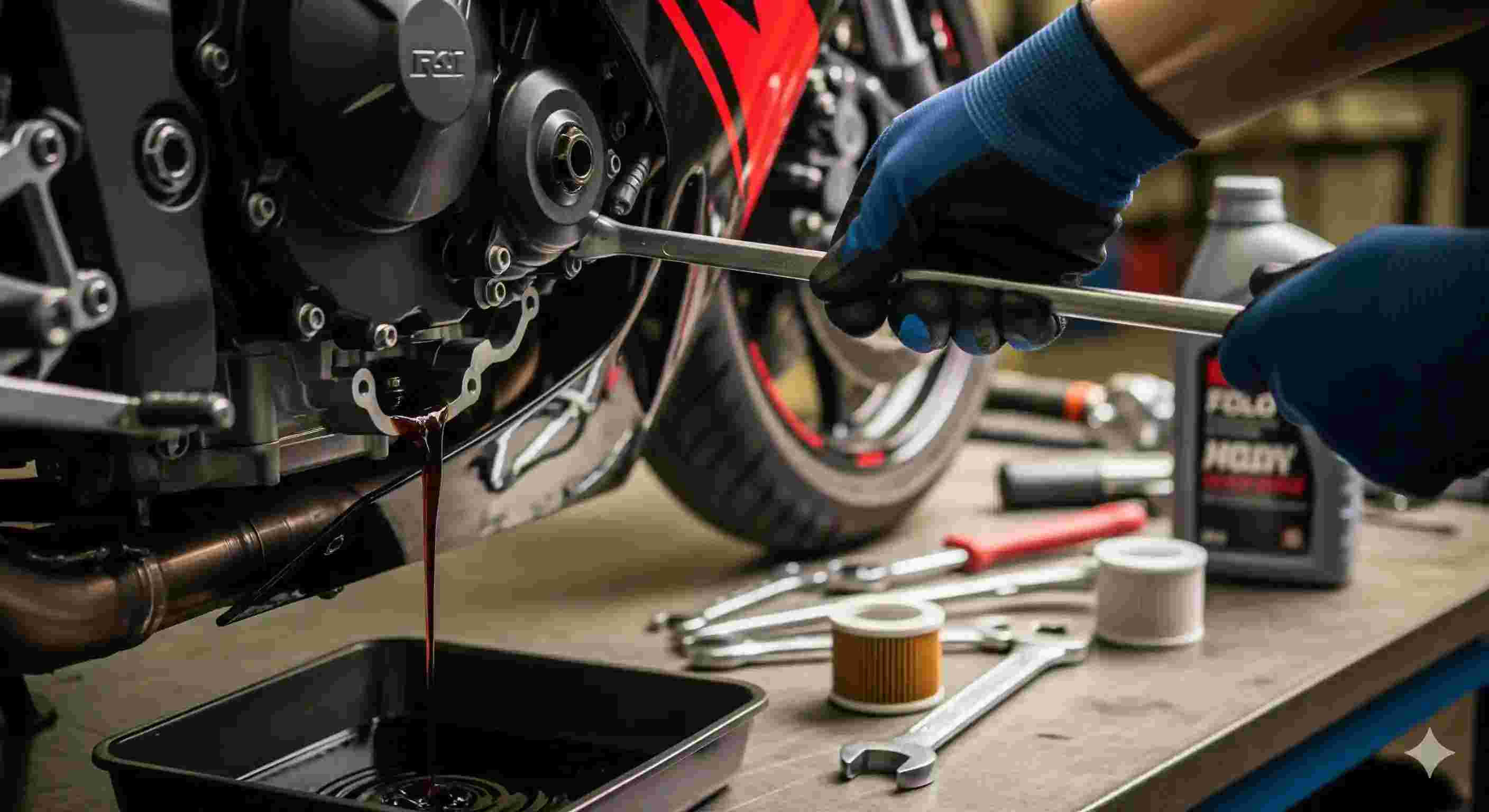
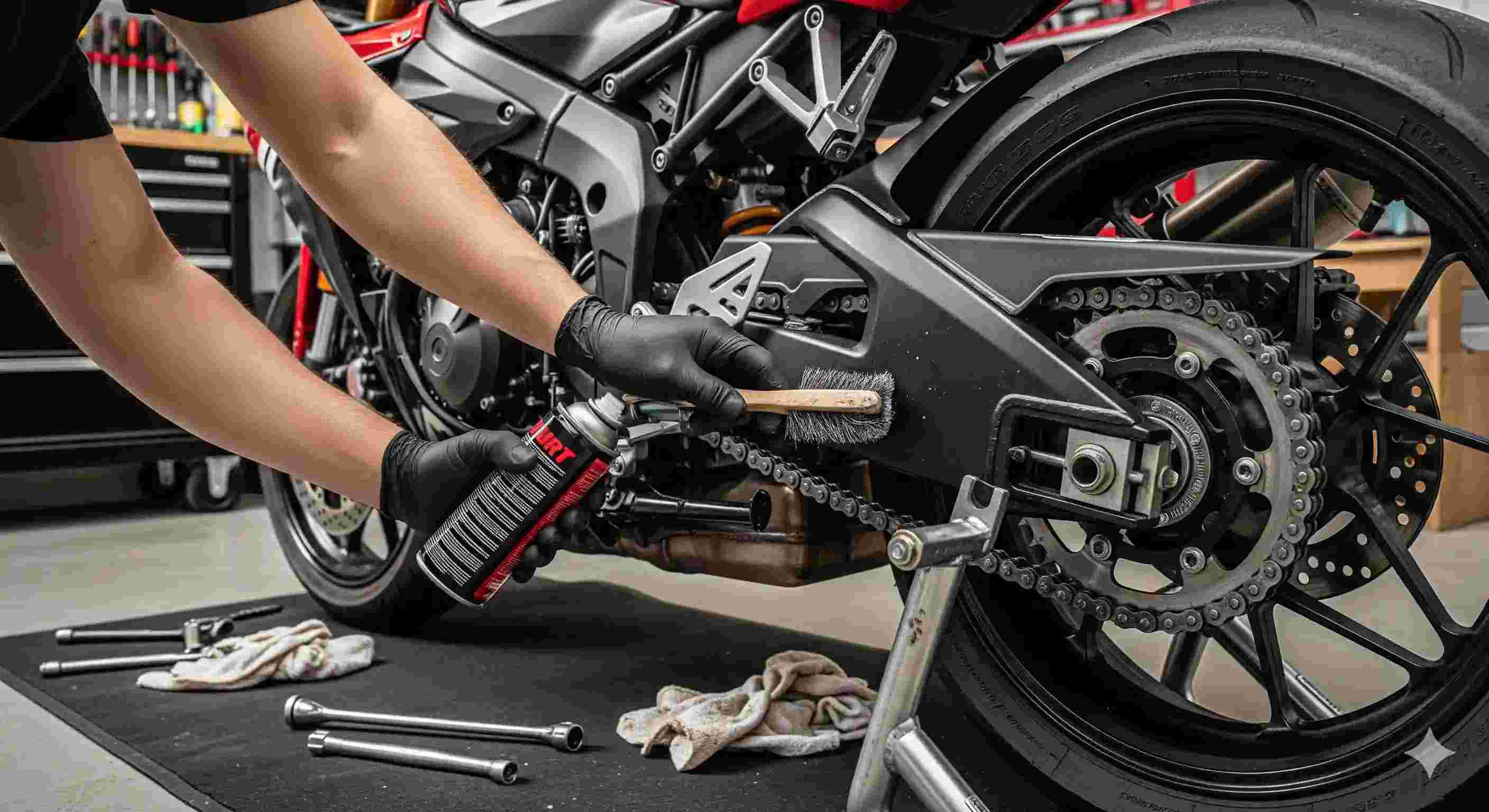
- Chain care – Clean, lube, and check tension. Do this every few hundred miles.
- Tire checks – Look for wear, cracks, and keep the pressure right.
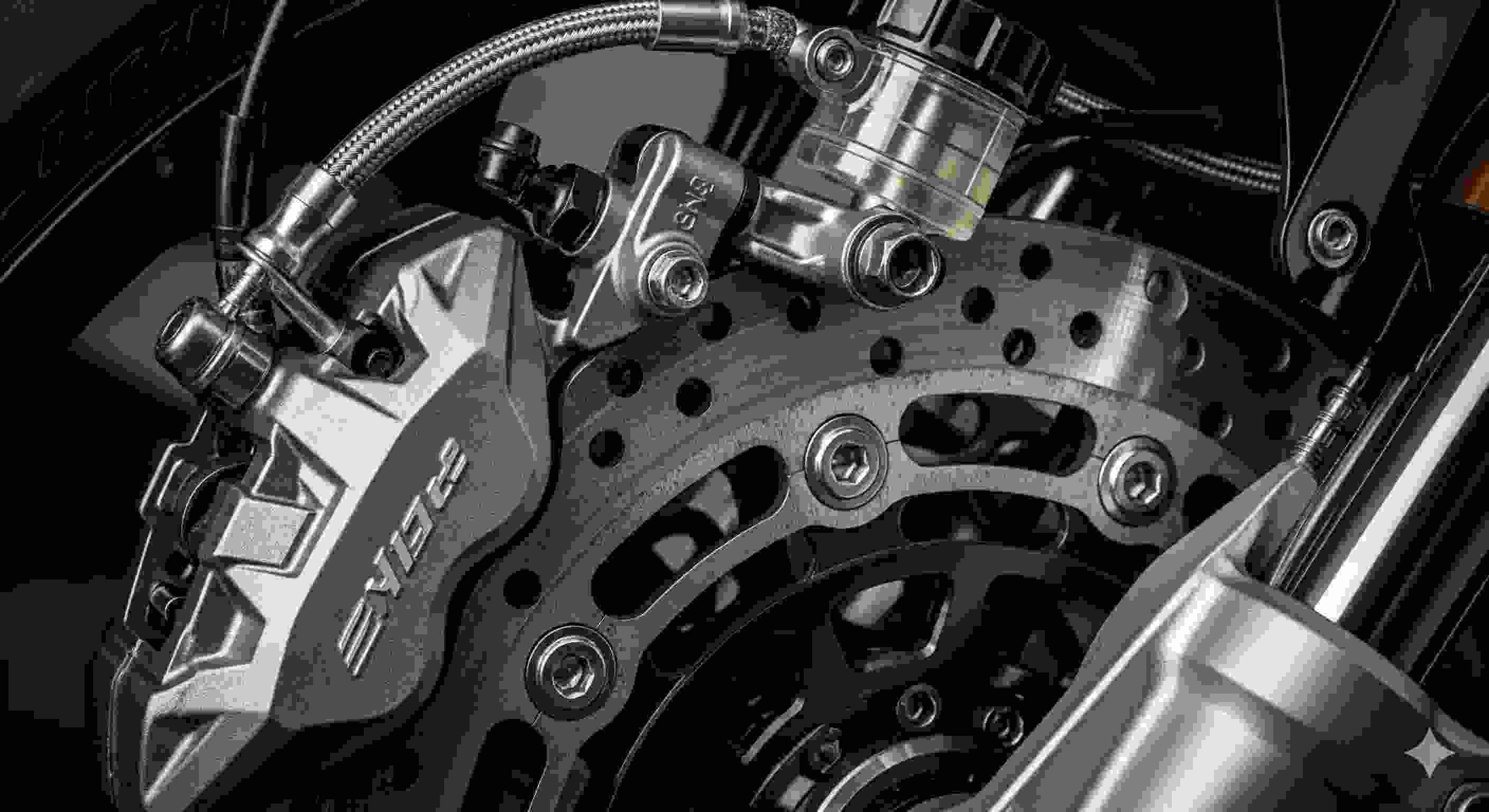
- Brake pads – Thin pads mean weak brakes. Swapping them is quick.
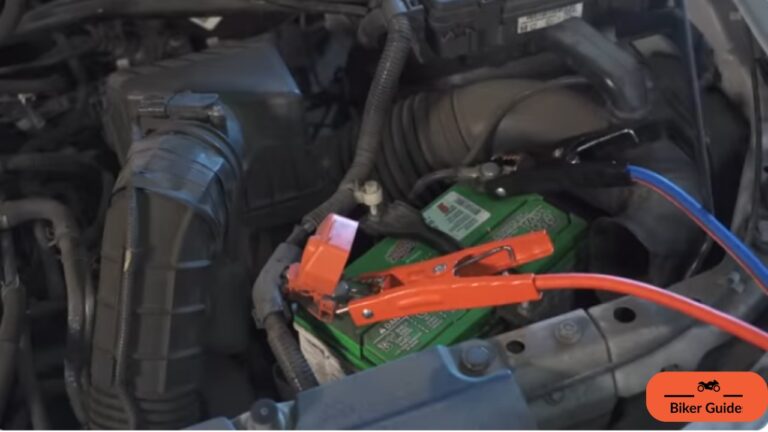
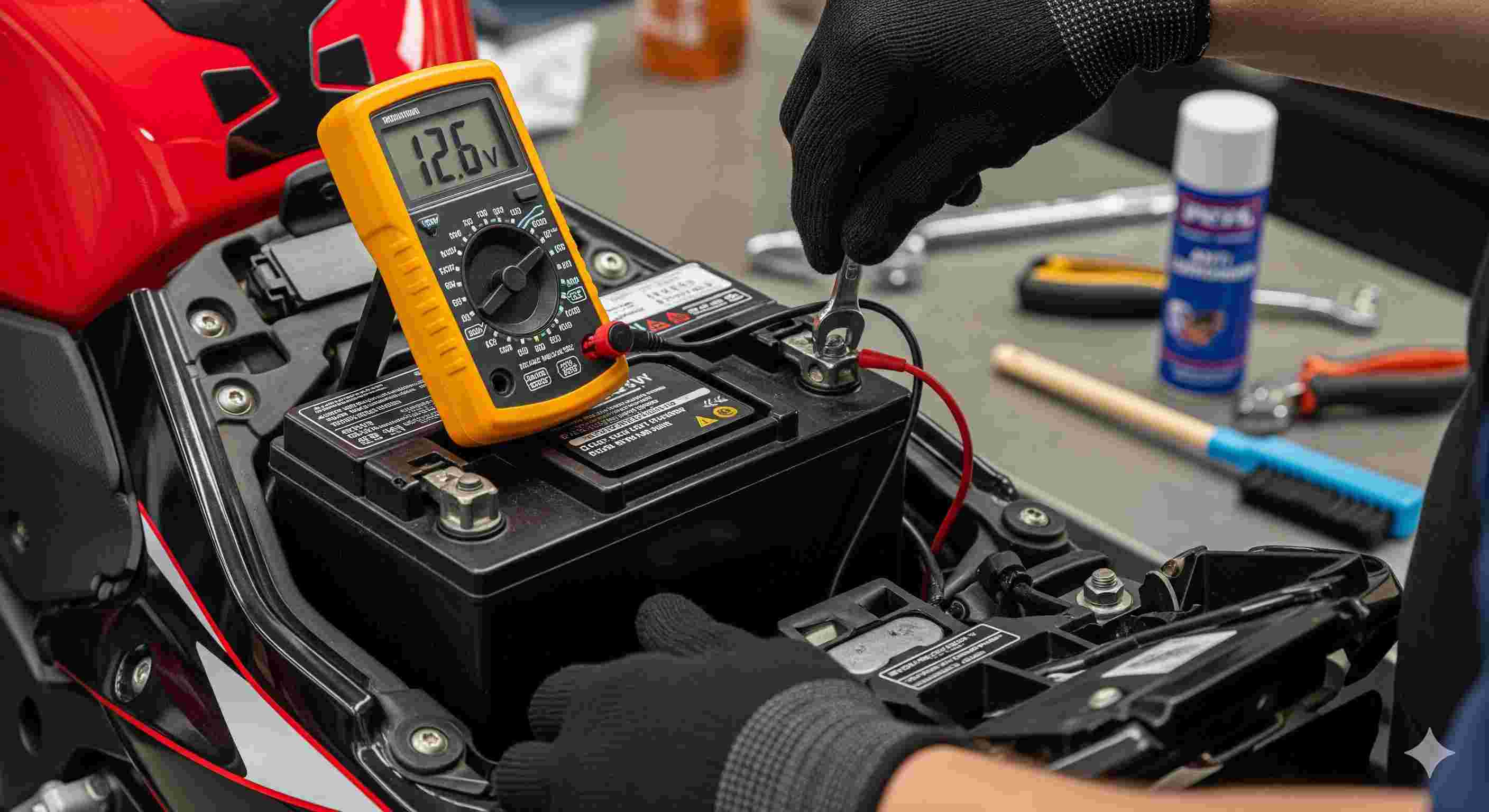
- Battery care – Keep it charged, especially if the bike sits for weeks.
None of this needs fancy tools or a shop visit. In fact, most of it takes less time than a trip to the mechanic. For me, cleaning and lubing the chain became part of the riding routine. It takes ten minutes, and the bike always feels smoother after.
The Range of Motorcycle Care
To know motorcycle care, you must see it as a range of jobs. It goes from daily habits to big services. We can put these jobs in levels. This gives riders a clear plan. It helps them know the work, the skills, and how often to do each task. This turns a long list of jobs into a simple plan.
Tier 1: The Pre-Ride Check (The “T-CLOCS” Plan)
The most common and basic level of care is also the easiest. It is also the most key for safety. This level is not about big, long jobs. It is about making quick, regular checks a habit. The Motorcycle Safety Foundation has a list called “T-CLOCS.” It is a full list for checks before a ride or each week. It is the base of safe ownership.
- Tires and Wheels: A bike’s tires are its only link to the road. Their state is vital for safety. This check means you look for things stuck in the tire. You look for cracks or odd wear. You also check the air pressure with a good gauge. The right pressure is in the owner’s book or on the bike.
- Controls and Cables: This means you check the throttle. It should move well and snap back when you let go. You also check the clutch and brake levers. They should work right and have some free play.
- Lights and Electrics: A simple key turn checks the lights. You check the headlight (high and low beams). You check the tail light and brake lights. You check the turn signals and the horn.
- Oil and Fluids: This means you check the engine oil level. You use the sight glass or dipstick. You also look under the bike for any drips of oil, coolant, or brake fluid.
- Chassis and Chain: This is a check of the frame and suspension parts. For bikes with a chain, you check the chain’s slack and shape.
- Stands: The last check is for the stands. The side stand and center stand should pull back right. They should not be bent or broken.
The great thing about this level is that it is part of your ride routine. You make these quick checks as you get ready. Then care feels less like a chore. It feels like part of the ride. This makes the whole job of care feel much easier.
Tier 2: Simple DIY Service (The Rider’s Main Skills)
This level has the basic “wrenching” jobs. Most owners can and should learn them. Learning these jobs saves a lot of money. It helps you be on your own. It also builds a better sense of your bike. These are often the first tasks that make a bike less of a mystery. They build the confidence to do harder jobs later.
- Oil and Filter Change: This is the most common service. You warm the engine for a few minutes. This makes the oil thin so it drains well. You drain the old oil. You take off the old oil filter. You put on a new filter. Then you fill the engine with the right kind and amount of oil. This job is simple. But it can be messy. On some bikes, you may need to take off plastic parts to get to the drain plug and filter.
- Chain Care: Most bikes have a chain. This is a very common care task. It means you clean the chain with a special cleaner. Then you put on a good chain lube. You should do this every 500 to 1,000 miles. You may need to do it more based on where you ride. To do this right, the back wheel must be off the ground. This needs a center stand or a paddock stand.
- Air Filter Service: The air filter keeps dirt out of the engine. It gets dirty over time. It must be cleaned or changed. The job is simple. But getting to the air filter can take time. You may have to take off the seat, fuel tank, or other parts.
- Battery Care: A bike’s battery needs simple but key care. You check the terminals for rust. You clean them if you need to. If you store your bike for a long time, like in winter, use a battery tender. This will keep the battery healthy. It will make sure the bike starts when you want to ride again.
These jobs are easy to learn. There are many videos online that show you how. They show step-by-step guides for many bike models. This makes it easy for a new person to follow along.
Tier 3: Timed Maintenance (The Sure DIYer)
These tasks are on the maker’s service plan. The plan is in the owner’s book. They are harder than simple services. They need more care and skill. They may also need special tools. Moving from Tier 2 to Tier 3 means you go from basic care to more technical work. A mistake here can be a bigger problem.
- Fluid Flushes: This is more than just checking fluids. It means you drain and change fluids like brake fluid and engine coolant. Brake fluid soaks up water from the air over time. This can make brakes work less well. It should be changed every one to two years. This job needs you to “bleed” the system. This makes sure no air bubbles are trapped. It is harder than an oil change. Changing the engine coolant is also a full drain and refill. This keeps the engine cool.
- Spark Plug Change: This is a simple job. You unscrew the old plugs and put in new ones. But how hard it is depends on how easy they are to reach. On many new, small bikes, you may have to take off the fuel tank and airbox to get to the spark plugs. This turns a quick job into a bigger one.
- Brake Pad Change: This is a key safety job. A home mechanic can do it. But it needs great care. You take off the brake caliper. You change the old pads. You clean the parts. You make sure it is all put back right. A bad brake job can lead to the brakes not working at all. This shows the high level of care needed at this tier.
To do well at this tier, you need good tools. A torque wrench is very important. It tightens bolts to the maker’s exact needs. You also need to be slow and careful.
Also read : Best Motorcycle Fuel Tank Maintenance Tips I’ll Never Ignore
Tier 4: The Pro Zone (Where DIY May Not Be Worth It)
This last tier has hard, exact jobs. They need special tools and deep knowledge. The risk of a big mistake is high. So for most riders, a pro is the best and safest choice. New bikes have more tech. This means more jobs are now in this group.
- Engine Internals: Jobs like valve checks and engine rebuilds need you to measure things to a tiny fraction of an inch. They use special tools. A mistake here can lead to poor running or a broken engine.
- Advanced Electronics and Fuel Systems: Finding and fixing problems with new fuel injection (EFI), anti-lock brakes (ABS), and engine computers (ECU) needs special diagnostic tools. These are usually only at shops. Even a full brake fluid flush on a bike with ABS may need a special tool to work the ABS pump.
- Suspension and Chassis Work: A sure owner might change fork oil. But a full rebuild of forks or shocks has high-pressure parts. It needs special tools and skills to do it safely. Checking the frame needs laser tools.
- Tire Mounting and Balancing: Some people mount their own tires. But most riders let pros do it. They have the right machines to do it safely. This makes sure the ride is smooth.
The way bikes change means the answer to “are they easy to care for” depends on the bike’s age and type. An old bike from the 1970s is simple. You can fix most of it with basic tools. A new bike is a complex web of computers. It can lock a home mechanic out of many key systems. This makes pro service a must, not a choice.
Levels of Motorcycle Care
| Tier | Example Jobs | How Often | Skill Level |
| Tier 1: Pre-Ride Check | Check tire air, look at chain, check fluids, test lights & horn. | Before each ride or weekly. | Beginner |
| Tier 2: Simple DIY Service | Change engine oil & filter, clean & lube chain, clean/change air filter, care for battery. | Every 3,000-5,000 miles or as per book/season. | Beginner |
| Tier 3: Timed Maintenance | Flush brake fluid, change coolant, change spark plugs, change brake pads. | Every 1-2 years or as per book’s miles. | Medium |
| Tier 4: The Pro Zone | Adjust valves, rebuild engine, check ABS, rebuild forks, mount tires. | As per big service times or as needed for fixes. | Professional |
Cost and Time: Bikes vs Cars
One of the biggest questions new riders ask is: Do motorcycles save money on upkeep? The short answer is yes, but it depends.
- Parts are smaller and cheaper. Tires, chains, and brake pads cost less than car parts.
- Labor is lower if you do it yourself. Most bike jobs are quick, so you can skip shop fees.
- Time is shorter. A full oil change on a bike takes 20 minutes. On a car, it can take longer and may need a lift.
That said, motorcycles need more frequent service. Tires wear faster. Chains need regular attention. Oil changes come up sooner than on cars. So while each task is easier and cheaper, you’ll be doing them more often.
From my own rides, I spend less money per job, but I’m in the garage more often than with my car. Still, I like that. It keeps me connected to the bike and I spot small problems before they turn big.
A Real Look at Ownership Costs
To fully know bike care, you must look at the money side. Bikes often cost less to buy than cars. But the long-term costs of care can be a surprise. The question of which is cheaper to care for is not simple. The answer depends on the models, how the owner uses them, and if they do their own work.
The Big Debate (Bike vs. Car Care Costs)
The question of if a bike or a car is cheaper to care for has many views. A clear picture comes when you look at costs in different ways.
- Why Bikes Might Be Cheaper: The main points for the bike’s low cost are the first price and running costs. They often cost less to buy. They get much better gas mileage. They often have lower insurance costs than cars. Also, because the systems are often simpler and easier to get to (especially on naked bikes and cruisers), many owners feel they can do their own care. This saves the high cost of pro labor.
- Why Cars Might Be Cheaper: The other side looks at the cost and life of parts that wear out. Bike parts, especially high-power ones, often wear out much faster than car parts.
- Tires: A set of bike tires might last only 6,000 to 10,000 miles. Car tires can last 50,000 miles or more. A pair of bike tires can cost almost as much as four for a car.
- Drivetrain: A chain and sprockets on a bike need regular care. They need to be changed every 15,000 to 20,000 miles. A car’s transmission may go 100,000 miles or more between fluid services.
- Engine Service: Spark plugs in a high-revving bike engine may need to be changed every 8,000 to 12,000 miles. In a new car, it is 100,000 miles.
- Parts Cost: Because fewer bikes are made, single bike parts can sometimes cost more than car parts.
The answer to this debate is to see the difference between “yearly cost” and “cost-per-mile.” Bike parts that wear out have a much shorter life in miles. So the cost-per-mile for things like tires and chains is much higher than a car’s. But many riders use their bikes for fun. They ride far fewer miles per year than in their main car. In this case, their total yearly care cost for the bike may be lower, even if the per-mile cost is higher. But for a rider who uses their bike for a long daily commute, the frequent changes of costly wear parts could make the bike more expensive to care for in the long run.
The Price of Parts and Labor
To plan for costs, you need to look at the real prices of common care jobs. This includes both parts and pro labor. Labor at bike shops is often $90 to $125 per hour. It can be more in some places or at special shops.
- Tires: A new set of good tires often costs between $300 and $500 for the parts. Pro installation adds a big labor cost. If you bring the whole bike to the shop, mounting and balancing can cost between $80 and $155 per tire.
- Chain and Sprockets: A new, good chain can cost up to $250. A full pro change of the chain and sprockets is often about $250 in labor.
- Brakes: Brake pads are not too costly. They are often $30 to $50 per set. But the labor for a pro change is a lot. It is about $75 to $99 per caliper. A brake fluid flush adds another $40 per master cylinder.
- Oil Change: For a DIY oil change, the cost is just for the parts: bike oil (about $9/liter for normal, $20/liter for synthetic) and an oil filter ($8-$16). A pro oil change adds about $50 to $65 in labor to that cost.
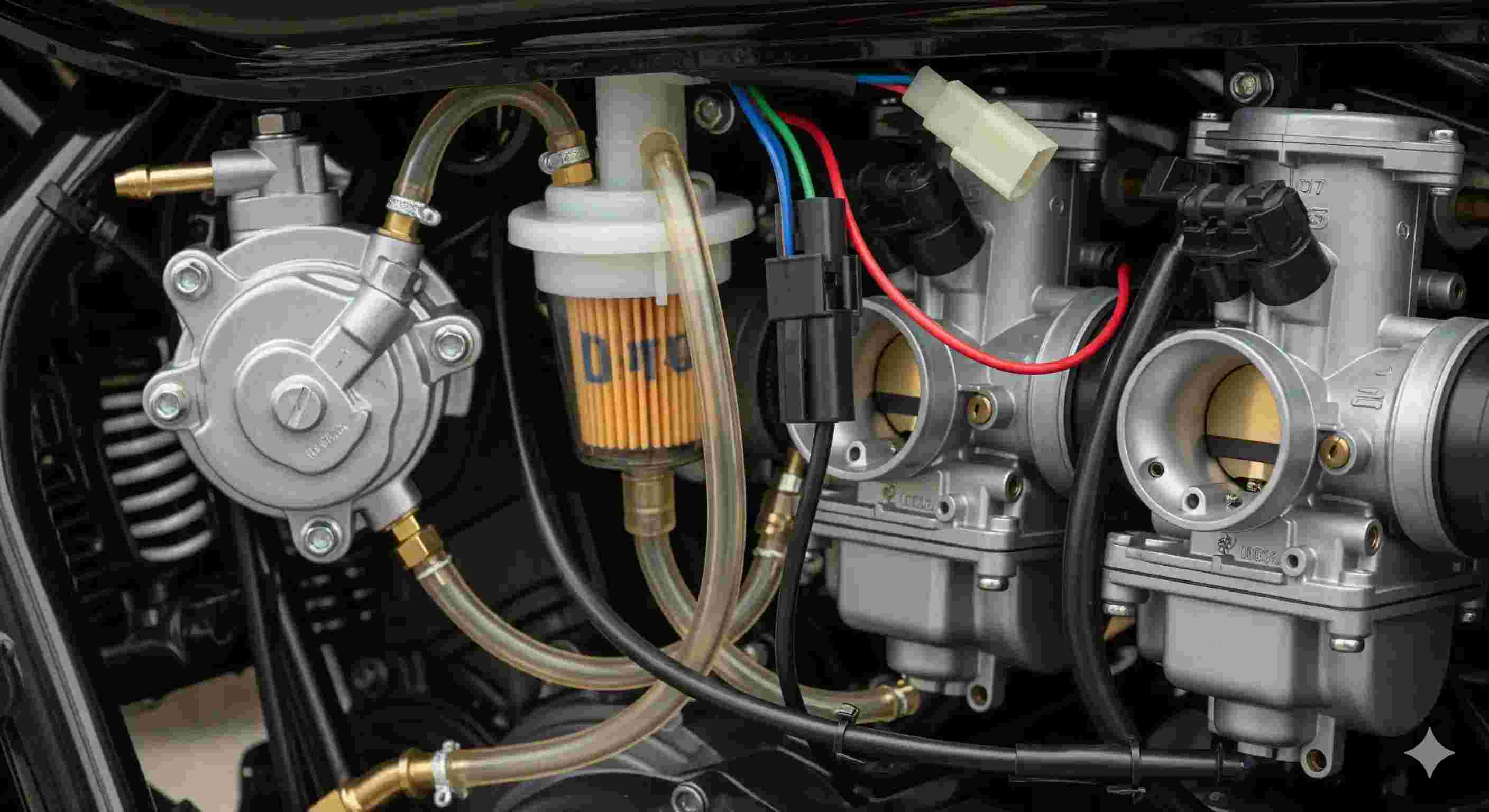
- Major Services: The costs for harder jobs show the value of good care to avoid fixes. A pro carb cleaning can be from $250 for a single-cylinder bike to over $645 for a V4 engine. A valve check can cost between $300 and $500, mostly in labor. A full rebuild of the front forks is often about $350 in labor, plus parts and fluids.
Looking at these numbers shows a clear trend. For most simple care, the cost of pro labor is often the same as or more than the cost of the parts. A brake pad change with $50 in parts can be a $150 job at a shop. This big difference shows the huge money reason for learning DIY care. For many riders, especially those on a budget, learning the skills to do these jobs is not just a hobby. It is a money need that makes owning a bike for a long time affordable.
Estimated Care Costs: DIY vs. Pro
| Care Job | DIY Cost (Parts Only) | Pro Cost (Parts + Labor) | Money You Can Save |
| Oil Change (Typical) | $30–$50 | $100–$150 | ~$70–$100 |
| Brake Pad Change (per caliper) | $40–$60 | $150–$200 | ~$110–$140 |
| Chain & Sprocket Change | $150–$250 | $400–$500 | ~$250 |
| Valve Check | $20–$30 (parts) | $300–$500 | ~$280–$470 |
Note: Costs are estimates. They can change based on bike model, place, and shop rates.
Common Challenges in Motorcycle Maintenance
Even though bike upkeep is simple, a few things can trip you up:
- Tight spaces. Some bolts are hard to reach. A small tool kit helps.
- Special parts. Not every shop stocks motorcycle tires or chains, so you may wait for orders.
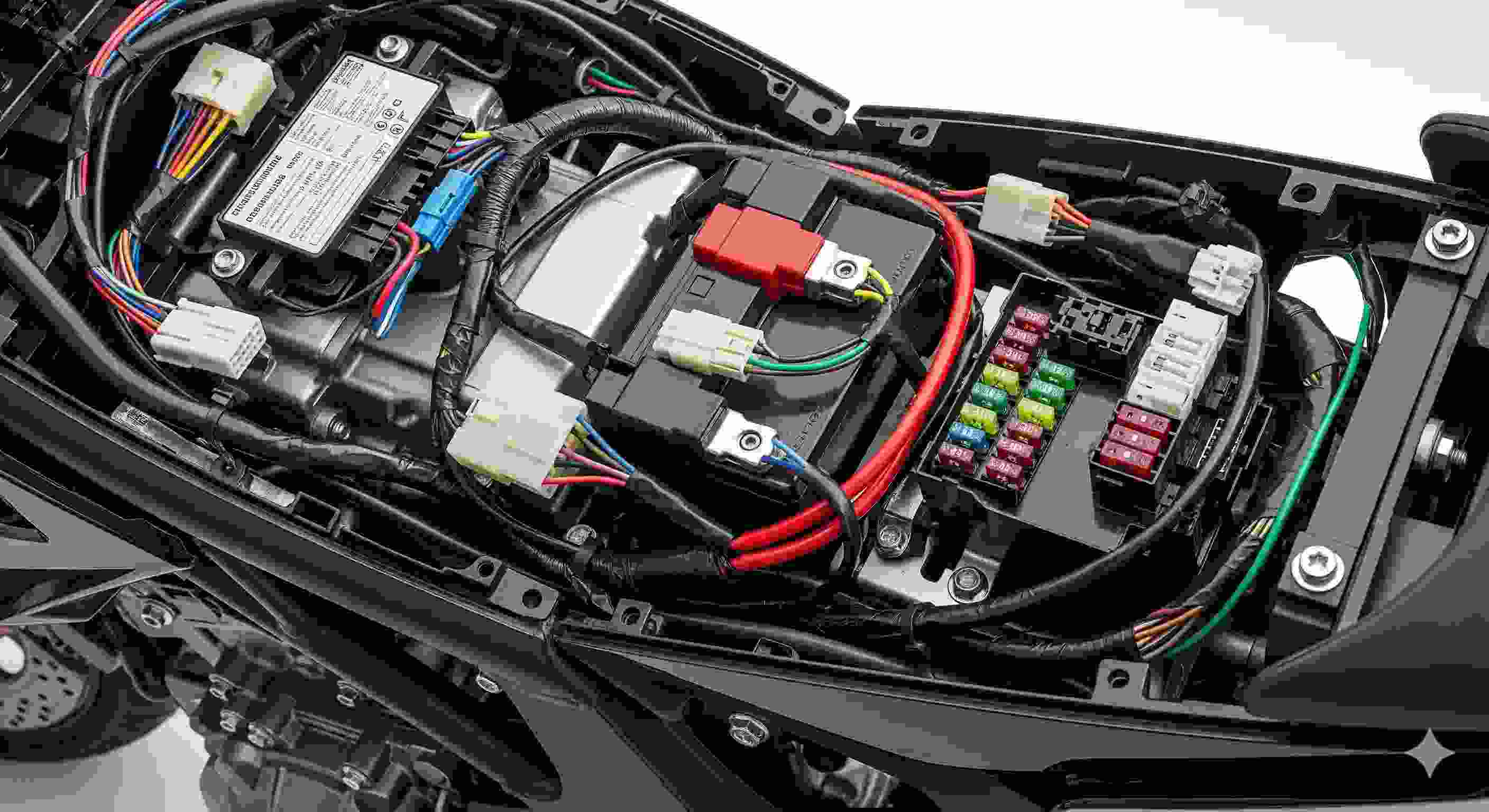
- Electronics. Modern bikes come with sensors and rider aids. Fixing those often needs a dealer.
- Weather wear. Bikes live outside more than cars. Rain, dust, and sun can wear parts faster.
When I first swapped brake pads, I found out fast that bikes need smaller tools. My car kit didn’t fit. Lesson learned: a basic motorcycle tool set is worth buying.
The good news? Most problems feel big only once. After you do a job once, the next time is easy.
Also read : How I Solved Loose Throttle Cable Symptoms Motorcycle Quickly?
FAQs on Are Motorcycles Easy to Maintain?
Is motorcycle maintenance easy?
Yes, motorcycle maintenance is easy if you handle basics like oil, chain, and tires. Most tasks are quick and affordable compared to car service.
How often should I service my motorcycle?
Most motorcycles need service every 3,000–6,000 miles. Check your owner’s manual, but simple care like chain lube and tire checks should be done more often.
What are the most important motorcycle maintenance tasks?
Key tasks include oil changes, chain care, tire checks, and brake service. These simple jobs keep your motorcycle safe, smooth, and long-lasting.
Can beginners do motorcycle maintenance?
Yes, beginners can do basic motorcycle care. Start with checking oil, cleaning the chain, and inflating tires. These easy steps build skill and confidence.
How much does motorcycle maintenance cost?
Basic motorcycle maintenance costs less than car service. DIY tasks like oil and chain care are cheap, while shop visits depend on mileage and work.
Is motorcycle maintenance cheaper than car maintenance?
Yes, motorcycle maintenance is usually cheaper than cars. Fewer parts and small engines mean less cost, especially if you do simple tasks yourself.
Do I need special tools for motorcycle maintenance?
You don’t need many tools. A wrench set, tire gauge, chain lube, and basic screwdrivers cover most motorcycle care for beginners at home.
What happens if I skip motorcycle maintenance?
Skipping motorcycle maintenance can cause safety risks, worn parts, and higher repair bills. Regular care keeps your bike safe, reliable, and fun to ride.
Final Thoughts
So, are motorcycles easy to maintain? Yes—if you stay on top of the basics. Oil, chain, tires, and brakes make up most of the work. Once you learn these jobs, you’ll see how quick and cheap they are compared to cars.
What makes it even better is the bond you build. Working on your own bike teaches you how it feels, sounds, and runs. You notice small changes early, which keeps you safer on the road.
Still, not every job is for everyone. Big repairs, like engine rebuilds or complex electronics, may need a shop. And that’s fine. The goal isn’t to do everything yourself—it’s to keep your bike healthy and ride-ready.
If you’re new, start small. Clean your chain, check your oil, pump your tires. Build confidence step by step. Before long, you’ll see that bike maintenance isn’t scary at all—it’s part of the fun.