Battery Group Size 59 Vs 65: Which One Powers Your Ride Best?

Choosing the right battery for your vehicle can be confusing, especially when you come across terms like Battery Group Size 59 and 65. You might wonder which one fits better, lasts longer, or powers your car more efficiently.
Getting this wrong could mean poor performance or even damage to your vehicle. This article will help you understand the key differences between these two battery sizes, so you can make a smart choice that keeps your car running smoothly.
Keep reading to find out exactly what you need to know before making your next battery purchase.
Credit: www.ubuy.com.gr
Battery Group Sizes Explained
Understanding Battery Group Size 59 vs 65 begins with knowing what battery group sizes mean. These sizes help identify the battery dimensions, terminal locations, and fitment in vehicles. Each group size has unique battery terminal layout and battery capacity. Choosing the right battery depends on matching these specifications with the vehicle’s needs. This section explains how battery group sizes work and their role in vehicle battery fitment.
What Group Sizes Mean
Battery group sizes refer to the standard measurements that define a battery’s physical size, terminal configuration, and power output. These sizes help ensure the battery fits securely and works well in a vehicle.
The key parts of group sizes include:
- Battery Dimensions: Length, width, and height of the battery.
- Battery Terminal Layout: Position and type of the positive and negative terminals.
- Battery Capacity: The amount of power the battery can store and deliver.
The Battery Group Size Comparison helps buyers pick the correct battery by matching dimensions and terminals with the vehicle’s design.
| Group Size | Length (inches) | Width (inches) | Height (inches) | Terminal Layout |
|---|---|---|---|---|
| Group 59 | 9.06 | 5.06 | 8.88 | Top-post, positive on right |
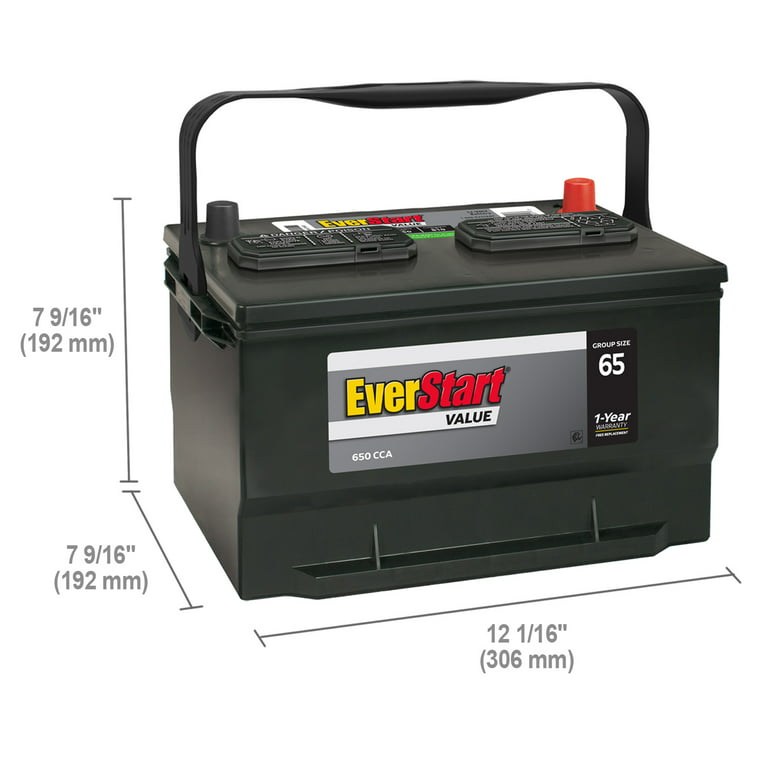
| Group 65 | 12.06 | 6.88 | 7.88 | Top-post, positive on left |
Each size supports different battery applications based on power and space needs. Knowing these details avoids installation problems and ensures the battery lasts longer.
Common Sizes And Uses
Automotive battery sizes like Group Size 59 and Group Size 65 serve different vehicle types and needs. The choice depends on the vehicle’s power demand and available battery space.
Group Size 59 Battery is smaller and fits compact cars and mid-size SUVs. It suits vehicles needing moderate power and limited space.
- Compact and mid-size vehicles
- Standard power needs
- Limited battery compartment space
Group Size 65 Battery is larger with higher capacity. It fits bigger trucks, SUVs, and vehicles with more electrical accessories.
- Full-size trucks and SUVs
- Higher power demand
- Larger battery compartments
Here is a quick Battery Group Size Comparison of common uses:
| Group Size | Common Vehicle Type | Battery Capacity | Battery Applications |
|---|---|---|---|
| 59 | Compact cars, mid-size SUVs | Moderate | Basic starting, light electronics |
| 65 | Full-size trucks, SUVs | High | Heavy-duty starting, multiple accessories |
Correct vehicle battery fitment depends on matching the battery specifications to the vehicle requirements. Using the right size prevents damage and ensures reliable starts.
Credit: www.walmart.com
Key Differences Between Group 59 And 65
The comparison between Battery Group Size 59 and 65 reveals important differences that affect vehicle battery compatibility. Choosing the right battery depends on size, terminal layout, and power capacity. Understanding these key differences helps ensure proper battery fitment and optimal performance. This section breaks down the main contrasts between Group 59 and 65 batteries, focusing on physical dimensions, terminal placement, and capacity.
Physical Dimensions
Battery dimensions play a crucial role in fitment within your vehicle’s battery tray. The Group 59 Battery Specs and Group 65 Battery Specs differ notably in size, influencing which automotive battery sizes will fit properly.
Here’s a clear comparison of their physical dimensions:
| Specification | Group 59 Battery Dimensions | Group 65 Battery Dimensions |
|---|---|---|
| Length | 9.4 inches (239 mm) | 12.0 inches (305 mm) |
| Width | 6.9 inches (175 mm) | 6.9 inches (175 mm) |
| Height | 7.5 inches (190 mm) | 7.5 inches (190 mm) |
Key points about dimensions:
- Group 65 batteries are longer by about 2.6 inches compared to Group 59.
- Width and height remain the same in both groups.
- Length difference affects where each battery can fit in the vehicle.
Always check your vehicle’s battery tray size before buying to ensure proper fitment. Using incorrect dimensions can cause installation issues or damage.
Terminal Placement
Battery terminal types and placement influence how cables connect to the battery. Group 59 and Group 65 batteries differ in terminal layout, affecting vehicle battery compatibility.
Details of terminal placement include:
- Group 59 terminals: Located on the top of the battery, with the positive terminal typically on the left side.
- Group 65 terminals: Also top terminals, but the positive terminal is usually on the right side.
This variation impacts cable routing and connection ease. Incorrect terminal placement can lead to stretched cables or poor electrical contact.
Visual comparison of terminal placement:
| Group Size | Positive Terminal Position | Negative Terminal Position |
|---|---|---|
| Group 59 | Left Side | Right Side |
| Group 65 | Right Side | Left Side |
When selecting between these groups, confirm your vehicle’s required terminal placement to avoid connection issues.
Capacity And Power Output
Battery capacity differences affect the vehicle’s starting power and overall performance. The Battery Power Output between Group 59 and 65 varies based on size and construction.
Group 65 Battery Specs usually offer higher capacity and cold cranking amps (CCA) than Group 59 batteries. This means Group 65 batteries deliver more power to start larger engines or handle additional electrical loads.
Typical capacity and power comparisons:
| Specification | Group 59 Battery | Group 65 Battery |
|---|---|---|
| Battery Capacity (Ah) | 55–70 Ah | 70–85 Ah |
| Cold Cranking Amps (CCA) | 600–700 CCA | 700–800+ CCA |
Higher capacity means longer battery life between charges and better performance in cold weather. Group 65 suits vehicles with higher electrical demands.
Vehicle battery compatibility depends on matching the battery’s power output to the engine and accessories. Use a battery fitment guide to select the correct group size and specs for your vehicle’s needs.
Vehicle Compatibility
Choosing between Battery Group Size 59 and 65 often depends on vehicle compatibility. These battery sizes differ in dimensions and fit, which affects their use in various cars. Understanding car battery sizes and battery clearance requirements helps avoid installation problems. Proper car battery specifications ensure the battery fits securely, delivers power efficiently, and lasts longer. This section explains the key differences in fit and clearance, plus which vehicle types suit each battery size best.
Fits And Clearance Issues
Battery fitment matters a lot. Even a slight size difference can cause issues in the battery tray or connections. The Group 59 Battery Features include a compact size, usually around 9.4 inches long, 6.9 inches wide, and 7.5 inches tall. The Group 65 Battery Benefits often come with a bit larger dimensions, about 12.3 inches long, 6.9 inches wide, and 7.5 inches tall.
Clearance is critical. A battery too large won’t fit the tray, while one too small may move and damage terminals. Checking battery clearance requirements prevents installation headaches and electrical faults.
- Group 59: Fits smaller battery trays, ideal for tight spaces.
- Group 65: Needs more room but offers higher capacity.
| Feature | Group 59 | Group 65 |
|---|---|---|
| Length | 9.4 inches | 12.3 inches |
| Width | 6.9 inches | 6.9 inches |
| Height | 7.5 inches | 7.5 inches |
Always consult your battery fitment guide or battery group size chart before buying. This helps ensure the battery fits the space and meets your car’s power needs. Ignoring this can cause vehicle battery compatibility problems and affect performance.
Recommended Vehicle Types
Vehicle battery compatibility depends on the car’s engine size, power demands, and battery tray space. The Group 59 Battery Features suit vehicles needing smaller batteries with moderate power. These often include compact cars and some mid-size sedans.
The Group 65 Battery Benefits include higher capacity and longer life. This size fits many larger vehicles, trucks, and SUVs requiring more power for engines and accessories.
- Group 59 Recommended Vehicles:
- Compact cars (e.g., Honda Civic, Toyota Corolla)
- Smaller sedans
- Some mid-size vehicles with limited battery space
- Group 65 Recommended Vehicles:
- Full-size sedans
- SUVs and trucks (e.g., Ford F-150, Chevrolet Tahoe)
- Vehicles with high power demands
Checking car battery specifications for your vehicle ensures the battery size matches the requirements. The automotive battery comparison between Group 59 and 65 shows clear differences in capacity and fit. Use a battery group size chart to find the best match for your car model. Proper fit and power deliver better starts and longer battery life.
Performance Comparison
Choosing between Battery Group Size 59 Vs 65 requires understanding their performance comparison. These two automotive battery sizes often fit similar vehicles but differ in power and endurance. Knowing their strengths helps pick the right battery for your car’s needs. Both sizes have unique battery dimensions and specs that affect how they perform in cold starts and long runs.
Cold Cranking Amps
Battery Cold Cranking Amps (CCA) measure how well a battery starts an engine in cold weather. Higher CCA means better starting power. Group 59 and Group 65 batteries have different CCA ratings, which impacts vehicle battery compatibility in cold climates.
Here is a simple comparison of their typical CCA values:
| Battery Group Size | Typical Cold Cranking Amps (CCA) |
|---|---|
| Group 59 | 650 – 720 CCA |
| Group 65 | 700 – 750 CCA |
The Group 65 Battery Specs usually offer slightly higher CCA, giving a stronger start in cold weather. This makes Group 65 a better choice for colder regions or larger engines. The Group 59 Battery Specs still provide solid power but with a bit less cold starting ability.
- Higher CCA means easier engine start in freezing conditions.
- Group 65 batteries handle heavy loads better at startup.
- Group 59 batteries suit moderate climates and smaller engines.
Vehicle owners should consider battery capacity differences related to CCA when choosing between these groups. Matching the CCA to the vehicle’s needs ensures reliable starts and avoids battery strain.
Reserve Capacity
Reserve Capacity Battery rating shows how long a battery can power the vehicle if the alternator fails. It is measured in minutes and reflects battery endurance. Group 59 and Group 65 batteries differ in reserve capacity, affecting how long they can run electrical systems without recharging.
Here is a comparison of reserve capacities for both battery groups:
| Battery Group Size | Reserve Capacity (Minutes) |
|---|---|
| Group 59 | 90 – 110 minutes |
| Group 65 | 110 – 130 minutes |
Group 65 Battery Performance excels in reserve capacity, offering longer power supply during alternator failure. This suits vehicles with high electrical demands or longer idle times. Group 59 provides adequate reserve for standard use but may fall short for heavy electrical loads.
- Higher reserve capacity means longer battery life without engine power.
- Group 65 suits vehicles with extra accessories and electronics.
- Group 59 fits basic vehicle setups with less electrical demand.
Understanding battery group size comparison in reserve capacity helps choose a battery that matches your driving style and vehicle needs. Check your vehicle manual for recommended automotive battery sizes and consider these ratings for the best fit.
Cost And Availability
Choosing between Battery Group Size 59 and 65 involves more than just physical fit. Cost and availability play major roles in the decision. These factors affect your budget and how soon you can get the right battery. Understanding the battery capacity differences and battery compatibility helps in picking the best option for your vehicle. Both sizes vary in price and market presence due to their battery dimensions and battery terminal types. This section breaks down the battery group size comparison focused on cost and where to buy these batteries easily.
Price Differences
The price between Battery Group Size 59 and 65 often varies based on their design and performance. Size 65 batteries generally cost a bit more due to higher battery capacity differences and longer lifespan. However, prices depend on brand, warranty, and features too.
- Battery Group Size 59: Usually less expensive, suitable for many mid-sized vehicles.
- Battery Group Size 65: Slightly pricier, offers better battery performance for larger cars or trucks.
Here is a simple battery price comparison table:
| Battery Group Size | Average Price Range (USD) | Typical Vehicle Use | Battery Capacity (CCA) |
|---|---|---|---|
| Size 59 | $90 – $130 | Mid-sized sedans, SUVs | 550 – 700 |
| Size 65 | $110 – $160 | Full-sized trucks, larger SUVs | 600 – 750 |
Price can also change based on battery terminal types and manufacturer. Comparing prices across sellers saves money. Also, check warranty terms as they add value beyond the initial cost.
Where To Buy
Finding the right place to buy depends on availability of automotive battery sizes and customer service. Both Group 59 and 65 batteries are common but vary by location.
Common places to check:
- Auto parts stores: Stores like AutoZone or O’Reilly usually stock both sizes.
- Online retailers: Websites offer wide selection, easy price comparison, and delivery options.
- Dealerships: Provide exact fit batteries but often at higher prices.
- Warehouse clubs: Costco or Sam’s Club often sell batteries with good warranties.
Before buying, consult a battery group size chart to confirm the right battery dimensions and battery terminal types for your vehicle. Check stock availability online or by phone to avoid trips without success.
Tips for buying:
- Compare prices and check for promotions.
- Verify compatibility using your vehicle’s manual.
- Ask about recycling old batteries to save fees.
- Consider the seller’s return policy and warranty.
Choosing the right battery size ensures better battery performance and longer life. Knowing where to buy makes the process smooth and cost-effective.

Credit: www.batteriesplus.com
Maintenance And Lifespan
The Battery Group Size 59 and 65 are common choices in automotive batteries. Understanding their maintenance and lifespan helps users pick the right battery and keep it working longer. Both sizes differ slightly in battery dimensions and capacity. These differences affect how you maintain them and their overall performance. Proper care improves battery lifespan and ensures reliable starts. Regular checks on battery terminal types and cleaning routines prevent issues. The next sections explain important factors affecting durability and offer simple maintenance tips to extend battery life.
Durability Factors
The durability of automotive battery groups like Size 59 and 65 depends on several key factors. These influence battery performance and how long the battery lasts before needing replacement.
- Battery Capacity: Size 65 usually has higher capacity, which can mean longer life under normal use.
- Cold Cranking Amps (CCA): Higher CCA ratings improve starting power in cold weather, affecting battery reliability.
- Battery Dimensions: Proper fit prevents vibrations that can damage internal parts and reduce lifespan.
- Battery Terminal Types: Secure and clean terminals reduce resistance and improve electrical flow.
- Temperature Conditions: Extreme heat or cold speeds up battery wear and lowers performance.
- Usage Patterns: Frequent short trips or long idle times can reduce charging efficiency and durability.
| Factor | Impact on Durability | Battery Group 59 | Battery Group 65 |
|---|---|---|---|
| Battery Capacity | Higher capacity improves lifespan under heavy use | Lower | Higher |
| Cold Cranking Amps | Better starting power in cold weather | Moderate | Higher |
| Dimensions Fit | Proper fit reduces damage from vibrations | Standard | Standard |
Understanding these battery performance factors helps choose the right size and care method to extend life. Both sizes last longer with good maintenance.
Care Tips
Maintaining batteries in groups 59 and 65 extends their battery lifespan and keeps vehicles running smoothly. Follow these simple maintenance tips for better performance:
- Keep Terminals Clean: Remove corrosion with a mix of baking soda and water. Use a wire brush for thorough cleaning.
- Check Battery Voltage: Use a multimeter monthly to ensure proper charge levels.
- Secure Battery Properly: Avoid loose mounting that causes vibrations and damage.
- Inspect for Cracks or Leaks: Replace battery if casing is damaged to prevent acid leaks.
- Avoid Deep Discharges: Recharge battery quickly after use to prevent performance loss.
- Maintain Fluid Levels: For non-sealed batteries, check electrolyte levels and add distilled water if low.
Here’s a quick comparison of care needs for Size 59 and 65:
| Care Aspect | Group 59 | Group 65 |
|---|---|---|
| Cleaning Frequency | Every 3 months | Every 3 months |
| Voltage Check | Monthly | Monthly |
| Fluid Check | For non-sealed only | For non-sealed only |
Following these tips improves battery compatibility with your vehicle and boosts performance. Proper care prevents early battery failure and costly replacements.
Choosing The Right Battery Size
Choosing the right battery size is crucial for your vehicle’s performance and longevity. Battery Group Size 59 vs 65 often causes confusion among car owners. Both sizes fit many vehicles but differ in dimensions, capacity, and power output. Selecting the correct battery ensures proper fit, optimal power, and prevents issues during battery installation. Understanding your vehicle’s needs and following manufacturer guidelines helps avoid problems like battery failure or poor engine start. This guide focuses on how to choose the right battery size by assessing your vehicle needs and consulting manufacturer recommendations.
Assessing Your Vehicle Needs
Start by evaluating what your vehicle requires in a battery. Different cars need different battery capacities and sizes to work efficiently. Using the wrong size can cause poor connection or damage. Here are some key points to consider:
- Battery Dimensions 59 vs 65: Size 59 batteries are usually smaller in length and width compared to size 65.
- Battery Capacity Differences: Size 65 batteries often have higher cold cranking amps (CCA) and reserve capacity.
- Battery Voltage Specifications: Most car batteries have 12 volts, but the power output must match your vehicle’s needs.
Below is a simple table comparing key specs of Group Size 59 and 65 batteries:
| Feature | Group Size 59 | Group Size 65 |
|---|---|---|
| Dimensions (inches) | 9.06 x 6.87 x 7.51 | 12.06 x 6.88 x 7.75 |
| Cold Cranking Amps (CCA) | 600-700 | 700-800 |
| Reserve Capacity (minutes) | 90-100 | 100-120 |
| Typical Vehicles | Mid-size cars, small SUVs | Full-size cars, trucks, SUVs |
Check your car’s manual or under the hood for battery size info. Consider your climate too. Higher CCA is better in cold weather. These steps help match battery capacity with your vehicle’s power needs.
Consulting Manufacturer Guidelines
Following the vehicle manufacturer’s battery recommendations is essential for safety and performance. The manufacturer battery recommendations tell you the exact battery size and specs designed for your model. Ignoring these can lead to poor battery life and even damage to your vehicle.
Here are key points from a battery installation guide based on manufacturer advice:
- Use the specified battery group size: The Battery Group Size Chart in the manual lists acceptable sizes.
- Match voltage and capacity: Ensure the battery voltage specifications and reserve capacity match or exceed recommendations.
- Check terminal locations: Correct terminal placement prevents cable strain and connection problems.
- Review warranty terms: Using the correct battery size protects your warranty coverage.
Many manufacturers provide an automotive battery comparison chart. This helps identify compatible batteries that fit your vehicle’s electrical system. Always cross-check battery dimensions 59 vs 65 with the chart to avoid mistakes.
Ignoring these steps risks improper vehicle battery compatibility, leading to frequent replacements and poor car performance. Follow car maintenance tips by consulting official guidelines before choosing a battery size.
Frequently Asked Questions
What Are The Main Differences Between Group 59 And 65 Batteries?
Group 59 batteries are generally smaller and lighter than Group 65 batteries. Group 65 offers higher capacity and longer life. The choice depends on your vehicle’s size and power needs. Always check your owner’s manual before replacing your battery.
Which Battery Size Lasts Longer, Group 59 Or 65?
Group 65 batteries typically last longer due to their higher capacity and thicker plates. Group 59 batteries are suitable for smaller vehicles with lower power demands. Proper maintenance and usage also impact battery lifespan regardless of size.
Can Group 59 And 65 Batteries Be Interchanged?
No, Group 59 and 65 batteries are not always interchangeable. Their physical size, terminal placement, and capacity differ. Using the wrong size can cause fitment issues and electrical problems. Always choose the battery size recommended for your vehicle.
Which Battery Size Provides Better Cold Cranking Amps?
Group 65 batteries usually provide higher cold cranking amps (CCA) than Group 59. Higher CCA means better engine starting power in cold weather. This makes Group 65 batteries ideal for larger vehicles or colder climates.
Conclusion
Choosing between Battery Group Size 59 and 65 depends on your vehicle’s needs. Size 59 fits smaller engines and tight spaces. Size 65 offers more power for bigger engines. Check your car’s manual before buying. Using the right size helps your vehicle run smoothly.
Avoid forcing a battery that does not fit well. Both sizes have their strengths. Pick the one that matches your car’s requirements. This keeps your battery safe and your car reliable. Simple steps lead to better performance and longer battery life.