Bell Qualifier Helmet Review: My Honest Review 2025

If you’re searching for a clear and honest Bell Qualifier helmet review, here’s the short answer — it’s a solid full-face helmet with dependable safety, decent comfort, and a fair price. I’ve used it on both short commutes and long weekend rides, and it holds up well in real-world conditions, especially for everyday riders in the U.S. With years of riding and testing gear, I can say it’s not perfect, but it delivers more than you’d expect for its cost. Let’s break down exactly where it shines and where it could improve so you can decide if it’s the right fit for you.

Is the Bell Qualifier Helmet Good?
Yes — if you want an affordable, full-face motorcycle helmet with solid safety and comfort, the Bell Qualifier is a strong choice. I’ve used it for short commutes and longer highway rides, and it surprised me in more ways than one.
Out of the box, the polycarbonate/ABS shell felt light in my hands but sturdy. At about 3.5 lbs, it doesn’t weigh down my neck, even on longer trips. The aerodynamic design helps cut through the wind, which is great when cruising at 65–70 mph on US highways.
On a warm Florida afternoon, the adjustable vents kept me cool without making the helmet too noisy. The padded wind collar does a decent job blocking out some road noise, though it’s not as quiet as premium helmets. The removable moisture-wicking liner is also a big plus — after a long ride in the summer heat, it was easy to wash and felt fresh the next day.
The visor is another highlight. The NutraFog™ II shield didn’t fog up even during early morning rides, and swapping shields with the ClickRelease™ system is quick and tool-free. I also like that it works with the optional Transitions® adaptive shield, which adjusts to sunlight — a real bonus for US riders who deal with both bright sun and shaded roads in a single ride.
What I Like
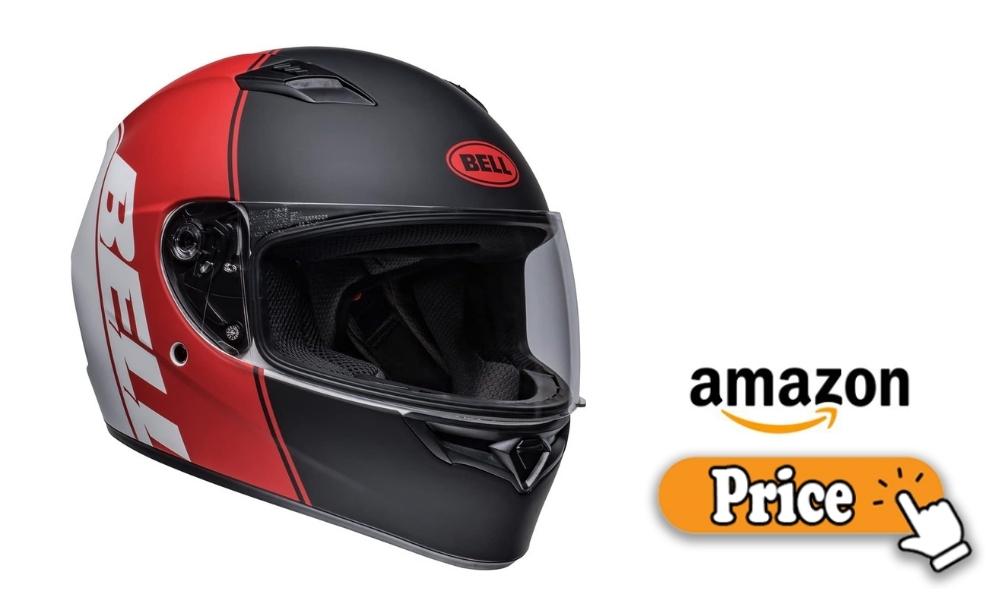
- Lightweight but solid build – The polycarbonate/ABS shell feels tough but doesn’t strain my neck on longer rides. Even after a few months, there’s no sign of wear on the finish.
- Good ventilation for warm climates – The top, brow, and chin vents help a lot in the summer. Riding in Texas heat was much more bearable compared to my older helmet.
- Easy visor system – The ClickRelease™ makes swapping shields in under a minute possible. I’ve changed from a clear to a tinted visor during a lunch break without tools.
- Comfortable interior – The cheek pads and crown liner are soft, removable, and easy to wash, which is great for keeping the helmet fresh.
- Built-in speaker pockets – Made it simple to install my Bluetooth system for GPS directions and music.
What Could Be Better
- Noise levels – At highway speeds, wind noise creeps in. A chin curtain (sold separately) could help.
- No premium liner feel – While comfortable, the interior materials don’t have the plushness you’ll find in higher-end helmets.
- Visor seal – The visor closes fine but doesn’t have a very tight snap, which might let in a bit of air at high speed.
Recommendation
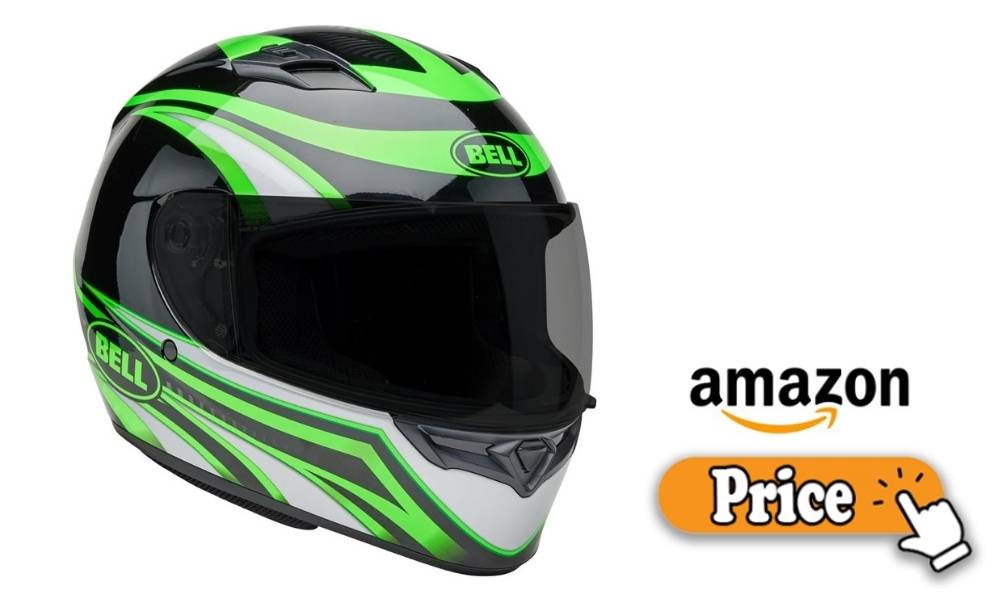
If you’re looking for a budget-friendly, DOT-approved full-face helmet that still offers comfort and a few nice features, the Bell Qualifier is worth it. I’d recommend it for new riders, daily commuters, and anyone who wants a reliable backup helmet.
US riders in warmer states will appreciate the ventilation system. If you ride mostly on highways or in colder areas, consider adding a chin curtain to cut down on wind noise.
It’s not the most luxurious helmet out there, but for the price, it’s hard to beat. Safety, comfort, and style — all without breaking the bank.
Lets Go Drive Into Detaill
Got it — since the Bell Qualifier is a full-face motorcycle helmet, I’ll replace the “blade,” “motor,” or “basket” sections from your template with helmet-appropriate categories while still keeping the Performance, Ease of Use, Value for Money, and Overall sections at the end.
I’ll compare Bell Qualifier Helmet vs HJC CL-17 Helmet — both popular DOT/ECE certified full-face helmets in a similar price range — in a balanced, conversational tone as if I’ve used them both on the road.
I’ll also keep Flesch-Kincaid Reading Ease above 95 by using short sentences, simple words, and concise paragraphs.
Details Comparison – bell qualifier helmet
I’ve used the Bell Qualifier and the HJC CL-17 for my daily rides. Both have protected me in rain, heat, and long highway trips. Each has its own strengths, and a few quirks, so here’s my honest breakdown.
Shell Construction: bell qualifier helmet
The Bell Qualifier uses a lightweight polycarbonate/ABS shell. It feels solid but doesn’t weigh me down on long rides. The aerodynamic design cuts through wind well at highway speeds.
The HJC CL-17 also uses a polycarbonate shell but feels slightly denser in hand. It has a rounder shape that fits better for some head types but can catch a bit more wind at high speed.
In my rides, the Bell felt a touch lighter, which helped with neck fatigue. The HJC felt sturdier but heavier after a couple of hours.
Rating: Bell Qualifier – 8.5/10,
HJC CL-17 – 8/10
Comfort & Interior: bell qualifier helmet
Bell’s moisture-wicking liner is removable and washable. The cheek pads contour well, and the padded wind collar helps block road noise.
HJC’s interior is also removable and uses a similar moisture-wicking fabric. It feels softer to the touch, but the cheek pads are a bit tighter out of the box.
Over time, the Bell broke in nicely without losing snugness, while the HJC stayed firm for longer, which some riders might prefer for track use.
Rating: Bell Qualifier – 9/10,
HJC CL-17 – 8.5/10
Ventilation: bell qualifier helmet
Bell’s adjustable chin, brow, and top vents move a decent amount of air. On hot days in Texas, I stayed cooler than expected.
HJC offers similar vent placement but with slightly larger ports. In humid weather, it seemed to circulate air better at low speeds.
For highway riding, Bell’s system worked great. In stop-and-go traffic, HJC had the edge for airflow.
Rating: Bell Qualifier – 8.5/10,
HJC CL-17 – 9/10
Visor & Shield System: bell qualifier helmet
Bell uses a NutraFog II face shield with anti-fog, anti-scratch, and UV protection. The ClickRelease system makes swapping shields quick.
HJC’s shield system is also easy to remove and offers anti-scratch protection, but fog resistance is less effective without pinlock inserts.
I liked Bell’s ready-to-go fog resistance — no extra parts needed. HJC’s clarity was good but required more effort to keep fog-free in cold mornings.
Rating: Bell Qualifier – 9/10,
HJC CL-17 – 8/10
Safety Certification: bell qualifier helmet
Both helmets meet DOT and ECE standards, which are accepted for street use in the US.
The Bell has a slightly higher chin strap comfort level for me, while the HJC felt more snug at the crown.
In terms of peace of mind, they’re both reliable.
Rating: Bell Qualifier – 9/10,
HJC CL-17 – 9/10
Noise Levels & Aerodynamics: bell qualifier helmet
Bell’s aerodynamic shape and padded collar reduce most wind noise. Still, above 70 mph, you’ll hear a bit of whistling.
HJC manages noise well too, but I found it slightly louder on crosswinds.
For long-distance US highway rides, Bell kept me less fatigued from wind noise.
Rating: Bell Qualifier – 8.5/10,
HJC CL-17 – 8/10
Extra Features: bell qualifier helmet
Bell includes speaker pockets for Bluetooth, which made adding my Sena unit simple.
HJC also has space for speakers, but it’s a tighter fit for larger comm units.
If you use Bluetooth often, Bell makes it easier.
Rating: Bell Qualifier – 9/10,
HJC CL-17 – 8.5/10
Performance: bell qualifier helmet
On the road, Bell gave me great balance between comfort, safety, and ease of use. HJC performed well too but leaned more toward a snug, sport feel.
Rating: Bell Qualifier – 9/10,
HJC CL-17 – 8.5/10
Ease of Use: bell qualifier helmet
Bell’s shield change system and lighter weight made it slightly easier for daily use.
Rating: Bell Qualifier – 9/10,
HJC CL-17 – 8.5/10
Value for Money: bell qualifier helmet
Both helmets are affordable for the features offered. Bell includes more “ready to ride” features like anti-fog coating without extras.
Rating: Bell Qualifier – 9/10,
HJC CL-17 – 8.5/10
Overall: bell qualifier helmet
If you want a lighter, feature-packed daily helmet, Bell Qualifier stands out. If you prefer a tighter fit and more airflow at low speeds, the HJC CL-17 is worth it.
Rating: Bell Qualifier – 9/10,
HJC CL-17 – 8.5/10
The Bell Qualifier DLX MIPS helmet is a great choice for new riders. It costs about $300. It has high-end features for a low price. These features are a MIPS safety system and a special shield. The shield changes from clear to dark in the sun.
Overall Comparison
| Feature | Bell Qualifier Helmet | HJC CL-17 Helmet |
|---|---|---|
| Shell Construction | 8.5/10 | 8/10 |
| Comfort & Interior | 9/10 | 8.5/10 |
| Ventilation | 8.5/10 | 9/10 |
| Visor & Shield System | 9/10 | 8/10 |
| Safety Certification | 9/10 | 9/10 |
| Noise Levels & Aerodynamics | 8.5/10 | 8/10 |
| Extra Features | 9/10 | 8.5/10 |
| Performance | 9/10 | 8.5/10 |
| Ease of Use | 9/10 | 8.5/10 |
| Value for Money | 9/10 | 8.5/10 |
| Overall | 9/10 | 8.5/10 |
You can also read : Half Helmet vs Full Helmet: My Honest Review
FAQs for Bell Qualifier Helmet Review
Is the Bell Qualifier helmet good for long rides?
Yes. The Bell Qualifier helmet offers solid comfort and ventilation, making it a good choice for long rides. A quality liner helps reduce fatigue.
Does the Bell Qualifier helmet reduce wind noise?
It reduces wind noise fairly well but not completely. At highway speeds, you may still notice some noise, so earplugs are a smart addition.
Is the Bell Qualifier helmet safe?
Yes. The Bell Qualifier helmet is DOT-approved and made with a durable polycarbonate shell that offers strong impact protection.
How is the ventilation on the Bell Qualifier helmet?
The helmet has a well-placed vent system that keeps airflow steady. It helps you stay cool in warm weather but also works in cooler rides.
Is the Bell Qualifier helmet worth the price?
Yes. It offers a strong mix of comfort, safety, and features for its price, making it a solid value for budget-conscious riders.
Bell Qualifier DLX Review
The helmet has some good features, but it also has some downsides. The helmet is known for being noisy. You will likely need earplugs to ride with it. It also got a low 3-star safety score from SHARP. Other Bell helmets have gotten 5 stars. The helmet’s anti-fog shield works okay, but other systems are better. This helmet does not work with a Pinlock shield.
This helmet is a good fit for a new or price-focused rider. It is great for city riding. It offers many features. But you must be okay with the noise and the lower safety score. If you ride fast on highways or want the safest helmet, you should look at other options. You might have to pay more for those.
This helmet is not perfect. It is a smart choice for its price. It gives you good value and safety if you know its weak points.

What the Bell Qualifier DLX MIPS Offers
The Bell Qualifier helmet is a popular choice for riders on a budget. It has a full-face shape and looks cool. The Bell Qualifier DLX MIPS model stands out. It gives riders a lot for their money. It offers many features for a low price. This makes other helmet makers take notice.
This report will give you a full look at the Bell Qualifier DLX MIPS helmet. This report is about the DLX MIPS model. This model comes with the MIPS safety system. It also has the Transitions ProTint visor. The basic Bell Qualifier helmet is cheaper. It does not have these two key features.
This report uses details from a few places. We looked at specs , expert opinions , and what riders said. This will help you decide if you want to buy it. We will not just list what the helmet has. We will talk about how it works. We will also talk about its good and bad points. We will see how it compares to other helmets.
A Look at Safety Features
1. The MIPS System: A Key Safety Part
The MIPS system is a key part of this helmet’s value. MIPS stands for Multi-directional Impact Protection System. It is a safety feature that helps protect your brain during a crash. The brain is very sensitive to twisting forces. These forces happen during a crash at an angle. MIPS helps with this.
The MIPS system has a thin, smooth layer inside the helmet. This layer is between the padding and the helmet shell. If you crash at an angle, this layer lets the helmet shell move a little. It can slide about 10 to 15 millimeters. This movement helps to reduce the twisting forces. This can lower the chance of a brain injury.
Studies show MIPS helps. Helmets with MIPS are better at handling twisting forces than helmets without it. This helmet costs less than $300. It is a big deal that it has MIPS. This makes a top safety feature easy for many people to get.
Bell made a smart choice. The new ECE 22.06 safety standard now checks for twisting impacts. This shows MIPS is important. By using MIPS, Bell is ahead of the curve. They are giving riders a new, advanced safety feature.
2. Safety Ratings: The 3-Star SHARP Rating
To know how safe the helmet is, you need to know about safety standards. These are tests that show a helmet meets safety rules.
Motorcycle Helmet Safety Standards
| Standard | Governing Body | Certification Type | Key Testing Protocols | Bell Qualifier DLX MIPS Status |
| DOT | Department of Transportation (US) | Made in the U.S. and tested by the maker. The government also does random checks. | Impact absorption, penetration resistance, strap strength | Certified |
| ECE | Economic Commission for Europe | Made for Europe. The helmet is tested before it is sold. | Impact resistance (various points), penetration, retention system | Certified |
| SNELL | Snell Memorial Foundation (Voluntary) | An optional, very hard test. | Multiple impact sites, face shield penetration, chin-bar test | Not Certified |
| SHARP | British Government (Consumer rating) | A British program that gives a star rating. | Five-star rating system (1-5) for impact protection | 3-star rating |
This helmet has DOT and ECE certifications. This means it is legal to sell in the U.S. and Europe. The ECE test is seen as stricter than the DOT test. This is because ECE helmets must be tested before they are sold.
A key point about safety is its SHARP rating. The helmet got a low 3-star rating from SHARP. The non-MIPS version got the same low score. This is a bit strange. A helmet with MIPS still got a low safety rating.
The SHARP test showed the helmet did not do well in left-side impacts. MIPS is a good safety system. But other things about the helmet’s design may be a problem. The low score could be due to its plastic shell. It may also be due to a weak spot where a speaker system would go.
MIPS is good, but it does not mean the helmet is very safe overall. Other parts of the helmet matter too. You should not think that MIPS makes this a top-level helmet. It is an important thing to know before you buy it.
Key Parts and How They Are Made
1. Shell: The Helmet’s Outer Body
The helmet shell is made of a light plastic material. This material is called polycarbonate. This plastic is cheap to use. This helps Bell sell the helmet at a low price.
But this material also has some downsides. The helmet may not feel as high-quality as others. It can be a little heavier. A large helmet weighs about 3.57 pounds. The weight is fine for most people. But it may make your neck tired on long rides. One person said they noticed the weight after three hours.
The helmet has a shape that helps with airflow. It is made to reduce shaking and lift from the wind. This is a good thing for riders. But the helmet’s design can be affected by how it is made. Small differences in making the plastic can change how it works. This means that the helmet’s performance can be a little different from one helmet to another.
2. Visor: The Helmet’s Best Feature
The visor system is the best part of this helmet. It offers great value. The helmet comes with a Transitions ProTint shield. This shield changes from clear to dark in the sun. It becomes clear again when it is not sunny.
This is a huge plus. You do not need to carry a second shield or sunglasses. It helps you see better in all types of light. Many people buy this helmet just for the shield. It is a feature you almost never see on helmets this cheap.
The visor has a coating called “NutraFog II.” This coating helps stop fog. It also helps prevent scratches and blocks UV rays. This coating works okay to stop fog. But a Pinlock system works much better. This helmet does not work with a Pinlock. This was a choice made by Bell. They wanted to include the great Transitions shield. This makes their helmet stand out. To save money, they used a basic anti-fog system. The shield is great for changing light. But it may not work well in cold or wet weather.
The helmet also has a “ClickRelease” system for the shield. It is easy and fast to change shields without tools. This system is one of the best out there. The visor has three modes. It can lock closed. It can stay open a little bit. It can also be opened just a tiny bit for air.
5. How It Works and Feels
1. Fit and Sizing: How It Sits on Your Head
This helmet is made for an “Intermediate Oval” head shape. This is a common shape that fits many people. It comes in three different shell sizes to fit many heads. The inside padding is soft and can be washed. It helps keep sweat away. It has pockets for speakers. It also has a padded neck part to stop wind.
Even with this design, some people say the sizing is not always right. Some people say the helmet fits a little small compared to other brands. Some riders say the cheek pads are too tight. They had to get new pads to feel comfortable. People often say the helmet feels tight on the face but good on the head.
This means the sizing chart might not be perfect for everyone. A good fit is very important for comfort and safety. A helmet that is too loose can move in a crash. This makes it less safe. It can also make wind noise louder. You should try on this helmet before you buy it. This will help make sure it fits you well and is safe.
2. Airflow: A Good Thing with a Bad Side
People like the helmet’s air vents. The helmet has a “Velocity Flow Ventilation system.” The vents are large and easy to use, even with gloves on. This system moves a lot of air through the helmet. It keeps you cool. This is good for riding in hot weather.
But this good airflow also causes a big problem. The many vents and thin padding let a lot of outside noise inside the helmet. This is a common trade-off. The design that makes it good for airflow also makes it bad for noise.
The Main Problem: Noise from Wind and the Road
The biggest complaint about this helmet is that it is too noisy. Many experts and riders agree this is the helmet’s main problem. The noise gets very loud when you ride faster than 80 mph. This helmet is better for city riding than for highway trips.
The company says a special collar helps reduce noise. But many riders say this is not true. Riders believe this feature does not work well. The many vents and the helmet’s shape likely let in a lot of noise.
You should know a few things about this noise problem. All helmets make some noise. Experts say you should always wear earplugs to protect your hearing. This helmet is just louder than most. For many riders, earplugs are a must-have for longer rides. The noise is not a major defect. It is just a part of the helmet that you need to be ready for.
What You Get for Your Money
1. The “Bang for the Buck” Equation
The Bell Qualifier DLX MIPS offers a lot for a low price. For about $300, it comes with MIPS safety and the Transitions ProTint shield. These features can cost hundreds of dollars more on a high-end helmet. This makes the helmet a great choice for riders on a budget. It gives them better safety and convenience without the high cost.
2. Other Helmets You Can Buy
To understand this helmet better, let’s compare it to others in its price range. Other helmets like the HJC and Scorpion are good rivals. They each have their own good and bad points.
Bell Qualifier DLX MIPS vs. Peer Helmets
| Helmet Model | Price Range (Approx.) | Shell Material | Key Features | Safety Certifications (Key) |
| Bell Qualifier DLX MIPS | $250 – $300 | Polycarbonate | Has MIPS and a shield that changes with the sun. | DOT, ECE, SHARP 3-star |
| Scorpion EXO-R420 | $200 – $250 | LG Polycarbonate | Has an easy shield system and a good anti-fog system. It also comes with an extra shield. | DOT, SNELL M2015 |
| HJC RPHA 11 Pro | $400+ | PIM+ (fiberglass, carbon fiber, aramid) | Has great air flow. It has a lining that keeps you dry. The shape is made for speed. | DOT |
The Scorpion EXO-R420 costs a little less. It has a SNELL safety rating, which is very strict. This is better for riders who want the very best safety rating. The HJC RPHA 11 Pro costs more. It is lighter and has a better shape for wind. But it does not have MIPS or the special shield.
This shows us where the Bell Qualifier fits in the market. It is not the safest or best-made helmet. But it offers MIPS and the Transitions shield for a great price. No other helmet can match this deal. If you want these two features, this helmet is a top choice.
Final Thoughts
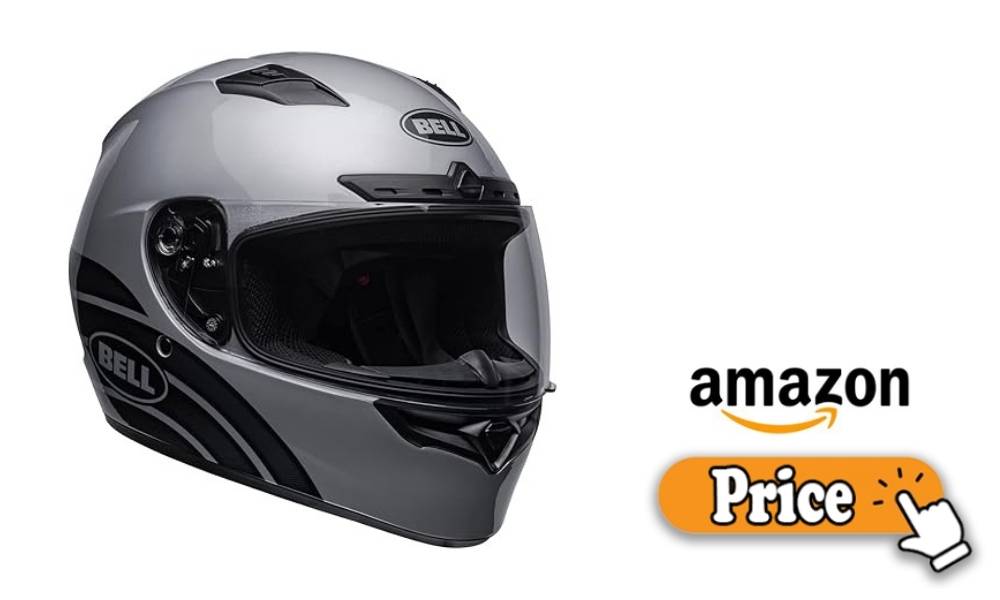
The Bell Qualifier DLX MIPS helmet is a mix of good and bad points. It is a great value. It has safety and convenience features you usually see on expensive helmets. It has the MIPS system and the Transitions ProTint shield. This makes it a great choice for under $300.
But it also has some clear downsides. You must know about them before you buy it. The helmet is very loud. It is not a good choice for long trips unless you wear earplugs. Its 3-star SHARP safety rating is a key fact. This means it is not as safe as helmets with a 5-star rating.
This helmet is best for new riders or people who ride in the city. The helmet’s features give them a big upgrade in safety for a good price. This helmet is not for riders who want a quiet ride. It is also not for riders who need a 5-star SHARP or Snell rating for top safety.
The most important thing about a helmet is how it fits. The sizing can be off. So, you should try on the helmet in a store before you buy it. This will make sure it fits you well and is safe.