5 Best Fuel System Cleaner for Carbureted Motorcycles in 2025: Which is best for my bike ?

Hey, motorcycle lover! If you own a carbureted bike, you know it’s a bit different than newer fuel-injected bikes. But that’s the fun part, right? Carburetors are simple, mechanical, and easy to work with. They give your bike character and make it fun to tinker with.
But, like any part of your bike, carburetors need care. The fuel system, in particular, needs attention from time to time. If your bike has been sitting around for a while, fuel can leave deposits in the carburetor. These deposits can cause trouble like hard starts, rough idling, or poor acceleration.
That’s where fuel system cleaners come in. They help clean out all the gunk and get your bike running smoothly again. But not all cleaners are the same. Some are too harsh and can damage your carburetor, while others are too gentle and won’t do much. So, how do you choose the best one?
I’ve tried quite a few cleaners over the years, and in this guide, I’ll share what worked best for me. Let’s get started!
What Goes Wrong and How to Fix It
First, let’s take a quick look at how carburetors work. A carburetor mixes air and fuel in just the right amounts to power your engine. It’s a simple system, but it has tiny parts that can easily get clogged with dirt or fuel deposits.
The real problem happens when your bike sits unused for a while. Gasoline doesn’t last forever. It breaks down, especially if it has ethanol. Ethanol pulls in moisture from the air, which leads to rust and clogs. These problems are worse for carburetors because the small parts inside can get blocked easily.
If this happens, your bike won’t start as easily, it may run rough, or you might lose power when riding. Fuel system cleaners are designed to fix these issues. They clean out the deposits and get everything working again. But you need to pick the right one. Some cleaners are stronger than others, and using the wrong one could cause damage.
You can also See: Best Fuel Injector Cleaner for Motorcycle in 2025 – What Really Works?
The Best Fuel System Cleaners for Carbureted Motorcycles
When you’re looking for the best fuel system cleaner for your carbureted motorcycle, it’s important to know what you’re dealing with. Carburetors are delicate systems, and not every cleaner is created equal. Some cleaners use strong solvents that can damage rubber seals and plastic parts inside the carb. Others are more gentle, but they might not clean the system effectively.
I’ve tried a few options, and there are a few that really stood out. Let’s go through some of the best fuel system cleaners that will help keep your carburetor running smoothly.
1. Red Line SI-1: The Heavy-Duty Cleaner
If your carburetor is seriously clogged, you need something that’s going to get in there and break up the deposits. Red Line SI-1 is one of the most popular cleaners for a reason. It’s packed with Polyetheramine (PEA), a powerful detergent that works wonders on carbon buildup.
PEA is particularly effective at breaking down stubborn carbon deposits in the carburetor, fuel injectors, and even the combustion chamber. This cleaner is designed to work with both carbureted and fuel-injected bikes, making it versatile. The best part? It doesn’t contain harsh solvents, so it’s safe to use on older bikes with sensitive parts.
I’ve used Red Line SI-1 on my bike, and the results were impressive. After using it, my bike started much easier, the throttle response was sharper, and I noticed a smoother idle. The cleaner is ideal for older bikes that have been sitting for a while or for bikes with moderate performance issues.

Pros:
- Great for deep cleaning carburetors.
- Contains PEA, which is excellent for removing carbon deposits.
- Safe for older bikes with rubber and plastic parts.
Cons:
- It’s a bit on the pricey side compared to some other cleaners.
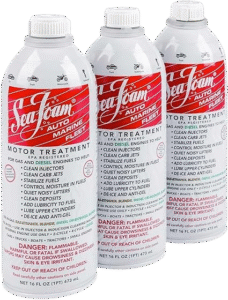
2. Sea Foam Motor Treatment: The Multi-Tasker
Sea Foam is a name that’s probably familiar to most motorcycle owners, and for good reason. It’s an excellent all-rounder when it comes to cleaning your carburetor and fuel system. Sea Foam works by cleaning not only the carburetor but also the entire fuel system. It helps dissolve gum, varnish, and carbon deposits while also acting as a fuel stabilizer.
What I like about Sea Foam is its versatility. It can clean your carburetor, prevent moisture buildup, and even lubricate the upper engine parts. It’s a great option if you’re looking to maintain your carburetor and prevent future problems, rather than just dealing with a clogged system.
I used Sea Foam when I stored my bike over winter. When I started it up again, the bike ran much smoother, and I didn’t have to worry about old, gummed-up fuel causing issues.
Pros:
- Cleans and stabilizes the fuel system.
- Prevents moisture buildup, which is especially important in humid climates.
- Great for regular maintenance and winter storage.
Cons:
- It’s not as powerful as some of the other cleaners if you have a really clogged carburetor.
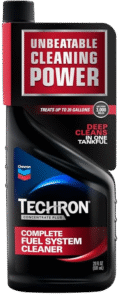
3. Chevron Techron Concentrate Plus: The Ethanol Fighter
If you’re using ethanol-blended fuel, then you know the headaches it can cause. Ethanol attracts moisture and can cause fuel lines to corrode, leading to poor engine performance. Chevron Techron Concentrate Plus is specifically formulated to deal with ethanol-related issues.
This cleaner contains PEA, just like Red Line SI-1, and it works wonders on the carburetor. It also protects against ethanol’s harmful effects by preventing moisture buildup and cleaning out gunk that’s caused by the ethanol blend. I’ve used Techron on my bike after using ethanol fuel for a while, and I could immediately feel the difference. The engine ran smoother, and the throttle response was much better.
Pros:
- Excellent for bikes that use ethanol-blended fuel.
- Helps clean out ethanol-related deposits.
- Effective for deep cleaning and preventing future issues.
Cons:
- Like Red Line SI-1, it can be a bit pricey.
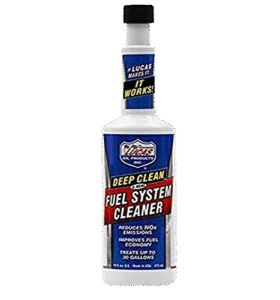
4. Lucas Oil Deep Clean: The All-Around Reviver
Lucas Oil Deep Clean is another great choice for carbureted motorcycles. It’s a solvent-based cleaner that removes carbon deposits and varnish from your carburetor. It’s perfect for older bikes, especially those that have been sitting unused for a while.
I’ve used Lucas Oil Deep Clean on my older bike, and the results were fantastic. It revived the bike’s engine performance and got rid of the rough idling I had been experiencing. The cleaner also helps prevent knocking and pinging, which is a common issue for older carbureted engines.
Pros:
- Great for reviving old carburetors and engines.
- Cleans carbon deposits and varnish.
- Helps prevent engine knocking and pinging.
Cons:
- Some users find it a bit too strong for regular maintenance.
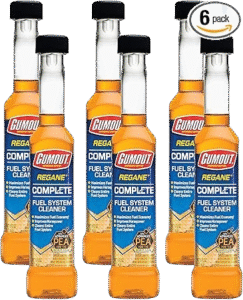
5. Gumout Regane: The Budget-Friendly Option
If you’re looking for a budget-friendly cleaner that still gets the job done, Gumout Regane is a solid option. This cleaner is designed to remove carbon buildup and varnish from the carburetor and other parts of the fuel system. It works well for bikes that are showing symptoms like rough idling or lost power.
I’ve used Gumout Regane on a couple of my bikes, and it did a good job cleaning out the carburetor. It might not be as powerful as some of the premium options, but it’s a reliable product for regular maintenance.
Pros:
- Affordable and effective for regular maintenance.
- Works well for cleaning carbon buildup and varnish.
Cons:
- Not as effective for severe carburetor issues.
So, there you have it! These are some of the best fuel system cleaners I’ve personally tried for carbureted motorcycles. Each one has its own strengths and is suited for different needs. Whether you’re dealing with clogged jets, rough idling, or just want to keep your bike running smoothly, there’s a cleaner for every situation.
How to Use Fuel System Cleaners for Carbureted Motorcycles
Now that we’ve covered some of the top fuel system cleaners for carbureted motorcycles, it’s time to dive into how to use them effectively. Using the right cleaner in the right way is key to achieving the best results without causing damage to your bike’s fuel system. Here’s a step-by-step guide to help you get the most out of your fuel system cleaner.
1. Understanding Your Bike’s Fuel System
Before you start using any fuel system cleaner, it’s essential to understand how your carbureted motorcycle’s fuel system works. Carburetors are mechanical systems that mix air and fuel for combustion, relying on tiny jets and passages to deliver the perfect mixture. Over time, these tiny passages can become clogged with fuel deposits, leading to poor performance.
Fuel system cleaners work by dissolving these deposits, allowing the fuel to flow freely through the carburetor. But not all cleaners work the same way, and how you use them can make a big difference in how well they clean the system.
2. Choosing the Right Cleaner for the Job
As we discussed in the previous section, there are a few different types of fuel system cleaners. If you’re dealing with mild issues, a gentler cleaner like Sea Foam or Yamalube Fuel Stabilizer & Conditioner may be the way to go. These are perfect for regular maintenance or bikes that are stored for extended periods.
On the other hand, if you’re facing more severe issues like hard starting, rough idling, or power loss, you may need something more powerful, like Red Line SI-1 or Berryman B-12. These cleaners are designed to break down stubborn carbon deposits and varnish, which can build up in the carburetor over time.
3. The Right Way to Apply a Fuel System Cleaner
Here’s a simple guide on how to use these cleaners:
- Add the Cleaner to the Fuel Tank: The first step is to add the recommended amount of cleaner to your fuel tank. For most products, this will be about one ounce of cleaner for every gallon of fuel. Always check the product label for exact instructions, as different cleaners have different dosages.
- Add Fresh Fuel: After adding the cleaner, fill your tank with fresh fuel. This ensures that the cleaner is thoroughly mixed with the fuel and will circulate properly through the fuel system.
- Start the Engine: Start the engine and let it run for a few minutes to allow the treated fuel to circulate through the entire fuel system. Some products, like Sea Foam, recommend letting the bike idle for a while or even taking it for a short ride to ensure the cleaner reaches all the necessary components.
- Ride Your Bike: After letting the cleaner circulate for a bit, take your bike for a ride. Aim for at least 5 to 10 miles so that the cleaner can thoroughly clean the carburetor and fuel lines. If your bike has been sitting for a long time, it might take a bit longer for the cleaner to fully work its magic.
- Monitor Performance: After the ride, check for improvements in performance. If you’re using a mild cleaner, you may notice smoother idle and better throttle response right away. For more severe issues, it might take a few treatments before you see significant improvement.
4. How Often Should You Use Fuel System Cleaners?
Fuel system cleaners can be used both for periodic maintenance and for more immediate problems. Here’s a general rule of thumb:
- Regular Maintenance: For bikes that are ridden regularly, a maintenance dose of fuel system cleaner every few months (or every 3,000 to 4,000 miles) should be sufficient. This will help prevent the buildup of carbon and varnish over time and keep your carburetor in good working condition.
- Storage: If you store your bike for the winter or for long periods, using a fuel stabilizer like Sea Foam or Yamalube Fuel Stabilizer & Conditioner Plus is highly recommended. This will keep the fuel fresh and prevent varnish buildup in the carburetor.
- Severe Issues: If your bike is experiencing hard starts, rough idling, or power loss, it’s a sign that the carburetor may be clogged. In this case, a more aggressive cleaner like Red Line SI-1 or Berryman B-12 may be needed. You might need to do multiple treatments to get the carburetor back to normal.
You can also See: Carburetor Vs Fuel Injection Motorcycle:- Which Is Best?
5. Common Mistakes to Avoid
When using fuel system cleaners, there are a few mistakes that can make the process less effective or even harmful to your motorcycle:
- Overusing the Cleaner: More cleaner doesn’t necessarily mean better results. Always follow the manufacturer’s recommendations for dosage. Adding too much cleaner can lead to unintended consequences, like clogged fuel lines or over-lean fuel mixtures.
- Using the Wrong Cleaner: Not all cleaners are the same. If you’re dealing with light buildup, a gentle cleaner like Sea Foam may be enough. But for stubborn deposits, you’ll need something stronger like Red Line SI-1. Make sure you choose the right product based on the severity of the problem.
- Ignoring the Instructions: Always follow the product’s instructions to ensure the best results. Some cleaners may need to be added to a nearly empty tank, while others may work better with a full tank. Don’t skip this step, as it can affect the efficiency of the cleaning process.
- Skipping the Ride: After adding the cleaner and filling up with fresh fuel, be sure to ride your bike for a few miles. Letting the bike idle isn’t enough to circulate the cleaner through the entire system. Take the bike for a short ride to ensure the cleaner works its way into the carburetor and fuel lines.
6. Why You Shouldn’t Rely on Cleaners Alone
While fuel system cleaners are great for routine maintenance, they aren’t a cure-all. If your carburetor is severely clogged or if there are other mechanical issues with your bike, a fuel system cleaner might not fix the problem. In these cases, you may need to disassemble the carburetor for a more thorough cleaning or even a rebuild.
Fuel system cleaners are an excellent tool to prevent problems, but they should be part of a larger maintenance plan that includes regular inspections, proper storage, and occasionally taking your bike in for a professional carburetor cleaning or rebuild.
I hope this section gives you a clear understanding of how to use fuel system cleaners on your carbureted motorcycle. If you follow these steps and use the right cleaner for your bike’s needs, you’ll enjoy smoother rides and fewer carburetor issues.
The Science Behind Fuel System Cleaners: How They Work
Fuel system cleaners are packed with chemicals that do a lot of heavy lifting to keep your carbureted motorcycle running smoothly. It’s not just about adding a bit of cleaner to your fuel tank and hoping for the best; understanding how these cleaners work can help you get the most out of them. In this section, we’ll break down the key ingredients found in fuel system cleaners and how they help your bike’s engine.
1. Active Ingredients: Polyetheramine (PEA), Solvents, and Detergents
Fuel system cleaners typically contain a mix of active ingredients designed to target different types of deposits and contaminants in your carburetor and fuel system. Let’s take a closer look at the most common ones.
Polyetheramine (PEA)
PEA is a high-performance detergent found in many of the best fuel system cleaners, like Red Line SI-1 and Chevron Techron. It’s particularly effective at breaking down carbon deposits, which are commonly found in carburetors and combustion chambers. Carbon buildup is a result of incomplete fuel combustion, and it can clog tiny jets and passages in the carburetor, leading to poor engine performance.
PEA works by attaching itself to the carbon particles, breaking them down into smaller pieces that can be carried away by the fuel. It’s highly effective because it can withstand the high temperatures of the combustion chamber, where these deposits are often baked on. This is why products with high concentrations of PEA, such as Red Line SI-1, are so effective at cleaning carburetors and improving engine performance.
Solvents
Solvents are another key ingredient in fuel system cleaners. They work by dissolving softer deposits, like varnish and gum, that can form in your carburetor over time. These deposits can result from stale fuel or the fuel degradation process, and they can create blockages in the carburetor, causing rough idling, hard starts, or poor throttle response.
Common solvents found in fuel system cleaners include acetone, toluene, xylene, and methyl ethyl ketone (MEK). These solvents are excellent at breaking down varnish and gum but can be a bit harsh on sensitive materials like rubber and plastic. That’s why it’s important to choose a cleaner that’s compatible with your bike’s carburetor materials, especially if you’re working with an older bike.
Products like Berryman B-12 Chemtool and Gumout Carb & Choke Cleaner are solvent-heavy formulas that are ideal for addressing severe buildup. However, because of their aggressive nature, they should be used with caution on older carburetors or bikes with delicate rubber or plastic parts.
Detergents
In addition to PEA, fuel system cleaners often include other detergents to help lift deposits from surfaces and keep them suspended in the fuel. These detergents are designed to work with the solvents to ensure that deposits don’t settle back into the system once they’re broken down. This is especially important in preventing the formation of new deposits after the cleaning process is complete.
Detergents work by breaking down the bonds between deposits and the surfaces they cling to, allowing the fuel to flush them out of the system. Some cleaners, like Sea Foam, use petroleum-based detergents that are gentler on older carburetor parts but still effective at tackling light buildup.
2. The Cleaning Process: How Fuel System Cleaners Dissolve Deposits
When you add a fuel system cleaner to your bike’s gas tank, it doesn’t just sit there waiting to work. As you ride, the cleaner mixes with the fuel and circulates through the fuel lines, carburetor, and combustion chamber. This circulation allows the active ingredients to target and break down the deposits that are clogging up the system.
For example, if your carburetor has carbon buildup in the jets or fuel passages, the PEA in the cleaner attaches to those carbon deposits and begins breaking them down. The solvents then dissolve any varnish or gum that might be clogging other parts of the system, like the throttle body or intake valves. As these deposits are loosened and dissolved, they’re carried away by the flow of fuel and either burned off during combustion or expelled through the exhaust.
The process is gradual, which is why it’s recommended to ride your bike for at least 5-10 miles after adding the cleaner. This allows the cleaner to reach every part of the fuel system, ensuring that even the smallest passages are cleaned out.
You can also see: How to Clean Motorcycle Fuel Injectors?
3. Types of Deposits: Why Different Cleaners Target Different Problems
Not all fuel system deposits are created equal. There are several types of deposits that can form in carburetors and fuel systems, and different cleaners are designed to target them. Understanding the types of deposits your bike might be facing can help you choose the right cleaner for the job.
Carbon Deposits
As we’ve discussed, carbon deposits are one of the most common problems in carbureted motorcycles. These hard, black residues are a byproduct of incomplete combustion and can accumulate on intake valves, piston crowns, and carburetor jets. Carbon buildup can cause performance issues like rough idling, hesitation, and power loss.
Fuel system cleaners containing PEA, like Red Line SI-1 and Chevron Techron, are particularly effective at tackling carbon deposits. The PEA molecules break down the carbon and carry it away through the fuel system, helping to restore proper fuel flow and improve engine performance.
Varnish and Gum
Varnish and gum are sticky, resinous substances that form when fuel degrades over time, particularly in motorcycles that are stored for long periods. These deposits can clog carburetor jets and coat the internal parts of the carburetor, leading to poor fuel flow and engine hesitation.
Solvent-heavy cleaners, like Berryman B-12 Chemtool and Gumout Carb & Choke Cleaner, are perfect for dissolving these types of deposits. They break down the varnish and gum, allowing the fuel to flow freely through the carburetor again.
Moisture-Related Deposits
Ethanol-blended fuels are notorious for absorbing moisture from the air. This water can mix with the ethanol in the fuel, creating phase separation, where the ethanol and water layer separate from the gasoline. The result is a non-combustible layer of liquid that can cause running issues, especially in older carburetors.
Some cleaners, like Sea Foam and STA-BIL Fast Fix, are specifically designed to deal with moisture-related problems. They help absorb water from the fuel system and prevent corrosion in the carburetor and fuel lines. These cleaners are also useful for motorcycles that have been stored for a long time, especially if ethanol-blended fuel has been left in the tank.
4. What to Expect After Using a Fuel System Cleaner
After using a fuel system cleaner, you should notice improvements in your bike’s performance. Here’s what to expect:
- Improved Throttle Response: One of the first things you’ll notice after using a fuel system cleaner is a crisper throttle response. This is a result of the cleaner removing carbon deposits from the jets and fuel passages, allowing the fuel to flow more freely.
- Smoother Idle: If your bike has been idling roughly, you should see improvements here too. Cleaning the idle jets and passages can help restore a smooth and consistent idle.
- Better Starting: A carburetor that’s clogged with varnish or carbon can cause hard starting, especially when the engine is cold. After using a cleaner, your bike should start more easily and run more reliably.
- Increased Power: If your bike has been suffering from lost acceleration or power loss, a fuel system cleaner can help restore full power by cleaning out the jets and fuel passages that are restricting fuel flow.
However, keep in mind that if your carburetor is severely clogged or damaged, you may need to do more than just use a fuel system cleaner. In some cases, a full carburetor rebuild may be necessary.
How to Choose the Best Fuel System Cleaner for Your Carbureted Motorcycle
Choosing the best fuel system cleaner for your carbureted motorcycle isn’t too hard. But you do need to consider a few key factors. Let’s break it down.
1. Factors to Consider When Choosing a Fuel System Cleaner
When picking a fuel system cleaner, keep these things in mind:
i. Age and Condition of Your Motorcycle
Older motorcycles are more delicate. The parts, especially rubber and plastic, may be more sensitive to harsh chemicals. For vintage bikes, it’s best to start with a gentle cleaner. A good choice would be Sea Foam Motor Treatment. It’s known to work well with older components. If your bike is newer, you can use a stronger cleaner like Red Line SI-1 or Chevron Techron.
ii. Severity of the Problem
The problems you’re facing with your carburetor will also affect your choice.
- For Mild Issues (like a rough idle or hesitation): A light cleaner like Chevron Techron or Liqui Moly 4T Shooter should do the job. These products will work for regular maintenance or if your bike has mild problems.
- For More Serious Issues (like hard starts or power loss): If your bike is struggling to start or has noticeable power loss, a stronger cleaner may be needed. A PEA-based cleaner like Red Line SI-1 or Lucas Oil Deep Clean will do a better job of clearing up carbon buildup.
- For Severe Problems (like sitting unused for months): If your bike has been sitting for a long time, you might need a more powerful cleaner. Berryman B-12 Chemtool is a good choice. It’s a strong solvent-based cleaner, but it can be harsh on older parts.
iii. Type of Deposits You’re Dealing With
Different cleaners target different types of buildup.
- Carbon Deposits: Carbon is a common problem. For carbon, you need a cleaner with Polyetheramine (PEA). Red Line SI-1, Chevron Techron, and Lucas Oil Deep Clean are all great at breaking down carbon deposits.
- Varnish and Gum: These sticky deposits form when fuel degrades over time. If your bike has been stored for a while, look for a solvent-based cleaner like Berryman B-12 Chemtool or Gumout Carb & Choke Cleaner. These can dissolve varnish and gum.
- Moisture and Ethanol-Related Issues: Ethanol-blended fuel can cause moisture to build up and create problems. If you think ethanol is the issue, Sea Foam or STA-BIL Fast Fix will help. These cleaners are specifically designed to deal with moisture and ethanol-related problems.
iv. Frequency of Use and Maintenance Schedule
Think about how often you need to use the cleaner. Some products are meant for regular use, while others are for deep cleaning.
- For Regular Use: If you want to maintain your bike and prevent problems, a milder cleaner is best. Sea Foam and Yamalube Fuel Stabilizer & Conditioner Plus are good choices for routine maintenance.
- For Periodic Deep Cleaning: If your bike has been sitting or you’re dealing with noticeable issues, you’ll need a stronger cleaner. Red Line SI-1 or Lucas Oil Deep Clean are good options for a more thorough clean.
2. Matching Cleaners to Your Bike’s Needs
Now let’s match the right cleaner to your motorcycle’s situation:
Scenario 1: Your Bike Has Been Sitting and Shows Rough Idle and Hard Starting
If your bike has been sitting for a while, Sea Foam Motor Treatment or Chevron Techron Concentrate Plus is a good place to start. They’re gentle and can help clear out light deposits. If the problem continues, you can use Red Line SI-1, a more powerful option.
Scenario 2: Your Bike Is Struggling with Power Loss and Hesitation
Power loss or hesitation often means your carburetor jets are clogged. In this case, go for a stronger cleaner like Red Line SI-1 or Lucas Oil Deep Clean. These products can clear out carbon buildup that’s likely causing the issue.
Scenario 3: You’ve Used Ethanol-Blend Fuel and Are Worried About Corrosion or Moisture
If you’ve been using ethanol-blended fuel, you may need a cleaner that can handle moisture-related issues. Sea Foam and STA-BIL Fast Fix are both great for preventing ethanol damage. They’ll also help protect your fuel system from corrosion.
Scenario 4: You Want to Keep Your Carburetor in Good Condition with Preventative Maintenance
For regular maintenance, use a mild cleaner like Chevron Techron or Liqui Moly 4T Shooter. Add these products to your fuel every few tanks to keep your carburetor clean and running smoothly.
3. Tips for Using Fuel System Cleaners Effectively
Here are a few tips for getting the best results from your fuel system cleaner:
- Choose the Right Cleaner: Pick a cleaner based on the type of problem you’re facing. A gentle cleaner is best for maintenance, while a stronger cleaner is needed for severe issues.
- Follow the Instructions: Always use the recommended amount of cleaner. More isn’t always better and could damage your bike.
- Give It Time to Work: After adding the cleaner, ride your bike to allow the fuel to circulate through the system. If your system is really dirty, some products, like Sea Foam, may need to sit in the carburetor for a few hours or overnight.
- Spray Cleaner Application: If you’re using a spray cleaner, make sure the engine is off and cool before you spray. Be careful not to get any cleaner on painted surfaces or rubber components.
Now you’re ready to choose the best fuel system cleaner for your carbureted motorcycle. By understanding your bike’s needs and following the tips above, you can keep your motorcycle running smoothly and avoid costly repairs down the road.
How to Safely Handle Fuel System Cleaners
Now that we know what’s inside these cleaners, let’s talk about how to use them safely. Here are a few tips to keep in mind:
1. Wear Protective Gear
Fuel system cleaners are often flammable and can cause skin and eye irritation. Always wear the appropriate personal protective equipment (PPE):
- Gloves: Choose chemical-resistant gloves to protect your hands from the cleaner’s harsh chemicals.
- Safety Goggles: Protect your eyes from splashes.
- Mask/Respirator: If you’re working in a poorly ventilated area, a mask or respirator can protect you from inhaling fumes.
2. Work in a Well-Ventilated Area
Many fuel system cleaners release harmful vapors, which can be dangerous to inhale. Always work in a well-ventilated area, ideally outdoors or in a well-ventilated garage. If you’re working inside, open all windows and doors to allow the fumes to escape.
3. Avoid Open Flames or Sparks
Since many of these cleaners are highly flammable, make sure to keep them away from open flames, sparks, or hot surfaces. Don’t smoke while using these products, and always store them in a cool, dry place away from heat sources.
4. Store Cleaners Properly
Fuel system cleaners should be stored according to the manufacturer’s instructions, usually in a cool, dry place. Ensure that the lids are tightly sealed to prevent leaks, and store them away from children and pets. Always check the expiration date and dispose of any expired products safely.
Getting the Most Out of Your Fuel System Cleaner
To ensure that your fuel system cleaner works as effectively as possible, follow these practical tips for use:
1. Proper Mixing and Dosage
Fuel system cleaners are designed to mix with your fuel, so it’s important to follow the manufacturer’s instructions regarding the correct dosage. Adding too much cleaner can waste product and may even harm your bike’s components. Use the recommended amount for the best results.
2. Running the Engine
Once you’ve added the cleaner to your fuel tank, it’s important to run the engine. Ride your bike for a while to allow the cleaner to circulate throughout the entire fuel system. This ensures that the cleaner reaches all the internal parts, including the jets, passages, and combustion chamber.
For heavy deposit issues, some products like Sea Foam may require a soaking period. You may need to let the treated fuel sit in the carburetor for several hours or even overnight before riding.
3. Realistic Expectations
Remember, fuel system cleaners work best on light to moderate deposits. If your carburetor is severely clogged or has physical damage, a cleaner may not solve the problem entirely. In such cases, you may need to disassemble the carburetor and clean it manually or seek professional help.
4. Regular Maintenance
Even if your carburetor is running smoothly, it’s a good idea to use a fuel system cleaner every few tanks. Regular maintenance prevents new deposits from building up and keeps your carburetor in optimal condition.
Proactive Carburetor Care and Maintenance
Fuel system cleaners are a key tool in maintaining your carbureted motorcycle, but they’re not the only part of the equation. To keep your bike running smoothly, a holistic approach to carburetor care is essential. Let’s explore how proactive maintenance and good practices can keep your carburetor in top condition.
1. When Cleaners Aren’t Enough: The Need for Manual Cleaning or Rebuilds
Fuel system cleaners are incredibly effective for tackling mild to moderate deposits. However, if your carburetor is suffering from severe clogging or physical damage, a cleaner alone won’t be enough. In these situations, you’ll need to roll up your sleeves and get hands-on.
i. When to Disassemble the Carburetor
If your bike is still experiencing issues after using a fuel system cleaner (such as persistent rough idling, hard starting, or power loss), it could be a sign that the carburetor needs a more thorough cleaning. Disassembling the carburetor allows you to access the tiny jets and passages that the cleaner might not fully reach.
ii. Manual Cleaning: Tools You’ll Need
Here’s what you’ll need to clean the carburetor manually:
- Carburetor Cleaner Spray: These sprays can help break down stubborn deposits on accessible parts like the choke, throttle plate, and linkage.
- Needle and Wire Brushes: These are essential for scrubbing small jets and passages, especially if they’re clogged with carbon or varnish.
- Compressed Air: After soaking and scrubbing, use compressed air to blow out any leftover debris from the internal passages.
- Ultrasonic Cleaner (Optional): If you have access to one, ultrasonic cleaning is a great option for deep cleaning carburetor parts. It uses high-frequency sound waves to dislodge even the most stubborn deposits from intricate carburetor parts.
iii. When to Consider a Carburetor Rebuild
If your carburetor is old and showing signs of wear (e.g., cracked gaskets, damaged needle valves, or worn-out float needles), a rebuild may be in order. Rebuilding a carburetor involves replacing the worn-out parts with new ones, and it’s a great way to restore your bike’s performance. If you’re not comfortable doing it yourself, you can always take it to a professional mechanic.
2 Fuel Quality: The Foundation of a Healthy Carburetor
Fuel quality plays a huge role in the health of your carbureted motorcycle. Using the right fuel not only helps your engine run smoothly, but it also prevents future issues with carburetor deposits. Here’s how to ensure you’re using the best fuel for your bike:
1. Avoid Ethanol-Blended Fuels (If Possible)
Ethanol is a common ingredient in modern gasoline, but it’s not ideal for carbureted motorcycles, especially older models. Ethanol can cause several problems, including:
- Corrosion of Metal Parts: Ethanol is highly corrosive, especially to aluminum and other metals commonly found in carburetors.
- Absorption of Water: Ethanol attracts moisture, which can cause rust and other water-related issues in the fuel system.
- Deposit Formation: Ethanol can contribute to varnish and gum buildup inside the carburetor.
If possible, opt for ethanol-free gasoline. Many motorcycle enthusiasts recommend using ethanol-free fuel, especially if you store your bike for long periods. You can often find ethanol-free fuel at stations near marinas, or use additives that treat the ethanol content.
2. Use Fresh Fuel
Fuel degrades over time, especially if it’s left sitting in your carburetor for weeks or months. This is why it’s crucial to use fresh fuel whenever you fill up your bike. Old or stale fuel can form varnish and gum, leading to carburetor clogs and performance issues.
3. Fuel Stabilization for Long-Term Storage
If you’re storing your bike for an extended period (such as over winter), make sure to add a fuel stabilizer to the tank. Fuel stabilizers prevent the fuel from degrading and causing varnish buildup inside the carburetor. Products like STA-BIL Fuel Stabilizer or Sea Foam Motor Treatment are popular choices for keeping fuel fresh during storage.
You can see: How to Adjust Idle on Fuel Injected Harley Davidson?
FAQs
1.Q: What is the best fuel system cleaner for carbureted motorcycles?
A: The best fuel system cleaner for carbureted motorcycles is one that effectively removes deposits, varnish, and gum. Products like Red Line SI-1 and Chevron Techron are highly recommended for cleaning carburetors.
2.Q: How often should I use a fuel system cleaner for my carbureted motorcycle?
A: You should use a fuel system cleaner for your carbureted motorcycle every 3,000-5,000 miles, or if you notice performance issues like hard starting or rough idling. It helps maintain clean fuel lines and carburetor jets.
3.Q: Can fuel system cleaners fix a clogged carburetor?
A: Yes, fuel system cleaners can help dissolve mild clogs in carburetors caused by varnish and gum. However, severe blockages may require manual cleaning or carburetor disassembly.
4.Q: Are fuel system cleaners safe for vintage carburetors?
A: Many fuel system cleaners, like Red Line SI-1, are safe for vintage carburetors. However, always check compatibility, as some aggressive solvents can damage older rubber and plastic components.
5.Q: How does ethanol affect my carbureted motorcycle, and can a fuel system cleaner help?
A: Ethanol in fuel can cause corrosion and deposit buildup in carburetors. Using a fuel system cleaner like Techron can help prevent and clean ethanol-related damage, ensuring smooth engine performance.
6.Q: Can I use fuel system cleaners regularly in my carbureted motorcycle?
A: Yes, you can use fuel system cleaners regularly for preventative maintenance. Using a cleaner with each fuel fill-up will help keep your carburetor and fuel system running clean and efficient.
7.Q: What symptoms should I look for if my carbureted motorcycle needs a fuel system cleaner?
A: If your carbureted motorcycle has hard starting, rough idling, hesitation, or poor acceleration, it may need a fuel system cleaner to clear deposits and restore proper fuel flow.
8.Q: Are there any risks when using fuel system cleaners on carbureted motorcycles?
A: While most fuel system cleaners are safe, using aggressive cleaners on older carburetors can damage sensitive parts like rubber seals. Always follow the product instructions and check for compatibility.
7.Q: How does a fuel system cleaner improve the performance of my carbureted motorcycle?
A: A fuel system cleaner removes dirt, varnish, and gum from carburetors and fuel lines, improving throttle response, fuel economy, and overall engine performance.
8.Q: Should I remove my carburetor before using a fuel system cleaner?
A: For light cleaning, you can add the cleaner to your fuel tank without removing the carburetor. However, for severe blockages or deep cleaning, manual disassembly may be necessary.
Conclusition
Maintaining a carbureted motorcycle is all about consistent care. Fuel system cleaners are powerful tools, but they’re just one part of the equation. Here are some quick tips for keeping your carburetor in top shape:
- Use the Right Cleaner for the Job: Choose a cleaner based on the severity of your carburetor’s issues. For light maintenance, a PEA-based cleaner like Chevron Techron or Red Line SI-1 will do the trick. For severe clogs, consider a stronger solvent-based cleaner like Berryman B-12—but be cautious of its impact on rubber parts.
- Store Your Bike Properly: If you’re storing your motorcycle for a long period, use a fuel stabilizer and top off the tank with ethanol-free fuel. This will help prevent varnish buildup and corrosion.
- Perform Regular Inspections: Make carburetor inspections a regular part of your bike maintenance routine. Look for leaks, wear, and dirt buildup, and take action before the problem becomes serious.
- Maintain Good Fuel Quality: Always use fresh, high-quality fuel. If possible, avoid ethanol-blended gasoline, as it can contribute to many carburetor problems.
- Be Ready for Manual Cleaning or Rebuilds: If your carburetor is still acting up after using a cleaner, don’t hesitate to disassemble and clean it manually. Sometimes, a full rebuild is necessary to restore your bike’s performance.
By following these tips, you’ll not only improve the lifespan of your carburetor but also ensure that your motorcycle runs smoothly and reliably. Consistent care, a good fuel system cleaner, and proactive maintenance can keep your carbureted bike in top shape for years to come.