C Vs D Battery: Ultimate Guide to Choosing the Best Power Source 2026

When you’re choosing batteries for your devices, the options can feel overwhelming. Have you ever wondered what makes a C battery different from a D battery?
Picking the right one can save you money, power your gadgets longer, and avoid frustrating replacements. You’ll discover the key differences between C and D batteries, so you can make smart choices that fit your needs perfectly. Keep reading to find out which battery is best for your devices and why it matters more than you think.
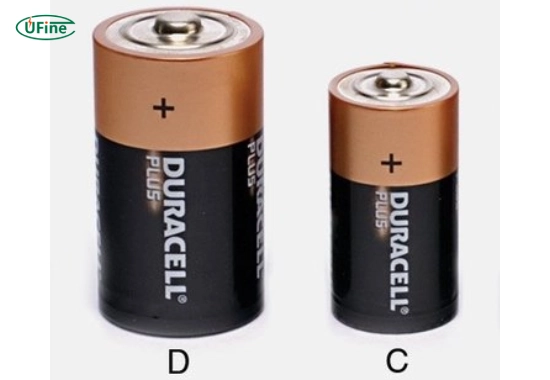
Credit: www.ufinebattery.com
Battery Basics
Batteries power many devices around us, from toys to flashlights. Understanding the C Vs D Battery basics helps choose the right one. Both C and D batteries provide energy, but they differ in size, capacity, and use. Knowing these differences can extend device life and improve performance. This section covers the essential facts about battery types and how they work. Learn about D Battery Size, C Battery Size, and other key features to make smart choices.
Common Battery Types
Batteries come in many shapes and sizes. The most common types include:
- AA and AAA: Small, used in remote controls and small gadgets.
- C Battery Size: Medium size, often found in toys and portable devices.
- D Battery Size: Larger and thicker, used for high-power devices like flashlights and radios.
Among these, C and D batteries are popular due to their Battery Capacity Comparison. D batteries usually hold more energy than C batteries. This means they last longer in devices that need more power.
| Battery Type | Size (Diameter x Height) | Typical Voltage | Common Applications | Battery Lifespan |
|---|---|---|---|---|
| C Battery | 26.2 mm x 50 mm | 1.5 V | Toys, flashlights, portable radios | Moderate |
| D Battery | 34.2 mm x 61.5 mm | 1.5 V | High-drain devices, lanterns, large flashlights | Longer than C battery |
Both Alkaline D Battery and Alkaline C Battery are common. Alkaline batteries offer good performance and longer life than older types. Rechargeable options are available too. Rechargeable C Battery and Rechargeable D Battery save money and reduce waste. They work well in devices used often.
How Batteries Work
Batteries create electricity through chemical reactions inside them. These reactions move electrons from one part to another, producing electric current. This current powers devices.
Each battery has two terminals: positive and negative. The flow of electrons goes from the negative terminal to the positive one.
Key points about battery operation:
- Battery Voltage Differences: Most C and D batteries provide 1.5 volts each.
- Battery Capacity: Capacity measures how much energy a battery stores.
- Battery Lifespan: Depends on the size and type of battery and device use.
Internal chemicals in alkaline batteries slowly run out, reducing power. Rechargeable batteries use different chemicals that recharge by reversing the reaction. This allows reuse many times.
Understanding how batteries work helps in choosing the right one for each device. For example, a flashlight needing long use benefits from a D battery with higher capacity. Smaller devices may only need a C battery.
Size And Dimensions
Understanding the size and dimensions of C and D batteries is important for choosing the right battery for your device. Both are popular cylindrical batteries, but they differ in physical size, capacity, and weight. These differences affect the battery lifespan and how they fit in various battery applications. Comparing their battery dimensions helps users decide which battery suits their needs best.
Physical Size Comparison
The battery size comparison between C and D batteries shows clear differences in length and diameter. D batteries are larger in both aspects, which allows them to hold more energy. This size difference impacts their battery capacity and how long they can power devices.
| Battery Type | Length (mm) | Diameter (mm) |
|---|---|---|
| C Battery | 50 | 26.2 |
| D Battery | 61.5 | 34.2 |
Key points about battery size comparison:
- D batteries are about 20% longer than C batteries.
- The diameter of a D battery is roughly 30% larger than a C battery.
- Larger size means higher battery capacity and longer usage time.
- Devices designed for D batteries cannot use C batteries due to size mismatch.
In summary, the bigger battery size of the D battery allows for more power storage and longer operation in devices.
Weight Differences
The battery weight difference between C and D batteries affects portability and device balance. D batteries weigh more because of their larger size and higher internal material volume.
| Battery Type | Weight (grams) |
|---|---|
| C Battery | 70 |
| D Battery | 140 |
Important facts about battery weight difference:
- D batteries weigh roughly twice as much as C batteries.
- Heavier weight can affect handheld device comfort.
- More weight usually means higher battery capacity and longer battery lifespan.
- Devices needing longer runtime often prefer D batteries despite the extra weight.
Understanding the battery weight difference helps in selecting the right battery for your device’s size and power needs.
Voltage And Capacity
The voltage and capacity of batteries play a crucial role in their performance and suitability for various devices. Understanding the differences between C vs D battery in these areas helps you choose the right power source. Both batteries provide similar voltage levels but differ significantly in capacity and lifespan. This affects how long your device runs before needing a replacement or recharge. Battery voltage comparison and battery capacity differences are key factors in battery applications, especially in devices requiring steady and long-lasting power.
Voltage Ratings
Both C battery and D battery typically have a voltage rating of 1.5 volts when using alkaline chemistry. This standard voltage allows them to power many household devices efficiently. Here is a simple overview of their voltage:
| Battery Type | Voltage Rating | Common Chemistry |
|---|---|---|
| C Battery | 1.5V | Alkaline, NiMH (Rechargeable) |
| D Battery | 1.5V | Alkaline, NiMH (Rechargeable) |
The battery voltage comparison shows that both batteries deliver the same power output in volts. This means devices designed for either battery type will receive consistent voltage. The difference comes in how long they can maintain this voltage under use. Rechargeable C vs D battery types also share similar voltage specifications, but capacity varies greatly.
- Voltage remains steady during most of the battery life.
- Voltage drops sharply when the battery nears depletion.
- Device performance depends on stable voltage supply.
Battery Capacity And Lifespan
Battery capacity differences between C and D batteries affect how long they power a device. Capacity is measured in milliampere-hours (mAh) and indicates the total charge a battery can hold. Larger batteries usually have higher capacity and longer lifespan. D batteries are bigger and hold more energy than C batteries. This means better battery lifespan and longer battery usage in devices.
Here is a comparison of typical capacity values:
| Battery Type | Typical Capacity (mAh) | Common Applications |
|---|---|---|
| C Battery | 3000 – 8000 mAh | Flashlights, Toys, Radios |
| D Battery | 12000 – 20000 mAh | Large Flashlights, Boom Boxes, Portable Fans |
Battery capacity affects how often you replace or recharge batteries. D batteries last longer in high-drain devices due to their larger size and greater capacity. Battery lifespan also depends on device power consumption and usage patterns.
- D battery offers longer battery usage in power-hungry devices.
- C battery suits moderate power needs with smaller size.
- Rechargeable C vs D battery lifespan varies based on charge cycles.
Choosing the right battery size impacts device performance and convenience. Understanding battery capacity and lifespan helps make better decisions for your battery applications.

Credit: www.youtube.com
Applications
C Vs D Battery applications vary widely due to differences in size, capacity, and power output. Both batteries share the same voltage but differ in physical dimensions and capacity. Understanding where each battery fits best helps in choosing the right power source for your devices.
The C Battery Size is smaller than the D Battery Size. This size difference affects the Battery Capacity Comparison and battery life. Devices that need moderate power often use C batteries. Devices requiring longer battery life and higher capacity usually use D batteries. Knowing which battery suits your device improves performance and efficiency.
Devices Using C Batteries
Devices Powered By C Batteries are generally medium-powered gadgets. These devices need a balance of size and power. C batteries provide enough energy without making the device bulky.
- Portable radios
- Flashlights with medium brightness
- Toys like remote-controlled cars
- Musical instruments such as small keyboards
- Camping lanterns
The C Battery Size fits easily into handheld tools and gadgets. Rechargeable C And D Batteries are available, letting users save money and reduce waste. Using rechargeable C batteries in these devices offers better Battery Life Differences compared to single-use batteries.
| Device Type | Power Demand | Why C Battery? |
|---|---|---|
| Portable Radio | Medium | Compact size, good capacity |
| Toys | Medium | Lightweight, easy to replace |
| Flashlights | Medium | Good brightness, portable |
Devices Using D Batteries
Devices Powered By D Batteries need more energy and longer run times. The D Battery Size is larger, allowing for higher capacity and longer battery life. This suits devices with high power consumption.
- Large flashlights and lanterns
- Portable radios with strong signals
- Heavy-duty toys and remote controls
- Some medical equipment
- Portable fans
The Battery Dimensions of D batteries offer more space for chemicals inside, improving energy storage. This means better performance for devices needing strong, steady power. Using Rechargeable C And D Batteries in these devices saves money and helps the environment.
| Device Type | Power Demand | Why D Battery? |
|---|---|---|
| Large Flashlights | High | Long battery life, strong output |
| Portable Fans | High | Long run time, steady power |
| Heavy-duty Toys | High | More capacity, durable |
Performance Factors
Understanding Battery Performance Factors is key when choosing between C and D batteries. Both battery sizes offer different Battery Capacity and energy output, affecting how long devices run. The size difference influences Battery Lifespan and how they deliver power. Two main factors to consider are the Discharge Rate Differences and the Temperature Impact On Batteries. These directly affect the Battery Voltage and overall Energy Output. This section explains these performance factors to help with your Battery Comparison.
Discharge Rates
The Discharge Rate Differences between C and D batteries affect how fast energy drains during use. D batteries generally have a larger capacity, so they last longer under high discharge rates. C batteries, while smaller, work well in devices with moderate power needs.
Key points about discharge rates:
- D Batteries provide steady voltage for longer periods.
- C Batteries may lose voltage faster under heavy load.
- High discharge rates reduce Battery Lifespan for both sizes.
- Rechargeable batteries handle discharge differently than non-rechargeable ones.
Here is a simple comparison table of discharge rates for typical alkaline batteries:
| Battery Size | Capacity (mAh) | Voltage (V) | Discharge Rate Suitability |
|---|---|---|---|
| C Battery | 8000 | 1.5 | Moderate |
| D Battery | 12000 | 1.5 | High |
Devices needing high energy output prefer D batteries for longer use. C batteries suit moderate energy devices better, balancing size and power.
Temperature Effects
Temperature Impact On Batteries greatly influences how both C and D batteries perform. Cold weather often lowers Battery Voltage and reduces Battery Lifespan. Heat can cause faster self-discharge, shortening battery life too.
Important temperature effects include:
- Low temperatures slow chemical reactions inside batteries.
- High temperatures increase energy loss and risk of damage.
- Rechargeable batteries may handle temperature changes better than non-rechargeable ones.
- Battery size affects heat dissipation; D batteries cool slower due to size.
Comparison of temperature effects on C and D batteries:
| Factor | C Battery | D Battery |
|---|---|---|
| Performance at Low Temp | Voltage drops faster | Voltage remains more stable |
| Self-Discharge Rate at High Temp | Moderate increase | Higher increase |
| Rechargeable Vs Non-Rechargeable | Rechargeable better tolerance | Rechargeable better tolerance |
Choosing the right battery size depends on device use and environment. Understanding these factors improves battery selection and device performance.
Cost And Availability
Understanding the cost and availability of C and D batteries helps in choosing the right power source for your devices. These two battery types differ in size, capacity, and price, which affects how often you buy them. Knowing the D Battery Capacity and C Battery Voltage also influences the overall value you get. This section breaks down the price and market presence of both batteries to guide your decision.
Price Comparison
The Battery Price Differences between C and D batteries mainly come from their size and energy capacity. D batteries usually cost more due to their larger size and higher power output. The D Battery Dimensions and D Battery Weight are bigger, which means more materials and higher production costs.
C batteries, with a smaller C Battery Size, generally have a lower price. They provide less power but suit devices needing moderate energy. Here are key points about their price:
- D batteries often cost 20-30% more than C batteries.
- Rechargeable C vs D battery prices vary by capacity and brand.
- Bulk buying reduces cost per unit for both battery types.
| Battery Type | Average Price (per unit) | Typical Capacity | Common Use |
|---|---|---|---|
| C Battery | $1.50 – $3.00 | 6000-8000 mAh | Medium power devices |
| D Battery | $2.00 – $4.50 | 12000-18000 mAh | High power devices |
Battery Usage Comparison shows D batteries last longer but cost more upfront. Choosing depends on device needs and budget. Rechargeable options can lower long-term costs for both types.
Market Availability
Battery Market Trends indicate that both C and D batteries remain widely available. Stores and online shops stock these batteries regularly due to steady demand in many household and industrial devices.
The C Battery Lifespan and D battery lifespan affect how often buyers return to buy new batteries. D batteries last longer, so they sell slower than C batteries in some markets.
- C batteries are common in toys, flashlights, and small appliances.
- D batteries power larger devices like lanterns and radios.
- Rechargeable C vs D battery options grow as eco-friendly choices rise.
Availability varies by region. Urban areas often have more brands and sizes. Rural areas might offer fewer options, making price and size key factors.
| Availability Aspect | C Battery | D Battery |
|---|---|---|
| Retail Stores | High | High |
| Online Shops | Very High | Very High |
| Rechargeable Options | Growing | Growing |
| Price Range Variety | Wide | Wide |
Both batteries maintain strong market presence. Choose based on your device’s power needs, price, and availability.
Environmental Impact
The environmental impact of batteries is a crucial factor in choosing between C and D batteries. Both types power many devices but differ in size and capacity. The battery size comparison shows that D batteries are larger and typically have a higher capacity than C batteries. These differences affect how long they last and how they impact the environment. Understanding D battery specifications and C battery specifications helps in making greener choices. Proper disposal and recycling reduce harm to nature. Sustainable battery options, including rechargeable C vs D battery choices, help lower waste and pollution. This section covers how to manage these batteries responsibly.
Disposal And Recycling
Proper battery disposal methods are essential to reduce pollution and protect health. Both C and D batteries contain chemicals that can harm soil and water if thrown in regular trash. Recycling helps recover useful materials and lowers new mining needs.
- Recycling programs accept both C and D batteries at many collection points.
- Some stores and community centers offer drop-off locations for used batteries.
- Special facilities separate metals, plastics, and chemicals safely.
- Recycling reduces landfill waste and prevents toxic leaks.
Here is a simple table comparing disposal facts:
| Battery Type | Recyclable Materials | Common Disposal Method | Environmental Risk if Improperly Disposed |
|---|---|---|---|
| C Battery | Steel, zinc, manganese dioxide | Recycling program drop-off | Soil and water contamination |
| D Battery | Steel, zinc, manganese dioxide | Recycling program drop-off | Soil and water contamination |
Using battery recycling programs helps keep these materials out of landfills. It also supports the creation of new batteries and products with fewer raw resources.
Sustainability Considerations
Choosing sustainable battery options means thinking about battery lifespan, capacity, and rechargeability. The battery capacity differences between C and D batteries influence how often replacements are needed. Longer life means fewer batteries used and less waste.
Rechargeable C vs D battery options offer a smart way to reduce environmental impact. They can be used many times, lowering the number of batteries discarded.
- Rechargeable batteries save money over time.
- They reduce toxic waste by cutting single-use battery demand.
- Proper charging and storage extend battery lifespan.
- Using the right battery size for devices avoids waste.
Here is a quick comparison of battery lifespan and sustainability:
| Battery Type | Typical Lifespan | Rechargeable Options | Environmental Benefit |
|---|---|---|---|
| C Battery | Up to 20 hours (single-use) | Yes | Reduces waste and resource use |
| D Battery | Up to 40 hours (single-use) | Yes | Longer use lowers waste |
Considering battery lifespan comparison helps choose the best option for the environment. Using fewer batteries means less trash and fewer harmful chemicals released.

Credit: www.youtube.com
Frequently Asked Questions
What Is The Main Difference Between C And D Batteries?
C batteries are smaller and have less capacity than D batteries. D batteries provide longer power for high-drain devices. The size and capacity make D batteries better for heavy use. C batteries suit medium power needs in smaller devices.
Which Battery Lasts Longer, C Or D Type?
D batteries typically last longer due to their larger size and higher capacity. They can deliver more current over time. C batteries drain faster in high-demand gadgets. Use D batteries when you need extended battery life.
Are C And D Batteries Interchangeable In Devices?
No, C and D batteries are not interchangeable because of their size differences. Devices are designed to fit specific battery sizes. Using the wrong battery can cause poor contact or damage. Always check device requirements before replacing batteries.
Which Devices Commonly Use C And D Batteries?
C batteries power medium-sized devices like toys and flashlights. D batteries are used in larger devices such as radios and lanterns. Each battery type suits different power and size needs. Choose the battery type based on your device’s requirements.
Conclusion
C and D batteries each serve different needs well. C batteries are smaller and fit in compact devices. D batteries last longer and power bigger gadgets. Choosing the right battery depends on your device size and use time. Both types are easy to find in stores.
Knowing their differences helps you pick better. Save money and avoid battery waste this way. Simple steps lead to smarter battery use. You now have a clear idea of C vs D batteries. Use this info to power your devices right.