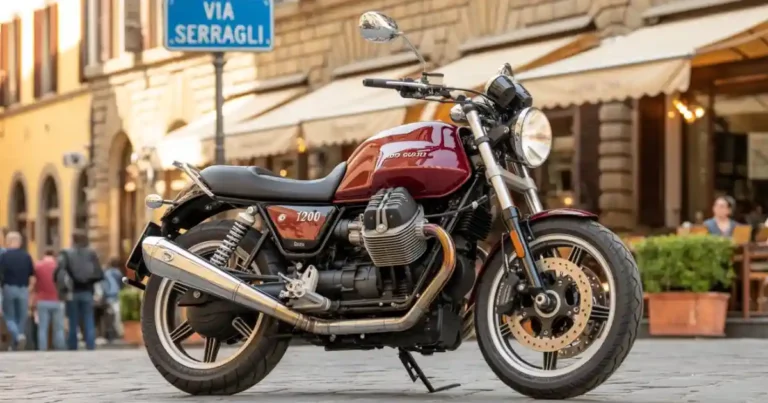
Can You Ride A Cruiser Motorcycle On Gravel: Expert Tips & Safety Guide

Have you ever wondered if your cruiser motorcycle can handle gravel roads? You might love the smooth, laid-back ride of a cruiser, but gravel can feel tricky and unpredictable.
The good news is, with the right know-how, you can take your cruiser off the beaten path without worry. You’ll discover what makes riding on gravel different, how your cruiser performs on loose surfaces, and the tips you need to stay safe and confident.
Keep reading, because your next adventure might just be a gravel road away.
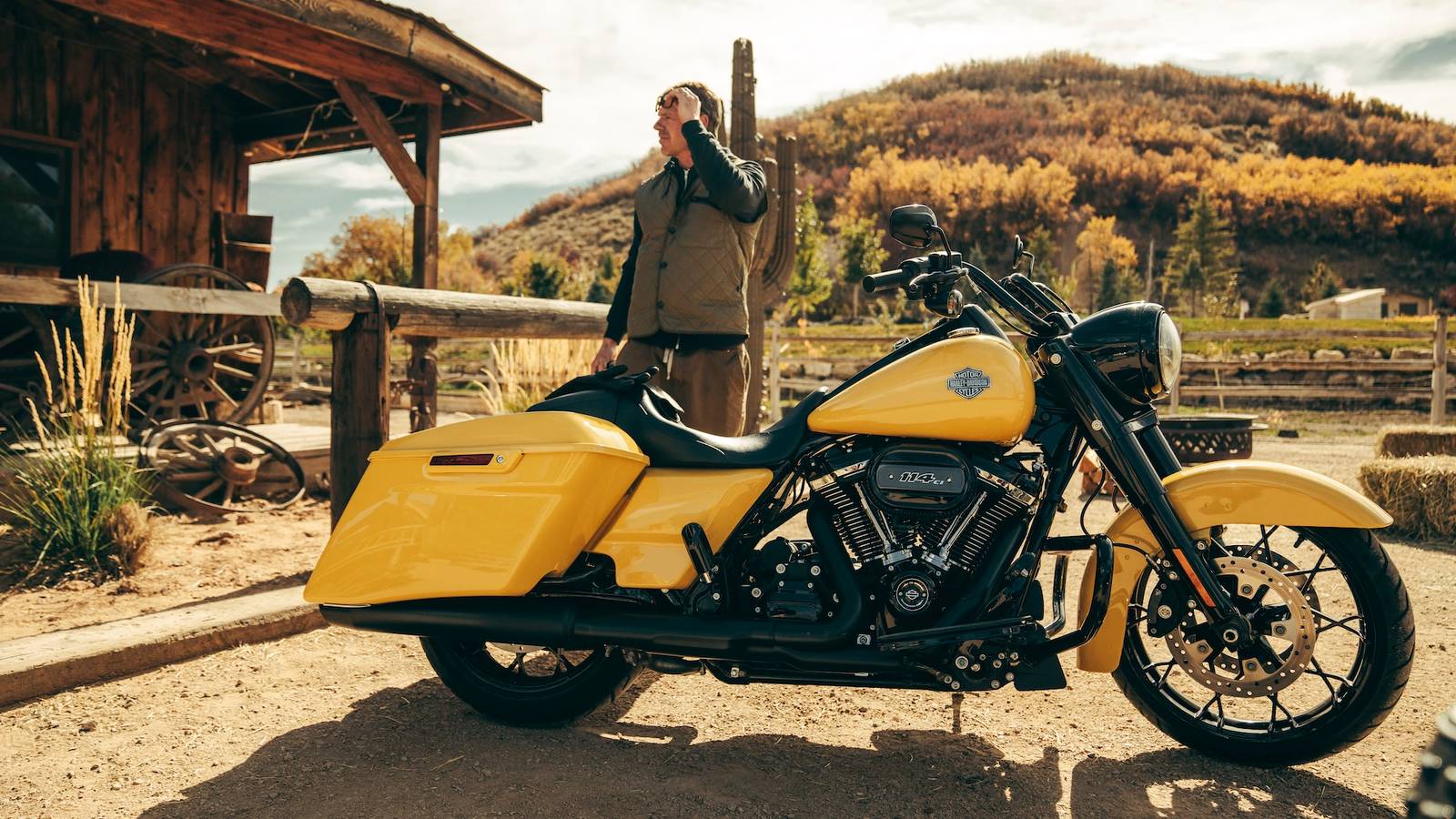
Credit: www.topspeed.com
Cruiser Motorcycles And Gravel Riding
Cruiser motorcycles offer a unique riding style. They are great for smooth roads and relaxed rides. Riding on gravel is a different experience. Gravel surfaces can be tricky for cruisers. Understanding the bike and the terrain helps you decide.
This section explains cruiser motorcycles and the challenges of gravel riding. It helps you see if cruisers suit gravel paths.
Characteristics Of Cruiser Motorcycles
Cruisers have a low seat height and long wheelbase. They focus on comfort and style. Their engines usually deliver steady power. Cruisers have wide tires made for pavement. The suspension is soft for smooth roads. The weight of these bikes is often high. This design suits slow, steady rides on asphalt.
Challenges Of Gravel Surfaces
Gravel roads are loose and uneven. Tires can slip or lose grip easily. Loose stones make it hard to control heavy bikes. Soft suspension may not absorb sharp bumps well. Gravel can cause skidding during turns. The bike’s weight can make balance difficult. Riding slowly and carefully is important on gravel.

Credit: www.reddit.com
Also read : How To Fix Motorcycle Speedometer Not Working
Assessing Cruiser Suitability For Gravel
Assessing whether a cruiser motorcycle can handle gravel roads is important. Cruisers are designed mostly for smooth pavement. Gravel surfaces demand different bike features for safety and comfort. Understanding these features helps decide if a cruiser fits this terrain.
Tire Types And Traction
Tires play a big role in riding on gravel. Most cruisers have tires made for asphalt. These tires offer less grip on loose gravel. Knobby or dual-sport tires give better traction on rough surfaces. Using the right tires improves control and reduces slipping risks.
Suspension And Ground Clearance
Cruisers usually have softer suspension for smooth rides. Gravel roads need firmer suspension to absorb bumps well. Low ground clearance on cruisers can cause problems on uneven ground. Higher clearance helps avoid damage and keeps the bike stable. Suspension and clearance affect comfort and safety on gravel.
Essential Safety Gear For Gravel Riding
Riding a cruiser motorcycle on gravel demands special safety gear. Gravel roads can be rough and slippery. Proper gear protects you from falls and flying debris. It also keeps you comfortable and confident. Focus on strong, durable equipment made for rough terrain. Safety should always come first on gravel rides.
Helmet And Protective Clothing
A good helmet is essential for gravel riding. It shields your head from impacts and dust. Choose a full-face or modular helmet for better protection. Look for helmets with good ventilation to stay cool. Protective clothing helps reduce injuries from scrapes or falls. Wear jackets and pants made from thick, abrasion-resistant materials. Gear with armor in key areas like elbows and shoulders adds safety.
Gloves And Boots
Gloves protect your hands from cuts and cold. Pick gloves with reinforced palms and knuckles. They improve grip on slippery handles. Boots are vital for foot and ankle support. Use sturdy boots with strong soles and ankle protection. Avoid lightweight shoes or sneakers on gravel. Boots also help keep dirt and stones out while riding.
Techniques For Riding On Gravel
Riding a cruiser motorcycle on gravel requires special techniques. Gravel surfaces are loose and slippery. These conditions need careful handling to stay safe and balanced. Learning the right methods helps you control the bike better. It also reduces the risk of slipping or falling.
Below are important techniques to help you ride smoothly on gravel roads.
Body Positioning
Keep your body relaxed but firm. Stand slightly on the foot pegs if possible. This helps absorb bumps and keeps the bike stable. Lean your body slightly forward to lower the center of gravity. Keep your knees close to the tank for better control. Look ahead, not down, to prepare for obstacles. Avoid stiff arms; let the bike move under you.
Throttle And Brake Control
Use smooth and steady throttle. Sudden acceleration can cause wheel spin. Apply brakes gently and evenly. Use both front and rear brakes together. Avoid hard braking to prevent skidding. Modulate the brake pressure to maintain traction. Keep engine power steady, especially on loose gravel.
Handling Turns And Slopes
Approach turns slowly and wide. Lean the bike gently without leaning your body too much. Keep your eyes on the exit of the turn. On uphill slopes, maintain steady throttle and avoid sudden changes. On downhill slopes, use engine braking and light brake pressure. Stay relaxed and keep your balance centered.
Modifications To Improve Gravel Performance
Riding a cruiser motorcycle on gravel can be tricky. The bike’s design favors smooth roads. To improve its performance on rough surfaces, some changes help a lot. These modifications make your ride safer and more stable. They also increase comfort and control on gravel paths.
Tire Upgrades
Standard cruiser tires are made for pavement. Switching to tires with deeper treads helps grip loose gravel. Knobby or dual-sport tires work best. They provide better traction and reduce slipping. Choose tires designed for mixed terrain to balance on and off-road use.
Suspension Adjustments
Gravel roads are uneven and bumpy. The stock suspension on a cruiser may feel stiff. Adjusting or upgrading shocks can absorb bumps better. Softer suspension settings improve comfort and control. Consider adding heavier springs or adjustable shocks for more tuning options.
Additional Accessories
Some accessories enhance gravel riding safety. Handguards protect your hands from debris. Crash bars shield the engine and bodywork. A skid plate guards the underside from rocks. Adding a windscreen can reduce dust and small stones hitting you. These small changes boost confidence and protection on gravel.
Common Risks And How To Avoid Them
Riding a cruiser motorcycle on gravel presents specific risks. Understanding these dangers helps keep you safe. Awareness and cautious riding reduce accidents.
Loose Gravel Hazards
Loose gravel reduces tire grip and can cause slips. Cruiser motorcycles have heavier frames and wider tires. This makes handling on gravel tricky. Sudden turns or quick stops increase fall risk. Slow down and keep your bike steady. Avoid sharp braking. Use gentle throttle control to maintain balance.
Visibility And Weather Considerations
Gravel roads often have dust and loose stones. Dust clouds reduce visibility for you and others. Rain makes gravel slippery and harder to ride on. Fog or low light also lowers visibility. Wear bright clothing and use your headlights. Ride slower to react to hidden hazards. Wait for better weather if conditions are poor.
Maintenance Tips After Gravel Riding
Riding a cruiser motorcycle on gravel can be fun but hard on your bike. Gravel roads kick up dirt and small stones. These can cause damage or wear to many parts. After riding on gravel, you must care for your cruiser properly. This keeps the bike safe and running well.
Regular maintenance after gravel rides stops small problems from growing. It also helps your bike last longer. Focus on cleaning, inspecting, and checking key parts. These steps protect your cruiser and improve performance.
Cleaning And Inspection
Start by washing your cruiser with water and mild soap. Remove all dirt and stones from the body and wheels. Use a soft brush for hard-to-reach areas. Dry the bike completely to stop rust.
Next, inspect the frame and engine for scratches or cracks. Check the exhaust pipe for dents or holes. Look closely at the chain for dirt or damage. Clean and lubricate it if needed. Small gravel pieces can hide in many places. Take your time to check every part carefully.
Tire And Suspension Checks
Gravel riding can cause tire cuts or punctures. Examine tires for cracks, cuts, or stones stuck in the tread. Check the tire pressure and adjust it to the recommended level. Proper tire pressure improves grip and safety.
Inspect the suspension for leaks or damage. Gravel roads can shake the suspension and wear seals. Test the front forks and rear shocks for smooth movement. Fix any leaks or stiffness quickly. Good suspension makes your cruiser comfortable and stable on all roads.
/cloudfront-us-east-1.images.arcpublishing.com/octane/ZPN454NXHFNUTKT32BEX5ZCII4.jpg "Can You Ride A Cruiser Motorcycle On Gravel: Expert Tips & Safety Guide 3")
Credit: www.motorcyclecruiser.com
Common Answer For Can You Ride A Cruiser Motorcycle On Gravel
Can Cruiser Motorcycles Handle Gravel Roads Safely?
Cruiser motorcycles are not ideal for gravel roads. Their heavy weight and smooth tires reduce traction. Riders risk slipping and losing control. Extra caution and slower speeds are essential on gravel terrain.
What Modifications Improve Cruiser Bikes For Gravel Riding?
Adding dual-sport tires and upgraded suspension helps cruiser bikes on gravel. Wider tires increase grip, and better suspension absorbs bumps. These changes improve stability and comfort on uneven surfaces.
Is Riding A Cruiser On Gravel Dangerous?
Yes, riding a cruiser on gravel can be risky. The bike’s design favors paved roads, making gravel slippery and unstable. Riders should have experience and use proper gear for safety.
Can Skill Level Affect Cruiser Riding On Gravel?
Absolutely. Skilled riders manage weight distribution and throttle control better on gravel. Experience reduces the chances of accidents. Beginners should avoid gravel or practice in safe environments first.
Conclusion
Cruiser motorcycles are not built for rough, loose surfaces like gravel. Riding on gravel needs careful handling and slower speeds. Tires with good grip help keep control and balance. Take wide turns and avoid sudden brakes to stay safe. Small gravel patches can be managed, but deep gravel is risky.
Choosing the right bike for your path is smart. Enjoy your ride and always wear proper safety gear. Riding on gravel with a cruiser is possible but needs caution.